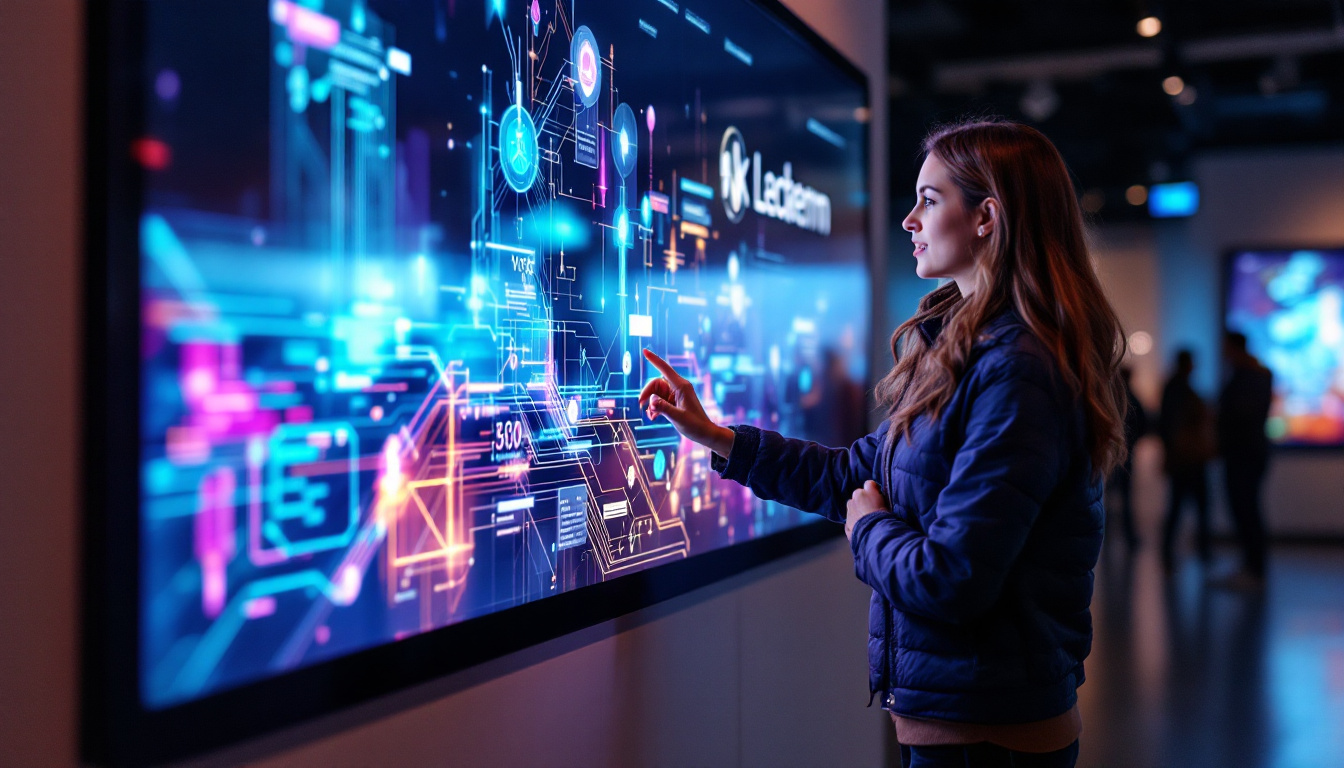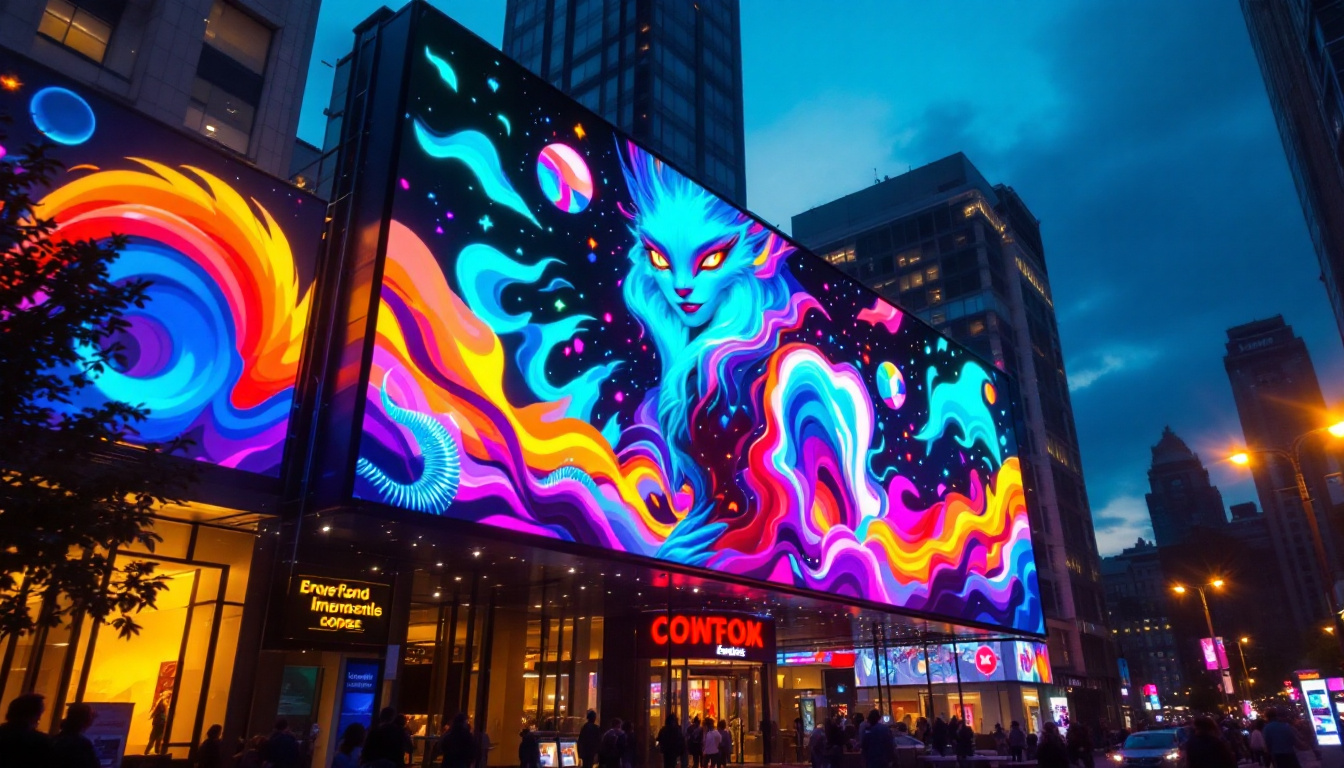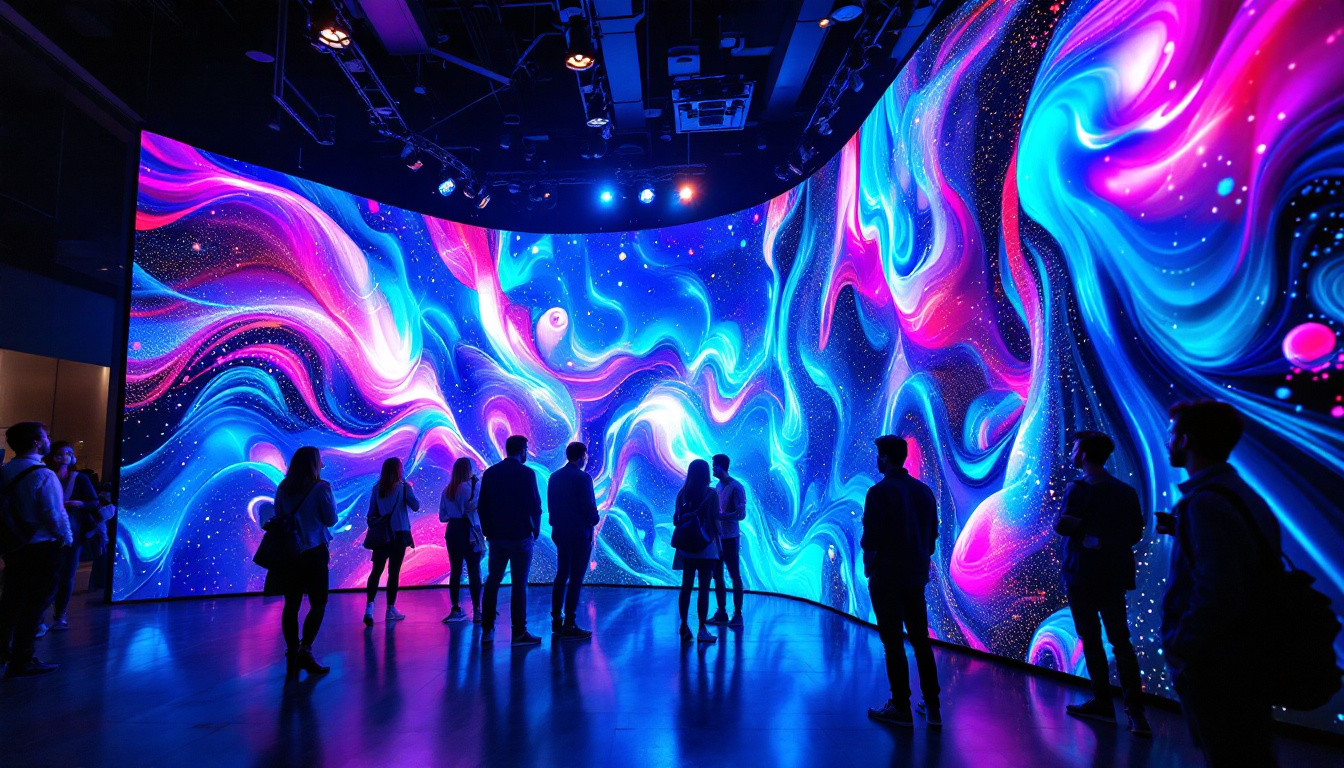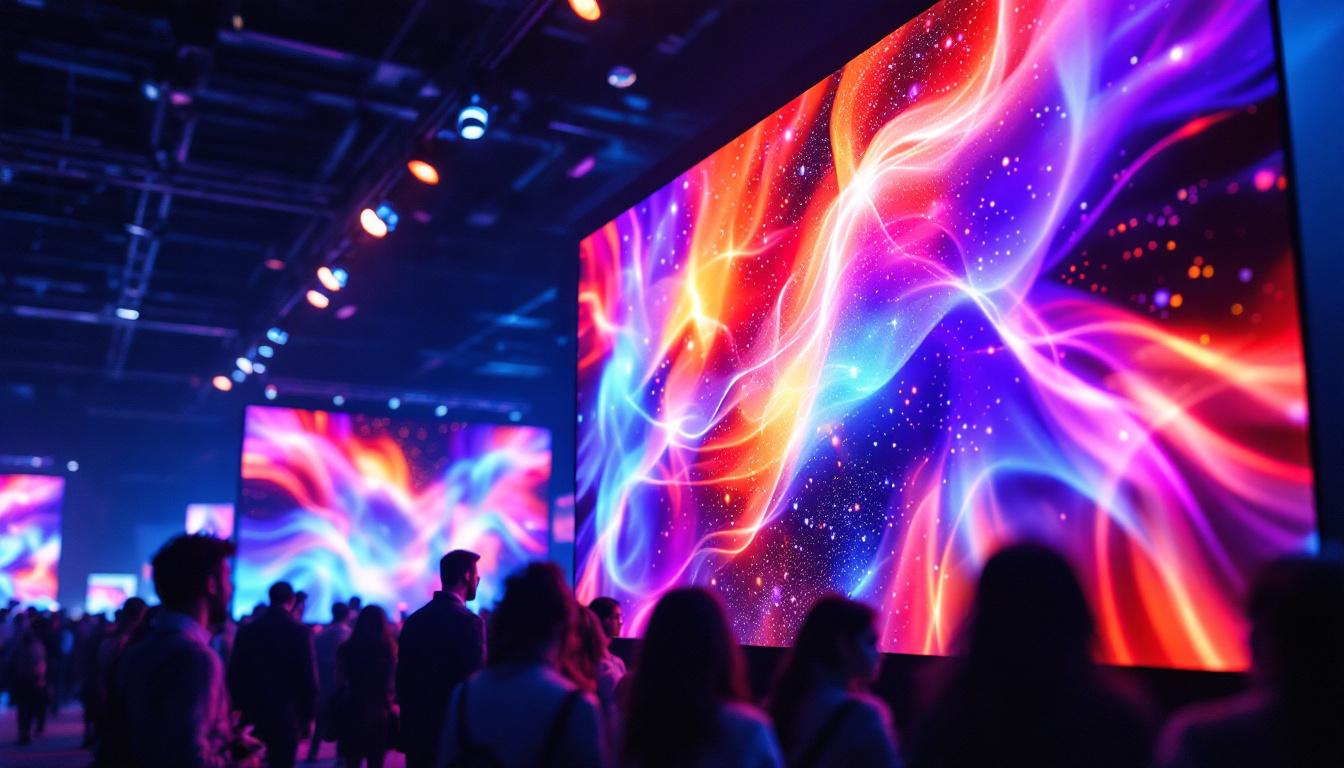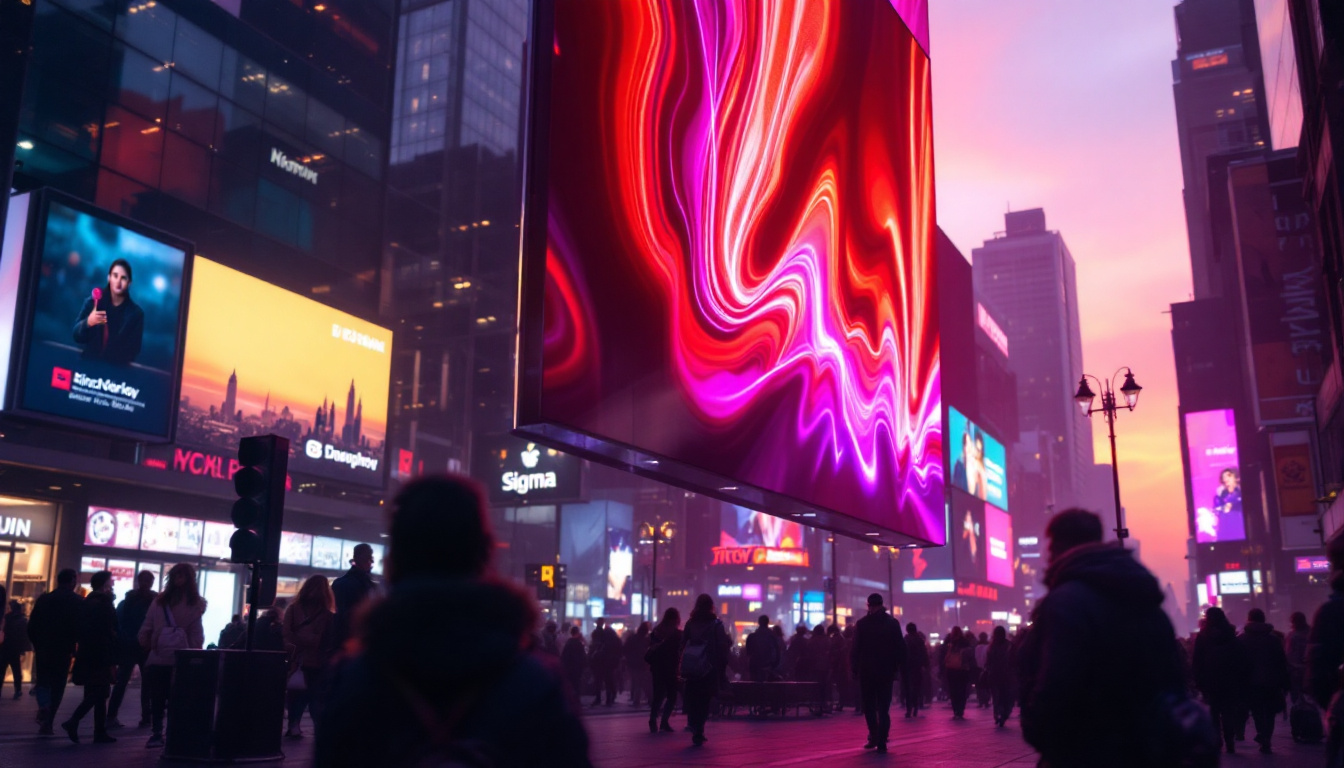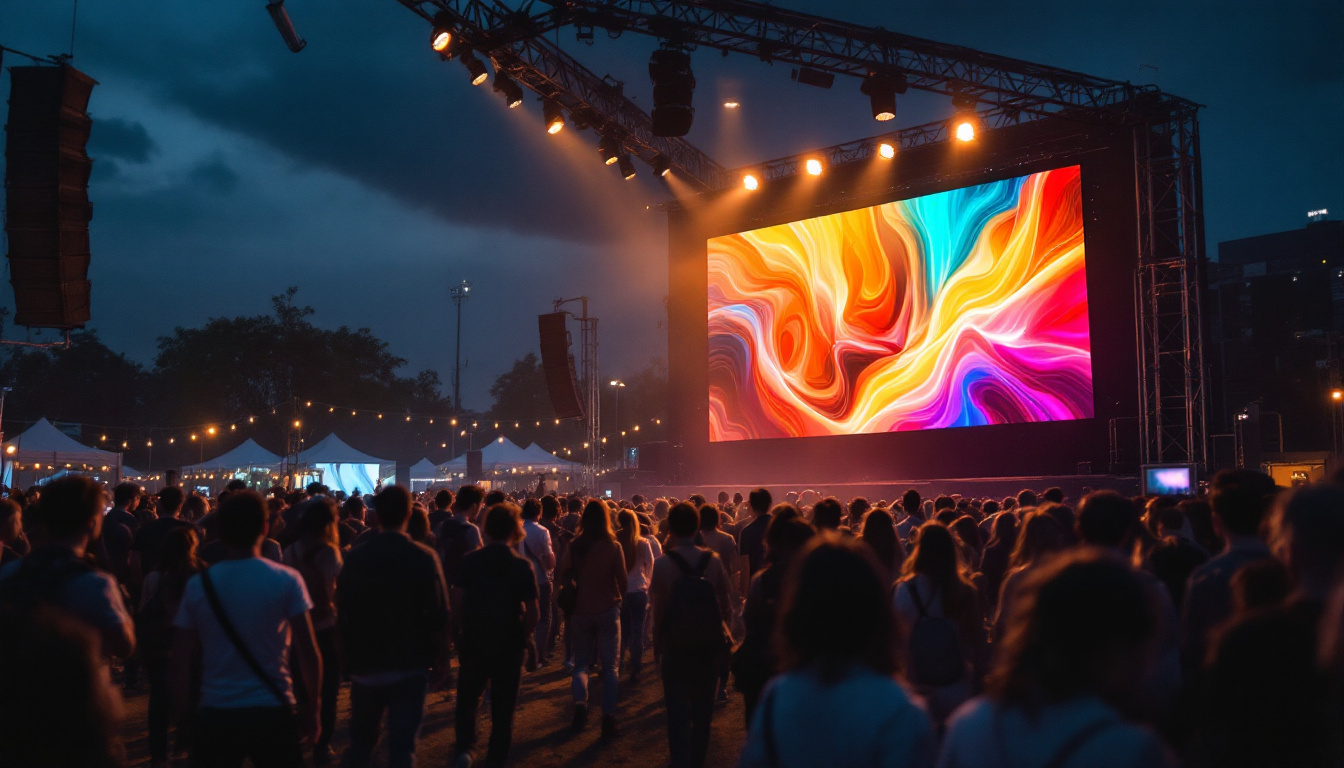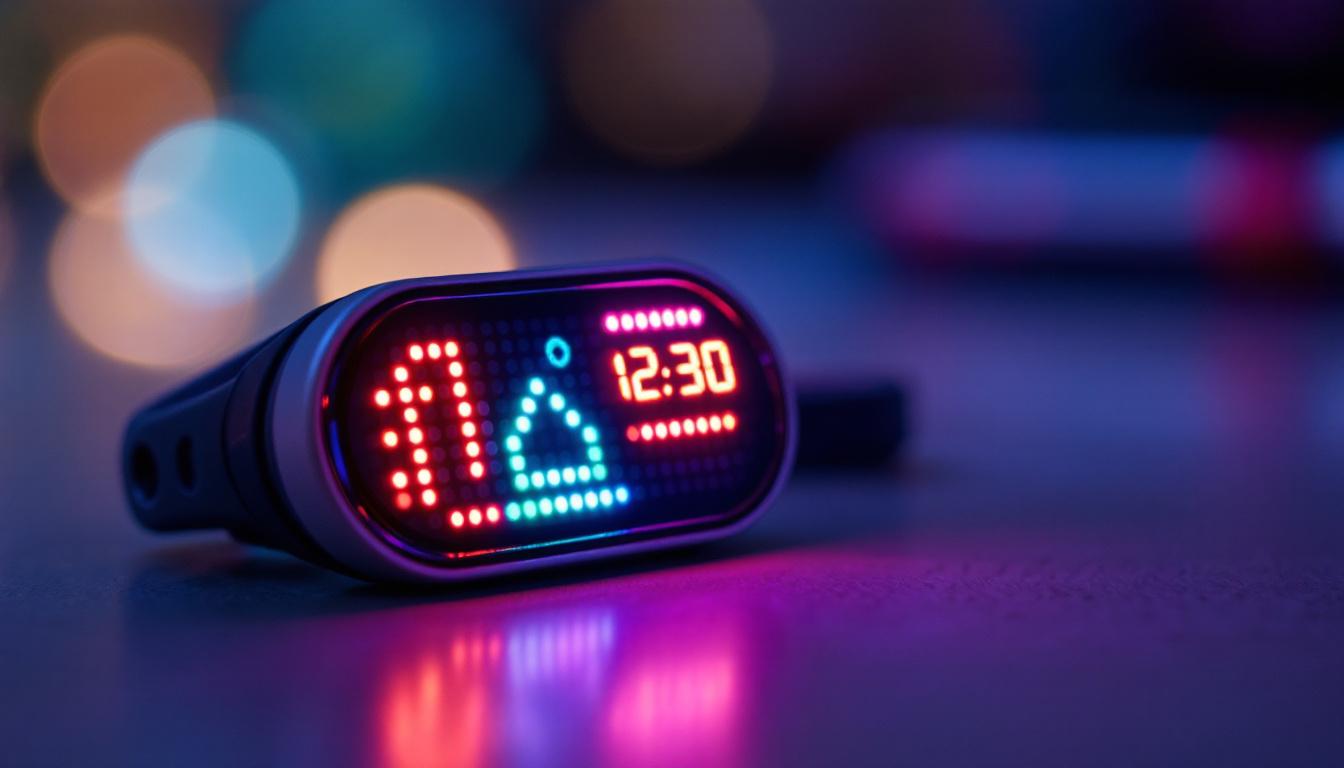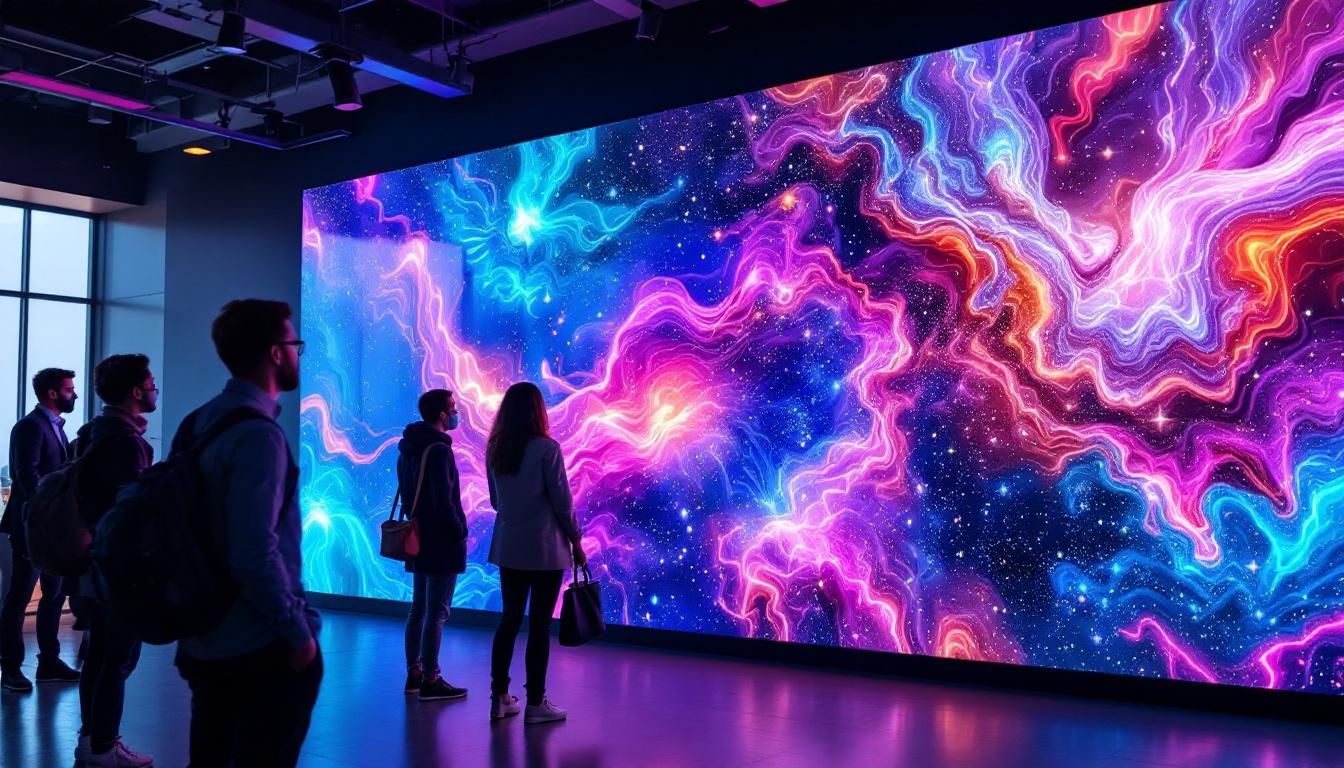
In an era where visual communication dominates marketing, entertainment, and corporate environments, the demand for high-resolution, large-format displays has surged dramatically. Among the most impressive technological advancements in this space is the 4K video wall, particularly those built using LED display technology. This article explores what a 4K video wall is, how LED displays function, and why they have become the preferred choice for a variety of applications worldwide.
Understanding 4K Video Walls
What Is a 4K Video Wall?
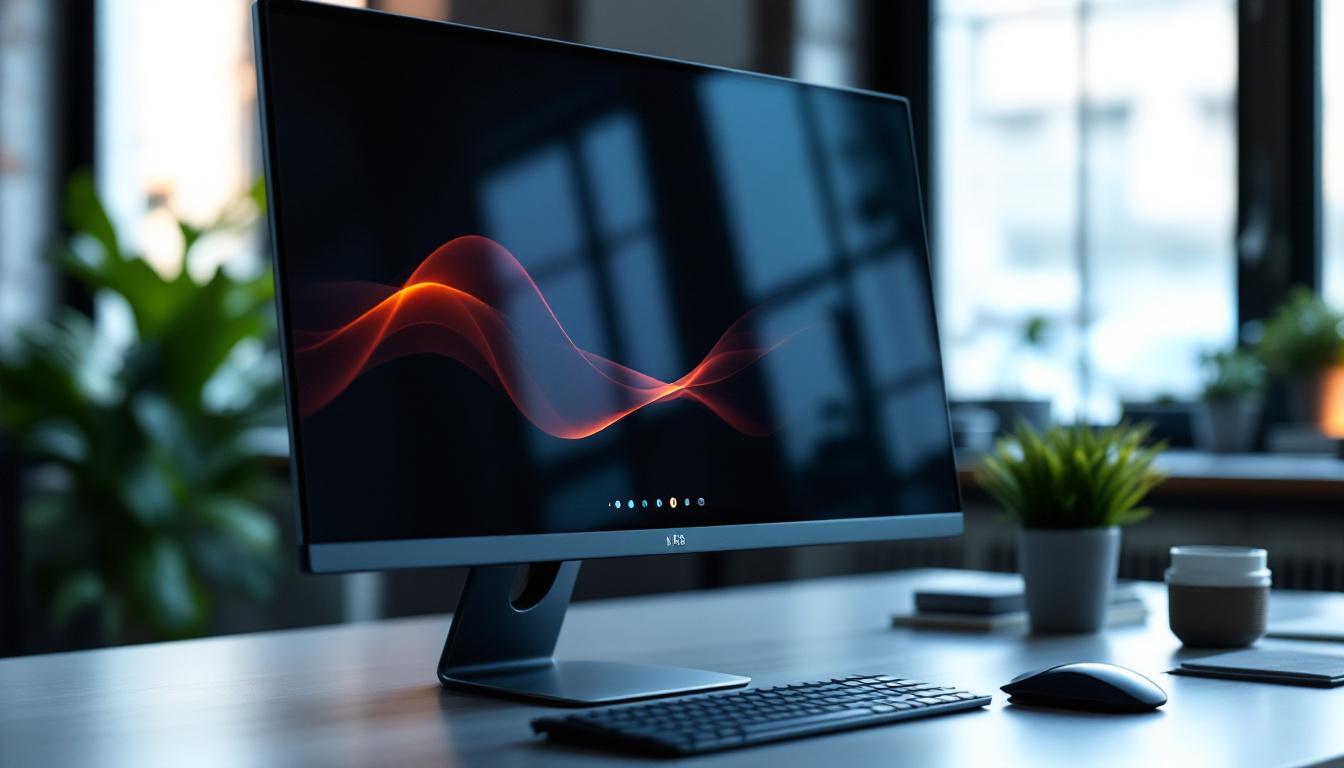
A 4K video wall is a large-scale display system composed of multiple screens or panels tiled together to create one seamless, ultra-high-definition image with a resolution of approximately 3840 x 2160 pixels. Unlike a single 4K television or monitor, a video wall can span several meters, making it ideal for environments that require impactful visual presentations, such as control rooms, stadiums, retail spaces, and corporate lobbies.
The term “4K” refers to the horizontal pixel count, which is roughly 4,000 pixels, offering four times the resolution of 1080p Full HD. This enhanced resolution ensures crisp, detailed images, even when viewed from close distances or on very large screens. In addition to the impressive pixel count, 4K video walls often support high dynamic range (HDR) content, which enhances color accuracy and contrast, resulting in a more vibrant and lifelike viewing experience. This makes them particularly appealing for industries such as entertainment and advertising, where visual impact is paramount.
Why Choose a Video Wall Over Traditional Displays?
Traditional large displays, such as projectors or single large LCD panels, often face limitations in brightness, durability, and scalability. Video walls, on the other hand, provide several advantages:
- Scalability: Video walls can be expanded by adding more panels, allowing businesses to customize the size and shape to fit their unique space and needs.
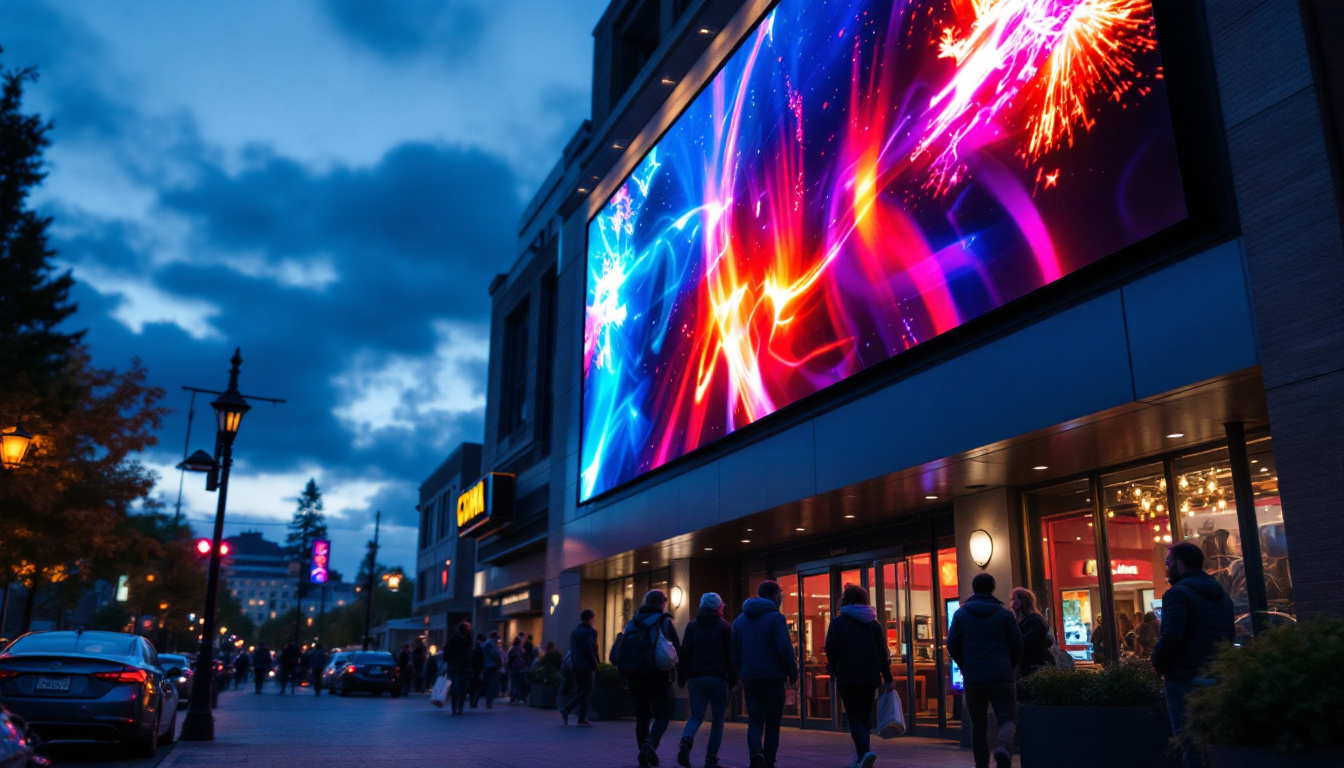
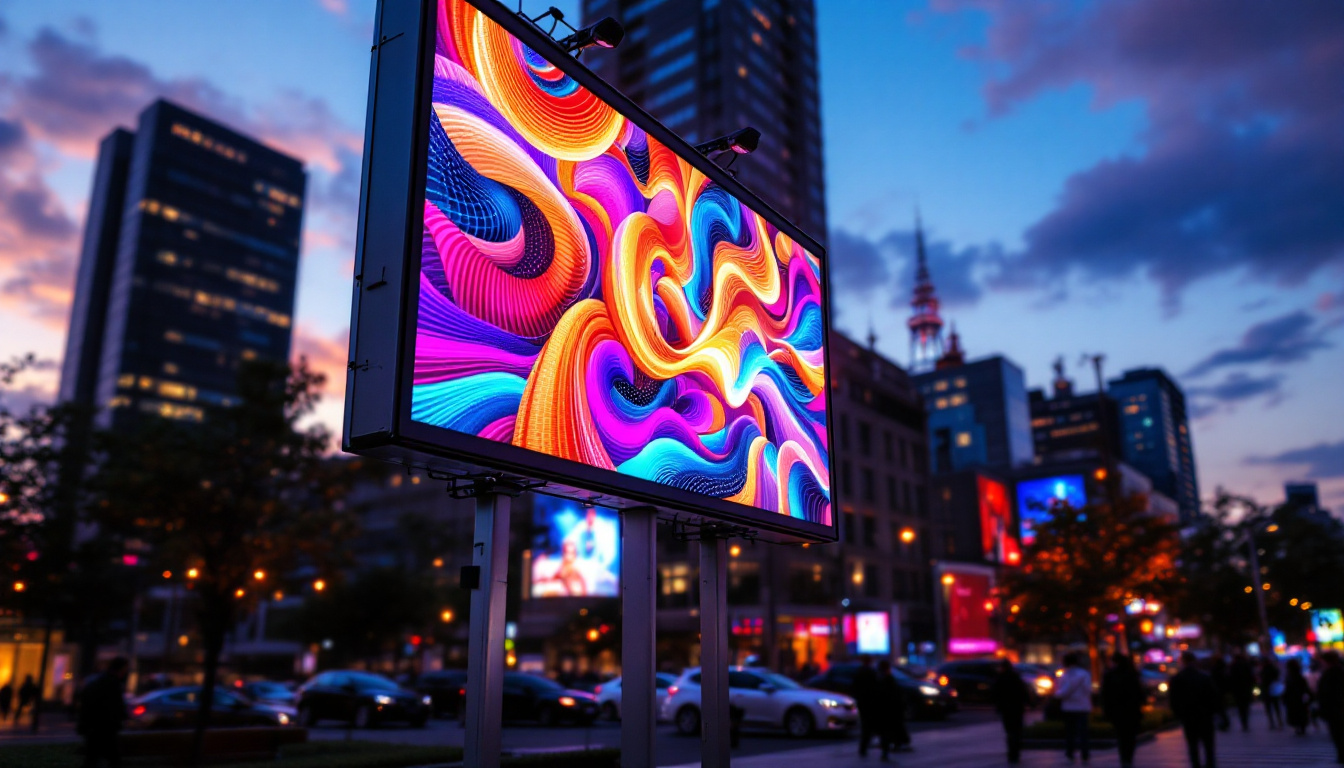
- Brightness and Visibility: LED video walls offer significantly higher brightness levels, making them suitable for both indoor and outdoor environments, even under direct sunlight.
- Reliability: LED panels are known for their long lifespan and low maintenance requirements, ensuring consistent performance over time.
- Seamless Visual Experience: Advances in bezel-less or ultra-narrow bezel designs minimize the gaps between panels, creating a nearly uninterrupted image.
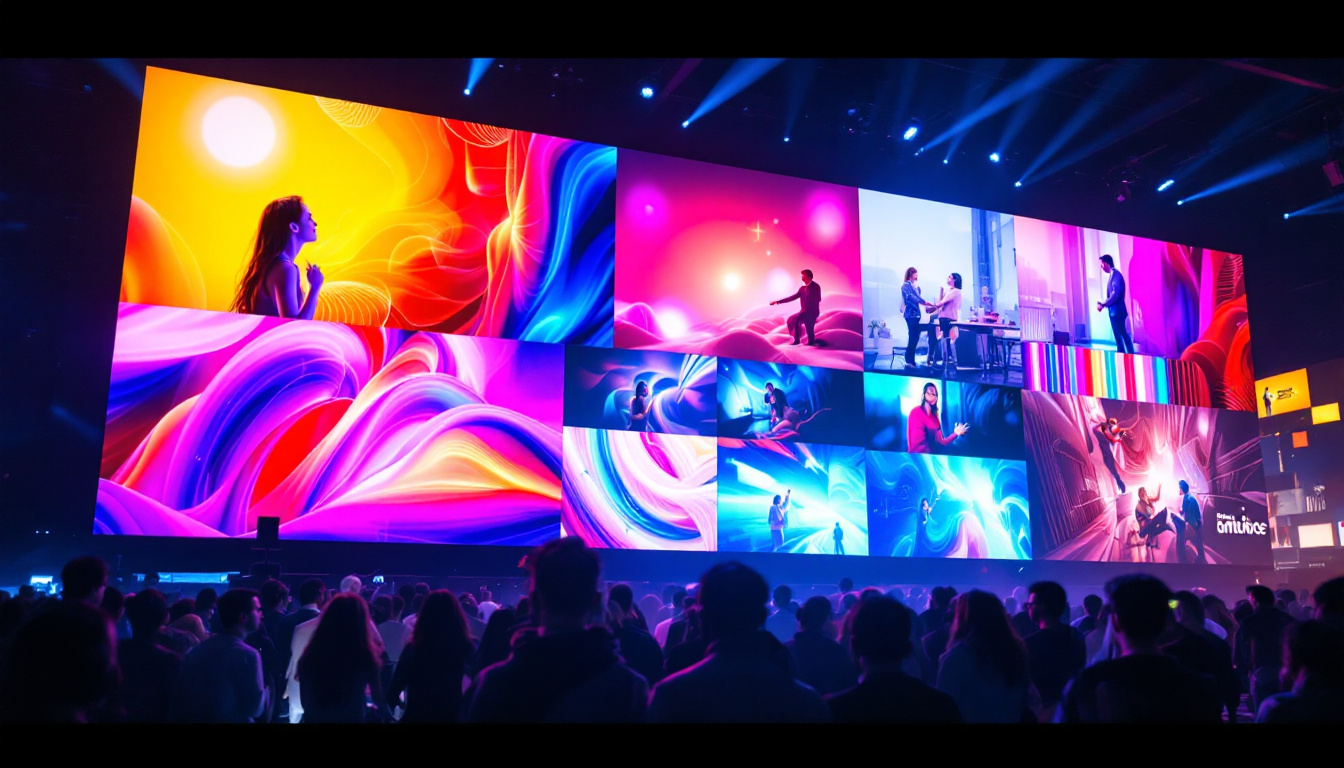
Moreover, video walls are highly versatile and can be configured to display a variety of content simultaneously. This multi-source capability allows users to showcase different videos, graphics, and data feeds in real-time, making them an excellent choice for dynamic presentations and information sharing. For instance, in a retail setting, a video wall can display promotional videos alongside live social media feeds or product information, creating an engaging experience for customers. Additionally, with the integration of advanced content management systems, users can easily control and schedule content from a centralized platform, enhancing operational efficiency.
Another compelling reason to consider a video wall is their ability to enhance audience engagement. In environments such as trade shows or corporate events, the captivating visuals produced by a video wall can draw in attendees and create a memorable atmosphere. The immersive experience provided by these large displays can significantly impact brand perception and message retention, making them a powerful tool for marketers and event organizers alike. As technology continues to evolve, the possibilities for creative applications of video walls are virtually limitless, paving the way for innovative storytelling and interactive experiences.
LED Display Technology: The Backbone of Modern Video Walls
How LED Displays Work
LED stands for Light Emitting Diode, a semiconductor device that emits light when an electric current passes through it. In LED video walls, thousands to millions of these tiny diodes are arranged in a grid to form pixels. Each pixel typically consists of red, green, and blue LEDs, which combine to produce a full spectrum of colors.
The brightness and color of each pixel can be individually controlled, allowing for dynamic, vibrant images that can be viewed clearly from various angles and distances. This pixel-level control also enables the display of high-contrast images with deep blacks and vivid colors, essential for delivering impactful visual content.
Types of LED Displays Used in Video Walls
There are primarily two types of LED displays used in video walls: direct view LED (DVLED) and LED-backlit LCD. Understanding the difference is crucial when selecting the right technology for a specific application.
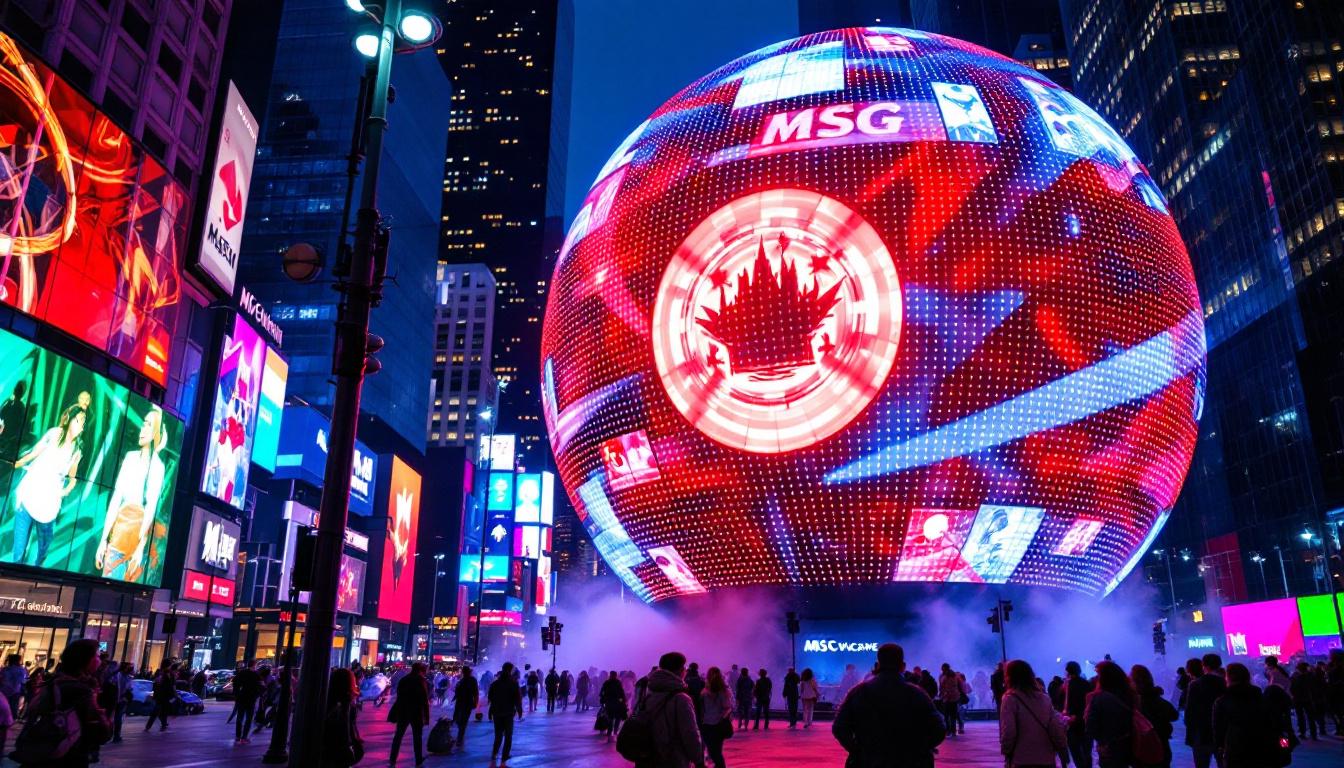
- Direct View LED (DVLED): This technology uses LEDs as the actual pixels of the display. Each LED emits its own light, eliminating the need for backlighting. DVLED video walls are known for their exceptional brightness, color accuracy, and viewing angles. They are often used in large-scale outdoor installations, sports arenas, and high-end indoor applications.
- LED-Backlit LCD: These displays use traditional LCD panels illuminated by an LED backlight. While generally more affordable, they tend to have lower brightness and contrast compared to DVLEDs and may suffer from limited viewing angles. They are commonly found in smaller video walls or budget-conscious projects.
Pixel Pitch: The Key to Resolution and Image Quality
Pixel pitch refers to the distance between the centers of two adjacent pixels and is measured in millimeters. It is a critical factor that affects the resolution and viewing distance of an LED video wall.
A smaller pixel pitch means more pixels per square meter, resulting in higher resolution and finer image detail. For example, a 1.2mm pixel pitch LED display will deliver much sharper images than a 4mm pixel pitch display, but it will also be more expensive and typically used for close viewing environments such as control rooms or broadcast studios.
Conversely, larger pixel pitches (e.g., 6mm or more) are suitable for outdoor or large venue installations where viewers are farther away, as the human eye cannot discern the individual pixels from a distance.
Applications and Benefits of 4K LED Video Walls
Corporate and Commercial Use
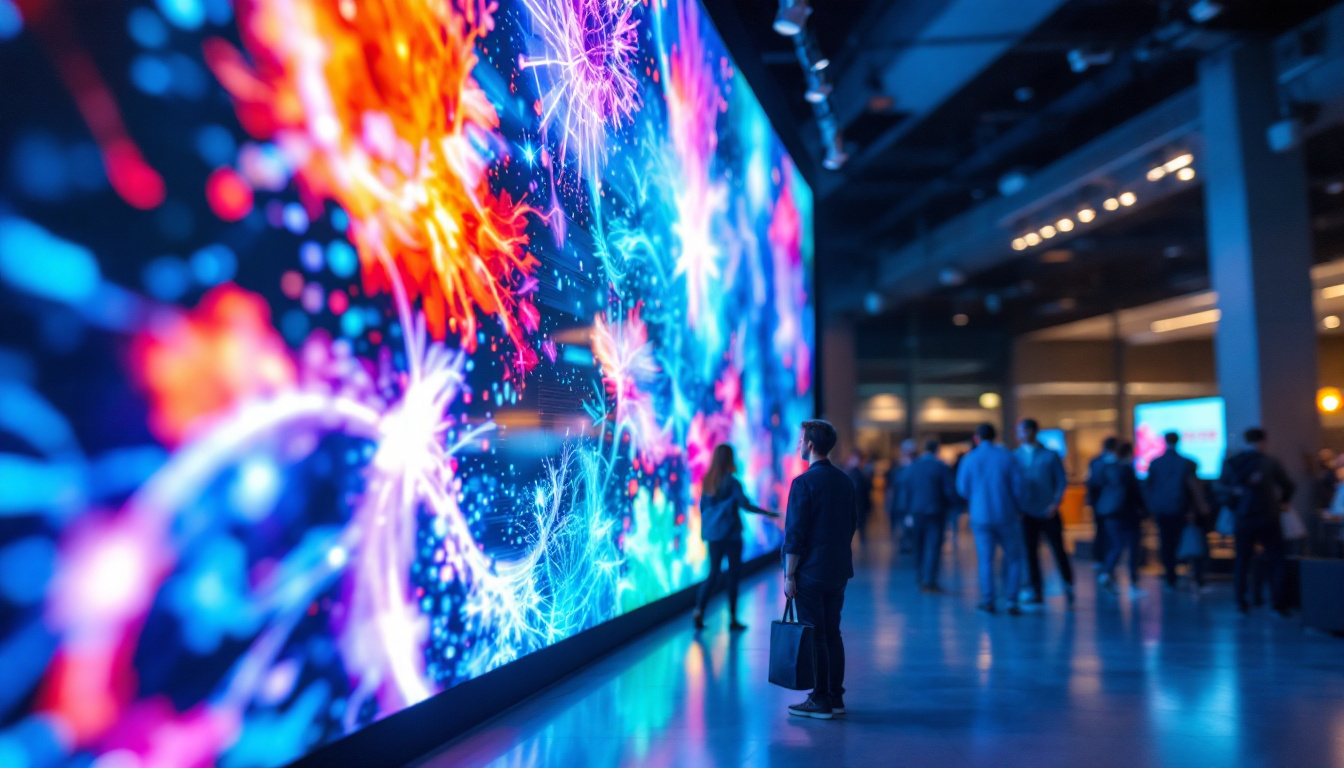
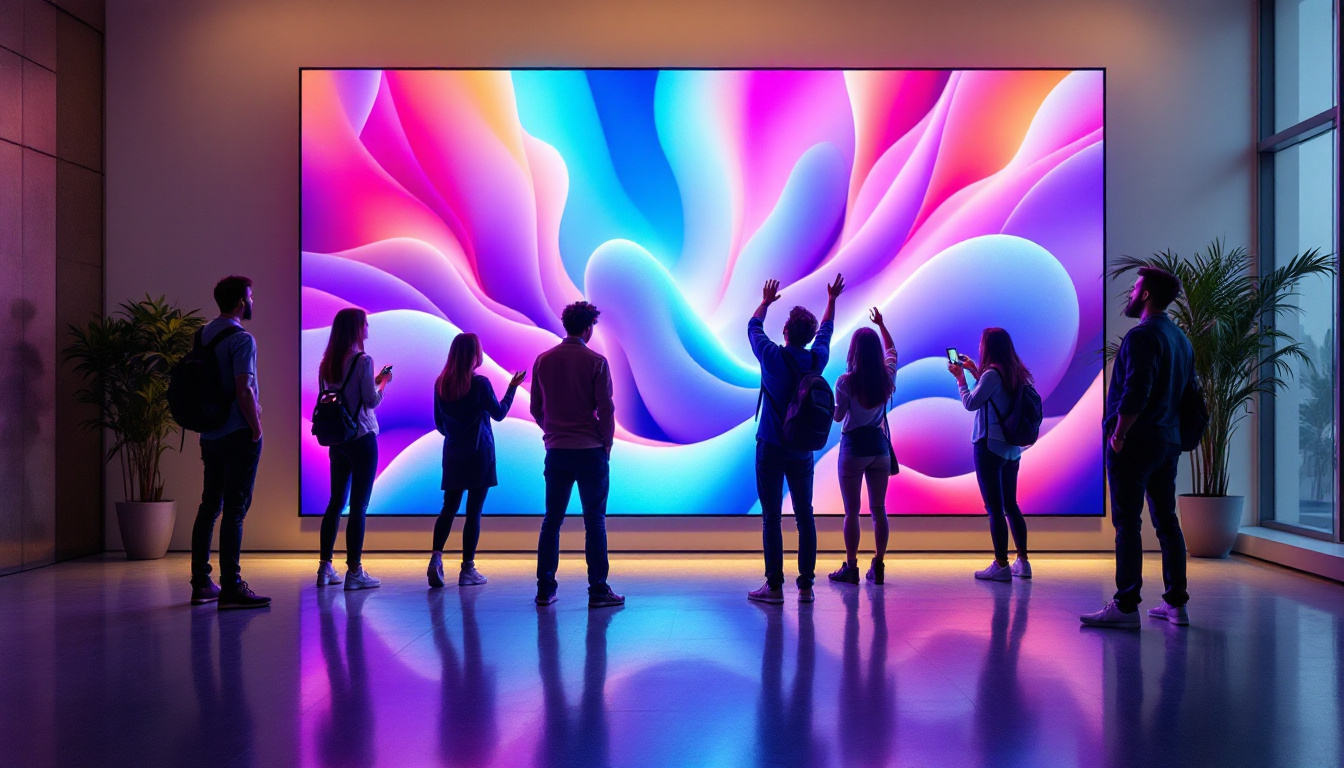
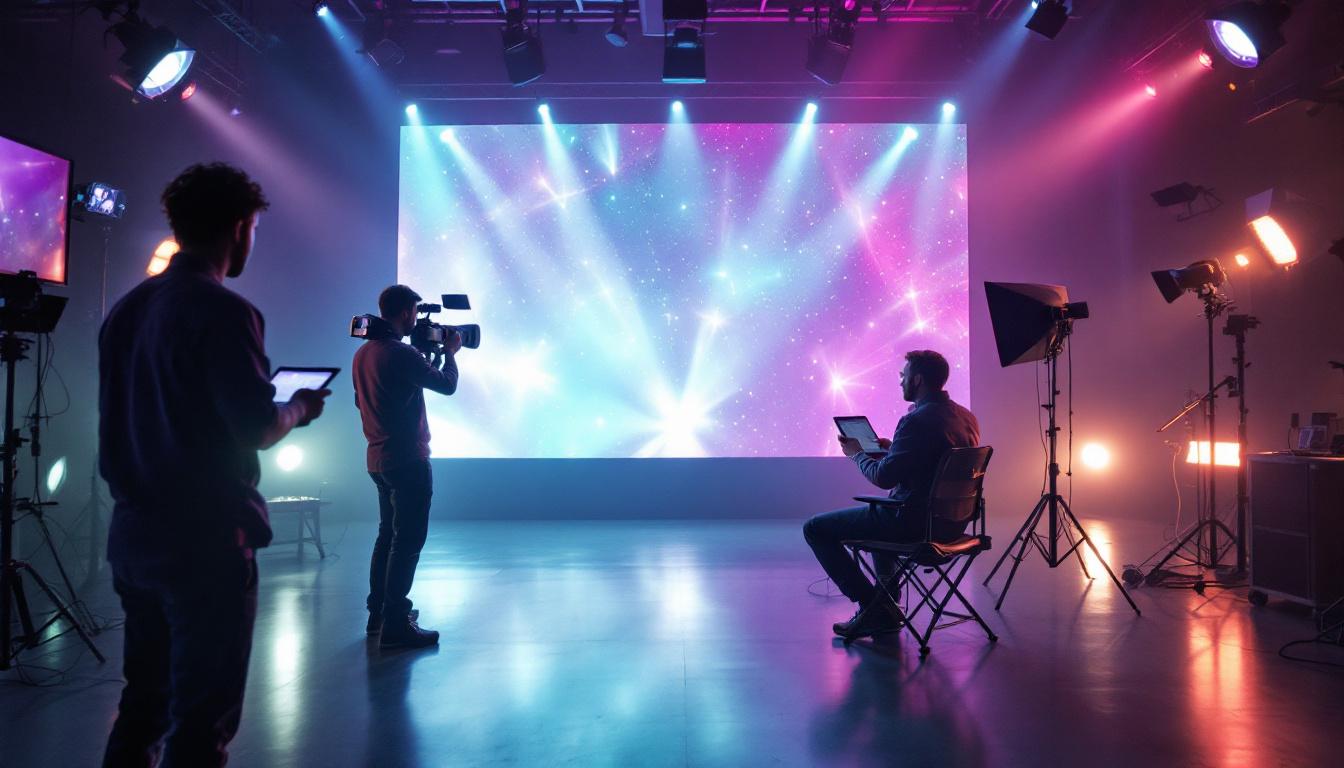
In corporate settings, 4K LED video walls serve as powerful communication tools. They are used in boardrooms, lobbies, and event spaces to display presentations, company branding, and live data feeds. The ability to present ultra-high-definition content helps companies make a strong visual impression and enhances audience engagement.
Retail environments also benefit from LED video walls by showcasing dynamic advertisements and promotions that attract customers and increase sales. According to a study by the Digital Signage Federation, digital signage with high-resolution displays can boost customer engagement by up to 47%, highlighting the effectiveness of video walls in retail marketing.
Entertainment and Sports Venues
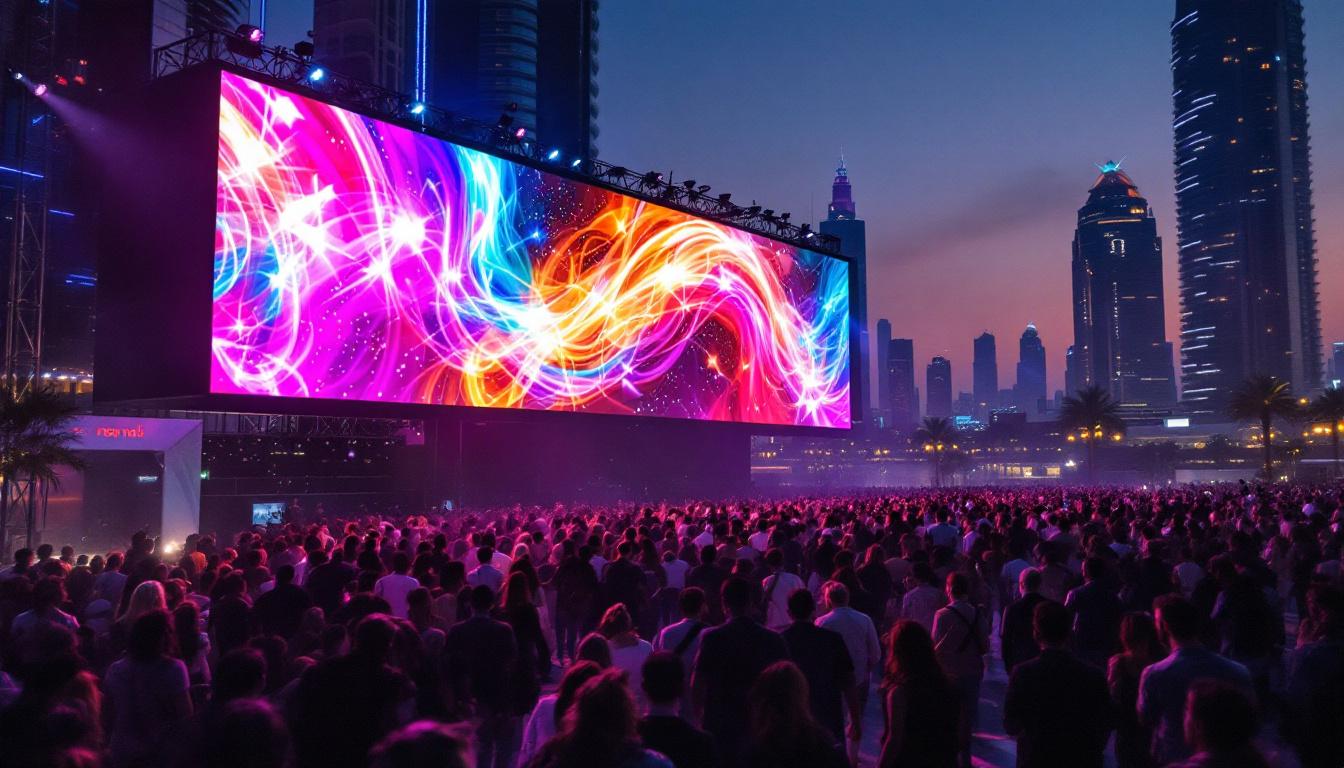
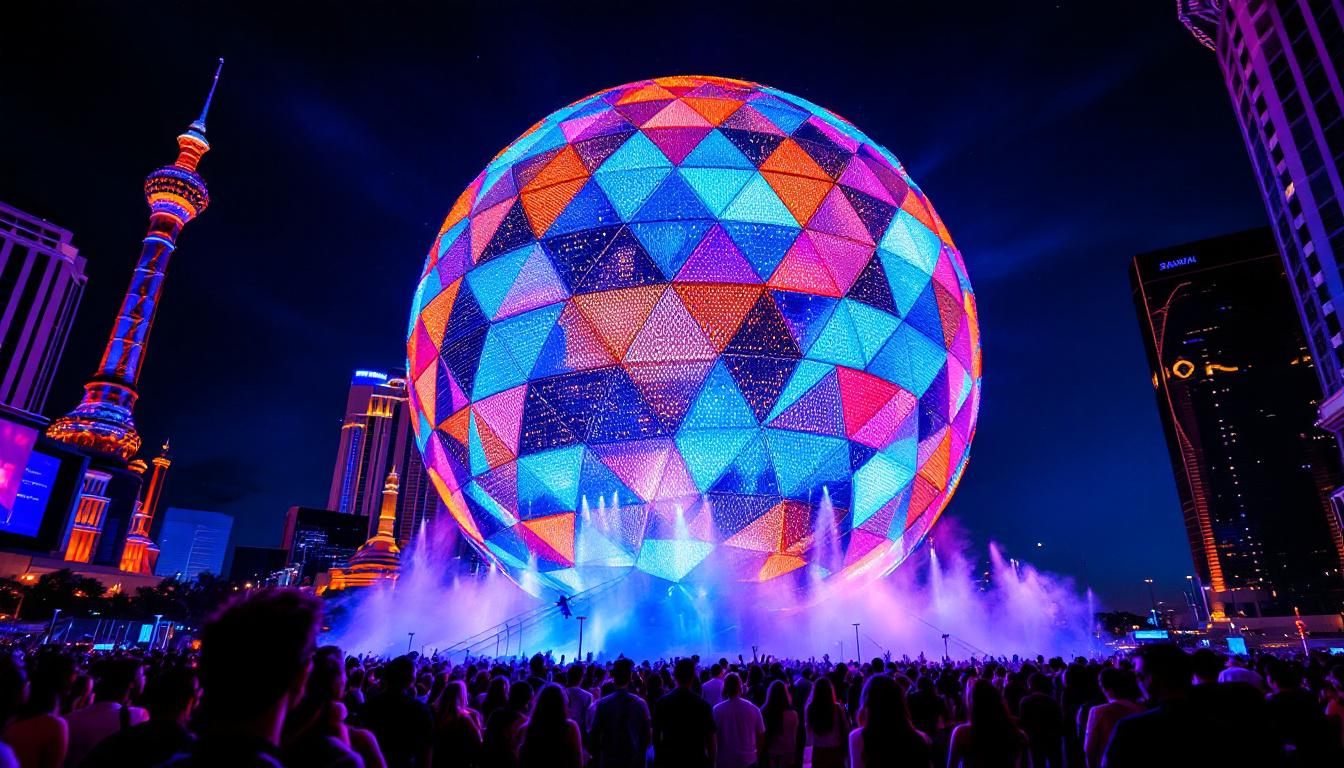
Sports arenas and concert venues rely heavily on LED video walls to deliver immersive experiences to audiences. These walls can display live feeds, instant replays, scores, and interactive content, enriching the event atmosphere.
For example, the AT&T Stadium in Texas features one of the largest 4K LED video boards in the world, measuring 160 feet wide and 72 feet high, providing crystal-clear visuals to tens of thousands of spectators. Such installations demonstrate the scalability and impact of LED video walls in large venues.
Control Rooms and Command Centers
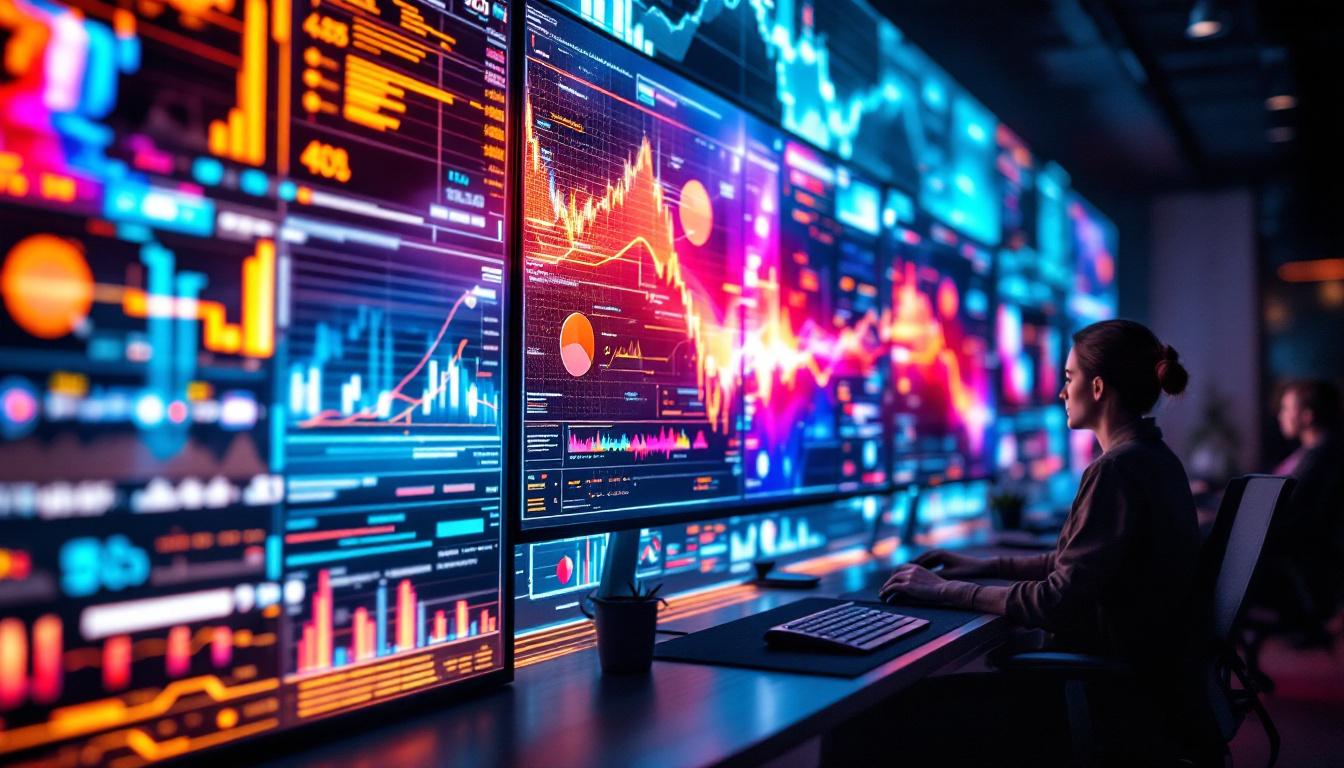
Control rooms for utilities, transportation, security, and emergency response require continuous monitoring of multiple data streams. 4K LED video walls enable operators to view high-resolution maps, live video feeds, and analytics simultaneously on a large, unified display.
The clarity and reliability of LED technology are crucial in these high-stakes environments, where timely information can make a significant difference in decision-making and operational efficiency.
Education and Museums
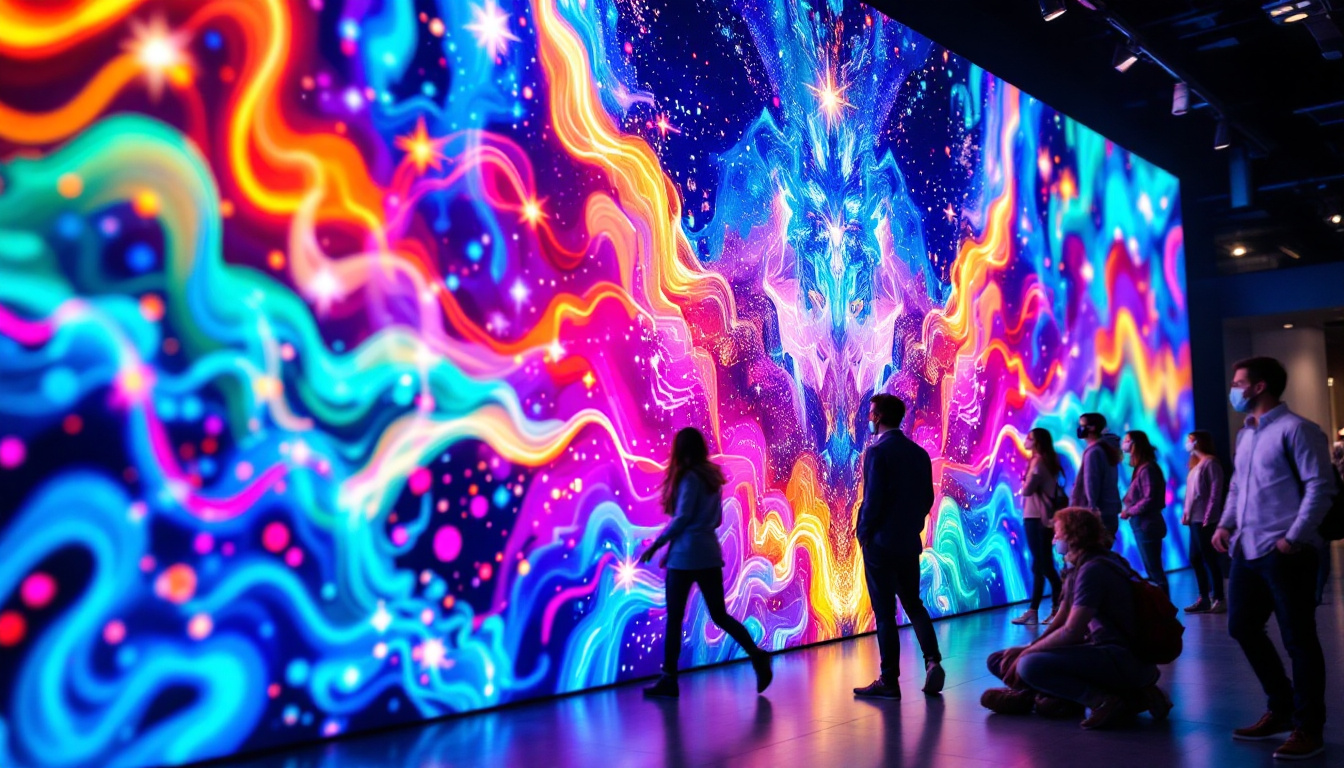
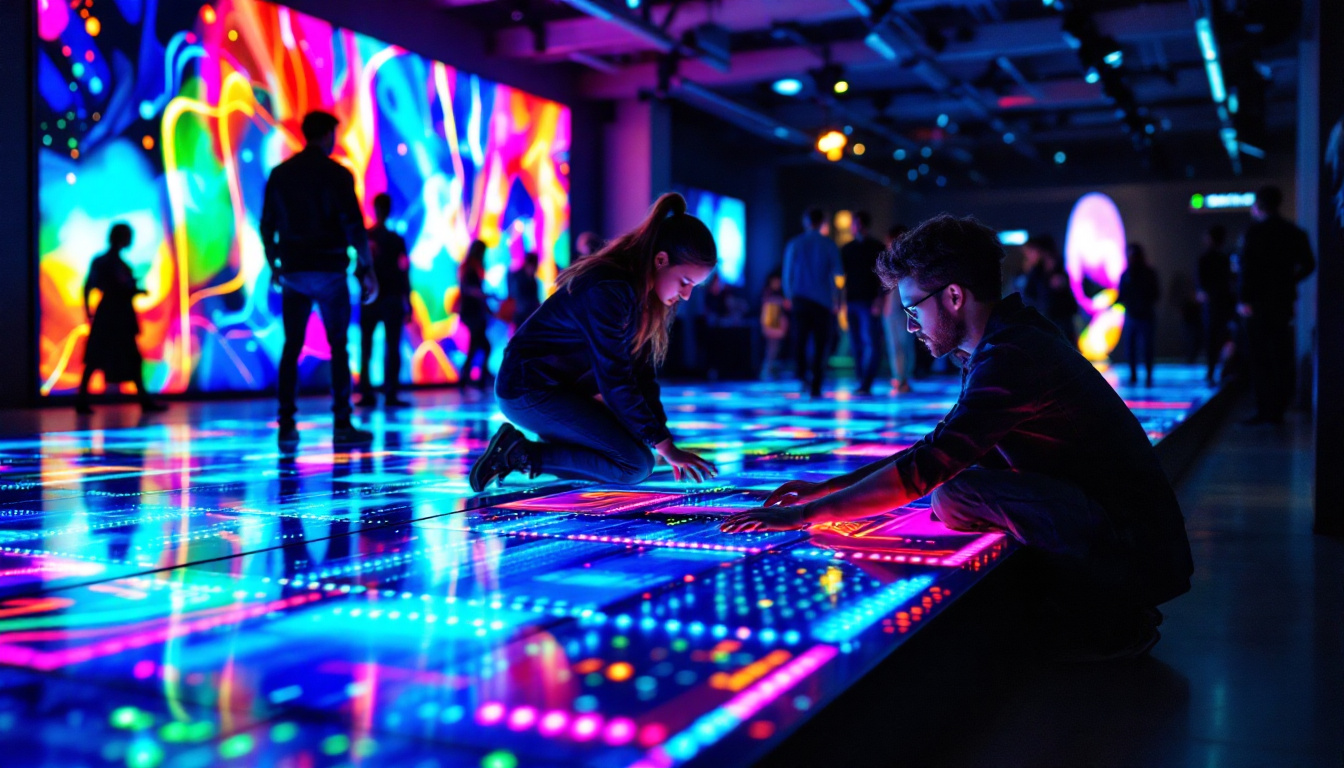
Educational institutions and museums are increasingly adopting LED video walls to create interactive exhibits and immersive learning environments. The ability to display detailed visuals, videos, and interactive content enhances visitor engagement and facilitates better understanding of complex subjects.
For instance, science museums use 4K LED walls to simulate environments like outer space or deep oceans, providing visitors with captivating, educational experiences that go beyond traditional static displays.
Installation Considerations and Challenges
Space and Structural Requirements
Installing a 4K LED video wall requires careful planning regarding space, weight, and structural support. LED panels can be heavy, and the supporting wall or frame must be capable of safely bearing the load. Additionally, the installation space should accommodate proper ventilation and access for maintenance.
Professional installation teams often conduct site surveys and structural assessments to ensure the environment is suitable for the video wall, preventing issues such as overheating or physical damage.
Calibration and Content Management
To achieve a seamless visual experience, LED video walls must be calibrated for color uniformity, brightness, and contrast across all panels. Calibration ensures that the image appears consistent, without visible seams or color shifts.
Content management systems (CMS) play a vital role in controlling what is displayed on the video wall. Advanced CMS solutions allow for real-time content updates, scheduling, and multi-source input management, enabling operators to maximize the effectiveness of their video walls.
Cost and Maintenance
While the initial investment in a 4K LED video wall can be substantial, the long-term benefits often justify the expense. LED displays have a typical lifespan of 50,000 to 100,000 hours, with minimal maintenance compared to other technologies.
However, maintenance considerations include periodic cleaning, software updates, and occasional replacement of faulty modules. Choosing reputable manufacturers and service providers can reduce downtime and ensure the video wall remains operational and visually impressive over time.
The Future of 4K LED Video Walls
Emerging Trends and Innovations
The LED video wall market continues to evolve rapidly, driven by advances in display technology and user demands. Trends such as microLED technology promise even higher brightness, better energy efficiency, and thinner panels, which will further enhance video wall performance.
Additionally, integration with artificial intelligence (AI) and Internet of Things (IoT) devices is enabling smarter content delivery and predictive maintenance, improving user experience and operational efficiency.
Environmental Impact and Sustainability
As sustainability becomes a priority, manufacturers are focusing on eco-friendly materials and energy-efficient designs. LED video walls consume less power than traditional display technologies and generate less heat, reducing cooling requirements and overall environmental footprint.
Recycling programs and modular designs also contribute to sustainability by enabling easier upgrades and reducing electronic waste.
Conclusion
4K LED video walls represent a pinnacle of modern display technology, combining ultra-high resolution with scalability, brightness, and reliability. Their versatility makes them indispensable across industries ranging from corporate communications and retail to entertainment and public safety.
Understanding the technology behind LED displays, the importance of pixel pitch, and the practical considerations for installation and maintenance can help organizations make informed decisions when investing in video walls. As technology advances, these displays will continue to redefine how we share information and create immersive visual experiences.
Discover LumenMatrix’s Innovative LED Solutions
Ready to elevate your visual communication with a 4K LED video wall? LumenMatrix, a leader in LED display technology, offers a comprehensive range of solutions tailored to your needs. From Indoor and Outdoor LED Wall Displays to specialized options like Vehicle, Sports, and Floor LED Displays, our products are designed to captivate and engage your audience. Embrace the future of digital signage with our Custom, All-in-One, and Transparent LED Displays, and see how our commitment to innovation can transform your space. Check out LumenMatrix LED Display Solutions today and step into a world of unparalleled visual clarity.