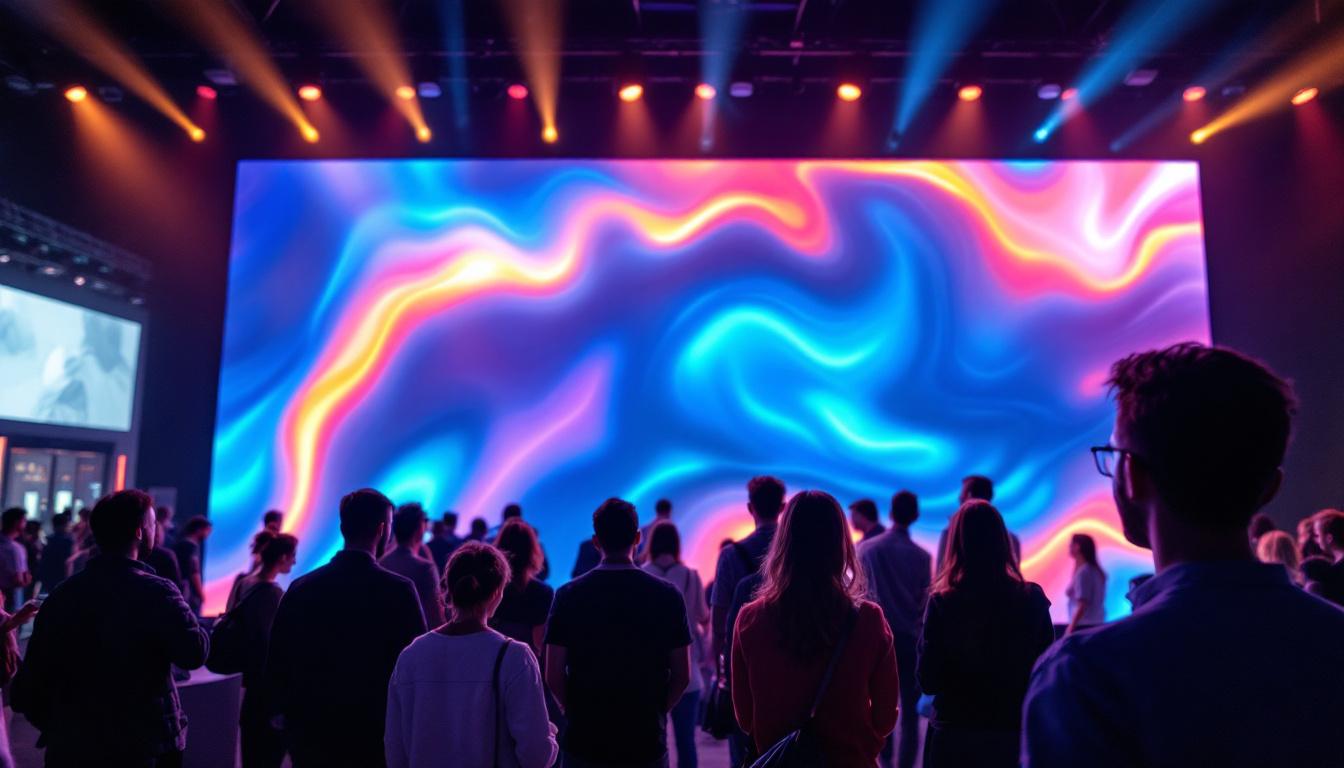
In today’s fast-paced event industry, LED walls have become a cornerstone for delivering visually stunning presentations, immersive experiences, and dynamic content. Whether it’s a concert, corporate event, trade show, or sports arena, LED display technology transforms ordinary spaces into captivating environments. This article explores the fundamentals of LED walls, their advantages, types, and practical considerations for event planners and technical professionals.
Understanding LED Walls: What Are They?
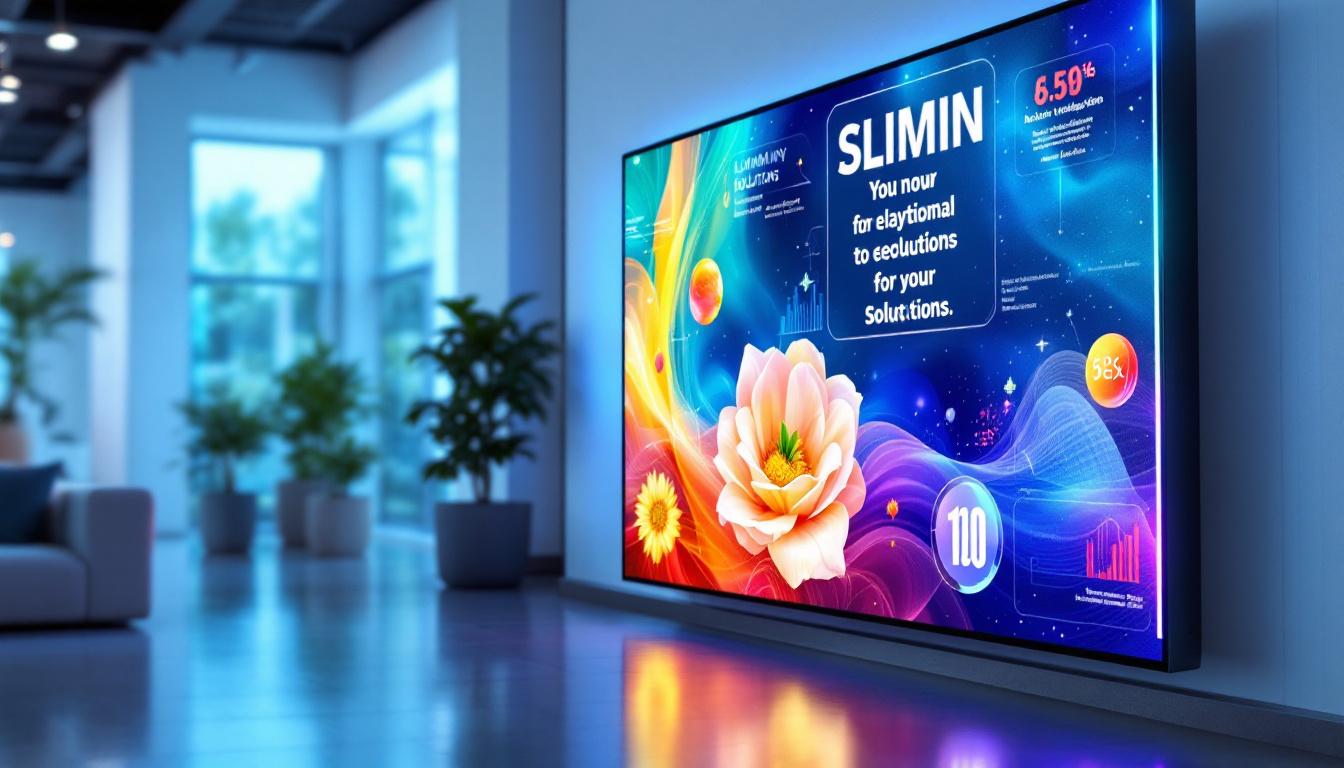
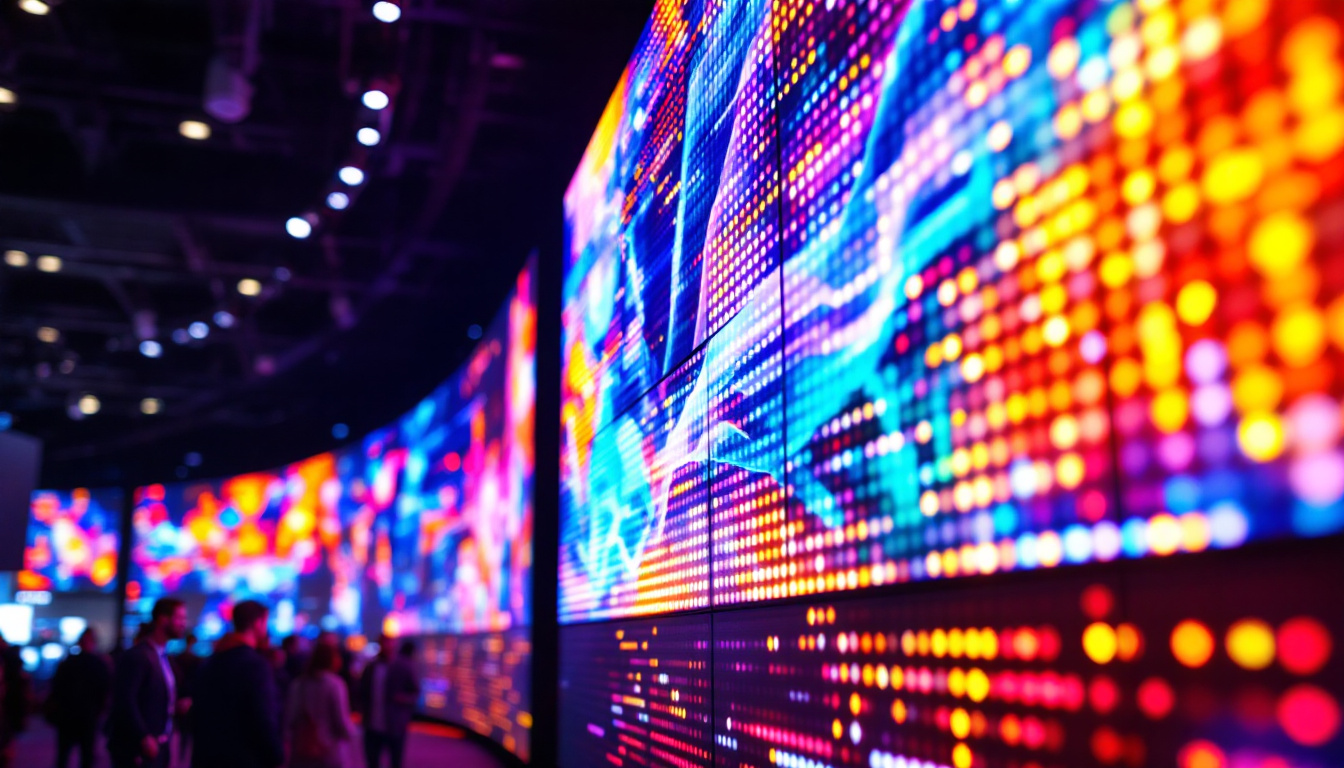
LED walls, also known as LED video walls or LED display walls, are large-scale screens composed of multiple light-emitting diode (LED) panels seamlessly tiled together. Unlike traditional projection screens or LCD displays, LED walls emit their own light, resulting in brighter images, higher contrast, and better visibility in various lighting conditions.
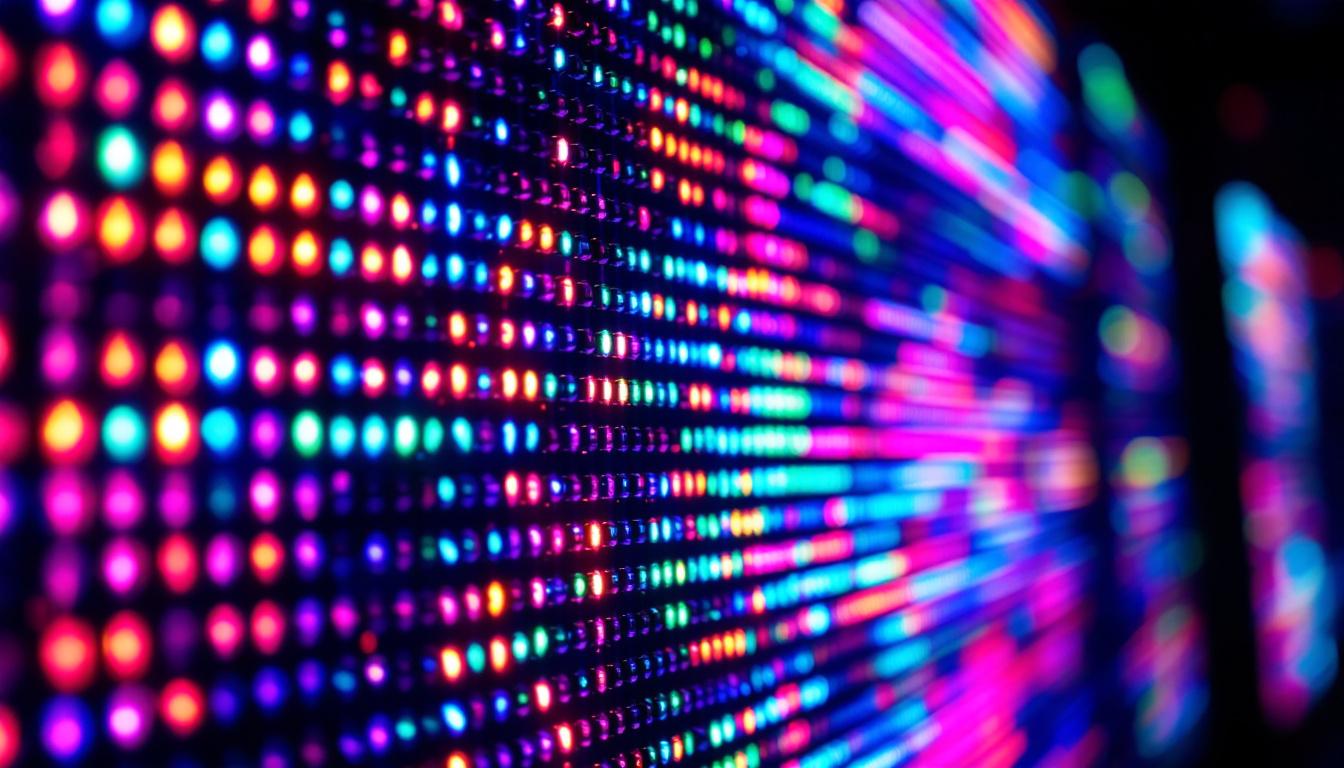
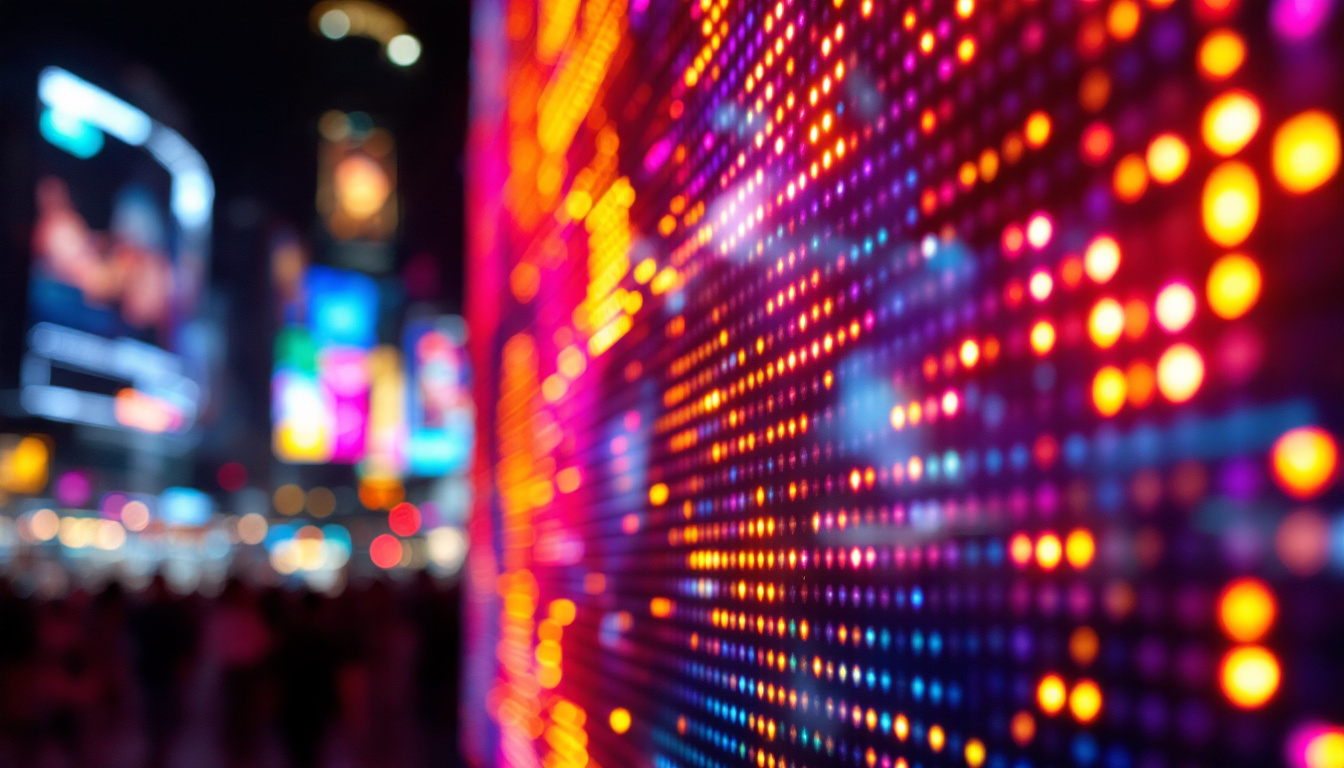
The core technology behind an LED wall involves tiny LEDs arranged in a grid pattern, each capable of producing red, green, and blue light. By controlling the intensity of these LEDs, the display can render millions of colors and produce sharp, vibrant visuals. The modular nature of LED panels allows for flexible sizing and aspect ratios, enabling custom configurations tailored to specific event needs.
How LED Walls Work
Each LED panel consists of numerous pixels, with each pixel containing three sub-pixels (red, green, and blue). These sub-pixels combine to create the full spectrum of colors. The panels connect to a control system that processes video signals and distributes the data to each pixel in real time. This synchronization ensures smooth video playback and consistent image quality across the entire wall.
Modern LED walls support high refresh rates—often 3,840 Hz or higher—which significantly reduces flicker and motion blur, making them ideal for live broadcasts and high-speed video content. Additionally, the brightness levels of LED walls can exceed 5,000 nits, ensuring clear visibility even in brightly lit venues or outdoor environments.
The Advantages of Using LED Walls for Events
LED walls offer numerous benefits that make them a preferred choice for event organizers and production teams. Understanding these advantages helps in selecting the right display technology for specific event requirements.
Superior Visual Quality and Brightness
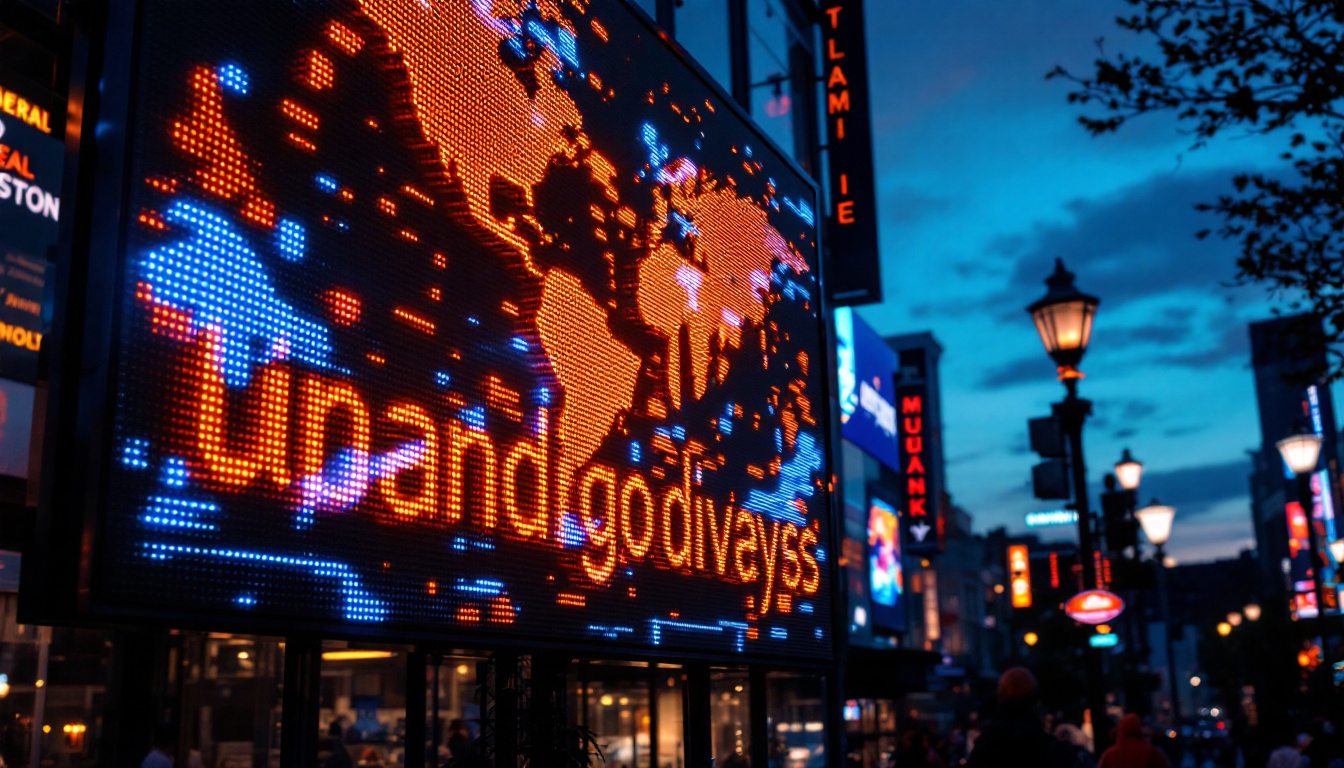
One of the primary advantages of LED walls is their exceptional brightness and color accuracy. Unlike projectors that rely on ambient light conditions, LED walls emit their own light, providing vivid images that remain clear in daylight or under stage lighting. This makes them particularly effective for outdoor festivals, sports events, and large venues where lighting conditions can vary dramatically.
Scalability and Flexibility
LED walls are highly modular, allowing event planners to customize the size and shape of the display. Panels can be stacked vertically or arranged horizontally to fit walls, stages, or even curved surfaces. This flexibility enables creative set designs and immersive environments that enhance audience engagement.
Durability and Reliability
LED panels are built to withstand rigorous use, including transportation, installation, and continuous operation. Many LED walls are rated for outdoor use, with weatherproofing and temperature control features. Their longevity and low maintenance requirements make them cost-effective over time compared to other display technologies.
Seamless Integration with Event Technology
Modern LED walls integrate smoothly with video servers, media players, and control systems. They support various input formats such as HDMI, DisplayPort, and SDI, enabling easy connection to cameras, computers, and content management systems. This integration is crucial for live events where real-time content switching and effects are necessary.
Types of LED Walls and Their Applications
LED walls come in various types, each suited to different event environments and visual demands. Understanding these types helps in making informed decisions about which LED display best fits the event’s goals.
Indoor LED Walls
Indoor LED walls are designed for controlled environments such as conference halls, theaters, and exhibition centers. They typically feature smaller pixel pitches ranging from 1.2 mm to 4 mm, which means the LEDs are packed closely together for higher resolution and sharper images at shorter viewing distances.
These walls are ideal for corporate presentations, product launches, and indoor concerts where audience proximity demands high image clarity. Their lighter weight and thinner design also facilitate easier installation and integration with indoor stage setups.
Outdoor LED Walls
Outdoor LED walls are built to endure weather elements such as rain, wind, and sunlight. They usually have larger pixel pitches (4 mm to 10 mm or more) because viewing distances tend to be greater in outdoor settings. The higher brightness levels (often exceeding 6,000 nits) ensure images remain visible even in direct sunlight.
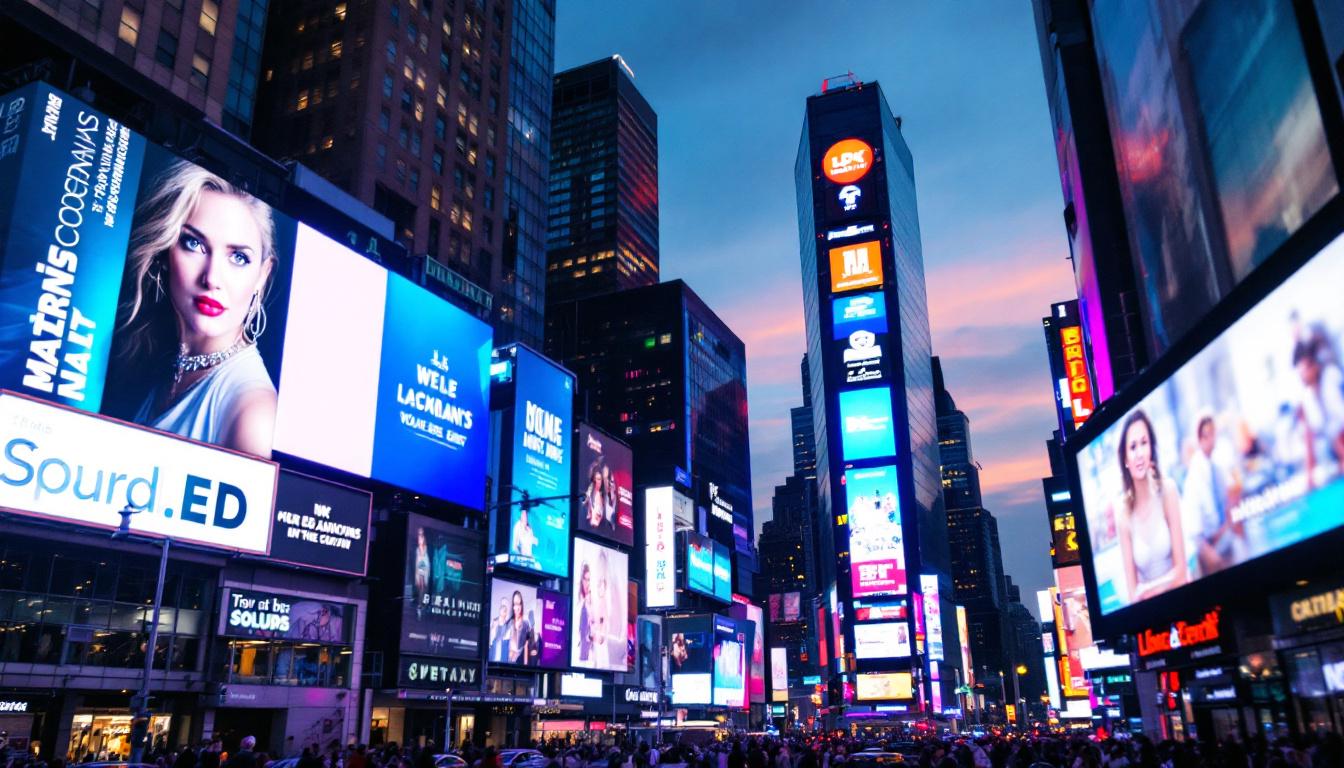
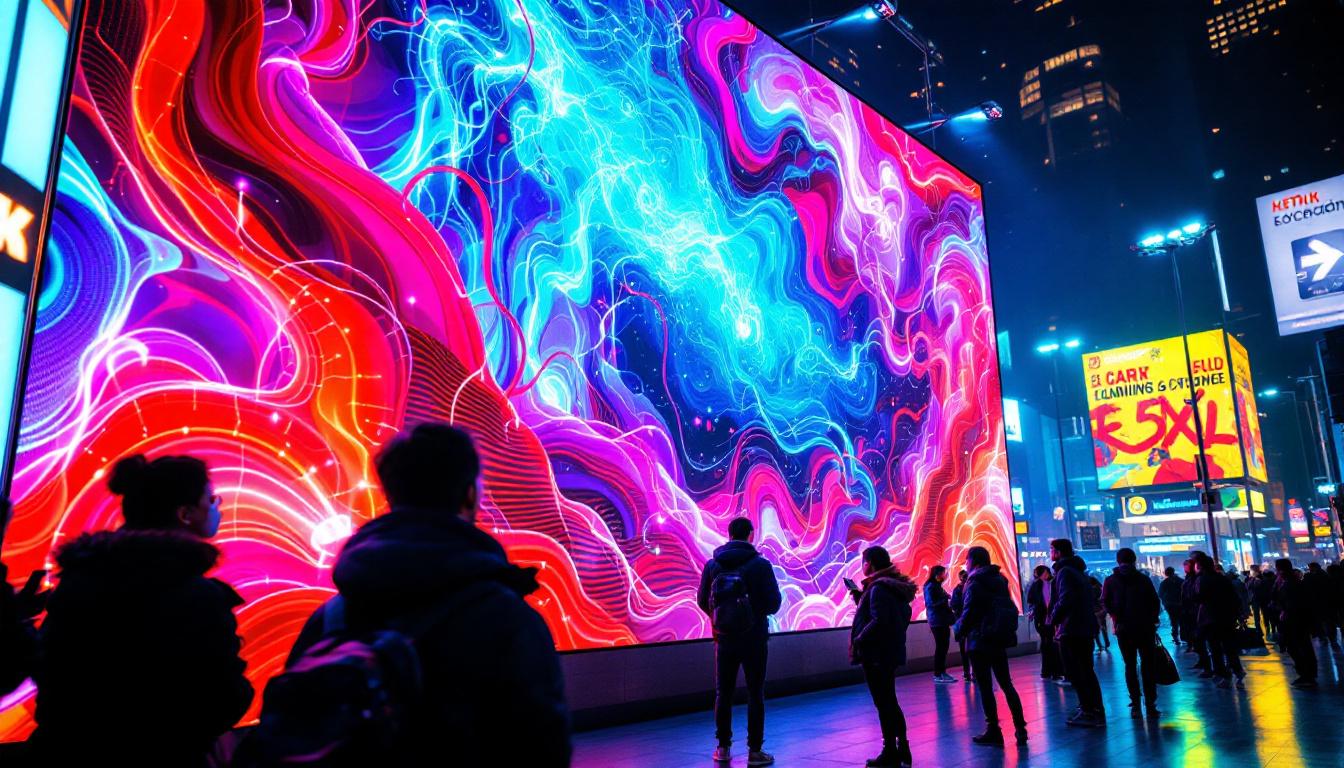
Common applications include sports stadiums, music festivals, public gatherings, and advertising billboards. Their rugged construction and weatherproof enclosures make them reliable for extended outdoor use.
Transparent LED Walls
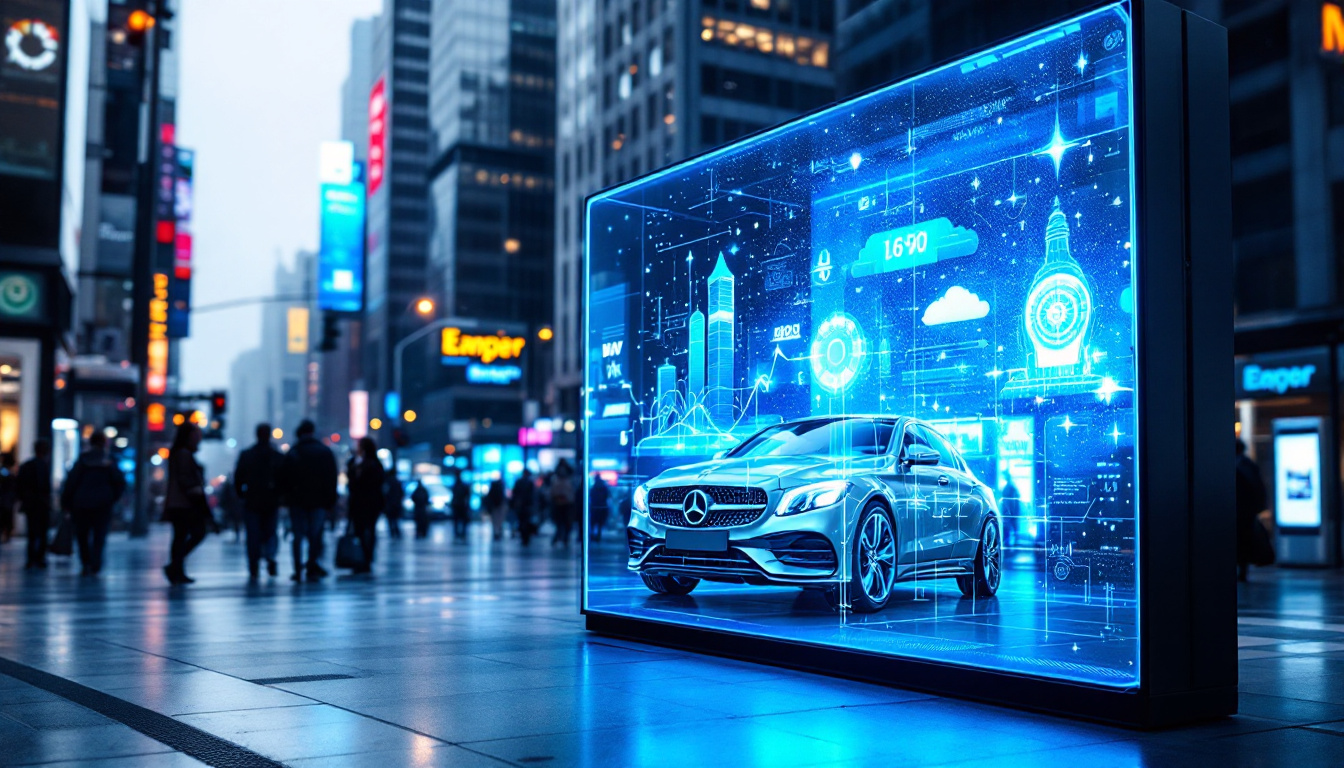
Transparent LED walls are a newer innovation that combines LED technology with see-through panels. These displays allow light to pass through, enabling natural light and visibility behind the screen. This makes them perfect for retail storefronts, museums, and architectural installations where maintaining openness and visibility is important.
While they may have slightly lower brightness and resolution compared to traditional LED walls, transparent LED displays offer unique aesthetic and functional benefits for creative event designs.
Curved and Flexible LED Walls
Curved LED walls add a dynamic visual element by wrapping around corners or creating immersive environments. Flexible LED panels, made from bendable materials, allow for innovative shapes and installations that conform to irregular surfaces.
These types of LED walls are popular in experiential marketing events, art installations, and themed entertainment, where creating a memorable visual impact is key.
Key Considerations When Choosing an LED Wall for Your Event
Selecting the right LED wall requires careful evaluation of several technical and logistical factors. These considerations ensure the display meets the event’s visual, budgetary, and operational needs.
Pixel Pitch and Resolution
Pixel pitch refers to the distance between the centers of adjacent pixels, measured in millimeters. A smaller pixel pitch means higher resolution and sharper images, suitable for close viewing distances. Conversely, larger pixel pitches are acceptable for displays viewed from farther away.
For example, a pixel pitch of 1.5 mm is ideal for indoor events where audiences are within a few meters of the screen, while a 6 mm pitch might be sufficient for an outdoor billboard viewed from tens of meters away. Understanding the relationship between pixel pitch, viewing distance, and resolution is crucial for optimal image quality.
Brightness and Contrast Ratio
Brightness is measured in nits and determines how well the LED wall performs under different lighting conditions. Indoor LED walls generally require 800 to 1,500 nits, whereas outdoor walls need 5,000 nits or more to combat sunlight glare.
Contrast ratio affects the depth and vibrancy of the image. Higher contrast ratios produce more vivid colors and better black levels, enhancing overall picture quality. When selecting an LED wall, consider both brightness and contrast to ensure visibility and visual impact.
Installation and Rigging Requirements
LED walls vary in weight, size, and mounting options. Some panels are designed for quick assembly and disassembly, which is beneficial for touring events. Others may require permanent installation or specialized rigging equipment.
Event planners should assess venue constraints, rigging infrastructure, and installation timelines to choose an LED wall system that fits logistical needs without compromising safety or performance.
Content Management and Control Systems
Effective content delivery is essential for maximizing the potential of an LED wall. Modern LED displays come with advanced control software that allows for real-time content switching, multi-source input, and synchronization with audio and lighting systems.
Choosing a system with user-friendly interfaces and robust compatibility with event production tools can streamline operations and reduce technical issues during live events.
Case Studies: LED Walls in Action
Examining real-world examples highlights how LED walls elevate event experiences across diverse industries.
Music Festivals and Concerts
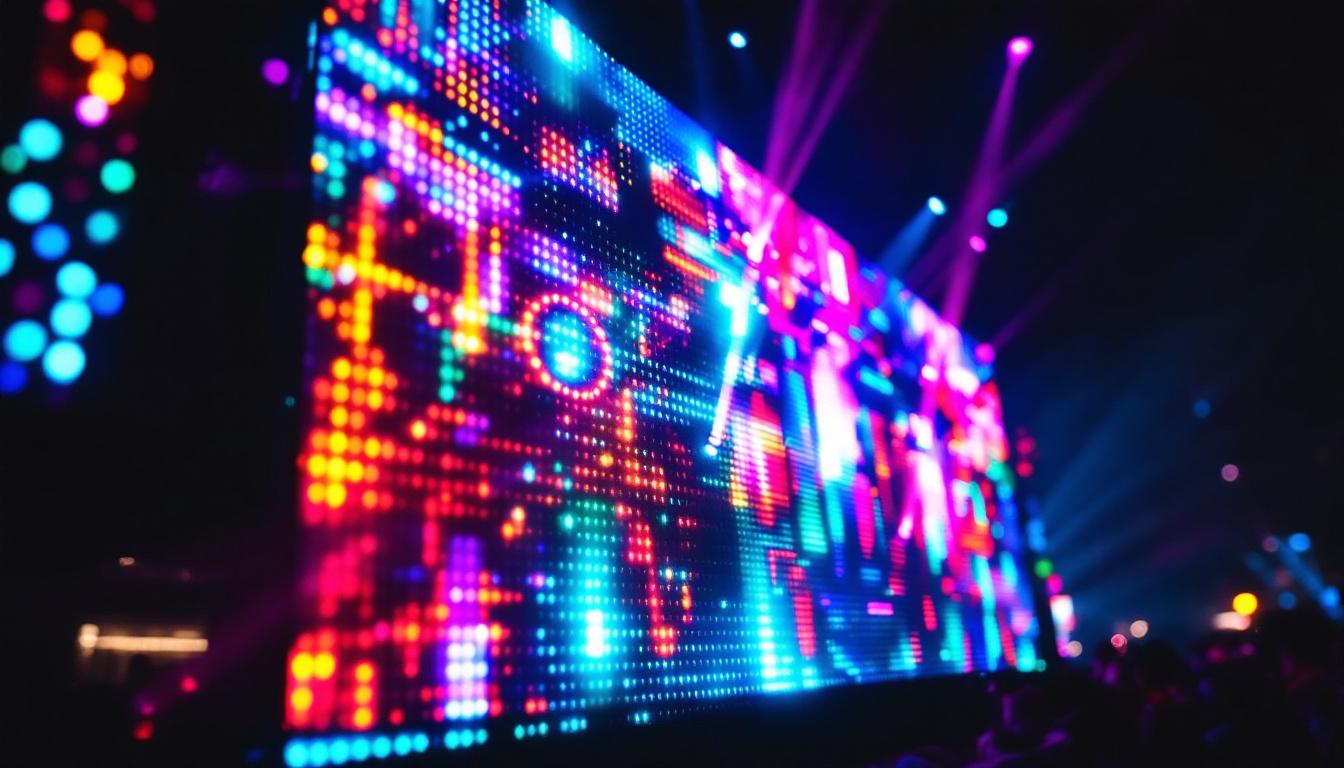
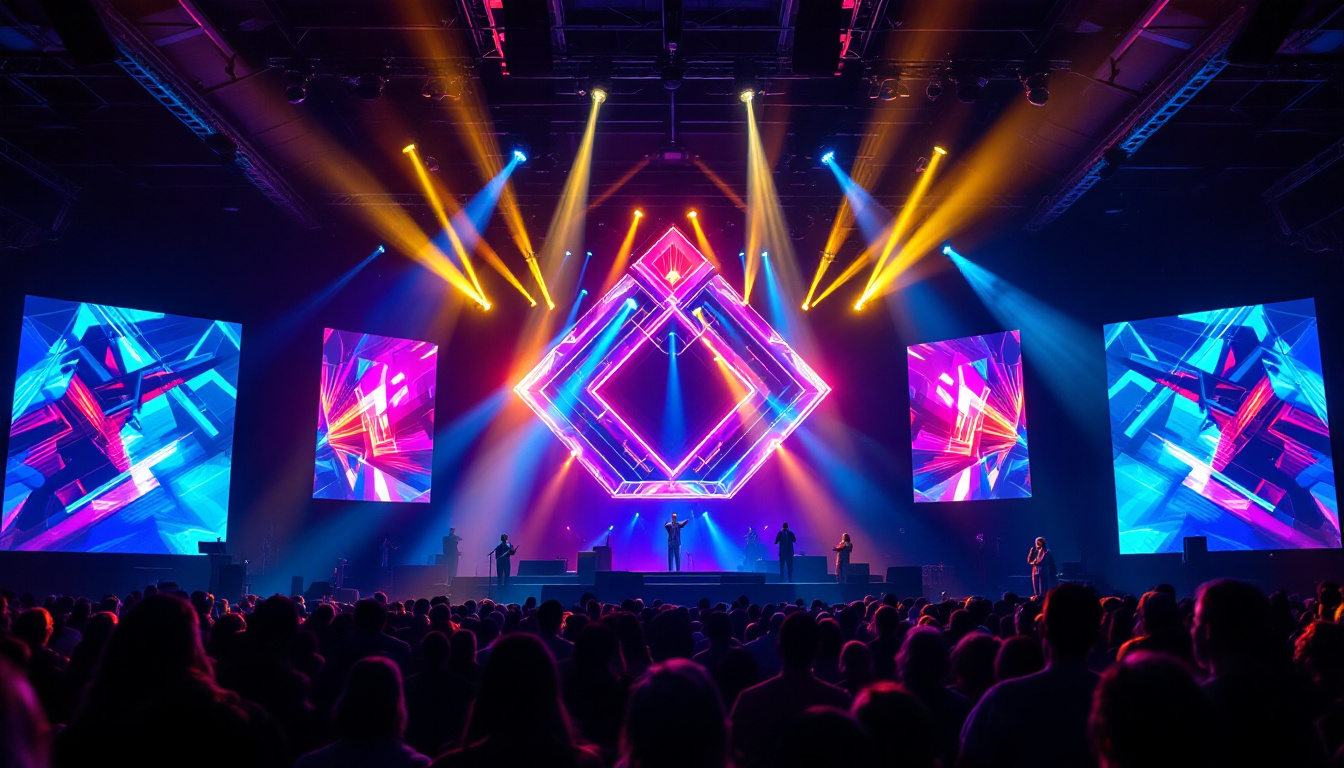
Major music festivals such as Coachella and Glastonbury utilize massive LED walls to create immersive stage backdrops and interactive visuals. These walls not only enhance the audience’s viewing experience but also serve as dynamic branding platforms for sponsors and artists.
For instance, the LED wall behind a headlining artist can display synchronized animations, live camera feeds, and crowd interactions, amplifying the energy and engagement of the performance.
Corporate Conferences and Product Launches
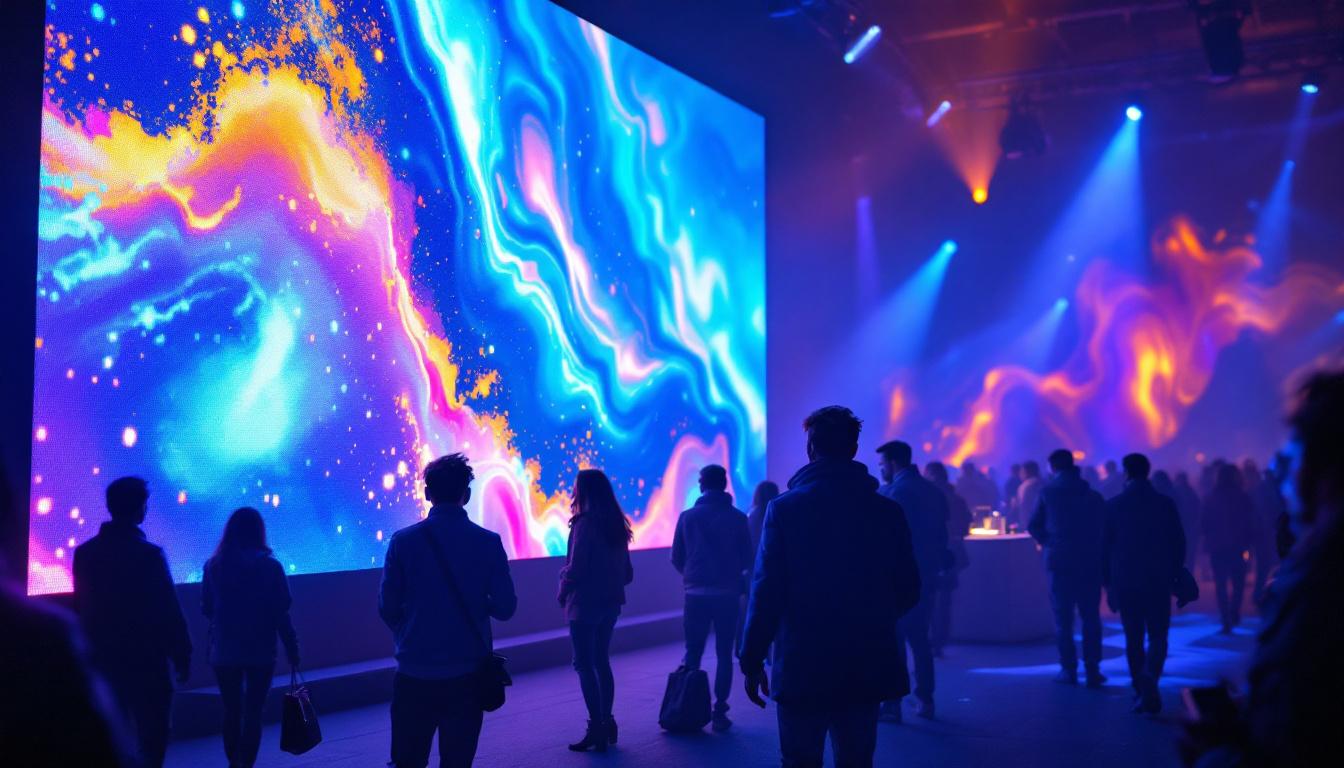
Companies leverage LED walls to deliver impactful presentations and showcase products with high-definition visuals. At events like CES or automotive launches, LED walls enable detailed product demonstrations, 3D animations, and live streaming, capturing audience attention and conveying complex information effectively.
The ability to customize the size and shape of the LED wall also allows brands to reinforce their identity and create memorable event environments.
Sports Arenas and Live Broadcasts
Sports venues use LED walls for scoreboards, instant replays, and fan engagement content. High refresh rates and brightness levels ensure that fast-paced action is displayed clearly to thousands of spectators, both in the arena and on television broadcasts.
LED walls also facilitate interactive fan experiences, such as displaying social media feeds or live polls, enhancing the overall atmosphere and participation.
Future Trends in LED Wall Technology
The LED wall industry continues to evolve rapidly, driven by advancements in materials, processing power, and design innovation.
MicroLED and MiniLED Displays
Emerging microLED technology offers even smaller pixel pitches and higher efficiency, promising ultra-high resolution displays with improved color accuracy and energy savings. MiniLEDs, which use smaller LED backlighting for LCD panels, also enhance contrast and brightness in hybrid display solutions.
Interactive and Touch-Enabled LED Walls
Integration of touch and gesture recognition technologies is transforming LED walls into interactive surfaces. This trend opens new possibilities for engaging audiences in retail, education, and experiential marketing events.
AI-Driven Content Personalization
Artificial intelligence is increasingly being used to tailor LED wall content in real time based on audience demographics, behavior, and environmental factors. This personalization enhances relevance and impact, making events more memorable and effective.
Conclusion
LED walls have revolutionized the way events communicate visually, offering unmatched brightness, flexibility, and creative potential. From intimate indoor conferences to sprawling outdoor festivals, these displays deliver vibrant, high-resolution content that captivates audiences and elevates event production quality.
By understanding the technology, benefits, and practical considerations of LED walls, event professionals can make informed decisions that maximize ROI and create unforgettable experiences. As LED technology advances, the possibilities for immersive and interactive event environments will only continue to expand, making LED walls an indispensable tool in the modern event landscape.
Discover LumenMatrix LED Display Solutions
Ready to elevate your event with the unparalleled visual impact of LED walls? LumenMatrix is at the forefront of LED display innovation, offering a diverse range of solutions tailored to your unique needs. From indoor and outdoor displays to custom configurations and transparent screens, our products are designed to captivate your audience and amplify your message. Experience the future of visual communication with LumenMatrix and transform your event into an unforgettable spectacle. Check out LumenMatrix LED Display Solutions today and see the difference cutting-edge technology can make.