In today’s fast-paced world, digital panel displays have become an integral part of how information is communicated across various industries. Among the many types of digital displays, LED displays stand out for their vibrant colors, energy efficiency, and versatility. This article delves into the technology behind LED displays, their applications, advantages, and the future trends shaping this dynamic field.
Understanding LED Display Technology
What is an LED Display?
LED stands for Light Emitting Diode, a semiconductor device that emits light when an electric current passes through it. An LED display is a flat panel display that uses an array of these diodes to produce images, videos, or text. Unlike traditional LCD screens that rely on backlighting, LED displays generate their own light, resulting in brighter and more vivid visuals.
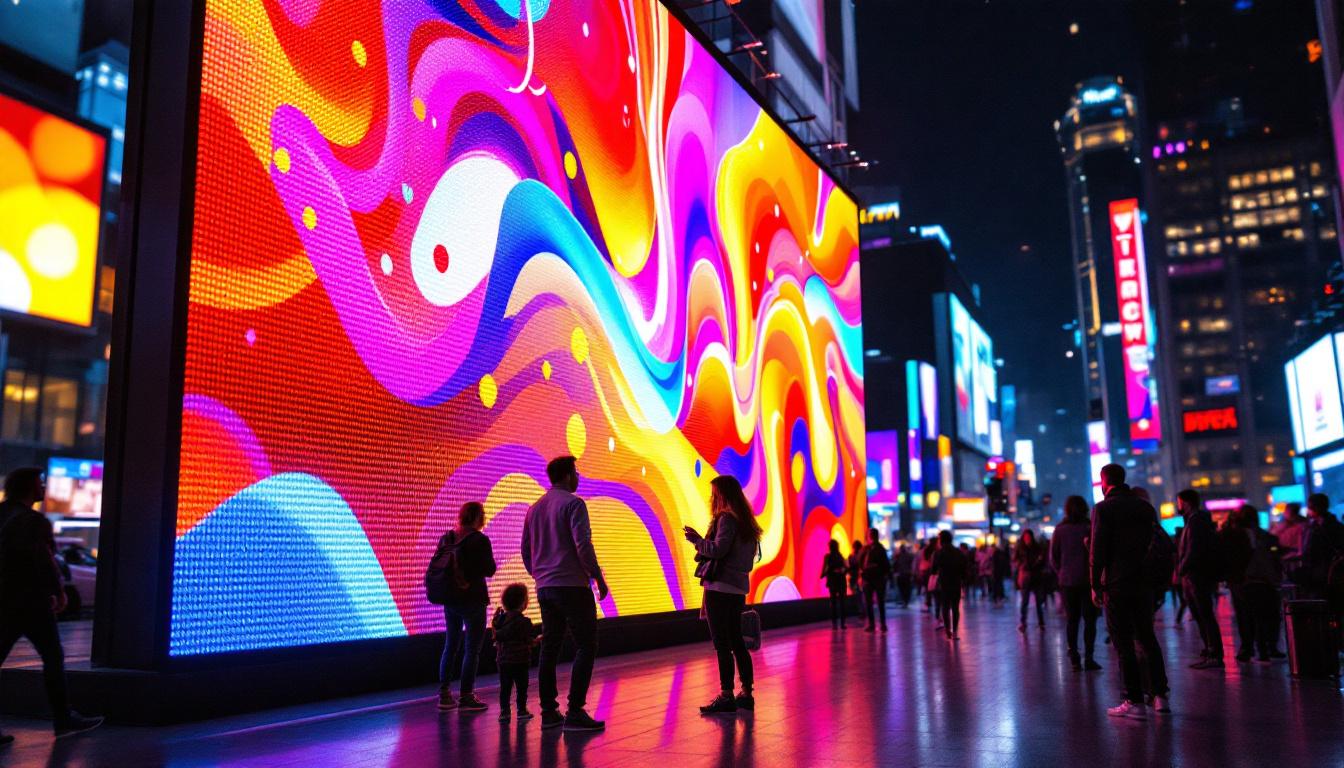
LED displays can be found in various forms, from small digital watches and smartphone screens to massive outdoor billboards and stadium screens. Their adaptability makes them suitable for both indoor and outdoor environments, offering high visibility regardless of lighting conditions. This versatility is particularly advantageous in advertising and public information systems, where clear visibility is crucial for effective communication. Additionally, LED displays are energy-efficient, consuming less power than traditional display technologies, which helps reduce operational costs over time.
How Do LED Displays Work?
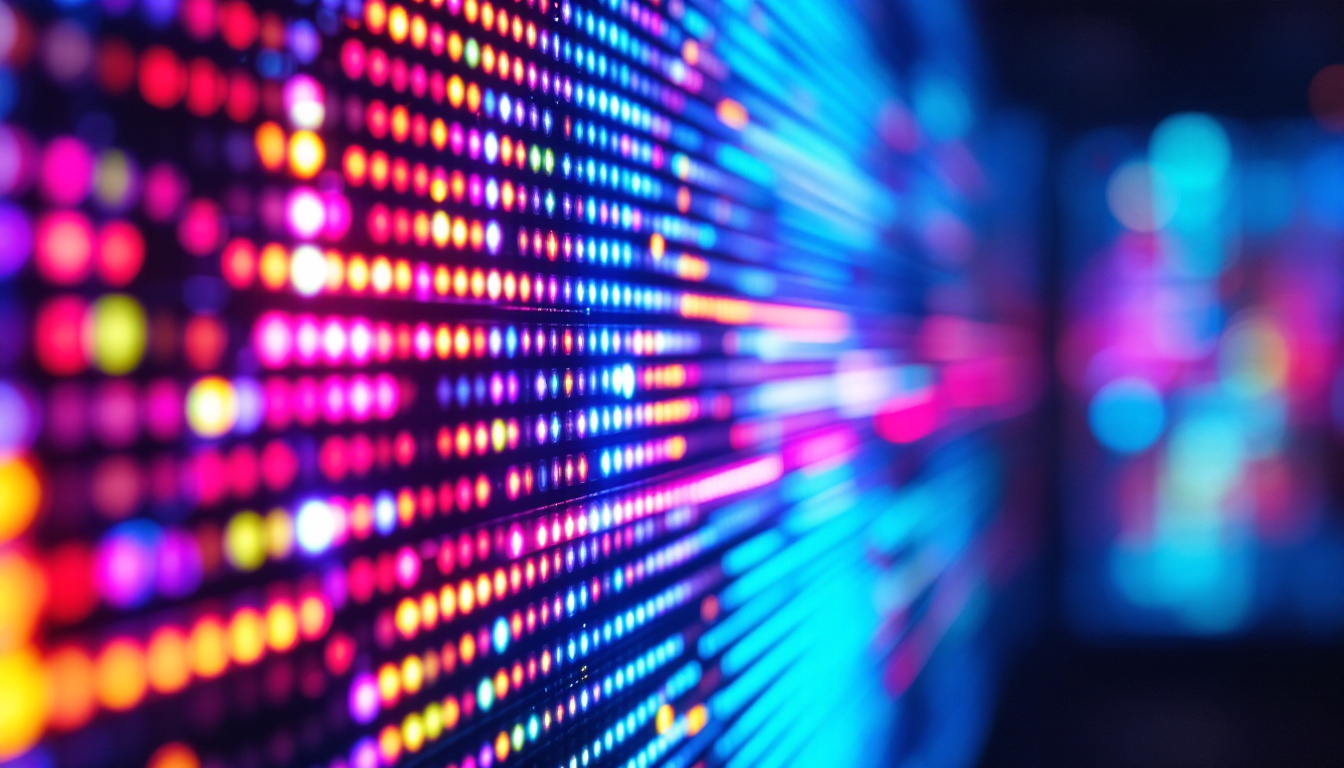
At the core of an LED display is a matrix of tiny LEDs arranged in rows and columns. Each LED acts as a pixel that can be individually controlled to emit light of varying intensity and color. By adjusting the brightness and color of each pixel, the display can render complex images and videos. This pixel-level control enables LED displays to achieve remarkable color accuracy and contrast ratios, making them ideal for applications that require high-quality visuals, such as concerts, sporting events, and art installations.
There are two primary types of LED displays: direct view LED and LED-backlit LCD. Direct view LED displays use LEDs as the actual pixels, while LED-backlit LCDs use LEDs to illuminate liquid crystal panels. This article focuses on direct view LED displays, which are commonly used in large-scale digital signage and video walls. The technology behind direct view LED displays has evolved significantly, with advancements in pixel pitch—the distance between the centers of two adjacent pixels—allowing for higher resolution displays that can be viewed up close without losing image clarity. Furthermore, innovations in color calibration techniques ensure that colors remain consistent across different displays, enhancing the overall viewing experience for audiences. As a result, direct view LED displays are becoming increasingly popular in various sectors, including retail, transportation, and entertainment, where dynamic and eye-catching visuals are essential for engagement.
Types of LED Displays
Indoor vs. Outdoor LED Displays
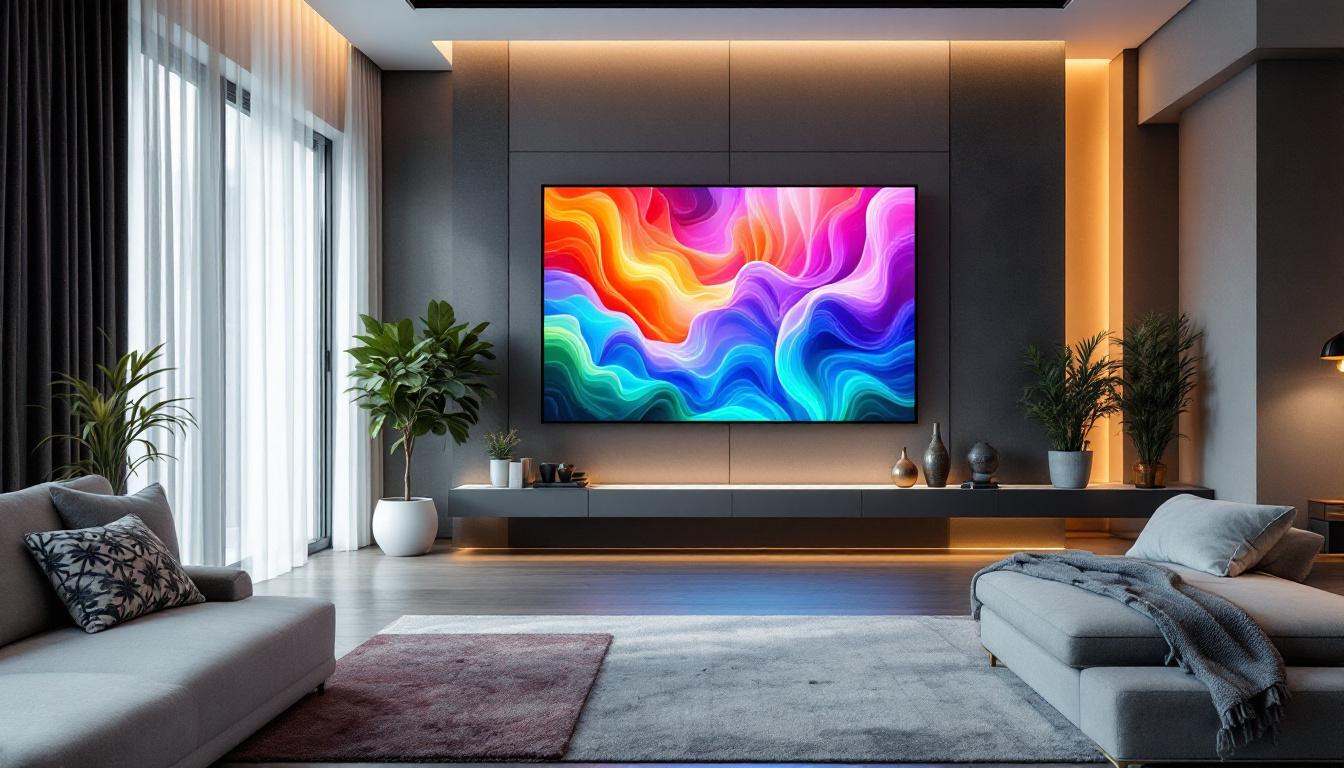
One of the fundamental distinctions in LED displays is whether they are designed for indoor or outdoor use. Indoor LED displays typically have a higher pixel density, meaning the LEDs are packed closer together. This results in sharper images suitable for close viewing distances, such as in conference rooms, retail stores, or control centers. The ability to display intricate graphics and detailed information makes these displays ideal for environments where clarity is paramount, such as in museums or exhibition spaces where visitor engagement is key.
Outdoor LED displays, on the other hand, prioritize brightness and durability. They are built to withstand harsh weather conditions and direct sunlight, often featuring brightness levels exceeding 5,000 nits to remain visible in daylight. Pixel pitch—the distance between individual LEDs—is larger in outdoor displays, as viewers tend to observe them from greater distances. Additionally, many outdoor displays are equipped with protective coatings to guard against water, dust, and UV damage, ensuring longevity and consistent performance in various environmental conditions.
Fixed vs. Flexible LED Panels
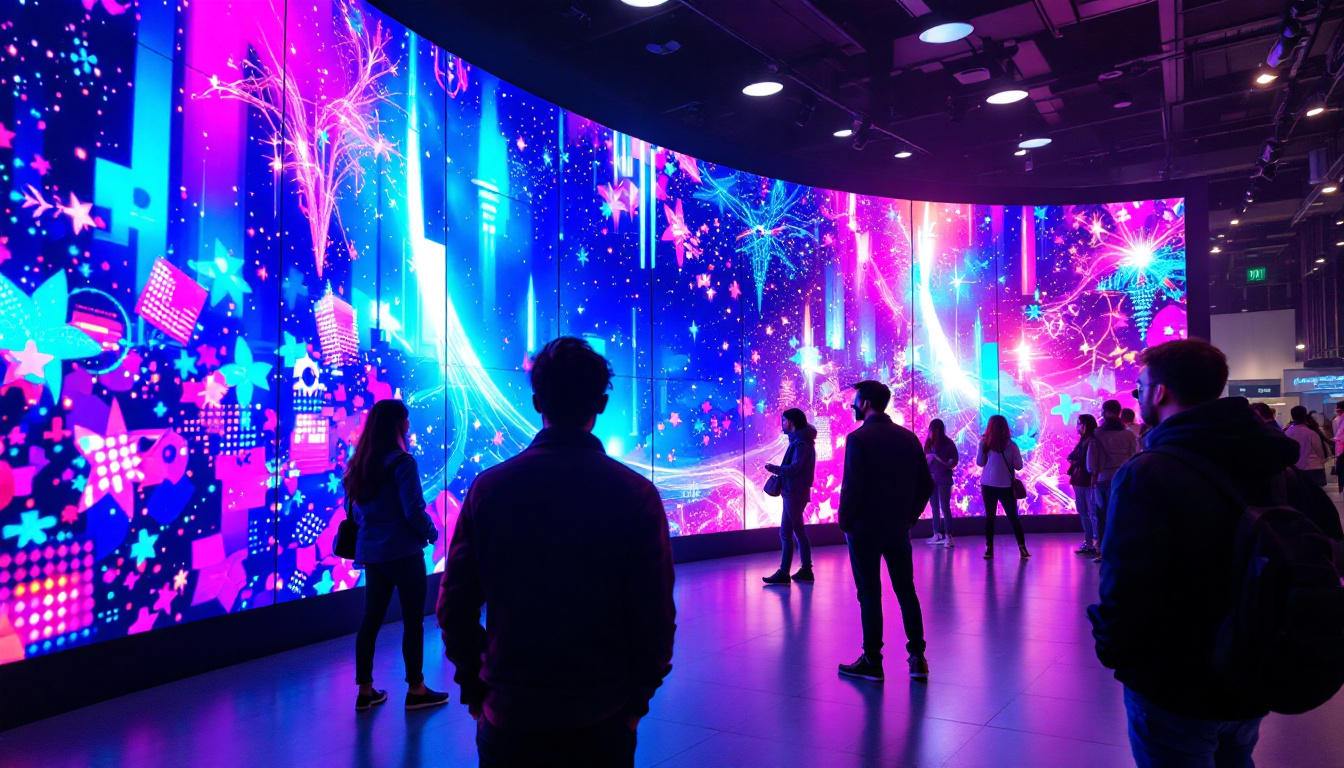
Traditional LED panels are rigid and designed for flat surfaces. However, advances in technology have introduced flexible LED panels that can bend and curve, opening new possibilities in design and installation. These flexible displays are used in architectural applications, wearable technology, and creative advertising, allowing for dynamic and eye-catching installations. For instance, they can be integrated into the contours of buildings or used in stage designs to create immersive environments that captivate audiences.
Moreover, flexible LED panels can be combined with sensors and interactive technology, enabling responsive displays that change based on viewer interaction. This innovation is particularly popular in retail environments, where brands can create engaging experiences that draw customers in and encourage them to explore products in a more interactive manner. The versatility of flexible LED panels continues to inspire designers and engineers to push the boundaries of visual communication.
Monochrome, Dual-Color, and Full-Color Displays
LED displays can also be categorized based on the color capabilities of their LEDs. Monochrome displays use a single color, often red or amber, and are common in simple information boards such as train station signs. These displays are effective for conveying straightforward messages, such as arrival times or alerts, without the need for complex graphics. Their simplicity and reliability make them a staple in transportation hubs and public spaces.
Dual-color displays combine two colors, typically red and green, allowing for more nuanced messaging. They are often used in applications where basic color differentiation is beneficial, such as in scoreboards or basic advertising. Full-color LED displays use red, green, and blue (RGB) LEDs to create a wide spectrum of colors through color mixing. This is the standard for high-resolution video walls and digital billboards, delivering rich and engaging content. The ability to display high-definition videos, animations, and vibrant images makes full-color displays ideal for entertainment venues, sports arenas, and major advertising campaigns, where capturing attention is crucial. Additionally, advancements in pixel technology have led to the development of ultra-high-definition displays, which can render images with incredible detail and clarity, further enhancing the viewer’s experience.
Applications of LED Displays
Advertising and Digital Signage
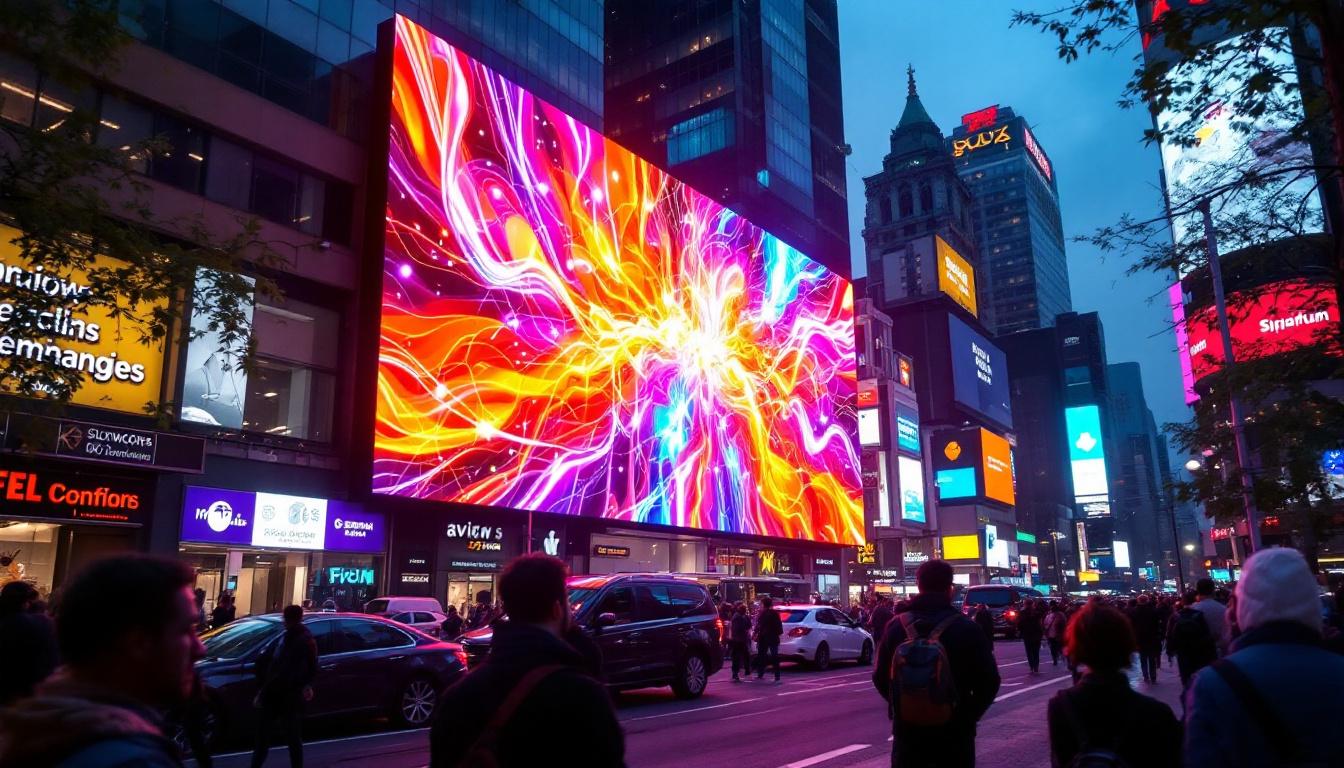
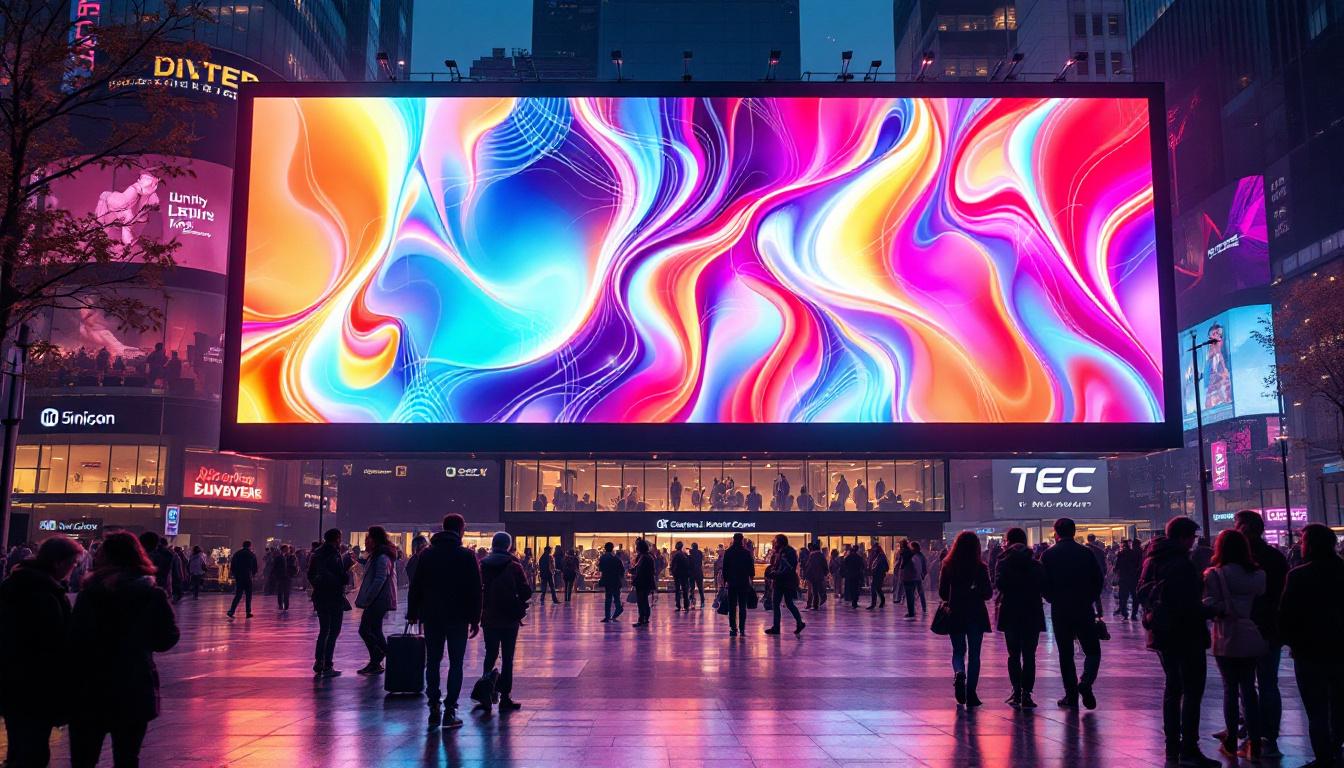
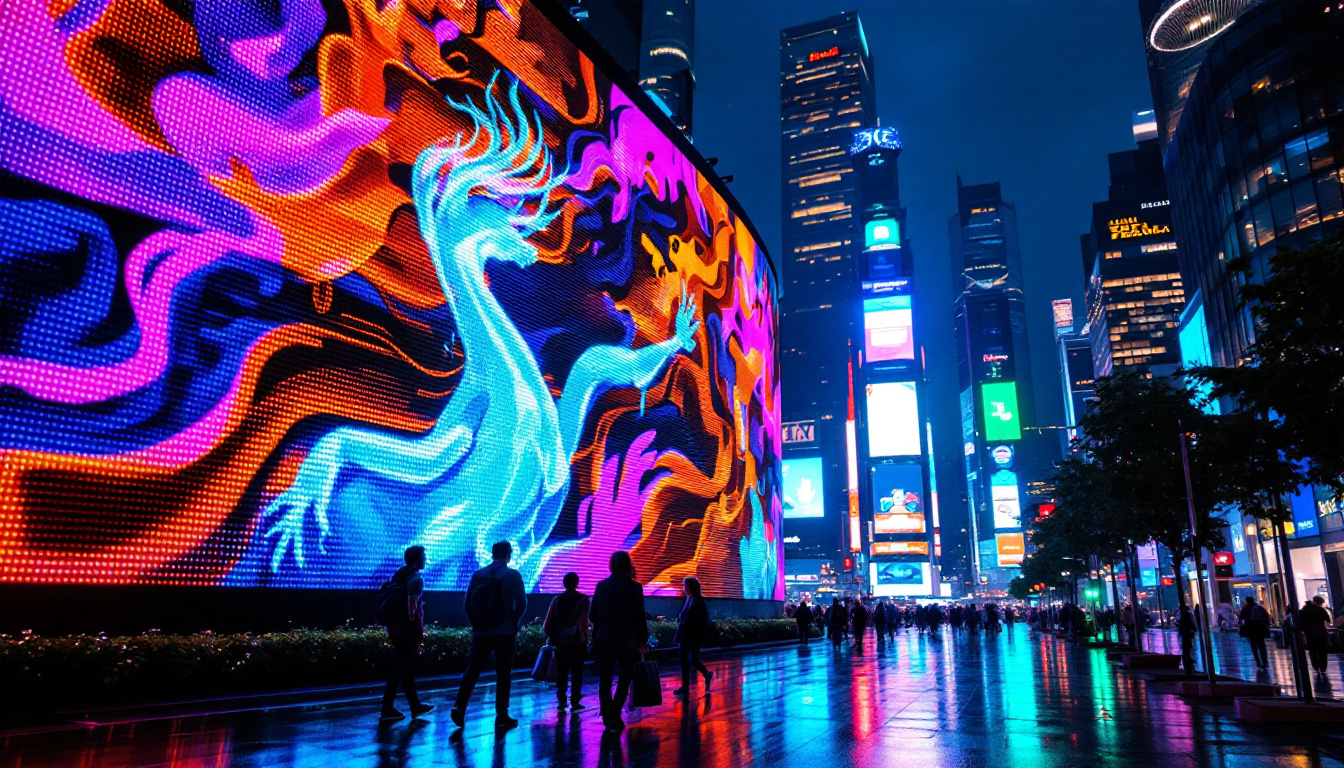
One of the most visible uses of LED displays is in advertising. Digital billboards equipped with LED panels have revolutionized outdoor advertising by enabling dynamic content that can be updated in real-time. According to a recent report by Grand View Research, the global digital signage market is expected to reach $31.71 billion by 2027, driven largely by the adoption of LED technology.
LED displays allow advertisers to deliver targeted messages based on time of day, weather, or audience demographics, increasing engagement and ROI. Their high brightness and color accuracy ensure that advertisements stand out even in crowded urban environments.
Sports and Entertainment Venues
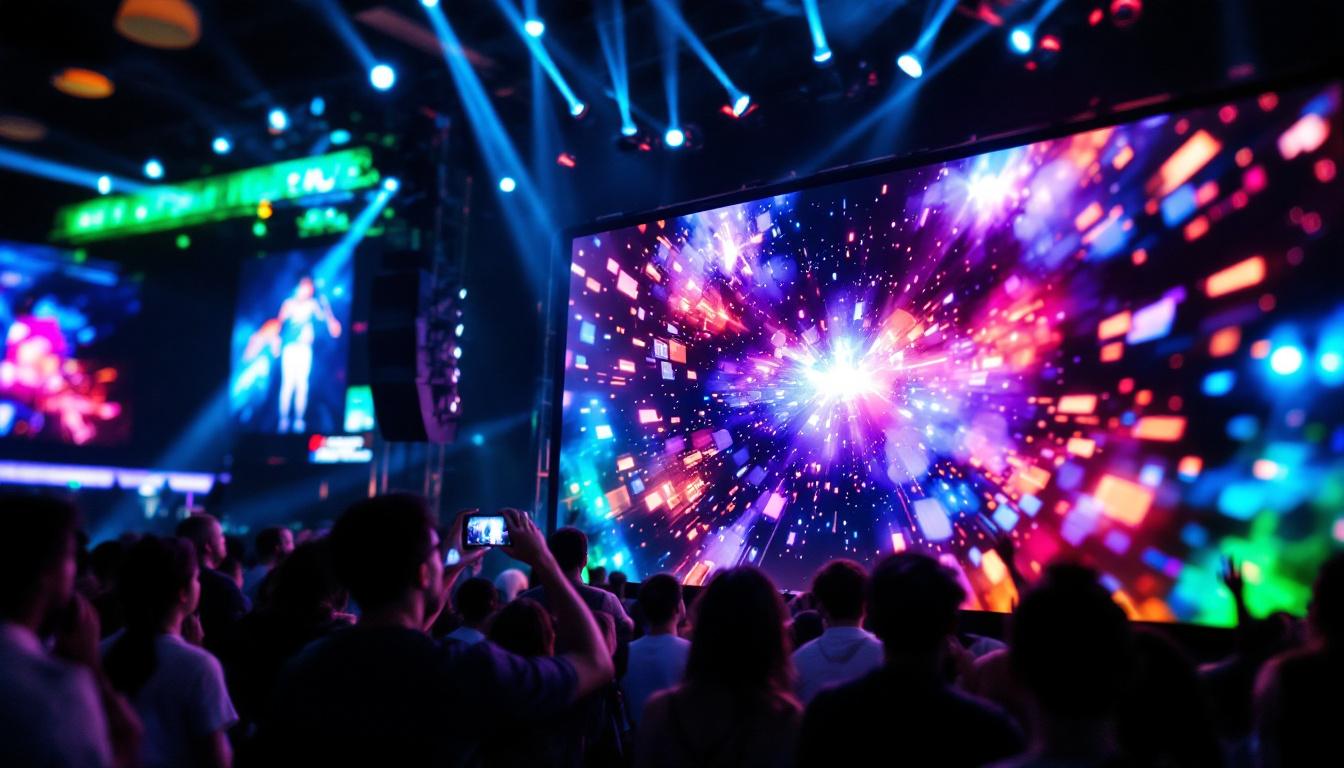
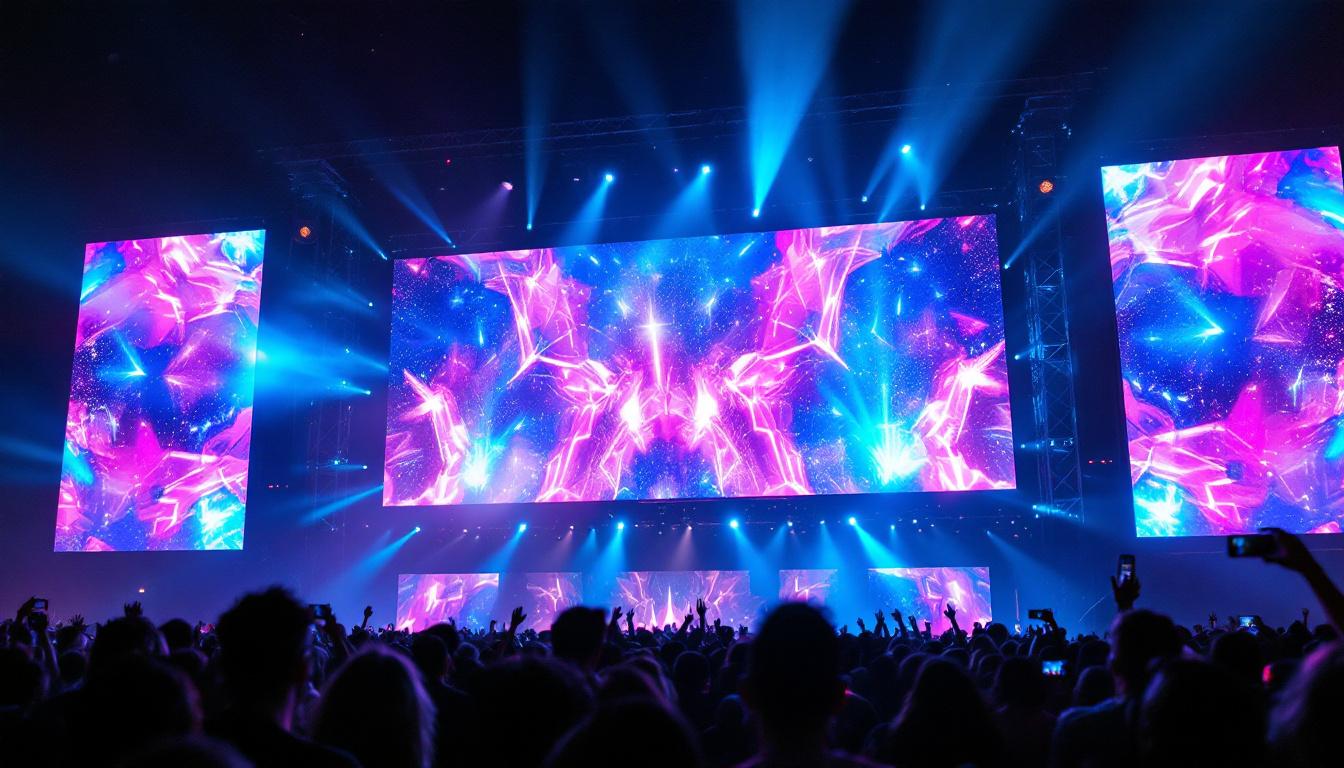
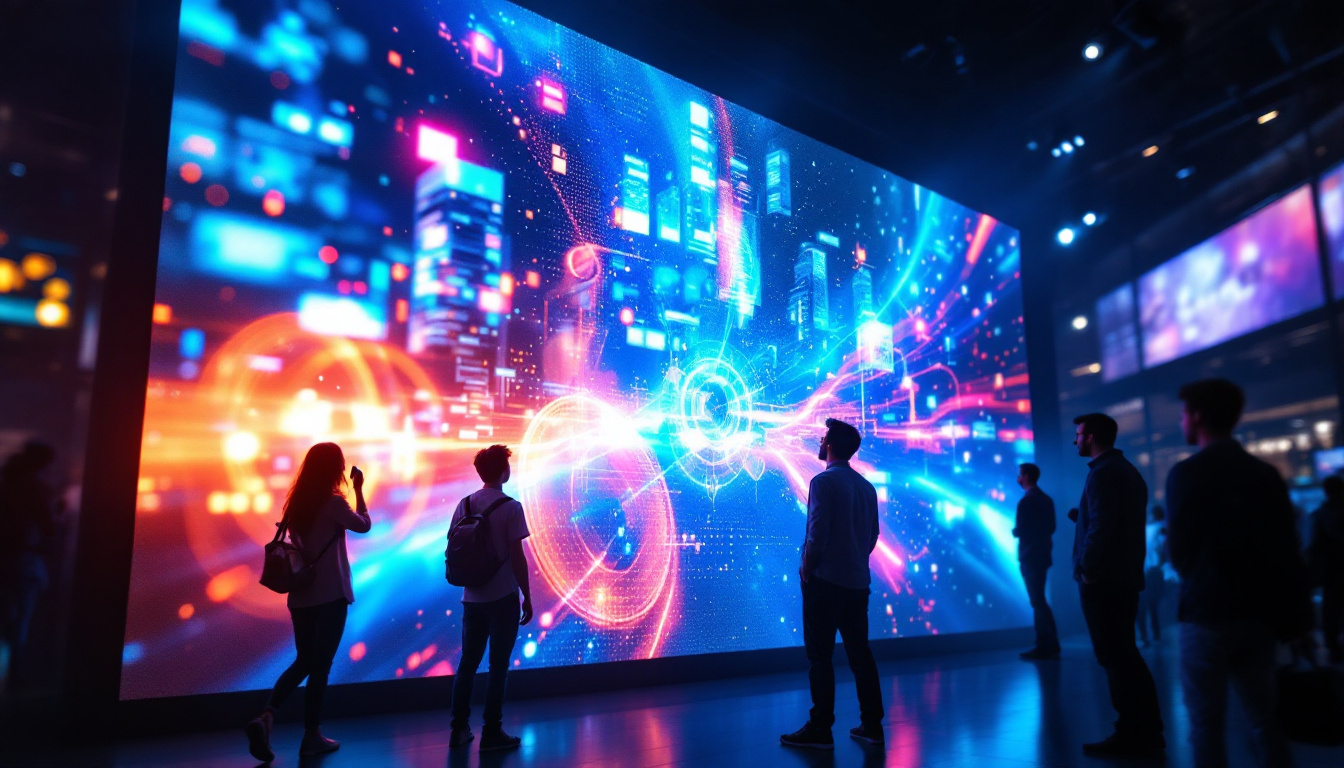
Stadiums and arenas use massive LED video walls to enhance the spectator experience. These displays provide live game footage, instant replays, and interactive content. The ability to display vibrant colors and high-definition video makes LED displays ideal for creating immersive environments.
Beyond sports, concert venues and theaters integrate LED panels into stage design, offering dynamic backdrops and visual effects that synchronize with performances. This versatility has made LED displays a staple in the entertainment industry.
Transportation and Public Information Systems
LED displays are widely used in transportation hubs such as airports, train stations, and bus terminals to convey schedules, alerts, and directions. Their reliability and clarity are crucial for ensuring smooth operations and passenger safety.
Additionally, LED panels are employed in traffic management systems, including variable message signs on highways that provide real-time traffic updates, weather warnings, and emergency information.
Advantages of LED Displays
Energy Efficiency and Longevity
Compared to traditional lighting and display technologies, LED displays consume significantly less power. This energy efficiency translates into lower operational costs, especially important for large-scale installations that operate 24/7.
Moreover, LEDs have a much longer lifespan—often exceeding 100,000 hours—reducing maintenance costs and downtime. This durability makes LED displays a cost-effective choice over the long term.
Brightness and Visibility
LED displays offer superior brightness levels, making them visible in a variety of lighting conditions, including direct sunlight. This attribute is particularly valuable for outdoor applications where visibility can be challenging.
The ability to adjust brightness dynamically also helps reduce power consumption and light pollution during nighttime operation.
Flexibility and Scalability
LED displays can be custom-built to fit almost any size or shape, from small informational panels to massive video walls spanning entire building facades. Their modular design allows for easy scalability and maintenance.
Additionally, the availability of flexible LED panels enables creative and innovative installations that were previously impossible with rigid display technologies.
Challenges and Considerations
Initial Investment Costs
While LED displays offer long-term savings, the upfront costs can be substantial, especially for high-resolution or large-format installations. Budgeting for installation, content management systems, and ongoing maintenance is essential for successful deployment.
Pixel Pitch and Viewing Distance
Choosing the appropriate pixel pitch is critical to ensure optimal image quality. A smaller pixel pitch provides higher resolution but increases cost and power consumption. Conversely, a larger pixel pitch may reduce clarity when viewed up close. Understanding the typical viewing distance helps in selecting the right display specifications.
Environmental Impact and Recycling
LED displays are more environmentally friendly than many alternatives, but they still contain electronic components that require proper disposal or recycling. Manufacturers and users must consider end-of-life management to minimize environmental impact.
The Future of LED Display Technology
MicroLED and MiniLED Innovations
Emerging technologies like MicroLED and MiniLED are pushing the boundaries of LED display performance. MicroLED displays consist of microscopic LEDs that offer higher brightness, better contrast, and improved energy efficiency compared to conventional LEDs. These displays also promise thinner and lighter panels, ideal for next-generation TVs, smartphones, and wearable devices.
MiniLED technology uses smaller LEDs as backlighting for LCD panels, enhancing contrast ratios and color accuracy. Both technologies are expected to gain traction in the coming years, further expanding the capabilities of digital displays.
Integration with IoT and Smart Technologies
LED displays are increasingly being integrated with Internet of Things (IoT) platforms, enabling smarter and more interactive signage. For example, displays can adjust content based on real-time data such as foot traffic, weather conditions, or social media trends.
Artificial intelligence and machine learning algorithms are also being employed to optimize content delivery, making LED displays more responsive and personalized.
Sustainability and Energy Harvesting
Future LED display designs are focusing on sustainability, including the use of recyclable materials and energy-harvesting technologies. Innovations such as solar-powered LED billboards and low-power consumption modes aim to reduce the environmental footprint of digital signage.
Conclusion
LED displays have transformed the way information is presented and consumed across multiple sectors. Their brightness, energy efficiency, and versatility make them an ideal choice for applications ranging from advertising and entertainment to public information systems. As technology advances with innovations like MicroLED and IoT integration, LED displays will continue to evolve, offering even more dynamic and sustainable solutions for digital communication.
For businesses and organizations looking to invest in digital signage, understanding the technology, advantages, and considerations of LED displays is essential to making informed decisions that maximize impact and value.
Discover LumenMatrix LED Display Solutions
Ready to elevate your visual communication strategy with the latest in LED display technology? LumenMatrix is at the forefront of innovation, offering a diverse range of LED display solutions tailored to your unique needs. From Indoor and Outdoor LED Wall Displays to specialized options like Vehicle, Sports, and Floor LED Displays, our products are designed to captivate and engage your audience. Experience the future of digital signage with our Custom, All-in-One, and Transparent LED Displays. Check out LumenMatrix LED Display Solutions today and transform your brand’s visibility with cutting-edge visual experiences.