In today’s world of advanced lighting and display technology, LED panel wall lights have become a staple in both commercial and residential spaces. Combining energy efficiency with aesthetic appeal, these innovative fixtures are transforming how we illuminate and interact with our environments. This article delves into the fundamentals of LED panel wall lights, explores their technology, applications, and benefits, and provides a comprehensive understanding of LED displays in modern lighting solutions.
Understanding LED Panel Wall Lights
What Are LED Panel Wall Lights?
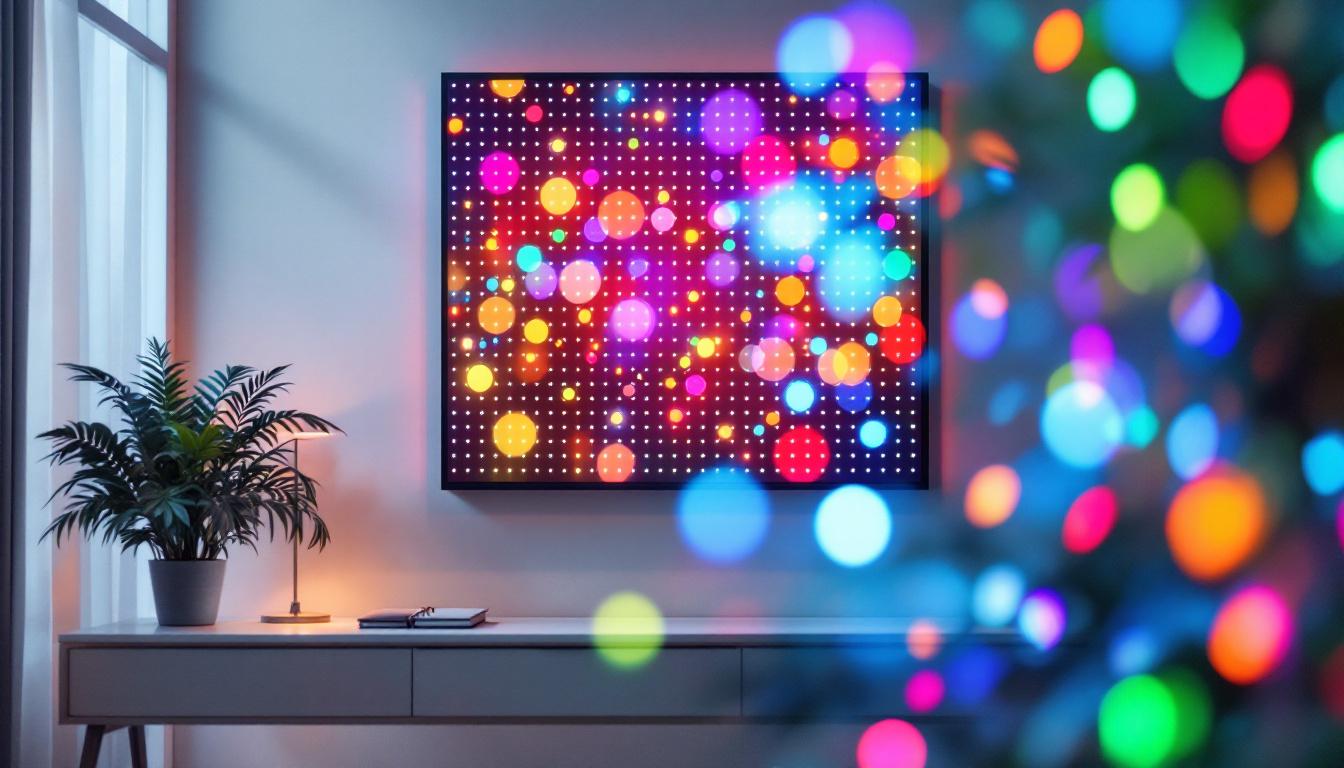
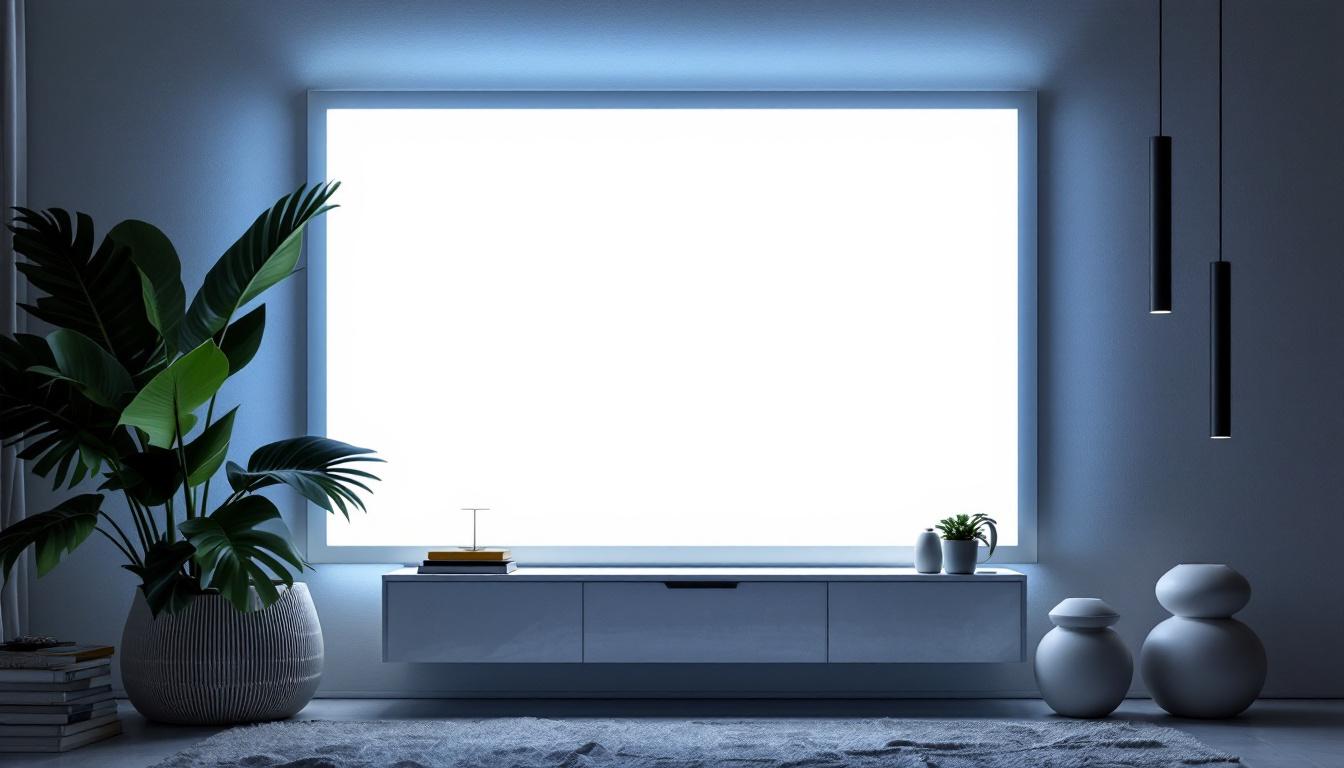
LED panel wall lights are flat, thin lighting fixtures that use light-emitting diodes (LEDs) arranged in a panel format, designed to be mounted on walls. Unlike traditional bulbs or fluorescent tubes, these panels provide uniform, glare-free illumination over a broad surface area. Their sleek design allows them to blend seamlessly into various interior styles, making them popular in offices, hospitals, schools, retail spaces, and homes.
Typically, LED panel wall lights come in various sizes and shapes, including square, rectangular, and circular formats. They are often installed in corridors, lobbies, and hallways to provide ambient lighting or used as accent lighting to highlight architectural features or artworks. The versatility of these fixtures means they can be used in both residential and commercial settings, enhancing the overall aesthetic while providing practical lighting solutions. For instance, in a modern home, LED panel wall lights can be strategically placed to create a warm and inviting atmosphere, while in a retail environment, they can be utilized to spotlight products and draw customers’ attention.
How Do LED Panels Work?
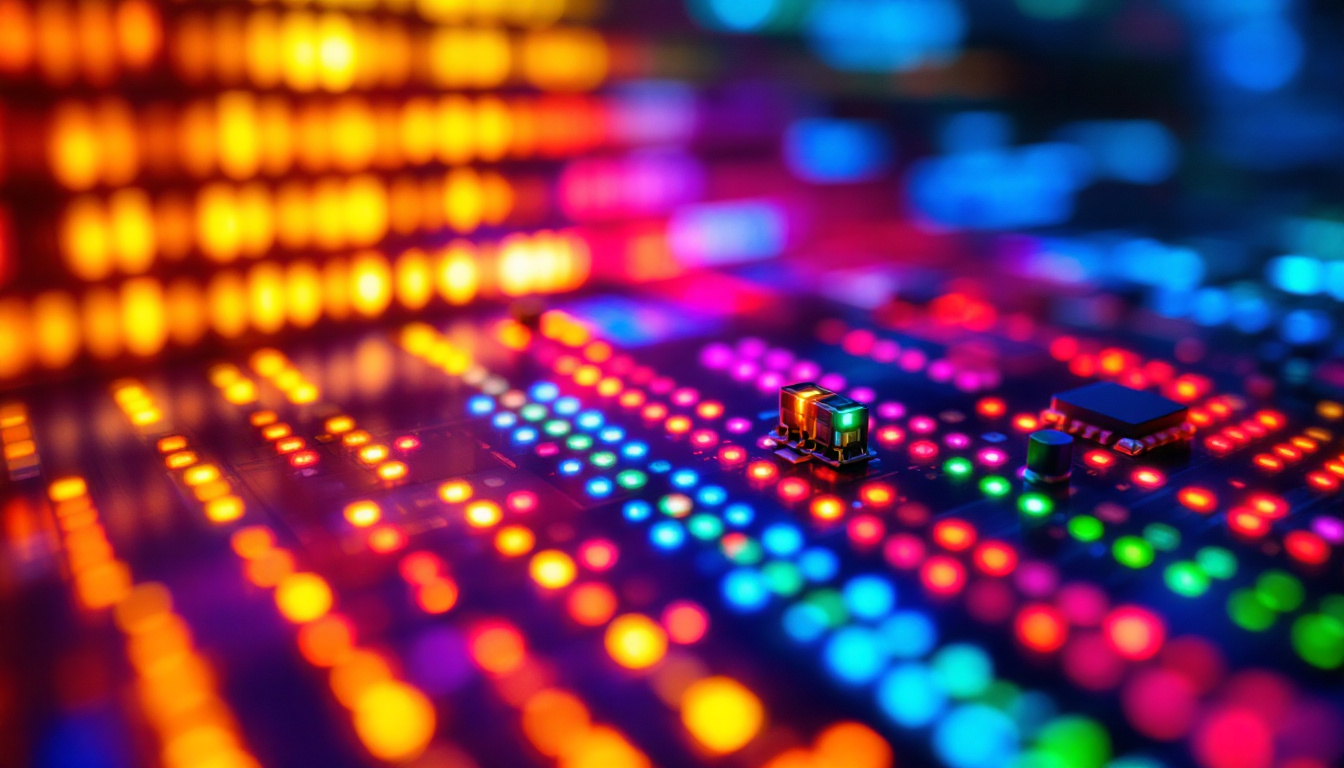
The core technology behind LED panel wall lights involves an array of LEDs mounted on a circuit board, covered by a diffuser that evenly distributes the light. The LEDs emit light when an electric current passes through semiconductor materials, producing photons through electroluminescence. This process is highly efficient compared to incandescent or fluorescent lighting, converting most of the energy into visible light with minimal heat generation.
The diffuser plays a crucial role in ensuring the light emitted is soft and evenly spread, eliminating hotspots and harsh shadows. Advanced panels may also include features such as dimming capabilities, color temperature adjustment, and smart controls for enhanced user experience. These smart controls can be integrated with home automation systems, allowing users to customize lighting settings based on their preferences or activities. For example, during movie nights, the lights can be dimmed to create a cozy environment, while bright, cool lighting can be set for work or study sessions. Moreover, the energy efficiency of LED panels not only reduces electricity bills but also contributes to a more sustainable lifestyle, making them an eco-friendly choice for conscientious consumers.
The Technology Behind LED Displays in Panel Lights
LED Types and Their Impact on Performance
Not all LEDs are created equal. The type of LED used in panel wall lights significantly affects brightness, color rendering, and energy consumption. Commonly used LEDs include SMD (Surface Mounted Device) LEDs, which are compact and efficient, and COB (Chip on Board) LEDs, known for their high luminous efficacy and uniform light output.
Modern LED panels often incorporate high CRI (Color Rendering Index) LEDs, which ensure colors appear natural and vibrant under the light. This is particularly important in settings like art galleries, retail stores, and medical facilities where accurate color perception is critical.
Driver Technology and Energy Efficiency
LED panels require drivers to regulate the electrical current supplied to the LEDs, ensuring stable operation and prolonging lifespan. High-quality LED drivers improve efficiency by minimizing energy loss and reducing flicker, which can cause discomfort and eye strain.
Energy efficiency is a key advantage of LED panel wall lights. According to the U.S. Department of Energy, LEDs use at least 75% less energy and last 25 times longer than incandescent lighting. This translates into significant cost savings and reduced environmental impact over time.
Integration with Smart Systems
With the rise of smart building technologies, LED panel wall lights can now be integrated with automated control systems. Features such as motion sensors, daylight harvesting, and programmable schedules allow for dynamic lighting environments that adapt to occupancy and natural light availability.
Smart LED panels can also be controlled remotely via smartphones or voice assistants, providing convenience and enhancing energy management. This integration is increasingly popular in commercial buildings aiming to meet sustainability standards and improve occupant comfort.
Applications of LED Panel Wall Lights
Commercial and Office Environments
In office spaces, LED panel wall lights provide uniform, flicker-free illumination that reduces eye strain and enhances productivity. Their slim profiles allow for installation in tight spaces or as part of suspended ceiling systems. Additionally, adjustable color temperature panels enable tuning of the lighting to support circadian rhythms, promoting alertness during the day and relaxation in the evening.
Retail environments benefit from LED panels by using high CRI lighting to make products appear more attractive and true to color. The ability to combine ambient and accent lighting helps create engaging shopping experiences.
Healthcare and Educational Facilities
Hospitals and clinics require lighting that supports accurate diagnosis and patient comfort. LED panel wall lights with high CRI and adjustable brightness levels are ideal for examination rooms, waiting areas, and corridors. Their low heat emission also contributes to maintaining sterile, comfortable environments.
In schools and universities, LED panels provide consistent lighting that reduces fatigue and improves concentration. Their energy efficiency helps educational institutions manage operational costs while contributing to sustainability goals.
Residential Use and Interior Design
While LED panel wall lights are often associated with commercial spaces, they are increasingly popular in modern homes. Their minimalist design complements contemporary interiors, and their ability to provide soft, even light makes them suitable for living rooms, kitchens, and hallways.
Homeowners appreciate features such as dimming and color temperature control, which allow customization of ambiance for different activities and times of day. Additionally, LED panels can be used as decorative elements, with options for backlighting or color-changing LEDs adding visual interest.
Benefits of LED Panel Wall Lights
Energy Savings and Longevity
One of the most compelling reasons to choose LED panel wall lights is their energy efficiency. By consuming significantly less power than traditional lighting, they reduce electricity bills and carbon footprints. The long lifespan of LED panels—often exceeding 50,000 hours—means fewer replacements and less maintenance, which is especially valuable in commercial settings.
Improved Lighting Quality
LED panels provide consistent, flicker-free illumination with excellent color rendering. This improves visual comfort and reduces eye strain, which is essential in workplaces and learning environments. The ability to adjust color temperature and brightness further enhances the quality of light, supporting health and well-being.
Design Flexibility and Aesthetic Appeal
The slim, lightweight design of LED panel wall lights offers architects and interior designers greater flexibility. Panels can be recessed, surface-mounted, or suspended, and their clean lines contribute to a modern, uncluttered look. Customizable shapes and sizes allow for creative lighting solutions tailored to specific spaces.
Environmental Impact
LED technology is environmentally friendly, containing no mercury or hazardous materials. The reduced energy consumption lowers greenhouse gas emissions, and the durability of LED panels means less waste from discarded bulbs. Many manufacturers now offer recyclable components, further minimizing environmental impact.
Choosing the Right LED Panel Wall Light
Key Factors to Consider
When selecting LED panel wall lights, several factors should guide the decision-making process:
- Brightness and Lumen Output: Ensure the panel provides adequate illumination for the intended space.
- Color Temperature: Choose between warm, neutral, or cool white depending on the ambiance desired.
- Color Rendering Index (CRI): Higher CRI values (above 80) are preferable for accurate color representation.
- Size and Shape: Match the panel dimensions to the wall space and design requirements.
- Dimming and Control Options: Consider compatibility with existing lighting controls or smart systems.
- Energy Efficiency Ratings: Look for ENERGY STAR or equivalent certifications for guaranteed performance.
Installation and Maintenance Tips
Proper installation is crucial for optimal performance and longevity. It is recommended to hire qualified electricians to ensure compliance with electrical codes and safety standards. LED panels should be installed in locations that avoid excessive moisture or temperature extremes unless specifically rated for such conditions.
Maintenance is minimal but includes periodic cleaning of the diffuser to remove dust and checking connections for any signs of wear. Given their long lifespan, replacements are infrequent, but it is important to source panels from reputable manufacturers to ensure reliability.
The Future of LED Panel Wall Lights
Emerging Trends and Innovations
The LED lighting industry continues to evolve rapidly. Future developments in LED panel wall lights include integration with advanced sensors for adaptive lighting that responds to human presence and natural light changes. Innovations in materials and manufacturing processes aim to produce even thinner, lighter, and more efficient panels.
Color tunable and dynamic lighting systems that simulate natural daylight cycles are gaining traction, especially in workplaces and healthcare settings. These systems support circadian health and enhance occupant well-being.
Impact of IoT and Smart Building Technologies
The Internet of Things (IoT) is transforming LED lighting into an interconnected network of smart devices. LED panel wall lights equipped with IoT capabilities can communicate with building management systems to optimize energy use, monitor performance, and provide data analytics for facility managers.
This connectivity enables predictive maintenance, reducing downtime and operational costs. It also opens possibilities for personalized lighting experiences, where individual preferences can be programmed and adjusted automatically.
Conclusion
LED panel wall lights represent a significant advancement in lighting technology, offering a blend of efficiency, quality, and design versatility. Understanding the underlying LED display technology, applications, and benefits helps architects, designers, facility managers, and homeowners make informed choices that enhance both functionality and aesthetics.
As LED technology continues to progress, these panels will play an increasingly important role in sustainable building design and smart environments, contributing to energy savings, occupant comfort, and environmental stewardship. Whether for commercial, healthcare, educational, or residential use, LED panel wall lights are a forward-looking solution that combines innovation with practicality.
Discover LumenMatrix’s Innovative LED Display Solutions
Ready to elevate your space with the latest in LED display technology? Explore LumenMatrix’s comprehensive range of LED display modules, from vibrant Indoor and Outdoor LED Wall Displays to dynamic Vehicle and Sports LED Displays. Whether you’re looking to create an immersive environment with Floor LED Displays or seeking a Custom LED solution tailored to your unique needs, LumenMatrix has you covered. Embrace the future of visual communication and enhance your brand’s visibility with our All-in-One and Transparent LED Displays. Check out LumenMatrix LED Display Solutions today and transform your space into a captivating visual experience.