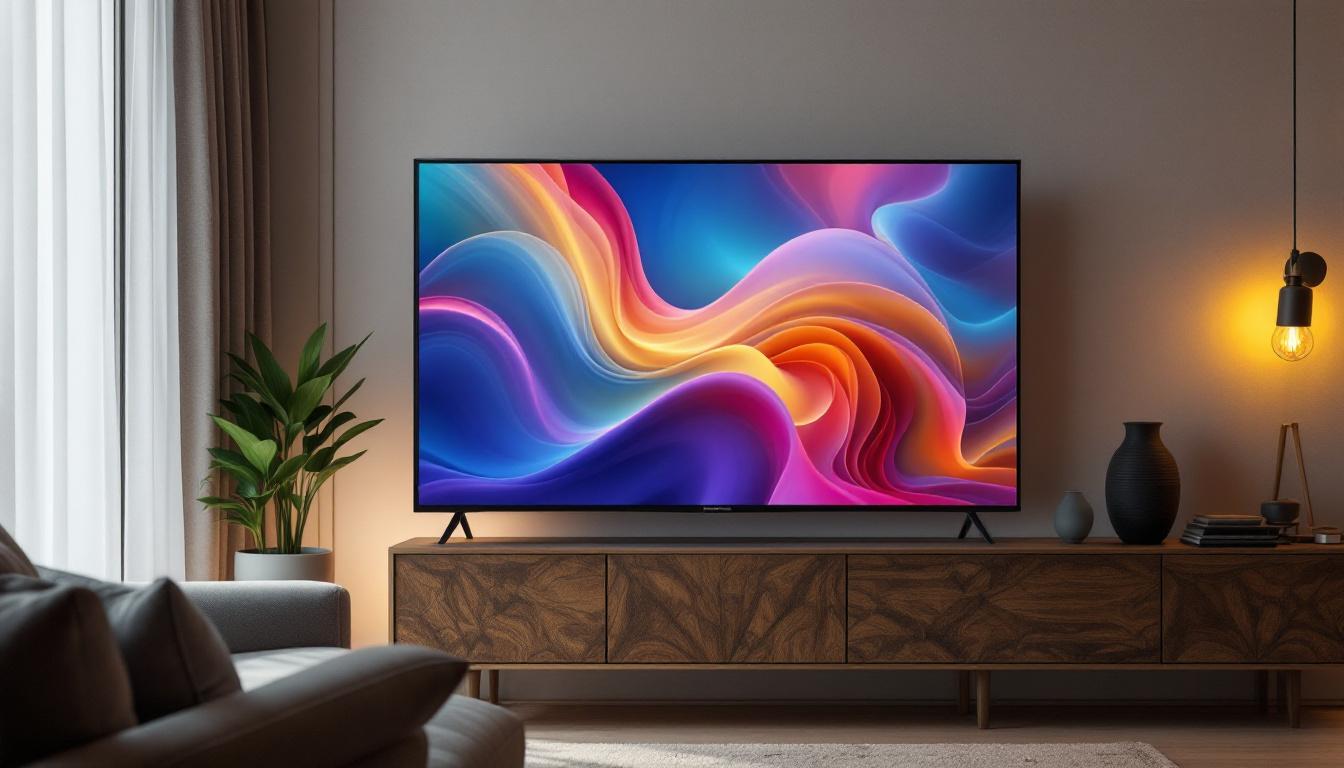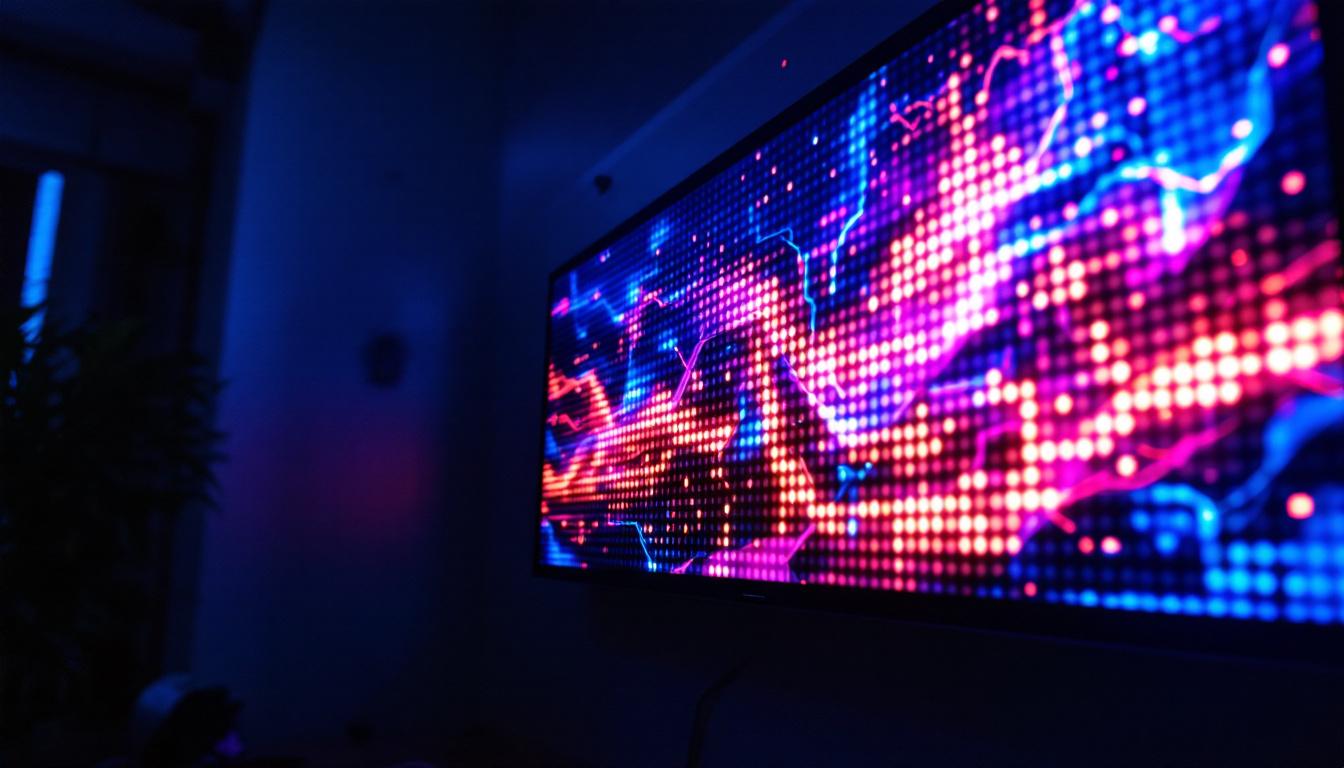
In the rapidly evolving world of digital displays, LED panels have become a cornerstone technology, transforming how information and visuals are presented across various industries. From advertising billboards to indoor signage and large-scale event screens, LED displays offer unparalleled brightness, energy efficiency, and versatility. This article delves into the fundamentals of LED panels, exploring their technology, types, applications, and the advantages that make them a preferred choice for modern visual communication.
Understanding LED Panel Technology
At its core, an LED panel is a flat display surface composed of numerous light-emitting diodes (LEDs) arranged in a matrix. These tiny semiconductor devices emit light when an electric current passes through them, producing vivid images and videos with remarkable clarity. The technology behind LED panels has evolved significantly over the years, leading to enhancements in both performance and versatility, making them a popular choice in various applications, from advertising to art installations.
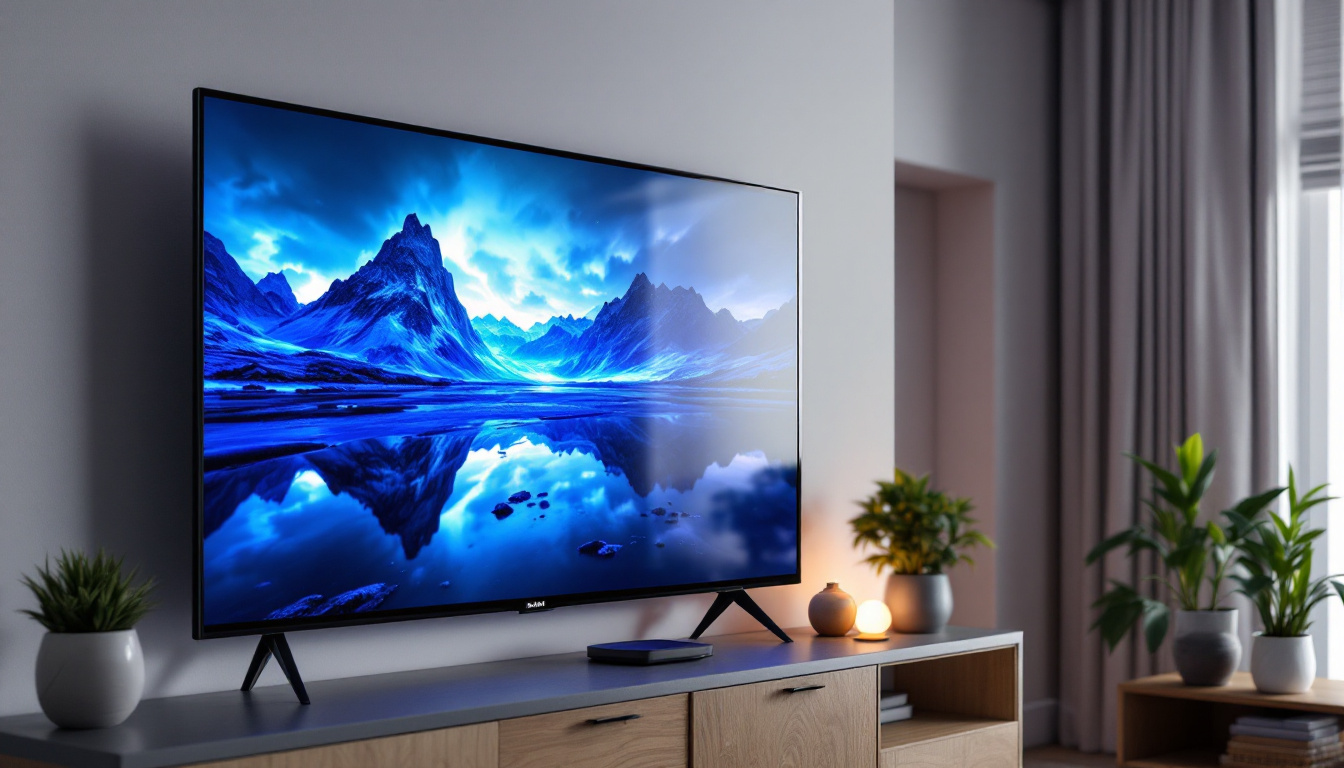
Unlike traditional LCD screens that rely on backlighting, LED panels generate light directly from each diode, allowing for superior brightness and contrast. This direct emission of light also contributes to energy efficiency and longer lifespan, making LED panels a sustainable option for both indoor and outdoor use. Additionally, the reduced heat generation of LED technology means that these panels can operate for extended periods without the risk of overheating, further extending their usability in demanding environments.
How LED Panels Work
The basic unit of an LED panel is the pixel, which typically consists of three sub-pixels: red, green, and blue (RGB). By varying the intensity of these sub-pixels, the panel can produce a wide spectrum of colors. Modern LED panels use advanced control systems to precisely manage each pixel, ensuring smooth color transitions and sharp image quality. This precision is crucial for applications such as digital signage, where clarity and vibrancy can significantly impact viewer engagement.
LED panels are often modular, meaning they can be assembled from smaller units called cabinets. This modularity enables the creation of displays of virtually any size, from small indoor screens to massive outdoor video walls. The ease of assembly and disassembly also allows for flexible installation options, making it possible to adapt to different spatial requirements or to relocate displays as needed. Furthermore, the lightweight nature of these panels simplifies transportation and installation, reducing labor costs and time.
Types of LED Panels
LED panels come in various forms, primarily categorized based on their pixel pitch, brightness, and intended use. Pixel pitch refers to the distance between the centers of two adjacent pixels and directly affects the resolution and viewing distance of the display. Understanding these categories is essential for selecting the right panel for specific applications, whether for a retail environment, a concert stage, or a corporate event.
- Indoor LED Panels: These panels have a fine pixel pitch, typically ranging from 1.2mm to 4mm, providing high resolution suitable for close viewing distances. They are designed with lower brightness levels (around 800 to 1,200 nits) to prevent eye strain in indoor environments. Additionally, many indoor panels feature advanced color calibration technologies, ensuring consistent color accuracy across the entire display, which is particularly important for branding and marketing purposes.
- Outdoor LED Panels: With a larger pixel pitch, often between 6mm and 20mm, outdoor panels prioritize brightness and durability. They can achieve brightness levels exceeding 5,000 nits to remain visible in direct sunlight and are built to withstand weather conditions such as rain, wind, and dust. Many outdoor models also incorporate protective coatings and robust housings to enhance their resilience against environmental factors, ensuring longevity and reliability in challenging conditions.
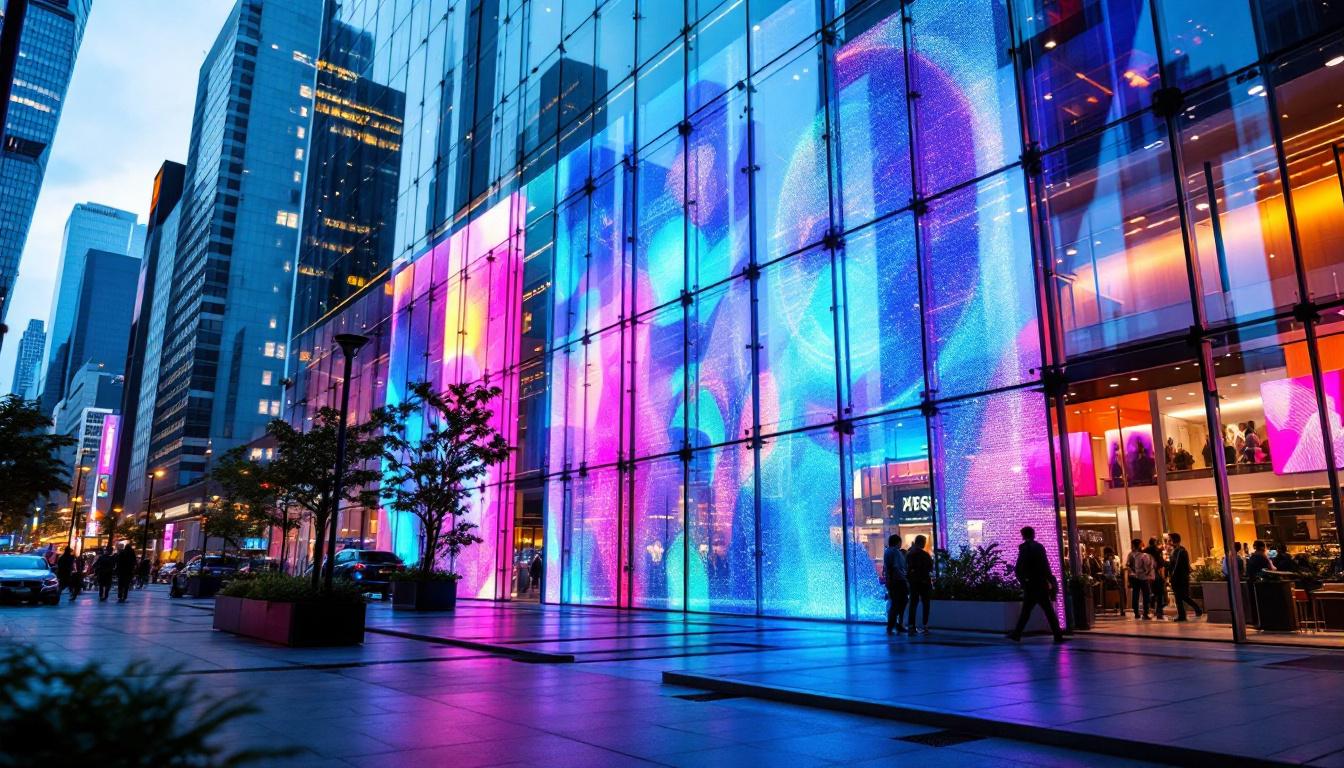
- Transparent LED Panels: These innovative displays allow light to pass through them, making them ideal for glass walls and windows. They combine aesthetics with functionality, enabling dynamic content display without obstructing natural light. This feature is particularly appealing for retail environments, where businesses can showcase advertisements while maintaining an open and inviting atmosphere for customers.
Applications of LED Panels
LED panels have revolutionized visual communication across multiple sectors. Their adaptability and performance have opened new possibilities for businesses, entertainment venues, public spaces, and more.
Advertising and Marketing
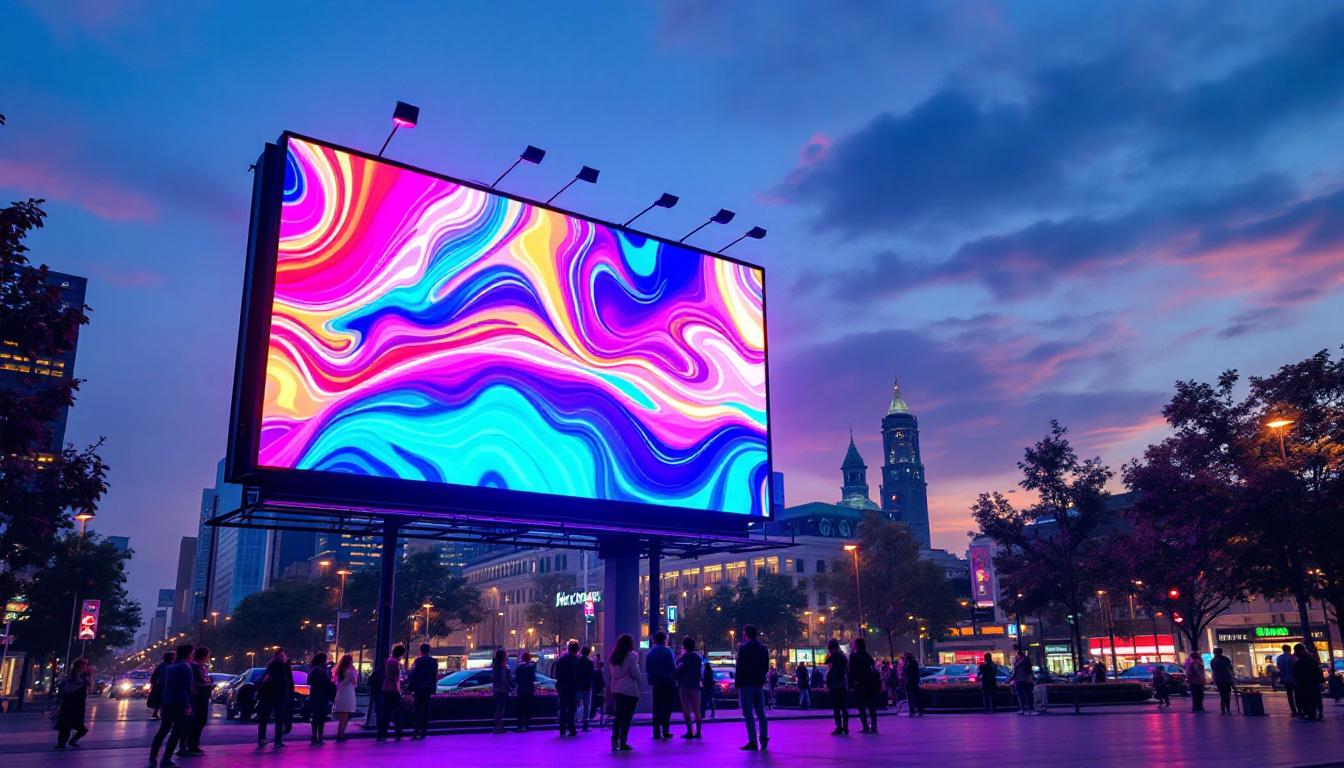
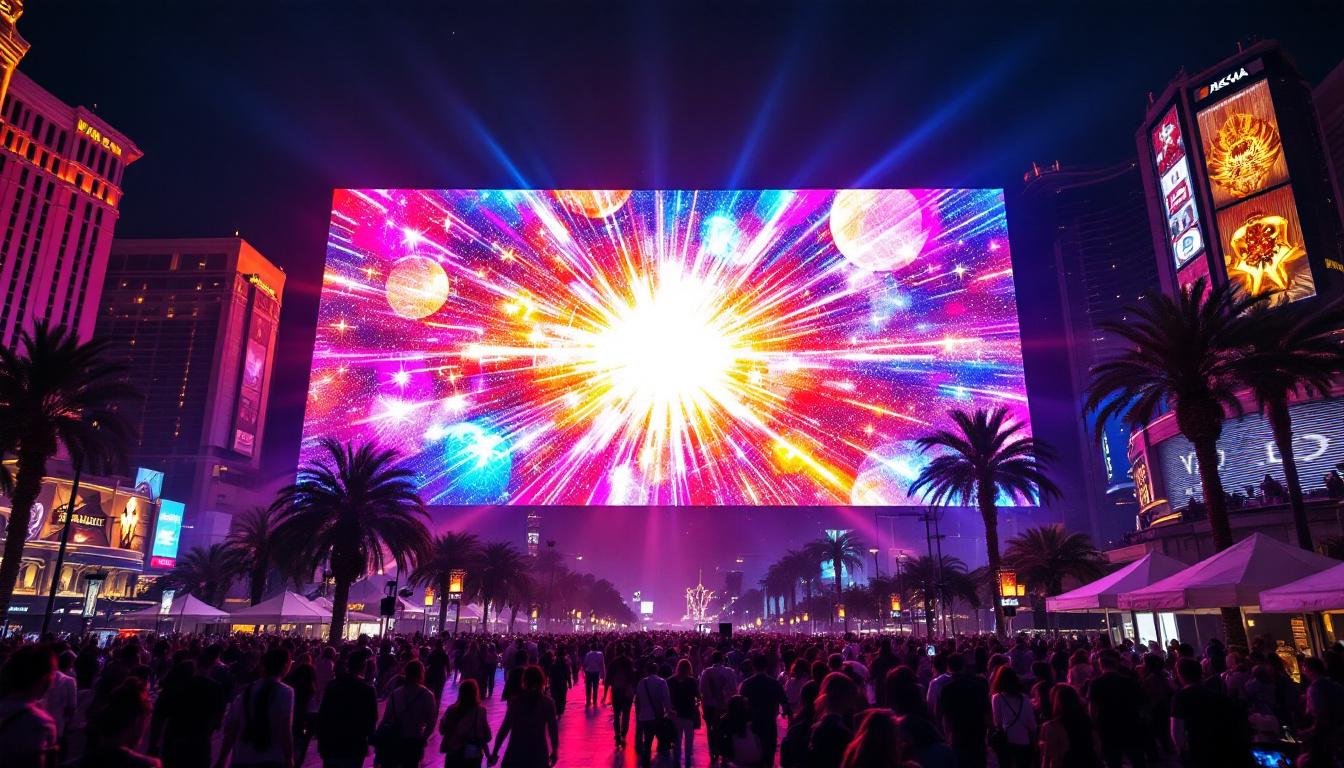
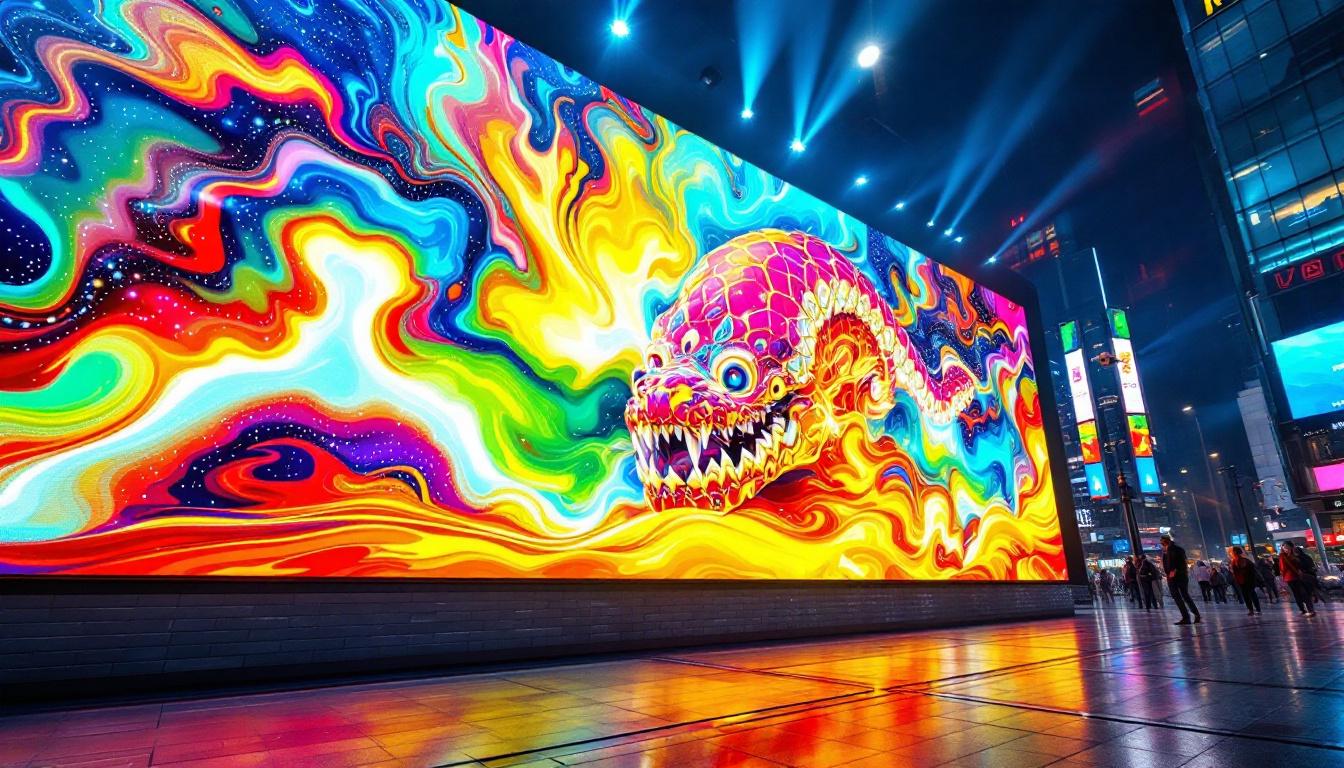
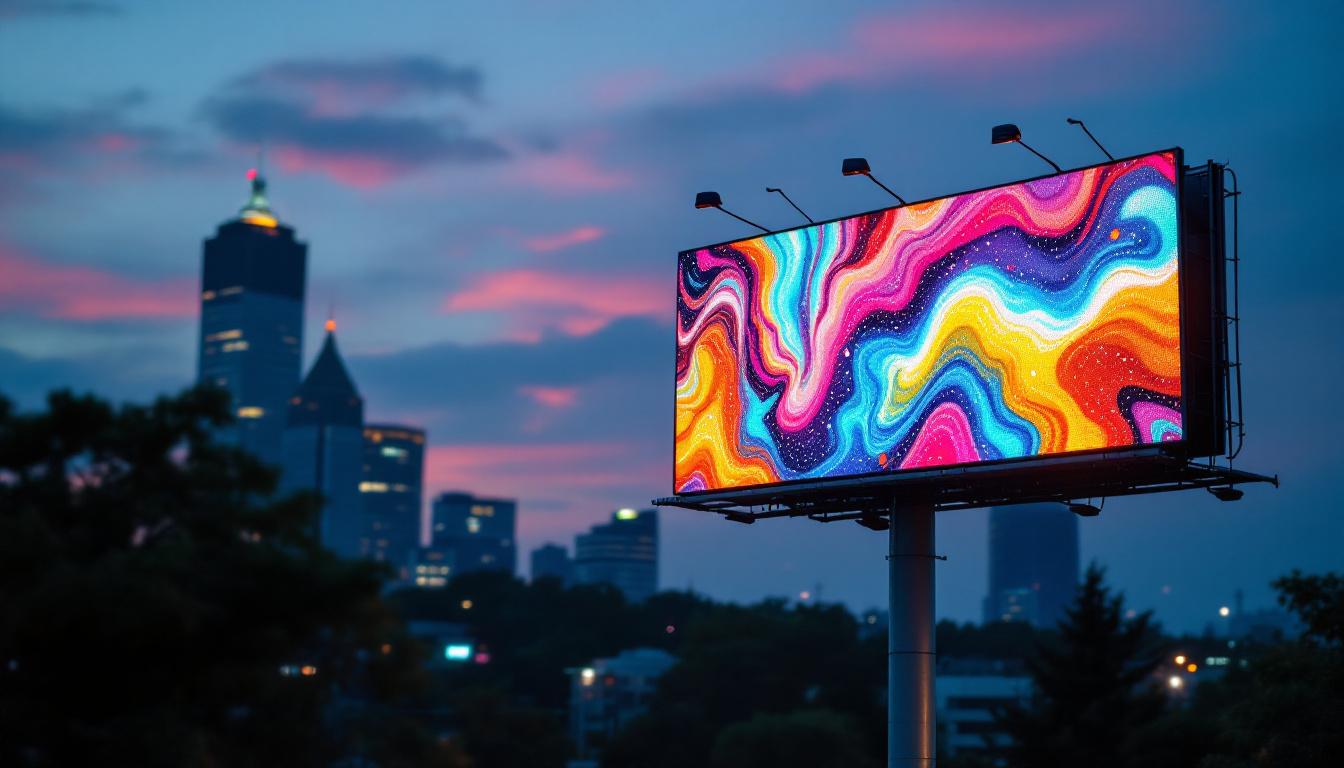
One of the most prominent uses of LED panels is in outdoor advertising. Digital billboards equipped with LED technology offer dynamic content that can be updated in real-time, allowing advertisers to tailor messages based on time of day, audience demographics, or special events.
According to recent market analyses, digital out-of-home (DOOH) advertising, which heavily relies on LED displays, is expected to grow at a compound annual growth rate (CAGR) of over 10% through 2026. This growth underscores the increasing demand for engaging, high-impact visual advertising solutions. Furthermore, the ability to integrate social media feeds and live data into these displays allows brands to create a more interactive experience, capturing the attention of passersby in a way that static ads simply cannot.
Entertainment and Events
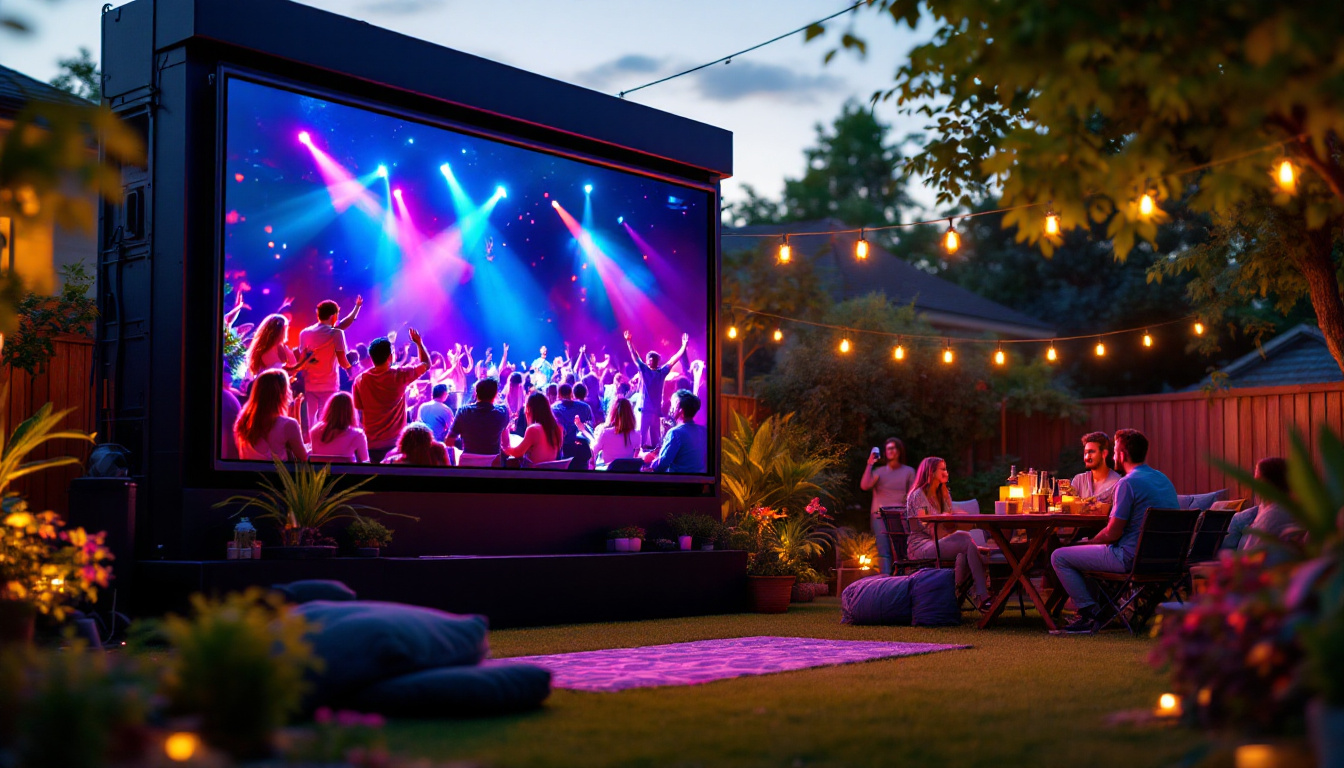
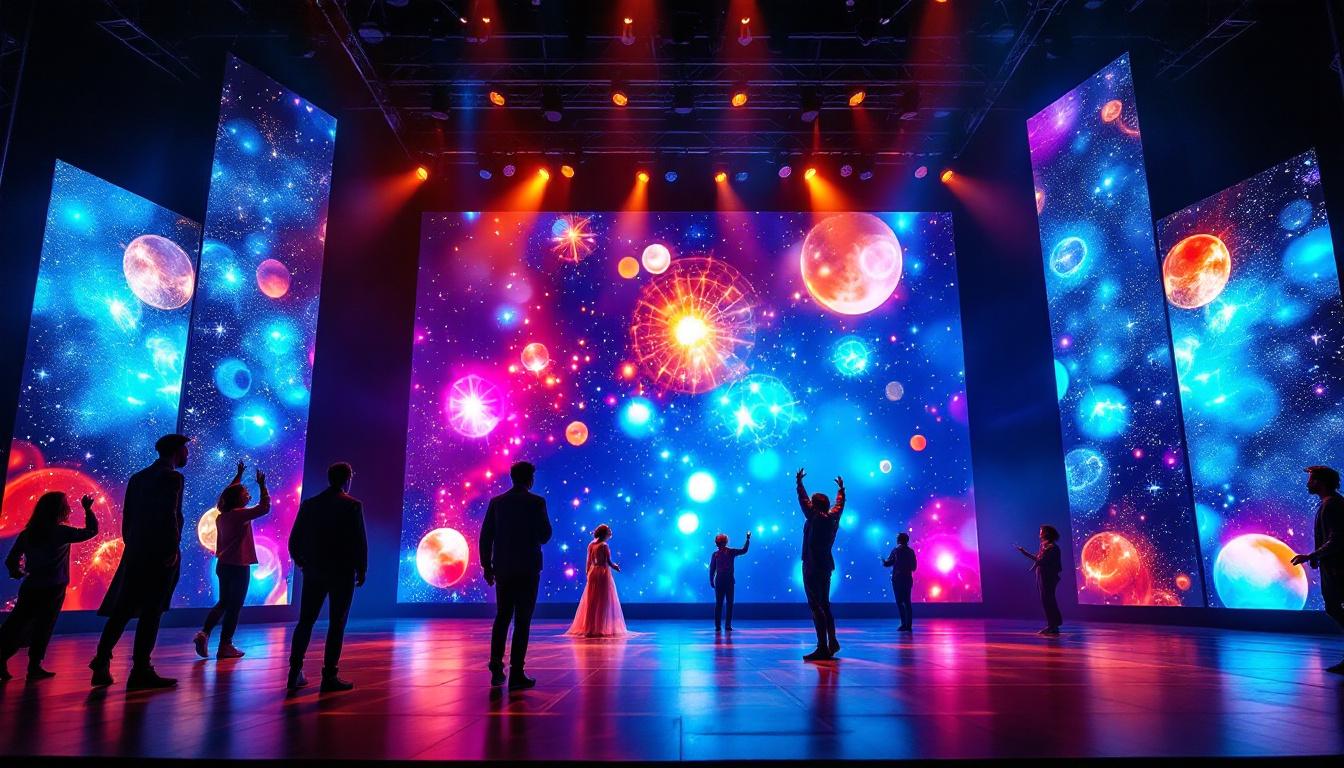
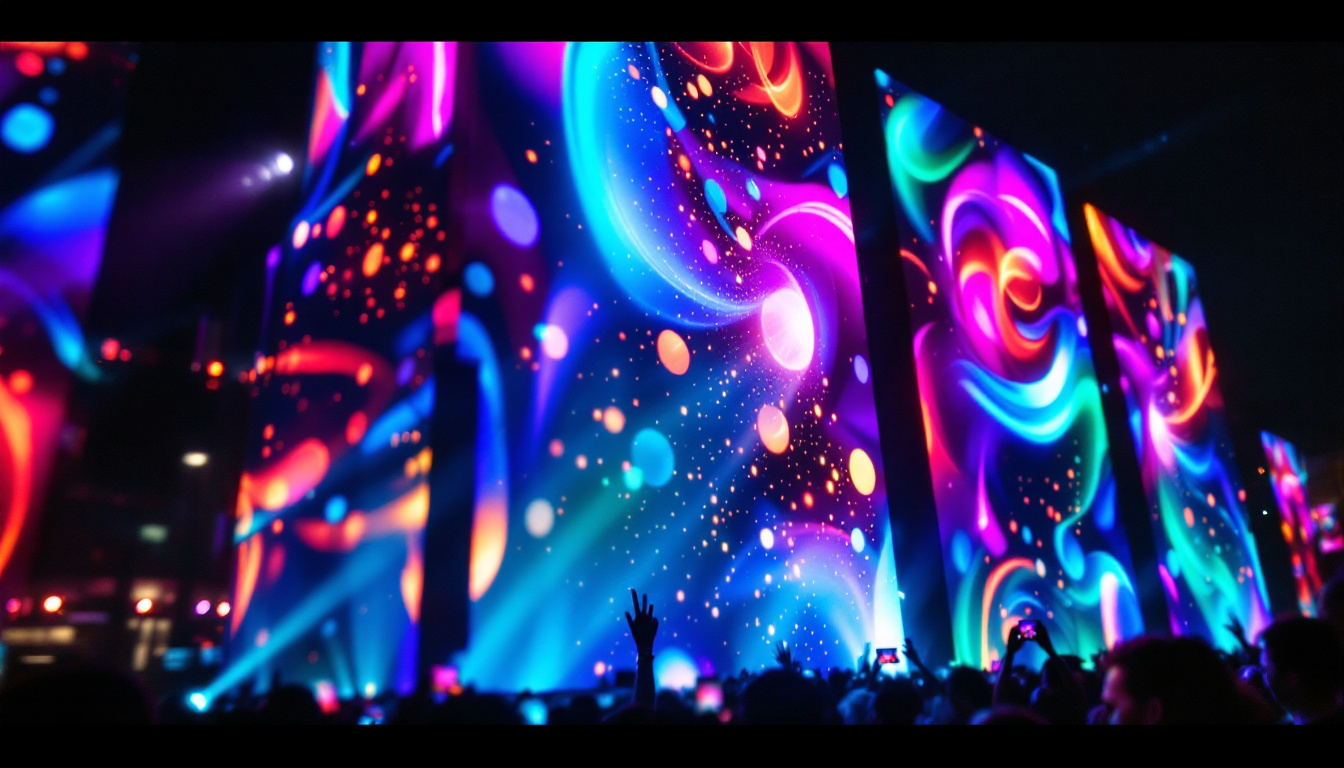
Concerts, sports arenas, and festivals frequently utilize large LED video walls to enhance the audience experience. These panels provide bright, high-resolution visuals that remain clear even in bright daylight or under complex lighting conditions.
LED panels also enable creative stage designs, interactive installations, and immersive environments, pushing the boundaries of live event production. For instance, during major music festivals, LED screens can be synchronized with the music, creating a cohesive audio-visual experience that captivates audiences. Additionally, the portability of LED panels allows for quick setup and takedown, making them ideal for events that require flexibility and efficiency.
Corporate and Retail Environments
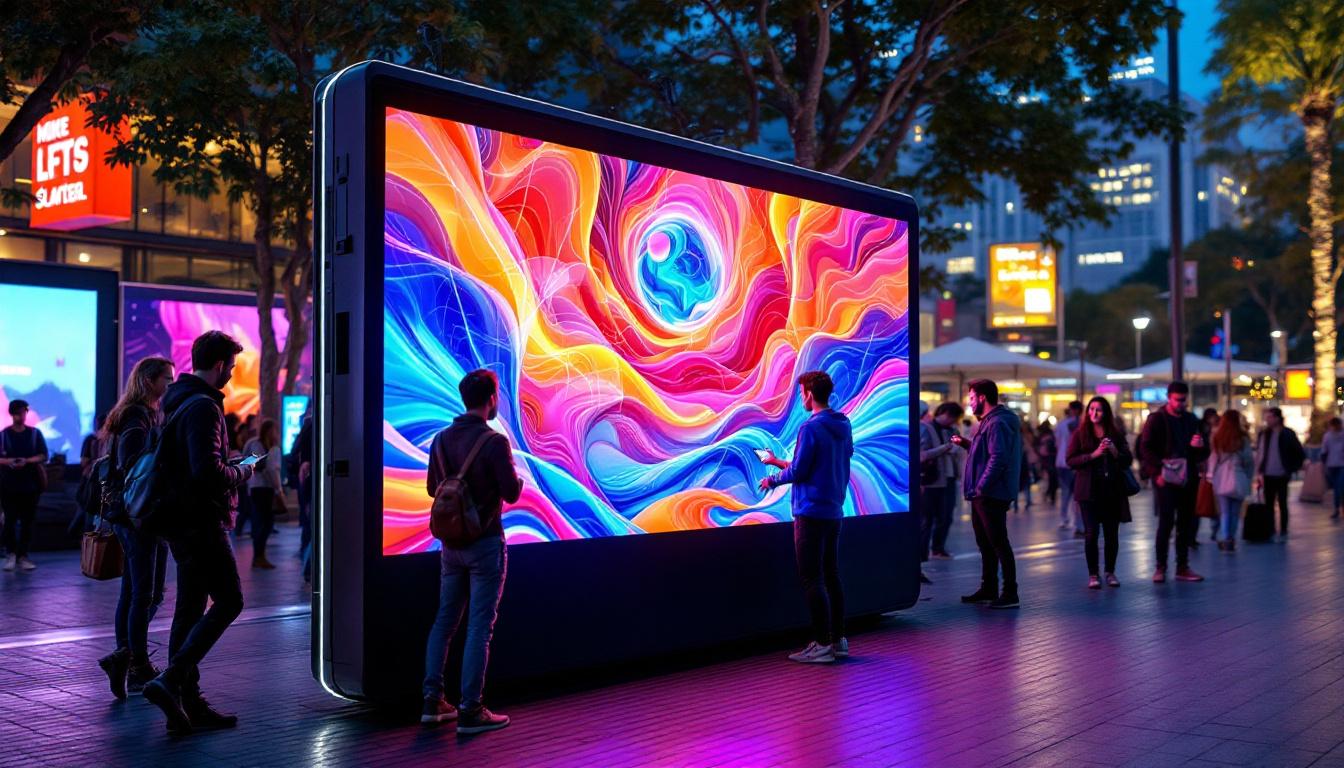
In corporate settings, LED panels serve as digital signage for presentations, wayfinding, and branding. Retailers use them to attract customers with dynamic promotions and product information, improving engagement and sales conversion rates.
The flexibility of LED panels allows businesses to customize content easily, ensuring that messaging stays relevant and timely. In retail, for example, LED panels can display real-time inventory updates or flash sales, creating a sense of urgency that encourages immediate purchases. Additionally, the use of LED technology in corporate environments can enhance employee communication and collaboration, with screens displaying important announcements or performance metrics in common areas.
Transportation and Public Information
LED displays are integral to transportation hubs such as airports, train stations, and bus terminals. They provide real-time updates on schedules, alerts, and directions, enhancing passenger experience and operational efficiency.
Moreover, smart city initiatives increasingly incorporate LED panels for public information dissemination, emergency notifications, and environmental monitoring. These displays can serve a dual purpose; for instance, they can provide crucial information about public transport while also displaying community messages or advertisements from local businesses. This integration not only improves the flow of information but also fosters a sense of community engagement and awareness among residents and visitors alike.
Advantages of LED Panels Over Other Display Technologies
Choosing the right display technology is crucial for achieving desired communication goals. LED panels offer several compelling benefits compared to LCD, projection, or traditional signage options.
Superior Brightness and Visibility
LED panels can achieve brightness levels far beyond those of LCD screens, making them highly visible in various lighting conditions, including direct sunlight. This attribute is essential for outdoor applications where visibility is critical.
Energy Efficiency and Longevity
LED technology is inherently energy-efficient, consuming less power than many alternative display types. Additionally, LEDs have a longer operational lifespan, often exceeding 100,000 hours, which reduces maintenance costs and downtime.
High Contrast and Color Accuracy
Because LEDs emit light directly, they produce deep blacks and vibrant colors, resulting in high contrast ratios. This capability enhances image quality and viewer engagement.
Flexibility and Scalability
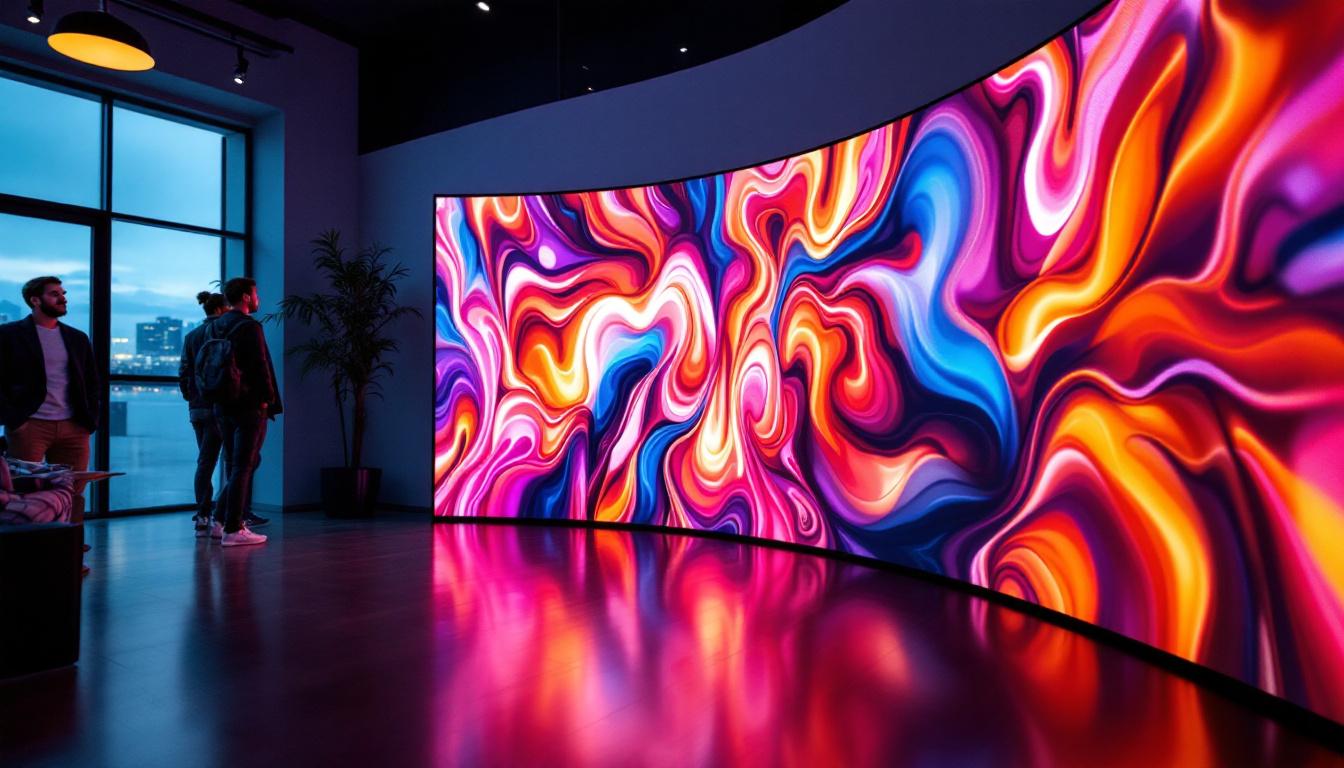
The modular nature of LED panels allows for flexible installation options. They can be curved, shaped, or scaled to fit unique architectural requirements, offering creative freedom for designers and marketers alike.
Durability and Weather Resistance
Outdoor LED panels are built to withstand harsh environmental conditions, including rain, dust, and temperature fluctuations. Their robust construction ensures reliable performance over time.
Key Considerations When Choosing an LED Panel
Selecting the appropriate LED panel requires careful evaluation of several factors to ensure optimal performance and return on investment.
Pixel Pitch and Resolution
Understanding the relationship between pixel pitch and viewing distance is critical. A smaller pixel pitch delivers higher resolution and is suitable for close-range viewing, while a larger pixel pitch is acceptable for distant viewers.
Brightness Requirements
Brightness should be matched to the installation environment. Indoor displays typically require lower brightness to avoid glare, whereas outdoor displays need higher brightness to combat sunlight.
Installation Environment
Consider the physical location, weather exposure, and mounting options. Outdoor installations demand weatherproof and ruggedized panels, while indoor setups may prioritize aesthetics and integration with interior design.
Content Management and Control Systems
Effective content management software is essential for scheduling, updating, and monitoring display content. Compatibility with existing systems and ease of use should be assessed.
Budget and Total Cost of Ownership
Beyond initial purchase price, factor in installation costs, maintenance, energy consumption, and expected lifespan to determine the total cost of ownership.
Future Trends in LED Panel Technology
The LED display industry continues to innovate, driven by advancements in materials, electronics, and software.
MicroLED and MiniLED Displays
Emerging microLED and miniLED technologies offer even finer pixel pitches and improved brightness control, promising displays with exceptional resolution and color fidelity. These developments are poised to impact both consumer electronics and large-format displays.
Flexible and Transparent Displays
Flexible LED panels that can bend or roll open new possibilities for creative installations and wearable technology. Transparent LED displays are gaining traction in retail and architectural applications, blending digital content seamlessly with physical spaces.
Integration with IoT and Smart Technologies
LED panels are increasingly integrated into smart city frameworks and Internet of Things (IoT) ecosystems, enabling real-time data visualization, interactive experiences, and adaptive content based on environmental inputs.
Energy Harvesting and Sustainability
Research into energy-harvesting LED panels and eco-friendly manufacturing processes aims to reduce the environmental footprint of digital displays, aligning with global sustainability goals.
Conclusion
LED panels represent a dynamic and versatile display technology that has transformed visual communication across industries. Their superior brightness, energy efficiency, and adaptability make them an ideal choice for a wide range of applications, from advertising and entertainment to corporate and public information systems.
As technology continues to advance, LED panels will become even more sophisticated, offering higher resolutions, innovative form factors, and smarter integration capabilities. Understanding the fundamentals of LED display technology and carefully considering application-specific requirements will empower businesses and organizations to leverage this powerful medium effectively.
Explore Cutting-Edge LED Display Solutions with LumenMatrix
Ready to elevate your visual communication strategy with the latest in LED display technology? LumenMatrix is at the forefront of innovation, offering a diverse range of LED display modules designed to captivate your audience and amplify your message. From the immersive Indoor LED Wall Display to the dynamic Outdoor LED Wall Display, and from the mobile versatility of Vehicle LED Displays to the creative possibilities of Custom LED Displays, we have the solution to meet your needs. Discover how our LED Sports Displays, Floor LED Displays, All-in-One LED Displays, and LED Transparent Displays can transform your space and engage viewers like never before. Check out LumenMatrix LED Display Solutions today and join the revolution in visual communication.