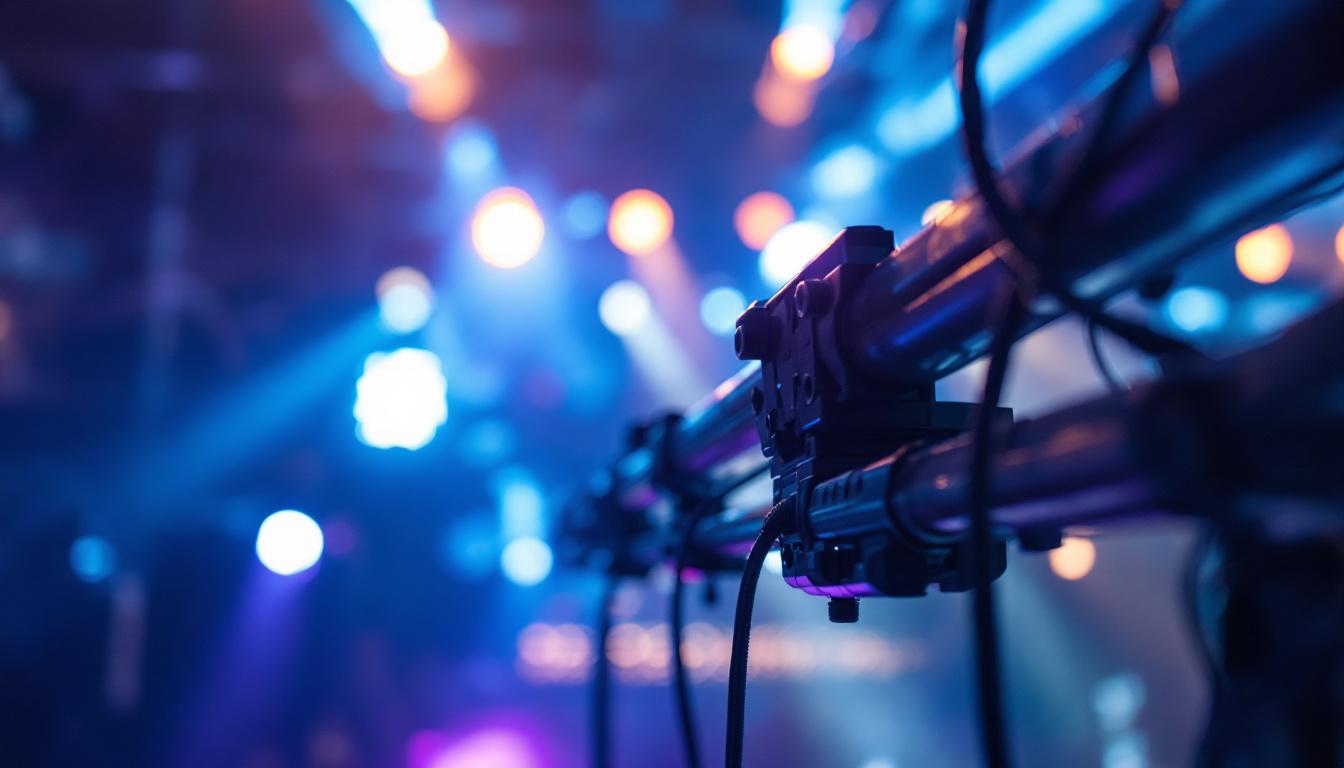
In the world of event production, stage design, and large-scale visual presentations, the integration of LED displays has revolutionized how audiences experience content. Central to the effective deployment of these displays is the often-overlooked component known as the rigging bar. This article delves into the role of rigging bars in LED display setups, their types, safety considerations, and best practices to ensure seamless and secure installations.
Understanding the Role of Rigging Bars in LED Displays
LED displays have become ubiquitous in concerts, corporate events, sports arenas, and public installations. These displays, often made up of modular panels, require robust support structures to hold them in place, especially when suspended above ground level. A rigging bar serves as the critical hardware that supports and secures these LED panels during installation.
Unlike fixed installations, many LED displays are temporary or semi-permanent, necessitating a rigging system that is both flexible and reliable. The rigging bar provides this by acting as a horizontal support beam to which LED panels can be attached, enabling precise alignment and load distribution.
Why Rigging Bars Are Essential
Without proper rigging bars, LED displays risk structural failure, which can lead to costly damage or, worse, safety hazards for crew and audience members. The rigging bar ensures that the weight of the LED panels is evenly distributed across the support points, minimizing stress on any single component.
Additionally, rigging bars facilitate quick assembly and disassembly, a crucial factor for touring events where time and efficiency are paramount. They also allow for modularity, enabling technicians to create displays of varying sizes and shapes by combining multiple bars and panels.
Moreover, the design of rigging bars often includes features that enhance their functionality, such as integrated safety latches and adjustable mounting points. These features not only improve the ease of installation but also enhance safety by reducing the risk of accidental disengagement. Furthermore, many rigging bars are constructed from lightweight yet durable materials, such as aluminum, which allows for easy transport without compromising strength. This is particularly important in the fast-paced environment of live events, where every second counts and reliability is non-negotiable.
In addition to their structural role, rigging bars can also contribute to the aesthetic appeal of an installation. By allowing for seamless integration of LED panels, they help create a polished look that enhances the overall visual experience. This is particularly relevant in high-profile events where the presentation is as important as the content being displayed. Technicians can use rigging bars to achieve creative configurations that captivate audiences, making the technology not just functional, but also an integral part of the artistic expression of the event.
Types of Rigging Bars for LED Displays
Rigging bars come in various designs and materials, each suited to different types of LED displays and installation environments. Understanding these types helps event professionals choose the right equipment for their specific needs.
Aluminum Rigging Bars
Aluminum rigging bars are among the most popular choices due to their lightweight yet strong properties. Aluminum’s high strength-to-weight ratio makes these bars easier to handle during setup without compromising on durability.
They are corrosion-resistant, which is particularly advantageous for outdoor events exposed to the elements. Many aluminum rigging bars feature integrated rigging points and quick-lock mechanisms, streamlining the installation process. Additionally, their sleek finish and modern aesthetic make them a preferred option for high-profile events where visual appeal is paramount. The ease of transport and setup also allows for quicker turnaround times, making them ideal for rental companies that need to deploy equipment rapidly across multiple venues.
Steel Rigging Bars
Steel rigging bars offer superior strength and are often used in permanent or heavy-duty installations. Although heavier than aluminum, steel bars can support larger and heavier LED panels, making them ideal for large-scale displays in stadiums or arenas.
Steel bars require proper surface treatment, such as galvanization or powder coating, to prevent rust and extend their lifespan, especially in outdoor applications. Furthermore, the robustness of steel rigging bars provides peace of mind for event organizers, knowing that their displays can withstand high winds or other adverse conditions. This added durability is crucial for installations that may remain in place for extended periods, ensuring that the integrity of the display is maintained throughout the event duration.
Modular Rigging Systems
Some manufacturers offer modular rigging bar systems that can be customized to fit unique display configurations. These systems use interlocking components and adjustable brackets, allowing for flexibility in shape and size.
Modular systems are particularly useful for creative stage designs where LED panels need to be arranged in non-traditional layouts, such as curved or angled displays. The adaptability of these systems enables designers to push the boundaries of creativity, facilitating innovative visual presentations that captivate audiences. Furthermore, the ease of assembly and disassembly makes modular rigging systems a cost-effective solution for touring productions, allowing for quick adjustments and reconfigurations as needed without the need for specialized tools or extensive labor. This versatility ensures that event professionals can respond to the dynamic demands of live performances and exhibitions with confidence.
Safety Considerations in Rigging LED Displays
Safety is paramount when rigging LED displays, given the potential risks associated with suspended loads. Rigging bars must be selected, installed, and maintained with strict adherence to safety standards to protect both personnel and audiences.
Load Capacity and Weight Distribution
Each rigging bar has a specified load capacity, which should never be exceeded. Event professionals must calculate the total weight of the LED panels, cabling, and any additional equipment to ensure the rigging bars and supporting structures can safely bear the load.
Proper weight distribution is also critical. Uneven loads can cause bending or failure of rigging bars. Using multiple rigging points and cross-bracing can help distribute weight evenly and enhance stability.
Compliance with Industry Standards
Rigging installations must comply with local and international safety standards such as those set by the Occupational Safety and Health Administration (OSHA) in the United States, or the European Norms (EN) for rigging and lifting equipment.
Regular inspections and certifications of rigging bars and hardware ensure that equipment remains in safe working condition. Documentation and adherence to manufacturer guidelines are essential components of a compliant rigging operation.
Qualified Personnel and Training
Rigging LED displays requires specialized knowledge and skills. Certified riggers and technicians should conduct installations, ensuring that rigging bars are properly secured and that all safety protocols are followed.
Training programs and continuous education on the latest rigging technologies and safety practices help reduce accidents and improve efficiency on site.
Best Practices for Rigging Bar Installation with LED Displays
Implementing best practices during the rigging process enhances both the safety and performance of LED displays. These practices cover planning, equipment selection, installation, and maintenance.
Pre-Installation Planning
Effective rigging begins with thorough planning. This includes site surveys to assess structural support points, environmental conditions, and access constraints. Detailed load calculations and risk assessments inform the choice of rigging bars and hardware.
Collaboration between designers, engineers, and rigging specialists ensures that the LED display design is feasible and safe to execute.
Choosing the Right Rigging Bar
Select rigging bars that match the weight, size, and configuration of the LED panels. Consider factors such as ease of assembly, compatibility with existing hardware, and environmental resistance.
Using rigging bars from reputable manufacturers with clear specifications and certifications reduces the risk of equipment failure.
Installation Techniques
During installation, ensure that rigging bars are level and securely fastened to the primary support structures. Use appropriate hardware such as shackles, clamps, and safety cables to prevent accidental disengagement.
Regularly check alignment and tension to maintain the integrity of the display throughout the event. Employing laser levels and other precision tools can improve accuracy.
Post-Installation Inspection and Maintenance
After installation, conduct comprehensive inspections to verify that all rigging components are secure and functioning correctly. Document any issues and address them immediately.
For long-term or repeated use, establish a maintenance schedule that includes cleaning, lubrication of moving parts, and periodic load testing to ensure ongoing safety and performance.
Innovations and Future Trends in Rigging Bars for LED Displays
As LED technology advances, so do the rigging solutions that support these displays. Innovations focus on enhancing safety, ease of use, and adaptability to new display formats.
Smart Rigging Systems
Emerging smart rigging bars incorporate sensors to monitor load stress, tilt, and environmental conditions in real time. These systems can alert operators to potential issues before they become critical, improving safety and reducing downtime.
Lightweight Composite Materials
Research into advanced composite materials aims to produce rigging bars that are lighter than aluminum but retain or exceed its strength. Such materials could simplify logistics and reduce labor costs associated with rigging LED displays.
Integration with Automated Rigging Solutions
Automation in rigging, including motorized hoists and remote-controlled locking mechanisms, is becoming more prevalent. Rigging bars designed to integrate seamlessly with these systems enable faster, safer setups, particularly for large-scale or complex displays.
Conclusion
The rigging bar is a fundamental component in the successful deployment of LED displays, balancing the demands of structural integrity, safety, and flexibility. Understanding the various types of rigging bars, adhering to safety standards, and implementing best practices ensures that LED displays not only dazzle audiences but do so reliably and securely.
As technology evolves, staying informed about innovations in rigging hardware will empower event professionals to deliver cutting-edge visual experiences with confidence and precision.
Discover LumenMatrix’s Advanced LED Display Solutions
Ready to elevate your event with the latest in LED display technology? Look no further than LumenMatrix, a pioneer in crafting immersive visual experiences. From versatile Indoor LED Wall Displays to dynamic Outdoor LED Wall Displays, and from mobile Vehicle LED Displays to innovative LED Sports Displays, LumenMatrix offers a comprehensive range of solutions tailored to your needs. Whether you’re looking to create a custom LED Display or seeking the convenience of an All-in-One LED Display, our mission is to transform your visual communication with clarity and impact. Check out LumenMatrix LED Display Solutions today and step into the future of digital signage.