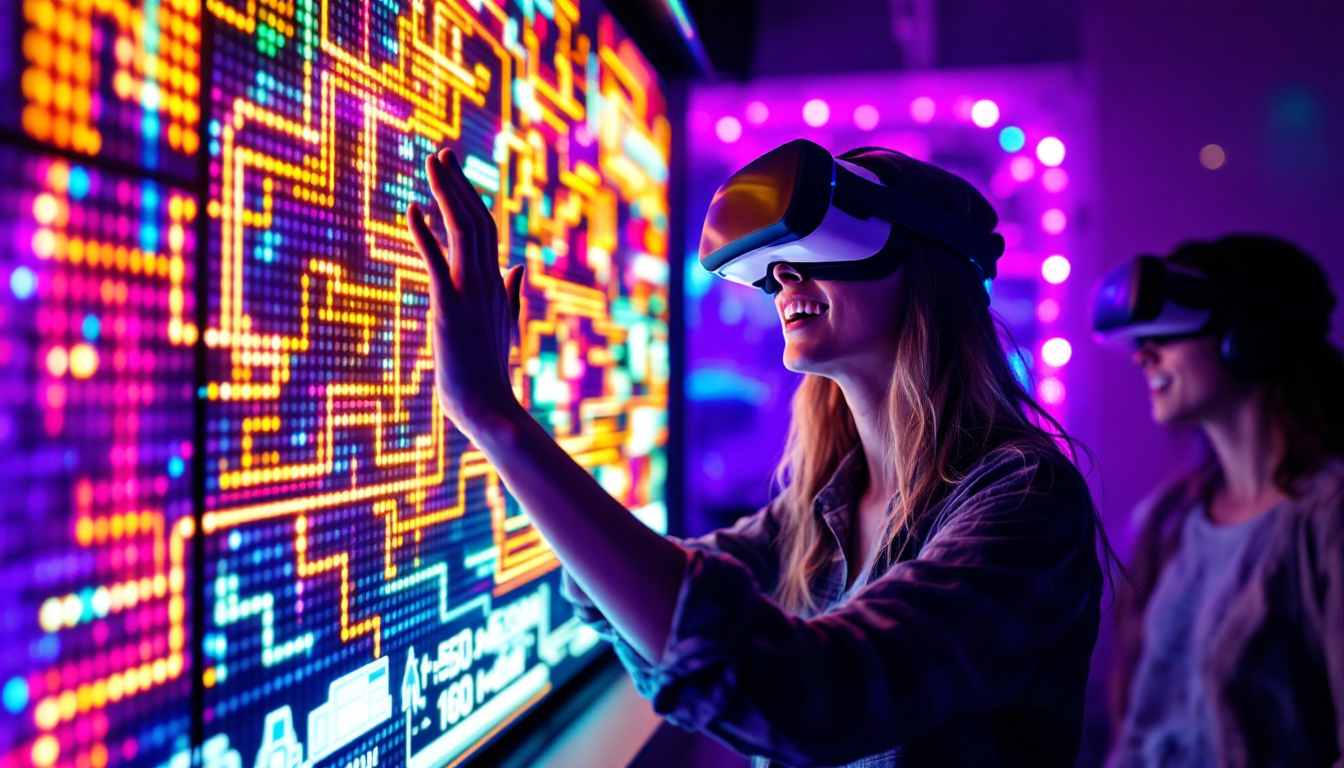
In recent years, LED display technology has revolutionized the way information and visuals are presented in both commercial and residential settings. Among the various types of LED displays, wall mount LED screens have gained significant popularity due to their versatility, brightness, and sleek design. Whether used for advertising, entertainment, or informational purposes, understanding the fundamentals of wall mount LED displays is essential for businesses, event organizers, and tech enthusiasts alike.
What is a Wall Mount LED Display?
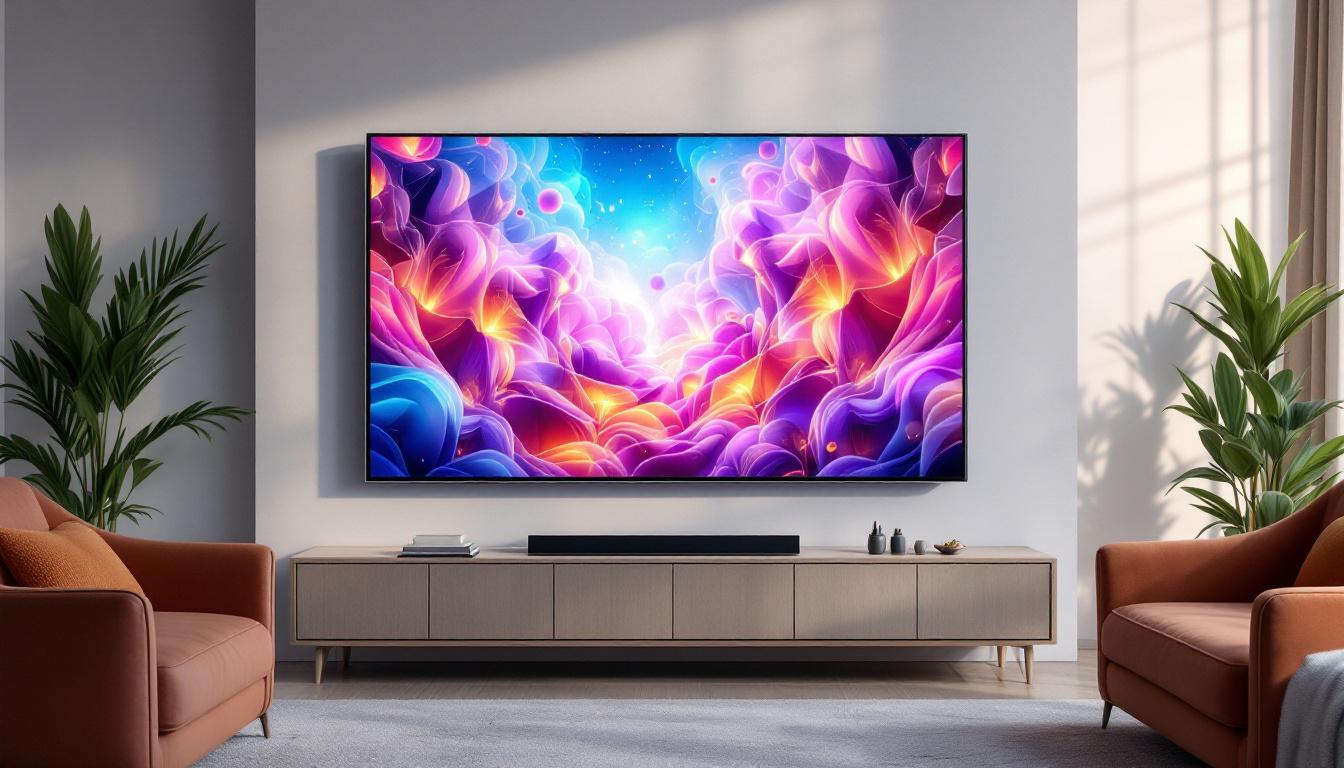
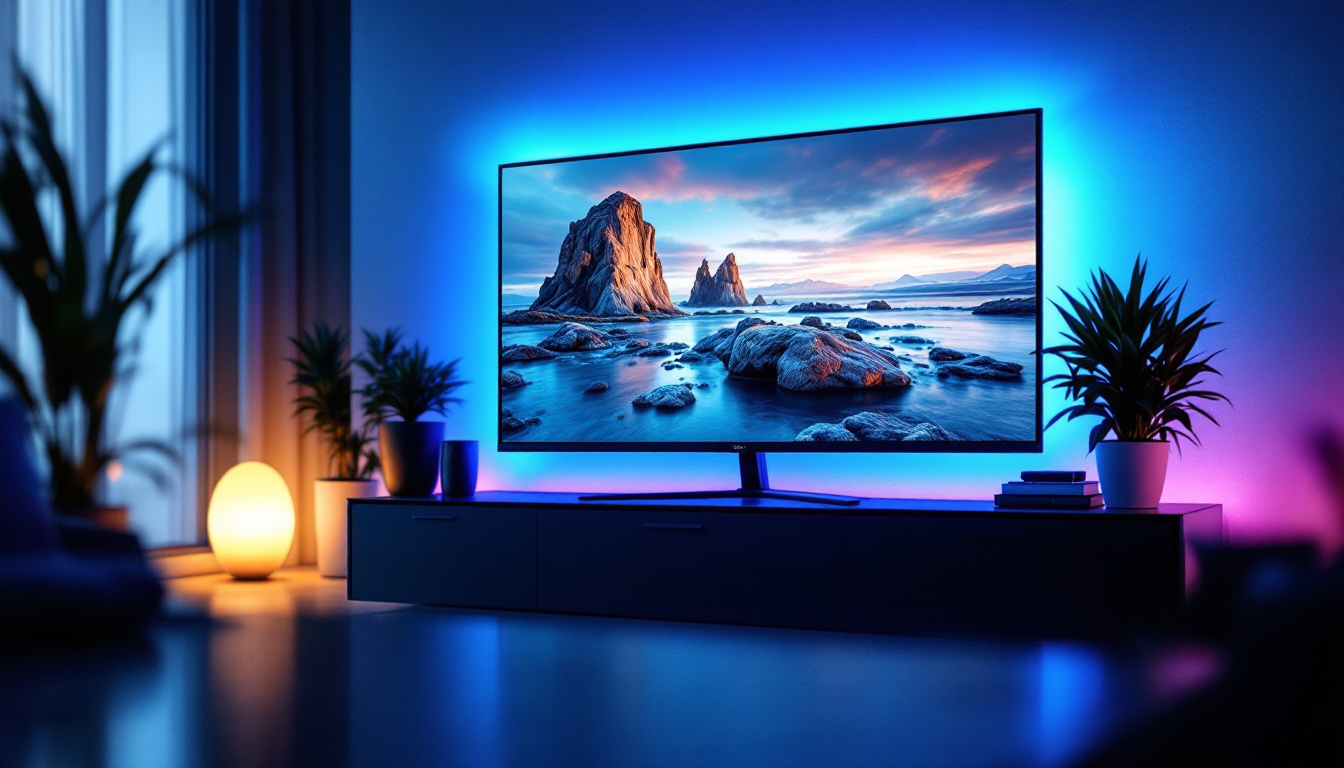
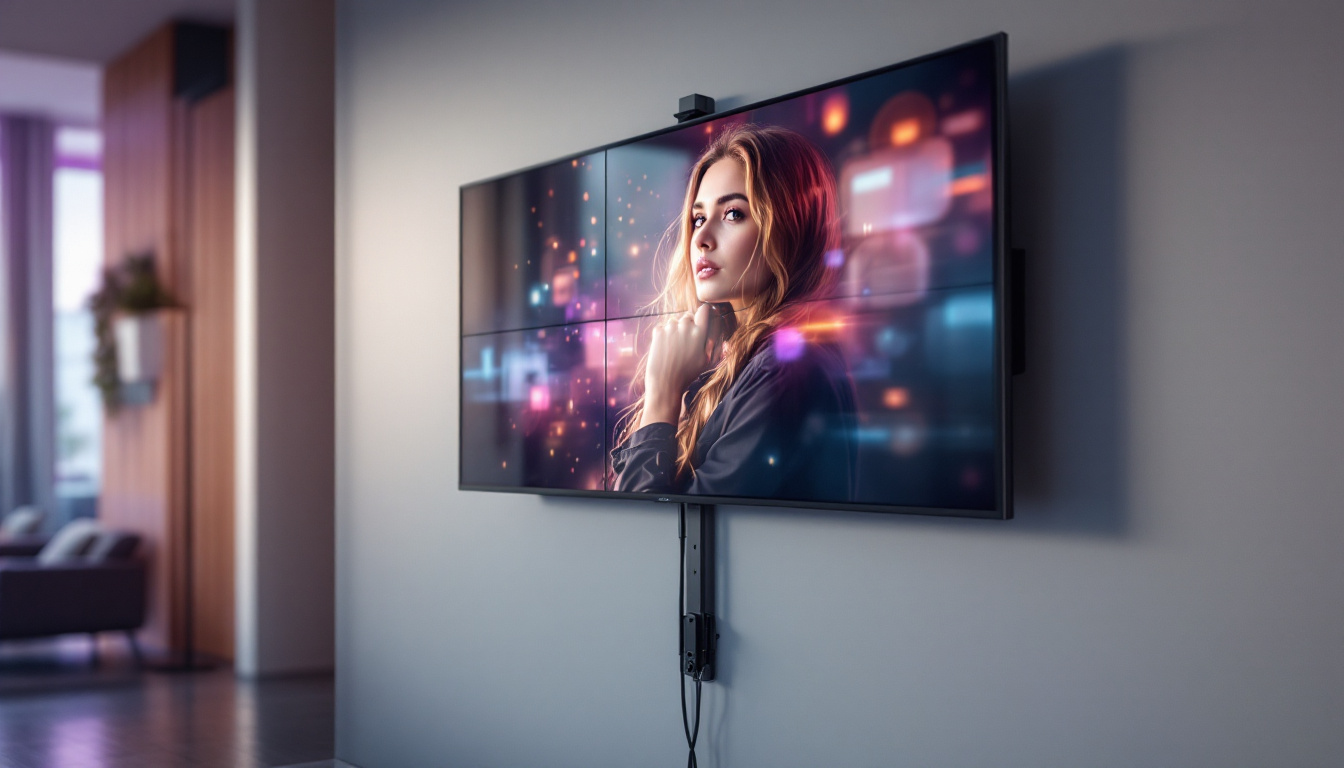
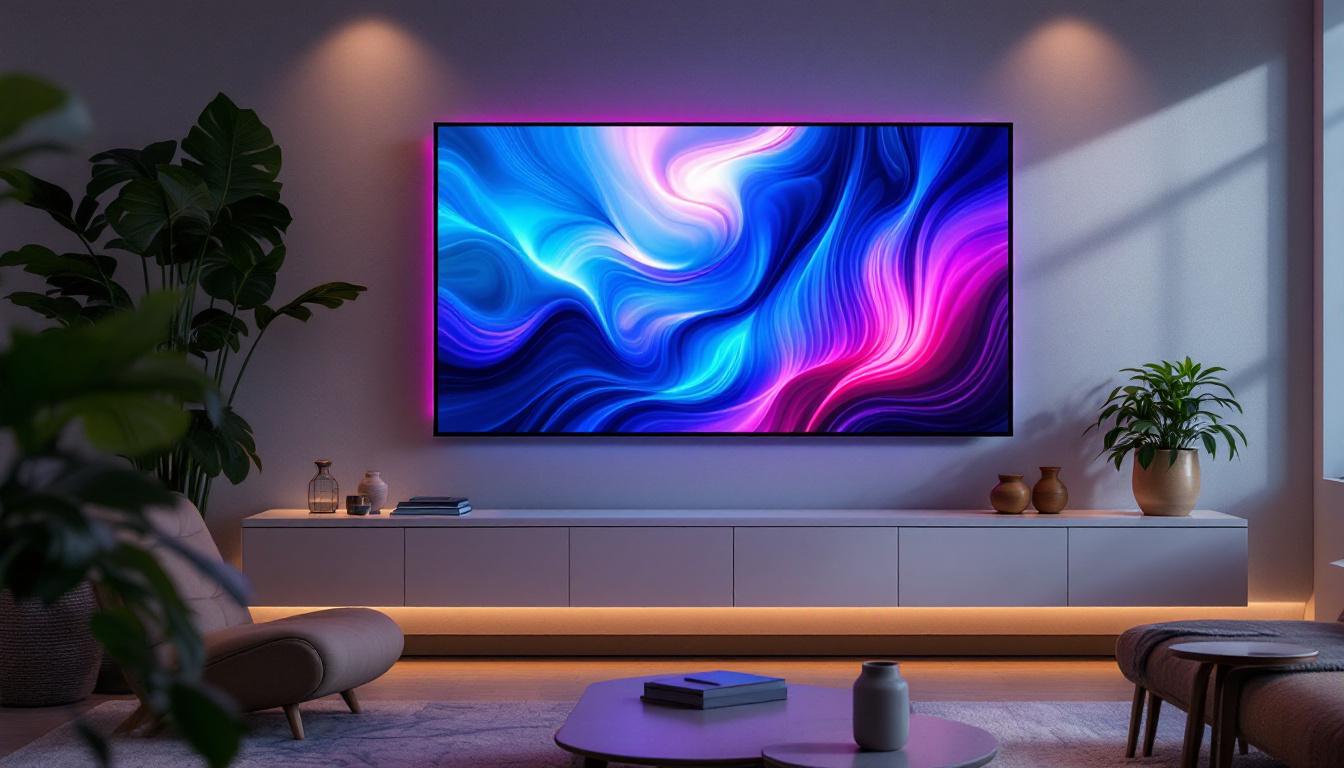
A wall mount LED display is a digital screen composed of light-emitting diodes (LEDs) that is designed to be affixed directly to a wall surface. Unlike traditional monitors or projectors, these displays offer superior brightness, color accuracy, and viewing angles, making them ideal for environments where visibility and impact are crucial.
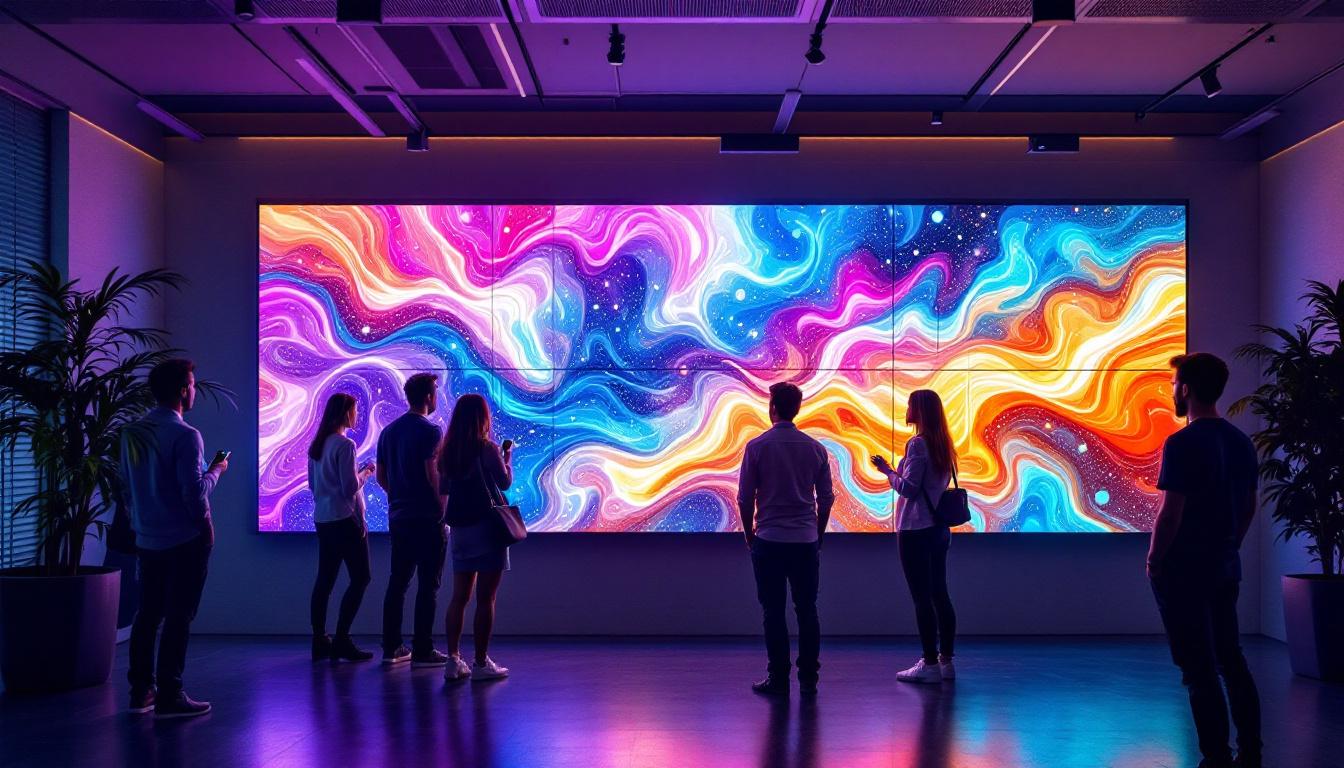
Typically, these displays come in modular panels that can be assembled to create screens of various sizes and resolutions. This modularity enables customization to fit specific wall dimensions and content requirements. Wall mount LED displays are widely used in retail stores, corporate offices, public spaces, and even private homes for home theater setups or digital art installations. The versatility of these displays allows them to be tailored for different applications, from showcasing advertisements in bustling shopping malls to providing dynamic information in transportation hubs.
Key Features of Wall Mount LED Displays
Several features distinguish wall mount LED displays from other display technologies:
- Brightness: LED displays can achieve brightness levels exceeding 1,000 nits, ensuring clear visibility even in brightly lit environments.
- Color Accuracy: Advanced LED technology provides vibrant and true-to-life colors, enhancing the viewing experience.
- Viewing Angle: Wide viewing angles (often up to 160 degrees or more) allow the content to be seen clearly from different positions.
- Durability: LEDs have a long lifespan, often exceeding 50,000 hours, and are resistant to shock and vibration.
- Energy Efficiency: Compared to older display technologies, LEDs consume less power, reducing operational costs.
In addition to these features, wall mount LED displays often come equipped with advanced connectivity options, allowing for seamless integration with various media sources. This includes HDMI, DisplayPort, and even wireless capabilities, enabling users to easily switch content or update displays remotely. Furthermore, many models support high-definition resolutions, including 4K and even 8K, providing stunning clarity that captivates audiences. The ability to display multiple content types, from videos and images to real-time data feeds, makes these displays a powerful tool for communication and engagement in any setting.
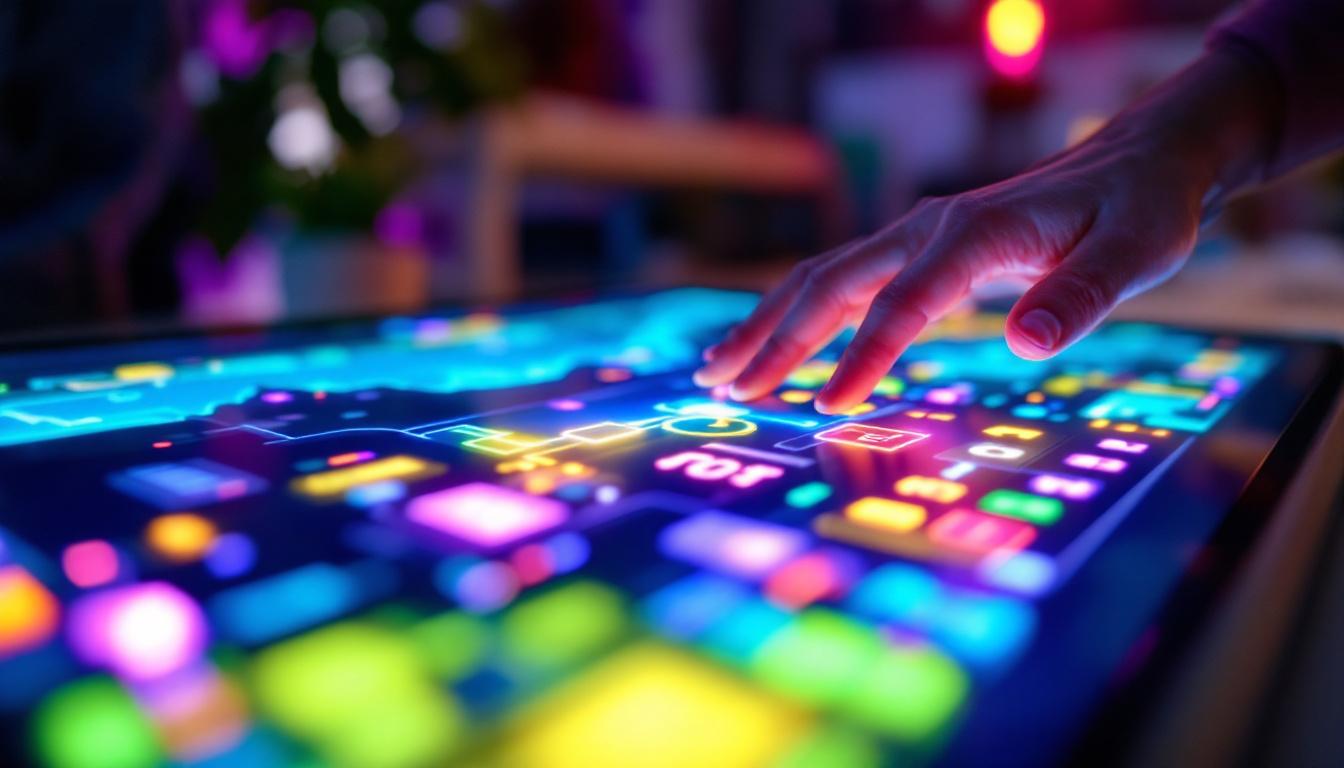
Moreover, the installation process for wall mount LED displays has become increasingly user-friendly, with many manufacturers providing comprehensive mounting solutions and installation guides. This ease of installation is complemented by the lightweight nature of the modular panels, allowing for flexibility in design and positioning. As technology advances, features like touch interactivity and integration with smart systems are also becoming more prevalent, further enhancing the functionality of wall mount LED displays in modern environments.
How Wall Mount LED Displays Work
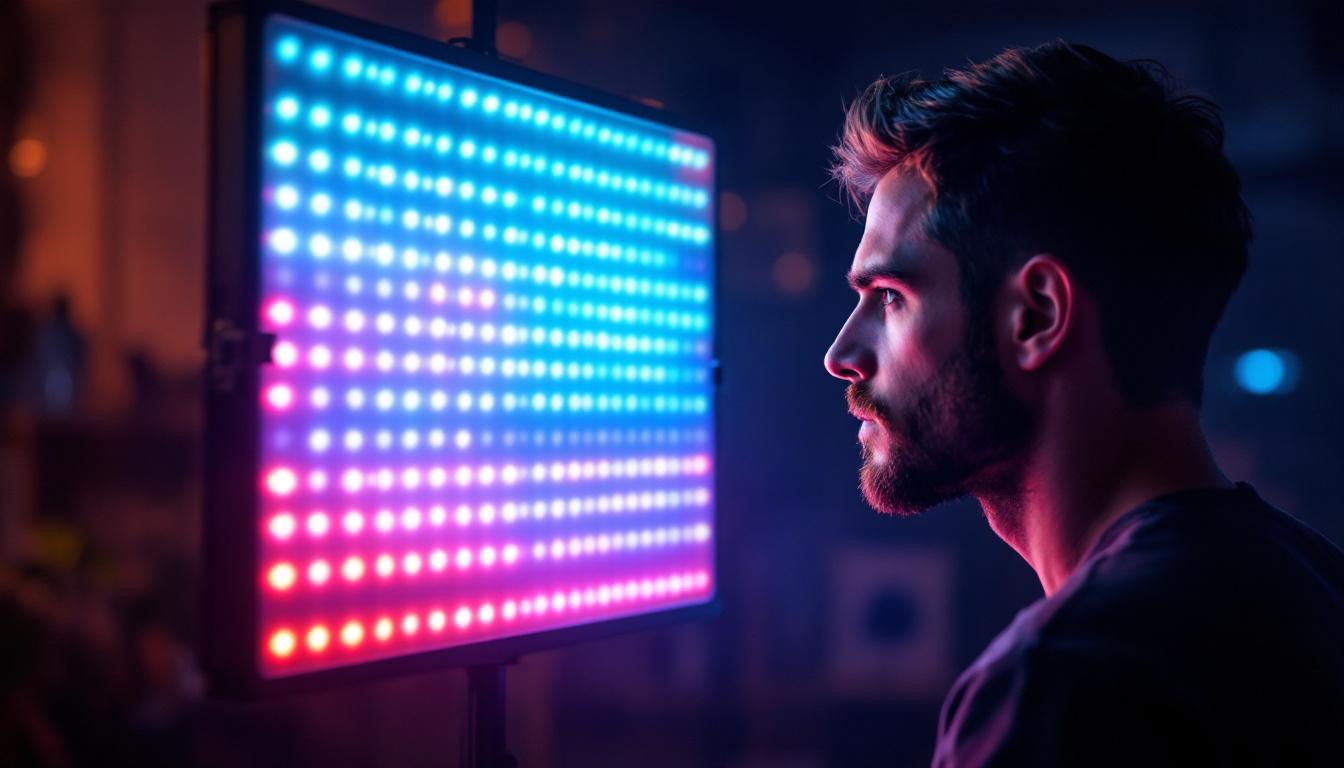
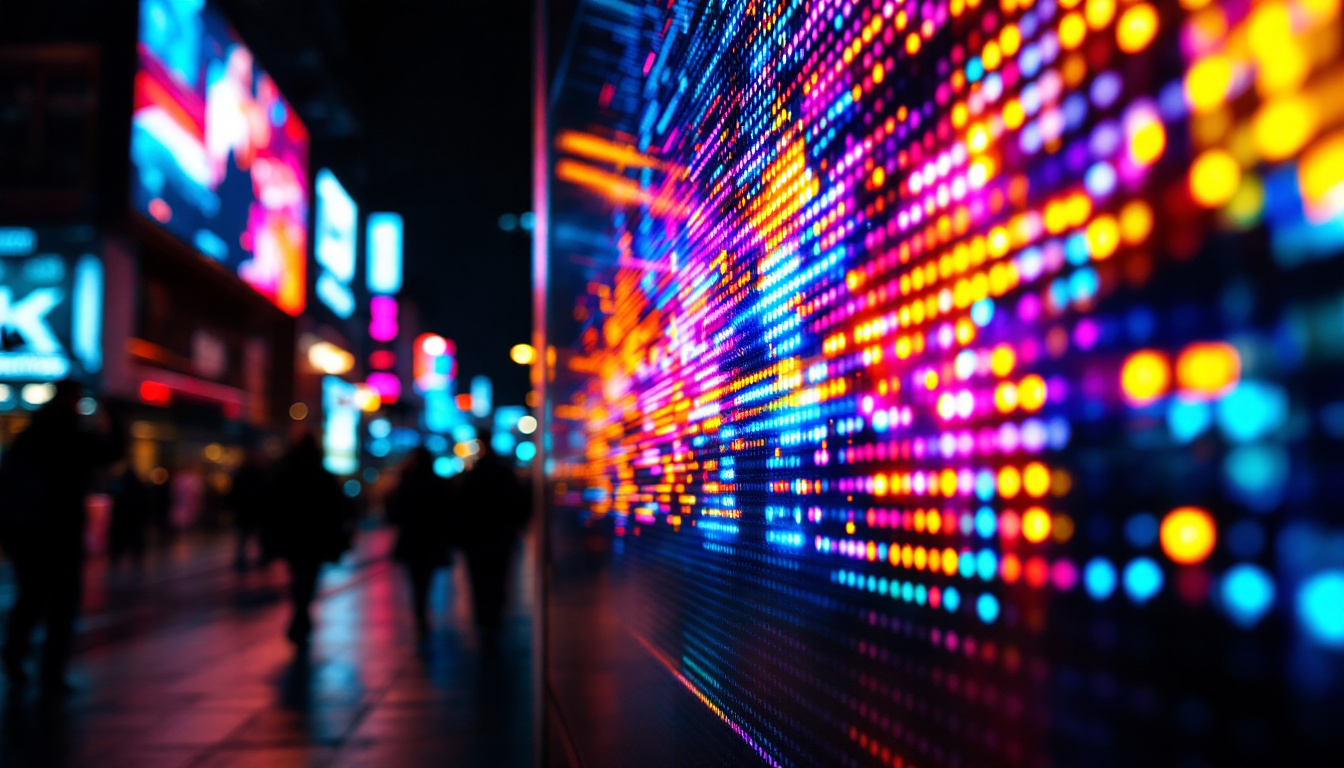
At the core of any LED display are tiny semiconductor devices that emit light when an electric current passes through them. These diodes are arranged in a grid pattern to form pixels, which collectively create the images and videos displayed on the screen. The technology behind these diodes has evolved significantly over the years, leading to brighter, more energy-efficient displays that can operate effectively in a variety of environments. This advancement has made LED displays a popular choice for everything from advertising billboards to home theater systems.
Wall mount LED displays use either surface-mounted device (SMD) LEDs or through-hole LEDs. SMD LEDs are more common in indoor displays due to their compact size and ability to produce high-resolution images. Through-hole LEDs, which are larger and more robust, are often used for outdoor or large-scale displays. The choice between these two types of LEDs often depends on the intended application, as well as the environmental conditions they will be exposed to, such as weather and ambient light levels.
Pixel Pitch and Resolution
One of the most important technical specifications of an LED display is the pixel pitch, which refers to the distance between the centers of two adjacent pixels. A smaller pixel pitch means higher pixel density and sharper images, which is particularly important for close-up viewing environments such as conference rooms or retail displays. This precision allows for a more immersive viewing experience, where viewers can appreciate intricate details and vibrant colors that larger pixel pitches may not convey effectively.
For example, a wall mount LED display with a pixel pitch of 1.5mm will deliver much finer detail than one with a 4mm pitch. However, smaller pixel pitches typically come at a higher cost due to the increased number of LEDs required. Additionally, the viewing distance plays a critical role; while a high-resolution display is essential for close viewing, larger pixel pitches may suffice for displays viewed from a distance, such as in stadiums or large public spaces where the audience is spread out.
Control Systems and Content Management
Wall mount LED displays are controlled by specialized hardware and software that manage the input signals and coordinate the LEDs to display the desired content. Modern systems support a variety of input sources including HDMI, DVI, and network streaming, allowing for flexible content delivery. This versatility is crucial for businesses that need to adapt their messaging quickly, whether for promotional events or real-time information updates.
Content management platforms enable users to schedule, update, and customize what appears on the display remotely. This is particularly beneficial for digital signage applications where frequent content changes are necessary. Advanced features such as real-time analytics and audience engagement tools can also be integrated, allowing businesses to tailor their content based on viewer demographics or engagement metrics. This capability not only enhances the effectiveness of the display but also provides valuable insights into audience behavior, making it a powerful tool for marketing and communication strategies.
Applications of Wall Mount LED Displays
The versatility of wall mount LED displays makes them suitable for numerous applications across different industries. Their ability to deliver bright, engaging visuals in a compact form factor has led to widespread adoption.
Retail and Advertising
Retailers use wall mount LED displays to attract customers with dynamic advertisements, promotional content, and interactive experiences. These displays can be integrated into storefronts or interior walls to enhance brand visibility and increase sales.
According to a report by Grand View Research, the global digital signage market is expected to reach $32.84 billion by 2028, driven largely by the adoption of LED display technology in retail environments.
Corporate and Educational Environments
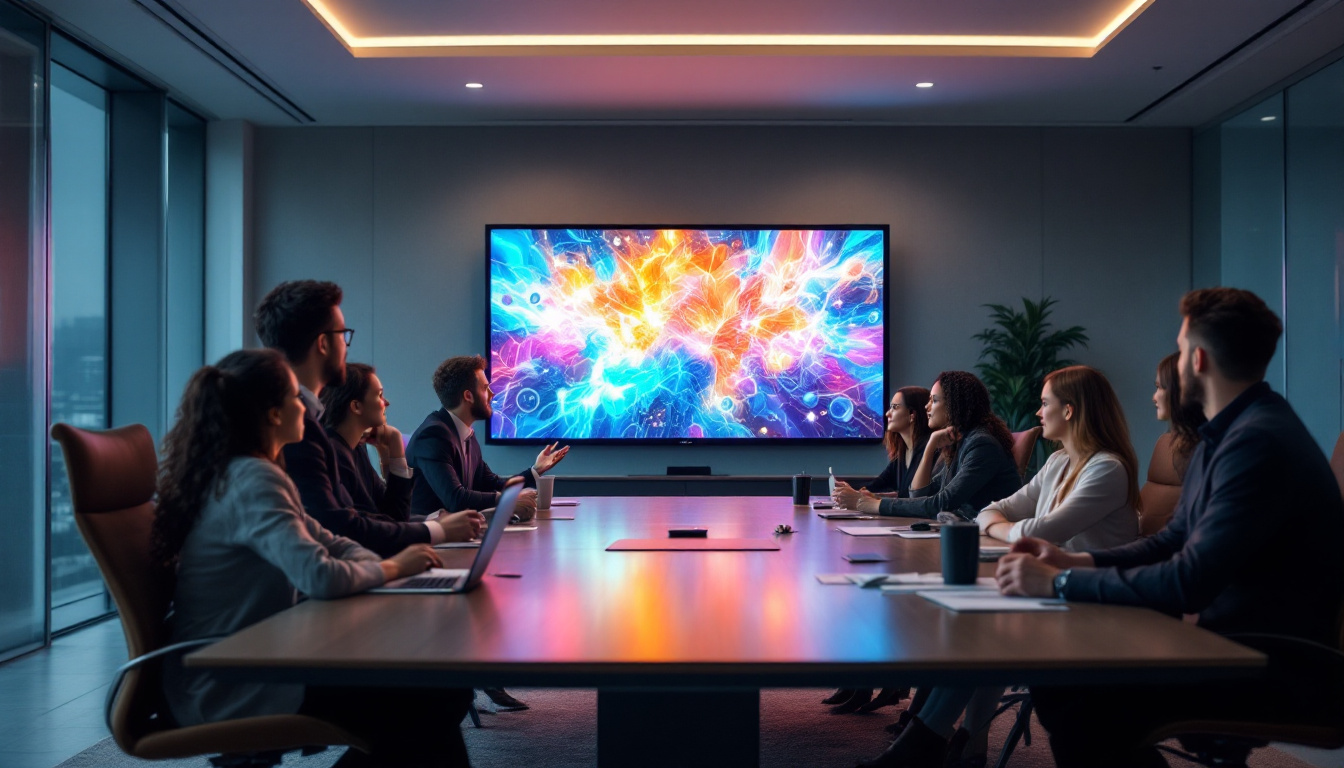
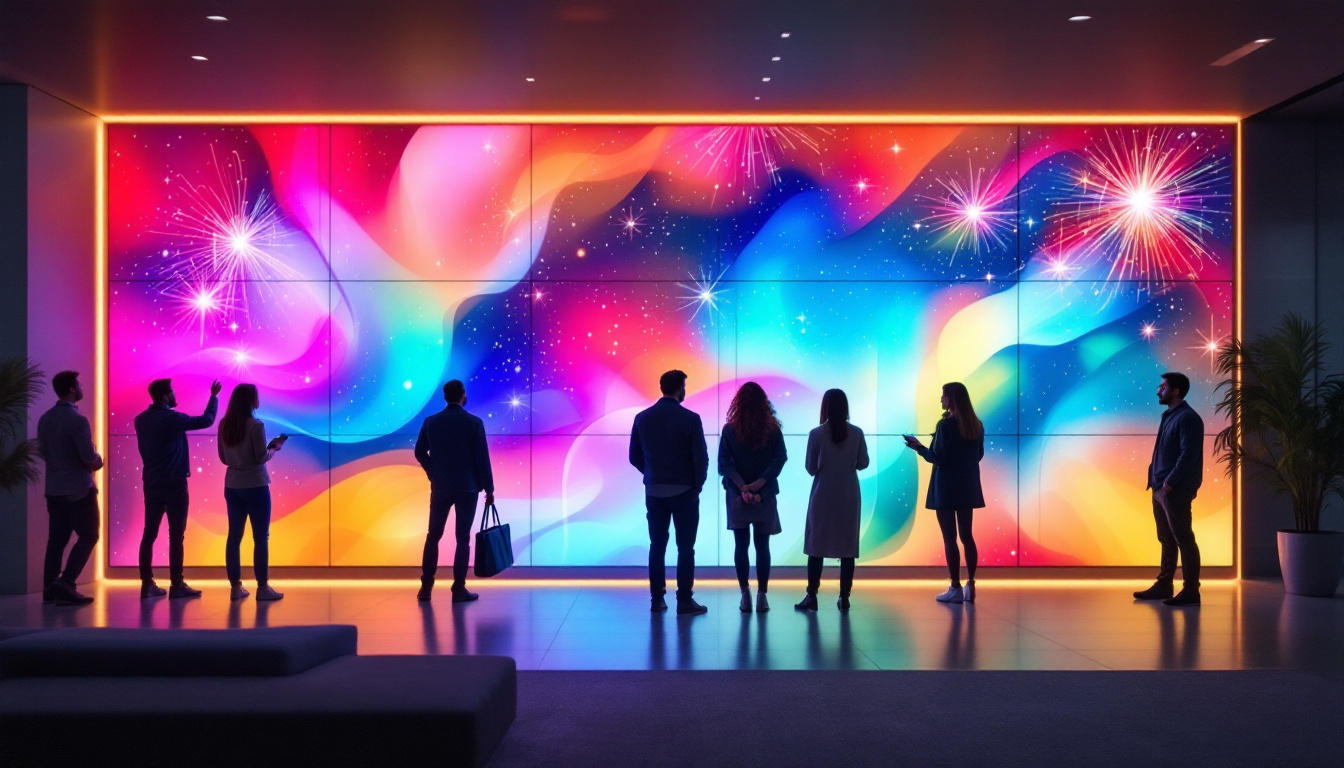
In corporate settings, wall mount LED displays are used for presentations, video conferencing, and real-time data visualization. Their high resolution and brightness make them ideal for boardrooms and auditoriums.
Educational institutions also leverage these displays to enhance learning experiences through interactive lessons, digital notice boards, and event broadcasting.
Entertainment and Public Spaces
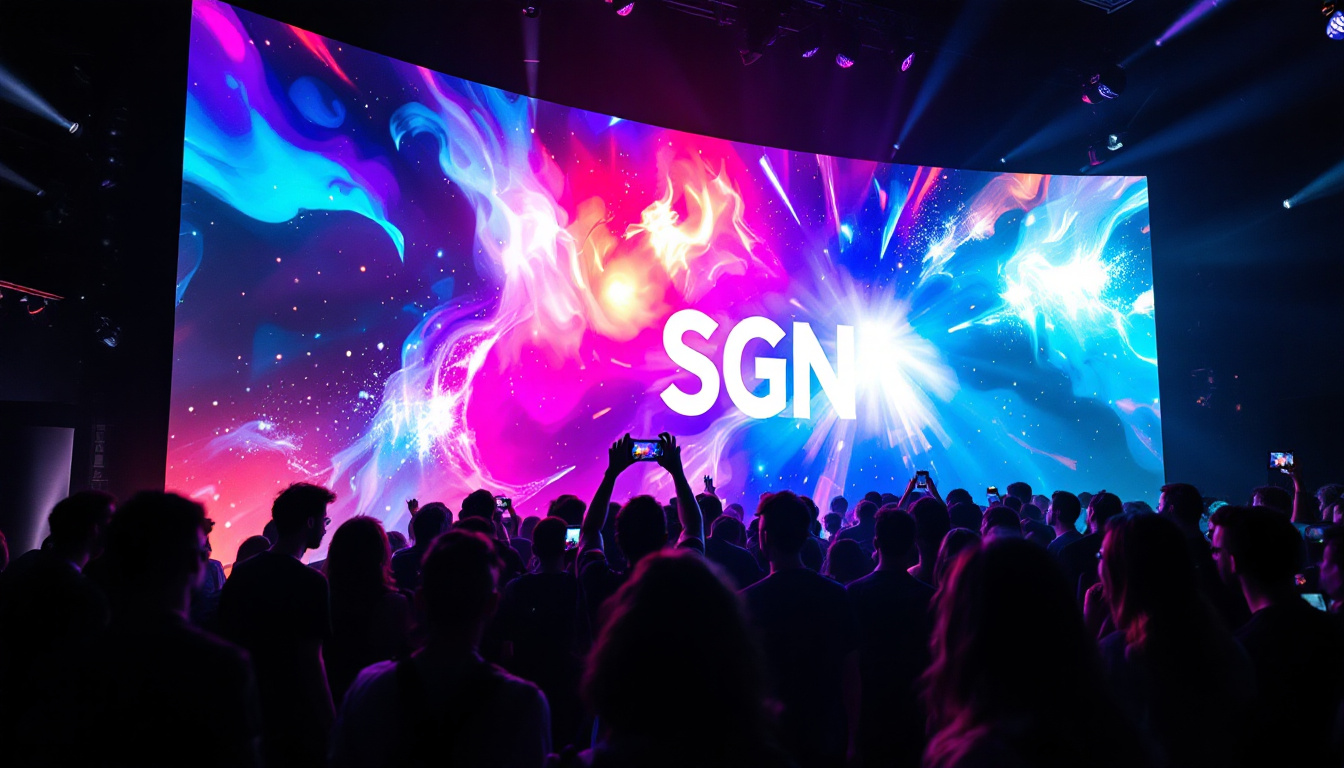
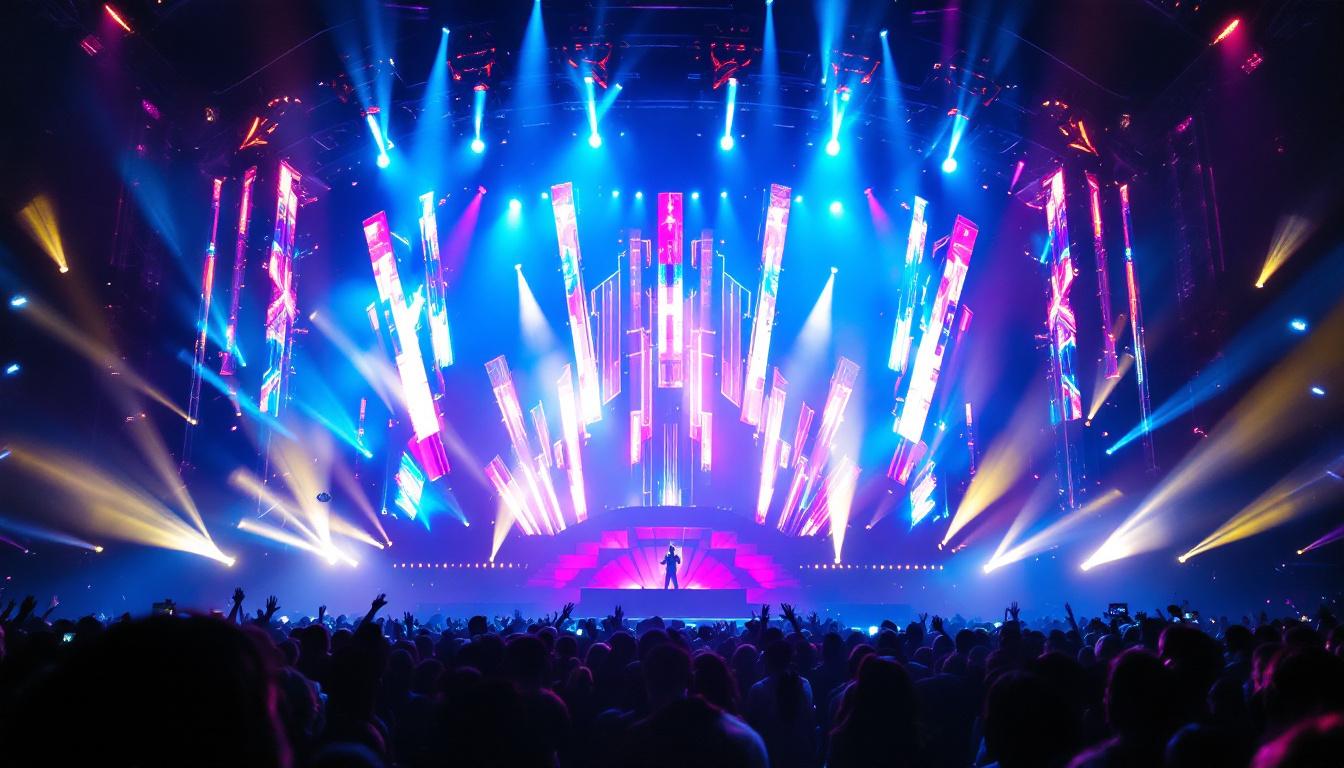
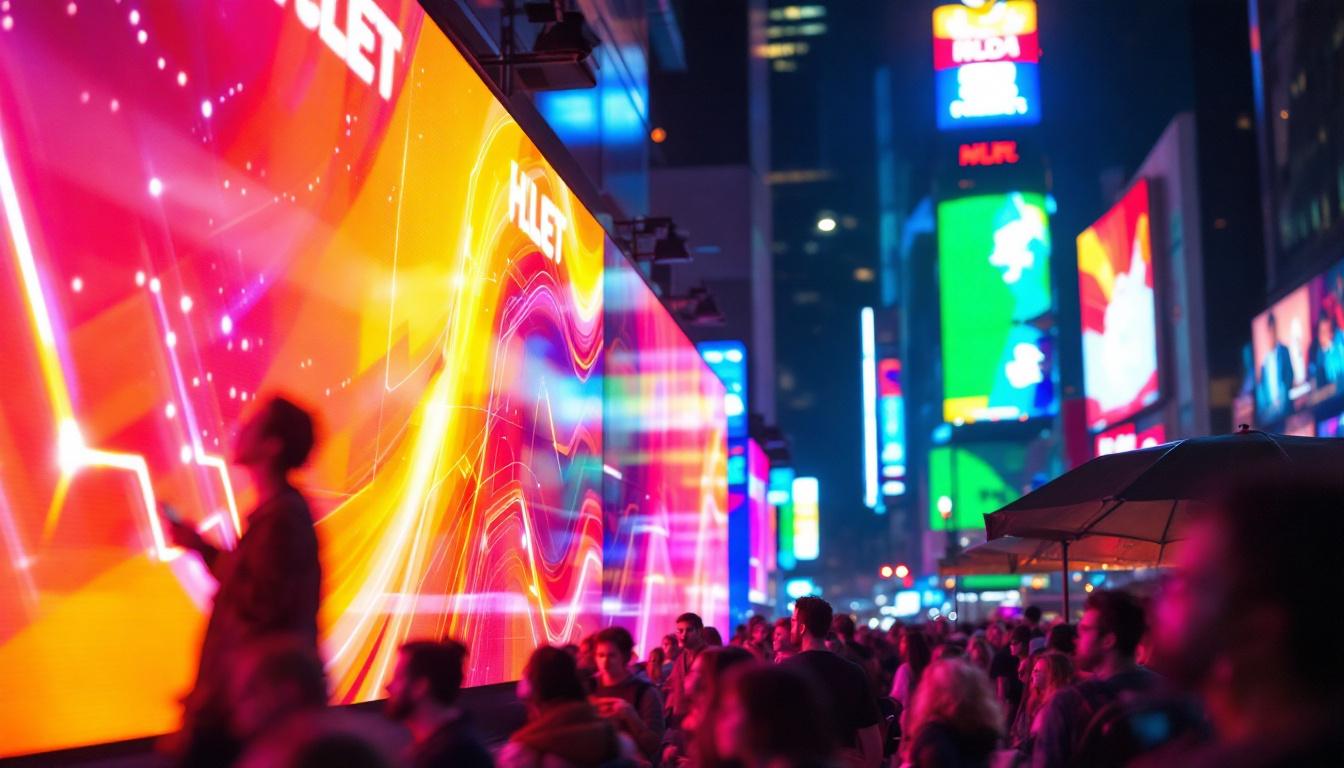
Wall mount LED displays are prevalent in entertainment venues such as theaters, museums, and sports arenas. They provide immersive visual experiences and live event coverage.
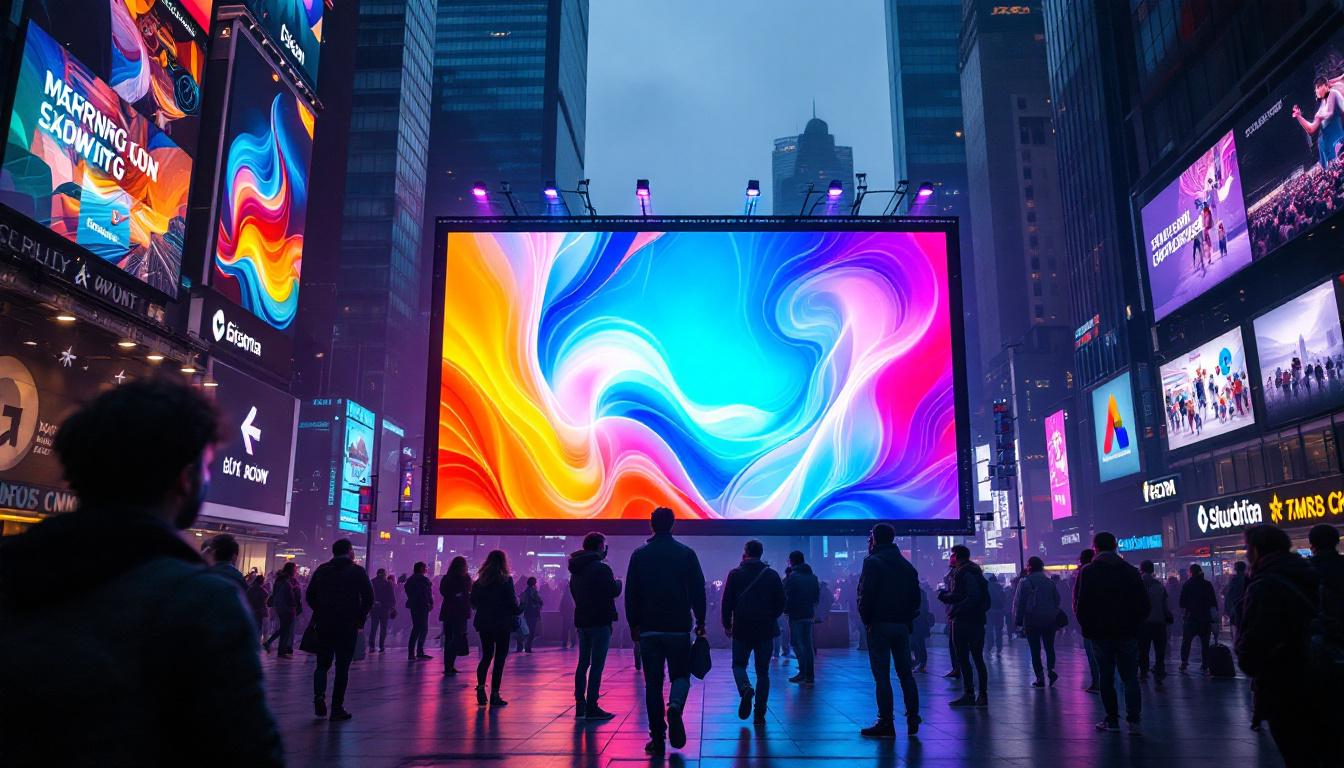
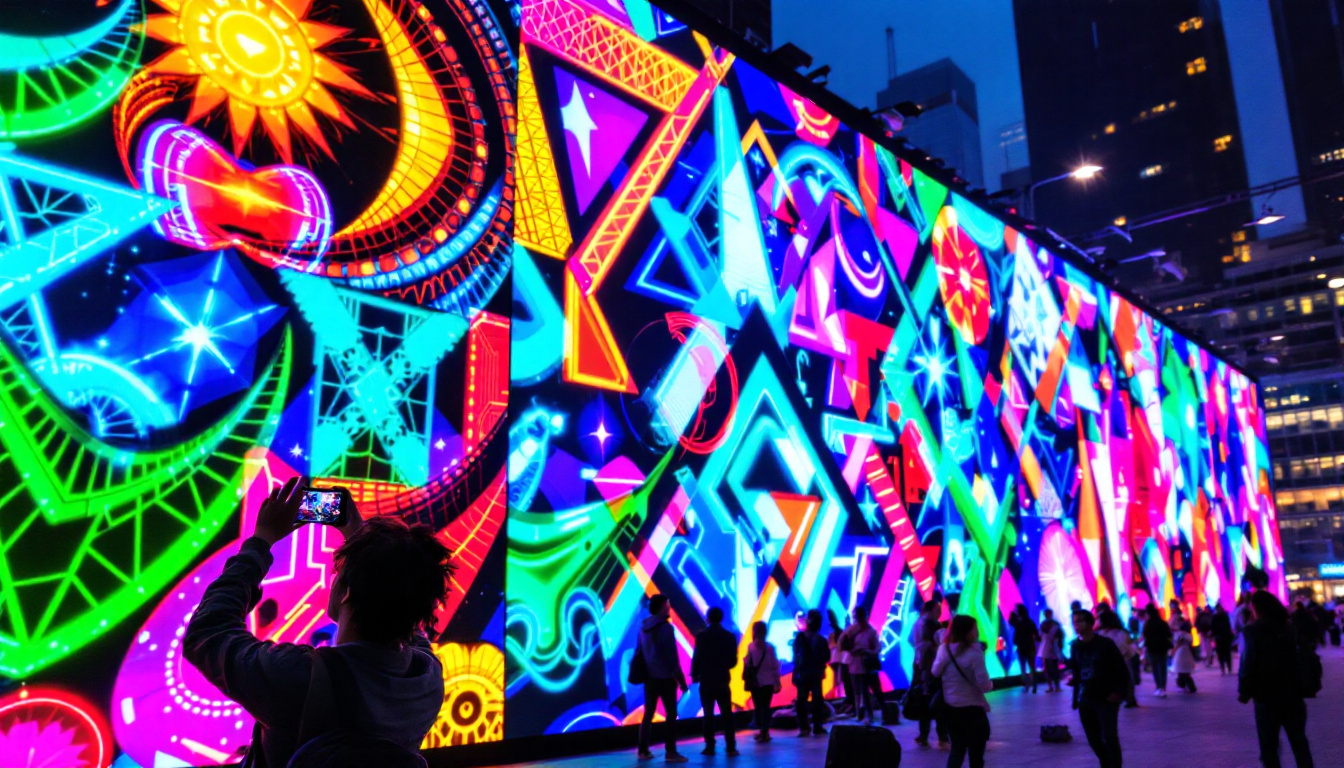
Public spaces like airports, train stations, and city centers utilize these displays for wayfinding, public announcements, and advertising, benefiting from their durability and visibility in various lighting conditions.
Advantages of Choosing Wall Mount LED Displays
When compared to other display technologies such as LCD or projection systems, wall mount LED displays offer several compelling advantages:
Superior Image Quality
LED displays deliver higher contrast ratios and more vibrant colors than LCD screens, which rely on backlighting. This results in clearer images with deeper blacks and more vivid highlights.
Scalability and Flexibility
The modular nature of LED panels allows for custom screen sizes and shapes, enabling designers to create unique installations that fit specific spatial requirements.
Low Maintenance and Longevity
LEDs have a longer operational life and require less maintenance than other display types. This reduces downtime and total cost of ownership over the lifespan of the display.
Energy Efficiency
LED technology consumes significantly less power than traditional lighting and display solutions, making it an environmentally friendly choice that also reduces electricity costs.
Considerations When Selecting a Wall Mount LED Display
Choosing the right wall mount LED display involves evaluating several factors to ensure the solution meets the specific needs of the intended application.
Viewing Distance and Pixel Pitch
Determining the optimal pixel pitch depends on the typical viewing distance. For close-up viewing (under 3 meters), a pixel pitch of 1.5mm to 2.5mm is recommended. For longer distances, larger pixel pitches can be used without compromising image quality.
Brightness and Environment
Indoor displays generally require brightness levels between 600 to 1,200 nits, while outdoor displays may need upwards of 5,000 nits to remain visible in direct sunlight. Understanding the installation environment is critical to selecting the appropriate brightness rating.
Resolution and Content Type
The resolution should match the type of content being displayed. High-definition video and detailed graphics demand higher resolutions, while simpler text or images may not require as fine a pixel pitch.
Installation and Maintenance
Wall mount LED displays require professional installation to ensure safety and optimal performance. Additionally, access for maintenance and repairs should be considered during the planning phase.
Future Trends in Wall Mount LED Display Technology
As LED technology continues to evolve, several trends are shaping the future of wall mount LED displays:
MicroLED and MiniLED Innovations
Emerging MicroLED and MiniLED technologies offer even smaller pixel pitches and improved energy efficiency. These advancements promise higher resolutions and better contrast ratios, pushing the boundaries of visual quality.
Integration with Smart Technologies
Integration with IoT and AI-driven content management systems is enabling more dynamic and personalized display experiences. For example, displays can adjust content based on audience demographics or environmental conditions in real time.
Flexible and Transparent LED Displays
Flexible LED panels that can curve around surfaces and transparent LED screens that allow light to pass through are opening new possibilities for creative installations in retail and architectural design.
Conclusion
Wall mount LED displays represent a powerful and versatile solution for delivering high-impact visual content across a wide range of applications. Their superior brightness, color accuracy, and flexibility make them a preferred choice for businesses and organizations seeking to engage audiences effectively.
By understanding the technology behind these displays, their applications, and key selection criteria, decision-makers can invest wisely in LED display solutions that meet their specific needs and future-proof their visual communication strategies.
Discover LumenMatrix’s Innovative LED Solutions
Ready to elevate your visual communication with high-impact LED displays? LumenMatrix is at the forefront of LED display technology, offering a diverse range of solutions tailored to your unique needs. From vibrant Indoor and Outdoor LED Wall Displays to dynamic Vehicle and Sports LED Displays, our products are designed to captivate and engage your audience. Experience the future of digital signage with our All-in-One LED Displays, LED Transparent Displays, and more. Check out LumenMatrix LED Display Solutions today and transform your space into a visual masterpiece.