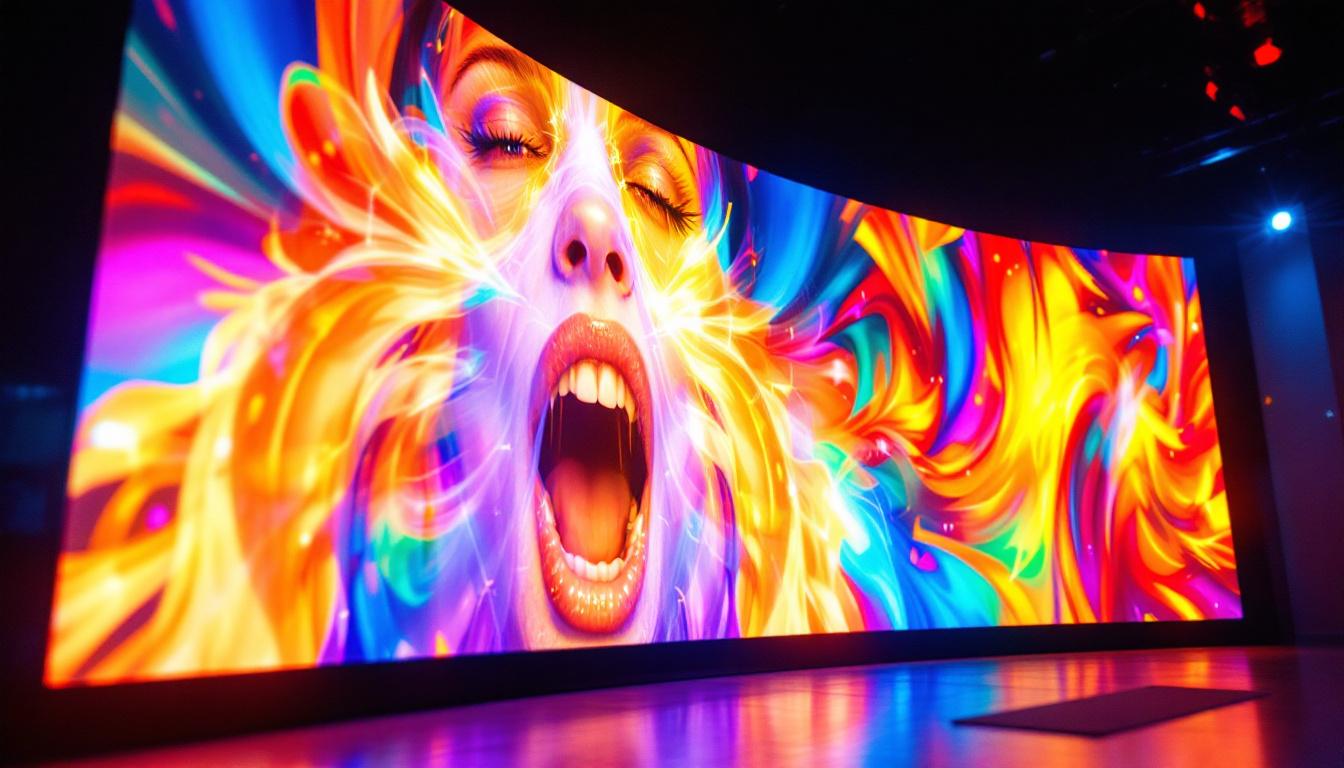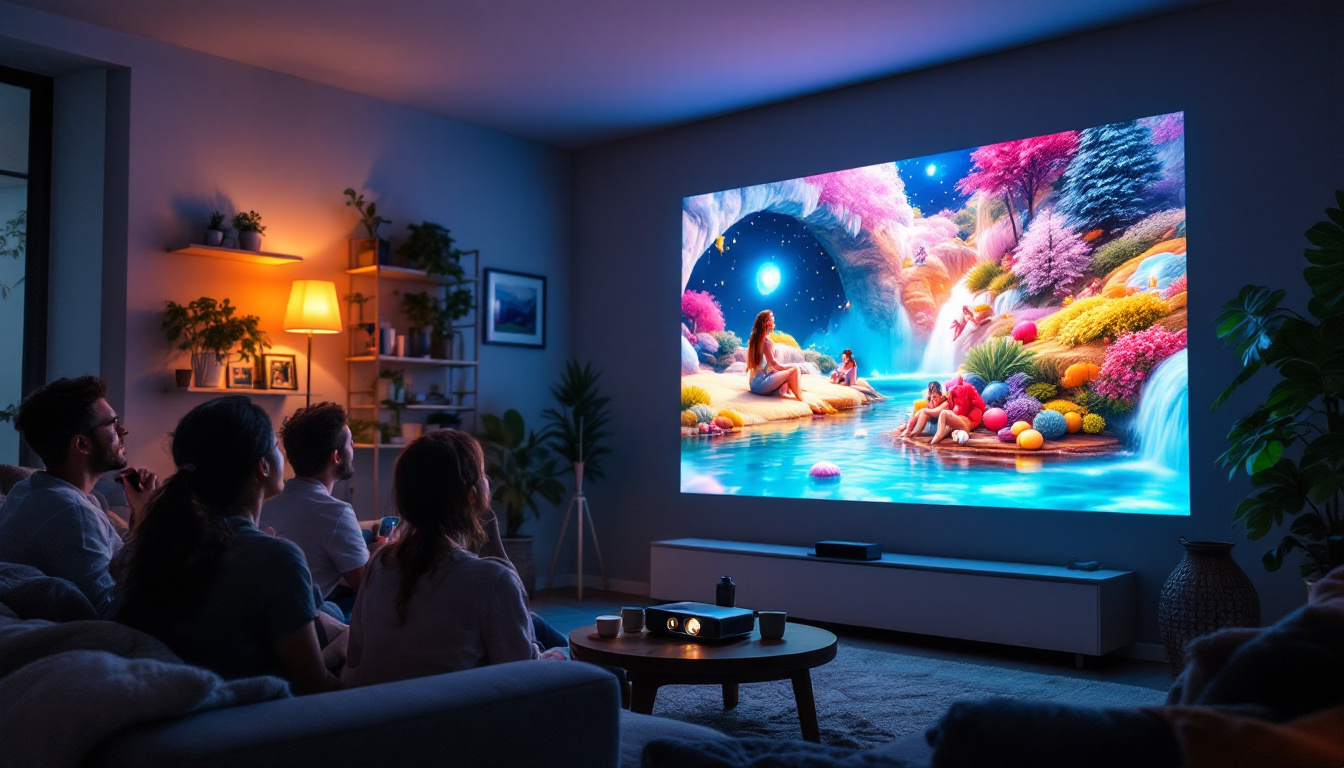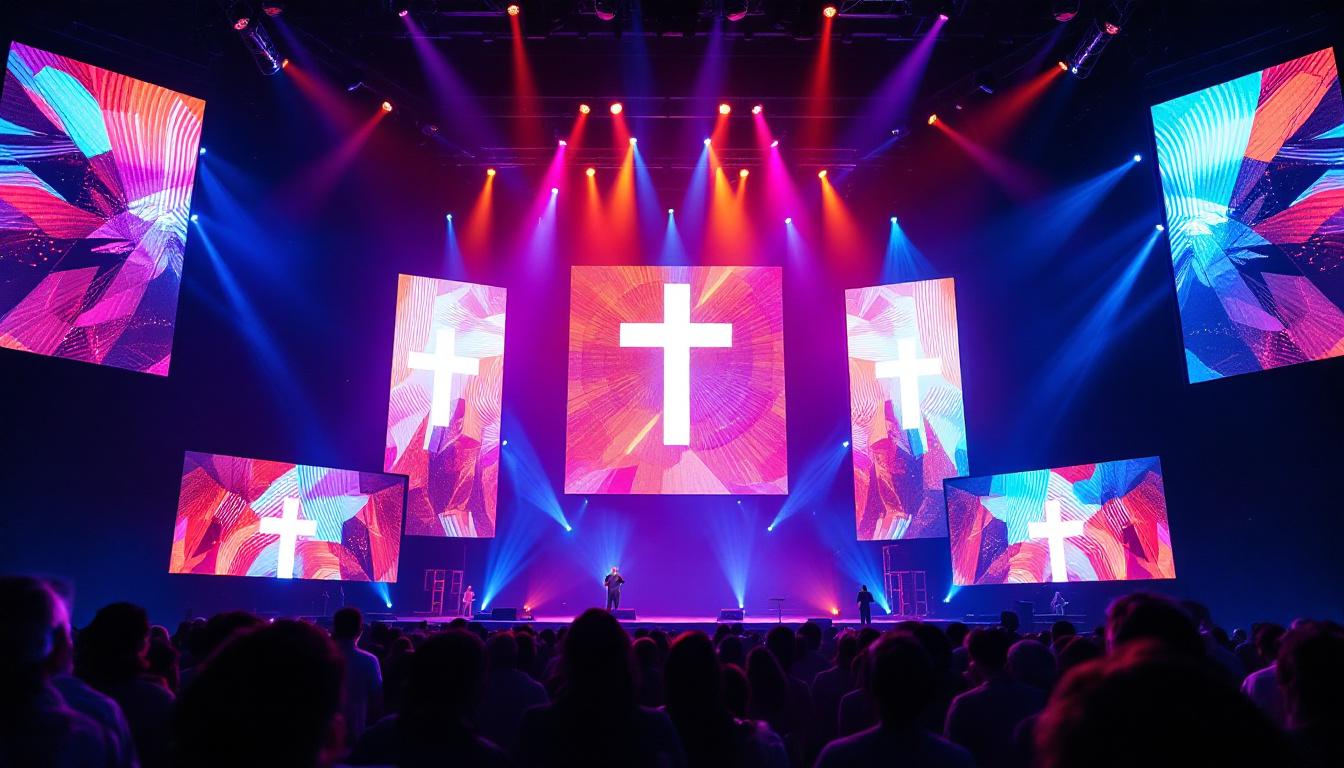
In recent years, the integration of LED displays into worship stage design has transformed the way congregations experience services. These vibrant, dynamic screens offer churches an innovative medium to communicate messages, enhance worship atmospheres, and engage attendees more deeply. As technology advances and becomes more accessible, understanding the role, benefits, and best practices of LED displays in worship environments is essential for church leaders, audiovisual teams, and designers alike.
The Rise of LED Displays in Worship Spaces
LED (Light Emitting Diode) technology has revolutionized visual displays across industries, and houses of worship are no exception. Traditionally, churches relied on static banners, printed backdrops, or simple projection screens to convey visuals during services. However, LED displays bring a new level of versatility and impact that can dramatically elevate the worship experience.
According to a 2023 survey by Church Production Magazine, over 70% of mid-to-large sized churches in the United States have incorporated some form of LED display technology on their stages. This trend is driven by the desire to create immersive environments that resonate with modern congregations, especially younger demographics accustomed to high-quality digital content.
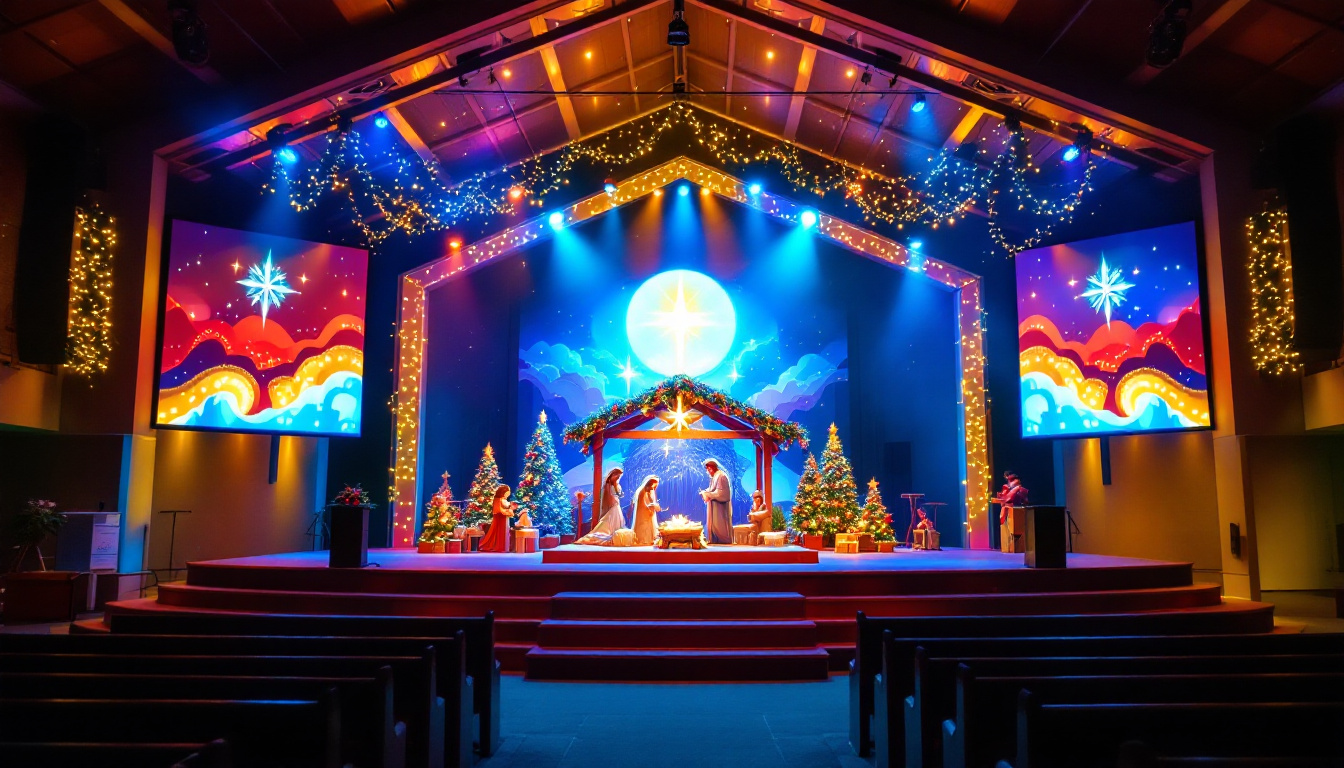
LED displays provide bright, clear visuals even in well-lit environments, overcoming many limitations of traditional projectors. Their modular design allows for custom shapes and sizes, enabling creative stage designs that complement the architectural style and worship themes of a church.
Why LED Displays Matter in Worship
Worship is fundamentally about connection—connecting with God, with the message, and with the community. Visual elements play a crucial role in facilitating this connection. LED displays help by:
- Enhancing Visual Storytelling: Dynamic backgrounds, scripture verses, and multimedia presentations can be displayed seamlessly.
- Improving Accessibility: Lyrics, sermon points, and announcements are easily visible to everyone, including those seated far from the stage.
- Creating Atmosphere: Colorful lighting and video content can set the tone for different parts of the service, from contemplative worship to celebratory moments.
Understanding LED Display Technology
To appreciate how LED displays function within worship stage design, it’s important to understand the basics of the technology.
What is an LED Display?
An LED display is composed of numerous tiny light-emitting diodes arranged in a grid pattern. Each diode can emit red, green, and blue light, which combine to produce millions of colors. These diodes are controlled electronically to display images, video, or text.
Unlike LCD or projection systems, LED displays emit their own light, resulting in higher brightness and contrast. This self-illumination makes them ideal for venues with ambient lighting, such as churches with large windows or extensive stage lighting.
Types of LED Displays Used in Worship
There are several types of LED displays churches might consider, each with unique characteristics:
- Indoor LED Panels: Designed for indoor use, these panels offer high resolution and brightness suitable for worship stages. They are typically lightweight and modular, allowing for flexible configurations.
- Outdoor LED Screens: While less common inside sanctuaries, outdoor LED displays are used for events, drive-in services, or large outdoor gatherings.
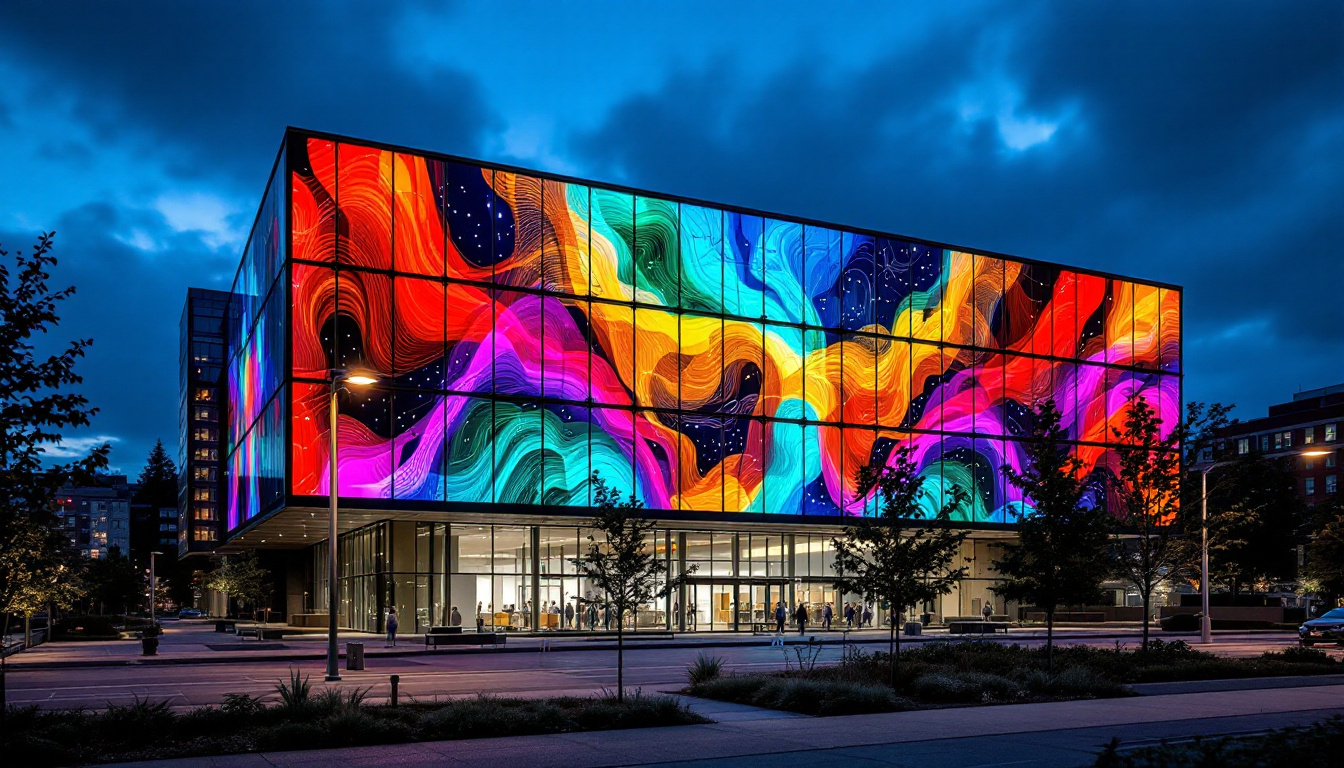
- Transparent LED Screens: These innovative displays allow light to pass through, enabling creative stage designs where the LED screen blends with the background or architectural elements.
Key Technical Considerations
When selecting an LED display for worship, several technical factors must be evaluated:
- Pixel Pitch: This refers to the distance between individual LEDs, measured in millimeters. A smaller pixel pitch means higher resolution and clearer images, especially important for displays viewed up close.
- Brightness: Measured in nits, brightness levels should be sufficient to overcome ambient light without causing eye strain. For indoor worship spaces, 800 to 1,200 nits is generally adequate.
- Refresh Rate: Higher refresh rates (above 3,000 Hz) prevent flickering, which is essential for video recording and live streaming of services.
- Viewing Angle: Wide viewing angles ensure that visuals remain clear and vibrant for congregants seated off-center.
Benefits of LED Displays in Worship Stage Design
Incorporating LED displays into worship stages offers a broad spectrum of benefits beyond just visual appeal.
Enhanced Engagement and Participation
LED displays allow churches to present worship lyrics, sermon notes, and multimedia content in a visually compelling way. This encourages congregational participation by making it easier for attendees to follow along, regardless of their seating location or familiarity with the service format.
Dynamic visuals can also help maintain attention during longer sermons or complex teachings, supporting diverse learning styles. For example, displaying relevant scripture passages or illustrative videos can reinforce spoken messages effectively.
Flexibility and Customization
One of the greatest advantages of LED displays is their adaptability. Churches can change content instantly to suit different services, seasons, or special events without the need for physical set changes. This flexibility supports creative worship expressions and can accommodate multimedia presentations, live video feeds, or interactive elements.
Moreover, LED screens can be configured into various shapes and sizes, from large wall-sized backdrops to smaller accent panels, allowing for unique stage aesthetics that align with a church’s identity and architectural style.
Improved Production Quality
High-quality LED displays elevate the overall production value of worship services. This is particularly important for churches that livestream or record services, as clear visuals contribute to a professional and polished presentation. Enhanced video quality can also attract and retain new attendees, especially younger generations who expect modern, tech-savvy environments.
Designing Worship Stages with LED Displays
Successful integration of LED displays into worship stage design requires thoughtful planning and collaboration between church leadership, audiovisual professionals, and designers.
Assessing the Worship Space
Before selecting an LED display, it’s critical to evaluate the physical space, including:
- Room Size and Layout: The size of the sanctuary and seating arrangement influence the optimal screen size and resolution.
- Ambient Lighting: Natural and artificial light levels affect brightness requirements.
- Viewing Distances: Consider how far the congregation will be from the screen to determine pixel pitch and screen dimensions.
- Architectural Features: Existing structural elements may impact installation options and design aesthetics.
Integrating LED Displays with Other Stage Elements
LED screens should complement, not overpower, other stage components such as lighting, sound, and décor. Coordinating color schemes, content themes, and lighting cues creates a cohesive environment that enhances worship rather than distracting from it.
For example, using LED displays to project subtle background imagery during worship songs can enhance mood without drawing attention away from the musicians or speakers. Similarly, synchronizing LED visuals with stage lighting effects can create immersive moments during special services or celebrations.
Content Strategy and Management
Effective use of LED displays depends heavily on the quality and relevance of the content shown. Churches should develop a content strategy that includes:
- Consistent Branding: Use fonts, colors, and logos that reflect the church’s identity.
- Clear Messaging: Ensure text is legible and concise, avoiding cluttered visuals.
- Multimedia Integration: Incorporate videos, animations, and live feeds thoughtfully to support the message.
- Scheduling and Control: Utilize content management systems to plan and automate display content for different services and events.
Challenges and Considerations
While LED displays offer numerous benefits, churches should be mindful of potential challenges to maximize their investment.
Cost and Budgeting
High-quality LED displays can be a significant financial investment. Costs vary widely depending on size, resolution, and installation complexity. Churches should balance desired features with budget constraints and consider phased implementation if needed.
Additionally, ongoing expenses such as maintenance, content creation, and technical support should be factored into the total cost of ownership.
Technical Expertise and Support
Operating LED displays requires technical know-how, including hardware setup, software management, and troubleshooting. Churches without dedicated audiovisual teams may need to invest in training or hire external professionals to ensure smooth operation.
Partnering with experienced vendors who offer installation and support services can mitigate risks and help churches maximize the potential of their LED systems.
Content Overload and Distraction
There is a risk that overly busy or flashy content can distract worshippers rather than enhance the experience. It’s crucial to strike a balance between engaging visuals and maintaining the reverence and focus of worship.
Content should always serve the purpose of supporting the message and worship atmosphere, not overshadowing it.
Future Trends in Worship LED Display Technology
As LED technology continues to evolve, several emerging trends are shaping the future of worship stage design:
Higher Resolution and Smaller Pixel Pitch
Advancements in LED manufacturing are enabling displays with extremely fine pixel pitches, resulting in crystal-clear images even at close viewing distances. This opens new possibilities for immersive stage designs where LED screens can be integrated seamlessly with other visual elements.
Interactive and Touch-Enabled Displays
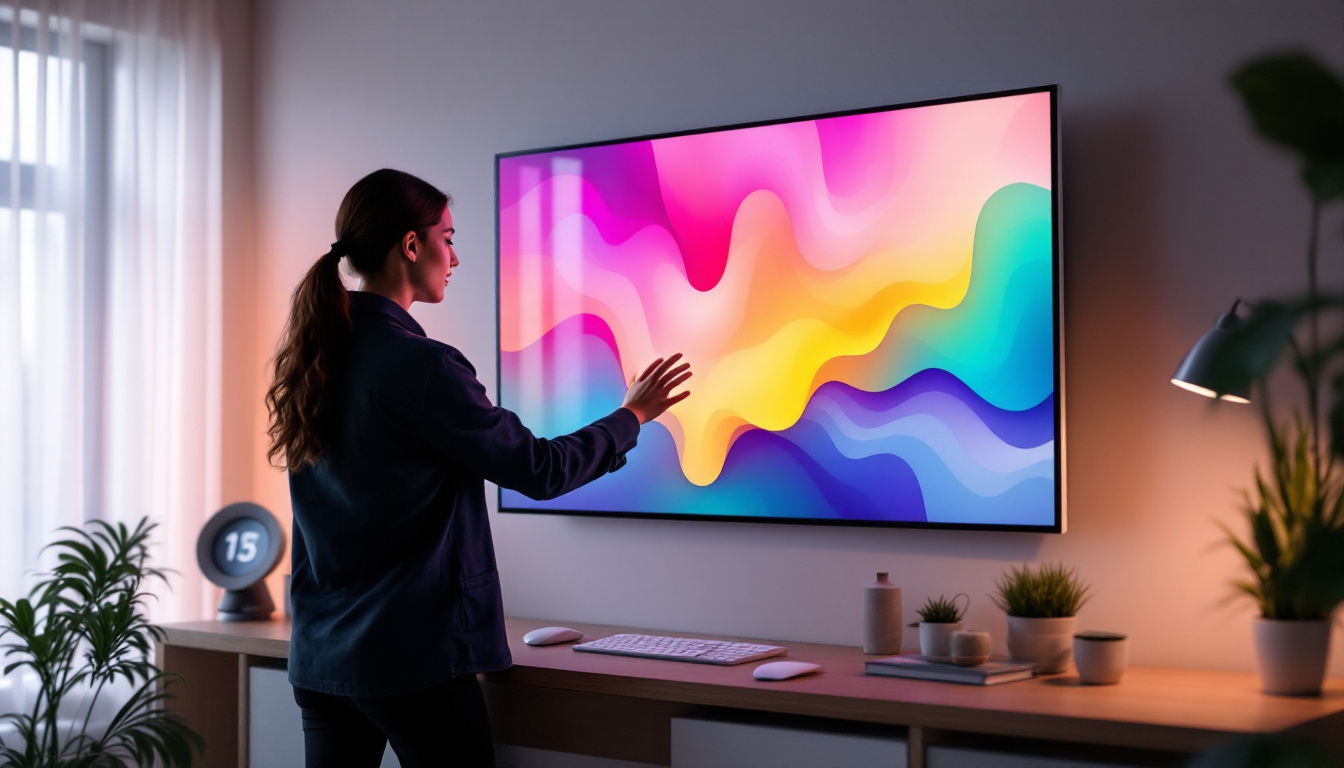
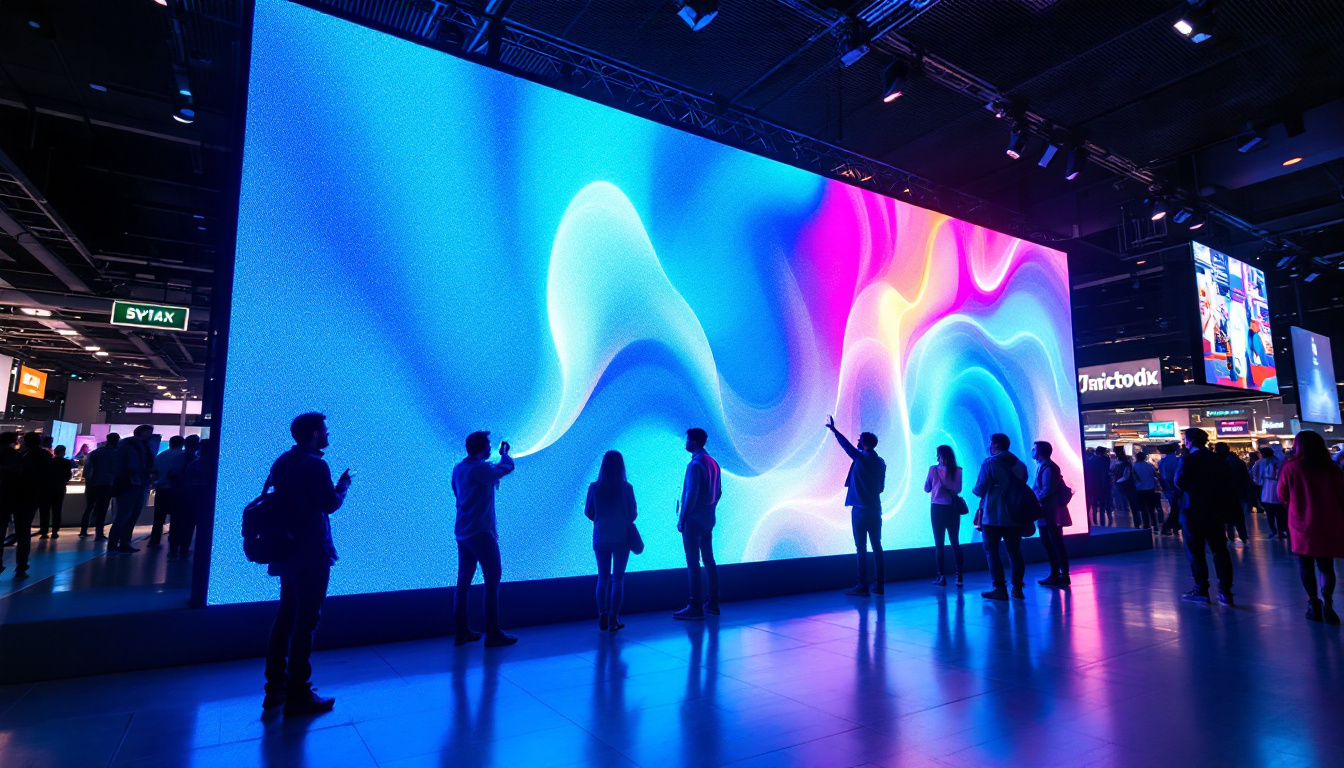
Interactive LED walls that respond to touch or motion sensors are beginning to appear in worship settings, allowing for innovative engagement during services or events. These technologies can facilitate interactive teaching moments, prayer requests, or community participation.
Integration with Augmented Reality (AR) and Virtual Reality (VR)
Combining LED displays with AR and VR technologies may soon enable churches to create hybrid worship experiences that blend physical and digital environments, expanding the reach and impact of their ministry.
Conclusion
LED displays have become a vital component of modern worship stage design, offering unparalleled opportunities to enhance engagement, flexibility, and production quality. By understanding the technology, carefully planning installation and content, and balancing innovation with reverence, churches can create worship environments that inspire and connect congregations like never before.
As the landscape of worship technology continues to advance, embracing LED displays thoughtfully will ensure that churches remain relevant and impactful in their mission to foster meaningful spiritual experiences.
Discover LumenMatrix LED Solutions for Your Worship Space
Ready to transform your worship stage into a dynamic and inspiring space? LumenMatrix offers a wide array of LED display solutions tailored to elevate your congregation’s experience. From Indoor LED Walls that bring sermons to life to Outdoor LED Displays perfect for community events, our innovative technology is designed to captivate and engage. Explore our versatile range, including Vehicle LED Displays for mobile messaging, LED Sports Displays that energize, and Custom LED options that fit your unique vision. Experience the LumenMatrix commitment to revolutionizing visual communication. Check out LumenMatrix LED Display Solutions today and illuminate your message with clarity and impact.