In today’s digital age, LED displays have become an integral part of how information is presented and consumed. From billboards towering over cityscapes to the screens on smartphones and televisions, LED technology plays a pivotal role in modern visual communication. But what exactly does “LED” mean, and how do LED displays work? This article delves into the fundamentals of LED displays, their applications, advantages, and the technology behind them, providing a comprehensive explanation for anyone curious about this ubiquitous technology.
Understanding LED: The Basics
What Does LED Stand For?
LED stands for Light Emitting Diode. It is a semiconductor device that emits light when an electric current passes through it. Unlike traditional incandescent bulbs, LEDs do not rely on heating a filament to produce light; instead, they produce light through electroluminescence, a process where electrical energy is directly converted into light energy.
The invention of the LED dates back to the early 1960s, and since then, the technology has evolved significantly. Today’s LEDs are highly efficient, durable, and versatile, making them ideal for a wide range of applications, including display technologies. The rapid advancement in LED technology has led to a decrease in manufacturing costs and an increase in performance, enabling their use in everything from household lighting to large-scale commercial displays. Furthermore, the environmental impact of LEDs is considerably lower than that of traditional lighting options, as they contain no harmful materials like mercury and have a much longer lifespan, reducing waste.
How Do LEDs Work?
At the heart of an LED is a semiconductor material that emits photons when electrons recombine with holes within the device. This recombination releases energy in the form of light. The color of the light depends on the energy gap of the semiconductor materials used. For example, red, green, and blue LEDs are created using different semiconductor compounds. The ability to mix these colors has led to the development of full-spectrum lighting and RGB displays, which are widely used in various applications, from television screens to decorative lighting.
This fundamental process allows LEDs to be incredibly energy-efficient, as very little energy is lost as heat compared to traditional lighting methods. This efficiency is one of the key reasons LEDs have become the preferred choice for display technologies. Moreover, the compact size of LEDs enables innovative designs and applications that were previously impossible with larger light sources. For instance, they can be embedded in flexible circuits, used in wearable technology, or even incorporated into architectural features, allowing for creative lighting solutions that enhance both functionality and aesthetics.
What Is an LED Display?
Definition and Components
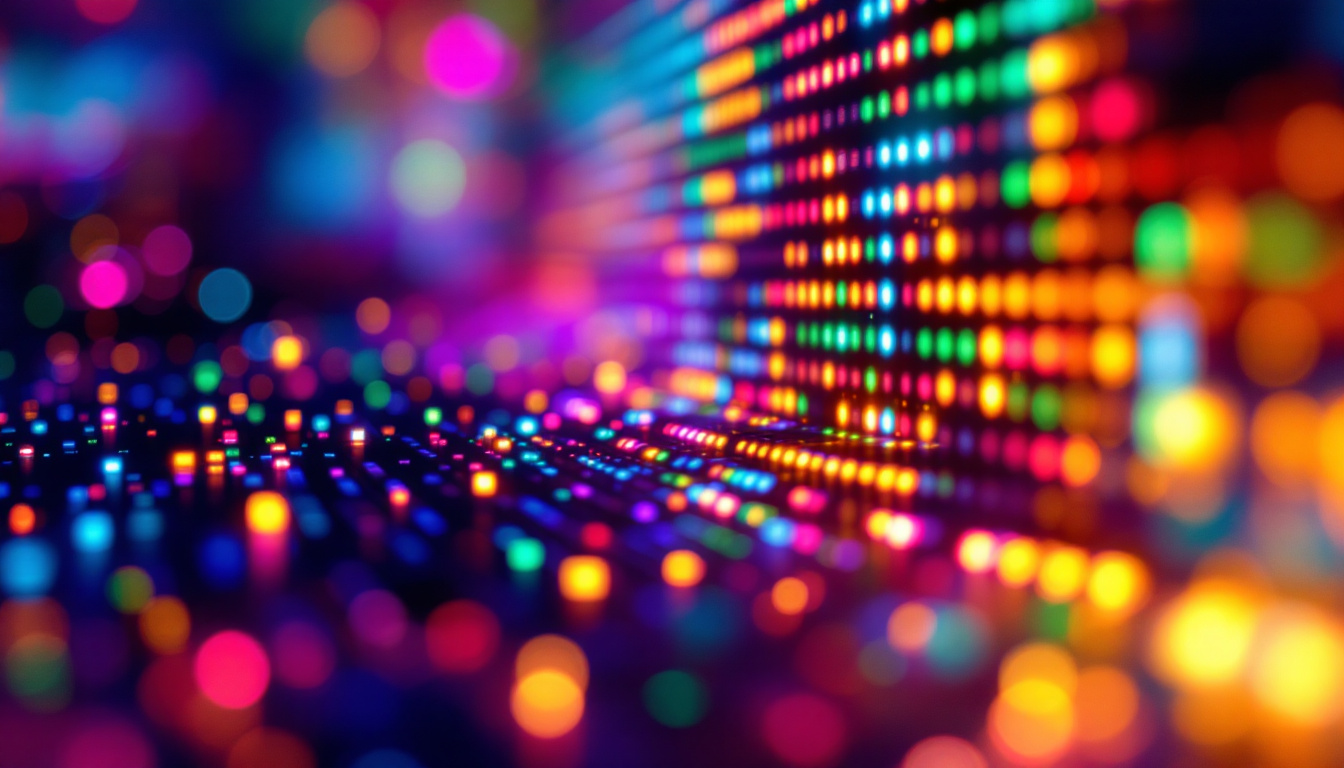
An LED display is a flat panel display that uses an array of light-emitting diodes as pixels for displaying images, videos, and text. These displays are composed of thousands to millions of tiny LEDs arranged in a grid pattern. Each LED acts as an individual pixel or subpixel, emitting light in various colors to create a complete image.
Typically, LED displays are categorized into two main types: direct view LED displays and LED-backlit LCD displays. Direct view LED displays use LEDs as the light source and the image pixels themselves, while LED-backlit LCD displays use LEDs to illuminate an LCD panel.
Key Components of an LED Display
- LED Modules: These are the basic building blocks, containing multiple LEDs grouped together.
- Driver Circuits: Control the current to the LEDs, ensuring consistent brightness and color.
- Control System: Manages the input signals and synchronizes the display output.
- Power Supply: Provides the necessary electrical energy to the LEDs and control systems.
Types of LED Displays
Direct View LED Displays
Direct view LED displays are composed entirely of LEDs that emit light directly to the viewer. These displays are known for their high brightness, excellent contrast, and visibility even in bright outdoor environments. They are commonly used for large-scale applications such as stadium screens, outdoor advertising billboards, and public information displays.
One of the advantages of direct view LEDs is their ability to produce vibrant colors and deep blacks, resulting in high-quality images. Additionally, their modular design allows for scalable display sizes, from small indoor panels to massive outdoor walls.
LED-Backlit LCD Displays
In contrast, LED-backlit LCD displays use LEDs as a backlighting source behind a liquid crystal display panel. The LCD panel itself controls the image by blocking or allowing light to pass through each pixel. The use of LED backlighting improves brightness, color accuracy, and energy efficiency compared to older CCFL (cold cathode fluorescent lamp) backlighting methods.
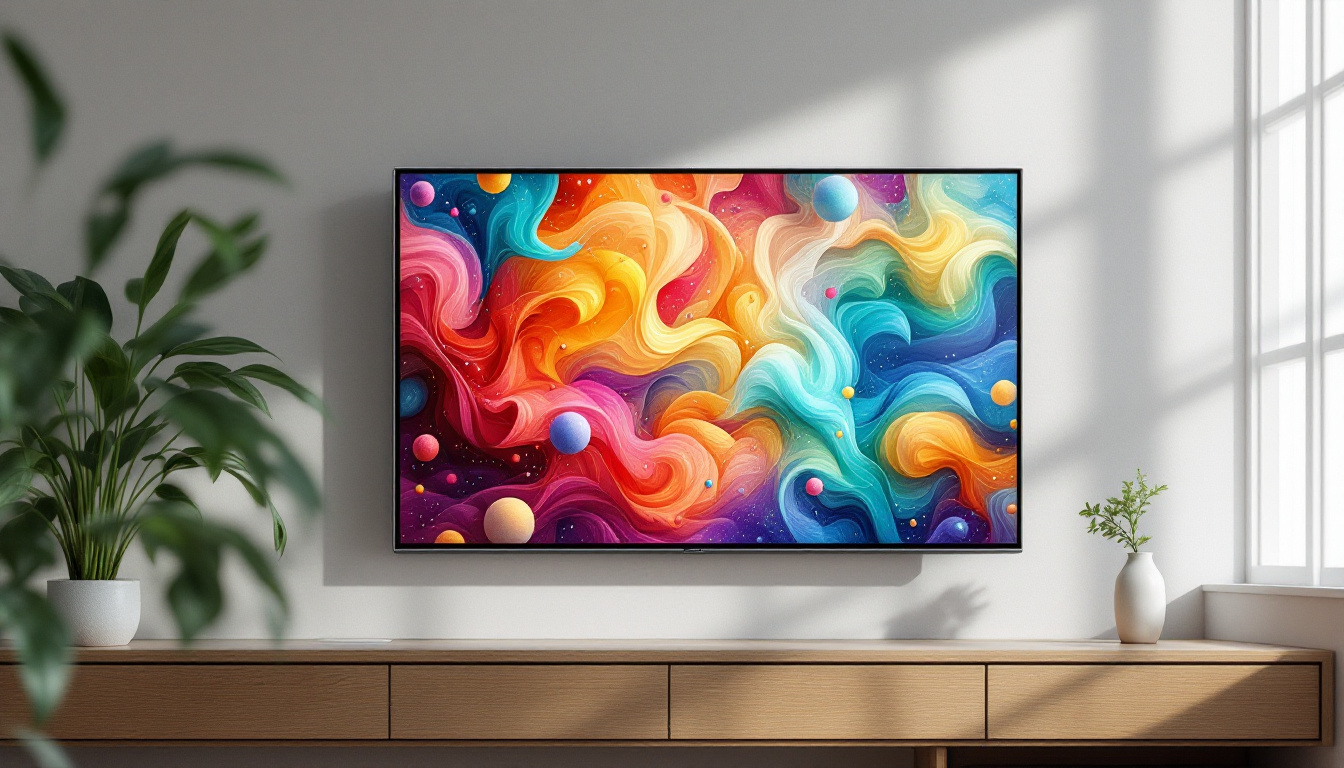
LED-backlit LCDs are prevalent in consumer electronics such as televisions, computer monitors, and smartphones. They offer thinner designs and better power efficiency, contributing to their widespread adoption.
Applications of LED Displays
Outdoor Advertising and Digital Billboards
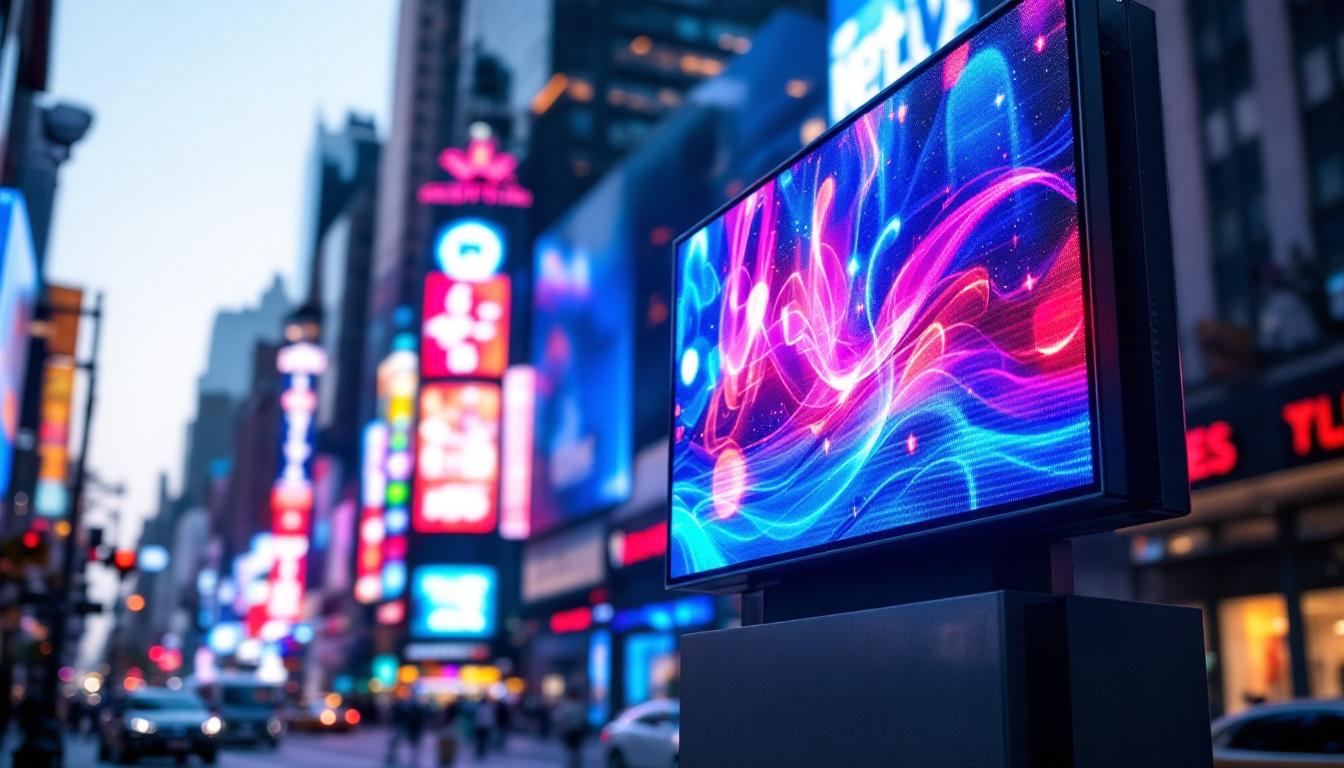
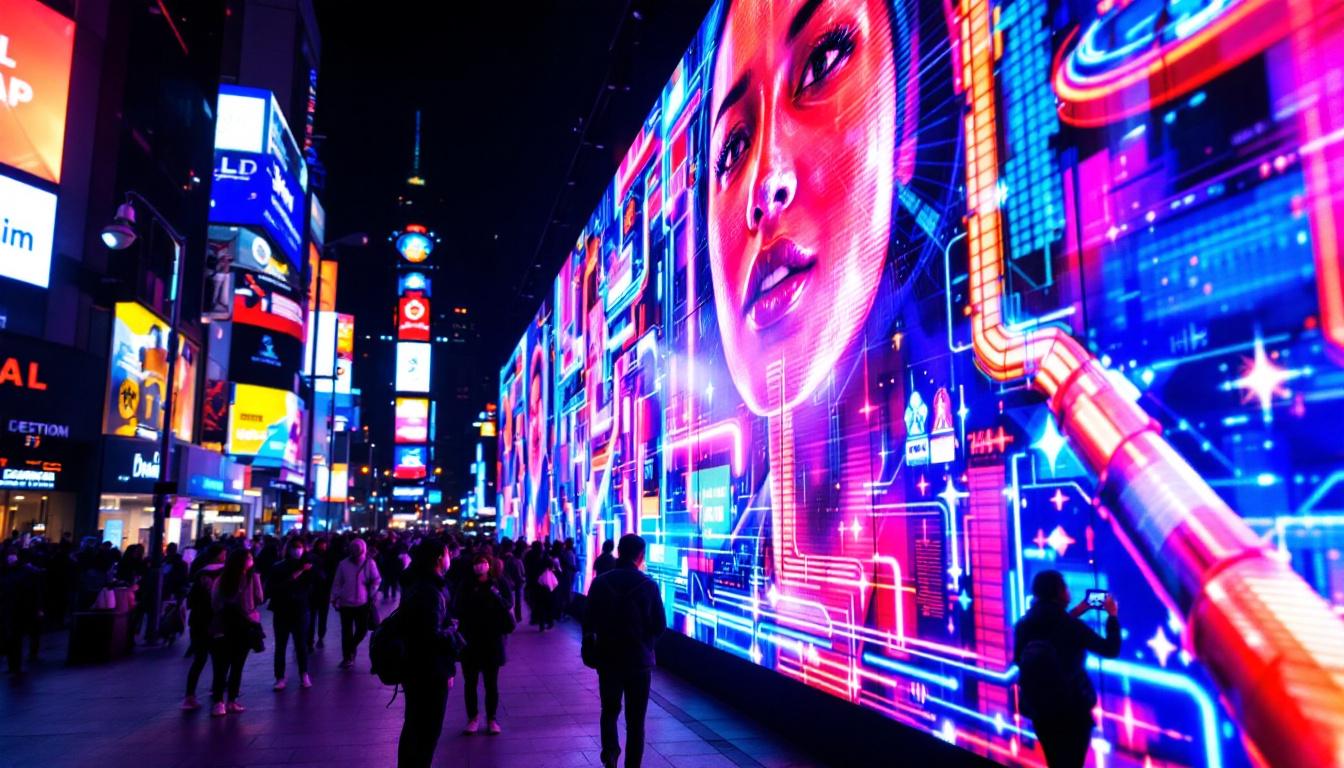
One of the most visible applications of LED displays is in outdoor advertising. Digital billboards equipped with direct view LED technology can display dynamic content that captures attention more effectively than traditional static signs. These displays can operate in various lighting conditions, including direct sunlight, making them ideal for roadside advertising.
According to recent market reports, the global digital billboard market is expected to grow at a compound annual growth rate (CAGR) of over 7% between 2023 and 2030, driven largely by advancements in LED display technology and increased demand for dynamic advertising solutions.
Sports Arenas and Event Venues
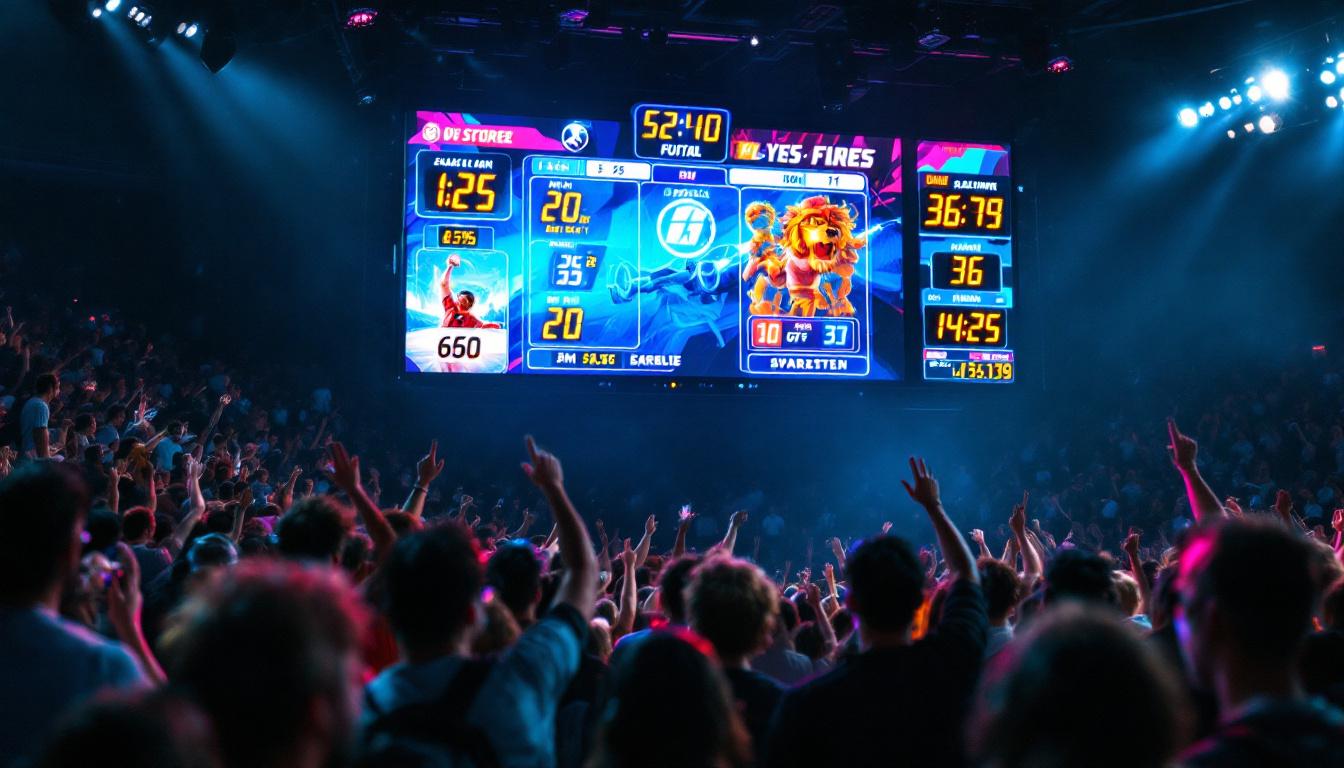
LED displays have revolutionized the spectator experience in sports and entertainment venues. Large LED screens provide real-time game updates, instant replays, and engaging visual effects that enhance audience engagement. Their high brightness and wide viewing angles ensure visibility from all seating areas.
Moreover, the modular nature of LED displays allows for creative configurations, such as curved or irregularly shaped screens, adding to the immersive experience.
Retail and Commercial Spaces
In retail environments, LED displays are used for digital signage, promotional content, and interactive kiosks. Their ability to display vivid colors and sharp images helps attract customers and convey brand messages effectively. LED displays can also be integrated with sensors and software to provide personalized content based on customer behavior.
Transportation and Public Information Systems
LED displays are widely used in transportation hubs such as airports, train stations, and bus terminals to provide real-time information including schedules, alerts, and directions. Their reliability and visibility in various lighting conditions make them ideal for these critical applications.
Advantages of LED Displays
Energy Efficiency
One of the most significant benefits of LED displays is their energy efficiency. LEDs consume far less power than traditional lighting and display technologies. For instance, LED-backlit LCD TVs typically use 30-50% less energy than plasma or CCFL-backlit displays, contributing to lower operational costs and reduced environmental impact.
Brightness and Visibility
LED displays offer superior brightness levels, often exceeding 1,000 nits for indoor displays and reaching up to 10,000 nits or more for outdoor screens. This high brightness ensures visibility even under direct sunlight, which is critical for outdoor applications.
Durability and Longevity
LEDs have a longer lifespan compared to other light sources, often rated for 50,000 to 100,000 hours of operation. Their solid-state construction makes them resistant to shock and vibration, enhancing durability in various environments.
Color Accuracy and Flexibility
Modern LED displays can produce a wide color gamut with high accuracy, enabling vibrant and true-to-life images. Additionally, the modular design of LED displays allows for flexible sizing and shapes, accommodating diverse installation requirements.
Challenges and Considerations
Cost Factors
While LED technology has become more affordable over time, initial installation costs for large direct view LED displays can still be substantial. This includes expenses related to hardware, installation, and maintenance. However, the long-term energy savings and durability often offset these upfront costs.
Pixel Pitch and Resolution
Pixel pitch, the distance between the centers of adjacent LEDs, is a critical factor affecting display resolution and viewing distance. Smaller pixel pitches yield higher resolution and are suitable for close viewing, such as indoor displays. Larger pixel pitches are more cost-effective for large outdoor displays viewed from a distance but offer lower resolution.
Environmental Impact and Recycling
Although LEDs are more environmentally friendly than traditional lighting, considerations around manufacturing processes and end-of-life recycling remain important. Many manufacturers are developing recycling programs and sustainable production methods to address these concerns.
The Future of LED Display Technology
MicroLED and MiniLED Innovations
Emerging technologies such as MicroLED and MiniLED are pushing the boundaries of LED display performance. MicroLED displays consist of microscopic LEDs that offer even higher brightness, contrast, and energy efficiency, with the potential to surpass OLED displays in image quality. MiniLED technology uses smaller LEDs for backlighting, improving contrast and local dimming capabilities in LCD panels.
Integration with Smart Technologies
LED displays are increasingly being integrated with Internet of Things (IoT) devices, artificial intelligence, and interactive software. This integration enables dynamic content adaptation, real-time data display, and enhanced user interaction, opening new possibilities for advertising, education, and public communication.
Sustainability and Energy Savings
As global emphasis on sustainability grows, LED display manufacturers are focusing on reducing energy consumption and using eco-friendly materials. Innovations in power management and materials science are expected to make future LED displays even more sustainable.
Conclusion
LED displays represent a transformative technology that has reshaped how visual information is presented across numerous industries. Understanding what “LED” means and how LED displays function provides insight into why this technology is so prevalent and continues to evolve. Their energy efficiency, brightness, durability, and versatility make LED displays a preferred choice for applications ranging from outdoor advertising to consumer electronics.
As advancements like MicroLED and smart integration continue to develop, LED displays will play an even more significant role in the future of digital communication. Whether for businesses looking to captivate audiences or consumers seeking high-quality visual experiences, LED technology stands at the forefront of display innovation.
Explore the Future of Visual Communication with LumenMatrix
As you’ve discovered the power and potential of LED display technology, take the next step with LumenMatrix. Our commitment to innovation ensures that our range of LED display solutions, from Indoor and Outdoor LED Wall Displays to specialized options like Vehicle LED Displays and LED Sports Displays, provide unparalleled brand visibility and audience engagement. Embrace the future of digital signage with our Custom, All-in-One, and Transparent LED Displays, designed to revolutionize visual communication. Check out LumenMatrix LED Display Solutions today and transform the way you share your message with the world.