In the world of large-scale digital displays, the term “Jumbotron” has become synonymous with awe-inspiring visual experiences. These gigantic LED screens captivate audiences at sports arenas, concerts, public events, and urban landmarks by delivering vibrant imagery and real-time content on an unprecedented scale. But what exactly makes the world’s biggest Jumbotron so impressive? How do these massive LED displays function, and what technological marvels underpin their operation? This article explores the fascinating world of Jumbotrons, focusing on the largest LED displays globally, their technology, applications, and future trends.
The Evolution of Jumbotron Technology
The concept of the Jumbotron dates back to the 1980s when Sony introduced the first large-scale video screen for sports venues. Initially, these displays used cathode ray tube (CRT) technology, which was bulky and limited in resolution. Over time, advancements in LED (light-emitting diode) technology revolutionized the industry, enabling brighter, more energy-efficient, and higher-resolution screens.
LED technology brought about a paradigm shift in digital displays. Unlike traditional screens that rely on backlighting, LEDs emit light individually, allowing for superior contrast ratios, vibrant colors, and the ability to create screens of virtually any size or shape. This flexibility has led to the proliferation of Jumbotrons in stadiums, public squares, and even building facades worldwide.
From CRT to LED: A Technological Leap
Early Jumbotrons were limited by the size and weight of CRT modules, which restricted screen dimensions and installation possibilities. The transition to LED panels in the late 1990s and early 2000s marked a significant leap forward. LED panels are modular, lightweight, and scalable, making it possible to assemble screens spanning thousands of square feet without compromising image quality.
Key Milestones in Jumbotron Development
Some landmark moments in Jumbotron history include the installation of the first LED-based Jumbotron at the Dallas Cowboys’ AT&T Stadium in 2009, which was then the largest high-definition video screen in the world. Since then, the race to build bigger and better displays has intensified, culminating in the creation of some truly colossal LED screens.
As technology progressed, the integration of 4K and even 8K resolution capabilities into Jumbotrons has further enhanced the viewing experience. These ultra-high-definition displays allow for crystal-clear images and finer details, making them ideal for not just sporting events but also concerts, festivals, and corporate events. The ability to stream live content, display advertisements, and create immersive experiences has transformed how audiences engage with events, making Jumbotrons a focal point of entertainment and information dissemination.
Moreover, the advent of smart technology has introduced interactive features to Jumbotron displays. With the incorporation of touch-sensitive surfaces and augmented reality elements, viewers can now participate in real-time polls, games, and social media interactions directly from their seats. This interactivity not only enhances audience engagement but also creates a more personalized experience, allowing fans to feel more connected to the event and each other. As we look to the future, the potential for Jumbotron technology seems limitless, promising even more innovative applications in various sectors beyond entertainment.
The World’s Biggest Jumbotron: A Closer Look
As of 2024, the title of the world’s biggest Jumbotron belongs to the LED display installed at the Allegiant Stadium in Las Vegas, Nevada. This massive screen measures approximately 6,756 square feet (about 628 square meters), dwarfing most other stadium screens worldwide.
The Allegiant Stadium’s Jumbotron is not just large in size but also technologically advanced, offering crystal-clear 4K resolution and an ultra-high refresh rate that ensures smooth video playback even during fast-paced sports events. It’s a centerpiece of the stadium experience, enhancing fan engagement and delivering immersive content.
Specifications and Features
The Allegiant Stadium’s LED display employs cutting-edge SMD (Surface-Mounted Device) LED technology, which integrates red, green, and blue LEDs into a single package. This design ensures uniform brightness and color accuracy across the entire screen. The pixel pitch—the distance between individual LEDs—is a mere 6 millimeters, allowing for sharp images even from relatively close viewing distances.
In addition to size and resolution, the screen boasts a brightness level exceeding 3,000 nits, making it easily visible under direct sunlight. This is critical for outdoor venues where ambient light can wash out lesser displays. The screen also supports HDR (High Dynamic Range) content, enhancing contrast and color depth for a more lifelike viewing experience.
Engineering Challenges and Solutions
Constructing and maintaining such a massive LED display involves overcoming significant engineering challenges. Structural support must accommodate the weight and wind loads of the screen, while efficient cooling systems prevent overheating of the LEDs and electronics. The Allegiant Stadium’s Jumbotron uses advanced thermal management solutions and modular design, allowing for quick maintenance and replacement of panels without disrupting the entire display.
Moreover, the installation of the Jumbotron required meticulous planning and coordination with various stakeholders, including architects, engineers, and stadium operators. The integration of the screen into the stadium’s overall design was crucial, ensuring that it not only serves its functional purpose but also complements the aesthetics of the venue. Innovative mounting techniques were employed to secure the display while minimizing visual obstruction for spectators seated in different sections of the stadium. This careful consideration of both form and function is what sets the Allegiant Stadium’s Jumbotron apart from its competitors.
Additionally, the Jumbotron is equipped with advanced software that allows for real-time content management, enabling operators to display everything from live game footage to advertisements and fan interactions seamlessly. This dynamic capability enhances the overall atmosphere during events, as fans can enjoy a variety of content that keeps them engaged throughout the game. The screen can even be synchronized with other displays around the stadium, creating a cohesive visual experience that amplifies the excitement of live events.
How LED Displays Work: The Technology Behind Jumbotrons
Understanding how Jumbotrons function requires a basic grasp of LED technology and digital display principles. At its core, an LED display consists of thousands or millions of tiny LEDs arranged in a grid. Each LED acts as a pixel, emitting light in specific colors to form images and videos.
Pixel Composition and Color Mixing
Each pixel in a Jumbotron typically comprises three LEDs: one red, one green, and one blue. By varying the intensity of each LED, the display can produce a wide color gamut through additive color mixing. This is similar to how computer monitors and televisions generate colors, but on a much larger scale.
Modular Panel Design
Jumbotrons are constructed from modular panels, each containing a set number of pixels. These panels can be assembled like building blocks to create screens of any size and shape. This modularity also simplifies installation and maintenance, as individual panels can be removed and serviced without dismantling the entire screen.
Control Systems and Content Management
The content displayed on a Jumbotron is controlled by sophisticated software systems that manage video input, scaling, synchronization, and color calibration. These systems ensure that the image remains seamless and consistent across the entire display surface, even when the screen is curved or irregularly shaped.
Applications of Massive LED Displays
While sports stadiums are the most iconic venues for Jumbotrons, the applications of massive LED displays extend far beyond. Their ability to deliver captivating visuals makes them valuable tools for advertising, entertainment, public information, and even art installations.
Sports and Entertainment Venues
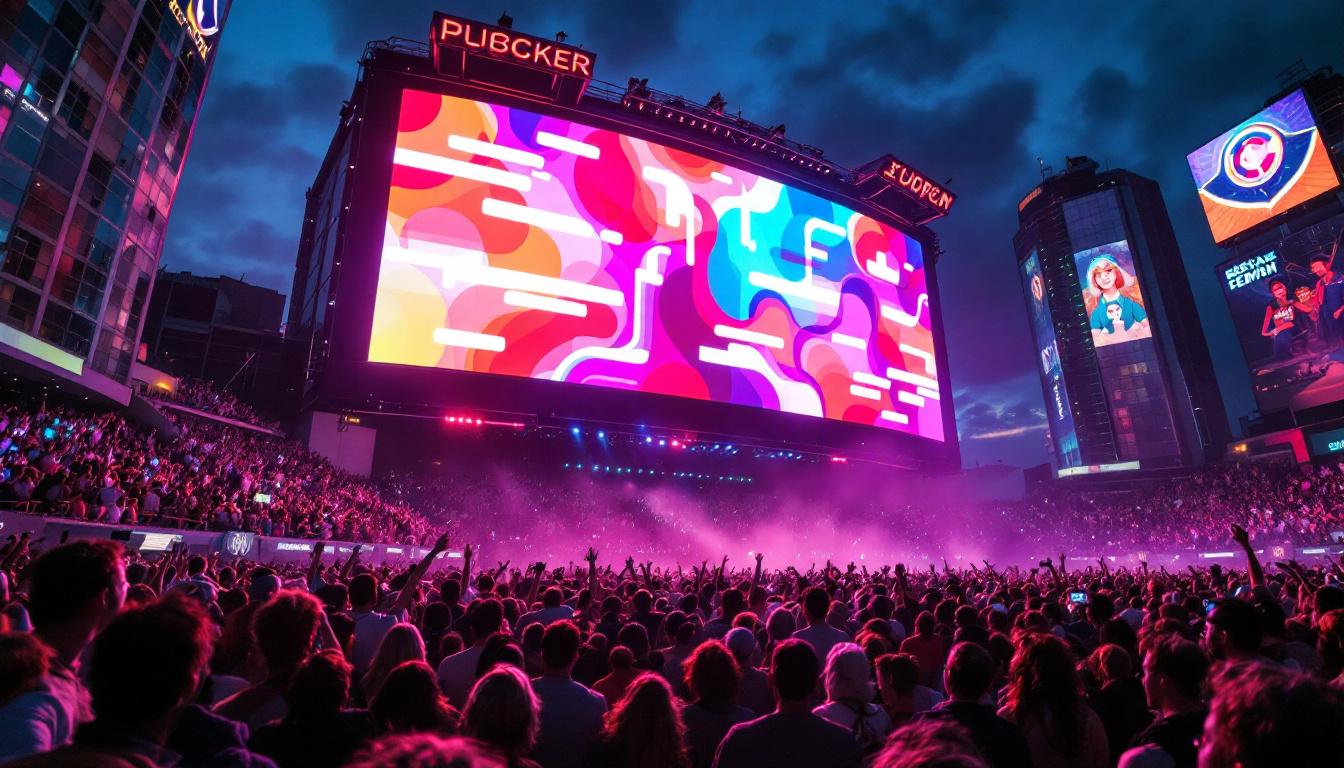
In stadiums and arenas, Jumbotrons enhance the spectator experience by displaying live game footage, instant replays, player statistics, and interactive content. They also serve as platforms for advertising and sponsorships, generating significant revenue for venue operators.
Urban Landmarks and Public Spaces
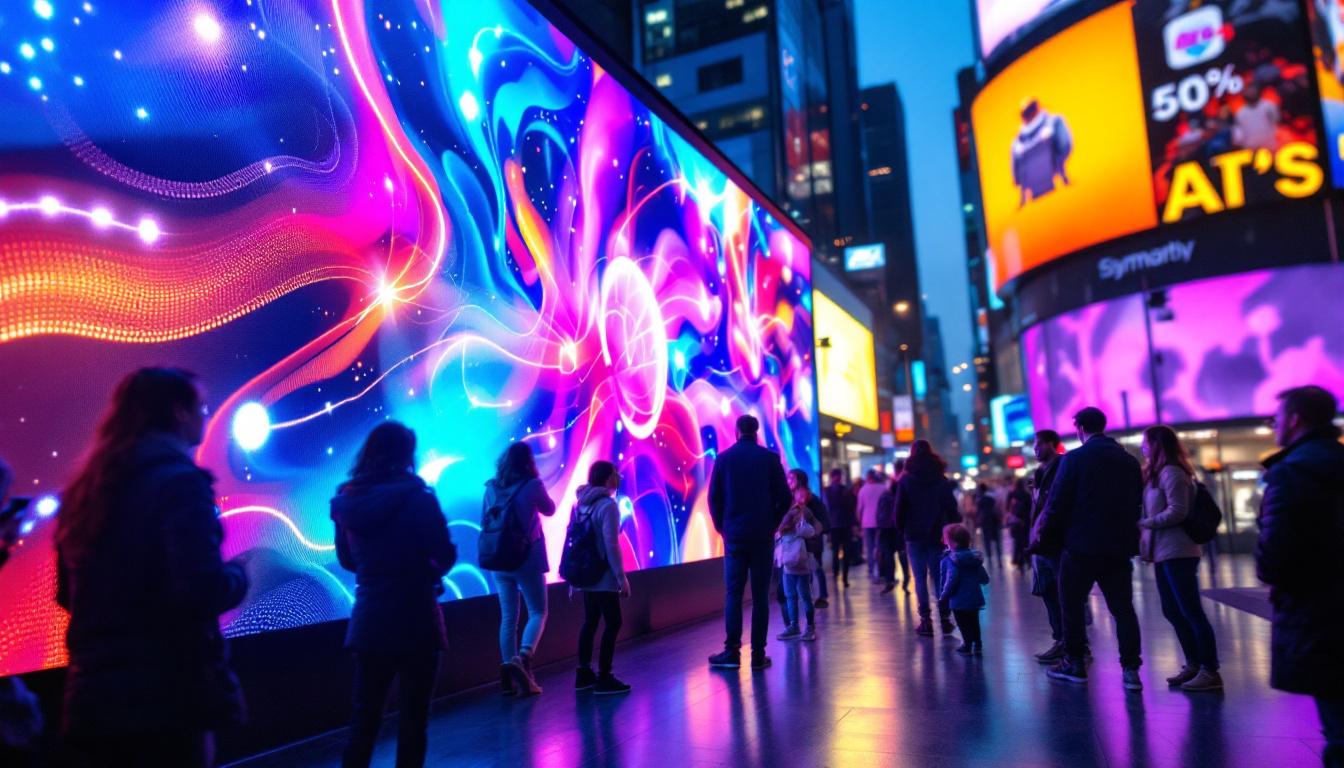
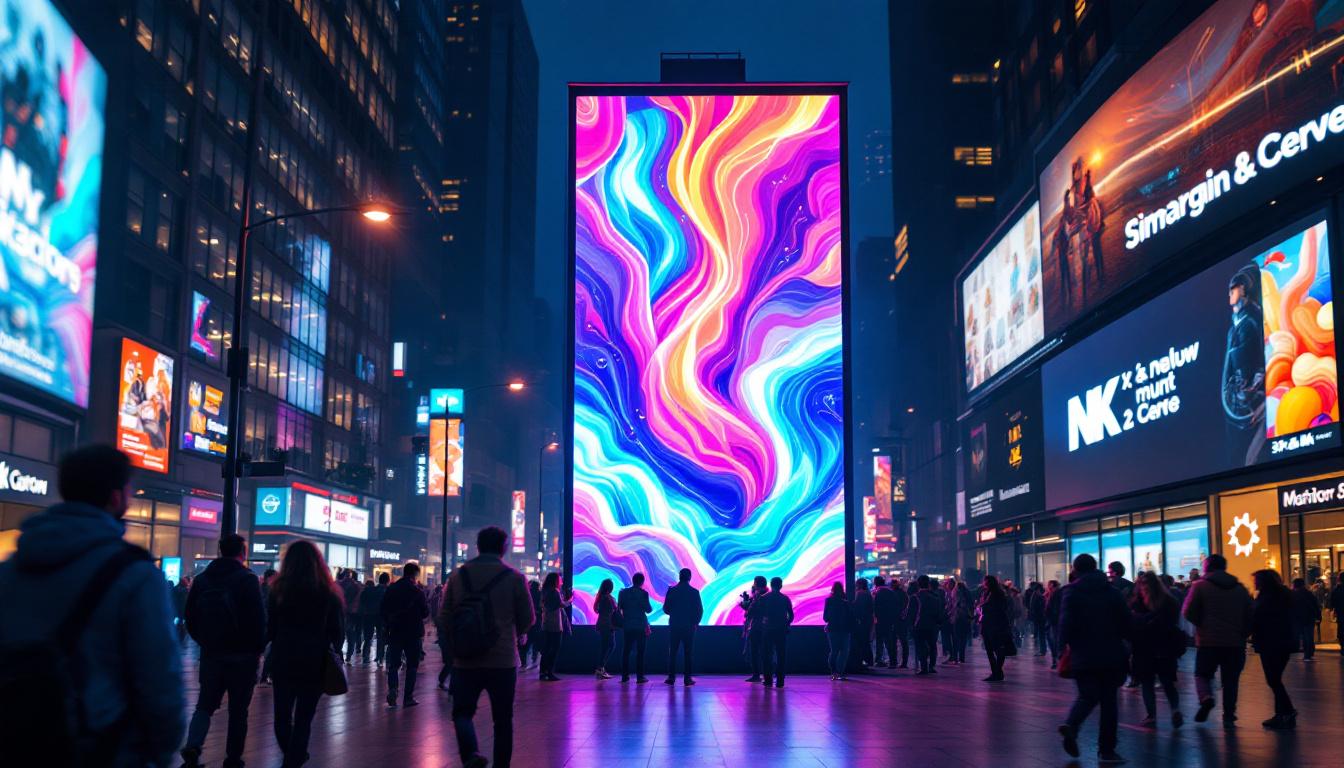
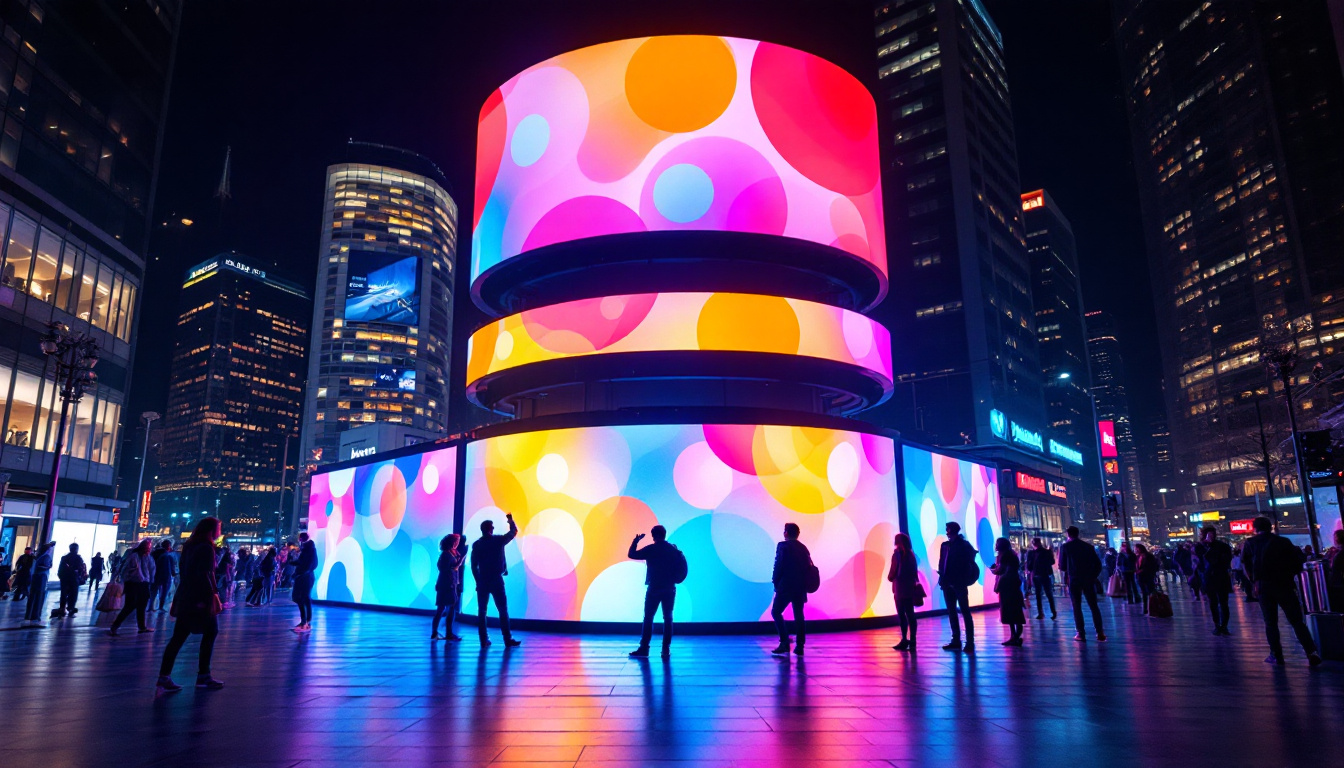
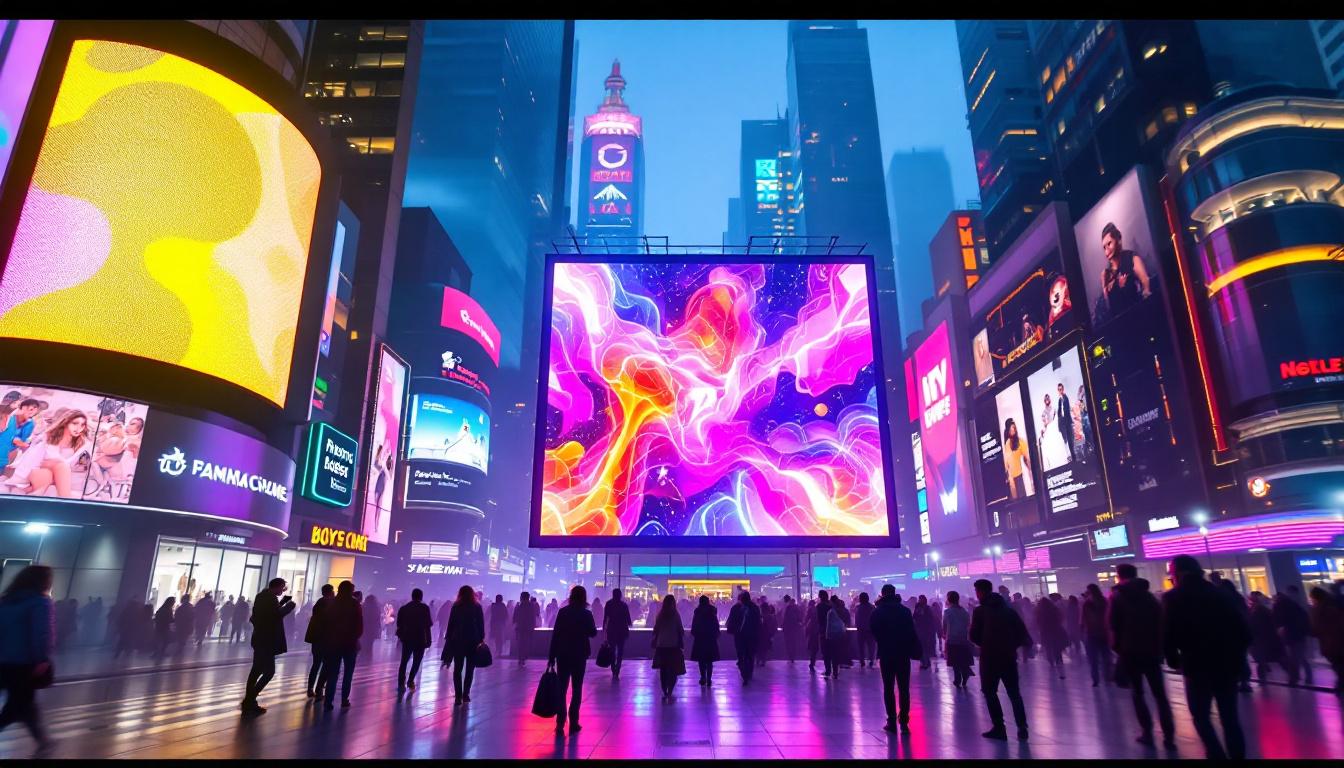
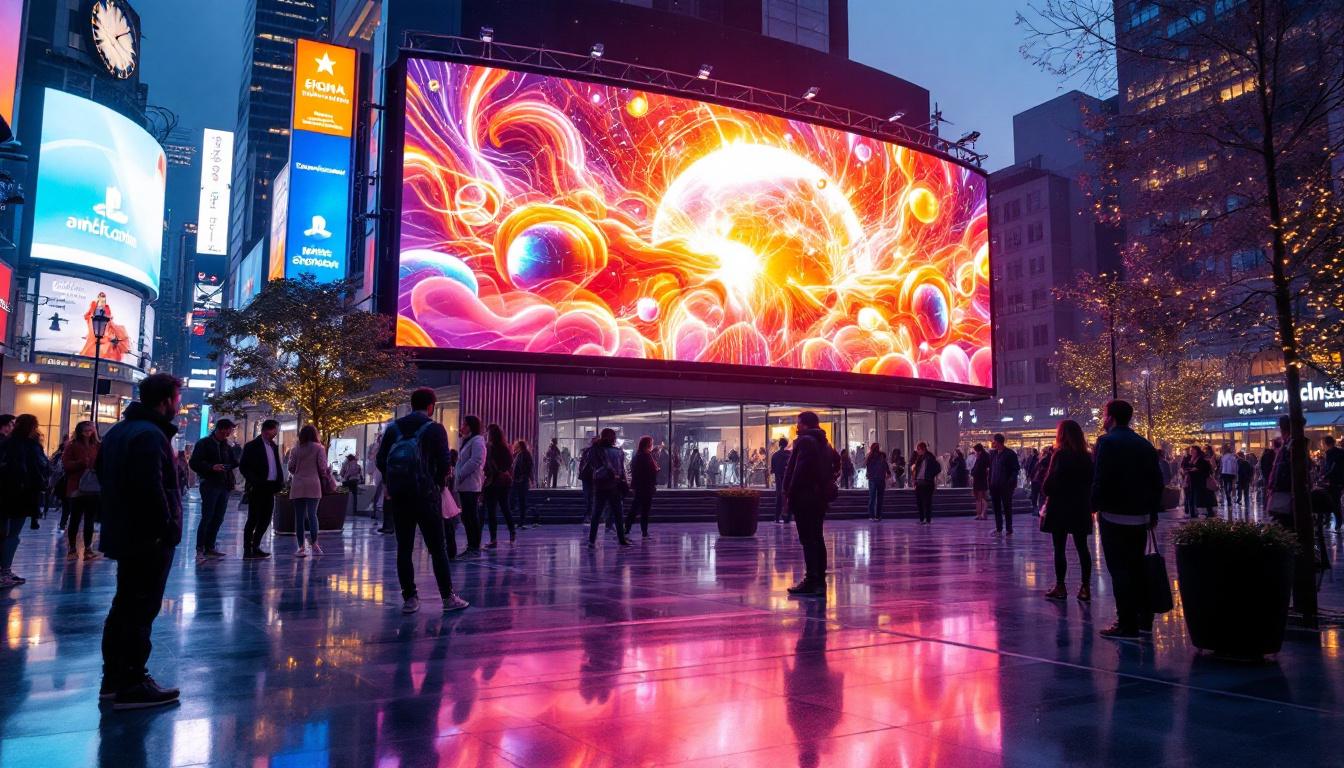
Cities around the world have embraced giant LED screens as part of their urban landscape. Times Square in New York City and Shibuya Crossing in Tokyo are famous examples where massive LED billboards create dynamic, ever-changing environments that attract tourists and locals alike.
Corporate and Event Use
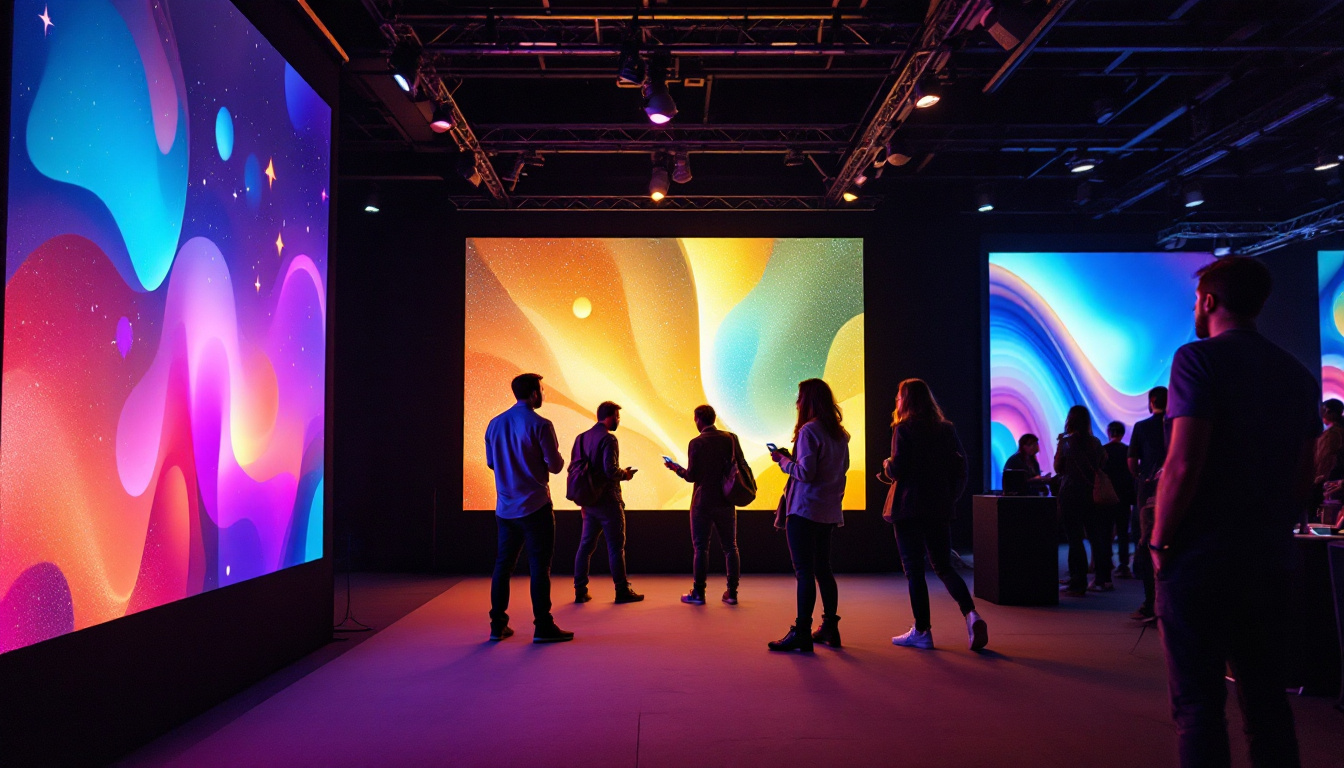
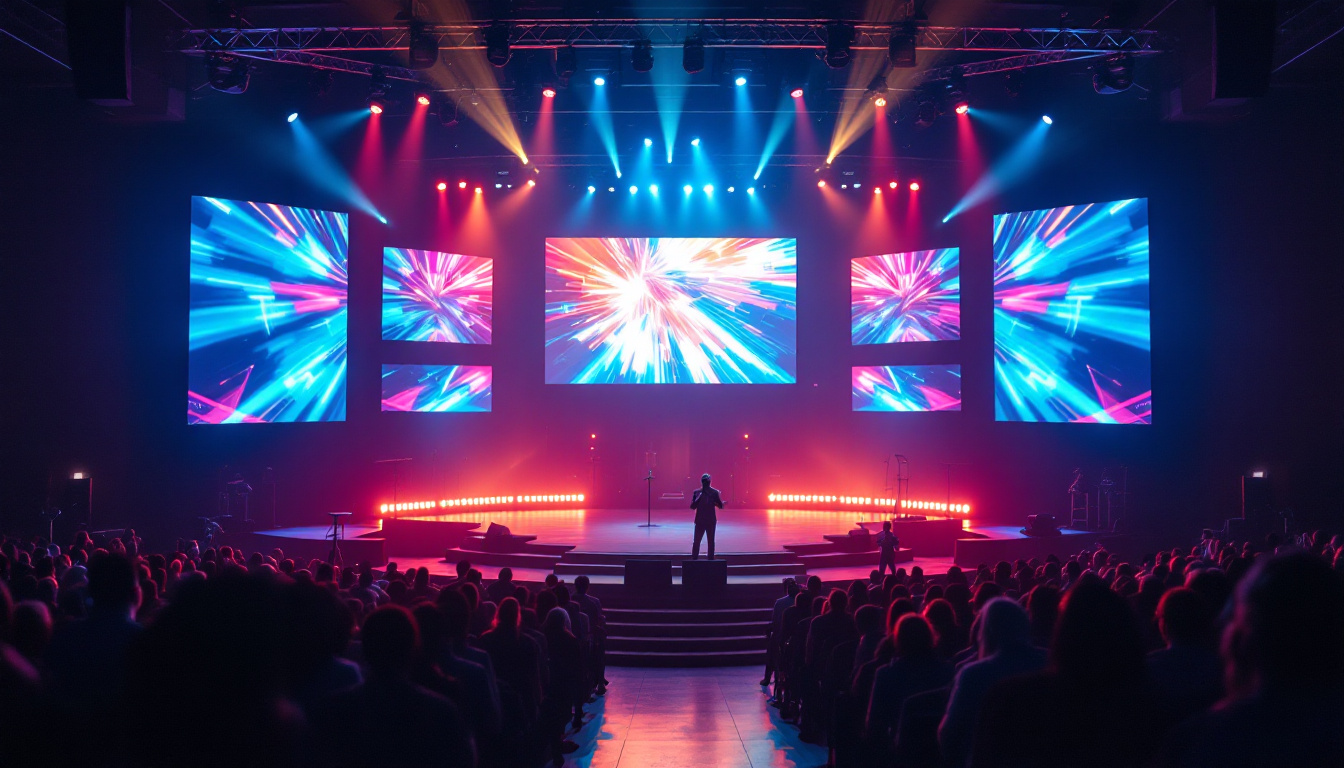
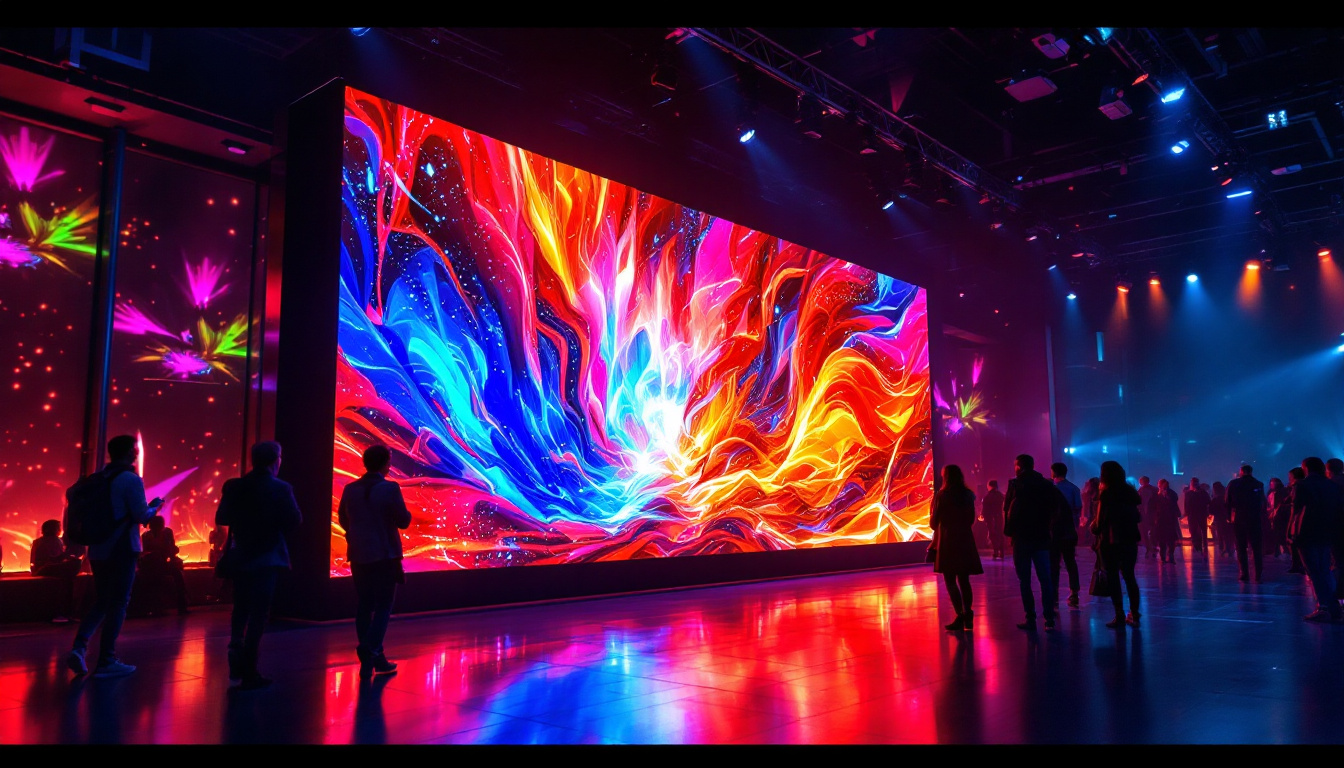
Large-scale LED displays are increasingly used in corporate events, trade shows, and concerts to deliver immersive presentations and stage backdrops. Their flexibility allows event organizers to customize content and adapt screens to different venue sizes and configurations.
Future Trends in Jumbotron and LED Display Technology
The future of Jumbotron technology promises even more impressive developments, driven by advances in LED materials, display resolution, and interactivity.
MicroLED and MiniLED Innovations
Emerging technologies like MicroLED and MiniLED offer higher pixel densities and improved energy efficiency compared to traditional LEDs. MicroLED displays, in particular, have the potential to deliver unprecedented brightness and contrast, making them ideal for outdoor Jumbotrons.
Flexible and Transparent Displays
Research into flexible and transparent LED displays is opening new possibilities for architectural integration. Buildings may soon feature entire façades that double as dynamic digital canvases, blending form and function seamlessly.
Enhanced Interactivity and AI Integration
Future Jumbotrons are expected to incorporate interactive features powered by artificial intelligence, allowing for personalized content delivery and real-time audience engagement. Gesture recognition, facial detection, and augmented reality overlays could transform how audiences interact with large-scale displays.
Conclusion
The world’s biggest Jumbotron is a testament to human ingenuity and technological progress. These colossal LED displays are not merely screens; they are immersive platforms that transform how we experience live events, urban environments, and digital content. From their humble beginnings with CRT technology to today’s ultra-high-definition LED marvels, Jumbotrons continue to push the boundaries of size, brightness, and interactivity.
As LED technology evolves, the future holds exciting possibilities for even more spectacular and versatile displays. Whether in sports arenas, city centers, or entertainment venues, the Jumbotron remains a powerful symbol of the digital age’s visual storytelling capabilities.
Illuminate Your Space with LumenMatrix
Ready to elevate your venue with the visual power of the world’s most advanced LED displays? LumenMatrix is at the forefront of LED display innovation, offering a wide array of solutions tailored to your unique needs. From Indoor and Outdoor LED Walls to dynamic Vehicle and Sports Displays, our technology is designed to captivate and engage. Discover how our Custom LED Displays and state-of-the-art Transparent Displays can transform your space and bring your vision to life. Check out LumenMatrix LED Display Solutions and join the revolution in visual communication.