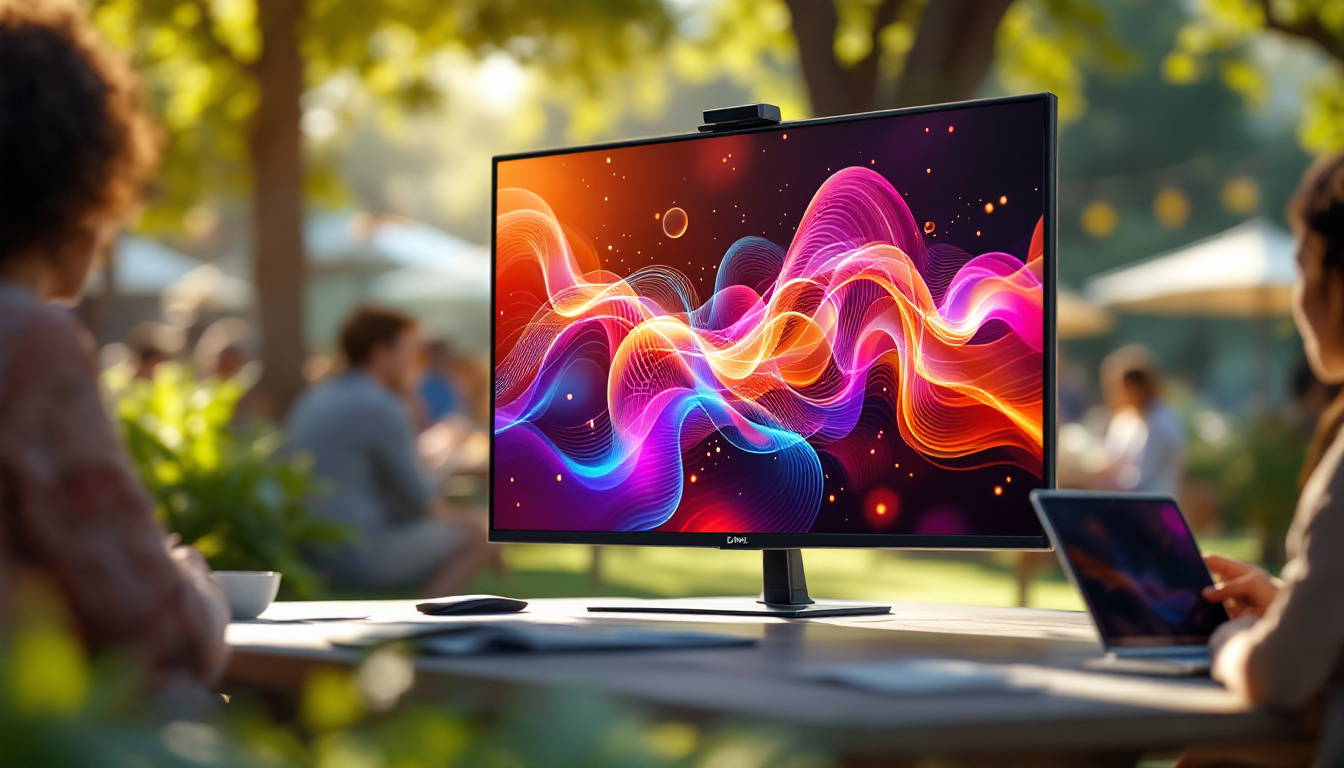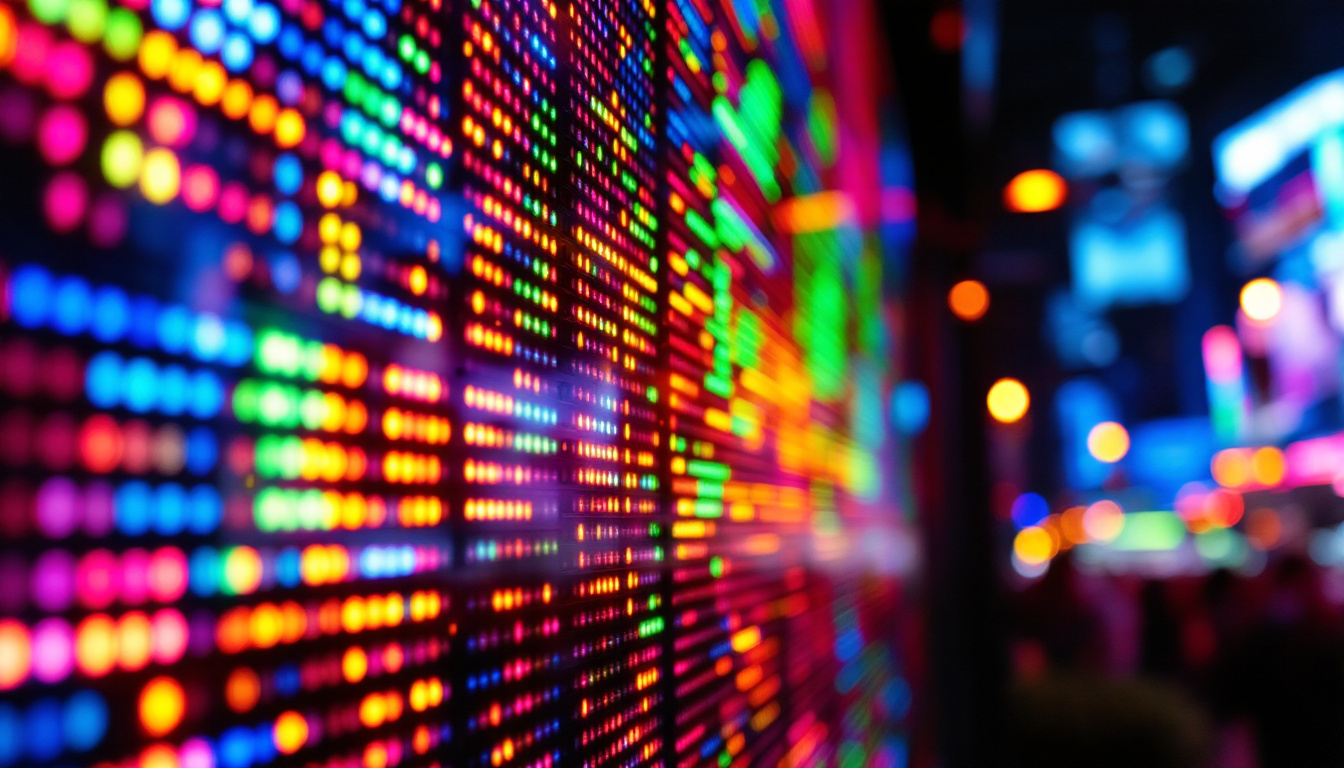
In the rapidly evolving world of visual technology, LED displays have emerged as a cornerstone for delivering vibrant, high-quality imagery across a variety of applications. From massive outdoor billboards to sleek indoor video walls, LED displays are transforming how audiences engage with digital content. This article delves into the fundamentals of LED display technology, explores its advantages, and highlights its growing role in immersive display environments.
Understanding LED Display Technology
What is an LED Display?
LED stands for Light Emitting Diode, a semiconductor device that emits light when an electric current passes through it. An LED display is a flat panel that uses an array of these tiny LEDs as pixels to create images, videos, or text. Unlike traditional LCD or plasma screens, LED displays can produce their own light, which means they do not require a backlight. This fundamental difference contributes to their superior brightness and contrast.
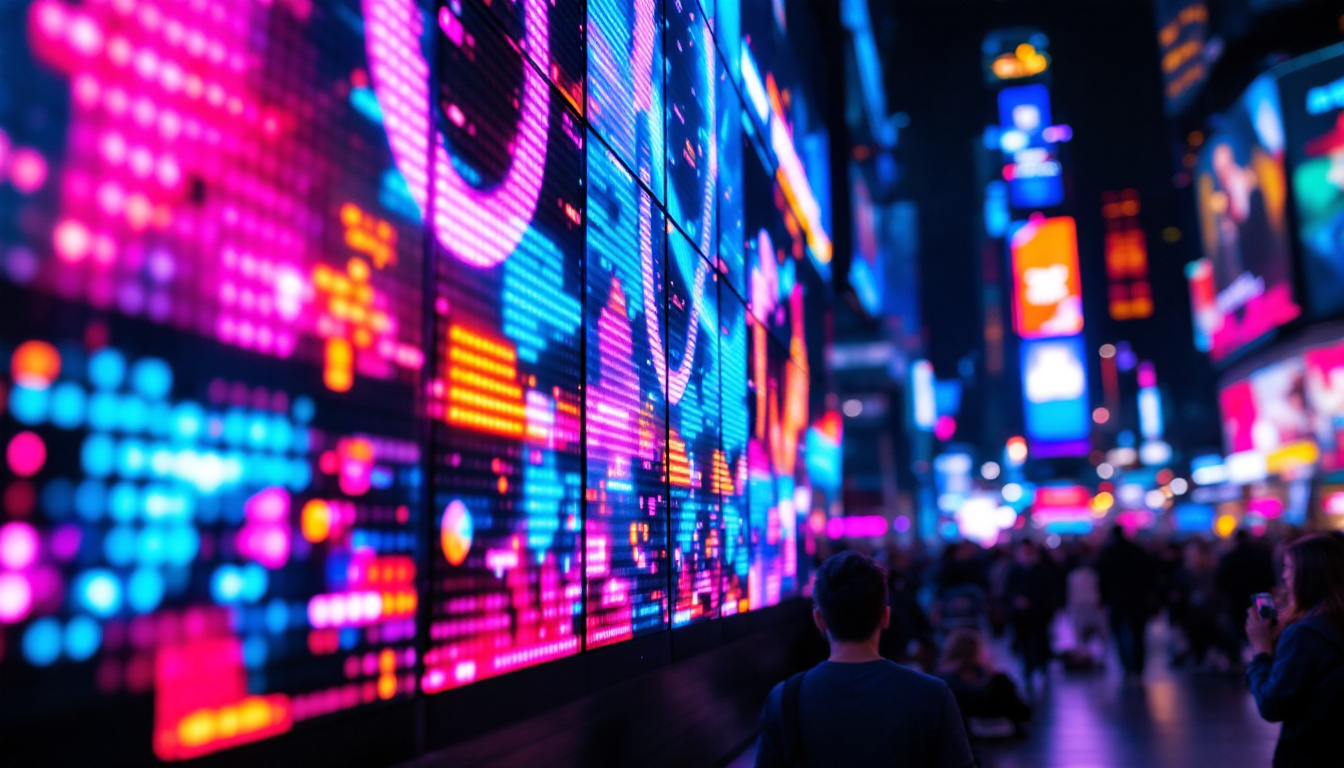
Modern LED displays are composed of thousands to millions of these individual LEDs arranged in a grid, with each LED representing a single pixel or part of a pixel. By controlling the intensity and color of each LED, the display can generate a full spectrum of colors and dynamic visuals. This capability allows for stunning image quality, making LED displays a popular choice for everything from televisions and smartphones to large-scale advertising billboards. The rapid response time of LEDs also enhances the viewing experience, especially for fast-moving content like sports or action movies, where clarity and precision are paramount.
Types of LED Displays
LED displays come in several forms, each tailored to specific use cases:
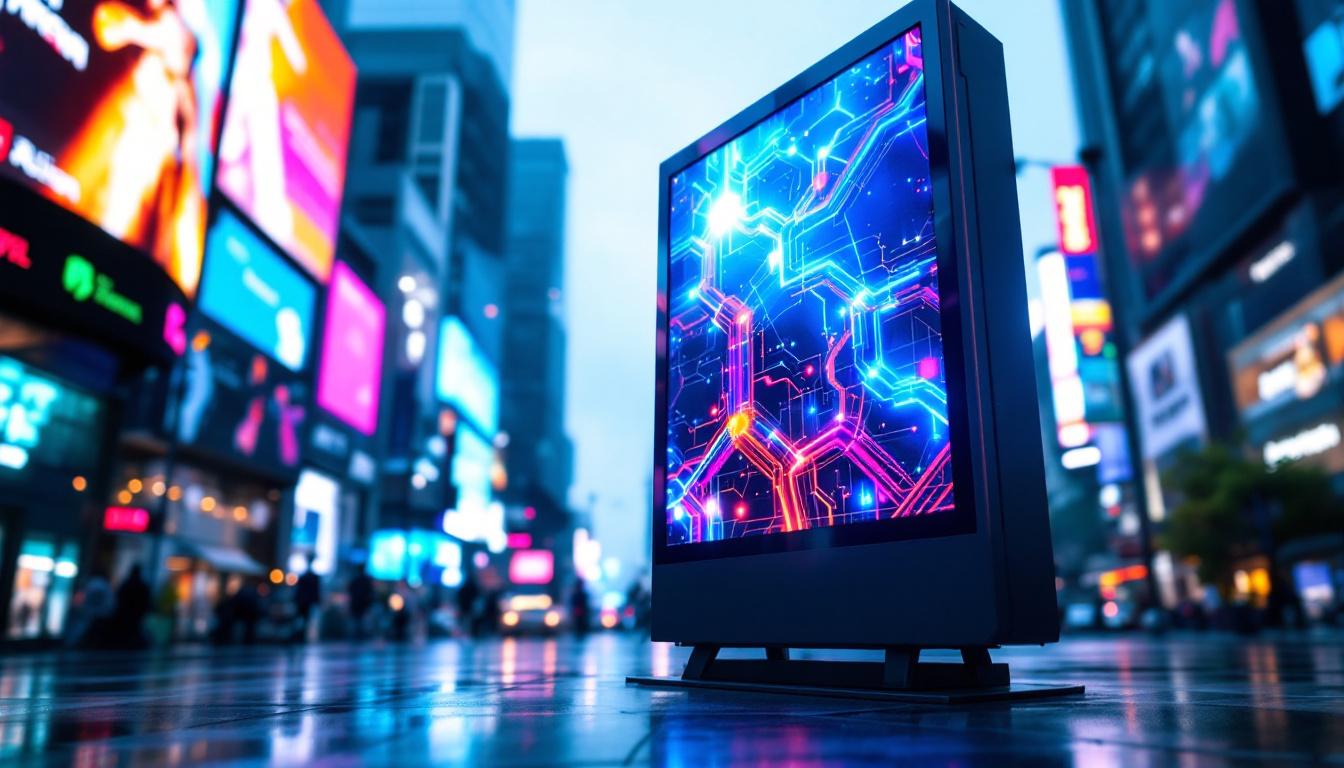
- Direct View LED (DVLED): This type uses individual LEDs as pixels and is commonly used for large-scale video walls and outdoor signage. DVLEDs offer exceptional brightness and viewing angles, making them ideal for outdoor environments where sunlight can wash out traditional screens. Their modular design also allows for flexible configurations, enabling creative installations in various shapes and sizes.
- LED-Backlit LCD: While technically an LCD display, it uses LEDs as a backlight source instead of traditional fluorescent lamps. This improves energy efficiency and color accuracy but is distinct from direct view LED technology. LED-backlit LCDs have become the standard in many consumer electronics due to their thinner profiles and enhanced color reproduction, making them a favorite for home theaters and gaming setups.
- MicroLED: An emerging technology that uses microscopic LEDs to create displays with better resolution, brightness, and energy efficiency. MicroLEDs are poised to revolutionize displays in the near future. Their ability to achieve true blacks and vibrant colors without the risk of burn-in, which can affect OLED displays, positions them as a promising alternative for high-end applications, including augmented reality and virtual reality headsets.
In addition to these types, LED technology continues to evolve, leading to innovations like flexible and transparent displays. These advancements open up new possibilities for design and functionality, allowing screens to be integrated into various surfaces and environments. As research progresses, we can expect to see even more applications of LED technology, from smart homes to public art installations, further enhancing our interaction with digital content in everyday life.
Key Advantages of LED Displays
Brightness and Visibility
One of the most significant advantages of LED displays is their exceptional brightness. Outdoor LED billboards, for example, can reach brightness levels of up to 5,000 nits or more, making them easily visible even under direct sunlight. This makes LED displays ideal for environments where ambient light conditions can vary dramatically.
Indoor LED displays also benefit from high brightness levels, enabling clear, vivid images in well-lit environments such as shopping malls, airports, and conference centers. The ability to maintain image clarity regardless of lighting conditions is a critical factor in their widespread adoption. Furthermore, the technology behind LED displays allows for a quick response time, ensuring that dynamic content, such as videos and animations, is displayed smoothly without any lag. This responsiveness is particularly advantageous for advertising and entertainment sectors, where capturing audience attention in real-time is paramount.
Energy Efficiency and Longevity
Compared to traditional display technologies, LEDs consume less power while delivering superior brightness. This energy efficiency translates into lower operating costs, especially for large-scale installations that operate continuously.
Additionally, LED displays have a long operational lifespan, often exceeding 100,000 hours of use before significant brightness degradation occurs. This durability reduces maintenance costs and downtime, making LEDs a cost-effective choice for businesses and public installations. The low heat emission of LED technology also contributes to its longevity, as it minimizes the risk of overheating and extends the overall life of the display components. Moreover, many LED displays are designed with modularity in mind, allowing for easy repairs and upgrades, which further enhances their appeal for long-term use in various settings.
Color Accuracy and Contrast
Because LEDs emit light directly, they can produce deeper blacks and higher contrast ratios than LCD screens, which rely on backlighting. This results in more vibrant, lifelike images that enhance viewer engagement.
Advanced LED displays support a wide color gamut and high dynamic range (HDR), enabling content creators to display rich, nuanced visuals that capture attention and convey messages more effectively. The precision of color reproduction in LED displays is particularly beneficial for industries such as film and photography, where accurate color representation is crucial. Additionally, the ability to adjust brightness and color settings dynamically allows for tailored viewing experiences, ensuring that content looks its best in various environments. As technology continues to evolve, we can expect even more innovations in LED display capabilities, further solidifying their position as a leading choice for visual communication across multiple platforms.
Applications of LED Displays in Immersive Environments
Entertainment and Events
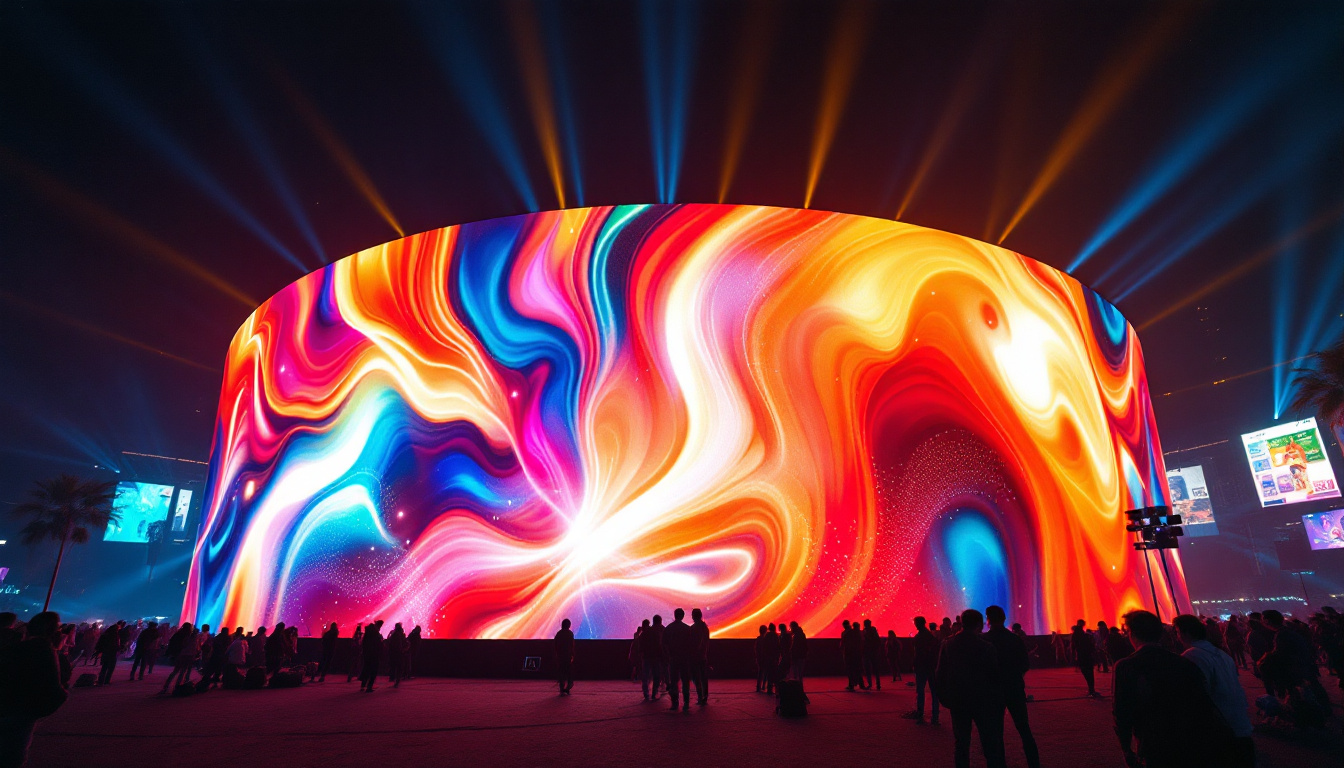
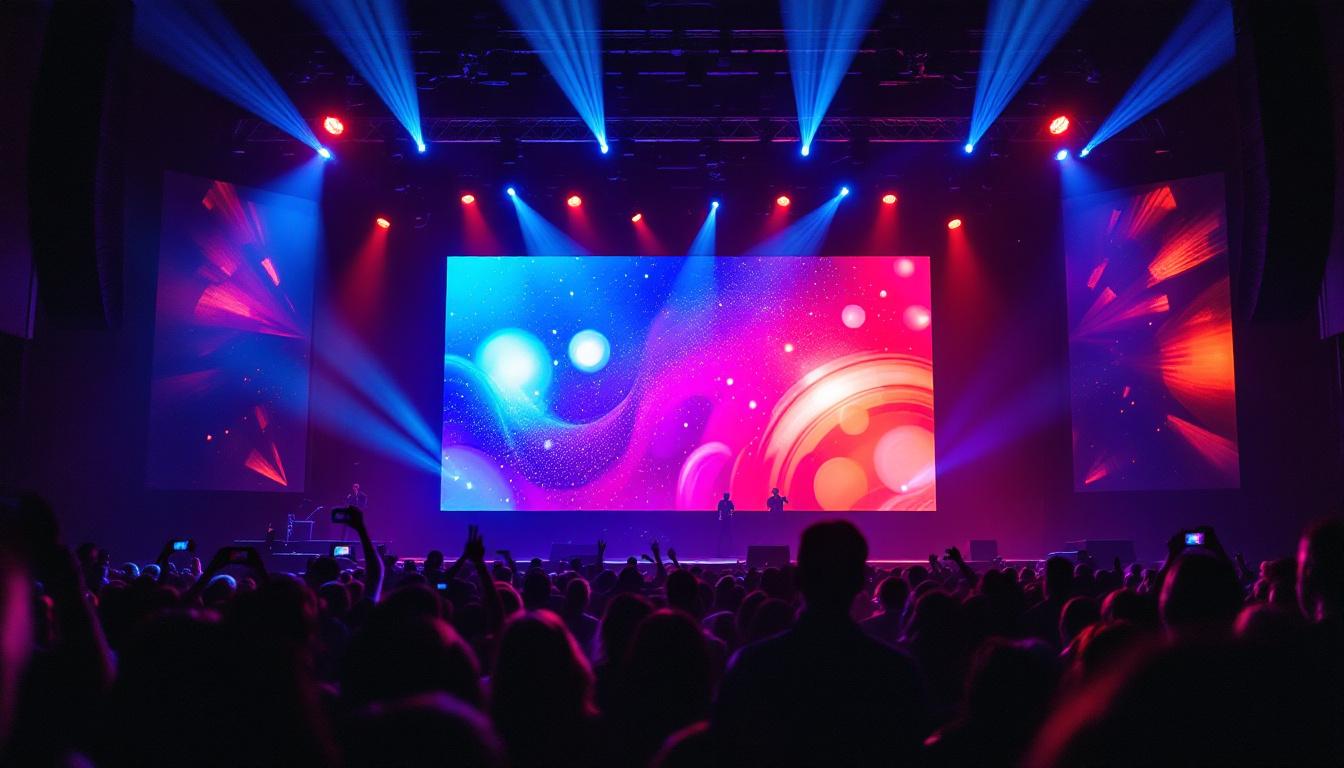
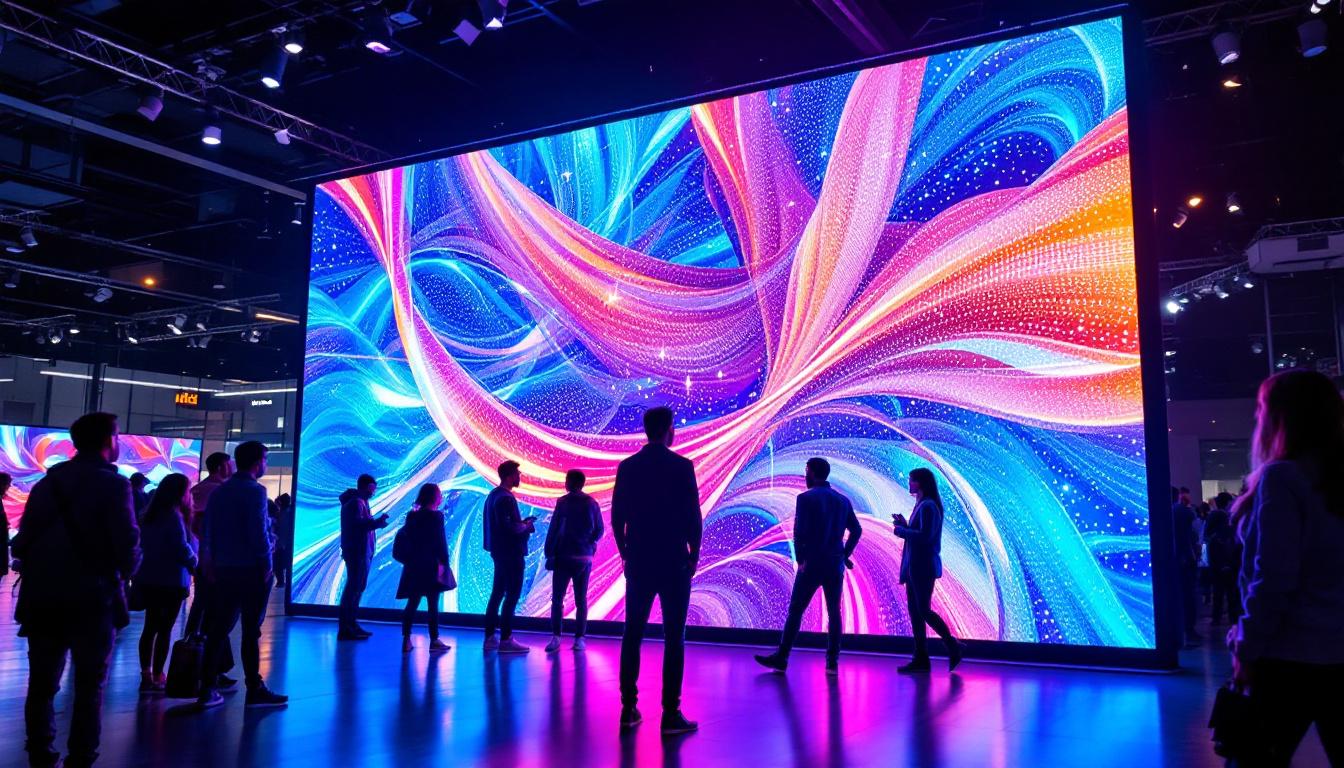
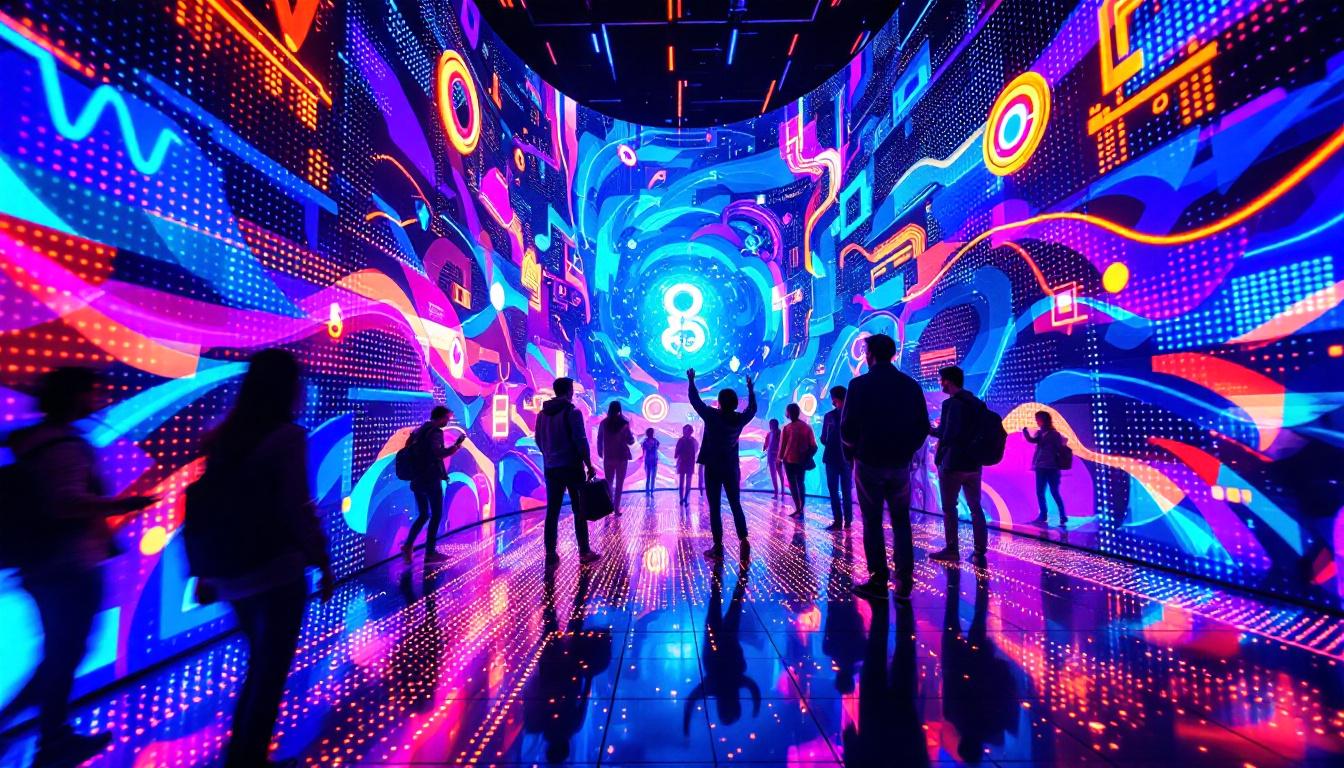
LED displays have become a staple in the entertainment industry. Concerts, festivals, and sporting events frequently use massive LED video walls to provide immersive visual experiences for audiences. These displays can be configured in various shapes and sizes, including curved or cylindrical forms, to create engaging environments.
For example, the Super Bowl halftime shows often feature elaborate LED installations that integrate with lighting and stage effects, enhancing the overall spectacle. The flexibility and scalability of LED technology make it possible to design immersive experiences that captivate large crowds.
Retail and Advertising
Retailers leverage LED displays to attract customers and communicate promotional messages dynamically. Large-format LED screens in storefront windows or shopping centers can display high-resolution videos and animations that adapt in real-time based on customer demographics or time of day.
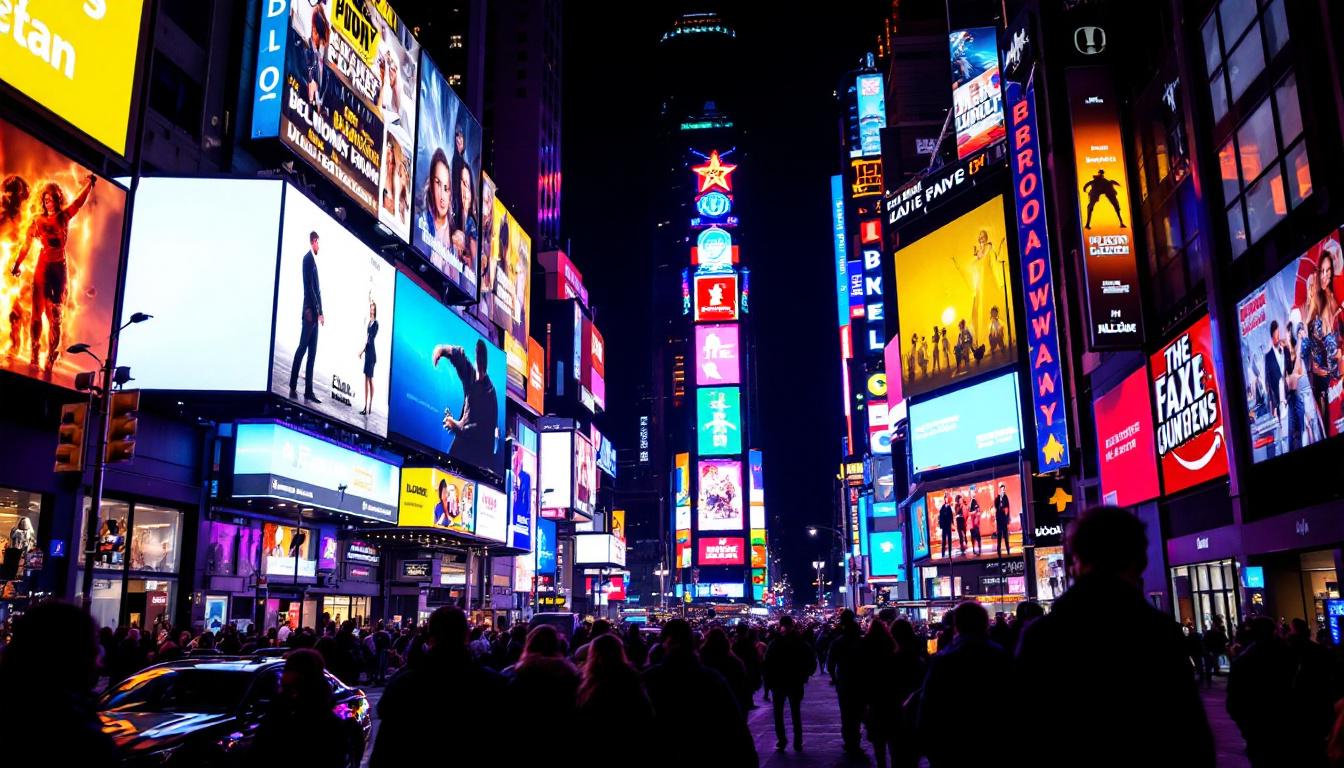
Digital billboards powered by LED technology have also transformed outdoor advertising. According to a 2023 report by the Digital Signage Federation, LED billboards have increased viewer engagement by over 30% compared to static signage, highlighting their effectiveness in capturing consumer attention.
Corporate and Educational Spaces
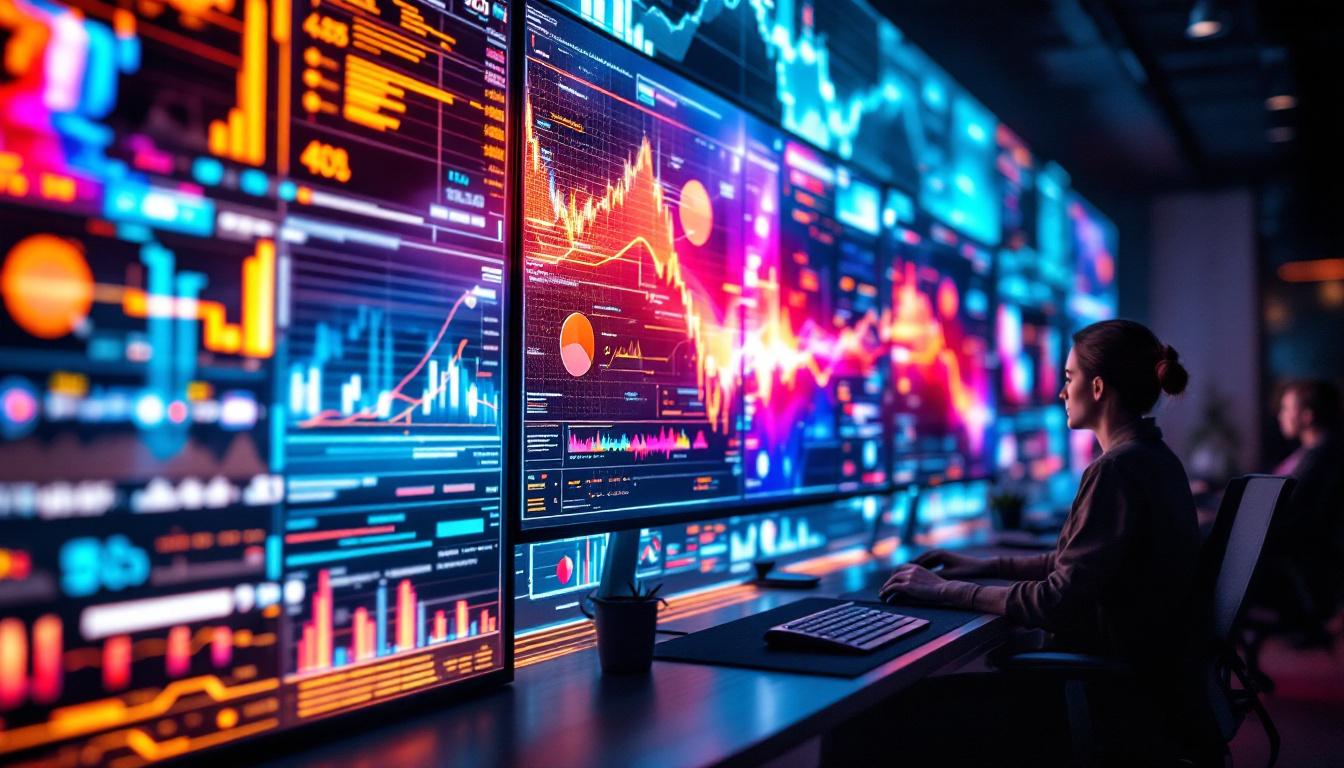
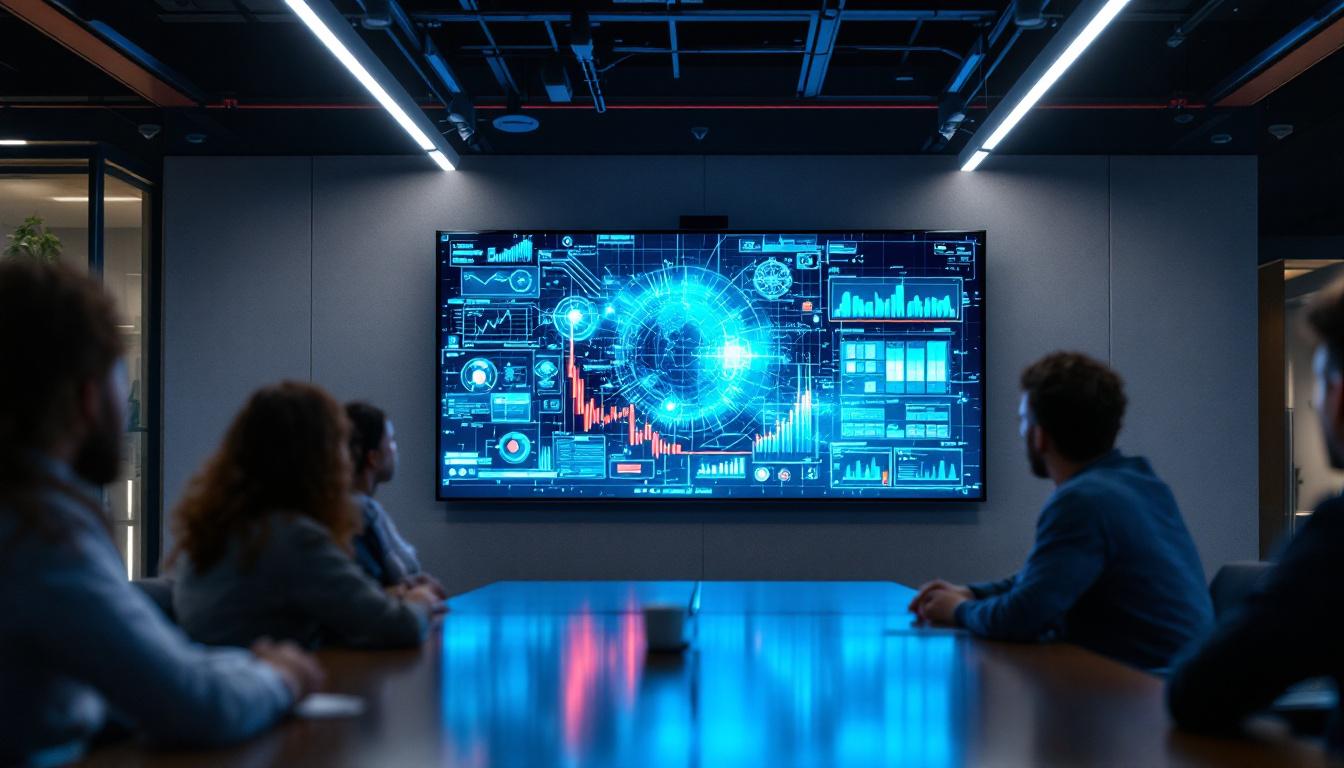
In corporate environments, LED video walls are increasingly used for presentations, video conferencing, and collaborative workspaces. Their high resolution and seamless design enable clear communication and foster interactive experiences.
Educational institutions are adopting LED displays in lecture halls and auditoriums to enhance learning through multimedia content. The immersive visuals help maintain student engagement and improve information retention.
Technical Considerations When Choosing an LED Display
Pixel Pitch and Resolution
Pixel pitch refers to the distance between the centers of two adjacent LEDs, typically measured in millimeters. It directly affects the display’s resolution and viewing distance. Smaller pixel pitches yield higher resolution and are suitable for close-up viewing, such as indoor displays or control rooms.
For outdoor applications where viewers are farther away, larger pixel pitches are acceptable and more cost-effective. Selecting the appropriate pixel pitch is crucial to balancing image quality and budget.
Refresh Rate and Response Time
The refresh rate indicates how many times per second the display updates its image. Higher refresh rates (120 Hz or above) reduce flicker and motion blur, which is especially important for video playback and live broadcasts.
Response time, or the speed at which an LED changes state, impacts the clarity of fast-moving images. Displays with fast response times provide smoother visuals and reduce ghosting effects.
Durability and Environmental Resistance
Outdoor LED displays must withstand harsh weather conditions, including rain, dust, and extreme temperatures. Look for displays with appropriate IP ratings (Ingress Protection) to ensure resistance to water and dust ingress.
Indoor displays, while less exposed, should still be robust enough to handle frequent use and potential physical impacts. Maintenance accessibility is another factor to consider for long-term reliability.
The Future of LED Displays in Immersive Technologies
Integration with Augmented and Virtual Reality
As immersive technologies like augmented reality (AR) and virtual reality (VR) advance, LED displays are playing an increasingly important role in hybrid experiences. Large LED walls can serve as dynamic backdrops that interact with AR content, creating seamless blends of physical and digital environments.
For example, broadcast studios are adopting LED volume stages—large LED walls that display real-time rendered backgrounds—to replace traditional green screens. This technology enhances realism and allows actors to interact naturally with their environment.
MicroLED and Beyond
MicroLED technology promises to push the boundaries of LED displays further. By utilizing microscopic LEDs, MicroLED displays offer higher pixel density, improved color accuracy, and even greater energy efficiency. This technology is expected to impact consumer electronics, including smartphones, TVs, and wearable devices, as well as large-scale immersive installations.
Research into flexible and transparent LED displays is also underway, opening new possibilities for design and application. Imagine windows that double as dynamic displays or curved surfaces that deliver immersive content without compromising aesthetics.
Conclusion
LED display technology has revolutionized the way visual content is presented across industries. Its combination of brightness, energy efficiency, durability, and color performance makes it an ideal choice for immersive displays that captivate and engage audiences. Whether in entertainment, advertising, corporate settings, or emerging immersive environments, LED displays continue to set the standard for dynamic visual communication.
As innovations like MicroLED and integration with AR/VR evolve, the future of LED displays promises even more exciting possibilities. Understanding the technical aspects and applications of LED technology is essential for businesses and creators looking to harness its full potential in crafting immersive experiences.
Explore the Future of Visual Engagement with LumenMatrix
Ready to elevate your visual storytelling and captivate your audience like never before? Discover LumenMatrix’s innovative range of LED display solutions, from the vibrant Indoor LED Wall Display to the dynamic Outdoor LED Wall Display, and beyond. Each product is crafted to transform your space into an immersive environment that resonates with viewers. Embrace the future of visual communication with LumenMatrix and create unforgettable experiences. Check out LumenMatrix LED Display Solutions today and see your vision come to life.