In the rapidly evolving world of advertising, LED displays have emerged as a powerful medium for capturing audience attention and delivering dynamic content. Among the most innovative applications is the use of 3D LED displays, which create visually stunning, immersive experiences that transcend traditional flat screens. This article delves into the technology behind LED displays, explores the rise of 3D advertising, and examines how businesses can leverage these advancements to elevate their marketing strategies.
Understanding LED Display Technology
What is an LED Display?
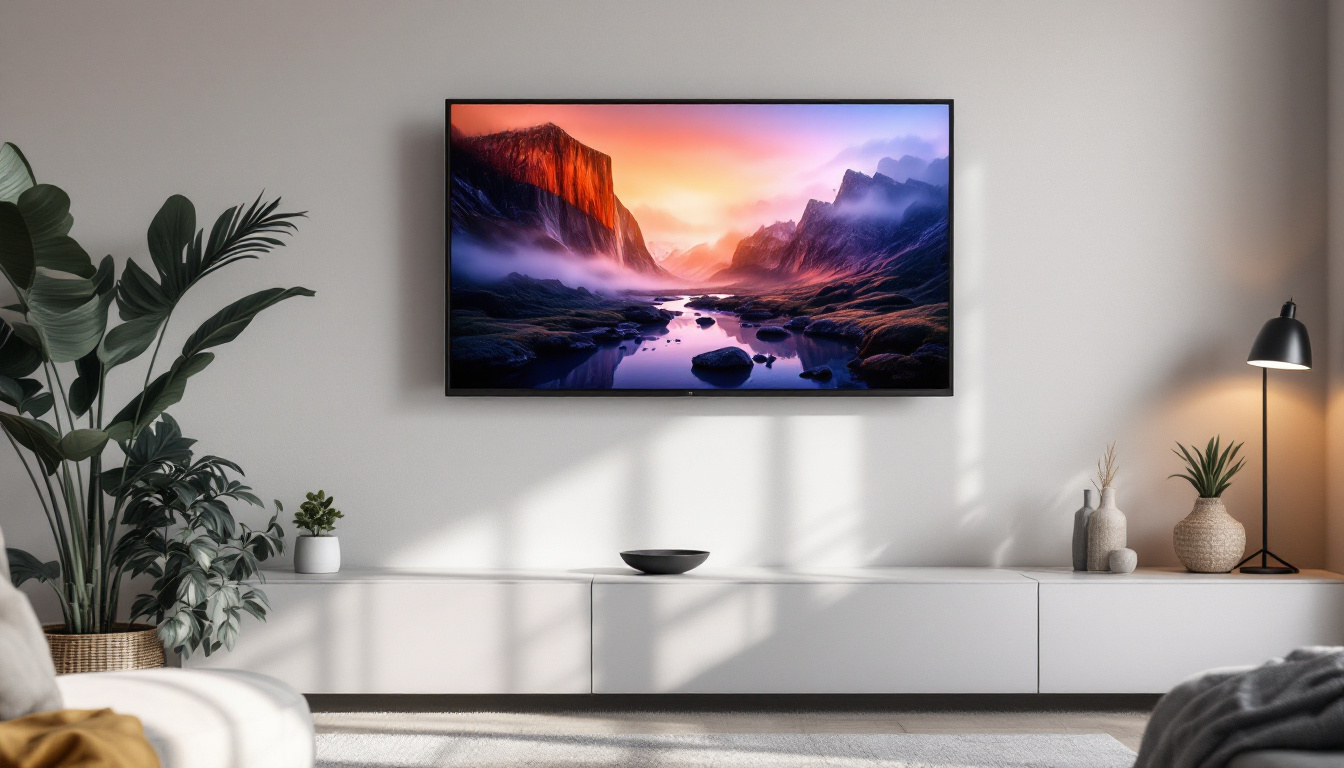
LED stands for Light Emitting Diode, a semiconductor device that emits light when an electric current passes through it. LED displays are composed of numerous tiny LEDs arranged in a grid to form pixels, which collectively create images or videos. These displays are widely used in advertising due to their brightness, energy efficiency, and ability to produce vibrant colors.
The versatility of LED displays allows them to be used in various environments, from indoor retail spaces to massive outdoor billboards. Their modular design enables customization in size and shape, making them ideal for creative advertising solutions. Additionally, advancements in technology have led to the development of high-resolution LED displays, which provide sharper images and more detailed visuals, further enhancing their appeal in competitive advertising spaces.
Key Advantages of LED Displays in Advertising
Several factors contribute to the growing popularity of LED displays among advertisers:
- Brightness and Visibility: LED screens can achieve brightness levels exceeding 5,000 nits, ensuring visibility even under direct sunlight.
- Energy Efficiency: Compared to traditional lighting and display technologies, LEDs consume less power, reducing operating costs.
- Durability: LED displays are designed to withstand harsh weather conditions, making them suitable for outdoor use.
- Flexibility: The modular nature allows for creative shapes and curved installations, expanding design possibilities.
Moreover, LED displays offer dynamic content capabilities, enabling advertisers to change messages in real-time. This feature is particularly beneficial for businesses that wish to promote time-sensitive offers or events, as they can update their displays instantly without the need for physical replacements. Additionally, the integration of smart technology allows for data-driven advertising, where content can be tailored based on audience demographics, weather conditions, or even time of day, maximizing engagement and effectiveness.
Furthermore, the environmental impact of LED displays is significantly lower compared to traditional signage. With their longer lifespan and reduced energy consumption, LED technology not only helps businesses save on operational costs but also aligns with sustainability goals. As more companies prioritize eco-friendly practices, the adoption of LED displays is likely to increase, making them a responsible choice for modern advertising strategies.
The Emergence of 3D LED Advertising
What Makes 3D LED Displays Different?
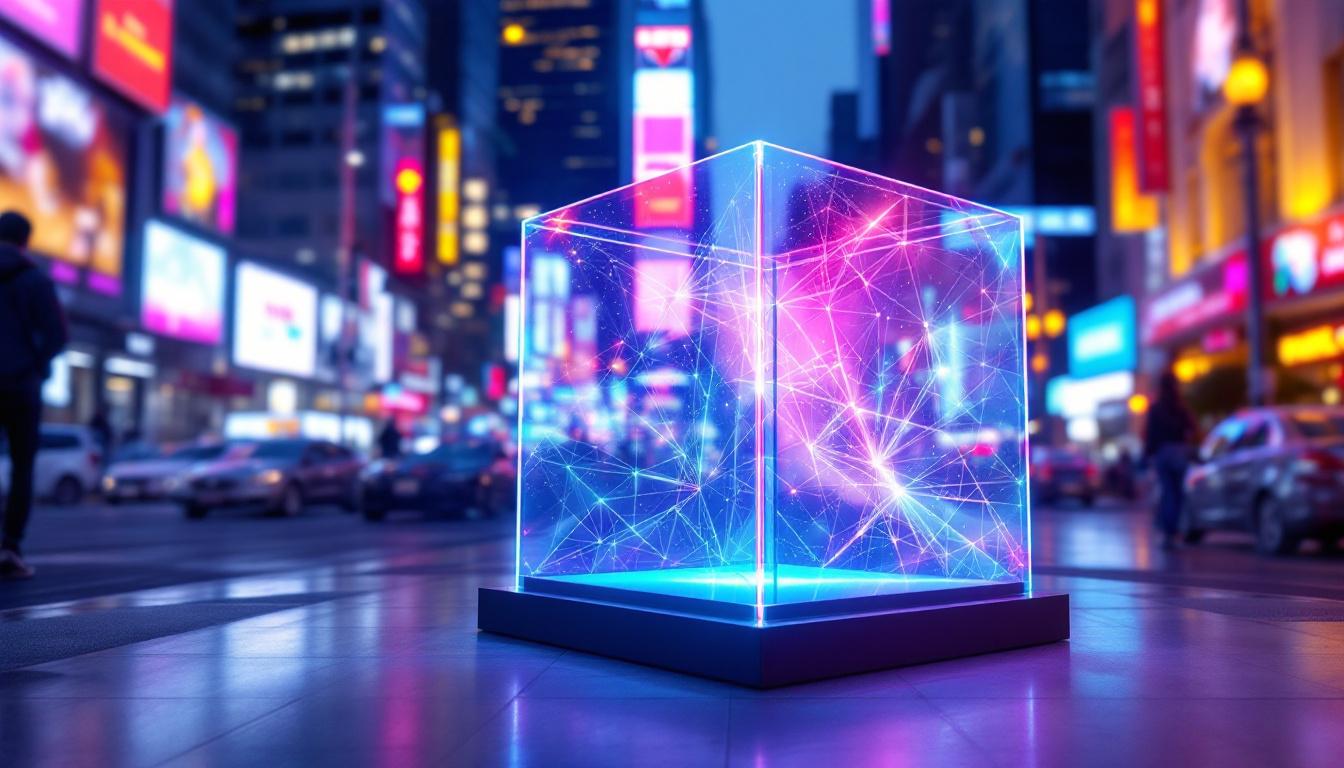
Traditional LED displays present two-dimensional images, but 3D LED displays introduce depth perception and spatial effects that create the illusion of three-dimensionality. These displays use advanced techniques such as holography, light field technology, or layered LED panels to produce images that appear to float or extend beyond the screen surface.
One popular approach involves layering multiple transparent LED panels at different depths, allowing light to pass through and creating a volumetric effect. Another technique uses motion parallax, where the image changes based on the viewer’s angle, enhancing the 3D illusion. This ability to manipulate light and perception not only captivates audiences but also opens up new avenues for storytelling and brand narratives, allowing advertisers to convey complex messages in a visually stunning manner.
Moreover, the technology behind 3D LED displays is continually evolving, with innovations such as micro-LEDs and organic LEDs (OLEDs) pushing the boundaries of what is possible. These advancements not only improve image quality and color accuracy but also reduce energy consumption, making 3D LED displays more sustainable and cost-effective for long-term use. As a result, businesses are increasingly investing in this technology to create immersive environments that resonate with consumers on a deeper level.
Why 3D LED Advertising Captures Attention
In an era saturated with digital content, standing out is crucial. 3D LED advertising offers several compelling benefits:
- Enhanced Engagement: The novelty and visual impact of 3D effects draw viewers in, increasing the likelihood of message retention.
- Memorable Branding: Brands using 3D LED displays often become associated with innovation and creativity, strengthening brand perception.
- Interactive Potential: Some 3D LED setups incorporate sensors or augmented reality elements, allowing for interactive experiences that deepen consumer connection.
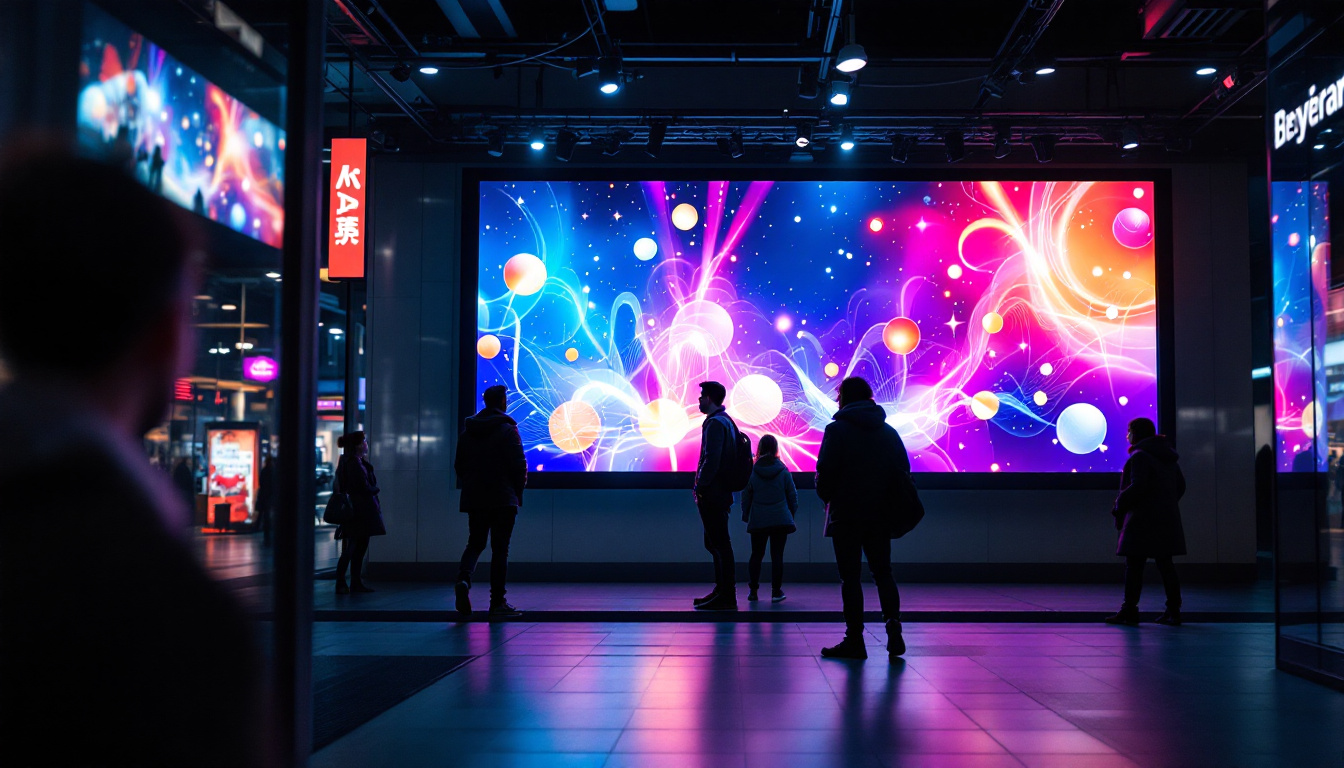
Additionally, the strategic placement of 3D LED displays in high-traffic areas, such as shopping malls, airports, and city centers, maximizes visibility and engagement. These locations not only attract a diverse audience but also provide brands with the opportunity to tailor their messages to specific demographics. For instance, a fashion brand might showcase a 3D display of its latest collection in a bustling shopping district, capturing the attention of potential customers as they pass by. This targeted approach, combined with the eye-catching nature of 3D visuals, significantly enhances advertising effectiveness.
Furthermore, the ability to seamlessly integrate 3D LED advertising with social media campaigns amplifies its reach. Brands can encourage viewers to share their experiences online, creating a buzz that extends beyond the physical display. This synergy between digital and physical advertising not only boosts engagement but also fosters a sense of community among consumers, who feel compelled to participate in the conversation surrounding innovative marketing techniques. As the landscape of advertising continues to evolve, 3D LED displays are poised to play a pivotal role in shaping the future of brand communication.
Applications of 3D LED Displays in Advertising
Retail and Shopping Centers
Retail environments benefit immensely from 3D LED displays by creating immersive product showcases and promotional campaigns. For example, a luxury watch brand might use a 3D LED display to project a rotating, life-sized model of its latest timepiece, allowing shoppers to appreciate intricate details without physical interaction.
Shopping malls have also adopted large-scale 3D LED installations to enhance ambiance and attract foot traffic. These displays can feature seasonal themes, interactive games, or live social media feeds, making the shopping experience more engaging.
Outdoor Advertising and Billboards
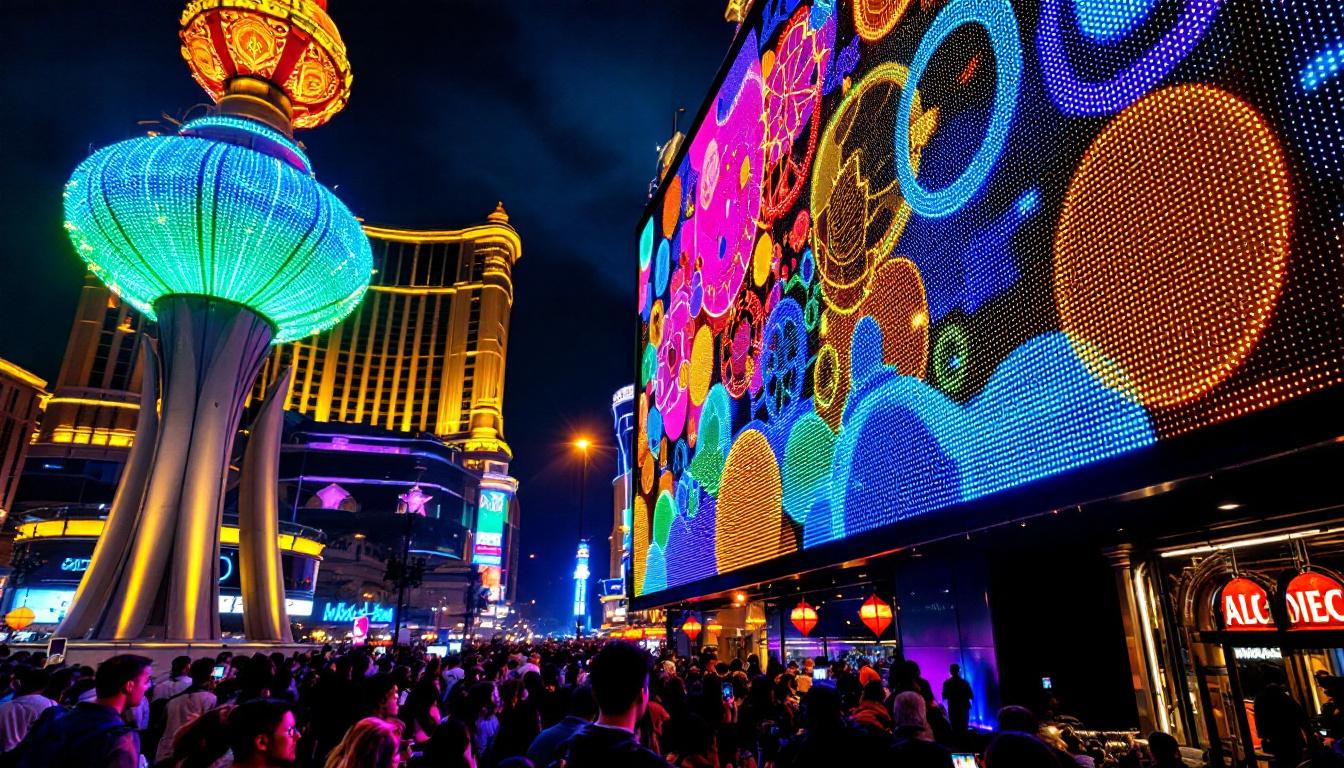
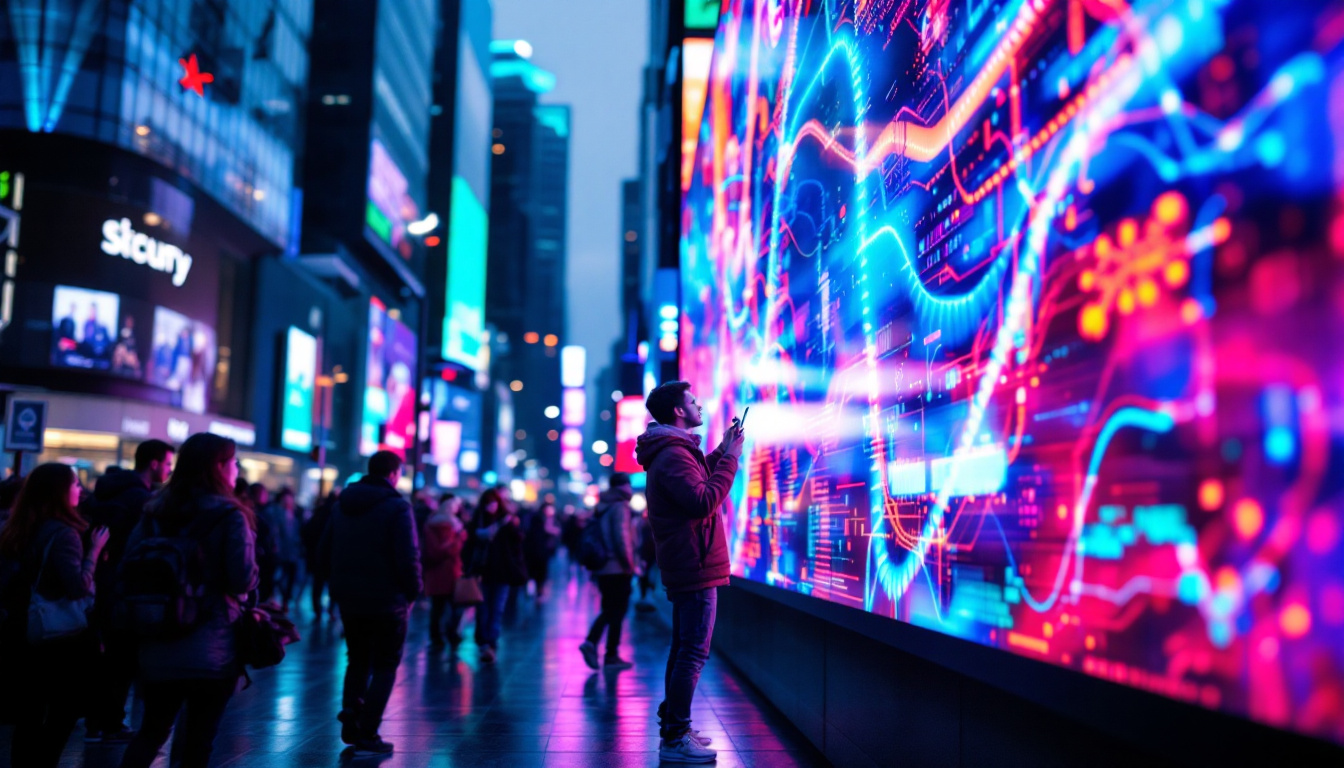
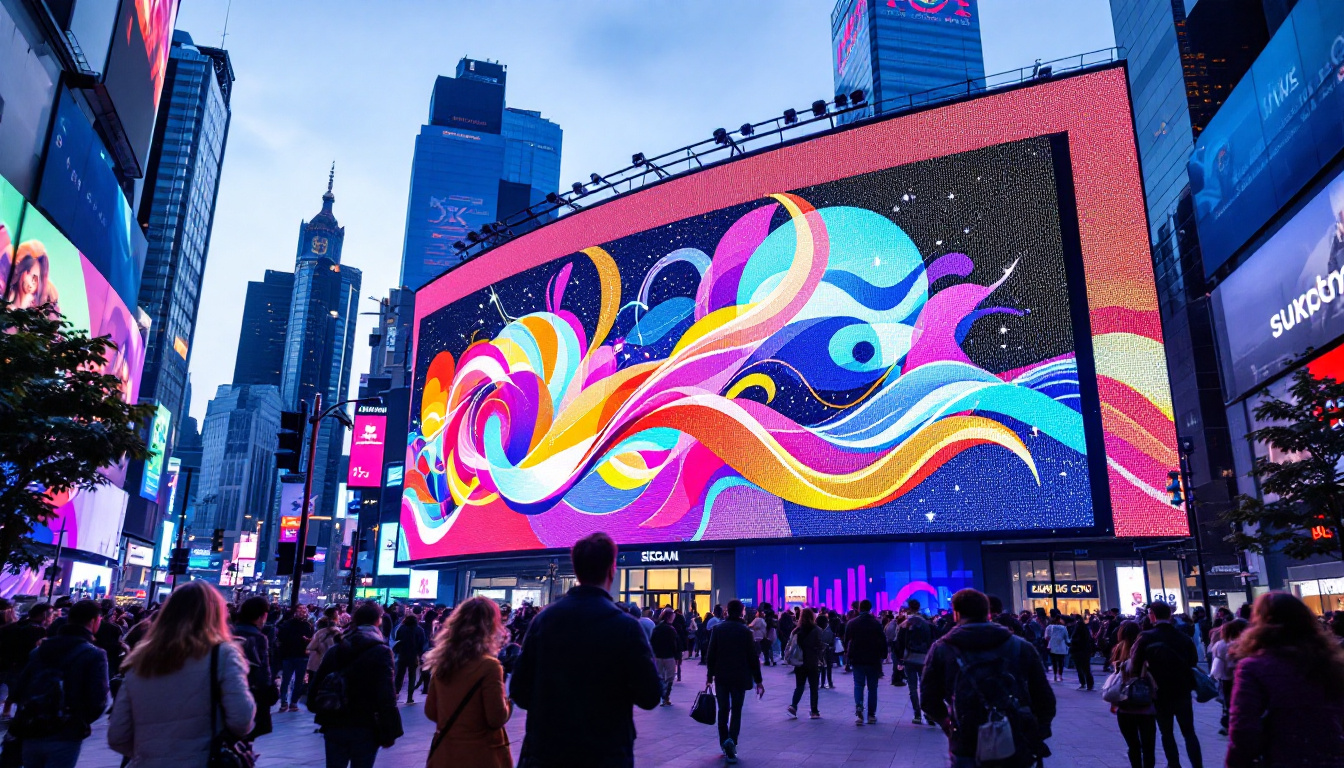
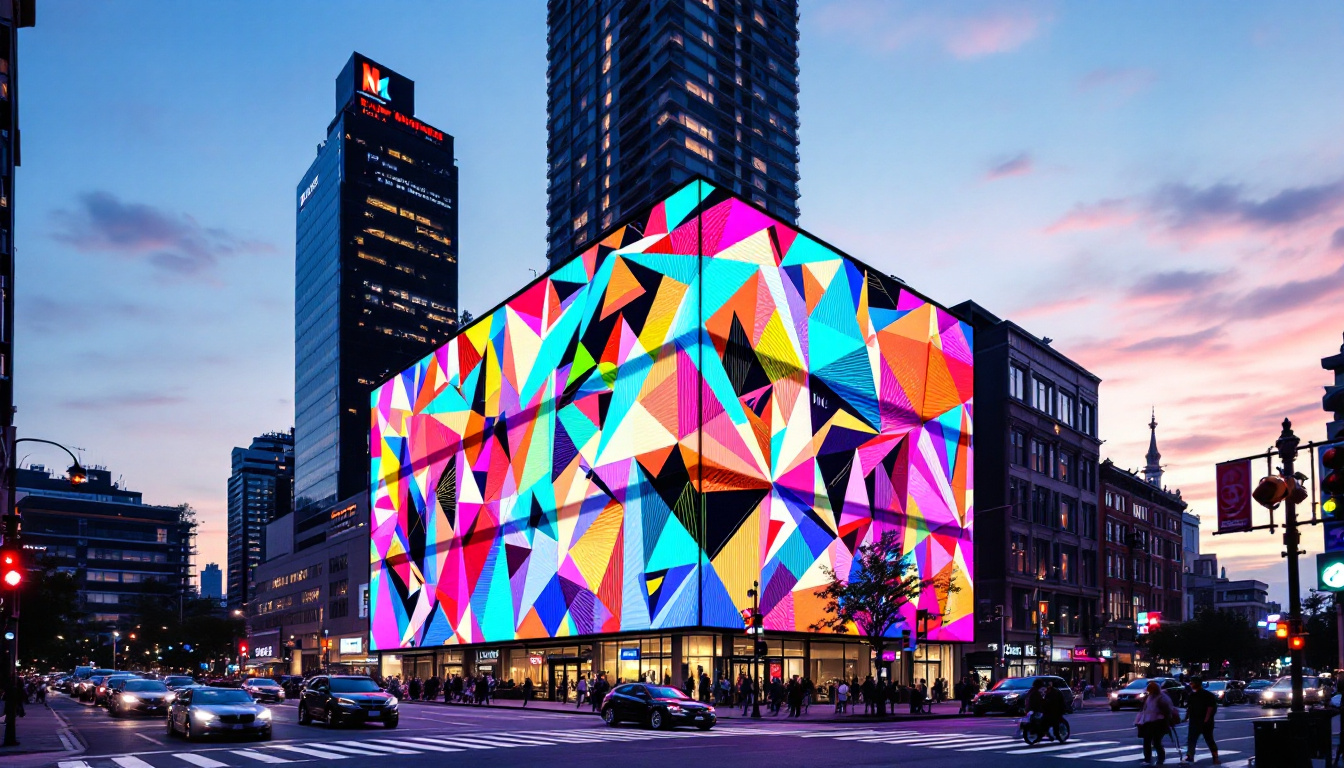
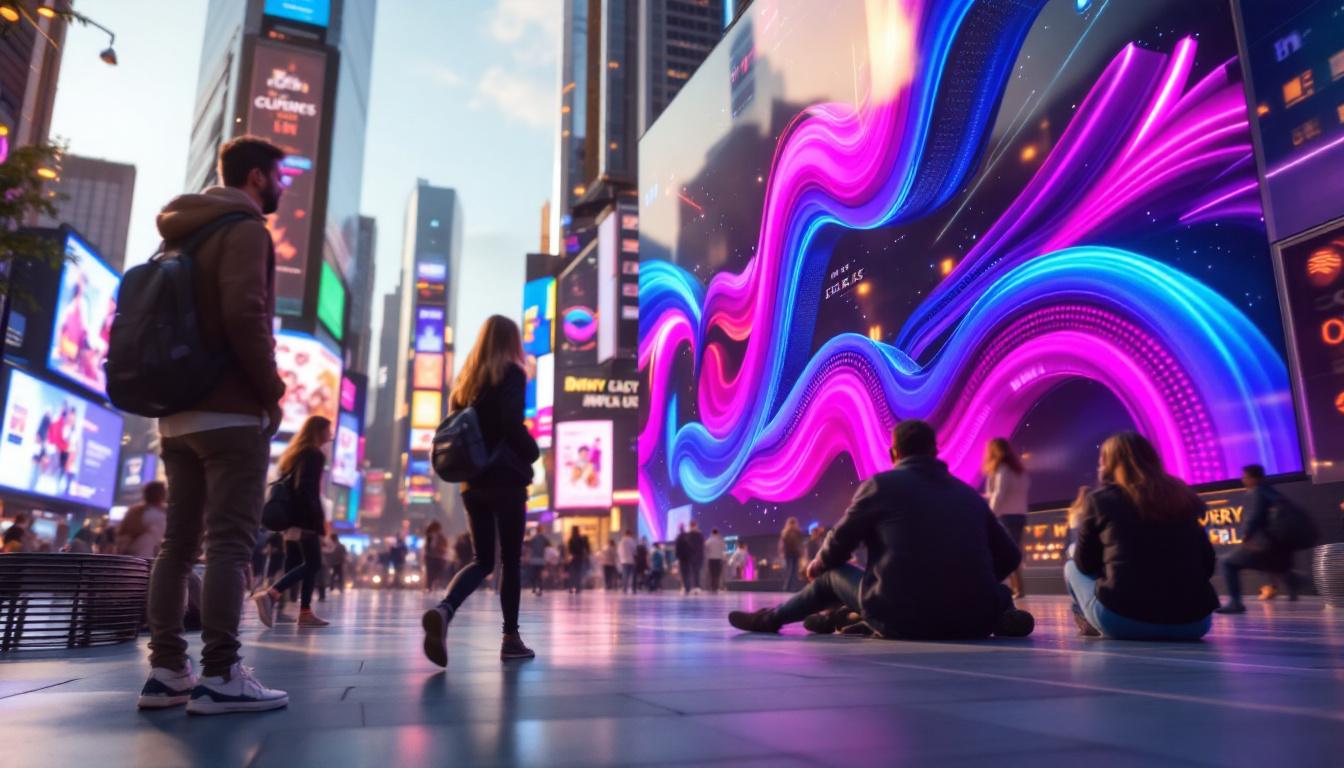
Outdoor 3D LED billboards are transforming urban landscapes by delivering eye-catching advertisements that stand out amidst conventional static signs. Cities like Tokyo, New York, and London have embraced this technology to create landmark displays that captivate both locals and tourists.
For instance, a beverage company might deploy a 3D LED billboard showing a bottle that appears to pour liquid into a glass, creating a dynamic and memorable visual. Such displays often generate social media buzz, amplifying campaign reach beyond physical viewers.
Events, Exhibitions, and Trade Shows
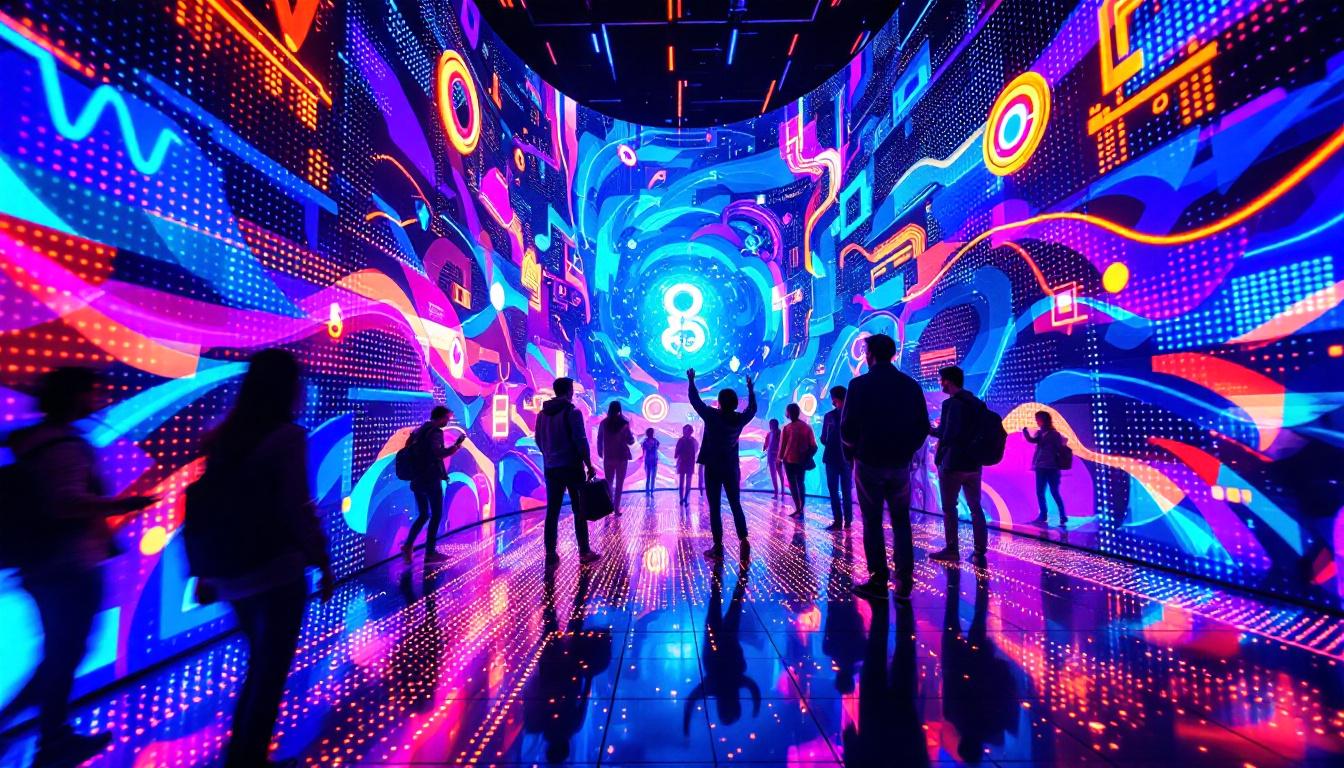
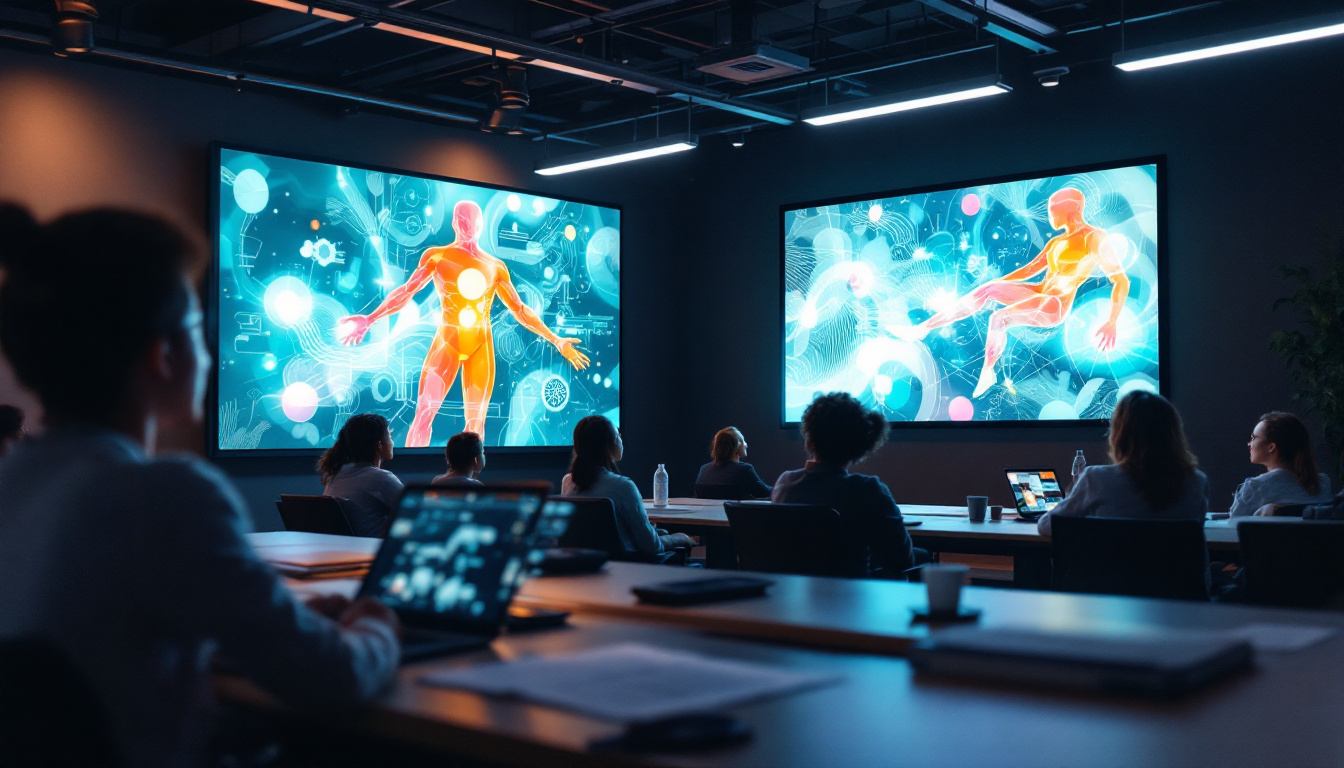
Trade shows and exhibitions are competitive environments where brands vie for attention. 3D LED displays offer a unique way to showcase products or services with high visual impact. Automotive companies, for example, use 3D LED screens to present virtual car models that visitors can explore from multiple angles.
Additionally, event organizers use 3D LED walls to create immersive stages and backdrops, enhancing audience experience and providing versatile content options for performances or presentations.
Technical Considerations for 3D LED Advertising
Resolution and Pixel Pitch
Resolution refers to the number of pixels in a display, while pixel pitch is the distance between individual LEDs. Higher resolution and smaller pixel pitch deliver sharper images and finer detail, which are essential for convincing 3D effects. Advertisers must balance these factors with viewing distance and budget constraints.
Content Creation and Software
Producing content for 3D LED displays requires specialized software and expertise. Designers must account for the unique properties of 3D visualization, including depth cues, perspective shifts, and layering. Tools that support 3D modeling, animation, and real-time rendering are commonly used to develop compelling visuals.
Moreover, content management systems (CMS) tailored for LED displays enable scheduling, remote updates, and integration with data feeds, ensuring campaigns remain fresh and relevant.
Installation and Maintenance
Installing 3D LED displays involves precise calibration to achieve the desired visual effects. Factors such as panel alignment, brightness uniformity, and viewing angles must be carefully managed. Maintenance routines include regular cleaning, software updates, and hardware inspections to maintain optimal performance.
Future Trends in 3D LED Advertising
Integration with Augmented Reality (AR) and Artificial Intelligence (AI)
The convergence of 3D LED technology with AR and AI is poised to revolutionize advertising. AR can overlay digital content onto physical environments, while AI can personalize ads based on real-time data such as demographics or behavior patterns.
Imagine a 3D LED display at a retail store entrance that recognizes returning customers and tailors product recommendations accordingly. This level of interactivity enhances customer experience and drives sales.
Advances in Transparent and Flexible LED Panels
Emerging transparent and flexible LED panels expand installation possibilities, enabling displays on glass surfaces, curved structures, or even clothing. These innovations open new avenues for creative advertising, from storefront windows to wearable marketing.
Sustainability and Energy Efficiency
As environmental concerns grow, the advertising industry is increasingly prioritizing sustainable practices. Advances in LED technology continue to improve energy efficiency and reduce waste, aligning 3D LED advertising with corporate social responsibility goals.
Conclusion: Harnessing the Power of 3D LED Displays
3D LED displays represent a transformative force in advertising, blending cutting-edge technology with creative storytelling to engage audiences like never before. Their ability to deliver vivid, immersive visuals makes them an invaluable tool for brands seeking to differentiate themselves in a crowded marketplace.
By understanding the technical aspects, applications, and emerging trends of 3D LED advertising, marketers can craft campaigns that not only capture attention but also foster lasting connections with consumers. As this technology continues to evolve, its potential to reshape the advertising landscape grows, promising exciting opportunities for innovation and impact.
Explore the Future of Advertising with LumenMatrix
Ready to take your brand’s visibility to the next level with mesmerizing 3D LED displays? LumenMatrix is at the forefront of LED display technology, offering an array of innovative solutions that bring your advertising to life. From Indoor and Outdoor LED Walls to specialized displays for Vehicles, Sports, and even Custom configurations, our products are designed to captivate and engage your audience. Embrace the future of visual communication and Check out LumenMatrix LED Display Solutions today to create unforgettable experiences and share your message with unparalleled clarity and impact.