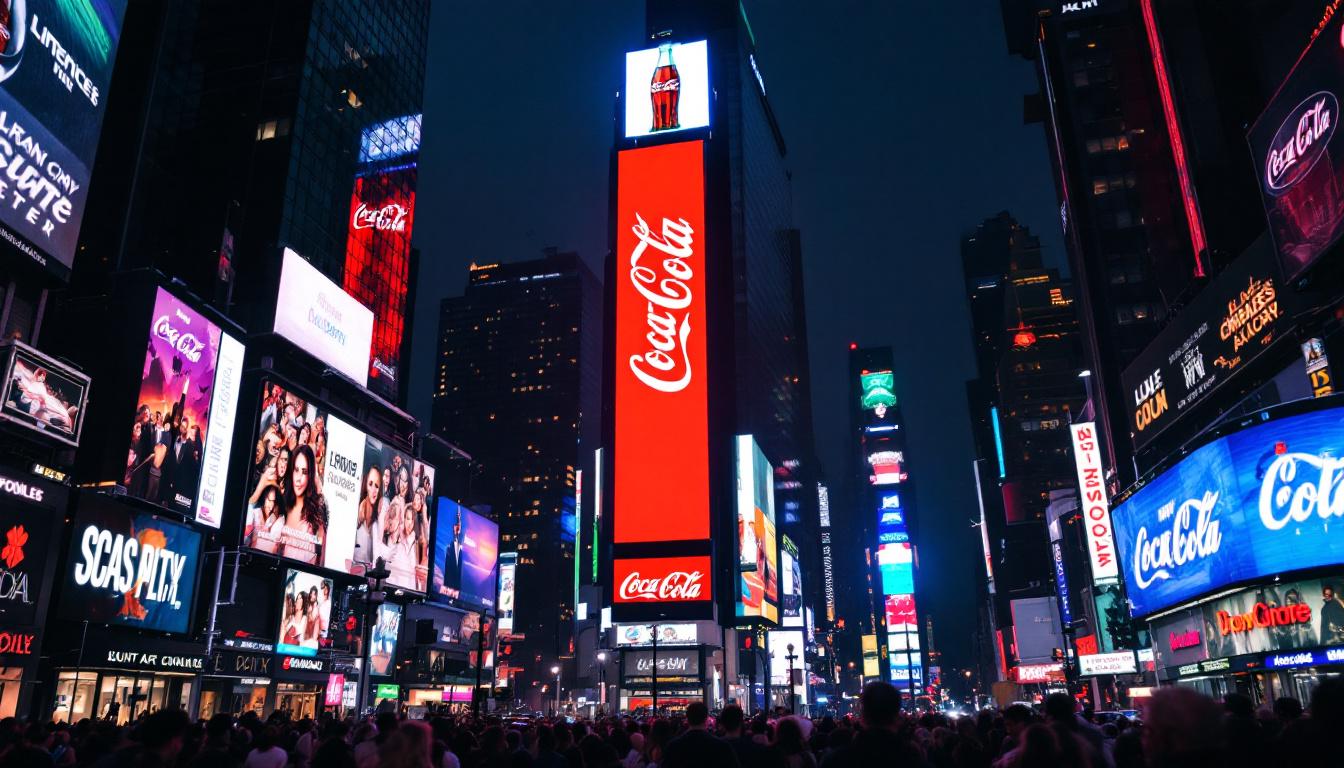
Times Square in New York City is renowned worldwide for its dazzling array of billboards and digital displays, creating an electrifying atmosphere that draws millions of visitors each year. Among these iconic advertisements, the Coca Cola billboard stands out as a symbol of innovation, branding excellence, and technological advancement. This article delves into the intricacies of the Coca Cola LED display in Times Square, exploring its design, technology, and impact on advertising in the digital age.
The Evolution of Coca Cola’s Times Square Billboard
The Coca Cola billboard in Times Square has undergone significant transformations since its first installation. Originally a static display, it has evolved into a dynamic LED spectacle that captures the attention of passersby with vibrant colors and engaging content.
In the early days, Coca Cola utilized traditional neon and printed billboards to promote its brand. However, as digital technology advanced, the company embraced LED (Light Emitting Diode) technology to create a more interactive and visually stunning presence. The transition to LED displays allowed for real-time content updates, animations, and even interactive campaigns, setting a new standard for outdoor advertising.
Historical Milestones
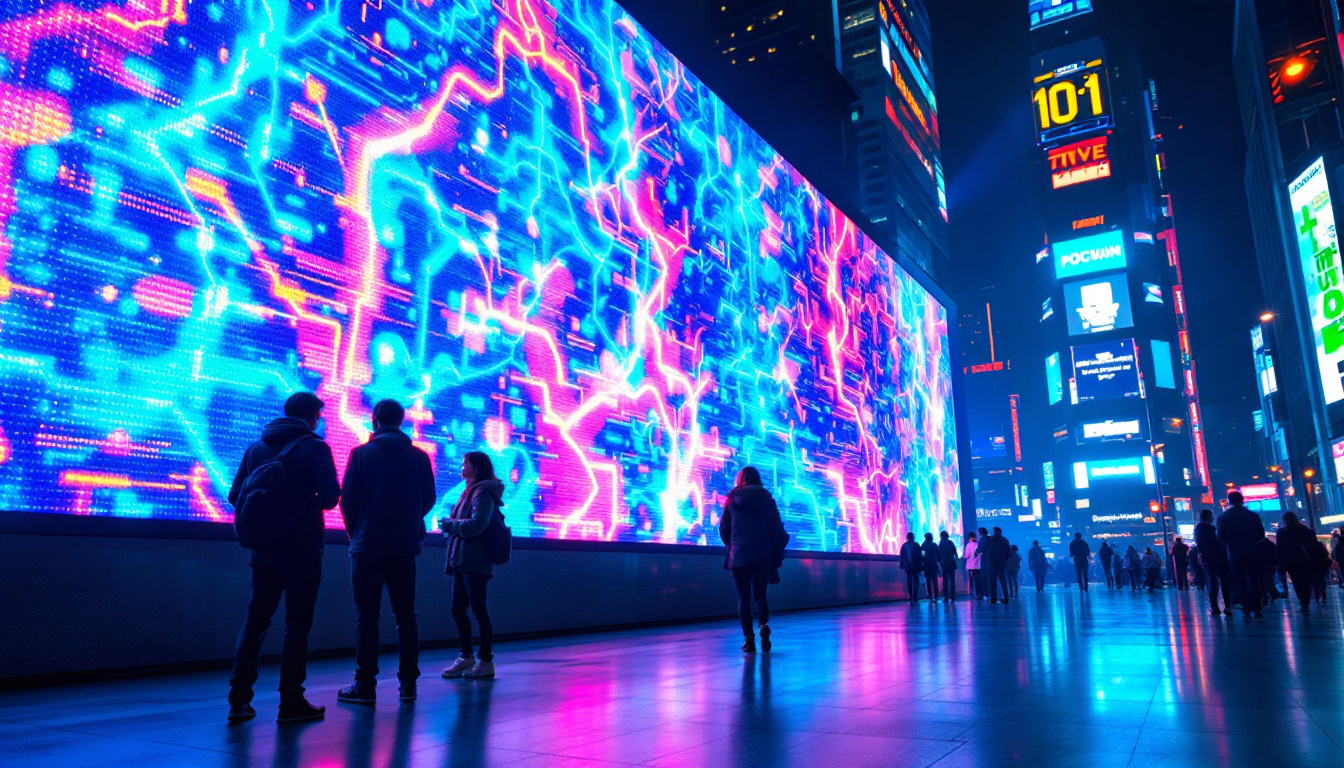
The original Coca Cola sign in Times Square dates back to the 1920s, featuring classic red and white neon lights. By the 1990s, the billboard had incorporated digital elements, but it was the 2017 redesign that marked a major leap forward. The new LED display, measuring approximately 68 feet wide and 42 feet tall, was unveiled with cutting-edge technology that enhanced brightness, color accuracy, and energy efficiency.
This evolution reflects Coca Cola’s commitment to maintaining a prominent and innovative presence in one of the world’s most competitive advertising markets. The billboard not only serves as a marketing tool but also as a cultural landmark, often featuring special campaigns during holidays and major events. For instance, during the holiday season, the display showcases festive animations that resonate with the spirit of the season, drawing in tourists and locals alike. Furthermore, Coca Cola has utilized the billboard to promote social causes, such as sustainability initiatives, which align with the brand’s values and engage a socially conscious audience.
As technology continues to advance, the potential for the billboard’s future transformations remains vast. Innovations such as augmented reality (AR) and artificial intelligence (AI) could further enhance the viewer’s experience, allowing for personalized content that interacts with the audience in real-time. This ongoing evolution not only highlights Coca Cola’s adaptability but also sets a precedent for how brands can leverage technology to create memorable and impactful advertising experiences in iconic locations like Times Square.
Understanding LED Technology in the Coca Cola Billboard
At the heart of the Coca Cola billboard’s visual appeal is LED technology, which has revolutionized outdoor advertising. LEDs are semiconductor devices that emit light when an electric current passes through them, offering numerous advantages over traditional lighting methods.
Key Features of LED Displays
LED displays are prized for their brightness, energy efficiency, and longevity. The Coca Cola billboard utilizes high-resolution LED panels that deliver vivid images even under direct sunlight, a critical feature for outdoor displays in a bustling environment like Times Square.
Additionally, LEDs consume significantly less power than neon or incandescent lights, aligning with Coca Cola’s sustainability goals. The billboard’s design incorporates thousands of individual LEDs arranged in a grid, enabling the display to show intricate animations, videos, and dynamic content with seamless transitions. This capability not only enhances the aesthetic appeal but also allows for real-time updates, making it possible to promote seasonal campaigns, special events, or even interactive content that engages passersby.
Pixel Pitch and Resolution
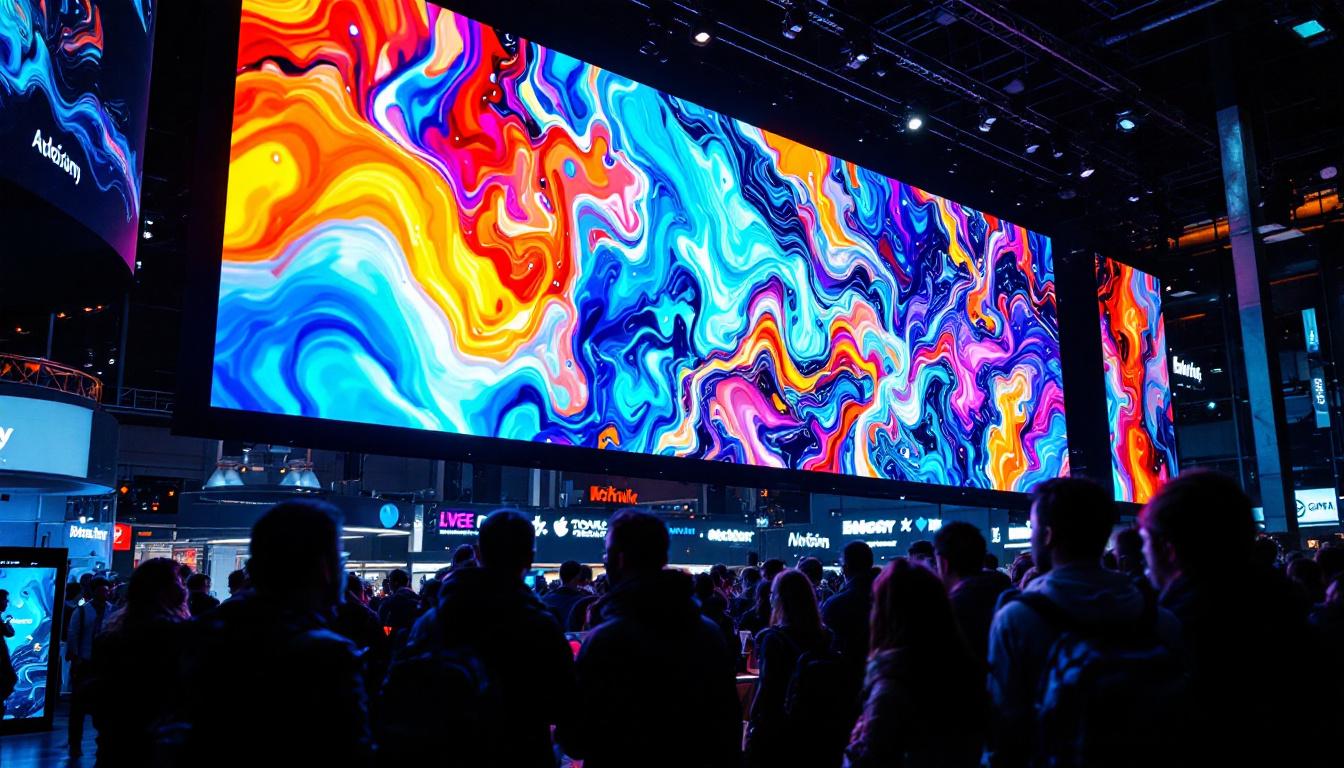
One of the technical aspects that determine the quality of an LED display is pixel pitch – the distance between the centers of two adjacent LEDs. The Coca Cola billboard features a fine pixel pitch, which means the LEDs are closely packed, resulting in sharper images and clearer text even at close viewing distances.
This high resolution is essential in Times Square, where viewers can be just a few feet away from the billboard or several hundred feet across the street. Maintaining clarity at varying distances ensures the advertisement remains impactful for all viewers. Furthermore, the billboard’s advanced technology allows for a wide color gamut, meaning it can reproduce a broader spectrum of colors. This capability is particularly beneficial for Coca Cola, as it can showcase its iconic red and white branding in a way that captures attention and evokes the brand’s refreshing essence. The interplay of light and color not only draws in crowds but also creates a memorable visual experience that resonates with the audience long after they have moved on.
Design and Content Strategy of the Coca Cola Billboard
The Coca Cola billboard is not just a technological marvel; it is also a masterclass in design and content strategy. The billboard’s content is carefully curated to resonate with a diverse audience, blending brand messaging with cultural relevance and interactive elements.
Visual Storytelling and Branding
Coca Cola’s branding is synonymous with happiness, refreshment, and togetherness. The billboard leverages these themes through vibrant visuals, iconic imagery, and compelling narratives. Seasonal campaigns, holiday greetings, and special event tie-ins are common, keeping the content fresh and engaging throughout the year.
For example, during the winter holiday season, the billboard often features animated snowflakes, festive colors, and messages that evoke warmth and celebration. This approach not only reinforces brand identity but also enhances the emotional connection with viewers.
Interactive and Real-Time Content
One of the standout features of the Coca Cola LED display is its ability to showcase real-time and interactive content. The billboard has been used to display live social media feeds, user-generated content, and interactive campaigns that encourage audience participation.
In 2020, Coca Cola launched a campaign where viewers could submit messages of hope and unity via social media, which were then displayed on the billboard in real time. This integration of digital engagement with physical advertising exemplifies modern marketing strategies that prioritize consumer interaction.
Technical Challenges and Solutions
Operating a massive LED billboard in Times Square comes with unique technical challenges. Factors such as weather conditions, ambient light, and maintenance require innovative solutions to ensure consistent performance.
Weather Resistance and Durability
The billboard’s LED panels are engineered to withstand harsh weather conditions, including rain, snow, and extreme temperatures. Protective coatings and robust housing protect sensitive electronic components from moisture and dust, ensuring longevity and reliability.
Regular maintenance schedules and remote monitoring systems help detect and address issues promptly, minimizing downtime and preserving the billboard’s visual integrity.
Brightness and Glare Management
Times Square is a highly illuminated environment, with numerous competing light sources. To maintain visibility without causing glare or light pollution, the Coca Cola billboard employs adaptive brightness controls. Sensors adjust the LED brightness based on ambient light levels, optimizing visibility while conserving energy.
The Impact of the Coca Cola Billboard on Advertising and Culture
The Coca Cola billboard in Times Square is more than just an advertisement; it is a cultural landmark and a benchmark for outdoor digital advertising. Its influence extends beyond marketing, contributing to the identity and vibrancy of Times Square itself.
Economic and Brand Value
Times Square billboards command some of the highest advertising rates globally, with the Coca Cola display being a prime example. The visibility and prestige associated with this location amplify the brand’s reach and reinforce its market leadership.
According to industry reports, digital billboard advertising in Times Square can generate millions of impressions daily, translating into significant brand exposure and consumer engagement. For Coca Cola, this presence supports global marketing efforts and sustains its image as a dynamic and forward-thinking brand.
Cultural Significance and Public Engagement
The billboard has become a part of the Times Square experience, often featured in films, television shows, and social media posts. Its dynamic content and interactive campaigns foster a sense of community and participation among viewers.
Moreover, the billboard’s ability to adapt content for social causes, celebrations, and public messages demonstrates how advertising spaces can serve broader societal functions, blending commerce with culture.
Future Trends and Innovations in LED Billboard Technology
The Coca Cola billboard continues to evolve alongside advancements in LED technology and digital marketing. Emerging trends promise to enhance its capabilities and impact further.
Integration with Augmented Reality (AR) and Artificial Intelligence (AI)
Future iterations of LED billboards are likely to incorporate AR and AI technologies to create immersive and personalized advertising experiences. For instance, passersby could interact with the billboard through their smartphones, triggering tailored content or virtual experiences.
AI-driven analytics can optimize content delivery based on real-time audience demographics and behavior, maximizing engagement and advertising efficiency.
Sustainability and Energy Efficiency
As environmental concerns grow, LED billboard technology is expected to become even more energy-efficient and sustainable. Innovations such as solar-powered displays, recyclable materials, and smart energy management systems will reduce the ecological footprint of large-scale digital advertising.
Conclusion
The Coca Cola billboard in Times Square exemplifies the fusion of cutting-edge LED technology, strategic design, and cultural relevance. Its evolution from a simple neon sign to a sophisticated digital display mirrors broader trends in advertising and technology, highlighting the importance of innovation and audience engagement.
As a landmark in one of the world’s busiest urban centers, the Coca Cola LED display not only promotes a globally recognized brand but also contributes to the dynamic visual landscape of Times Square. With ongoing advancements in technology and creative content strategies, the billboard will continue to captivate audiences and set new standards in outdoor advertising for years to come.
Illuminate Your Brand with LumenMatrix
As you’ve seen with the Coca Cola billboard in Times Square, LED technology is at the forefront of advertising innovation, offering unparalleled opportunities for brand storytelling and audience engagement. LumenMatrix, a leader in LED display technology, provides an extensive range of solutions designed to bring your brand to life. From Indoor and Outdoor LED Wall Displays to specialized options like Vehicle, Sports, and Floor LED Displays, LumenMatrix tailors to every need. Embrace the future of visual communication with our Custom, All-in-One, and Transparent LED Displays. Check out LumenMatrix LED Display Solutions and transform your brand’s visibility with captivating visual experiences that resonate with audiences worldwide.