In recent years, LED technology has transformed many aspects of automotive design and functionality. One of the most innovative applications is the use of LED panels for car windows. These displays are not only reshaping how drivers communicate and customize their vehicles but are also influencing safety, advertising, and entertainment on the move. This article explores the fundamentals of LED panels for car windows, their benefits, technological underpinnings, and practical considerations for users and manufacturers alike.
Understanding LED Panels for Car Windows
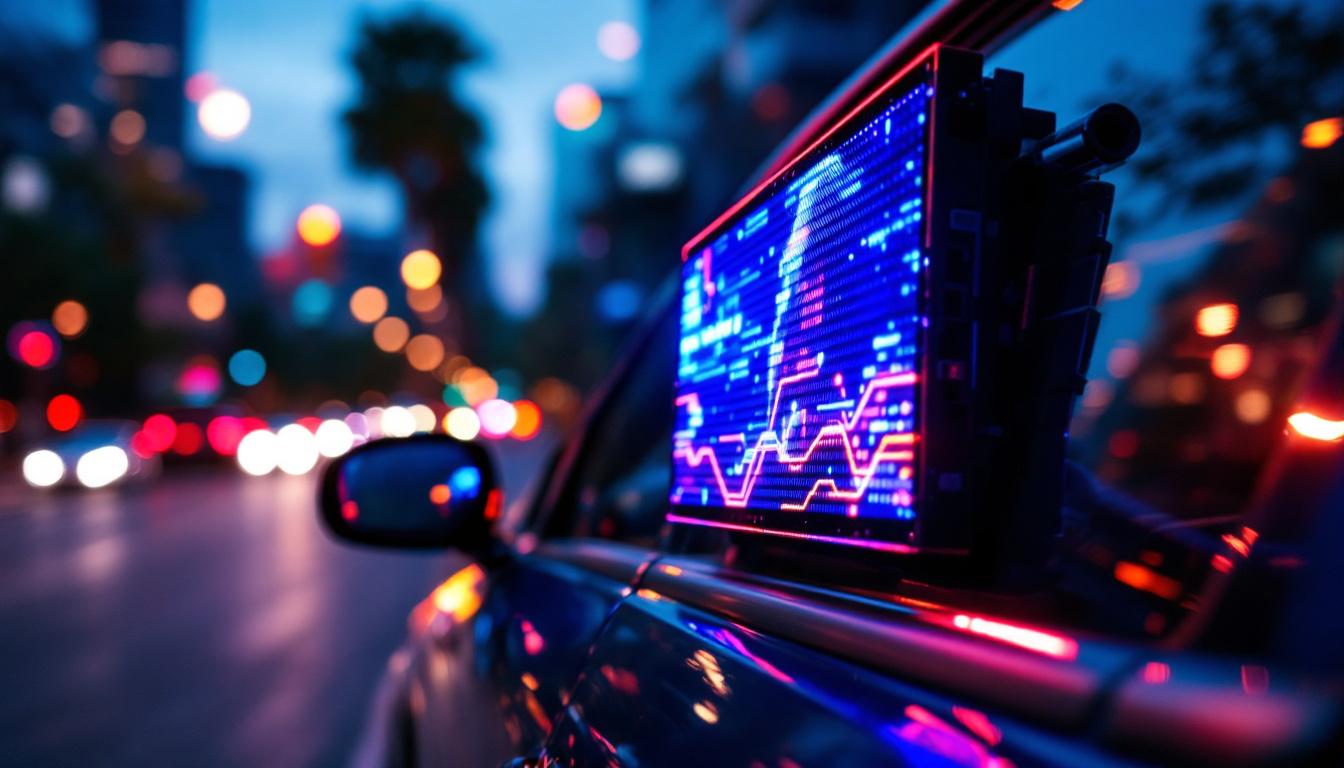
LED panels designed for car windows are specialized displays that integrate light-emitting diodes (LEDs) into or onto the glass surfaces of vehicles. Unlike traditional static decals or stickers, these panels can dynamically display text, images, animations, or videos. This capability opens up a wide range of applications, from personalized messages to real-time information sharing. For example, drivers can use these panels to convey greetings, advertise local businesses, or even display safety messages during emergencies, enhancing both communication and engagement on the road.
Typically, these LED displays are made using flexible or transparent LED modules that maintain visibility and safety while allowing the driver to see through the window. Advances in materials science and electronics have enabled the creation of panels that are lightweight, energy-efficient, and weather-resistant, making them suitable for automotive environments. Furthermore, many of these panels are designed to withstand extreme temperatures and harsh weather conditions, ensuring that they remain functional and visually appealing regardless of the climate.
Types of LED Panels for Car Windows
There are primarily two types of LED panels used for car windows:
- Transparent LED Displays: These panels use a mesh or grid of LEDs embedded within a transparent substrate, allowing light to pass through while still displaying bright visuals. They are ideal for rear or side windows where visibility is crucial. This type of display is particularly popular among rideshare drivers who want to promote their services or provide information to passengers without compromising safety.
- Flexible LED Panels: Made from bendable materials, these panels can conform to curved window surfaces. They are often used for decorative or advertising purposes on side windows or sunroofs. The flexibility of these panels allows for creative designs that can wrap around the contours of a vehicle, providing a unique canvas for artistic expression or brand promotion.
Each type balances display quality, transparency, and installation complexity differently, so choosing the right panel depends on the intended use and vehicle type. Additionally, the integration of smart technology into these LED panels is becoming increasingly common, allowing for features such as remote control via smartphone apps, programmable messages, and even synchronization with navigation systems to provide real-time updates to drivers and passengers alike. This evolution not only enhances functionality but also transforms the way vehicles communicate with their surroundings, paving the way for innovative uses in the future.
Applications of LED Panels on Car Windows
The versatility of LED panels has led to a surge in innovative applications, transforming car windows into interactive and multifunctional surfaces.
Safety and Communication
One of the most compelling uses of LED panels on car windows is enhancing road safety. For example, LED displays can show turn signals, braking alerts, or emergency messages visible to other drivers and pedestrians. This additional layer of communication can reduce accidents, especially in poor visibility conditions.
Moreover, ride-sharing and delivery vehicles can use LED panels to display driver identification or order status, improving transparency and customer experience. Some experimental systems even enable drivers to display custom messages, such as warnings or greetings, fostering better interaction on the road.
In addition to these practical applications, LED panels can serve as a platform for public service announcements, such as alerts about severe weather or road closures. This capability allows local authorities to communicate important information quickly and effectively, potentially saving lives and enhancing community safety. Furthermore, as technology advances, we may see the integration of AI-driven systems that can analyze traffic patterns and automatically adjust the messages displayed based on real-time conditions, further improving the overall safety of the driving experience.
Advertising and Marketing
Car window LED panels have become a popular tool for mobile advertising. Businesses can display dynamic ads on fleet vehicles, taxis, or personal cars, reaching a broad audience in urban environments. The ability to update content remotely and schedule different ads based on location or time makes LED panels a cost-effective marketing solution.
According to recent market research, digital out-of-home advertising, including vehicle-based LED displays, is expected to grow by over 10% annually through 2027. This trend highlights the increasing demand for innovative, eye-catching advertising mediums.
Moreover, brands are leveraging the interactive capabilities of these LED panels to engage consumers more deeply. For instance, some campaigns allow passersby to interact with the display through their smartphones, enabling them to receive discounts or enter contests simply by scanning a QR code. This level of engagement not only enhances brand visibility but also fosters a sense of community as consumers feel more connected to the brands they encounter on the road.
Customization and Entertainment
Car enthusiasts and tech-savvy drivers are also adopting LED panels for personalization. From displaying custom graphics and animations to syncing visuals with music or ambient lighting, these displays add a new dimension to vehicle aesthetics.
Some advanced systems integrate with smartphone apps, allowing users to control the displayed content in real-time. This level of customization appeals to younger demographics and those interested in automotive tech trends.
Additionally, the entertainment potential of LED panels is expanding beyond mere visuals. Some manufacturers are exploring the integration of augmented reality (AR) features, where drivers and passengers can experience interactive content that overlays the real world. Imagine a road trip where the car’s windows display scenic information about landmarks as you pass by, or even gaming experiences that involve the car’s surroundings. This fusion of technology and entertainment could redefine the way we perceive travel, making it not just a means of transportation but an engaging journey filled with interactive experiences.
Technical Aspects of LED Panels for Car Windows
To appreciate the capabilities and limitations of LED panels on car windows, it is important to understand their technical components and operational principles.
LED Technology and Display Resolution
LEDs are semiconductor devices that emit light when an electrical current passes through them. The brightness, color, and energy efficiency of LEDs have improved dramatically, making them suitable for outdoor and automotive applications.
Display resolution on car window LED panels varies depending on the density of LEDs per square inch. Higher resolution allows for clearer and more detailed images but requires more complex electronics and power. Manufacturers often balance resolution with transparency and cost to meet specific use cases.
Power Consumption and Integration
Power efficiency is critical in automotive LED panels since they draw energy from the vehicle’s electrical system. Modern LED panels use low-voltage DC power and incorporate energy-saving features such as automatic brightness adjustment based on ambient light.
Integration with the car’s electrical and control systems ensures that the LED panel operates safely without interfering with essential vehicle functions. Some panels connect via CAN bus or Bluetooth for remote control and diagnostics.
Durability and Weather Resistance
Car windows are exposed to harsh environmental conditions, including rain, dust, temperature fluctuations, and mechanical stress. LED panels must be ruggedized with waterproof coatings, UV-resistant materials, and shock-absorbing mounts to maintain performance and longevity.
Automotive-grade certifications and rigorous testing protocols ensure that LED panels meet safety and durability standards required for road use.
Installation and Legal Considerations
While LED panels offer exciting possibilities, installing them on car windows requires careful attention to safety, legality, and vehicle compatibility.
Installation Best Practices
Professional installation is recommended to ensure that LED panels do not obstruct the driver’s view or interfere with window operation. Panels should be securely mounted to prevent detachment during driving and wired properly to avoid electrical hazards.
Many manufacturers provide installation kits and detailed guidelines to facilitate safe and effective setup. Additionally, some LED panels are designed for easy removal, allowing users to switch displays or upgrade components.
Legal Regulations and Compliance
Regulations governing the use of LED displays on vehicles vary widely by country and region. Common restrictions include:
- Prohibiting displays that distract other drivers or mimic emergency vehicle lights.
- Limiting the brightness and color spectrum to prevent glare or confusion.
- Restricting the placement of LED panels to avoid obstructing driver visibility.
Before installing an LED panel on a car window, it is essential to consult local traffic laws and obtain any necessary permits. Non-compliance can result in fines or forced removal of the display.
Future Trends and Innovations
The field of automotive LED displays is rapidly evolving, driven by advances in materials, connectivity, and artificial intelligence.
Smart and Interactive Displays
Future LED panels are expected to incorporate sensors and AI to adapt content based on driving conditions, traffic, or nearby vehicles. For instance, a car could automatically display a warning if it detects a pedestrian or alert other drivers about hazardous road conditions.
Interactive features may also allow pedestrians to communicate with vehicles via the LED display, enhancing urban mobility and safety.
Integration with Autonomous Vehicles
As autonomous vehicles become more prevalent, LED panels on car windows will play a crucial role in signaling vehicle intentions. Clear visual communication can build trust between self-driving cars and human road users, facilitating smoother traffic flow and reducing accidents.
Energy Harvesting and Sustainability
Innovations in energy harvesting, such as integrating solar cells with LED panels, could make these displays self-powered and more sustainable. This approach aligns with the growing emphasis on green automotive technologies and reducing the environmental impact of vehicles.
Conclusion
LED panels for car windows represent a convergence of technology, design, and functionality that is transforming the automotive landscape. From improving safety and communication to enabling dynamic advertising and personalization, these displays offer versatile benefits for drivers, businesses, and pedestrians alike.
Understanding the types, applications, technical requirements, and legal considerations is essential for anyone interested in adopting this technology. As LED display technology continues to advance, it promises to bring even more innovative and impactful solutions to the automotive world.
Whether for practical use or creative expression, LED panels on car windows are set to become a common and valuable feature on roads worldwide.
Illuminate Your Drive with LumenMatrix
As you consider the vast potential of LED panels for car windows, imagine the possibilities with LumenMatrix’s advanced solutions. Our commitment to innovation ensures that whether you’re looking to enhance safety, boost your marketing efforts, or simply express your unique style, our range of LED display modules is designed to meet your needs. From transparent displays that offer seamless integration with your vehicle to custom solutions that capture the essence of your brand, LumenMatrix is here to revolutionize your visual communication on the road. Check out LumenMatrix LED Display Solutions today and take the first step towards a brighter, more engaging driving experience.