In today’s technology-driven world, display screens are an essential part of everyday life. From smartphones and televisions to digital signage and automotive dashboards, the quality and type of display technology significantly influence user experience. Among the various display technologies, LCD (Liquid Crystal Display) screens with LED (Light Emitting Diode) backlighting have become the industry standard. This article delves into the relationship between LCD and LED displays, explains the technology behind them, and explores the role of LCD screen manufacturers in shaping the future of display technology.
Understanding LCD and LED Technologies
What is an LCD Screen?
LCD, or Liquid Crystal Display, is a flat-panel display technology that uses liquid crystals to modulate light and produce images. Unlike older cathode ray tube (CRT) displays, LCDs are thinner, lighter, and consume less power, making them ideal for portable devices and large-screen applications alike.
The core principle behind LCD technology is the manipulation of liquid crystals that can either block or allow light to pass through when an electric current is applied. However, LCDs themselves do not emit light; they require a backlight to illuminate the pixels and make the image visible. This backlighting is typically provided by either CCFLs or LEDs, with the latter being more common in modern displays due to their efficiency and brightness. Additionally, advancements in LCD technology, such as in-plane switching (IPS) and twisted nematic (TN) panels, have improved color accuracy and viewing angles, catering to a wide range of consumer needs from gaming to professional graphic design.
What Does LED Mean in Displays?
LED stands for Light Emitting Diode, a semiconductor device that emits light when an electric current passes through it. In the context of displays, LEDs are primarily used as backlighting sources for LCD panels. This combination is often referred to as LED-LCD or simply LED displays, though it’s important to note that the display itself remains an LCD.
LED backlighting offers several advantages over older cold cathode fluorescent lamp (CCFL) backlighting, including better energy efficiency, improved brightness, thinner panel designs, and enhanced color accuracy. Moreover, the use of local dimming technology in LED displays allows for more precise control over backlighting in different areas of the screen, resulting in improved contrast and a more immersive viewing experience. This technology is particularly beneficial for watching movies or playing video games, where dark scenes can appear richer and more detailed. As a result, LED displays have become the standard for televisions and computer monitors alike, appealing to both casual viewers and enthusiasts.
Distinguishing Between LED Displays and OLED Displays
While LED-LCD displays use LEDs solely for backlighting, OLED (Organic Light Emitting Diode) displays operate on a different principle. OLEDs emit light directly from each pixel, eliminating the need for a backlight. This results in deeper blacks, higher contrast ratios, and more flexible display designs. The ability of OLEDs to turn off individual pixels completely leads to stunning visuals, especially in dark scenes, where traditional LCDs might struggle to achieve true black levels.
Despite the growing popularity of OLED technology, LED-LCD displays remain dominant in many sectors due to their cost-effectiveness, durability, and scalability for large screens. Additionally, the longevity of LED-LCD displays is often cited as an advantage, as OLED screens can suffer from burn-in issues over time. This makes LED-LCD displays a preferred choice for applications where static images are frequently displayed, such as in digital signage and certain gaming scenarios. As technology continues to evolve, both display types are likely to coexist, catering to different preferences and use cases in the ever-expanding market of visual technology.
The Role of LCD Screen Manufacturers in the LED Display Market
Key Players and Market Dynamics
The global LCD panel market is highly competitive and dominated by a handful of major manufacturers, primarily based in East Asia. Companies such as Samsung Display, LG Display, BOE Technology Group, and Innolux Corporation lead the industry with advanced manufacturing capabilities and significant research and development investments.
These manufacturers produce LCD panels with LED backlighting for a variety of applications, ranging from consumer electronics to industrial and automotive displays. Their ability to innovate in areas like resolution, refresh rates, and energy efficiency directly impacts the quality and performance of LED-LCD displays available to consumers.
Manufacturing Processes and Technological Innovations
Producing high-quality LCD panels with LED backlighting involves complex manufacturing processes, including thin-film transistor (TFT) array fabrication, liquid crystal alignment, and LED backlight assembly. Advances in these areas have enabled manufacturers to deliver displays with higher resolutions such as 4K and 8K, faster response times, and wider color gamuts.
One notable innovation is the development of mini-LED and micro-LED backlighting technologies. Mini-LEDs are smaller LEDs that allow for more precise local dimming zones, enhancing contrast and black levels. Micro-LEDs, while still emerging, promise self-emissive displays with superior brightness and longevity, potentially bridging the gap between traditional LED-LCD and OLED technologies.
Quality Control and Environmental Considerations
LCD screen manufacturers adhere to stringent quality control standards to ensure uniformity, color accuracy, and durability. Given the complexity of LED backlighting systems, manufacturers invest heavily in testing and calibration to minimize issues such as light bleed, uneven brightness, and color shifts.
Environmental sustainability is also a growing focus. Manufacturers are increasingly adopting eco-friendly materials and energy-efficient production methods. Additionally, LED backlighting contributes to lower power consumption compared to older technologies, aligning with global efforts to reduce carbon footprints.
Applications and Advantages of LED-LCD Displays
Consumer Electronics
LED-LCD screens dominate the consumer electronics market, including televisions, computer monitors, laptops, tablets, and smartphones. Their affordability, reliability, and ability to produce bright, vibrant images make them ideal for these devices.
For example, the global 4K TV market has seen explosive growth, with LED-LCD panels being the preferred choice due to their cost-effectiveness and compatibility with high-resolution content. According to recent market analysis, over 80% of global TV shipments in 2023 were LED-LCD models.
Digital Signage and Commercial Displays
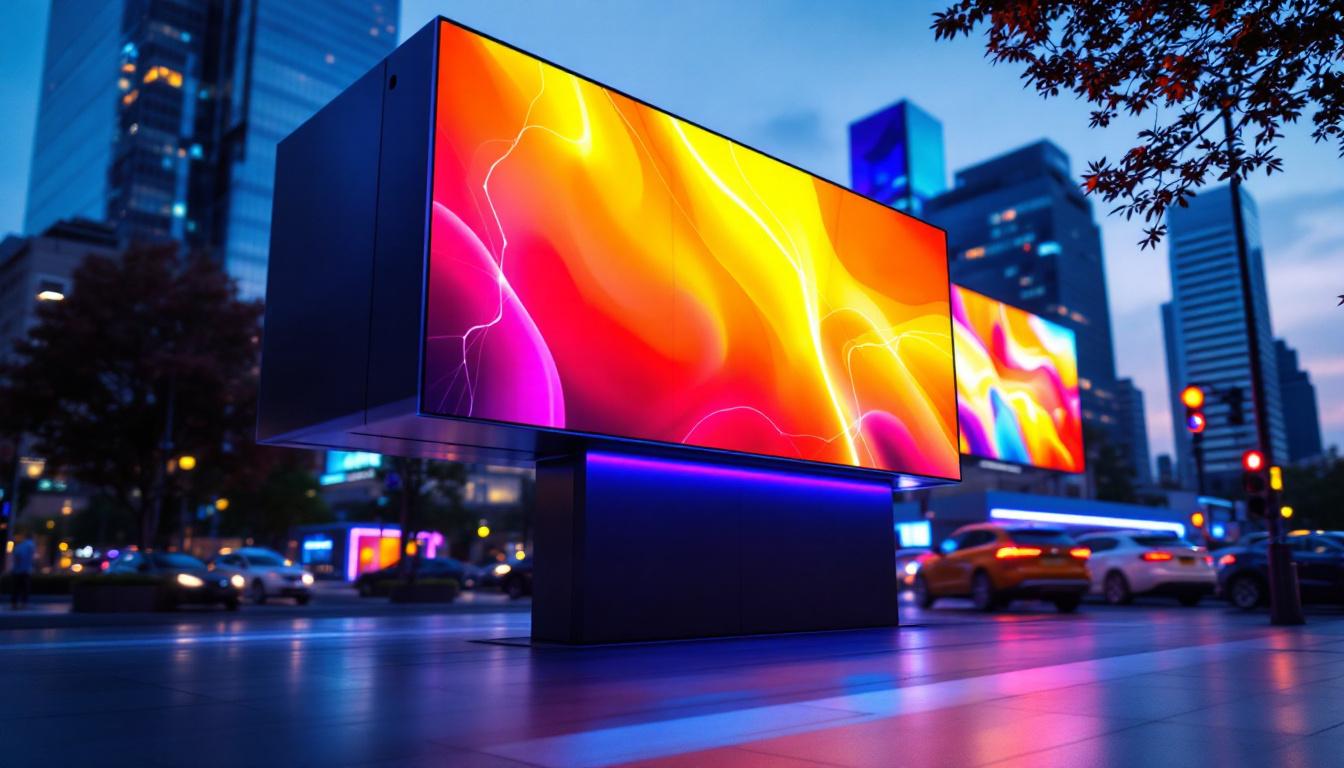
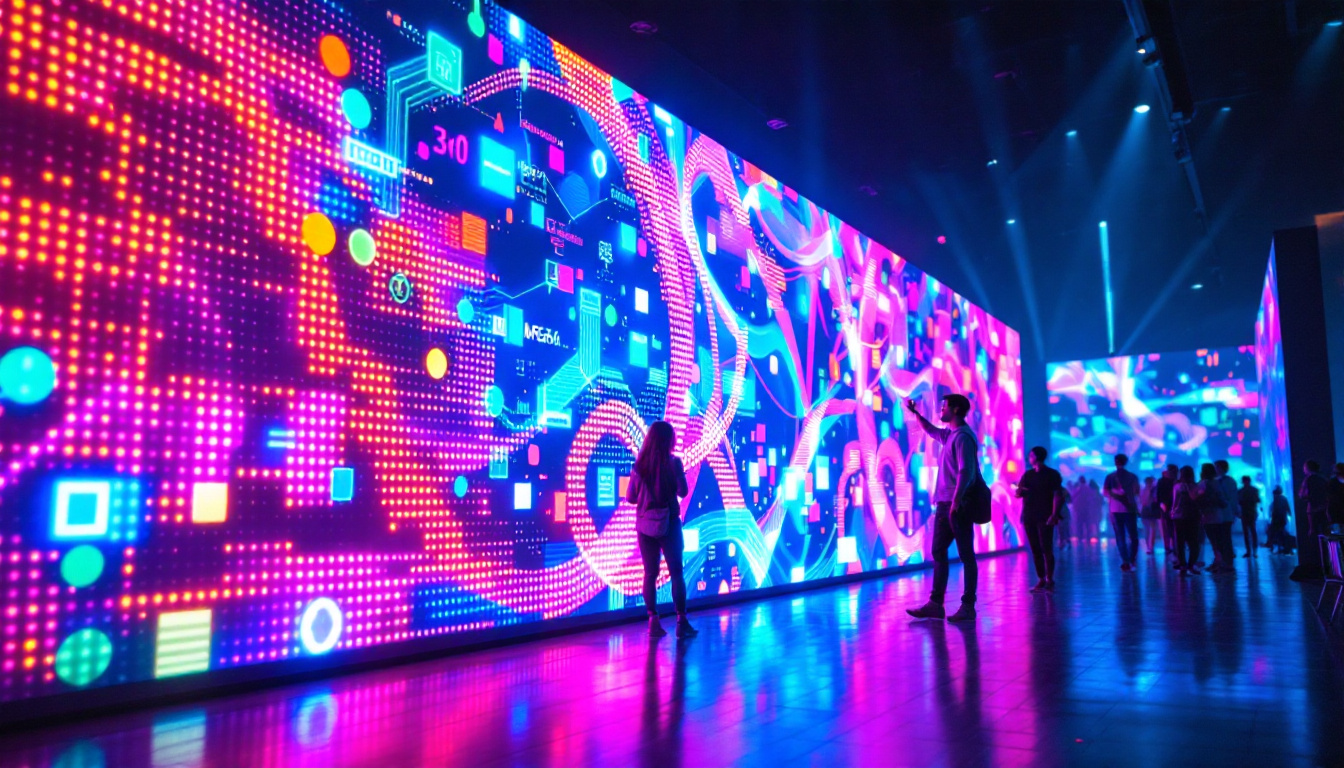
In commercial settings, LED-LCD displays are widely used for digital signage, advertising billboards, and information kiosks. Their high brightness levels and energy efficiency make them suitable for both indoor and outdoor environments.
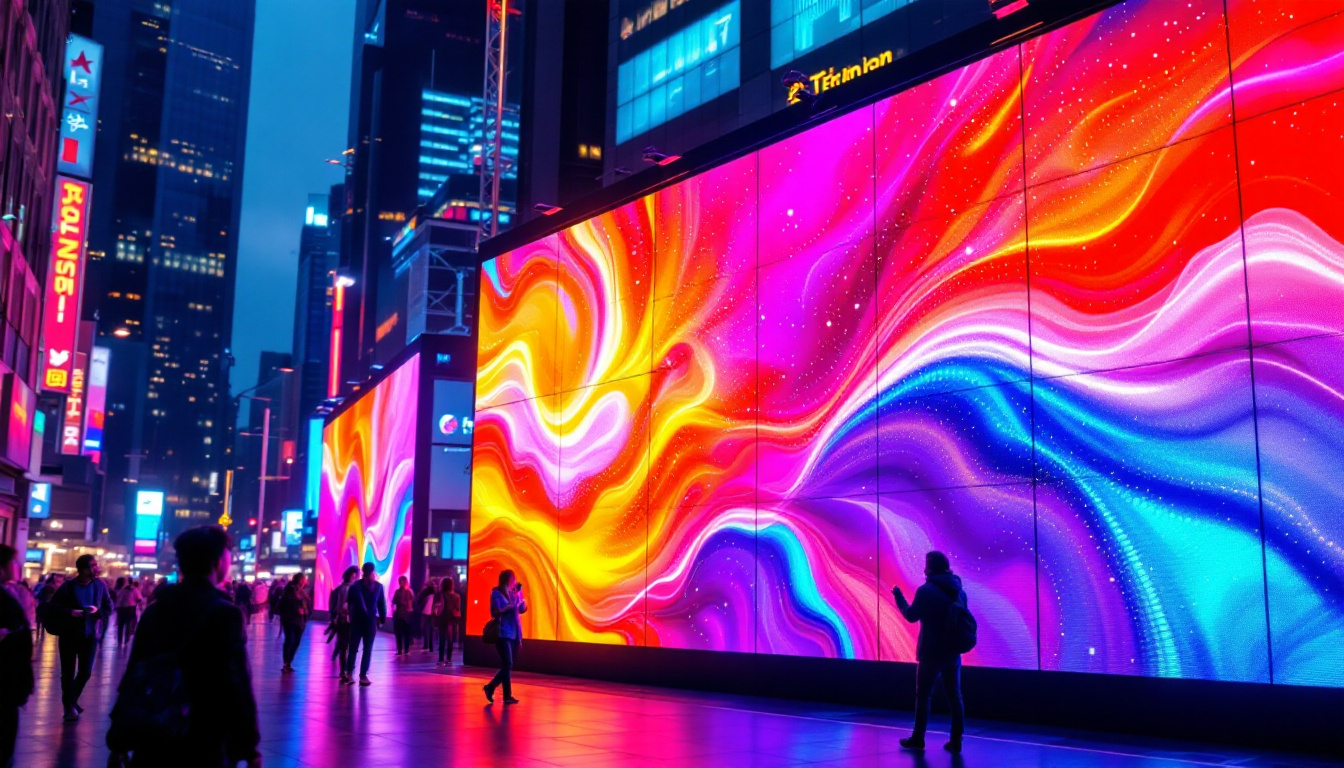
Manufacturers often customize these displays with robust enclosures and enhanced durability features to withstand environmental factors. The scalability of LED-LCD technology allows for large-format displays that can be tiled seamlessly for impactful visual presentations.
Automotive and Industrial Applications
The automotive industry increasingly relies on LED-LCD displays for instrument clusters, infotainment systems, and heads-up displays. These screens must meet rigorous standards for visibility under various lighting conditions and durability against vibrations and temperature fluctuations.
Industrial applications benefit from LED-LCD technology’s reliability and clarity, especially in control rooms, medical imaging, and aerospace displays. Manufacturers tailor these panels to meet specific industry requirements, including enhanced color accuracy and anti-glare coatings.
Future Trends in LCD and LED Display Technologies
Mini-LED and Micro-LED Integration
As mentioned earlier, mini-LED technology is gaining traction as a superior backlighting solution for LCD panels. By using thousands of tiny LEDs, manufacturers can achieve finer local dimming control, resulting in better contrast and reduced halo effects around bright objects on dark backgrounds.
Micro-LED technology, although still in developmental stages for mass production, holds promise for revolutionizing display quality by combining the benefits of LED brightness and OLED’s self-emissive pixel control without the drawbacks of burn-in or limited lifespan.
Flexible and Transparent Displays
Advancements in materials and manufacturing techniques are enabling the production of flexible and transparent LCD panels with LED backlighting. These innovations open new possibilities for wearable devices, foldable smartphones, and augmented reality applications.
Manufacturers are actively investing in research to overcome challenges related to durability and image quality in flexible displays, aiming to bring these futuristic concepts to mainstream markets within the next decade.
Energy Efficiency and Environmental Impact
With increasing global emphasis on sustainability, LCD screen manufacturers are prioritizing energy-efficient designs. LED backlighting inherently consumes less power than older technologies, but ongoing improvements focus on reducing overall panel power consumption through smarter backlight management and more efficient LEDs.
Moreover, manufacturers are exploring recyclable materials and reducing hazardous substances in their production processes, aligning with international environmental regulations and consumer demand for greener products.
Choosing the Right LCD Screen Manufacturer for Your Needs
Factors to Consider
When selecting an LCD screen manufacturer, it is crucial to evaluate several factors including product quality, technological capabilities, customization options, and after-sales support. Leading manufacturers typically offer a broad range of panel sizes, resolutions, and backlighting configurations to suit diverse applications.
Additionally, consider the manufacturer’s track record in innovation and compliance with industry standards. Certifications such as ISO 9001 for quality management and RoHS compliance for environmental safety can serve as indicators of reliability.
Collaborating for Tailored Solutions
Many industries require customized display solutions to meet specific performance criteria. Partnering with an experienced LCD screen manufacturer can facilitate the development of tailored products, such as ruggedized displays for harsh environments or ultra-high-brightness panels for outdoor use.
Effective collaboration also ensures that integration with other system components is seamless, enhancing overall device performance and user satisfaction.
Conclusion
The synergy between LCD technology and LED backlighting has transformed the display industry, offering a versatile, energy-efficient, and high-quality solution for a vast array of applications. LCD screen manufacturers play a pivotal role in advancing this technology, driving innovation in resolution, brightness, and form factors while addressing environmental concerns.
As the display landscape evolves with emerging technologies like mini-LED, micro-LED, and flexible panels, understanding the fundamentals of LED-LCD displays and the capabilities of leading manufacturers is essential for businesses and consumers alike. Choosing the right manufacturer and staying informed about technological trends will ensure access to cutting-edge displays that meet the demands of an increasingly visual world.
Discover LumenMatrix’s Advanced LED Display Solutions
Embrace the future of visual technology with LumenMatrix, a leader in LED display innovation. Whether you’re seeking to elevate your brand’s presence or create immersive visual experiences, LumenMatrix offers a comprehensive range of LED display modules tailored to your needs. From Indoor and Outdoor LED Walls to specialized solutions like Vehicle Displays, Sports Displays, and even Custom LED configurations, we have the technology to bring your vision to life. Explore our cutting-edge LED Display Solutions and join the revolution in visual communication, ensuring your message resonates with brilliance and precision.