In today’s digital age, the quality of visual displays plays a crucial role in how we consume information, entertainment, and advertising. Among the various display technologies, LED displays have become increasingly popular due to their vibrant colors, energy efficiency, and versatility. This article delves into the world of HD LED displays, explaining what they are, how they work, and why they have become the preferred choice for many applications ranging from televisions to large-scale outdoor billboards.
Understanding LED Display Technology
What is an LED Display?
LED stands for Light Emitting Diode, a semiconductor device that emits light when an electric current passes through it. An LED display is essentially a flat panel that uses an array of these tiny light-emitting diodes to create images. Unlike traditional LCD (Liquid Crystal Display) screens that rely on backlighting, LED displays use the diodes themselves as the light source, which results in higher brightness and better contrast. This inherent capability allows LED displays to be used in a variety of settings, from dimly lit environments to bright outdoor spaces, making them incredibly versatile.
LED displays can be found in various forms, including small indicator lights, large television screens, and massive outdoor video walls. The technology behind these displays has evolved significantly, enabling high-definition (HD) resolutions that offer crisp, clear images with rich color depth. Furthermore, advancements in LED technology, such as the introduction of organic LEDs (OLEDs) and microLEDs, have pushed the boundaries of display quality even further, allowing for thinner panels, increased flexibility, and improved energy efficiency. These innovations not only enhance the viewing experience but also open new avenues for creative applications in advertising, art, and entertainment.
Types of LED Displays
There are primarily two types of LED displays used in consumer and commercial products: Direct View LED and LED-backlit LCD.
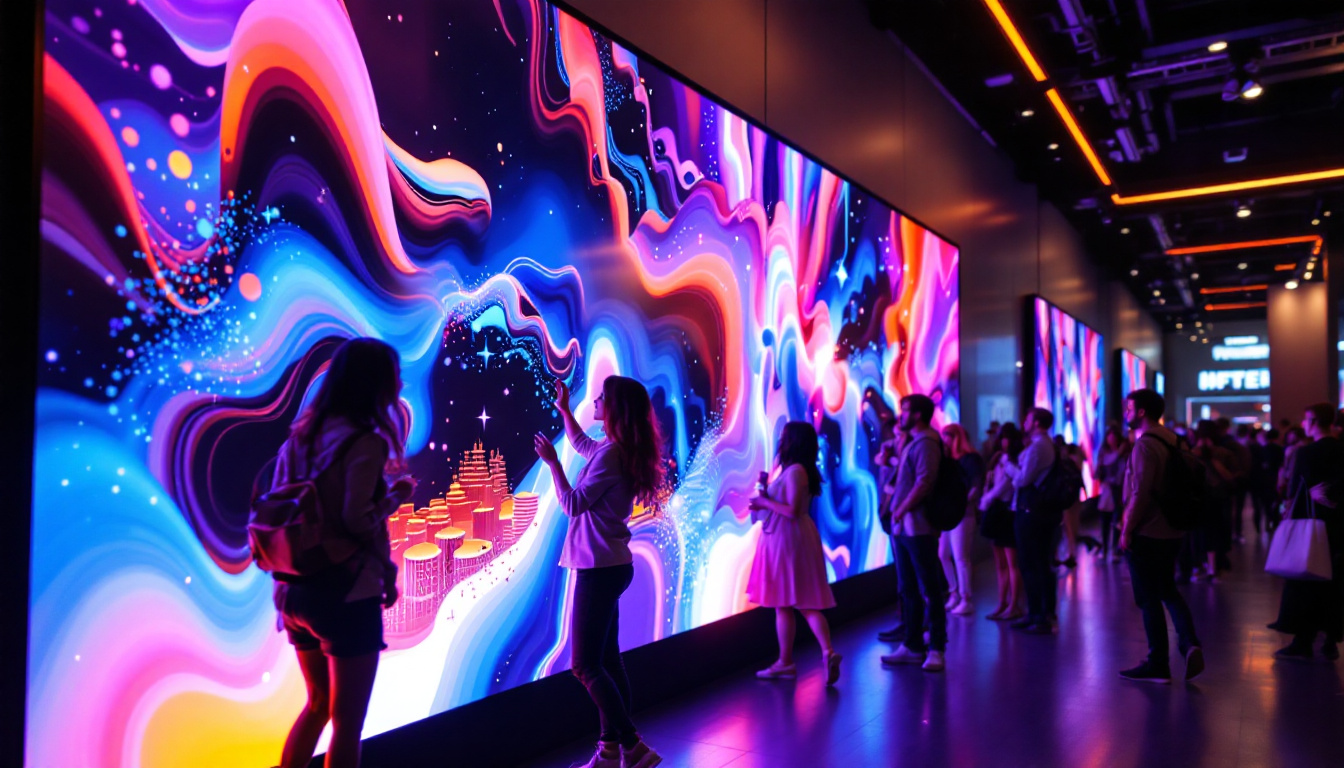
- Direct View LED Displays: These displays use individual LEDs as pixels. Each pixel is made up of red, green, and blue LEDs that combine to produce a full spectrum of colors. This type is commonly used in large outdoor screens, stadium displays, and digital billboards. The ability to create vibrant and dynamic visuals makes Direct View LED displays particularly popular for events and advertising, where capturing attention is crucial.
- LED-backlit LCD Displays: These are LCD screens that use LEDs as the backlight instead of traditional fluorescent tubes. This hybrid approach improves brightness, contrast, and energy efficiency compared to older LCD models. Additionally, LED-backlit LCDs have become the standard for televisions and computer monitors, offering consumers a balance of performance and affordability.
For HD content, Direct View LED displays are often preferred because they offer superior color accuracy, brightness, and viewing angles, especially in large formats. The pixel density and arrangement in these displays allow for seamless integration of images, making them ideal for immersive experiences such as virtual reality and gaming. As technology continues to advance, we may see even more innovative uses for LED displays, such as in augmented reality applications and interactive installations, further blurring the lines between digital and physical environments.
How HD LED Displays Work
Pixel Structure and Resolution
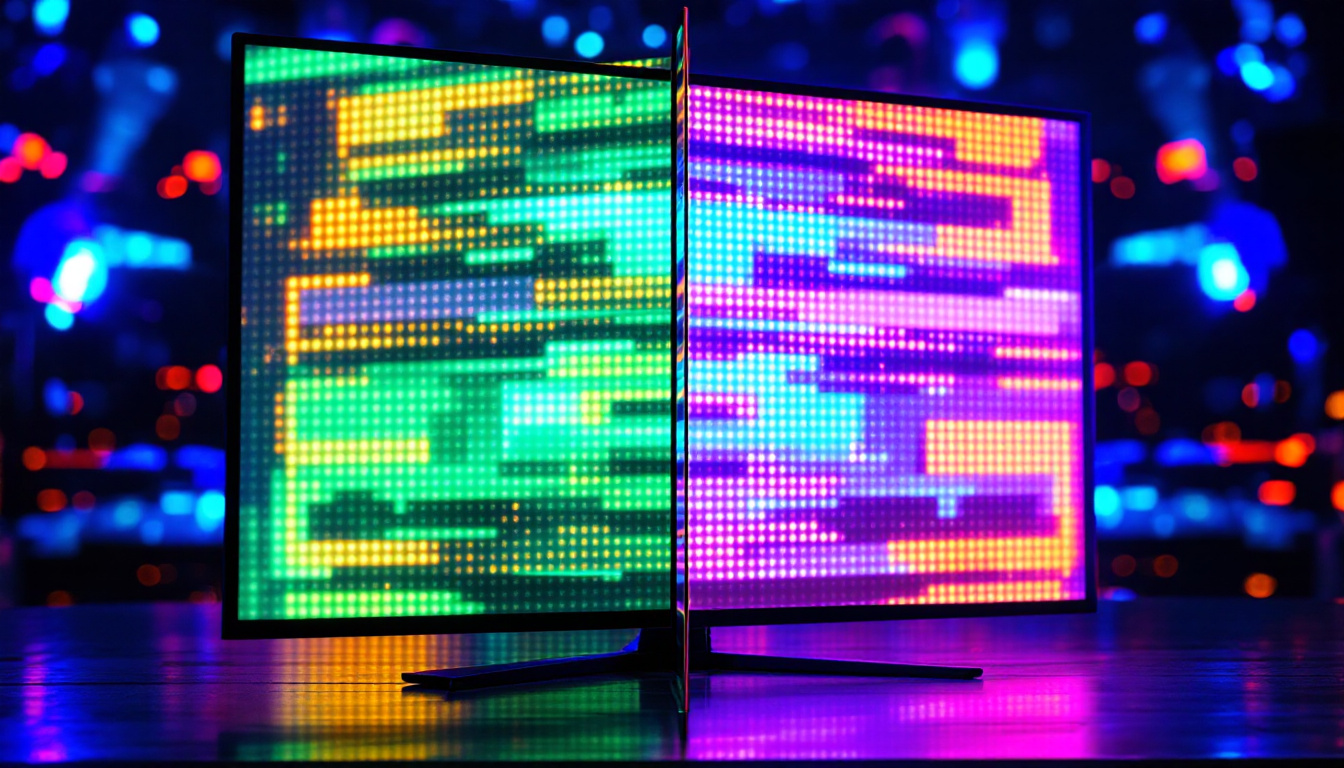
High-definition (HD) refers to a resolution of at least 1280×720 pixels, with Full HD being 1920×1080 pixels. In LED displays, each pixel consists of three sub-pixels: red, green, and blue LEDs. By varying the intensity of these sub-pixels, the display can produce millions of colors. This intricate pixel structure allows for a dynamic range of colors and shades, making images appear more vibrant and lifelike. The technology behind these pixels has advanced significantly, enabling finer gradations in color and smoother transitions, which are crucial for high-quality video playback.
The resolution of an LED display depends on the number of pixels per unit area, often described as pixel pitch—the distance between the centers of two adjacent pixels. A smaller pixel pitch means more pixels can fit into the same area, resulting in sharper images and finer detail, which is essential for HD quality. As technology progresses, manufacturers are continually developing displays with even smaller pixel pitches, allowing for ultra-high-definition (UHD) resolutions that can reach 3840×2160 pixels and beyond. This leap in resolution not only enhances the viewing experience but also opens up new possibilities for applications in fields such as medical imaging and graphic design, where precision is paramount.
Brightness and Contrast
One of the key advantages of LED displays is their ability to achieve high brightness levels. Typical LED screens can reach brightness levels of 1,000 to 5,000 nits or more, which makes them visible even in direct sunlight. This feature is particularly important for outdoor applications such as digital signage and sports arenas. In addition to outdoor visibility, high brightness levels also enhance the viewing experience in brightly lit environments, allowing users to enjoy content without straining their eyes. Moreover, advancements in LED technology have led to the development of displays that can adjust their brightness automatically based on ambient light conditions, further improving usability.
Contrast ratio—the difference between the darkest black and the brightest white—is another critical factor. Direct View LED displays can achieve extremely high contrast ratios because individual LEDs can be turned off completely to produce true blacks, unlike LCDs that rely on backlighting and often suffer from light bleed. This capability not only enhances the depth of images but also improves the overall dynamic range, making it easier to discern details in both dark and bright scenes. The result is a more immersive viewing experience, particularly for movies and video games where visual depth plays a significant role in storytelling.
Color Accuracy and Viewing Angles
LED displays offer excellent color reproduction due to their ability to control each sub-pixel’s brightness precisely. Modern LED displays cover a wide color gamut, often exceeding the standard sRGB color space, which results in more vivid and lifelike images. This expanded color range is particularly beneficial for professional applications such as photography and video editing, where accurate color representation is crucial. Additionally, advancements in calibration technologies allow users to fine-tune their displays to achieve even greater color accuracy, ensuring that what they see on screen closely matches the intended output.
Viewing angle is another strength of LED technology. Unlike some LCDs that lose color accuracy and brightness when viewed from the side, LED displays maintain consistent image quality across wide viewing angles, sometimes up to 160 degrees or more. This characteristic makes LED displays ideal for environments where multiple viewers are present, such as conference rooms or public spaces. Furthermore, the combination of high brightness and wide viewing angles ensures that content remains clear and engaging, regardless of where viewers are seated. As a result, LED technology is increasingly being adopted for large-scale displays, such as video walls and immersive installations, where audience engagement is key.
Applications of HD LED Displays
Consumer Electronics
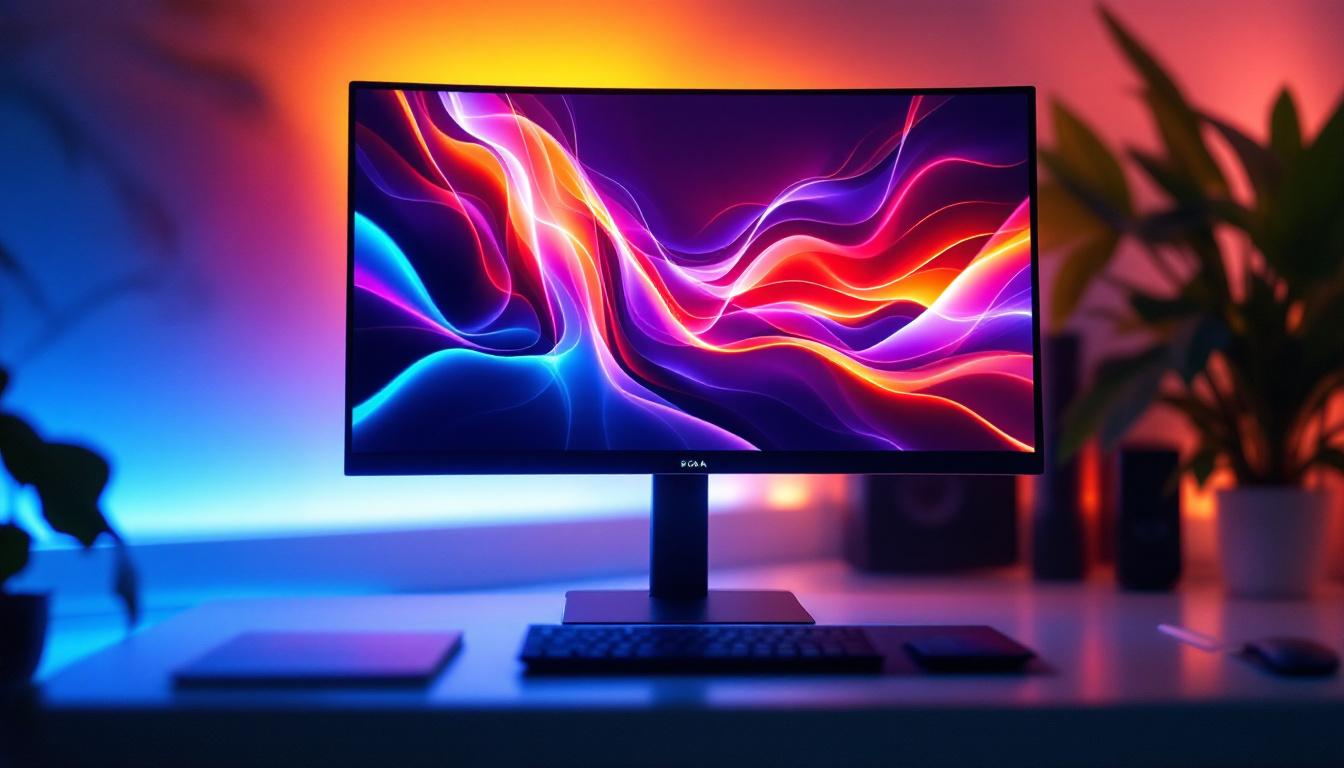
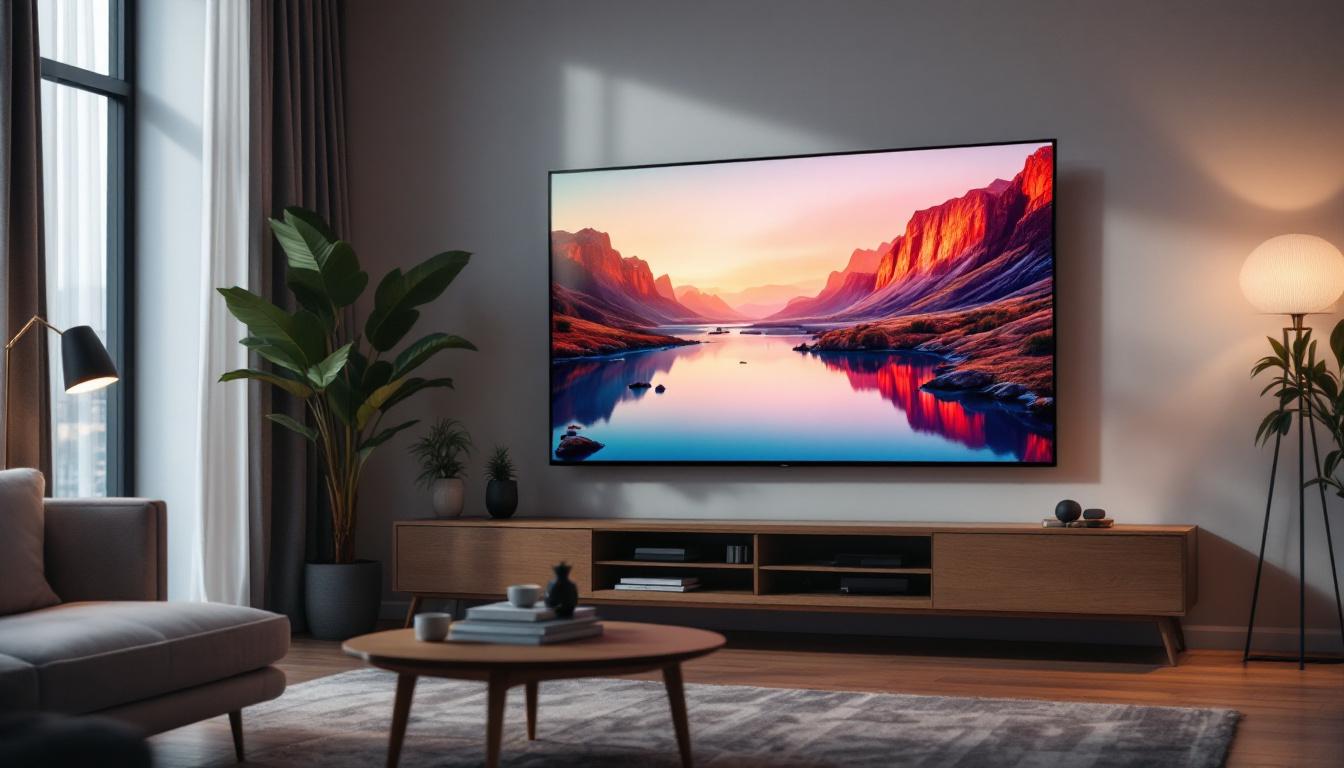
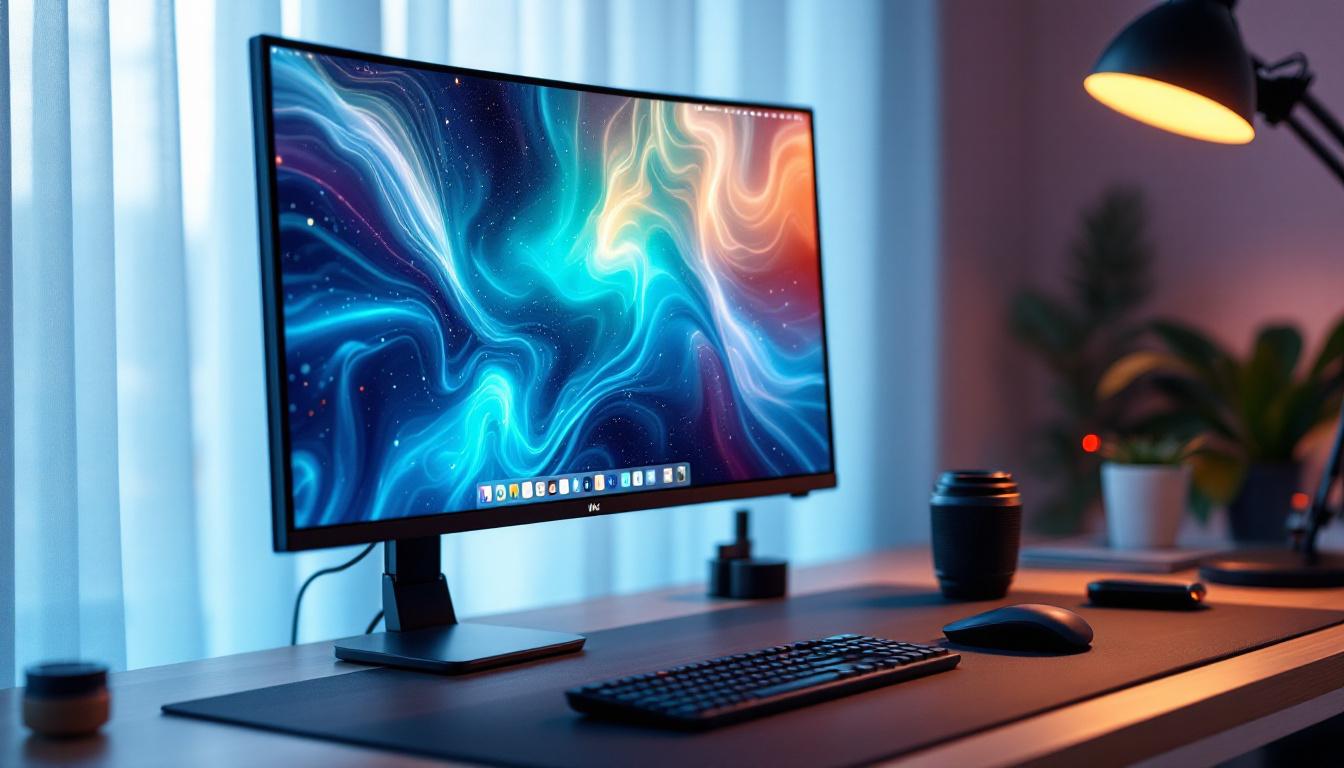
In the consumer market, HD LED displays are most commonly found in televisions, computer monitors, and smartphones. The shift from LCD to LED-backlit LCD screens has made HD content more accessible with better picture quality and energy savings.
High-end TVs now often incorporate OLED (Organic LED) technology, a variation of LED displays that uses organic compounds to emit light. OLEDs offer even better contrast and thinner panels but at a higher cost. Nevertheless, traditional LED-backlit LCDs remain dominant due to their affordability and performance.
Commercial and Advertising Displays
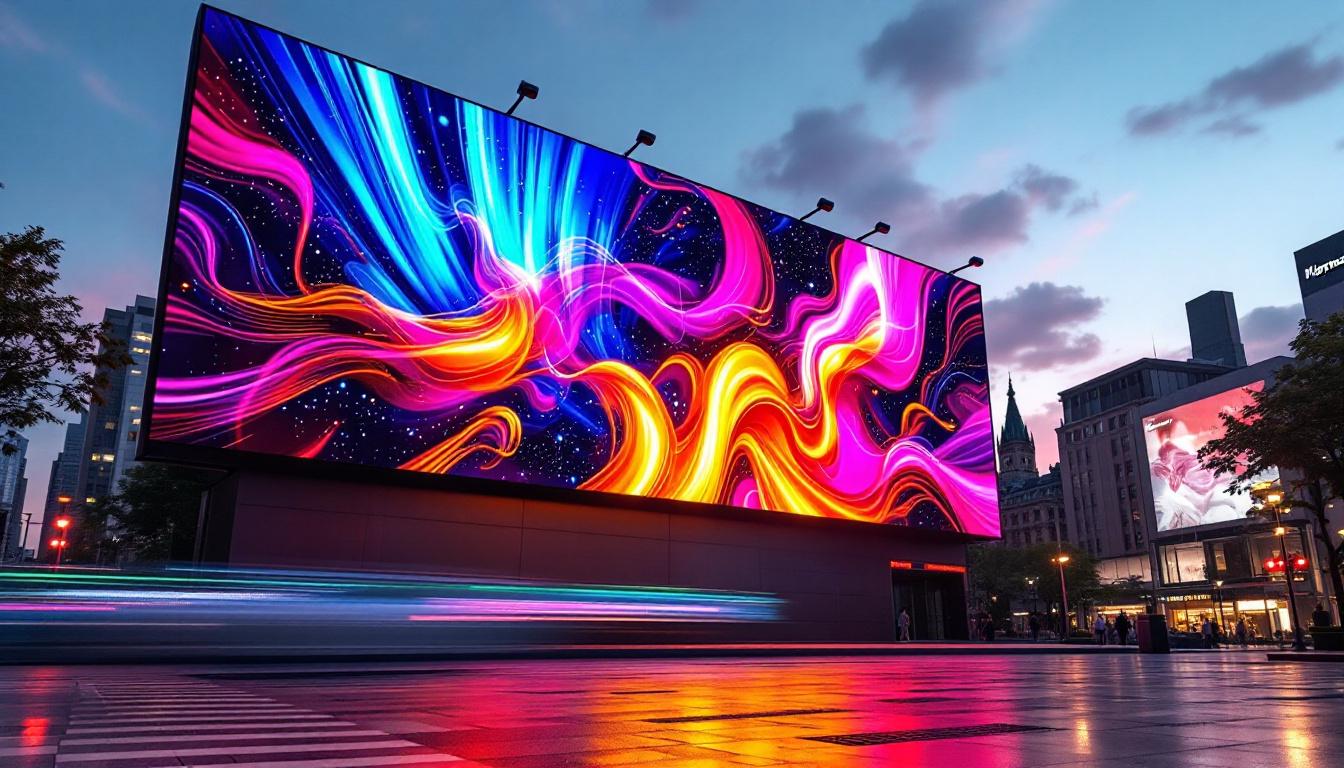
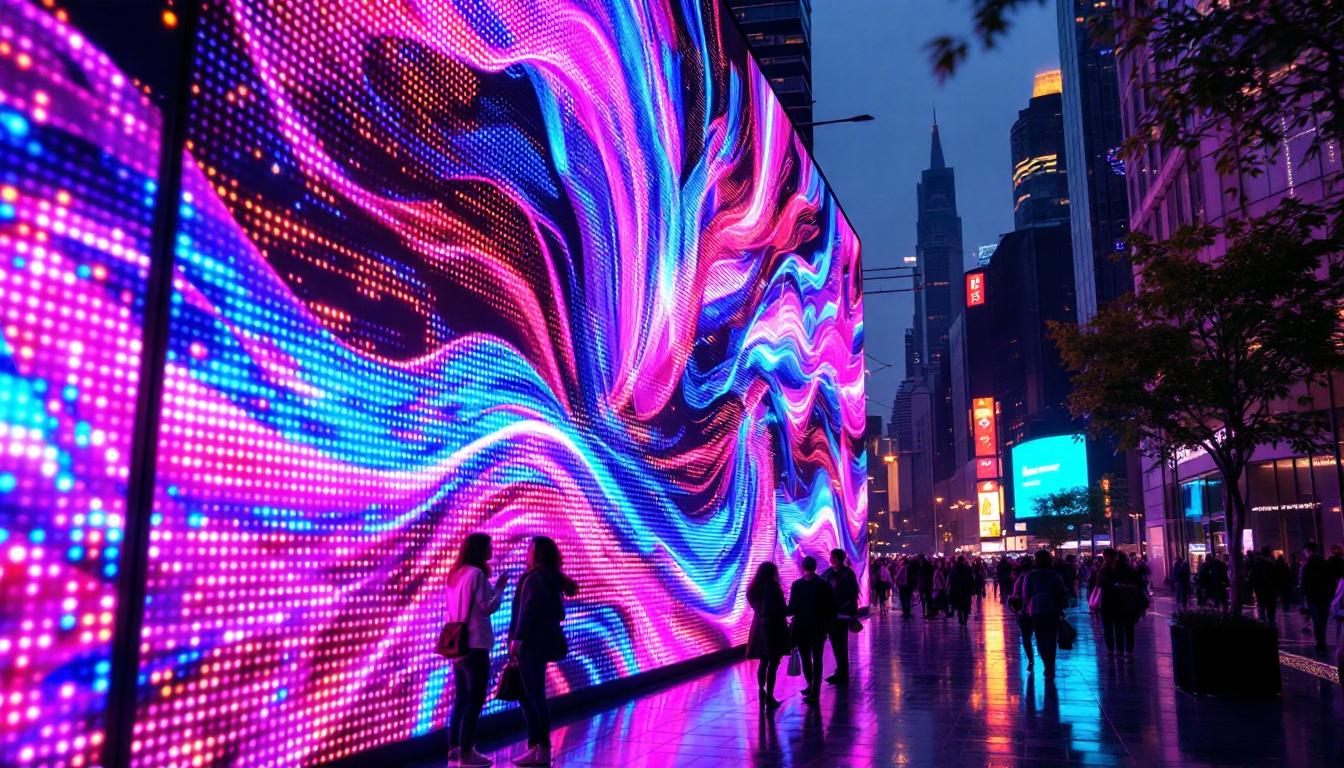
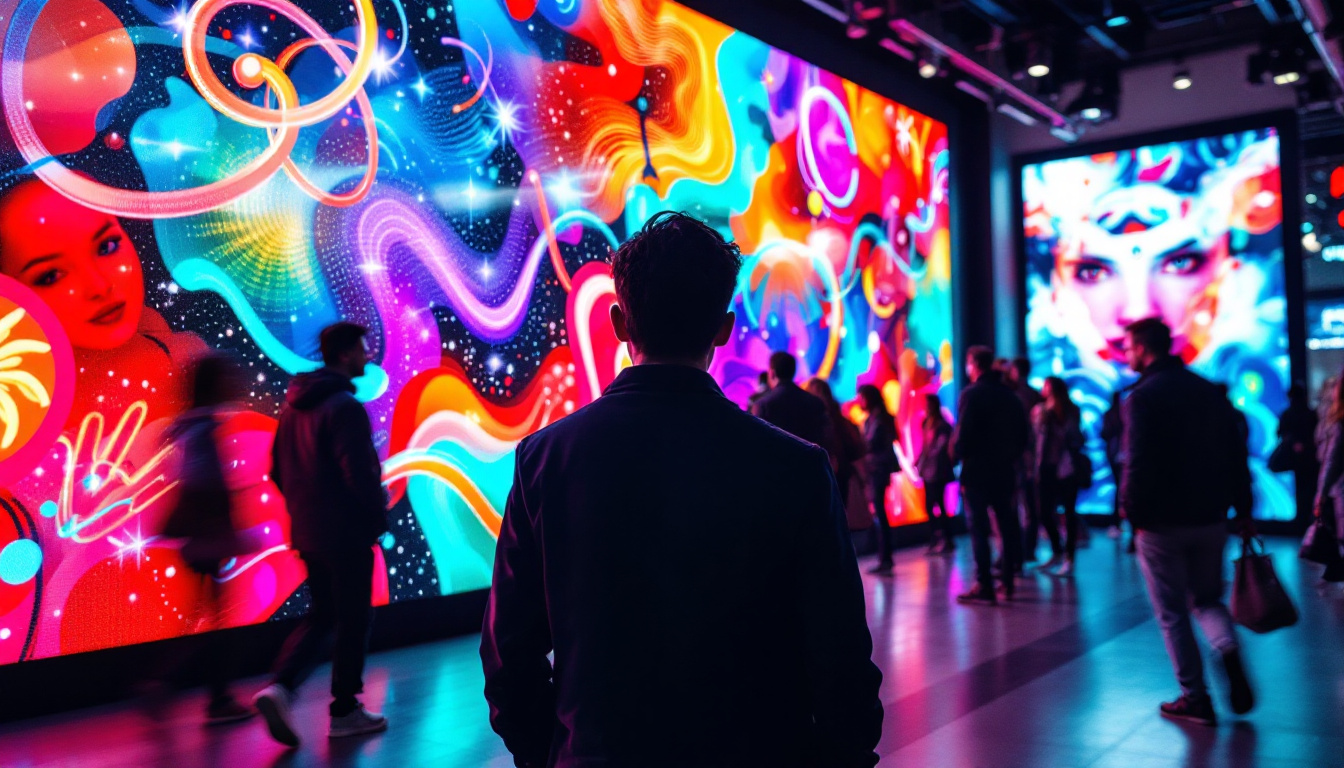
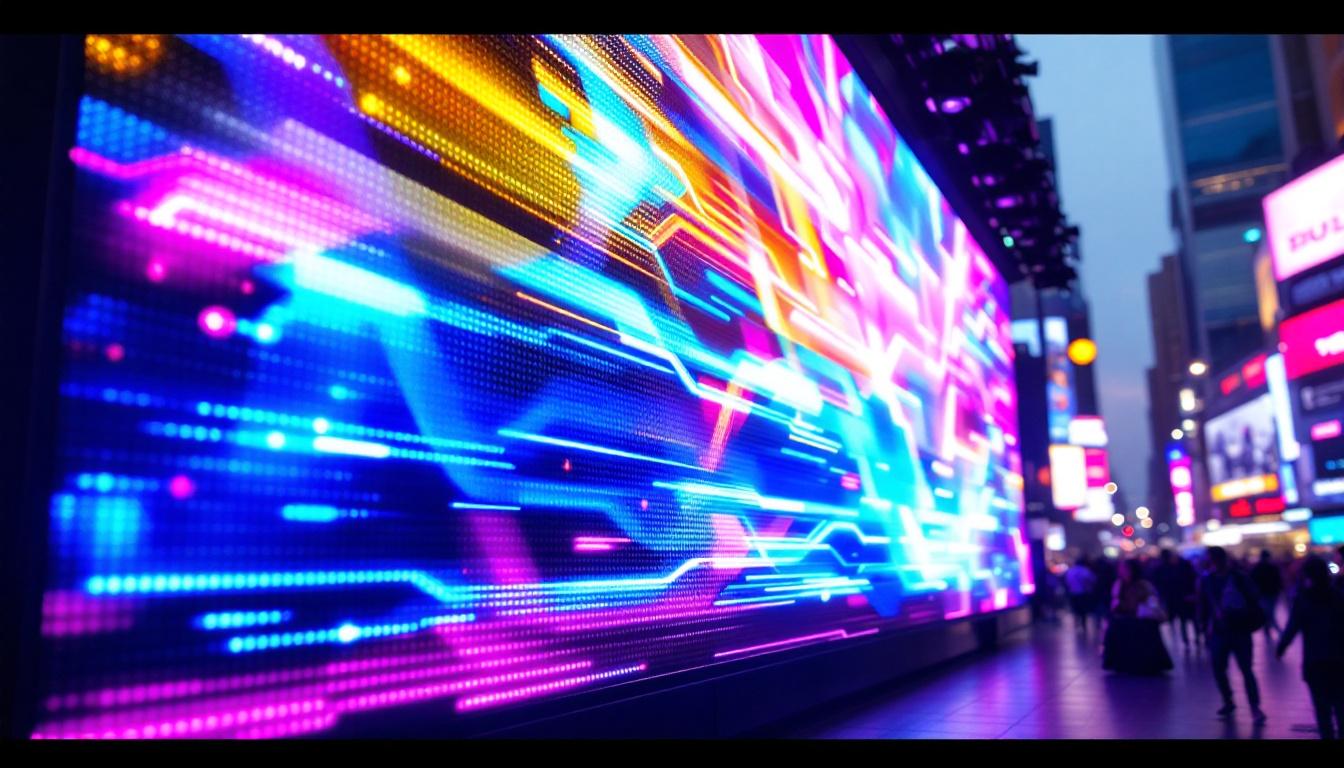
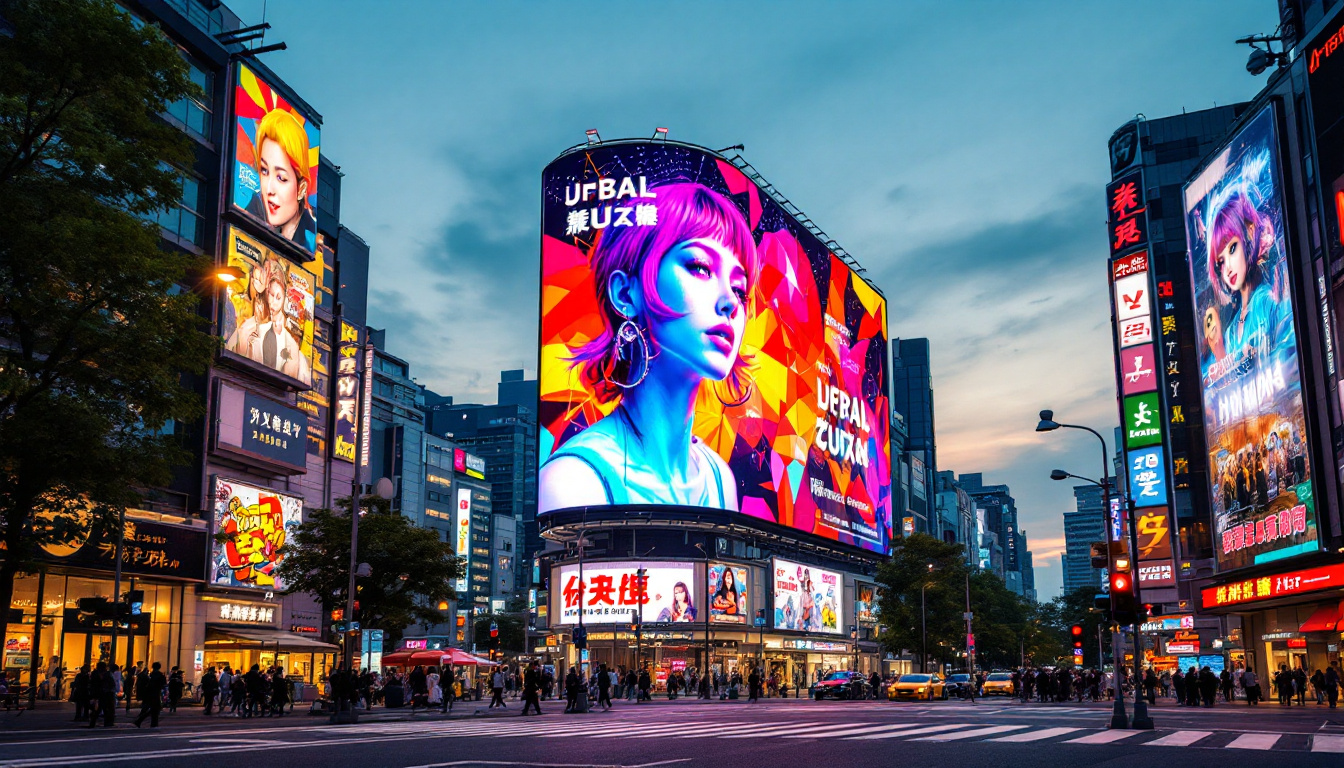
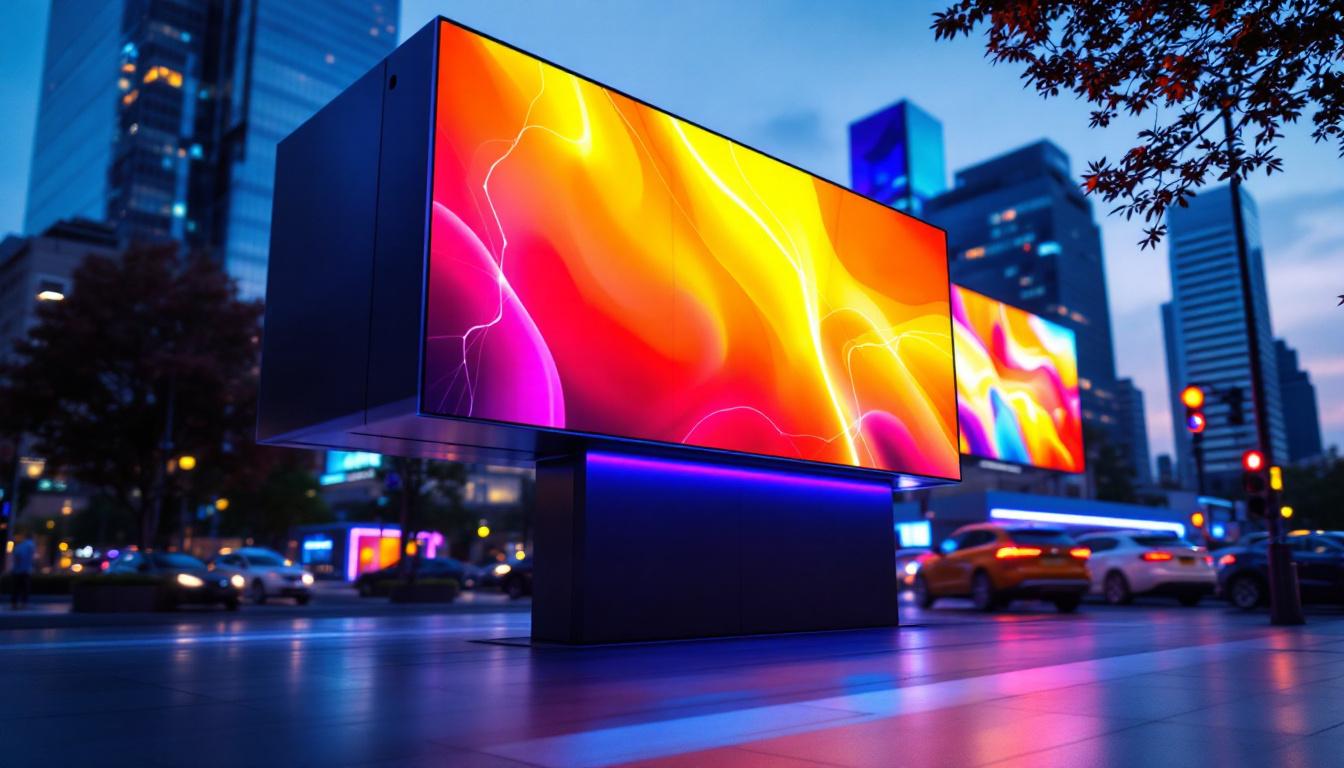
Outdoor advertising has been revolutionized by large-scale Direct View LED displays. These massive screens are capable of displaying HD or even 4K content with high brightness and durability against weather conditions. For example, Times Square in New York City features numerous LED billboards that attract millions of viewers daily.
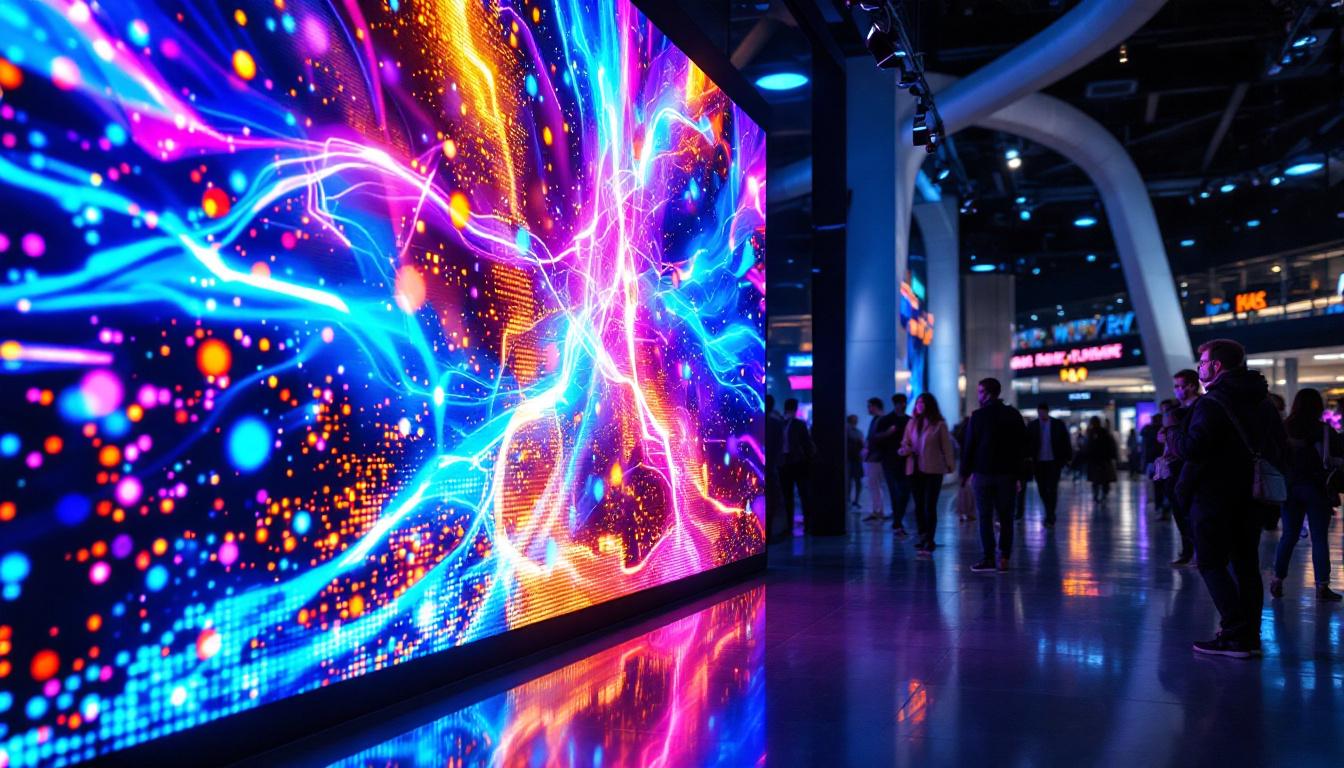
Retail stores, airports, and transportation hubs also utilize HD LED displays for dynamic signage, providing real-time information and engaging content. The ability to display vivid images and videos in various lighting conditions makes LED displays ideal for these environments.
Entertainment and Sports Venues
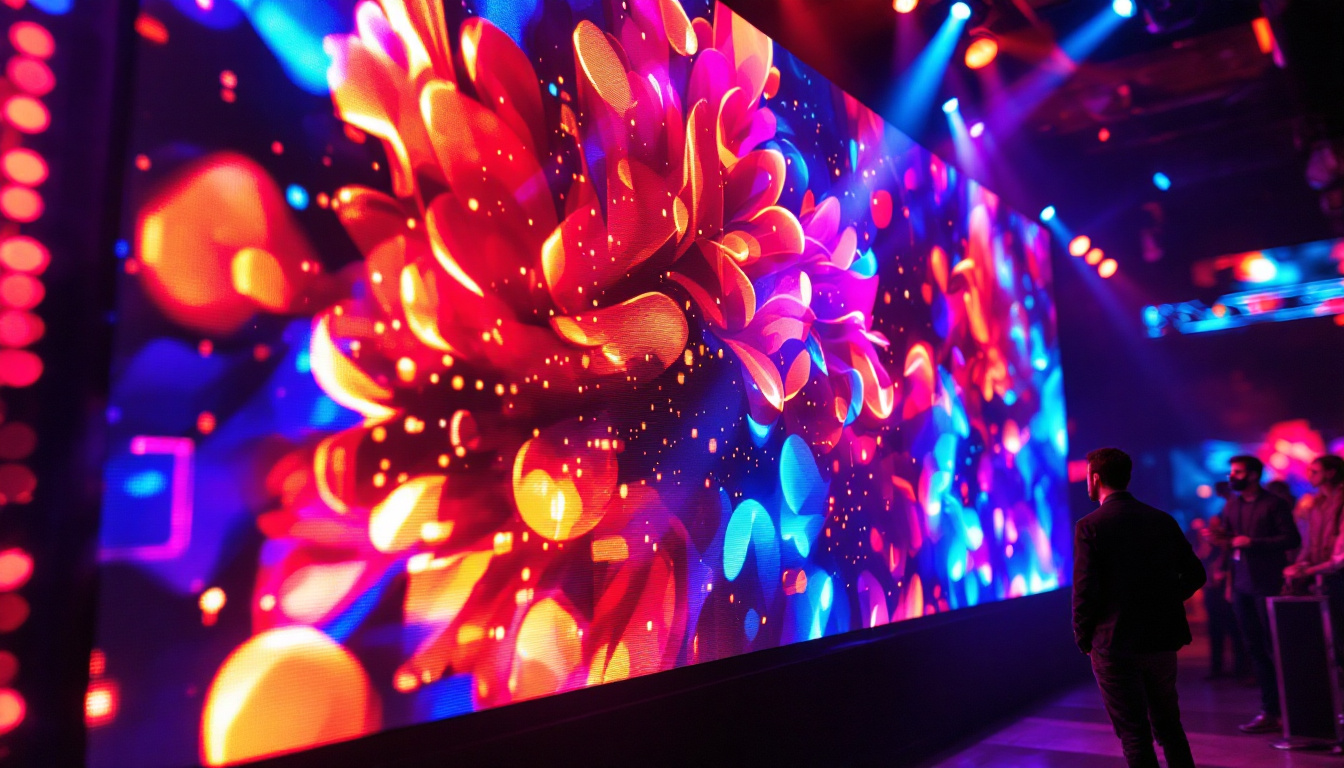
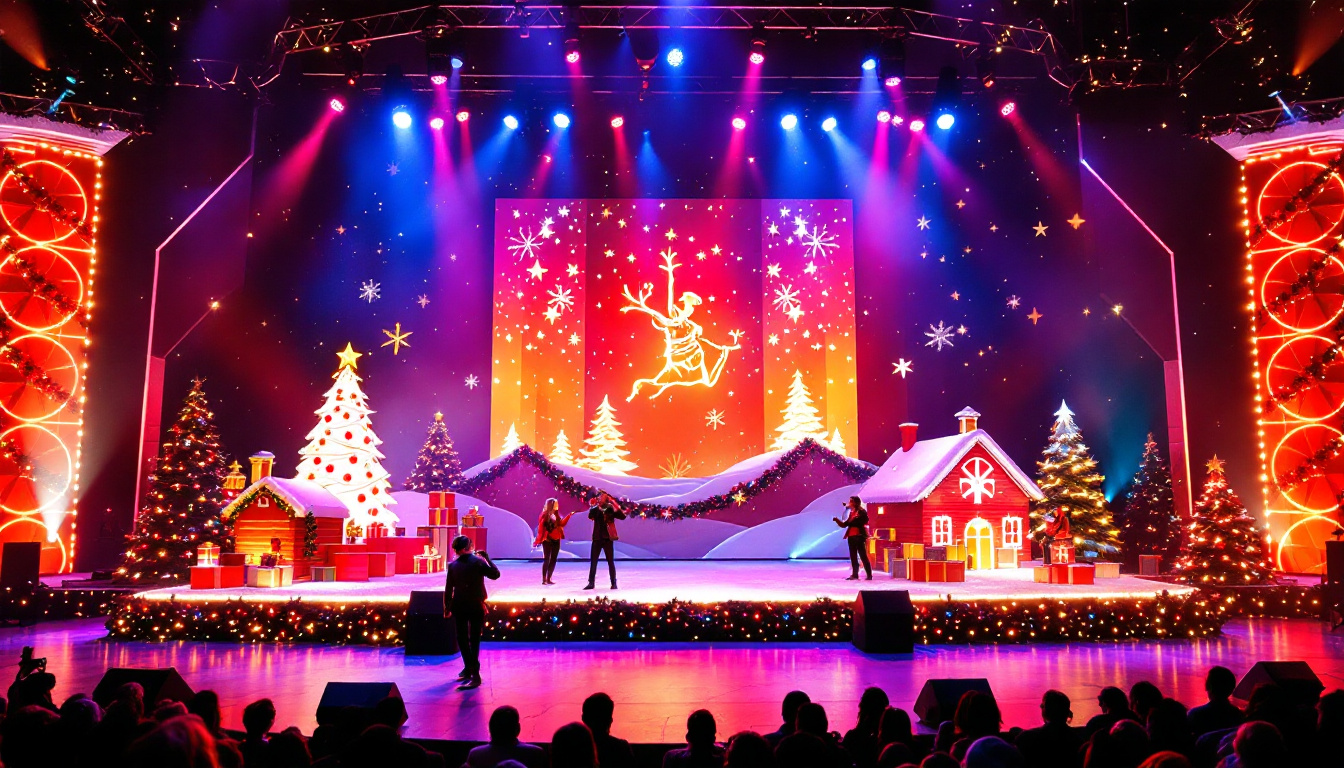
Stadiums and concert venues increasingly rely on HD LED video walls to enhance the spectator experience. These displays provide live feeds, replays, and interactive content that can be seen clearly from any seat, regardless of lighting conditions.
The scalability of LED technology allows for custom-sized screens that fit the unique requirements of different venues, from small indoor arenas to massive outdoor stadiums.
Advantages and Challenges of HD LED Displays
Advantages
- Superior Image Quality: High brightness, excellent contrast, and wide color gamut result in stunning visuals.
- Energy Efficiency: LEDs consume less power compared to traditional lighting and display technologies.
- Durability: LED displays are robust and can withstand harsh environmental conditions, making them suitable for outdoor use.
- Flexibility: Available in various sizes and shapes, LED displays can be customized for diverse applications.
- Long Lifespan: LEDs typically last tens of thousands of hours, reducing maintenance costs.
Challenges
Despite their many benefits, HD LED displays also face certain challenges. The initial cost of Direct View LED displays, especially those with very fine pixel pitches for close viewing, can be high. This can be a barrier for smaller businesses or consumers.
Additionally, LED displays require careful calibration and maintenance to ensure consistent color accuracy and brightness over time. In outdoor settings, exposure to extreme weather and pollution can affect performance if not properly protected.
The Future of HD LED Displays
Advancements in Technology
The LED display industry continues to innovate rapidly. MicroLED technology, which uses microscopic LEDs to create pixels, promises even higher resolution, better energy efficiency, and longer lifespan than current LED and OLED displays. This could revolutionize everything from smartphones to large-scale video walls.
Flexible and transparent LED displays are also emerging, enabling new design possibilities such as curved screens, wearable displays, and see-through advertising panels.
Integration with Smart Technologies
HD LED displays are increasingly integrated with smart technologies, including Internet of Things (IoT) connectivity, AI-driven content management, and interactive touch capabilities. These features enable more personalized and engaging user experiences, particularly in retail and public information systems.
For example, smart LED billboards can adjust brightness based on ambient light conditions or display targeted advertisements based on real-time data analytics.
Conclusion
HD LED displays represent a significant advancement in visual technology, offering unparalleled brightness, color accuracy, and versatility. Whether in consumer electronics, commercial advertising, or entertainment venues, these displays enhance how we interact with digital content every day.
As technology progresses, the capabilities and applications of LED displays will continue to expand, making them an essential component of the modern digital landscape. Understanding the fundamentals of LED display technology helps consumers and businesses make informed decisions when choosing the right display solutions for their needs.
Discover LumenMatrix’s Innovative LED Display Solutions
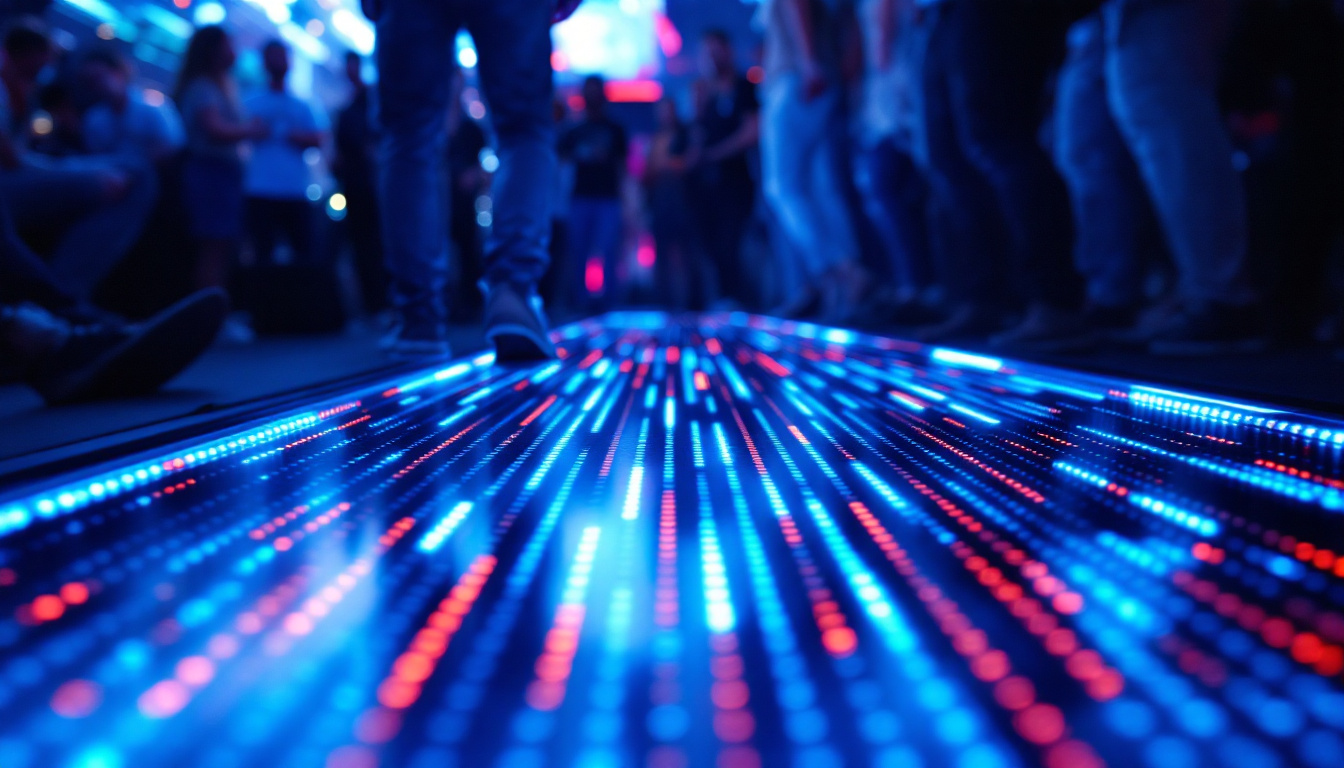
Ready to elevate your visual experience with the latest in LED technology? LumenMatrix is at the forefront of creating immersive and dynamic LED displays that bring your content to life. From vibrant Indoor and Outdoor LED Wall Displays to versatile Vehicle and Sports LED Displays, our solutions are designed to captivate and engage your audience. Explore our innovative LED Poster Displays, interactive Floor LED Displays, and the sleek All-in-One LED Display options. With LumenMatrix, you can transform any space into a visual spectacle. Check out LumenMatrix LED Display Solutions today and see how we can help you make a powerful impact with your visual communication.