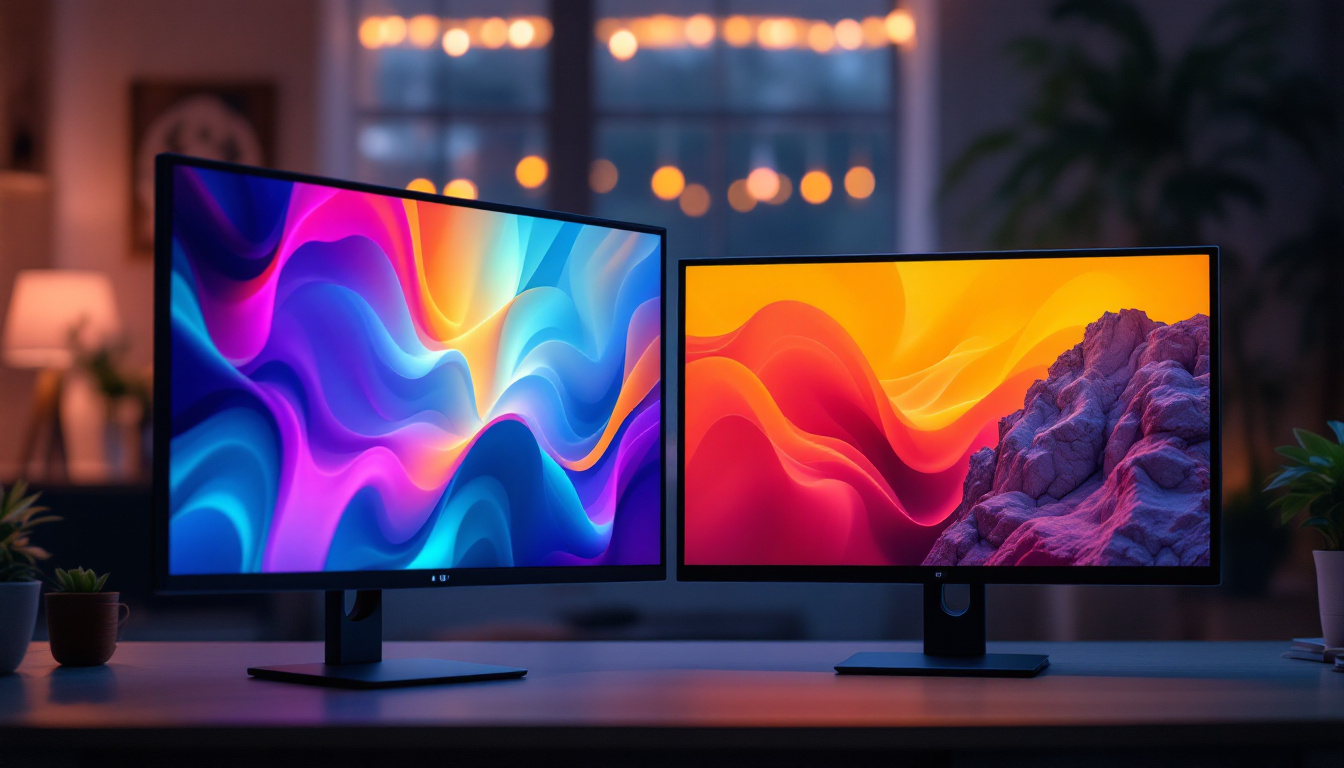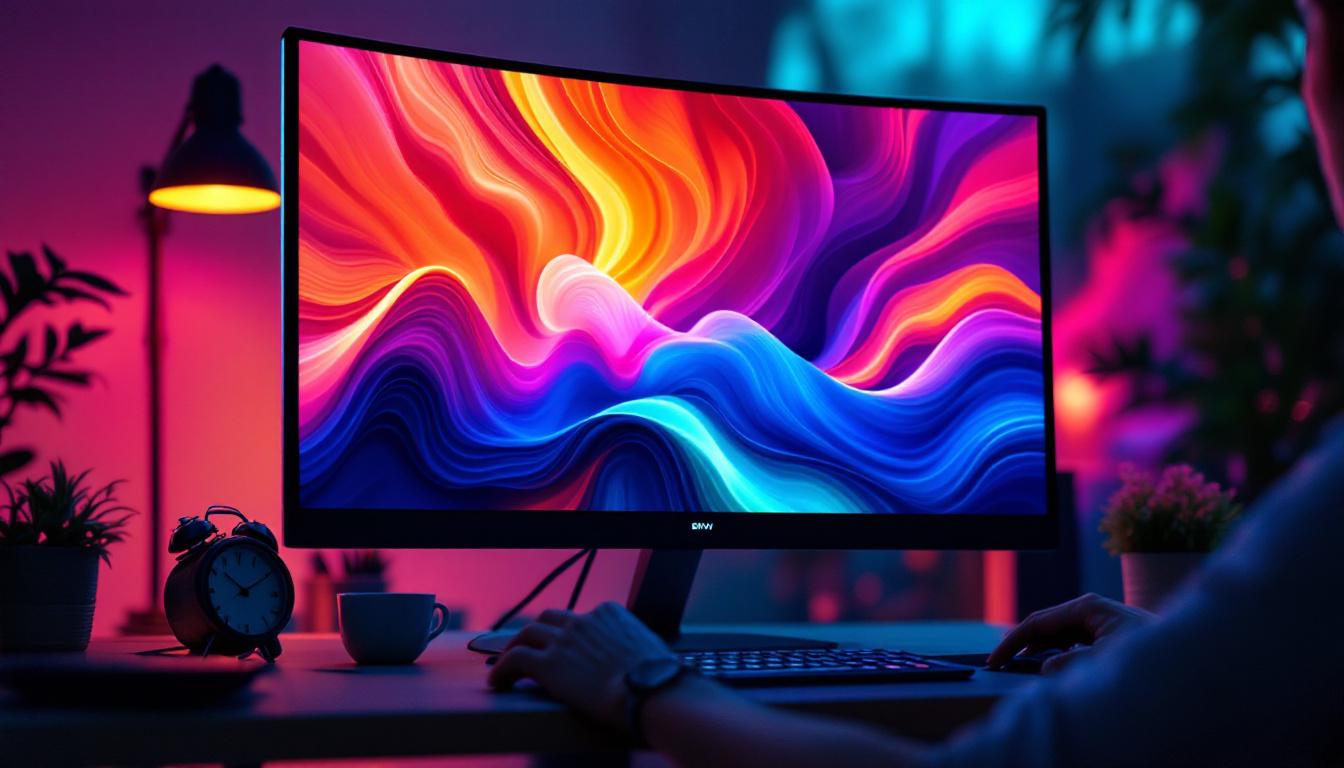
In the rapidly evolving world of digital technology, LED displays have become an integral part of how information and visuals are presented across various industries. From vibrant billboards in bustling city centers to sleek screens in corporate boardrooms, the term “Pantalla Led” or LED display is everywhere. But what exactly is a Pantalla Led, how does it work, and why has it become the preferred choice for so many applications? This comprehensive article delves into the technology behind LED displays, their types, advantages, and practical uses, providing a clear understanding for professionals, enthusiasts, and curious readers alike.
Understanding Pantalla Led: What Is an LED Display?
A Pantalla Led, or LED display, is a flat panel display technology that uses light-emitting diodes (LEDs) as pixels to create images and videos. Unlike traditional LCD screens that rely on backlighting, LED displays produce light directly from each individual diode. This fundamental difference allows for brighter images, better contrast, and more energy-efficient operation.
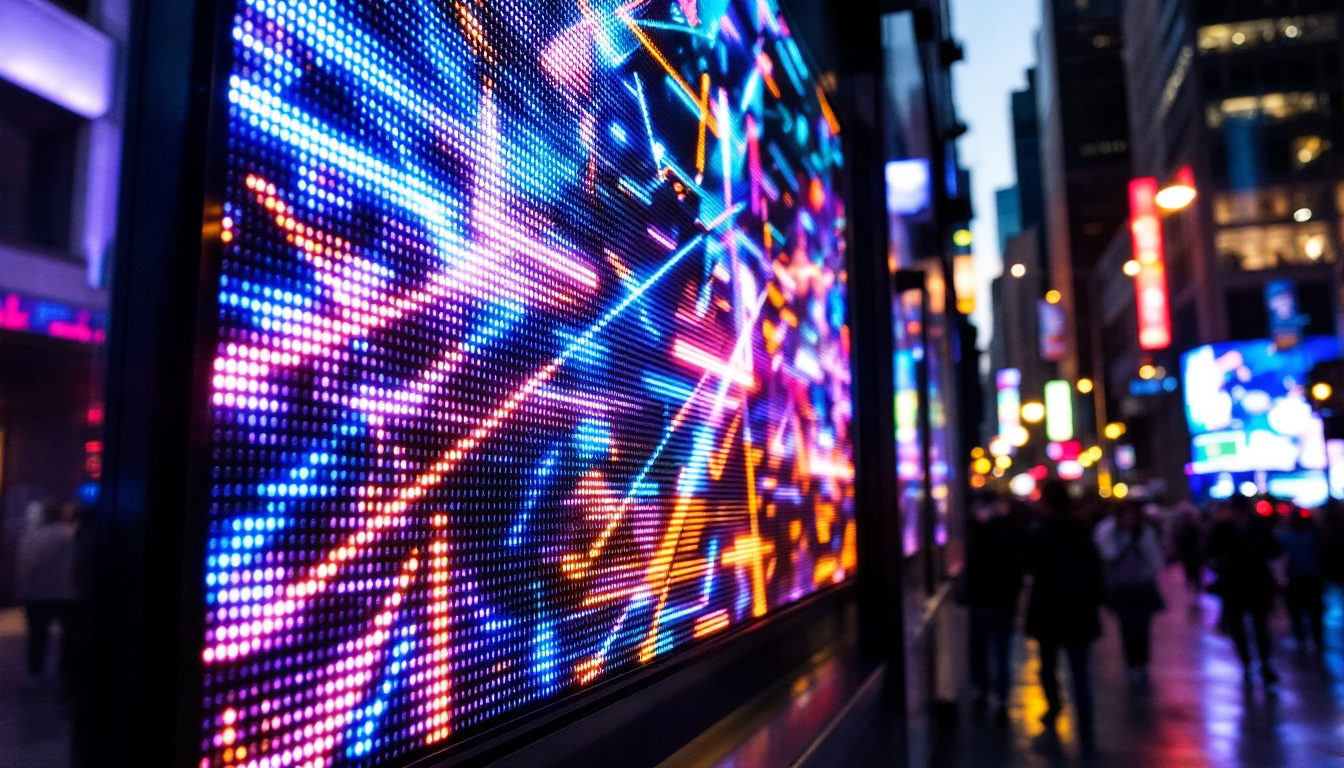
LEDs are semiconductor devices that emit light when an electric current passes through them. In LED displays, thousands or even millions of these tiny LEDs are arranged in a matrix to form the screen. Each LED can emit red, green, or blue light, and by varying the intensity of these colors, the display can produce a full spectrum of colors, resulting in vivid and dynamic images.
How Does an LED Display Work?
The operation of an LED display involves controlling the brightness and color of each individual diode. This is achieved through a combination of hardware and software that manages the electrical signals sent to the LEDs. By rapidly switching LEDs on and off and adjusting their intensity, the display can render complex images and videos with high precision.
Modern LED displays use advanced driving circuits and microcontrollers to ensure synchronization and color accuracy. The refresh rate, which measures how many times per second the image is updated, is typically very high, reducing flicker and providing smooth motion for video content.
Types of Pantalla Led Displays
LED display technology has diversified into several types, each tailored for specific applications and environments. Understanding these types helps in selecting the right display for particular needs.
1. Indoor LED Displays
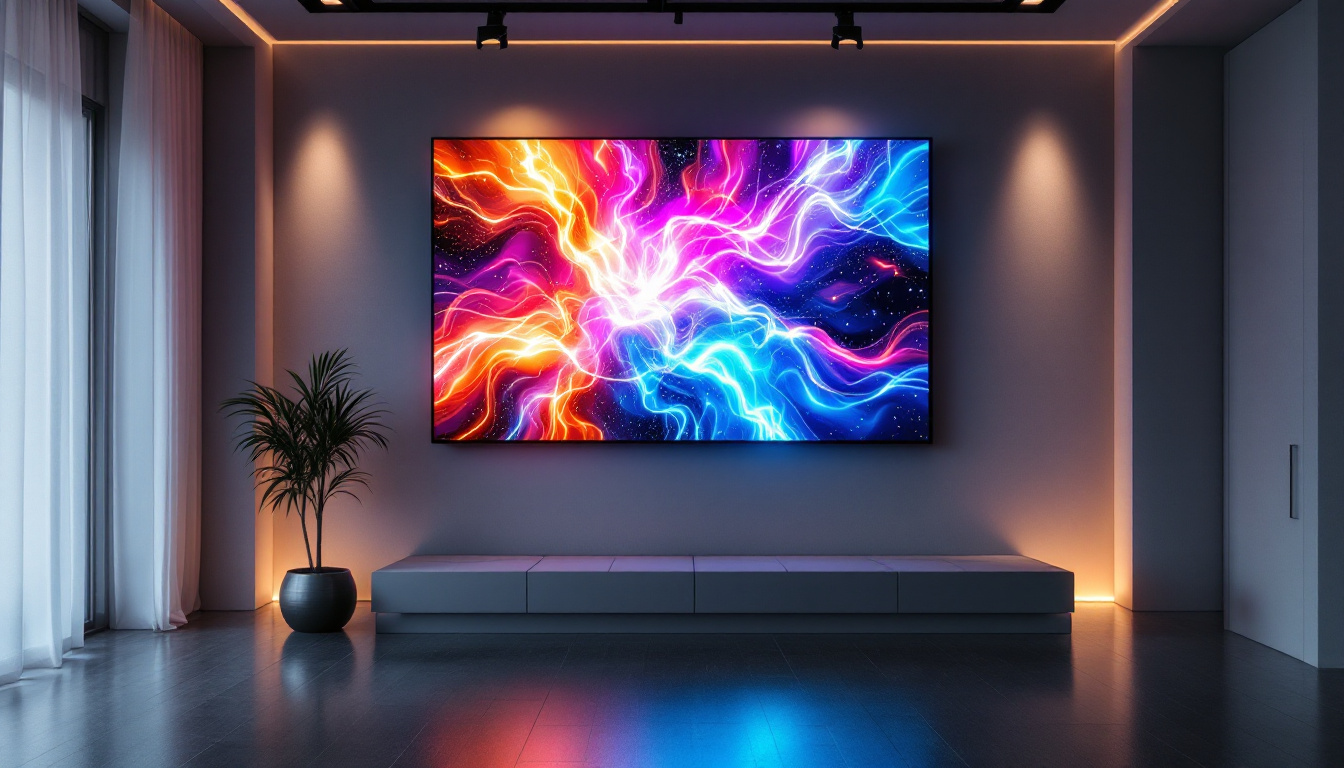
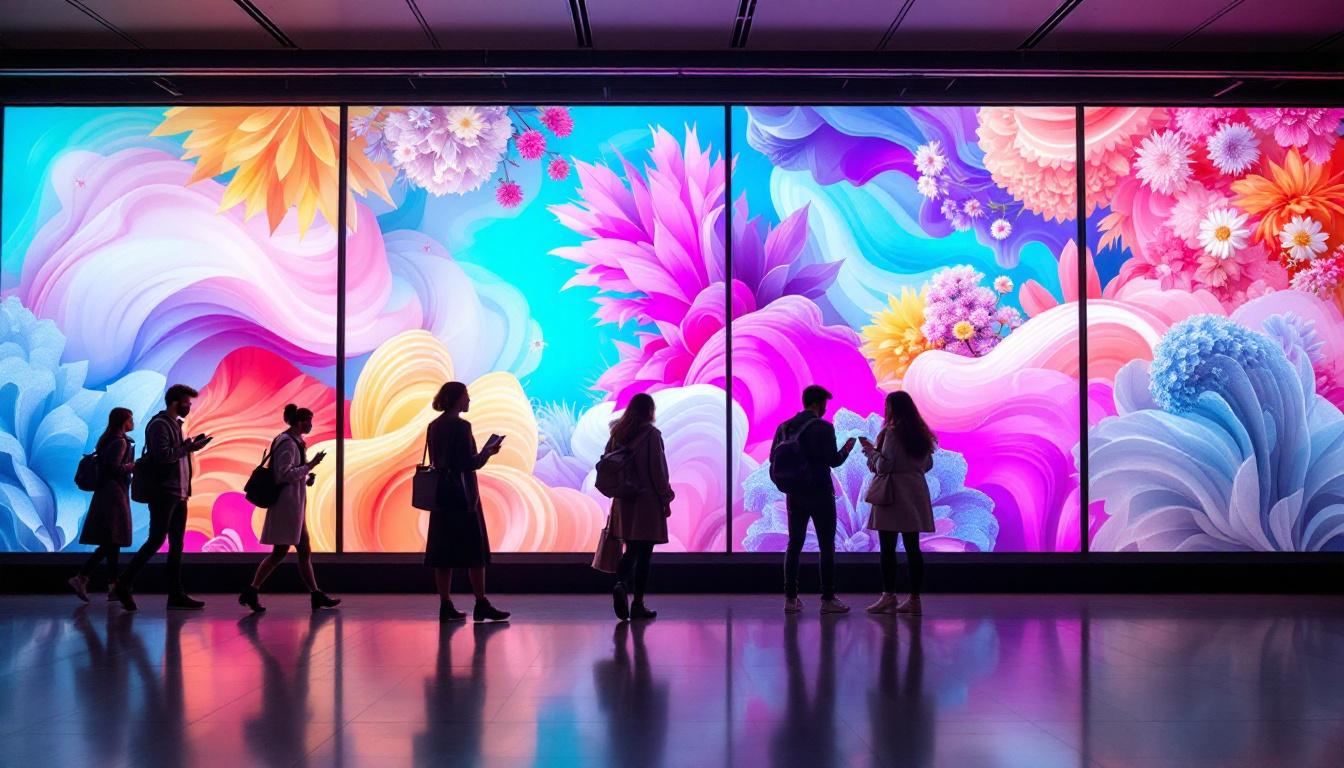
Indoor LED displays are designed for environments such as conference rooms, retail stores, airports, and stadiums. These screens typically have a higher pixel density, meaning the LEDs are packed closely together, allowing for higher resolution and finer image detail. Because they are used in controlled lighting conditions, they do not require extremely high brightness levels compared to outdoor displays.
For example, a retail store might use an indoor LED display to showcase promotional videos and advertisements with sharp, colorful images that attract customers’ attention.
2. Outdoor LED Displays
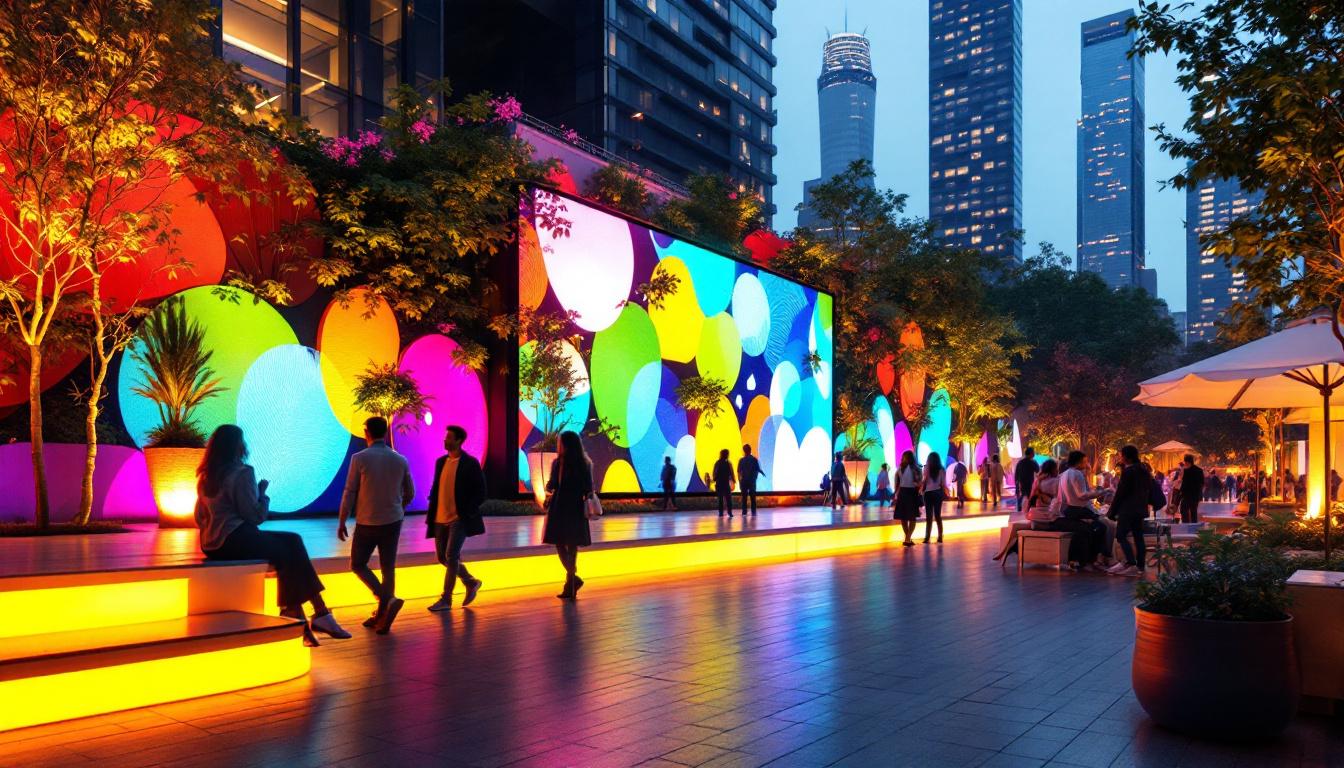
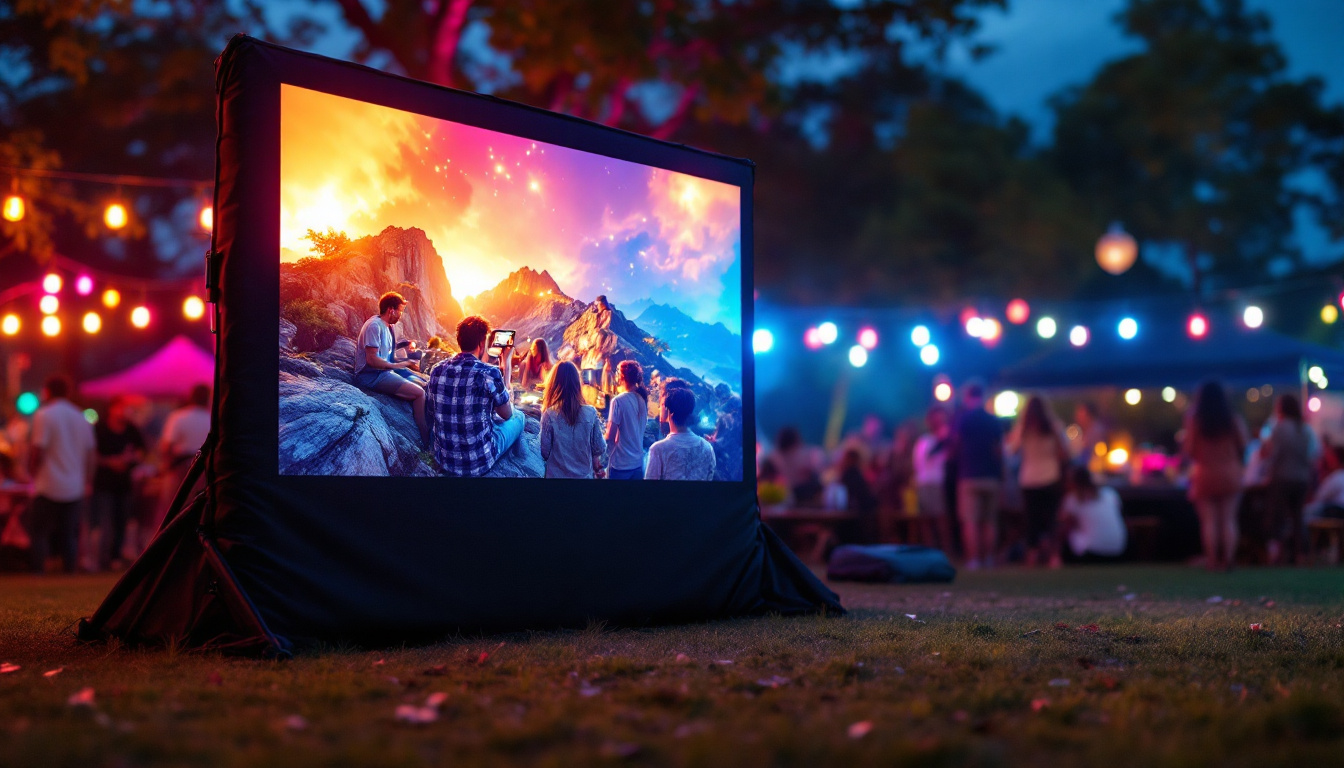
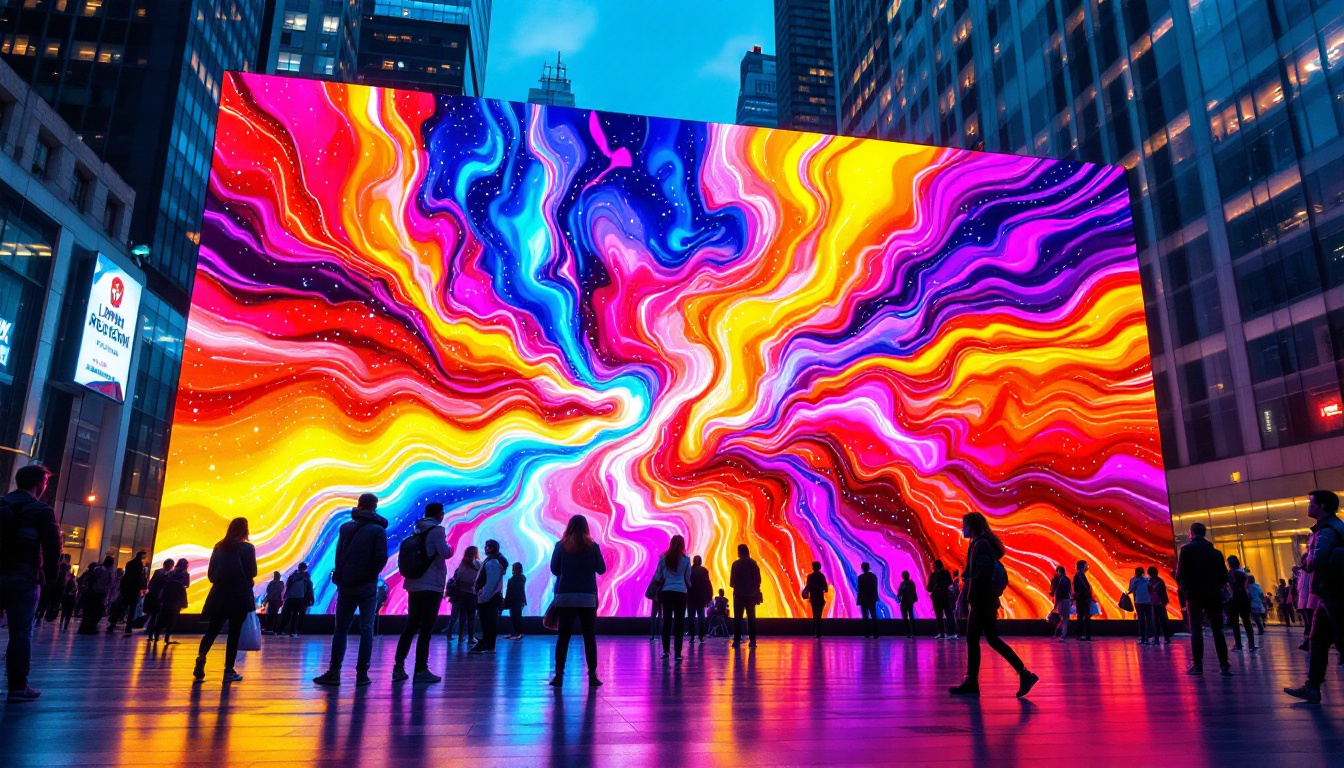
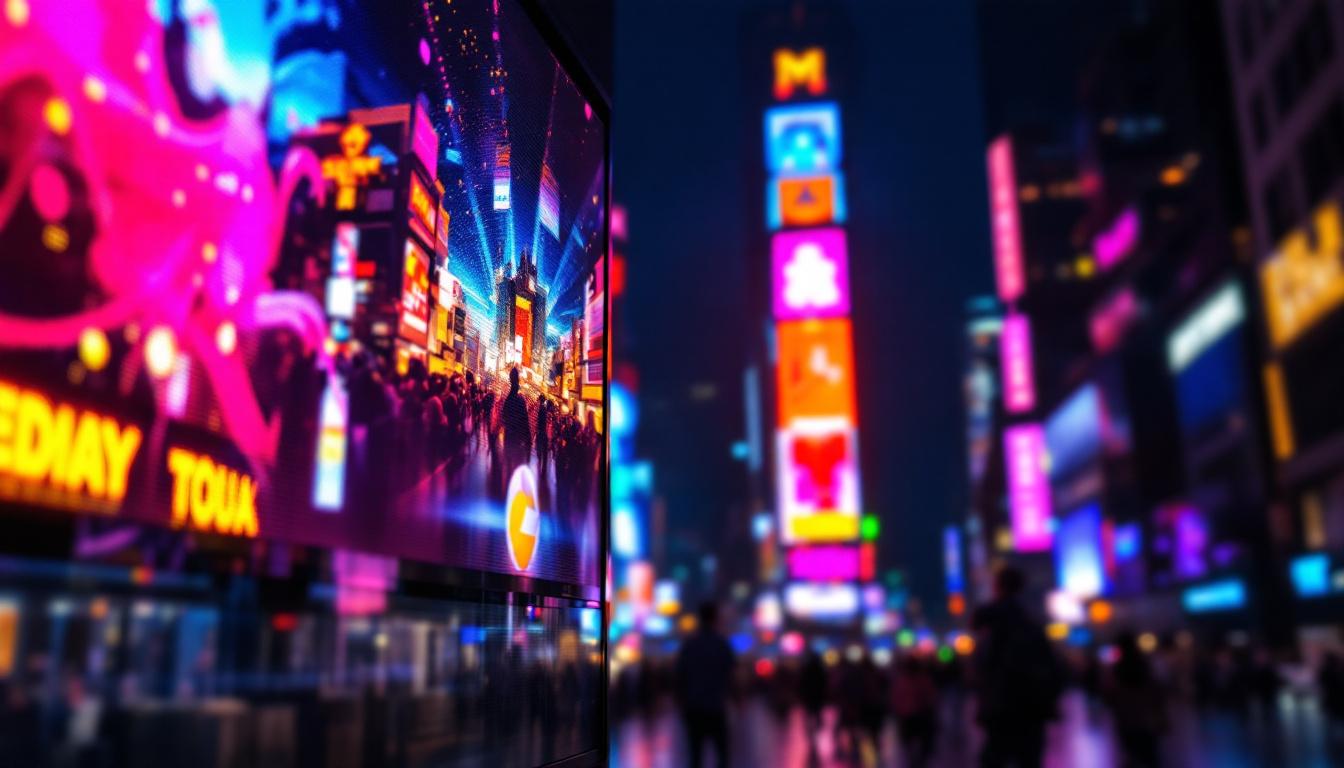
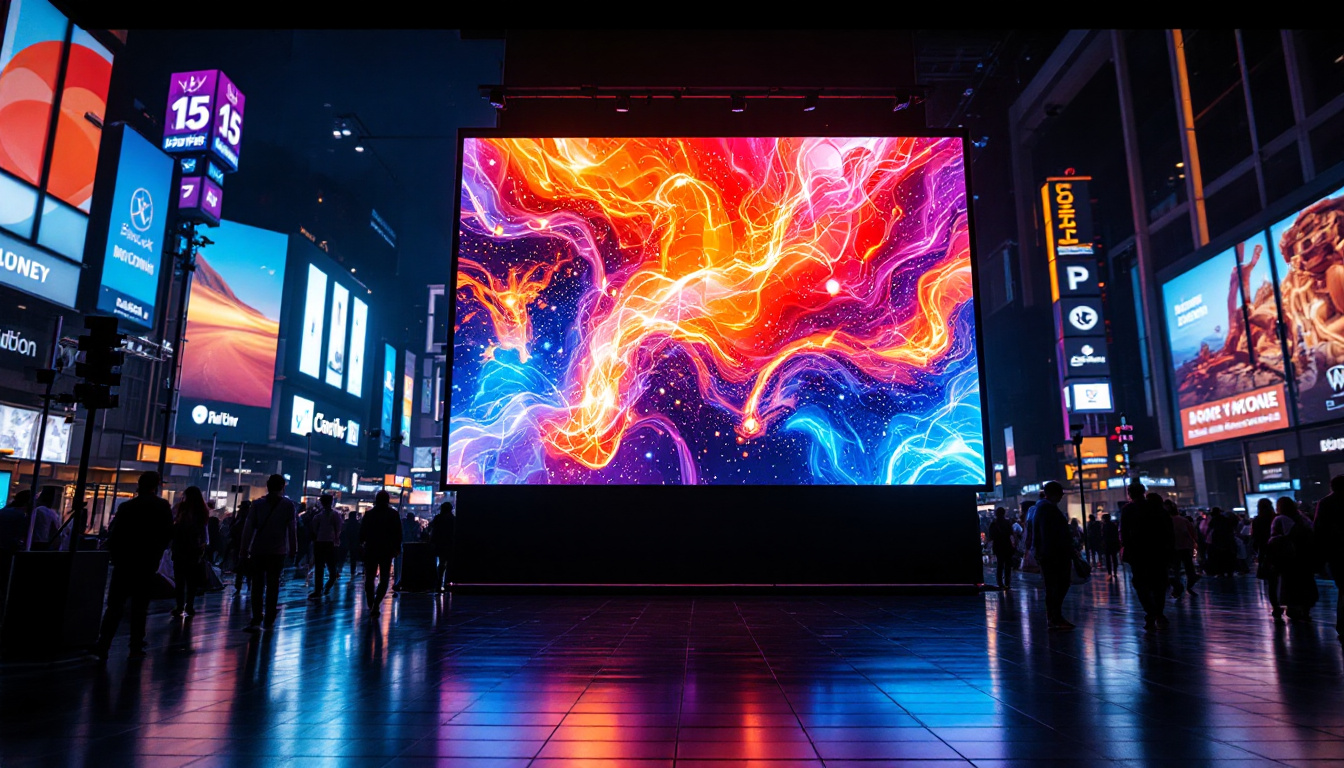
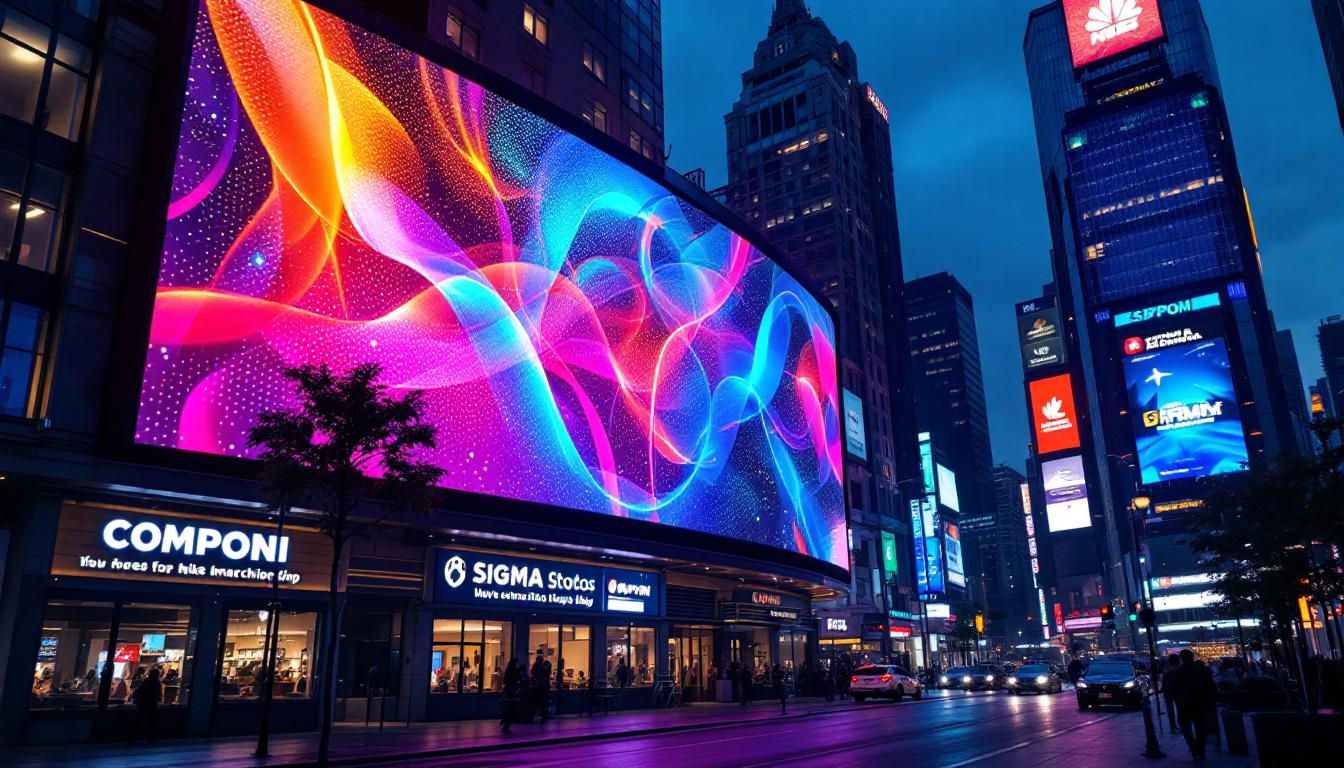
Outdoor LED displays are built to withstand harsh weather conditions and intense sunlight. They feature higher brightness levels, often exceeding 5,000 nits, to ensure visibility even in direct sunlight. Additionally, these displays are typically larger with wider pixel pitches, meaning the LEDs are spaced further apart, which is acceptable given the greater viewing distances outdoors.
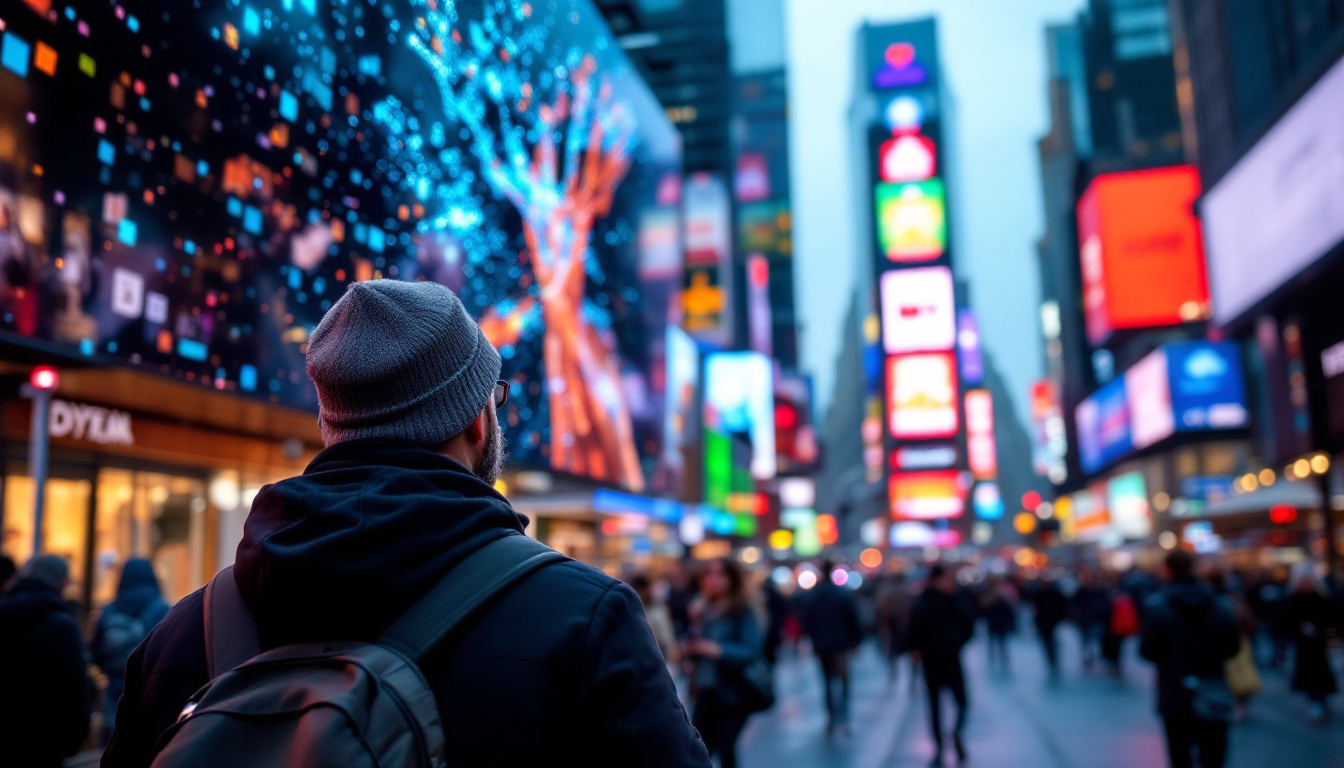
Common applications include digital billboards, sports arena screens, and public information displays. For instance, Times Square in New York City is famous for its massive outdoor LED billboards that captivate millions of viewers daily.
3. Transparent LED Displays
Transparent LED displays are an innovative variation where the screen allows light to pass through, making it possible to see both the displayed content and what is behind the screen. These are often used in retail windows, museums, and architectural installations where maintaining visibility through glass is essential.
This technology combines aesthetics with functionality, enabling advertisers to create eye-catching displays without obstructing natural light or visibility.
4. Flexible LED Displays
Flexible LED displays use bendable substrates that allow the screen to curve or fold. This flexibility opens up creative possibilities for installations on curved surfaces, wearable technology, and dynamic signage.
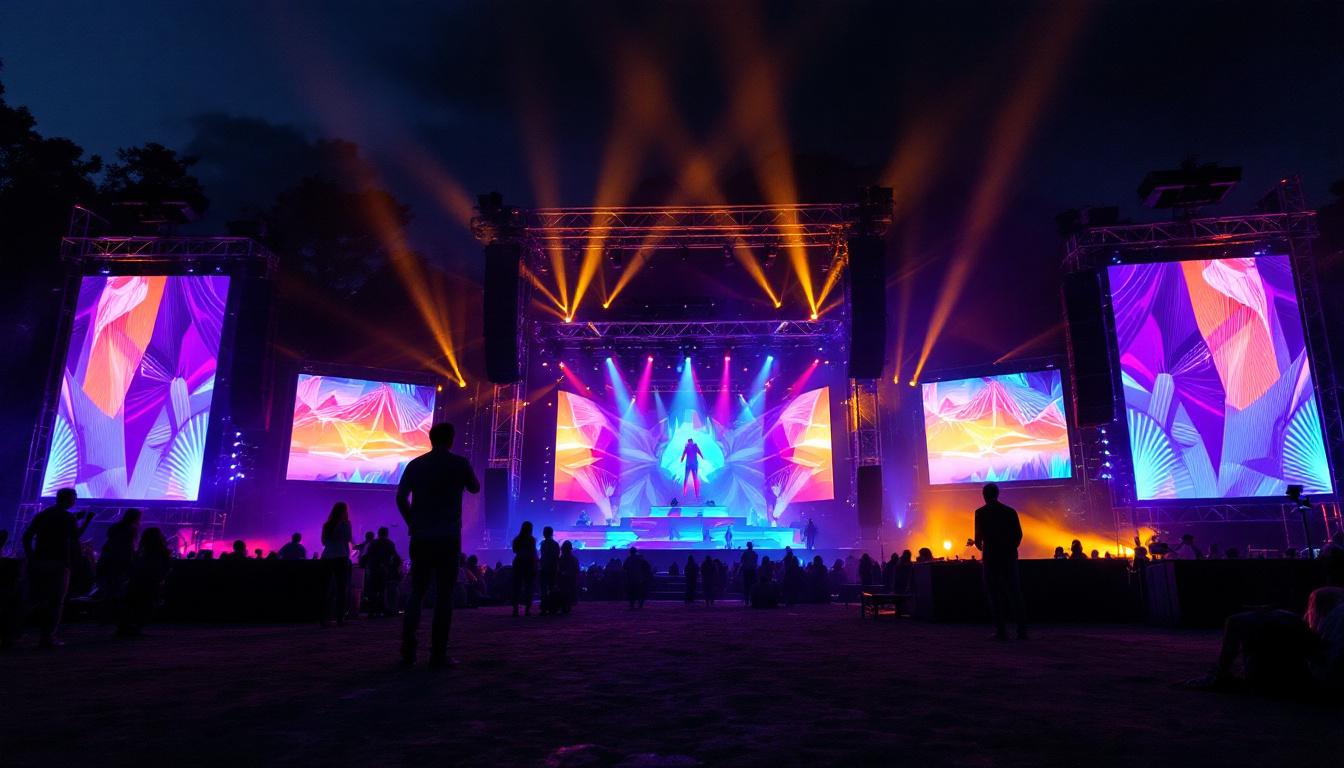
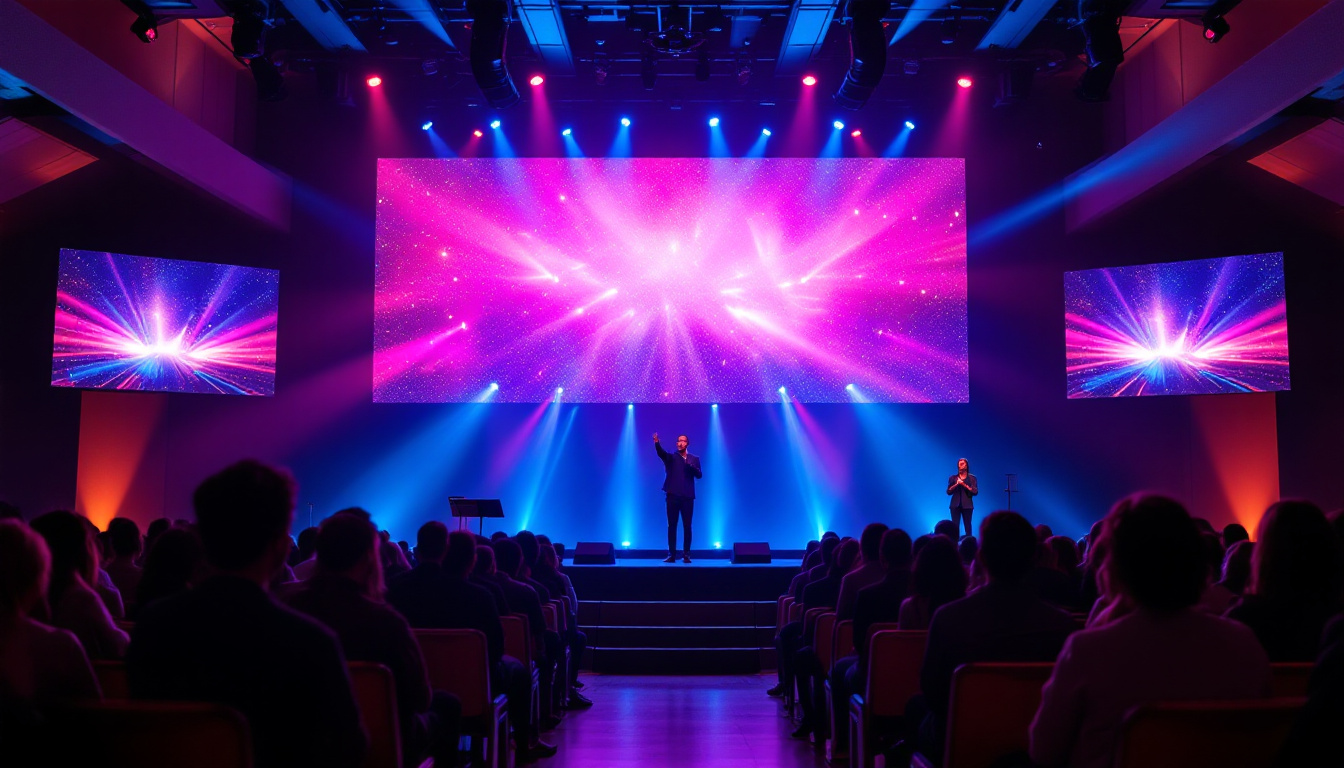
For example, some modern concert stages employ flexible LED screens to create immersive environments that wrap around performers, enhancing the audience experience.
Key Advantages of Pantalla Led Displays
LED displays offer several significant benefits over other display technologies, which explain their widespread adoption across numerous sectors.
Superior Brightness and Contrast
One of the most notable advantages of LED displays is their exceptional brightness. With the ability to reach brightness levels up to 10,000 nits, LED screens remain clearly visible even under direct sunlight. This is crucial for outdoor advertising and public information systems where visibility is paramount.
Moreover, LEDs can switch off completely to produce true blacks, resulting in higher contrast ratios compared to LCDs that rely on backlighting. This enhances image quality, making colors appear more vibrant and details more distinct.
Energy Efficiency and Longevity
LED technology is inherently energy-efficient because it converts most of the electrical energy into light rather than heat. This efficiency reduces operational costs, especially for large-scale or 24/7 installations.
Additionally, LED displays typically have a longer lifespan, often exceeding 100,000 hours of use. This durability minimizes maintenance and replacement expenses, making LEDs a cost-effective choice over time.
Wide Viewing Angles and Fast Response Times
LED displays provide wide viewing angles, ensuring consistent image quality from various perspectives. This is particularly important in public spaces where viewers may be positioned at different angles relative to the screen.
Fast response times also enable smooth video playback without motion blur, enhancing the viewing experience for dynamic content such as sports broadcasts or live events.
Customization and Scalability
LED displays are highly customizable in size, shape, and resolution. They can be assembled from modular panels to create screens of virtually any dimension, from small indoor signs to massive outdoor billboards.
This scalability allows businesses and event organizers to tailor their display solutions precisely to their spatial and visual requirements.
Applications of Pantalla Led Displays
The versatility of LED displays has led to their integration into a wide array of industries and use cases.
Advertising and Marketing
Digital advertising has been revolutionized by LED displays. Their brightness, color accuracy, and dynamic capabilities make them ideal for capturing consumer attention in retail environments, shopping malls, and city centers.
According to recent market research, the global digital signage market is expected to grow at a compound annual growth rate (CAGR) of over 7% through 2027, driven largely by the adoption of LED technology. This growth underscores the importance of LED displays in modern marketing strategies.
Entertainment and Events
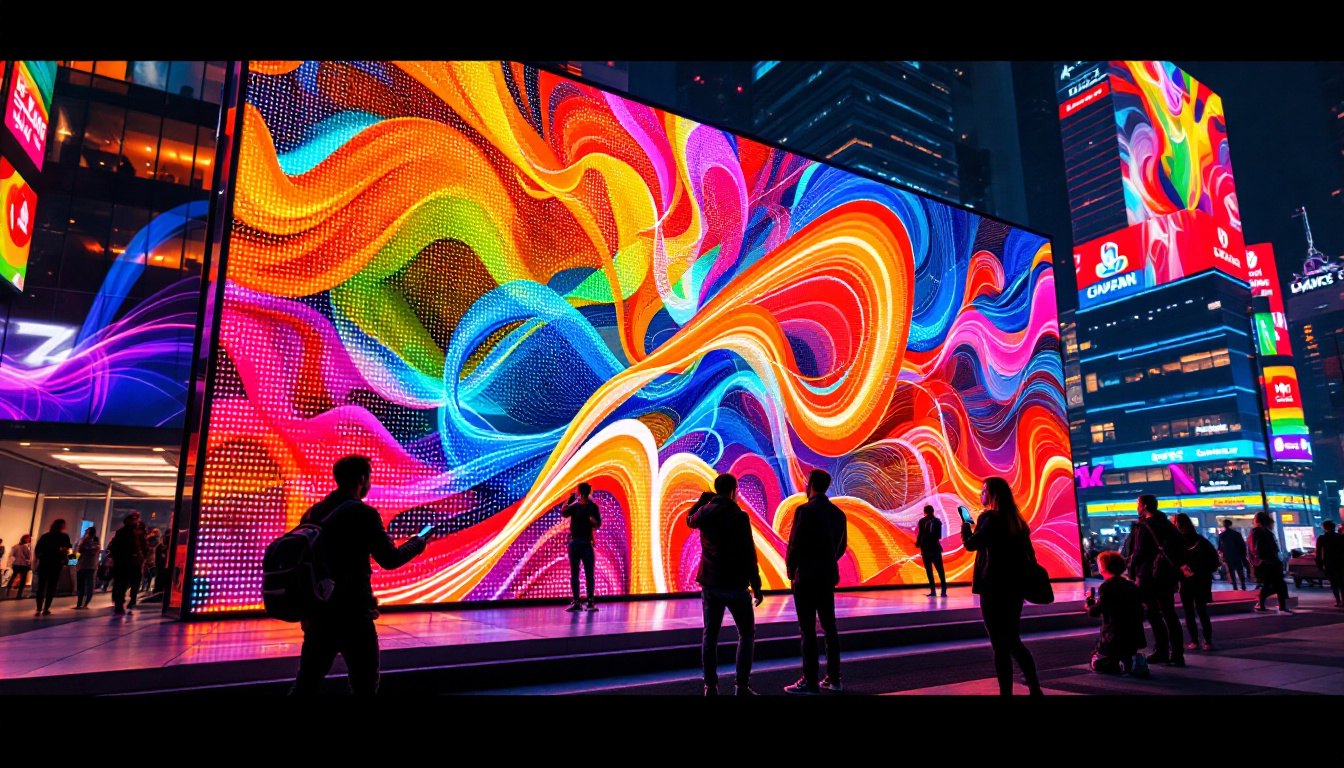
Concerts, sports arenas, and theaters utilize LED screens to enhance audience engagement. Large LED video walls provide immersive visuals, live feeds, and interactive content that elevate the overall experience.
For example, the use of LED screens at the Super Bowl halftime shows allows for spectacular visual effects that complement performances, creating memorable moments for millions of viewers worldwide.
Corporate and Educational Settings
In corporate environments, LED displays are used for presentations, video conferencing, and digital signage to communicate information effectively. Educational institutions also benefit from LED technology by integrating interactive displays into classrooms and lecture halls.
The clarity and brightness of LED screens facilitate better information retention and engagement among audiences.
Transportation and Public Information
Airports, train stations, and bus terminals employ LED displays to provide real-time information such as arrivals, departures, and emergency announcements. The reliability and visibility of LED technology ensure that travelers receive timely updates regardless of lighting conditions.
Choosing the Right Pantalla Led Display
Selecting an appropriate LED display involves considering several factors to ensure optimal performance and return on investment.
Pixel Pitch and Resolution
Pixel pitch refers to the distance between the centers of adjacent LEDs. Smaller pixel pitches mean higher resolution and finer image detail, which is essential for close viewing distances, such as indoor displays.
For outdoor applications where viewers are farther away, larger pixel pitches are acceptable and more cost-effective.
Brightness and Environmental Conditions
The display’s brightness must match the environment where it will be installed. Outdoor screens require higher brightness to combat sunlight, while indoor screens can operate at lower levels to reduce eye strain and energy consumption.
Durability and Maintenance
Consider the display’s resistance to weather, dust, and physical impact, especially for outdoor installations. Additionally, modular designs that allow easy replacement of individual panels or LEDs can reduce maintenance costs and downtime.
Connectivity and Control Systems
Modern LED displays often support various input sources and remote management capabilities. Ensuring compatibility with existing systems and ease of content updates is vital for operational efficiency.
The Future of Pantalla Led Technology
LED display technology continues to advance, driven by innovations in materials, manufacturing, and software integration.
MicroLED, an emerging technology, promises even higher resolution, improved energy efficiency, and longer lifespans by using microscopic LEDs as individual pixels. This could revolutionize display quality for everything from smartphones to large-scale video walls.
Additionally, the integration of artificial intelligence and augmented reality with LED displays is opening new avenues for interactive and personalized content delivery, enhancing user engagement in unprecedented ways.
Conclusion
Pantalla Led or LED displays have transformed the way visual information is communicated across industries. Their superior brightness, energy efficiency, versatility, and scalability make them an indispensable tool for advertising, entertainment, corporate communication, and public information.
By understanding the different types of LED displays, their advantages, and application contexts, businesses and organizations can make informed decisions to harness the full potential of this dynamic technology. As LED technology continues to evolve, its impact on digital communication and visual experiences will only grow stronger, shaping the future of display solutions worldwide.
Discover Cutting-Edge LED Display Solutions
Ready to elevate your visual presentations with the latest in LED technology? Look no further than LumenMatrix, a pioneer in crafting innovative LED display modules designed to amplify your brand’s presence and captivate your audience. Whether you’re seeking an Indoor LED Wall Display for your corporate headquarters, an Outdoor LED Wall Display for impactful advertising, or any of our specialized solutions like Vehicle LED Displays, LED Sports Displays, or Custom LED Displays, LumenMatrix has the expertise to transform your visual communication. Experience the future of digital signage and create unforgettable visual experiences with LumenMatrix. Check out LumenMatrix LED Display Solutions today and see your vision come to life.