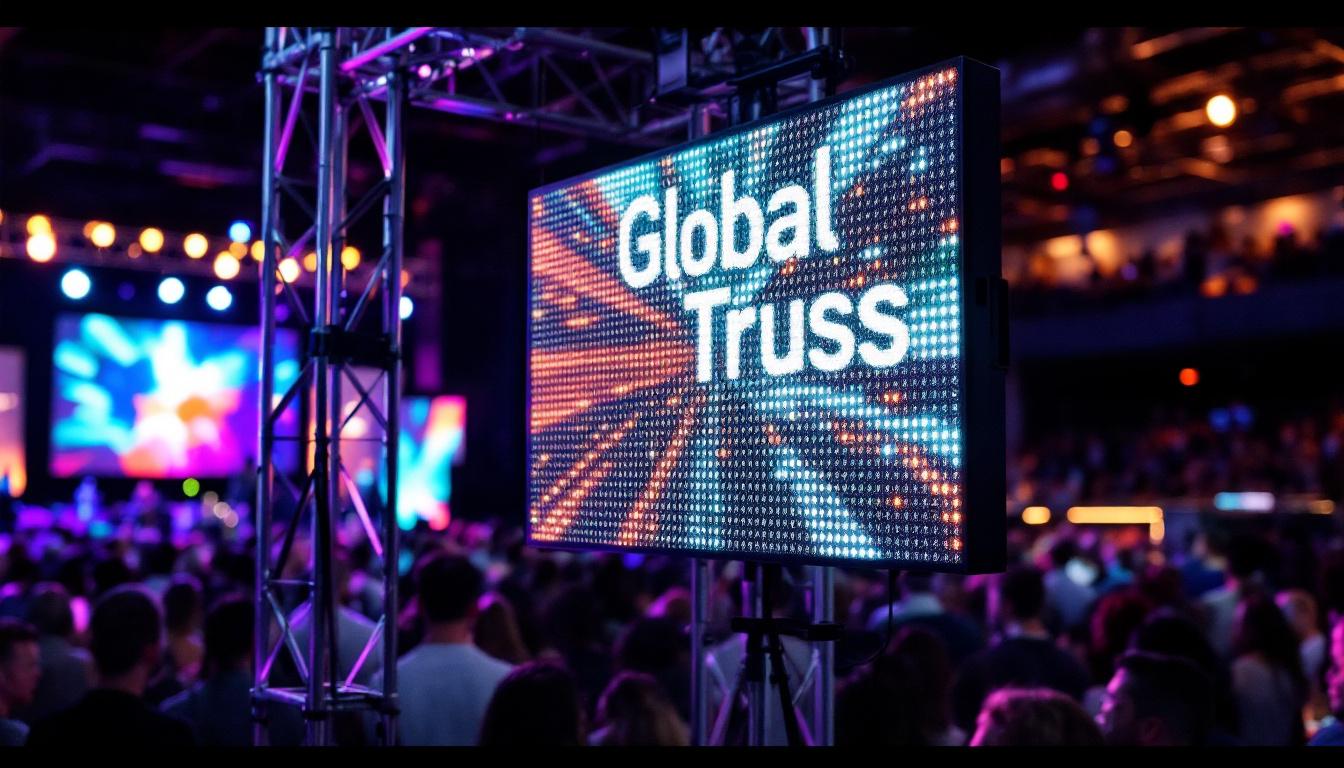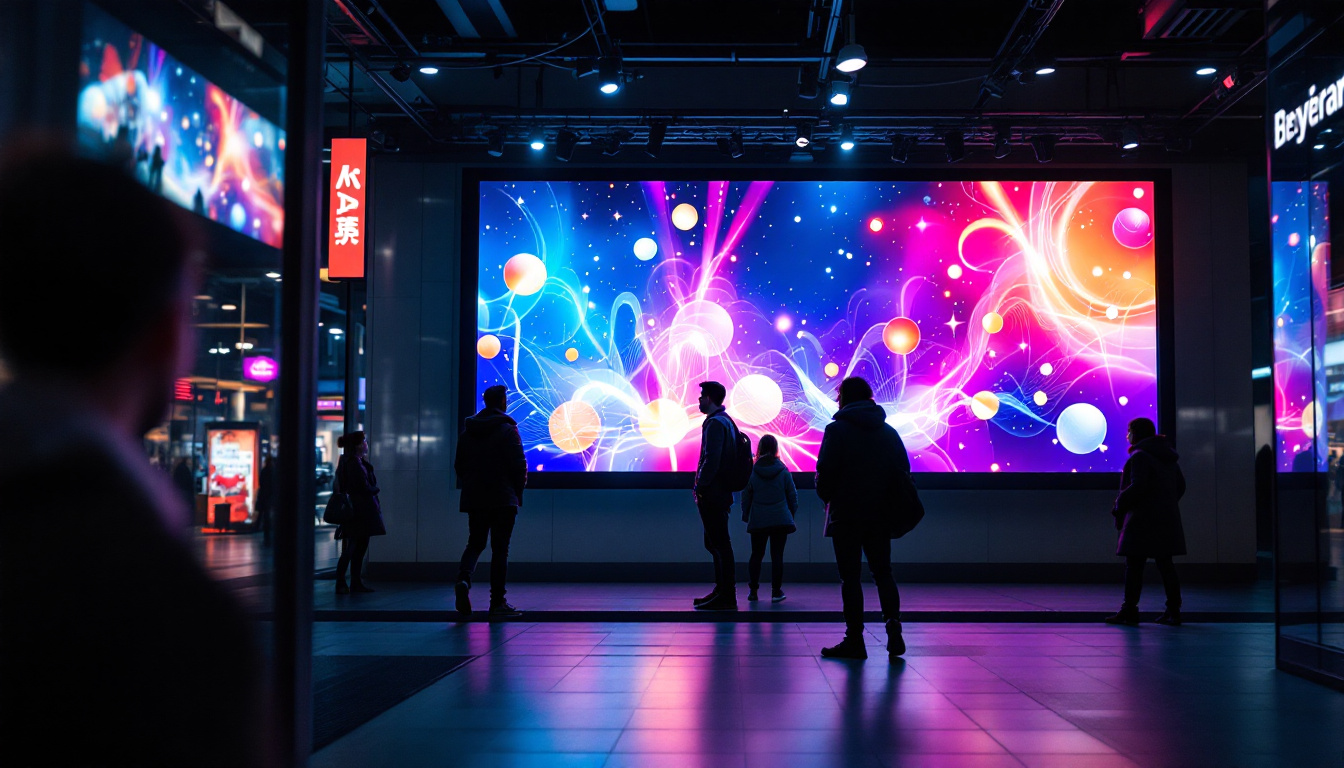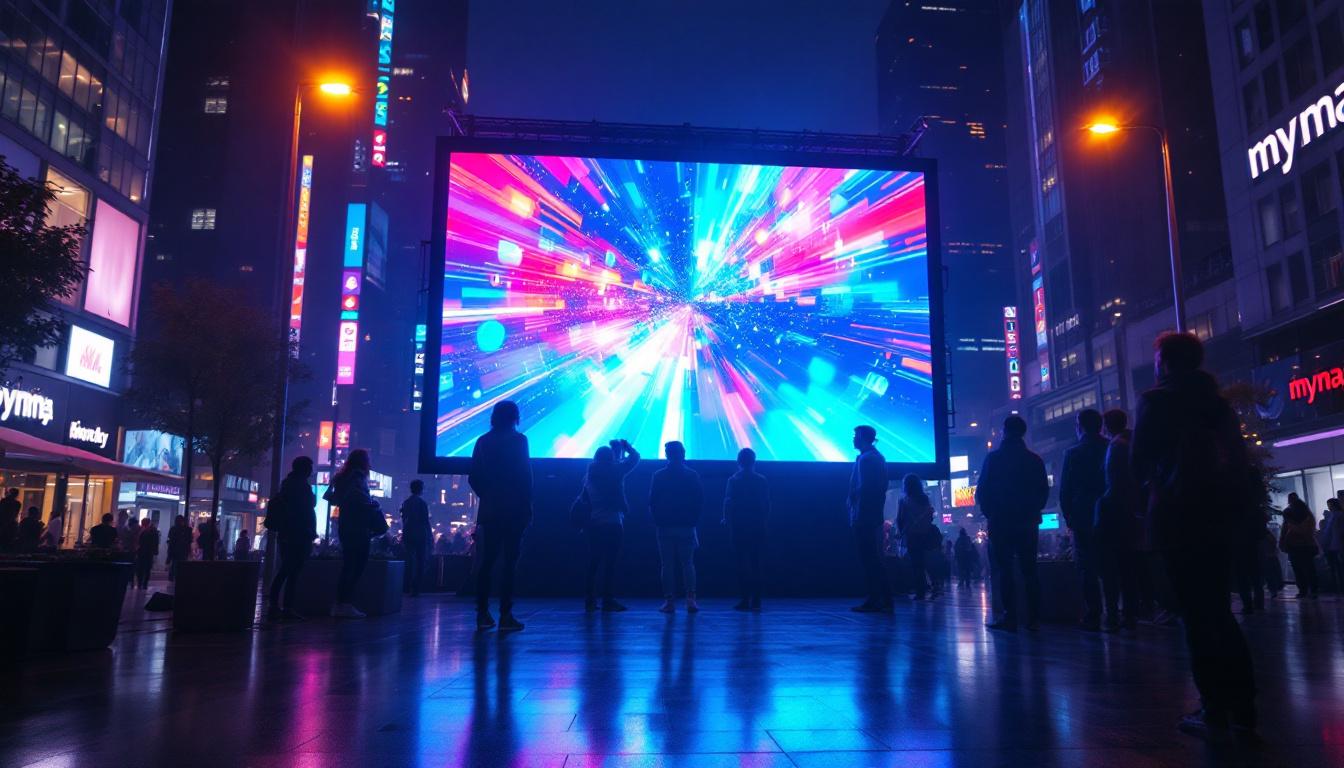
In today’s fast-paced digital world, LED displays have become an integral part of how information is communicated visually. From advertising billboards to stadium screens and indoor signage, LED technology powers vibrant, eye-catching displays that captivate audiences everywhere. This article explores the fundamentals of LED displays, their applications, technological innovations, and why they continue to dominate the visual display market.
Understanding LED Display Technology
What is an LED Display?
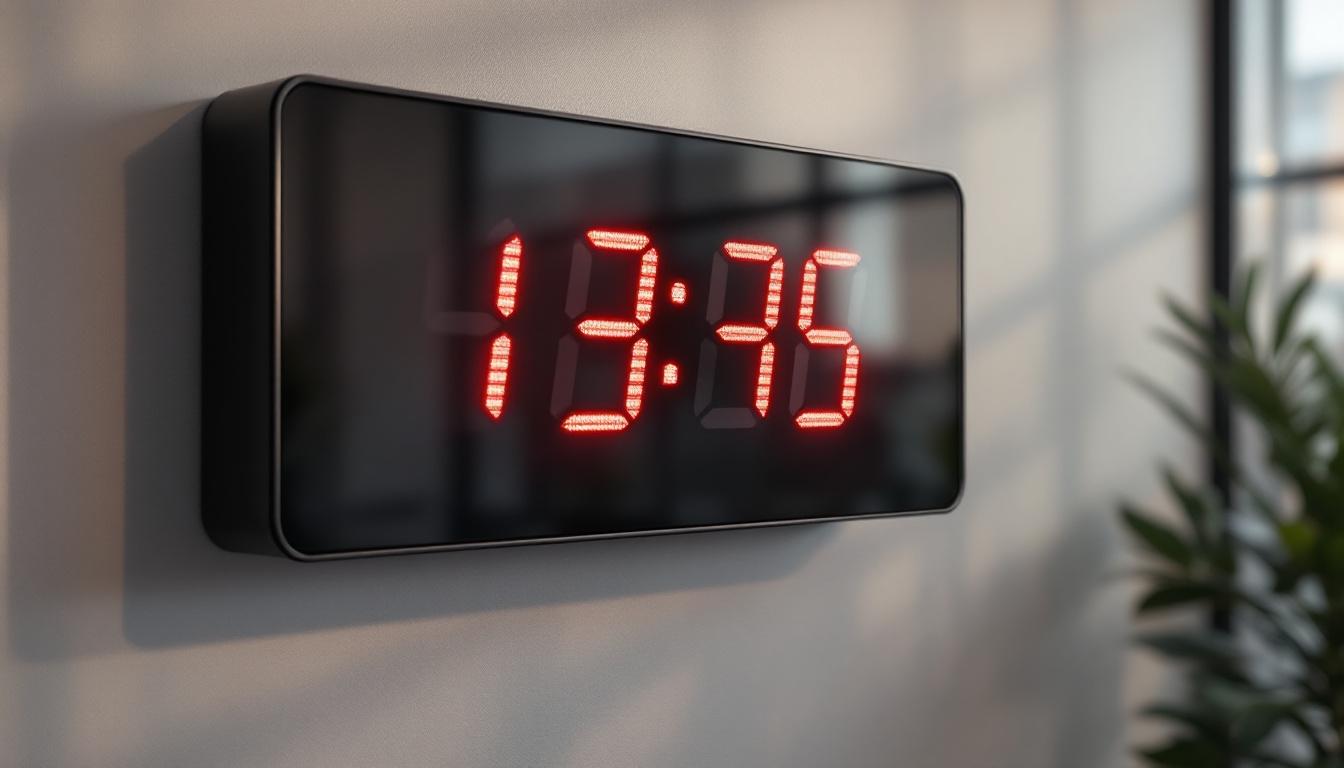
LED, or Light Emitting Diode, displays consist of numerous tiny diodes that emit light when an electric current passes through them. Unlike traditional LCD or plasma screens, LED displays use these diodes as individual pixels, which can be controlled to produce images, videos, or text with exceptional brightness and color accuracy.
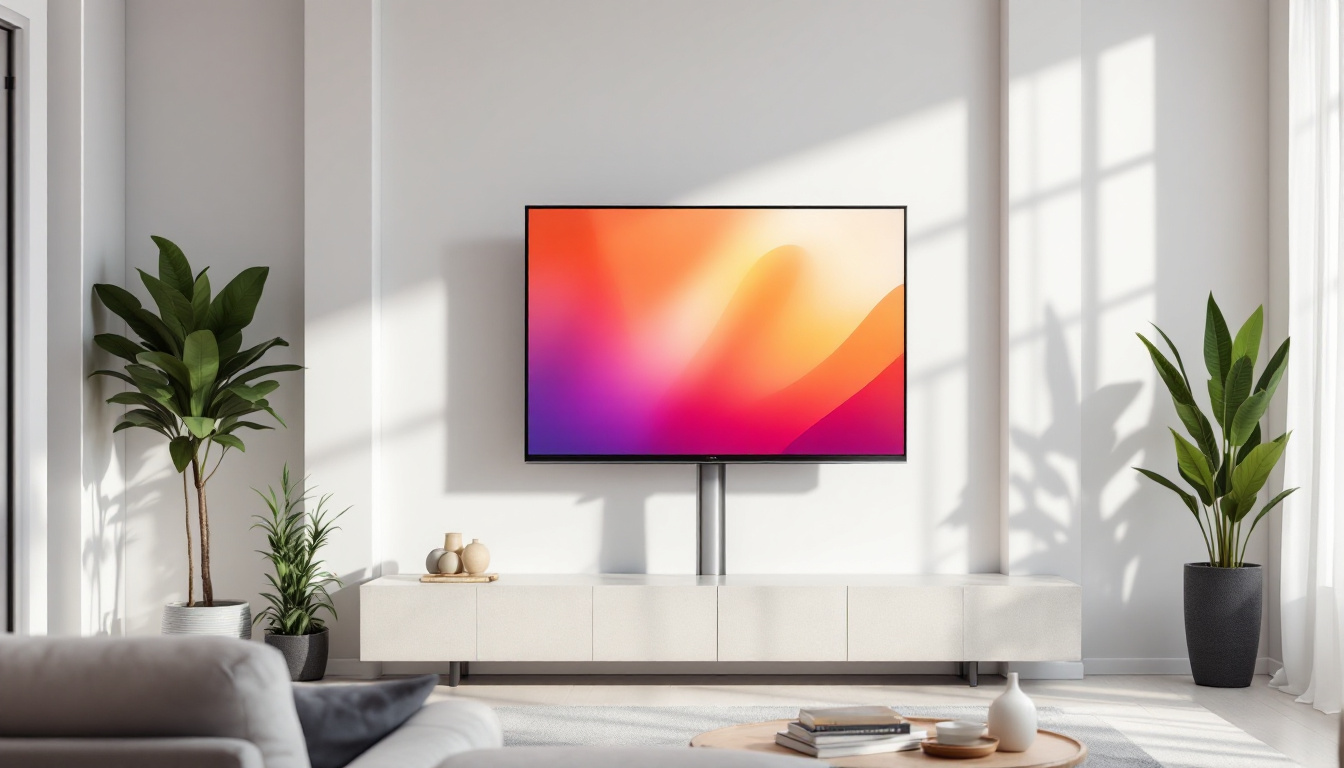
LED displays are available in various forms, including direct-view LED screens and LED-backlit LCDs. The direct-view LED screens are composed entirely of LEDs and are commonly used for large-scale outdoor displays, while LED-backlit LCDs use LEDs to illuminate the LCD panel, enhancing brightness and energy efficiency. The versatility of LED technology has made it a popular choice for a variety of applications, from digital billboards to indoor television screens, providing an engaging visual experience that captures the attention of audiences.
Moreover, the durability and longevity of LED displays are significant advantages over traditional display technologies. LED diodes can last up to 100,000 hours, reducing the need for frequent replacements and maintenance. This longevity makes them an ideal investment for businesses and organizations looking to maximize their return on investment while minimizing operational costs.
How Do LED Displays Work?
Each LED pixel is made up of red, green, and blue diodes. By varying the intensity of these three colors, the display can produce a wide spectrum of colors. This RGB (Red, Green, Blue) color model allows LED displays to render images with high fidelity and vibrant hues. The precision in color mixing is crucial for applications that demand high-quality visuals, such as digital art installations and high-definition television broadcasts.
The control system behind an LED display manages the on/off state and brightness of each diode, enabling dynamic content to be shown. The displays can be modular, allowing for flexible sizes and shapes, which is especially useful for custom installations in advertising, sports arenas, and public spaces. Furthermore, advancements in technology have led to the development of smart LED displays that can connect to the internet, allowing for real-time updates and interactive content. This capability not only enhances user engagement but also provides advertisers with the ability to tailor their messages based on audience demographics and viewing patterns, making LED displays a powerful tool in modern marketing strategies.
Applications of LED Displays
Outdoor Advertising and Digital Billboards
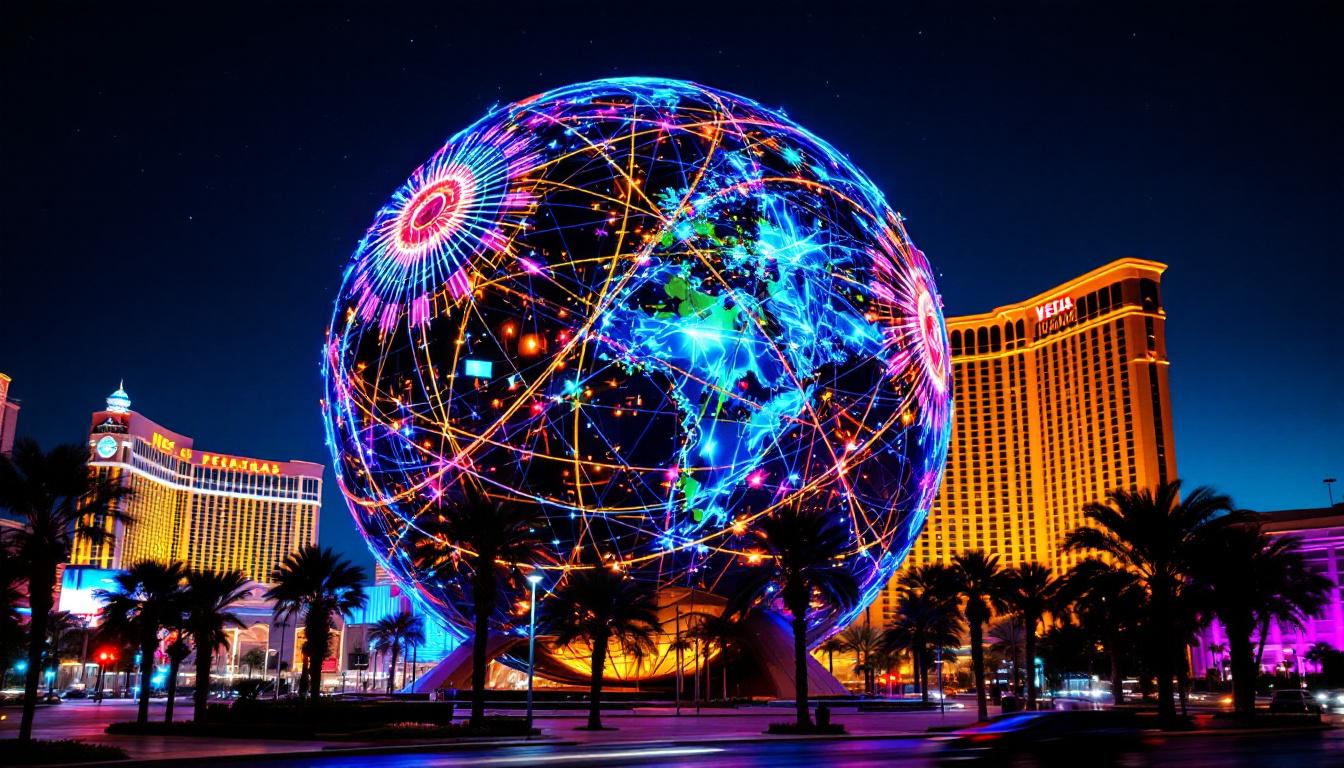
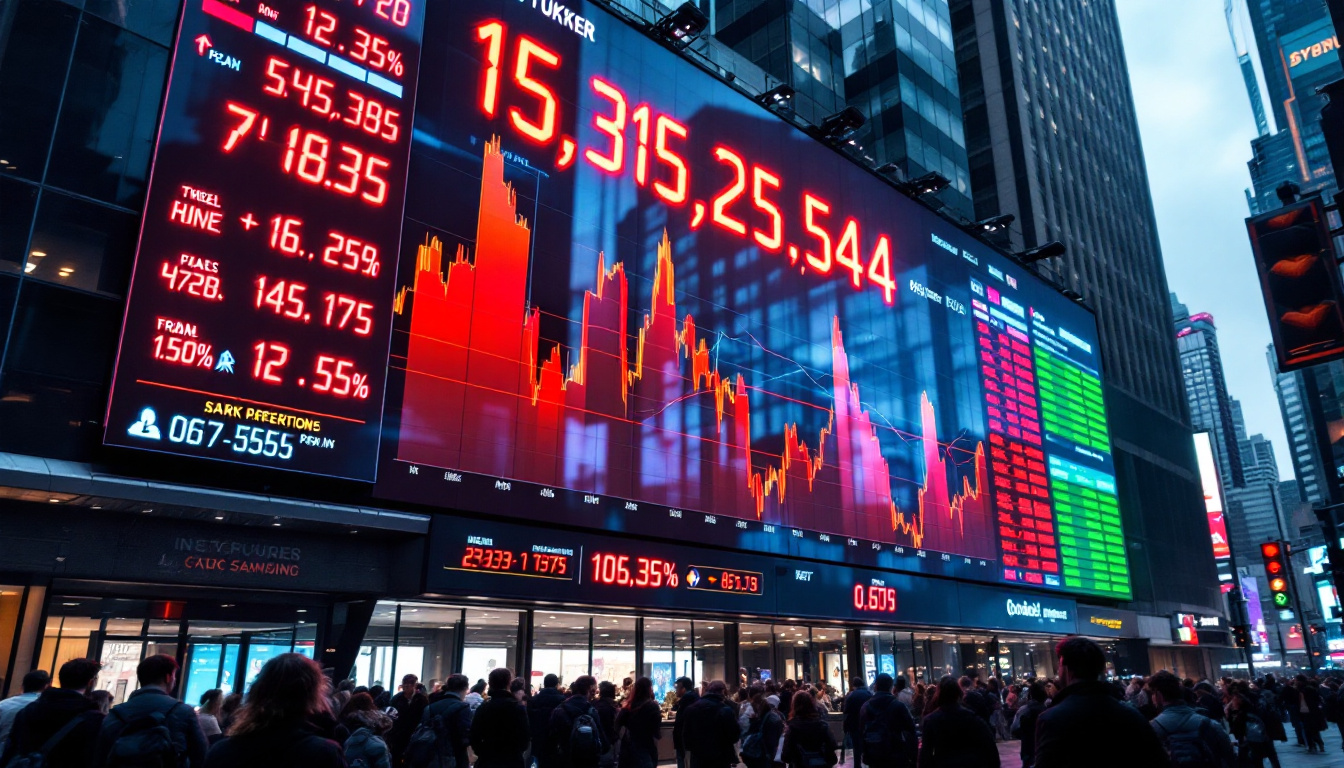
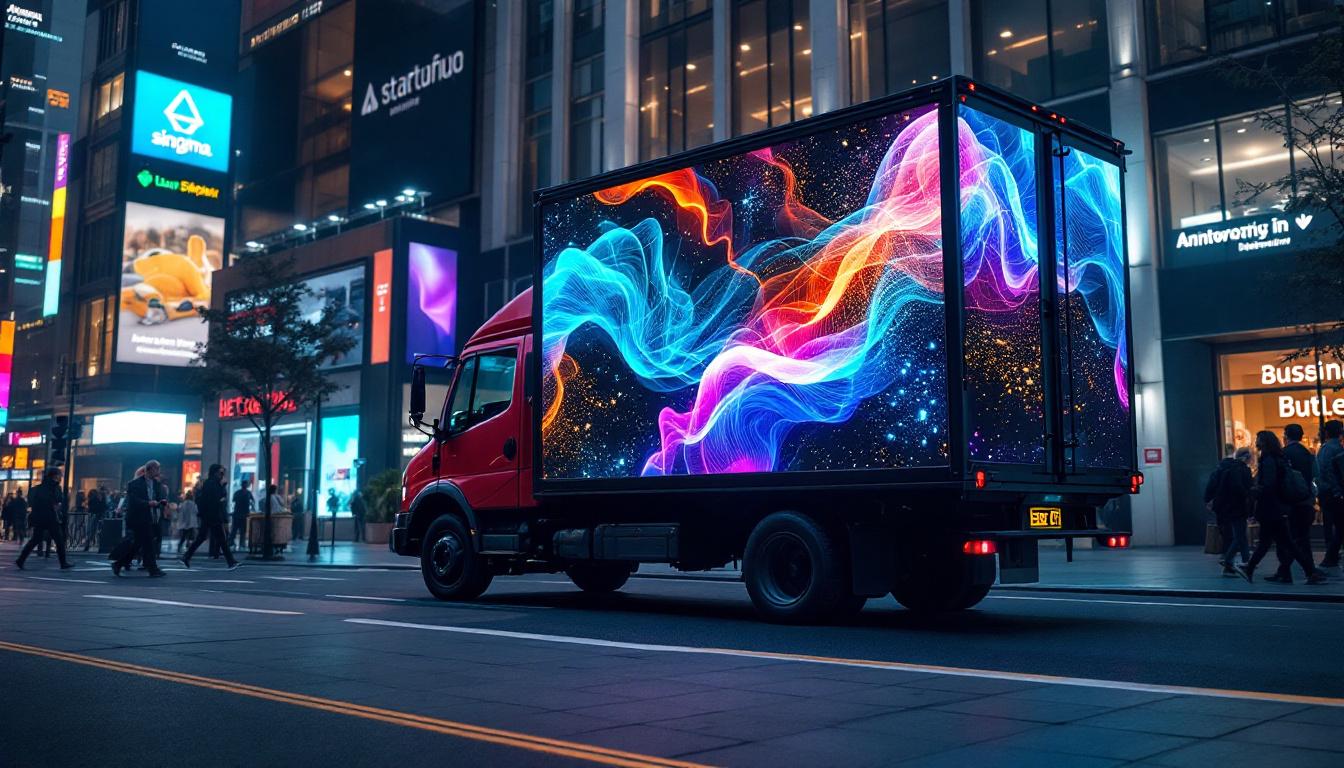
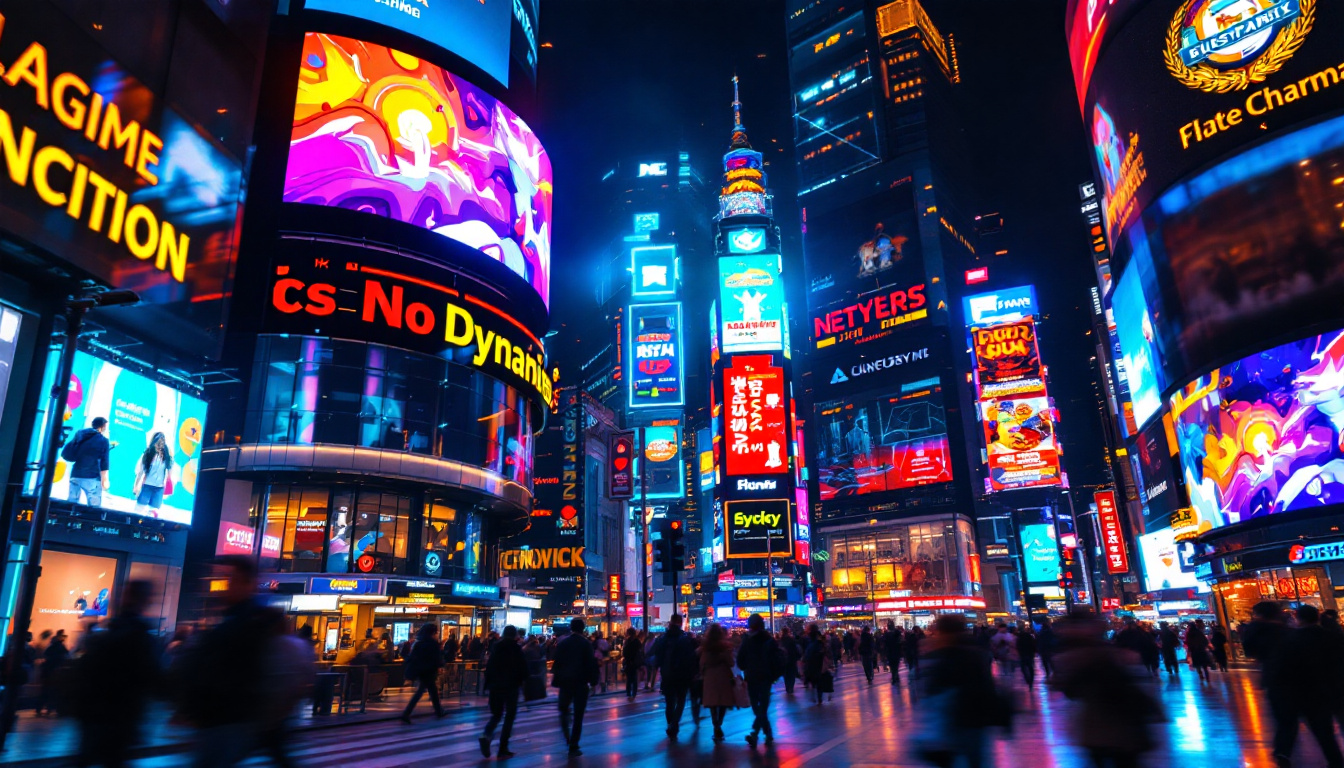
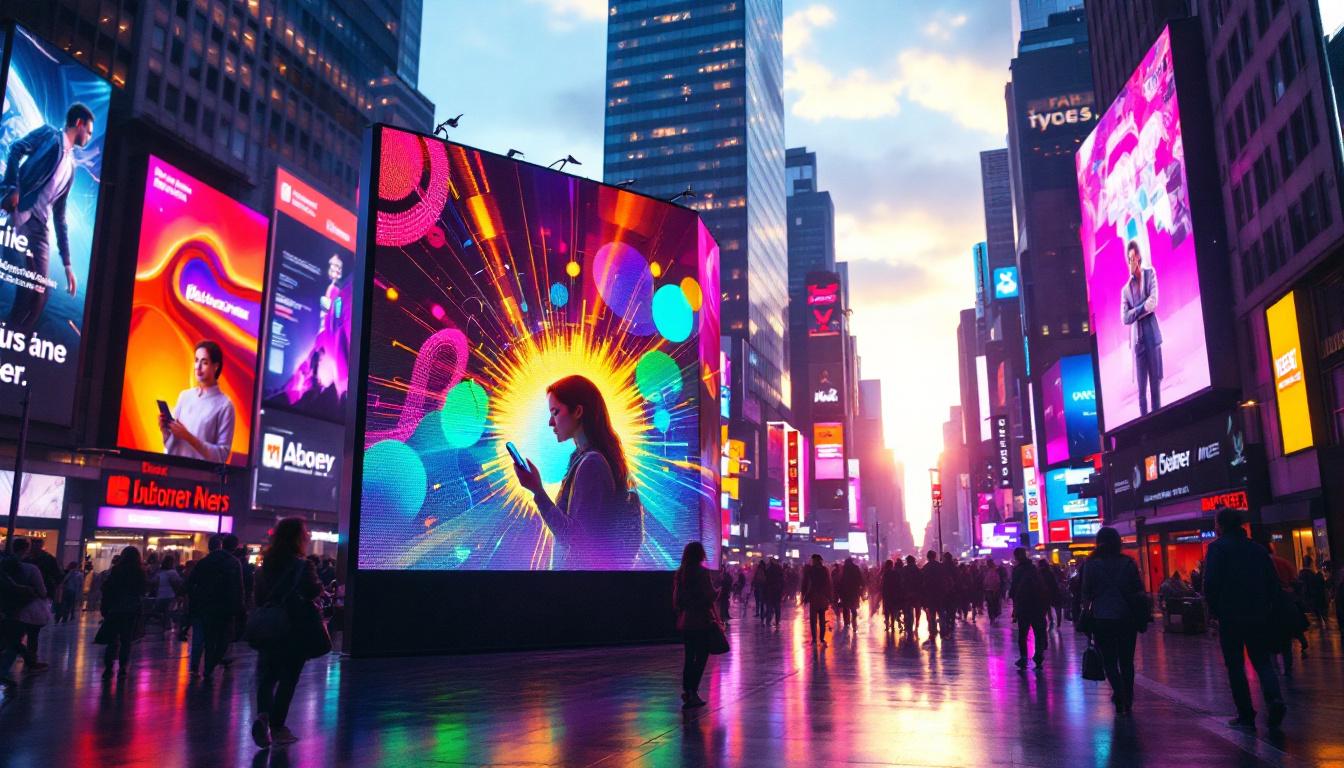
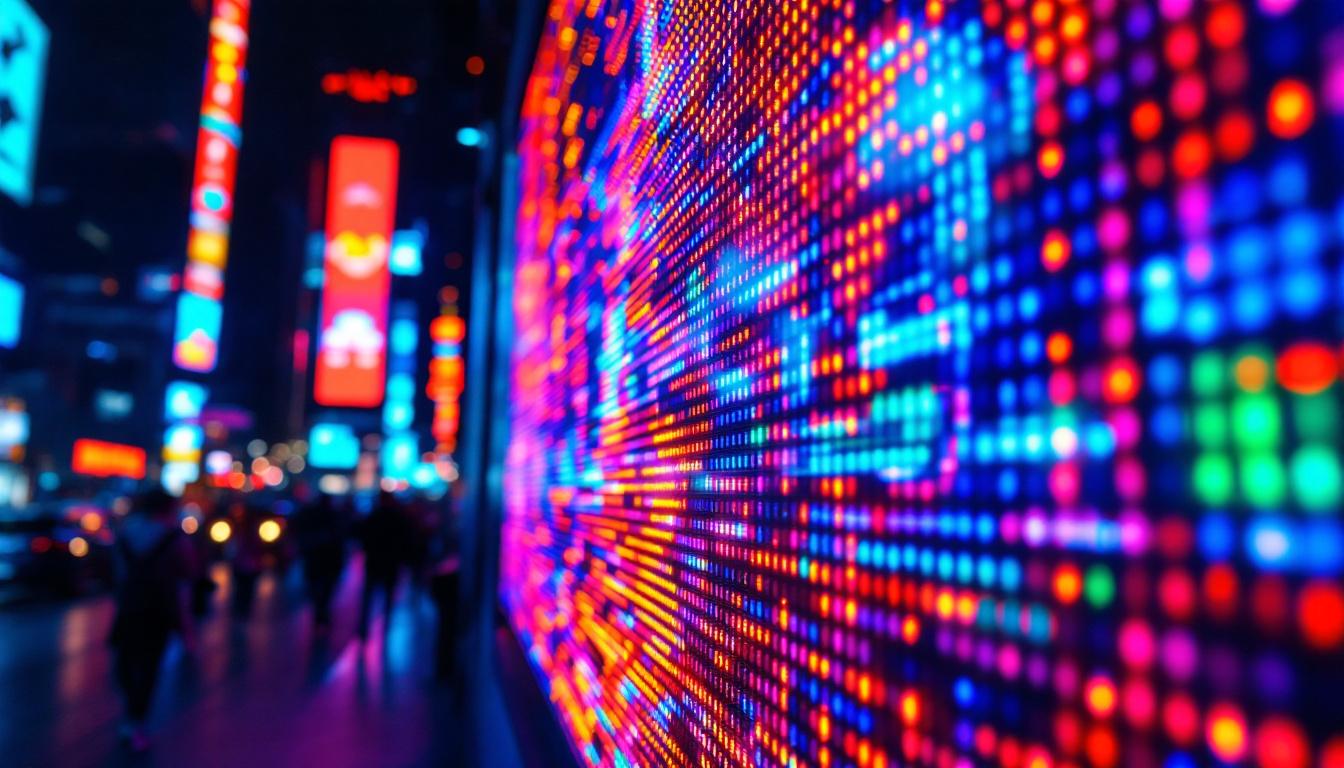
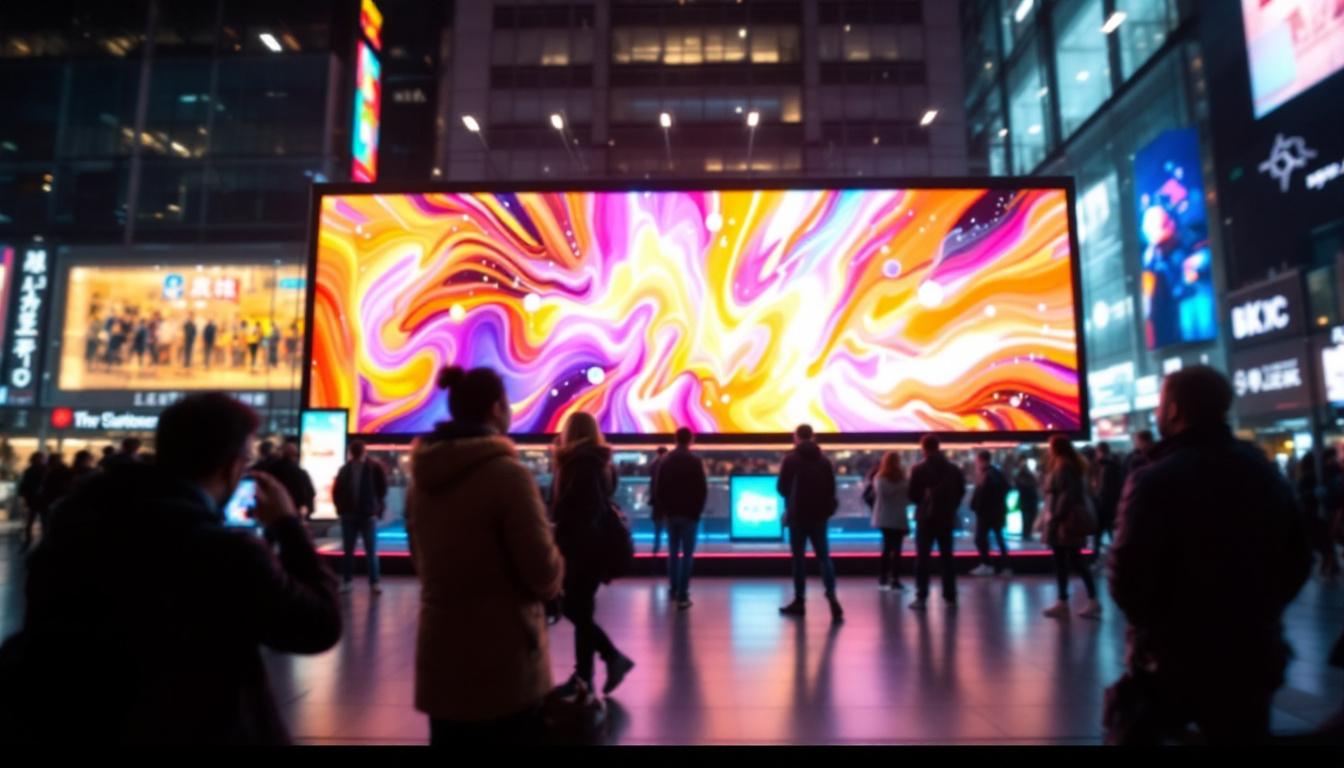
One of the most visible applications of LED displays is in outdoor advertising. Digital billboards powered by LEDs offer advertisers the ability to change content instantly, schedule multiple advertisements, and display high-resolution videos and animations. This flexibility has revolutionized the advertising industry, allowing for targeted and dynamic campaigns.
According to a report by Grand View Research, the global digital signage market, which includes LED displays, is expected to grow at a CAGR of over 8% from 2023 to 2030. This growth is driven by increasing urbanization, the rise of smart cities, and the demand for interactive advertising solutions. Moreover, LED displays can be programmed to respond to real-time data, such as weather conditions or local events, further enhancing their relevance and effectiveness in advertising strategies.
Sports and Entertainment Venues
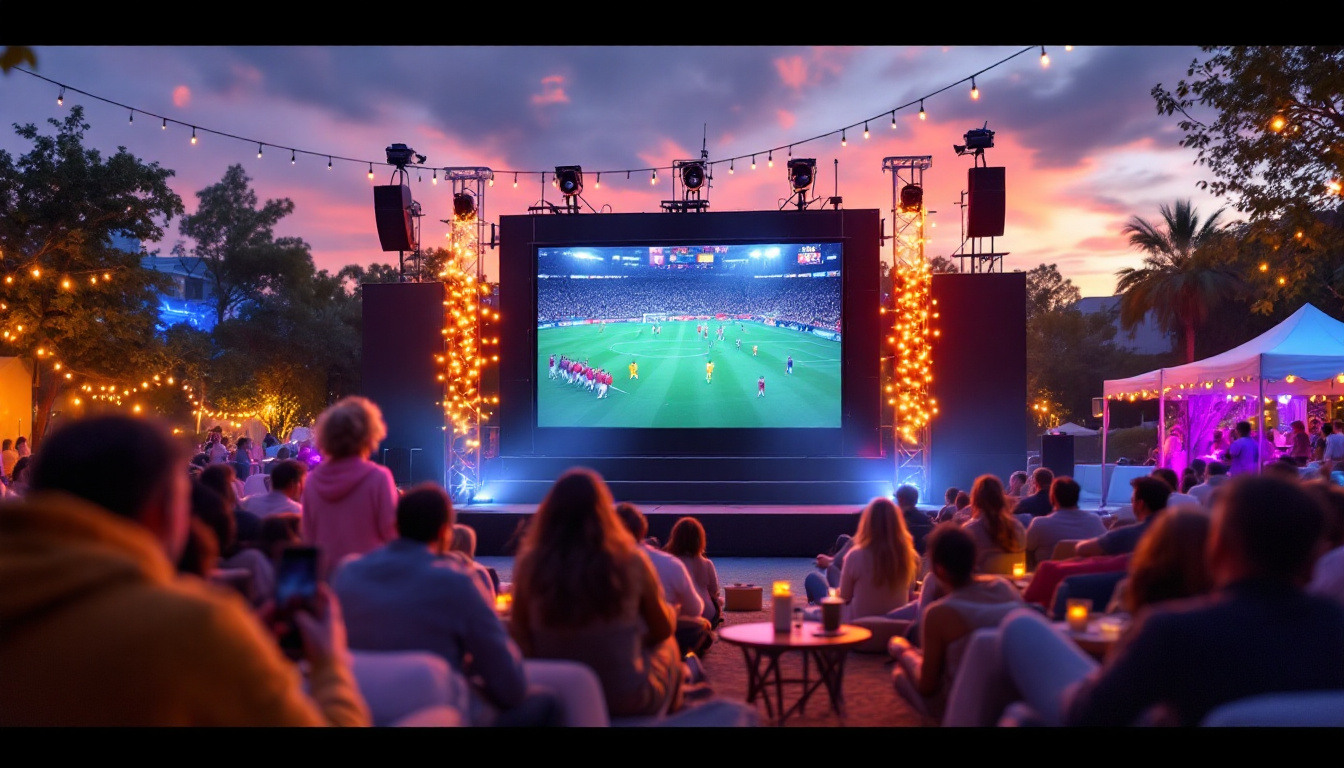
LED displays are ubiquitous in stadiums and arenas worldwide. They provide real-time scores, instant replays, and engaging visual effects that enhance the spectator experience. The ability to produce large, bright images that remain visible even in direct sunlight makes LED technology ideal for these environments.
For example, the AT&T Stadium in Texas features one of the largest high-definition LED video boards in the world, measuring approximately 160 feet wide and 72 feet tall. Such installations demonstrate the scale and impact of LED technology in entertainment. In addition to enhancing game-day experiences, these displays often serve as platforms for advertisements, sponsorships, and fan engagement activities, creating a multifaceted revenue stream for sports franchises. The integration of augmented reality features into these displays is also on the rise, providing fans with an interactive experience that merges the physical and digital worlds.
Retail and Indoor Signage
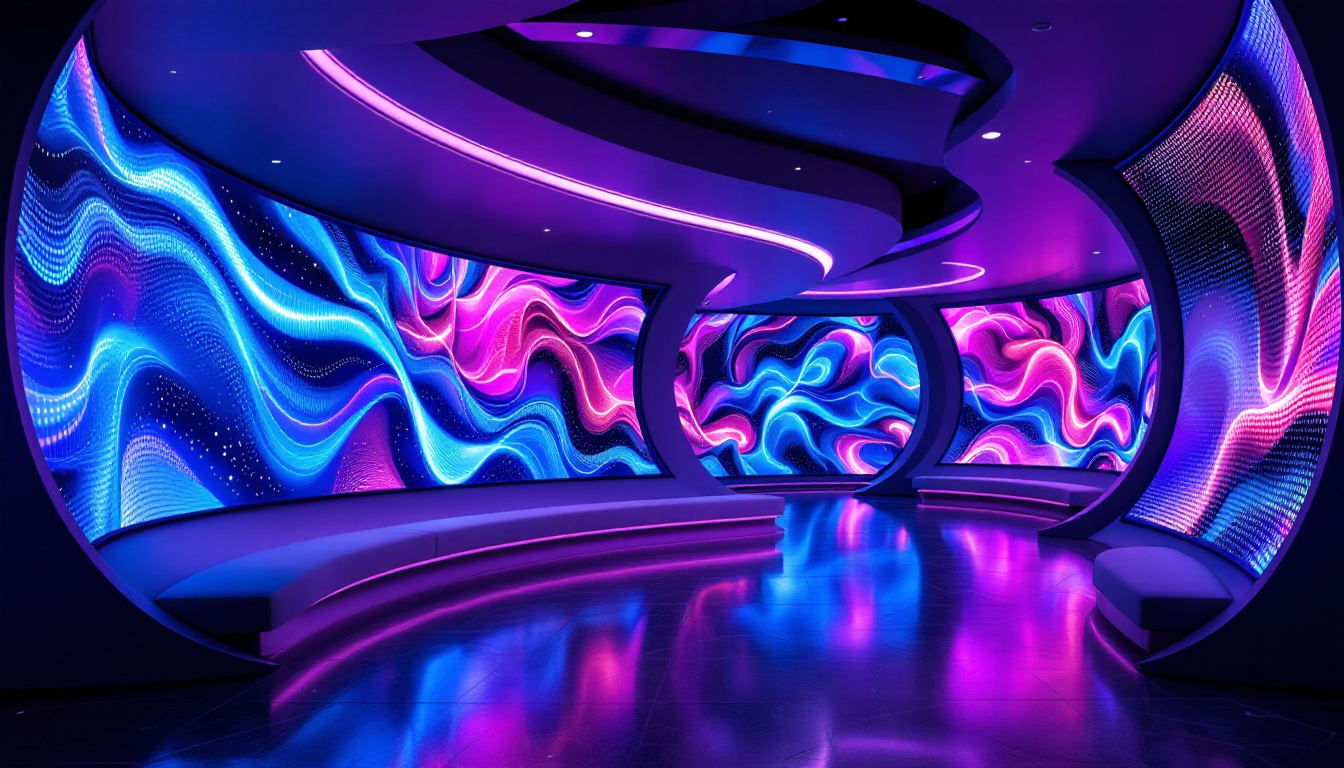
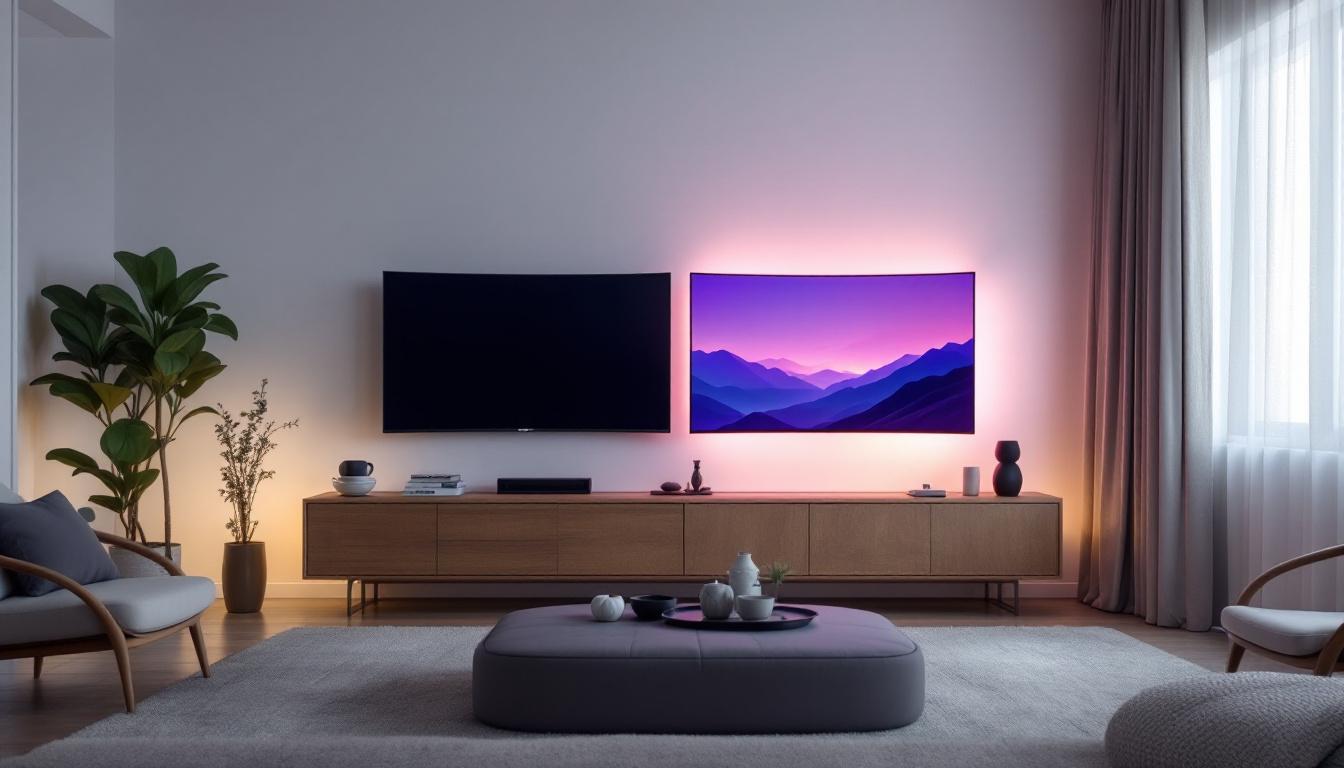
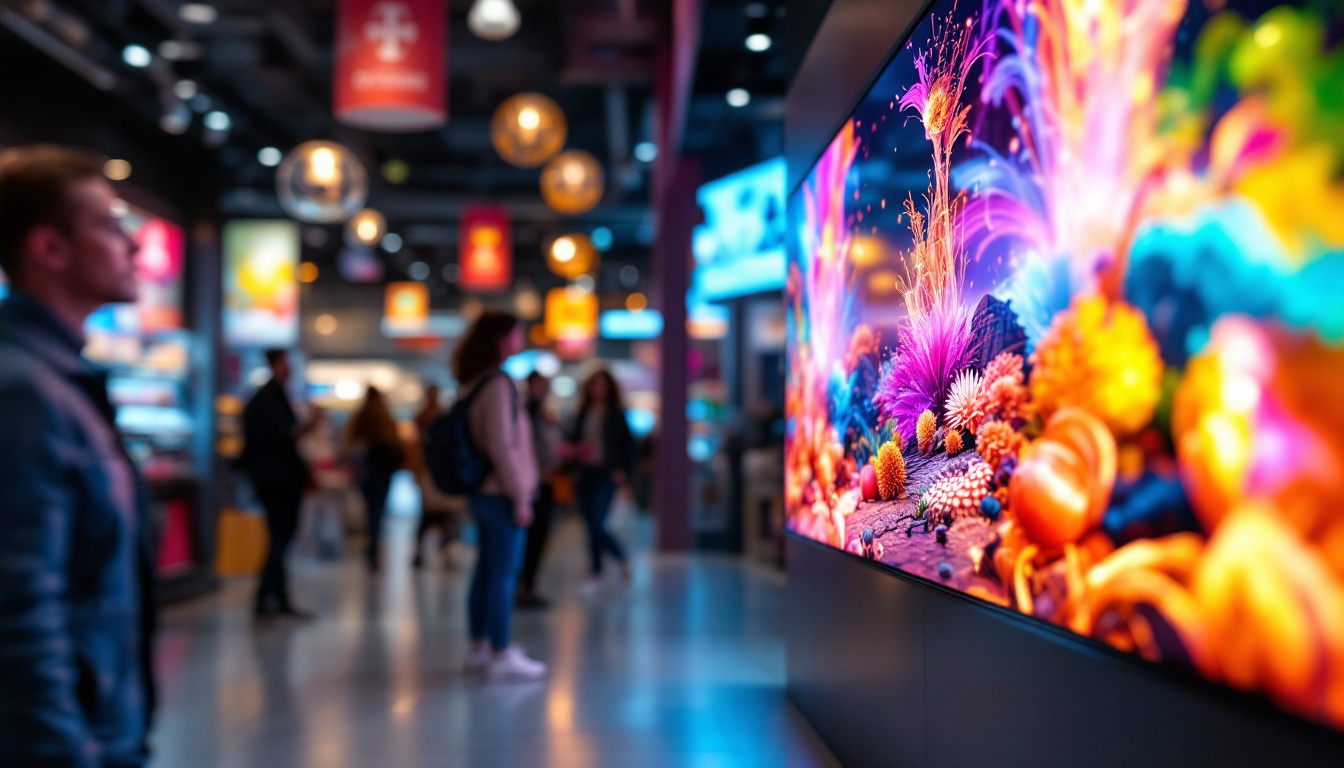
In retail environments, LED displays are used for digital signage, promotional messages, and interactive kiosks. Their slim profile, energy efficiency, and ability to display rich content make them preferable over traditional printed signs.
Retailers leverage LED displays to attract customers, provide product information, and create immersive brand experiences. The integration of touch technology with LED screens is also becoming more common, allowing for interactive product catalogs and wayfinding solutions. Furthermore, the ability to customize content based on customer demographics or shopping behavior is transforming the retail landscape. For instance, some stores are utilizing facial recognition technology to tailor advertisements displayed on LED screens, ensuring that the content resonates with the audience present at that moment. This level of personalization not only enhances customer engagement but also drives sales by delivering targeted promotions directly to consumers.
Technological Innovations in LED Displays
Mini-LED and Micro-LED: The Next Generation
Recent advancements in LED technology have introduced mini-LED and micro-LED displays, which offer significant improvements in picture quality and energy efficiency. Mini-LEDs are smaller than traditional LEDs, allowing for more precise backlighting in LCD panels and resulting in better contrast and brightness. This enhanced backlighting capability enables a more dynamic range of colors and deeper blacks, making them particularly appealing for high-definition video content and gaming experiences.
Micro-LED technology takes this further by using microscopic LEDs as individual pixels, eliminating the need for a separate backlight. This results in displays with exceptional brightness, color accuracy, and longevity. Each micro-LED can be independently controlled, allowing for true blacks and vibrant colors that can adapt to various lighting environments. Although still emerging in the consumer market, micro-LED displays are poised to compete with OLEDs in premium TVs and mobile devices. As production techniques improve and costs decrease, we can expect to see micro-LED technology becoming more accessible, potentially revolutionizing the way we experience visual media.
Energy Efficiency and Sustainability
LED displays are inherently more energy-efficient than older display technologies. Innovations continue to improve power consumption, which is crucial for large-scale installations where operational costs can be substantial. For instance, advancements in dimming technologies and smart power management systems allow LED displays to adjust their brightness based on ambient light conditions, further optimizing energy use and extending the lifespan of the displays.
Moreover, LED technology supports sustainability initiatives by reducing the carbon footprint of digital signage. Many manufacturers now focus on recyclable materials and longer-lasting components, aligning with global efforts toward environmental responsibility. The shift towards modular designs in LED displays also contributes to sustainability, as it allows for easier repairs and upgrades without the need to replace entire units. This not only reduces electronic waste but also encourages a circular economy where components can be reused and recycled, promoting a more sustainable future for display technology.
Choosing the Right LED Display for Your Needs
Factors to Consider
Selecting the appropriate LED display depends on several factors including viewing distance, ambient lighting conditions, resolution requirements, and budget. For example, outdoor displays require higher brightness levels (often exceeding 5,000 nits) to remain visible in sunlight, whereas indoor displays can operate at lower brightness but require higher pixel density for close viewing.
Pixel pitch, which refers to the distance between individual LED pixels, is a critical specification. Smaller pixel pitch means higher resolution and sharper images but typically comes at a higher cost. Understanding the environment and intended use case is essential for making an informed decision.
Installation and Maintenance
LED displays are modular and can be customized in size and shape, but installation complexity varies. Outdoor installations must consider weatherproofing, ventilation, and structural support. Indoor installations focus more on aesthetics and integration with existing infrastructure.
Maintenance is another important aspect. LED displays generally have long lifespans, often exceeding 100,000 hours of operation, but routine checks and cleaning ensure optimal performance. Many modern displays include remote monitoring systems to detect faults and reduce downtime.
The Future of LED Displays
Integration with Smart Technologies
The future of LED displays lies in their integration with smart technologies such as artificial intelligence (AI), augmented reality (AR), and the Internet of Things (IoT). Smart LED displays can adapt content based on real-time data, user interactions, or environmental conditions, creating highly personalized and engaging experiences.
For instance, AI-powered digital signage can analyze audience demographics and adjust advertising content accordingly, maximizing marketing effectiveness. Similarly, AR-enabled LED displays can overlay digital information onto physical spaces, enhancing retail and event experiences.
Expanding Applications
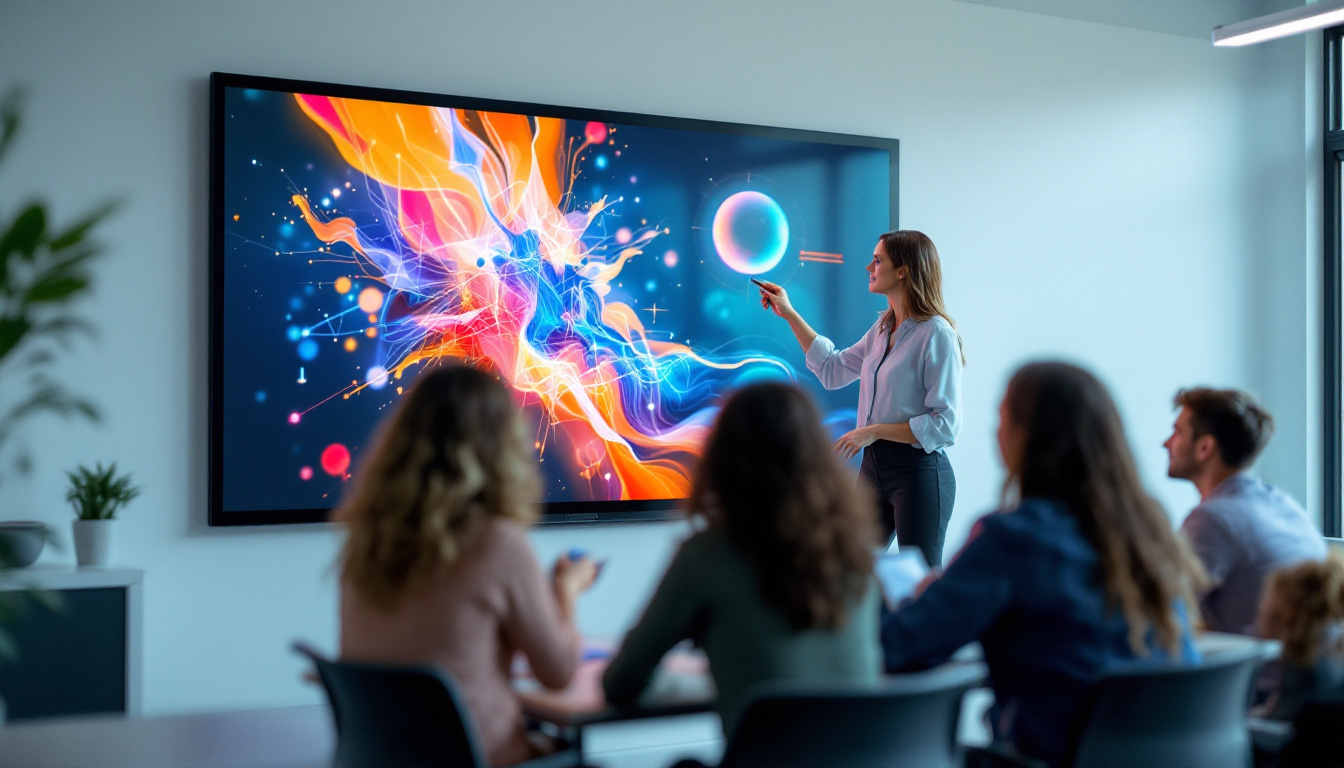
Beyond traditional uses, LED displays are finding new applications in fields such as healthcare, transportation, and education. In hospitals, LED screens are used for patient information and wayfinding. Public transit systems utilize LED displays for real-time updates and safety messages. Educational institutions employ LED technology for interactive learning environments.
As the technology evolves, the versatility and impact of LED displays will continue to grow, shaping how people interact with digital content in everyday life.
Conclusion
LED displays have transformed visual communication across industries by offering bright, flexible, and energy-efficient solutions. Their applications span advertising, entertainment, retail, and beyond, supported by ongoing technological innovations such as mini-LED and micro-LED. Choosing the right LED display involves understanding specific requirements related to environment, resolution, and budget, while future developments promise even smarter and more immersive experiences.
As LED technology advances and integrates with emerging digital trends, its role as a cornerstone of visual display solutions is set to expand, making it an essential consideration for businesses and organizations aiming to engage audiences effectively.
Illuminate Your Space with LumenMatrix
Ready to elevate your visual communication with cutting-edge LED display technology? Discover LumenMatrix’s innovative solutions, from vibrant Indoor and Outdoor LED Wall Displays to dynamic Vehicle and Sports LED Displays. Whether you’re looking to captivate with a Floor LED Display, make a statement with a Custom LED Display, or streamline with an All-in-One LED Display, LumenMatrix has the expertise to bring your vision to life. Experience the future of digital signage with our LED Transparent Display and see how our commitment to revolutionizing visual experiences can transform your brand. Check out LumenMatrix LED Display Solutions and start creating unforgettable visual narratives today.