The evolution of cinema technology has transformed the movie-going experience dramatically over the past century. From the humble beginnings of black-and-white silent films projected on small screens, to today’s immersive digital presentations, the quest for bigger, brighter, and more vivid displays continues to push the boundaries of innovation. One of the most remarkable advancements in recent years is the emergence of giant LED theatre screens, which have redefined what audiences expect from a cinematic experience.
In this article, we explore the world’s biggest theatre screens powered by LED technology, unravel the technical marvels behind these colossal displays, and examine why they represent the future of cinema exhibition. Whether you are a film enthusiast, a technology aficionado, or an industry professional, understanding LED screens in theatres offers valuable insight into the next frontier of visual storytelling.
The Rise of LED Screens in Cinemas
Traditional movie theatres have long relied on projection systems, using powerful projectors to cast images onto large white screens. While this method has served the industry well for decades, it comes with inherent limitations such as brightness loss, image degradation due to ambient light, and restricted viewing angles. LED (Light Emitting Diode) display technology presents a compelling alternative that addresses many of these challenges.
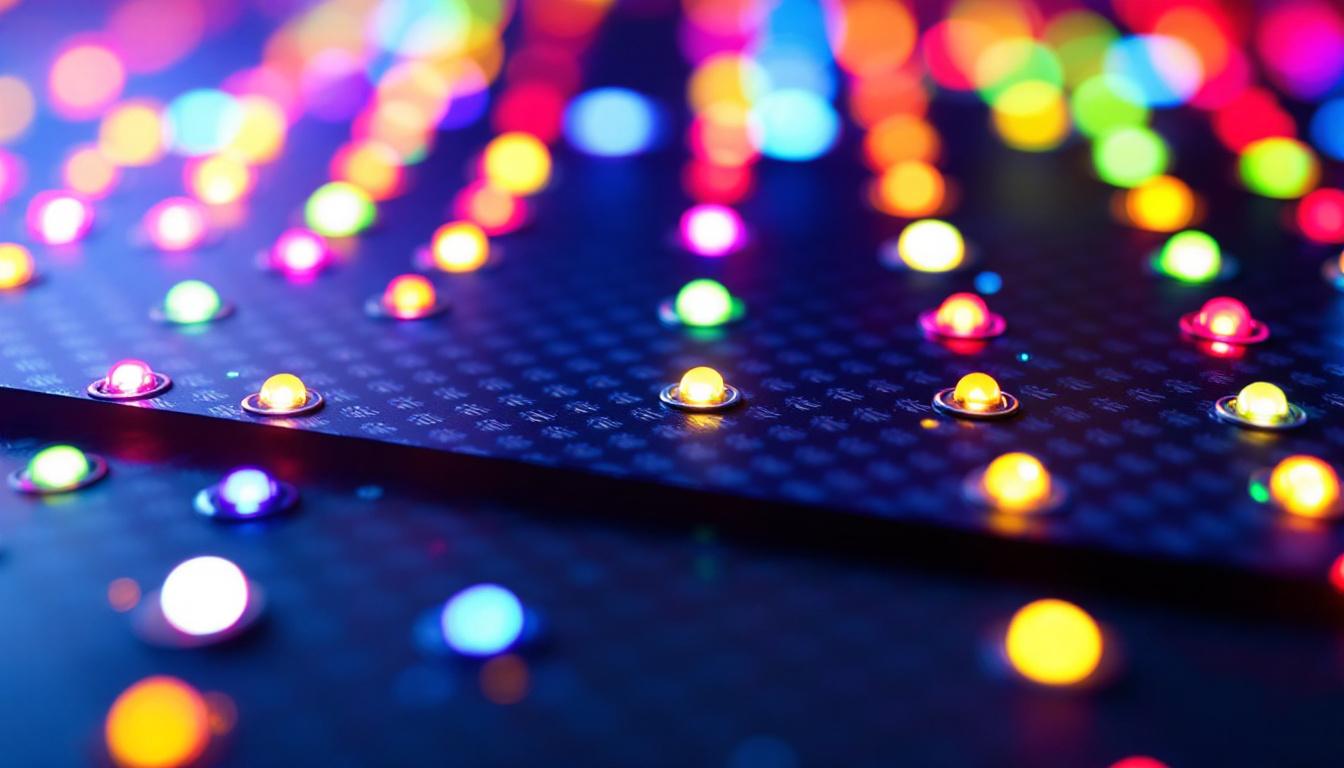
LED screens are composed of thousands to millions of tiny light-emitting diodes that collectively form an image. Unlike projection, LED displays produce their own light, resulting in higher brightness, superior contrast, and vibrant colors that remain consistent regardless of ambient lighting conditions. This self-illumination capability allows theatres to show content with unprecedented clarity and realism.
Why LED Screens Are Gaining Traction
Several factors contribute to the growing adoption of LED screens in cinema environments:
- Brightness and Contrast: LED screens can achieve peak brightness levels far exceeding those of traditional projectors, enhancing image visibility even in rooms with some ambient light.
- Color Accuracy: With advanced calibration, LED displays deliver a wider color gamut and more precise color reproduction, enriching the visual storytelling experience.
- Durability and Maintenance: LED panels are robust and require less frequent maintenance compared to projector bulbs, which have limited lifespans and can be costly to replace.
- Design Flexibility: LED screens can be manufactured in virtually any size and shape, enabling creative theatre layouts and immersive environments.
These advantages have prompted major cinema chains and technology providers to invest heavily in LED-based theatre screens, signaling a shift in the industry’s technological landscape.
The World’s Biggest LED Theatre Screens: A Showcase of Innovation
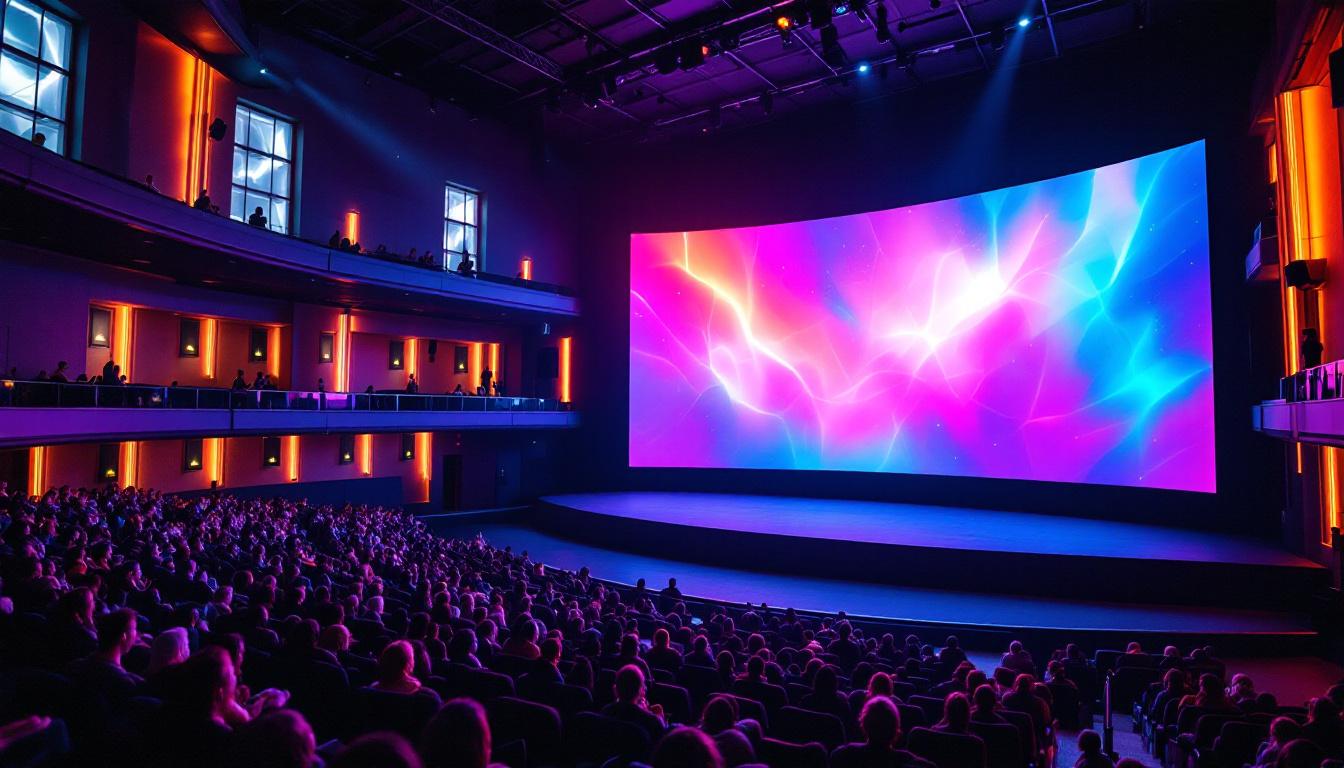
Several cinemas around the globe have installed some of the largest LED screens ever created for theatrical use. These installations not only demonstrate the technical feasibility of massive LED displays but also set new standards for audience immersion and visual quality.
Samsung Onyx: Pioneering the LED Cinema Screen
Samsung’s Onyx LED cinema screen was one of the first commercially available LED theatre displays, launched in 2017. Measuring approximately 10.3 meters wide and 5.4 meters tall (about 34 by 18 feet), the Onyx screen was installed in select premium cinemas worldwide, including AMC Theatres in the United States and CGV Cinemas in South Korea.
The Onyx screen features a 4K resolution and delivers peak brightness of up to 146 foot-lamberts, which is significantly brighter than traditional digital projectors that typically max out around 14 foot-lamberts. This brightness level enhances HDR (High Dynamic Range) content, allowing viewers to see details in both the darkest shadows and brightest highlights with exceptional clarity.
Samsung’s Onyx also supports 3D content without the need for specialized glasses, thanks to its high refresh rate and pixel-level control, further enriching the cinematic experience.
Cinema LED Screens Breaking Size Records
Beyond Samsung’s Onyx, other manufacturers have pushed the envelope even further. For instance, in 2021, a cinema in China unveiled an LED screen measuring over 20 meters wide and 10 meters tall (approximately 66 by 33 feet), making it one of the largest theatre LED screens in the world. This screen boasts 8K resolution capabilities, delivering ultra-high-definition visuals that far surpass traditional cinema standards.
Such enormous LED displays are not only impressive in size but also in pixel density, ensuring that even viewers seated close to the screen enjoy sharp, detailed images without visible pixelation. This is critical in large theatres where audience members are distributed across wide seating areas.
Technical Aspects of LED Theatre Screens
Understanding the technology behind LED theatre screens helps appreciate the complexity and ingenuity involved in creating these giant displays. Several key technical components and considerations come into play.
Pixel Pitch and Resolution
Pixel pitch refers to the distance between the centers of two adjacent pixels on an LED screen, typically measured in millimeters. A smaller pixel pitch means higher pixel density, resulting in sharper images. For theatre screens, pixel pitch typically ranges from 0.9 mm to 2.5 mm, balancing resolution with cost and manufacturing feasibility.
Higher resolution is crucial for large screens to avoid a “screen door effect,” where individual pixels become visible to the audience, breaking immersion. Modern LED theatre screens often support 4K or even 8K resolution, ensuring crystal-clear images that rival or exceed traditional projection systems.
Brightness and Contrast Ratios
Brightness is measured in nits or foot-lamberts and determines how vivid an image appears under various lighting conditions. LED displays can achieve brightness levels exceeding 1,000 nits, which is several times brighter than conventional cinema projectors. This capability is especially beneficial for HDR content, which relies on high brightness to deliver realistic lighting effects.
Contrast ratio, the difference between the darkest black and the brightest white, is another critical factor. LED screens can achieve near-infinite contrast ratios because individual diodes can be turned off completely to produce true black, unlike projectors that rely on reflected light and cannot achieve absolute darkness.
Color Gamut and Calibration
LED technology supports wide color gamuts such as DCI-P3 and Rec. 2020, which are industry standards for digital cinema and UHD content. These color spaces encompass a broader range of colors than traditional sRGB, enabling more vibrant and lifelike images.
Proper calibration is essential to maintain color accuracy over time. Advanced software tools and sensors monitor and adjust the display to ensure consistent color reproduction, which is vital for filmmakers and audiences who expect the director’s vision to be faithfully represented.
Modular Design and Installation
Large LED screens are composed of modular panels that can be assembled on-site to create screens of virtually any size. This modularity simplifies transportation, installation, and maintenance. If a panel malfunctions, it can be replaced without dismantling the entire screen.
Installation requires precise alignment and calibration to ensure seamless image display across all panels. Specialized mounting systems and cooling mechanisms are also integrated to maintain optimal operating conditions and prevent overheating.
Impact on the Movie-Going Experience
The introduction of massive LED screens in theatres has a profound effect on how audiences experience films. The enhanced image quality, brightness, and color fidelity contribute to deeper immersion and emotional engagement.
Immersive Visuals and Enhanced Storytelling
The sheer size and clarity of LED screens envelop viewers in the cinematic world, making them feel part of the story rather than mere observers. This heightened immersion amplifies emotional responses and can transform the viewing of action sequences, landscapes, and visual effects into truly breathtaking experiences.
Filmmakers can also leverage the capabilities of LED screens to create content with richer detail and dynamic lighting, knowing that their artistic intent will be accurately rendered in theatres equipped with this technology.
Accessibility and Comfort
LED screens’ consistent brightness and wide viewing angles ensure that every seat in the house offers an excellent view, reducing the need for premium pricing based on seating location. Additionally, the absence of flicker and the reduction of eye strain associated with LED displays contribute to a more comfortable viewing experience.
Challenges and Future Prospects
Despite their advantages, LED theatre screens face several challenges that must be addressed to achieve widespread adoption.
Cost Considerations
The initial investment required to install large LED screens is significantly higher than traditional projection systems. The cost of manufacturing high-resolution LED panels, combined with installation and calibration expenses, can be prohibitive for smaller theatres or chains operating on tight budgets.
Content Compatibility and Industry Adoption
Most films are still produced and mastered with traditional projection in mind. Transitioning to LED screens requires adjustments in content mastering workflows to optimize for the unique characteristics of LED displays, such as their higher brightness and wider color gamut.
Industry-wide adoption depends on collaboration between content creators, distributors, and exhibitors to ensure seamless compatibility and to fully harness the potential of LED technology.
Technological Advancements on the Horizon
Ongoing research aims to reduce the cost of LED panels, improve energy efficiency, and enhance pixel density further. Innovations such as microLED technology promise even better image quality with lower power consumption and longer lifespans.
As these advancements mature, it is expected that LED theatre screens will become more accessible and commonplace, eventually becoming the new standard for cinematic display worldwide.
Conclusion
The world’s biggest theatre screens powered by LED technology represent a significant leap forward in cinematic display capabilities. By delivering unparalleled brightness, contrast, and color accuracy on massive scales, these screens redefine the movie-going experience and open new creative possibilities for filmmakers.
While challenges remain, the momentum behind LED cinema screens is undeniable. As costs decrease and industry standards evolve, LED displays are poised to become the dominant technology in theatres, ushering in a new era of immersive, visually stunning storytelling that captivates audiences like never before.
Discover the Future of Cinematic Displays with LumenMatrix
Ready to experience the pinnacle of visual storytelling in your own venue? LumenMatrix is at the forefront of LED display innovation, offering a wide range of solutions that push the boundaries of brightness, contrast, and color accuracy. From Indoor and Outdoor LED Walls to Custom and All-in-One LED Displays, our technology is designed to captivate and engage audiences like never before. Embrace the future of cinema and enhance your audience’s movie-going experience with LumenMatrix’s cutting-edge LED display modules. Check out LumenMatrix LED Display Solutions today and join the revolution in visual communication.