In the rapidly evolving world of digital signage and visual communication, the term “Cloud Wall” has emerged as a cutting-edge concept that blends innovative LED display technology with creative architectural design. As businesses, event organizers, and advertisers seek more immersive and impactful ways to engage audiences, Cloud Walls offer a unique solution that transcends traditional screens. This article explores what a Cloud Wall is, how LED technology powers it, its applications, and why it’s becoming a game-changer in the display industry.
What Is a Cloud Wall?
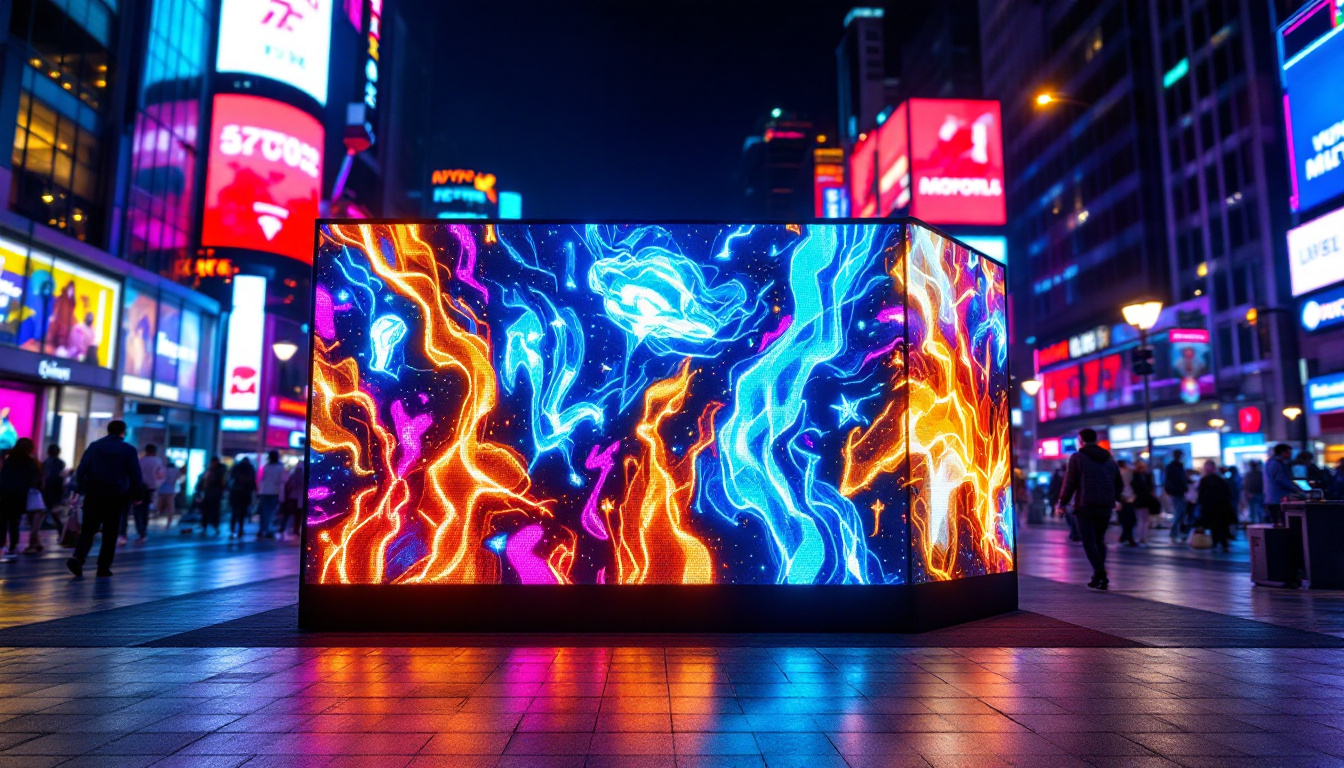
A Cloud Wall is an artistic and technological installation that uses LED displays arranged in a three-dimensional, often suspended or floating configuration. Unlike conventional flat LED panels, Cloud Walls create a volumetric visual experience, resembling a cloud of light or pixels hovering in space. This effect is achieved by mounting numerous small LED modules on transparent or minimalistic frames, allowing viewers to see through and around the display, enhancing the sense of depth and immersion.
The concept is inspired by the desire to break away from flat, rectangular screens and create dynamic environments that interact with their surroundings. Cloud Walls can be customized in shape, size, and density, making them versatile for a variety of settings—from retail stores and museums to concerts and corporate lobbies. The interplay of light and shadow in these installations can evoke a range of emotions, transforming a simple space into an engaging experience that captivates audiences and encourages exploration.
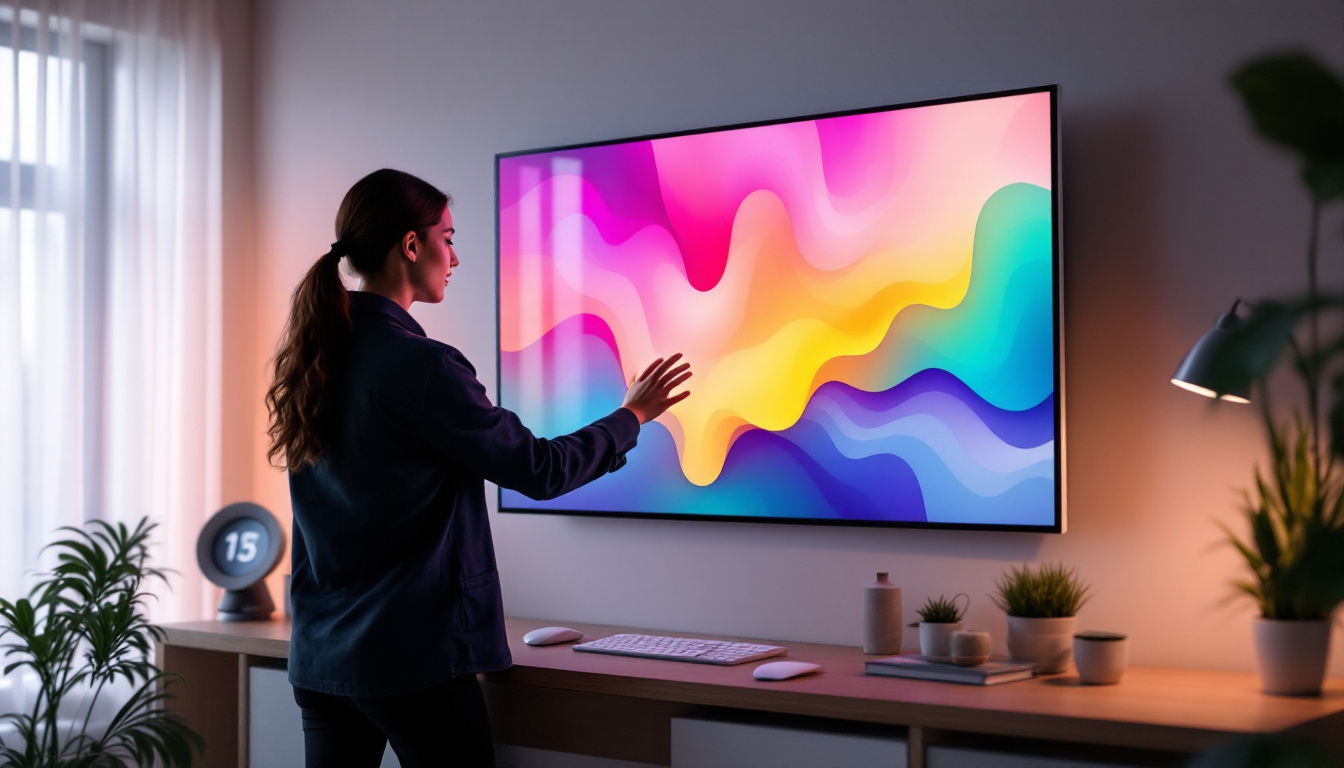
Moreover, Cloud Walls can be programmed to display a variety of content, from abstract animations to interactive visuals that respond to the movements of viewers. This adaptability not only enhances the aesthetic appeal but also allows for storytelling that can evolve throughout the day or event, keeping the audience engaged and intrigued. The technology behind these installations often incorporates advanced sensors and software that enable real-time interaction, making each experience unique and tailored to the specific environment.
How Does a Cloud Wall Differ from Traditional LED Displays?
Traditional LED displays typically consist of rigid panels arranged in a flat or curved surface, designed primarily for two-dimensional content presentation. Cloud Walls, on the other hand, prioritize spatial creativity, using LED pixels suspended in three-dimensional space. This allows for:
- Transparency: The open structure lets light and sightlines pass through, integrating the display with architectural elements.
- Depth and Volume: Content can appear to float or move in space, adding a new dimension to visual storytelling.
- Customization: Shapes and densities can be tailored to fit unique design requirements, unlike fixed-size LED panels.
These differences make Cloud Walls particularly suited for environments where visual impact and spatial integration are paramount. For instance, in a retail setting, a Cloud Wall can serve as a captivating backdrop that not only showcases products but also enhances the overall shopping experience. By creating a sense of wonder and curiosity, these installations can draw customers in, encouraging them to linger longer and engage more deeply with the brand. Similarly, in museums, Cloud Walls can provide an immersive narrative that complements exhibits, allowing visitors to interact with the displayed content in a way that feels both innovative and personal.
The Technology Behind Cloud Walls
At the heart of every Cloud Wall is LED (Light Emitting Diode) technology, which has revolutionized display systems over the past two decades. LEDs offer high brightness, energy efficiency, long lifespan, and excellent color reproduction, making them ideal for both indoor and outdoor applications.
LED Modules and Pixel Pitch
Cloud Walls use small LED modules composed of clusters of diodes arranged closely together. One critical specification is the pixel pitch, which is the distance between the centers of two adjacent pixels. A smaller pixel pitch means higher resolution and finer detail, which is essential for close-up viewing environments.
For Cloud Walls, pixel pitch typically ranges from 2mm to 10mm, depending on the installation’s size and viewing distance. Since Cloud Walls are often viewed from multiple angles and distances, designers balance resolution with the physical spacing to optimize visual clarity and the floating effect.
Structural Design and Materials
The physical framework of a Cloud Wall must be lightweight yet sturdy enough to support the LED modules while maintaining transparency. Materials such as acrylic rods, thin metal frames, or transparent cables are commonly used. These materials minimize visual obstruction and enhance the illusion of floating pixels.
Additionally, advanced mounting systems and suspension techniques ensure safety and stability, especially in public or high-traffic areas. Integration with building architecture is also a key consideration, requiring collaboration between display manufacturers, architects, and engineers.
Control Systems and Content Management
Cloud Walls require sophisticated control systems to manage the LED pixels and synchronize content across the three-dimensional structure. Modern LED controllers support real-time content streaming, dynamic animations, and interactive features.
Content management software allows designers to map visuals precisely onto the Cloud Wall’s unique shape, enabling effects such as 3D animations, color gradients, and responsive visuals triggered by sensors or user interaction. This flexibility expands the creative possibilities beyond traditional video playback.
Applications of Cloud Walls
The versatility and visual impact of Cloud Walls have led to their adoption across various industries and use cases. Their ability to transform spaces and captivate audiences makes them a valuable asset for marketing, entertainment, and experiential design.
Retail and Brand Experiences
Retailers leverage Cloud Walls to create immersive brand experiences that attract and engage customers. For example, luxury fashion stores use Cloud Walls to display dynamic visuals that complement product launches or seasonal campaigns, enhancing the ambiance and reinforcing brand identity.
According to a 2023 report by the Digital Signage Federation, over 40% of retail chains investing in digital signage are exploring three-dimensional LED installations like Cloud Walls to differentiate their in-store experience. The combination of transparency and motion creates an inviting atmosphere that encourages longer visits and higher customer engagement.
Events and Entertainment
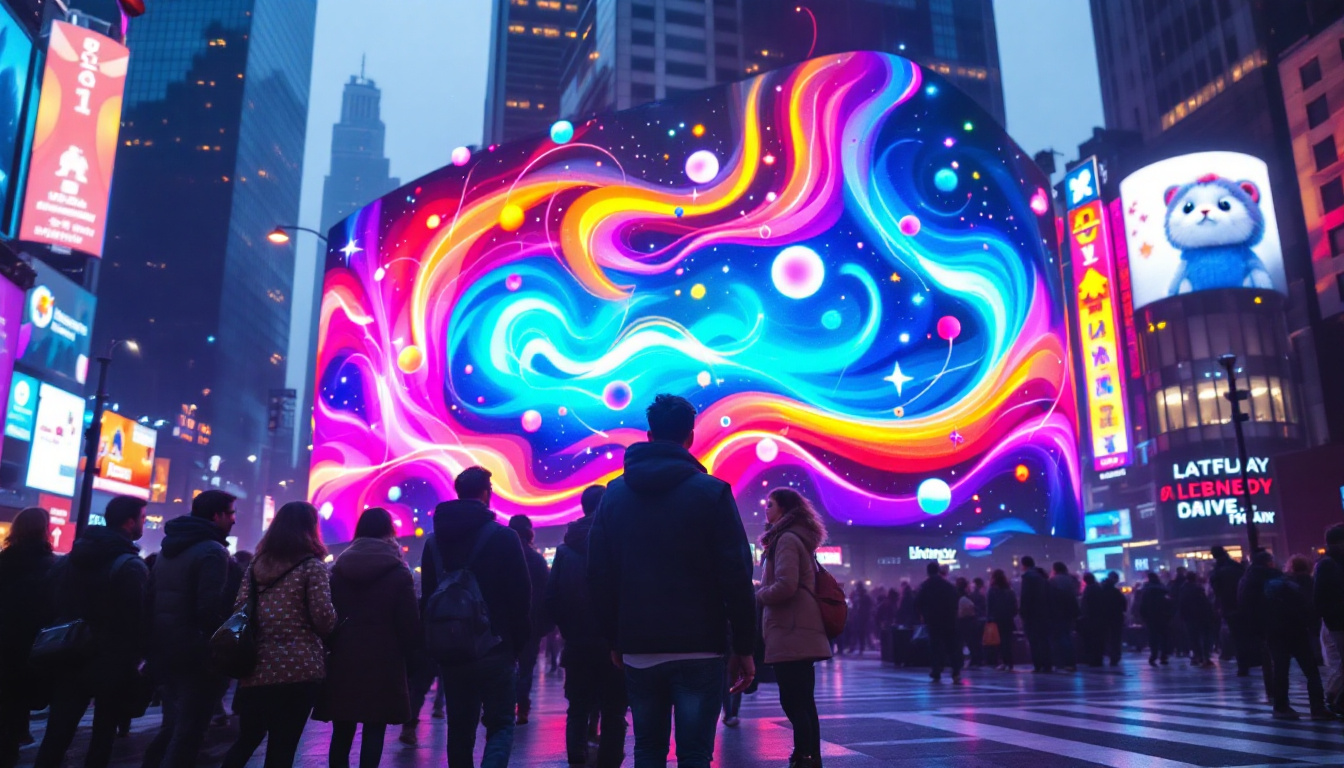
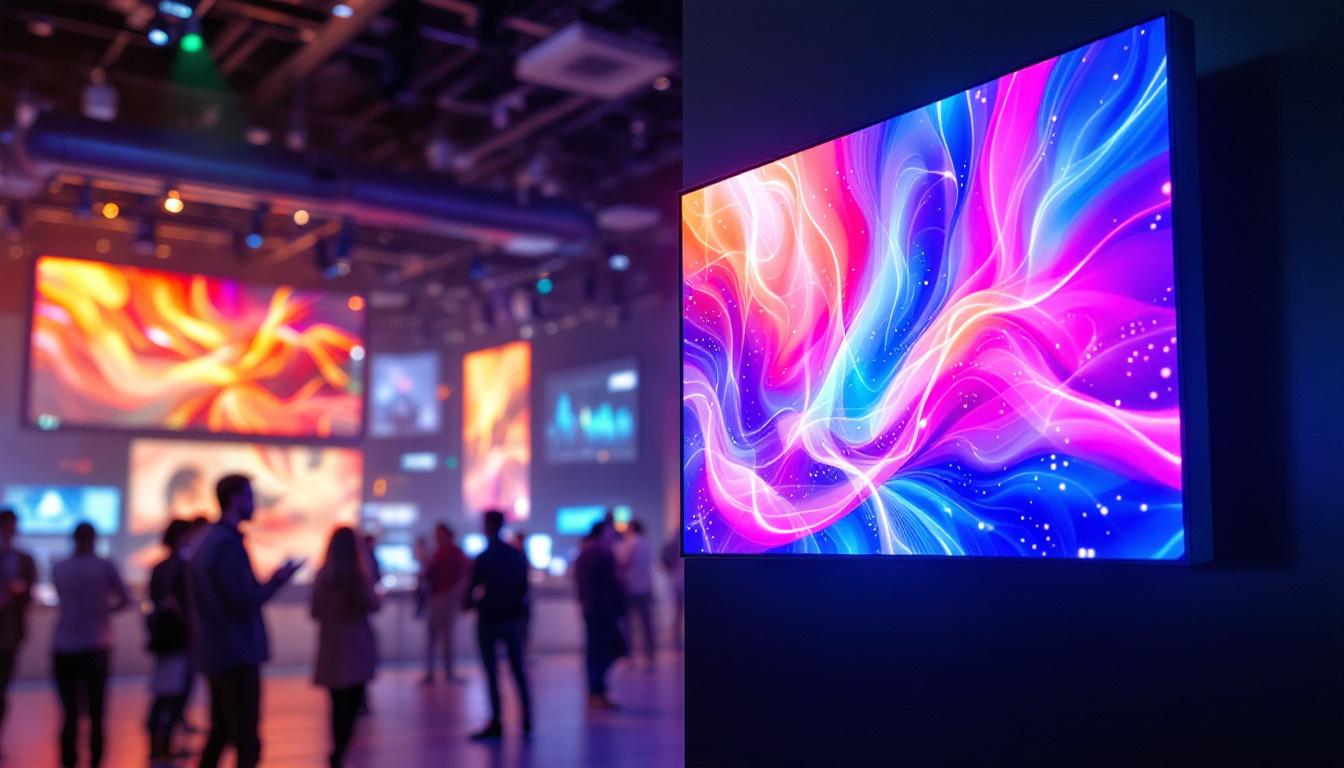
Concerts, festivals, and exhibitions benefit from Cloud Walls by adding a futuristic visual element that enhances performances and installations. For instance, music festivals have incorporated Cloud Walls as stage backdrops that interact with lighting and sound, creating synchronized multimedia shows.
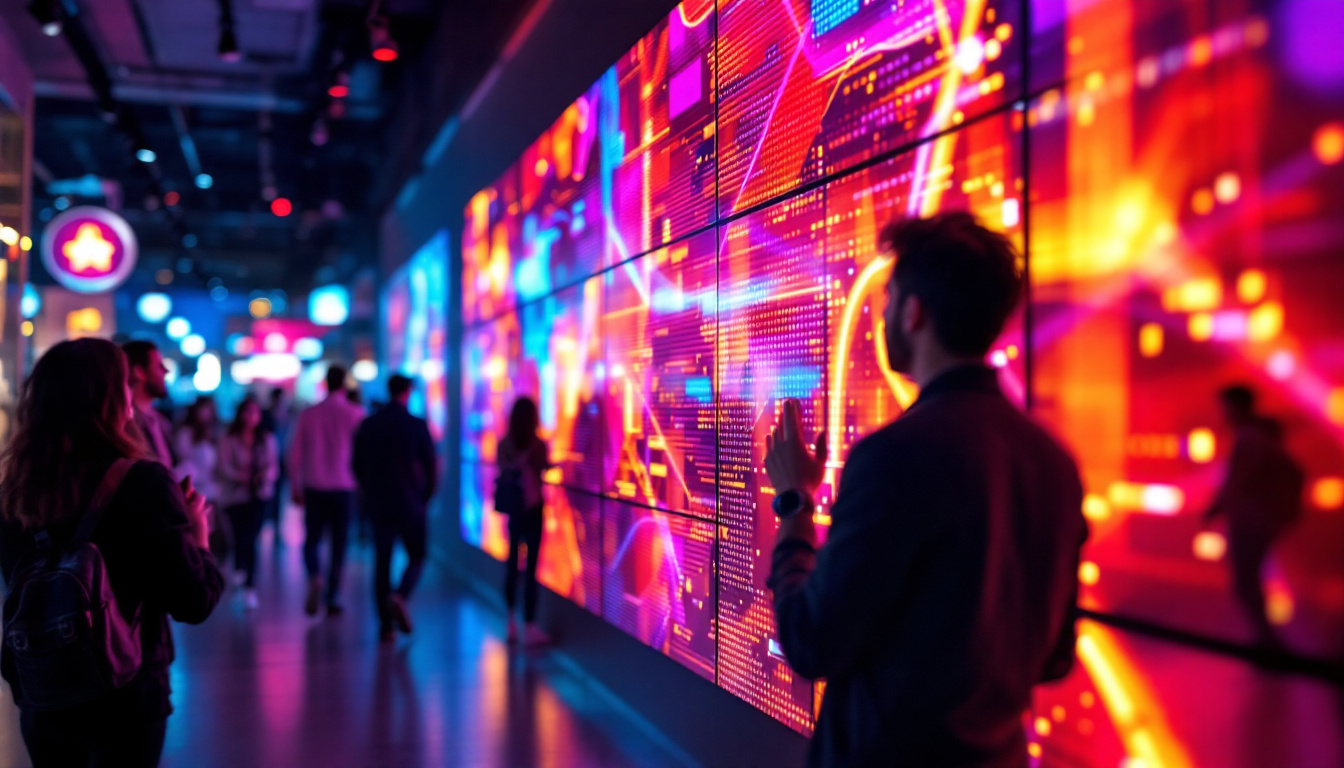
In museums and galleries, Cloud Walls serve as interactive art pieces or informational displays that blend technology with creativity. Their ability to display content in three dimensions offers new ways to tell stories and present exhibits.
Corporate and Public Spaces
Corporate lobbies and public venues use Cloud Walls to convey messages, showcase achievements, or simply beautify the environment. The dynamic nature of these displays allows for content updates without physical alterations, making them cost-effective over time.
For example, a global technology company installed a Cloud Wall in its headquarters’ atrium to display real-time data visualizations and company milestones, reinforcing a culture of innovation and transparency.
Benefits and Challenges of Cloud Walls
While Cloud Walls offer impressive advantages, they also present unique challenges that must be addressed to maximize their potential.
Advantages
- Visual Impact: The three-dimensional, floating effect captivates attention and creates memorable experiences.
- Customization: Flexible shapes and sizes allow integration into diverse architectural environments.
- Energy Efficiency: LEDs consume less power than traditional lighting and projection systems.
- Durability: High-quality LED modules have long lifespans and require minimal maintenance.
- Content Flexibility: Dynamic content can be updated remotely and tailored to specific audiences or events.
Challenges
- Cost: Initial investment is higher than standard LED panels due to custom design and installation complexity.
- Technical Complexity: Requires specialized knowledge for design, content mapping, and maintenance.
- Viewing Angles and Resolution: Balancing pixel density and transparency to ensure clarity from multiple perspectives can be challenging.
- Installation Constraints: Structural and safety considerations may limit where Cloud Walls can be installed.
Despite these challenges, the growing demand for innovative visual solutions is driving advancements that make Cloud Walls more accessible and affordable.
The Future of Cloud Walls in LED Display Technology
As LED technology continues to advance, Cloud Walls are poised to become an even more integral part of digital communication and design. Emerging trends include:
Higher Resolution and Miniaturization
Ongoing improvements in LED manufacturing allow for smaller pixel pitches and more compact modules, enabling Cloud Walls with ultra-high resolution and finer detail. This will enhance the visual experience, especially in close-range applications.
Interactive and AI-Driven Content
Integration with sensors, cameras, and artificial intelligence will allow Cloud Walls to respond dynamically to audience behavior, environmental conditions, or real-time data. This interactivity will deepen engagement and create personalized experiences.
Sustainability and Energy Optimization
With increasing focus on sustainability, future Cloud Walls will incorporate energy-saving technologies and recyclable materials, aligning with corporate social responsibility goals and reducing operational costs.
Expanded Use Cases
Beyond commercial and entertainment sectors, Cloud Walls may find applications in education, healthcare, and urban planning, where immersive visualization can enhance learning, patient care, or public information dissemination.
Conclusion
Cloud Walls represent a fascinating evolution in LED display technology, merging technical innovation with artistic expression to create immersive, three-dimensional visual experiences. Their ability to transform spaces and captivate audiences makes them a powerful tool for brands, event organizers, and designers seeking to push the boundaries of digital communication.
While challenges such as cost and technical complexity remain, ongoing advancements are making Cloud Walls increasingly viable and impactful. As the technology matures, these luminous “clouds” of light will likely become a common feature in the landscapes of retail, entertainment, corporate environments, and beyond.
For those interested in the future of visual technology, understanding Cloud Walls is essential to appreciating how LED displays continue to redefine the possibilities of digital storytelling and spatial design.
Explore the Future of LED Displays with LumenMatrix
Ready to elevate your space with the immersive, three-dimensional visual experiences of Cloud Walls? Discover how LumenMatrix’s innovative LED display technology can transform your brand storytelling and audience engagement. From Indoor and Outdoor LED Wall Displays to Custom and Transparent LED solutions, LumenMatrix is at the forefront of revolutionizing visual communication. Check out LumenMatrix LED Display Solutions today and step into the future of digital signage.