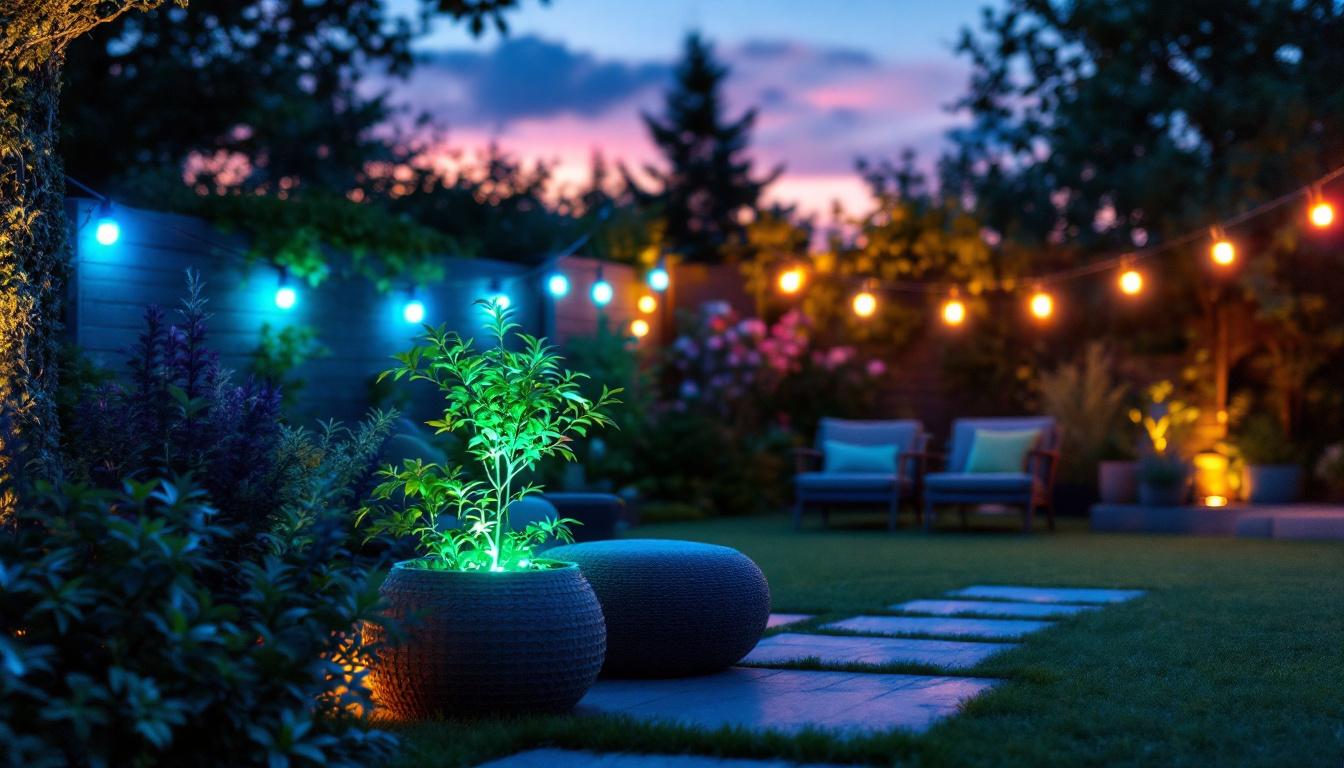
In recent years, LED technology has revolutionized the way we illuminate and decorate outdoor spaces. Among the most popular innovations is the waterproof LED strip, which combines flexibility, energy efficiency, and durability to create stunning visual displays in any weather condition. Whether used for architectural lighting, landscape enhancement, or advertising, outdoor waterproof LED strips have become an essential tool for designers, businesses, and homeowners alike.
This article delves into the world of outdoor waterproof LED strips, explaining their technology, benefits, applications, and key considerations when selecting the right product for your needs. By understanding the fundamentals of LED displays and waterproofing standards, readers can make informed decisions to maximize both aesthetics and functionality.
Understanding LED Strip Technology
What Are LED Strips?
LED strips are flexible circuit boards embedded with light-emitting diodes (LEDs) that provide continuous, uniform illumination. Unlike traditional bulbs, LEDs are compact, energy-efficient, and capable of producing a wide spectrum of colors. The strips come in various lengths and densities, allowing customization for different projects. This adaptability makes them a favorite choice for both residential and commercial applications, from accent lighting in homes to dynamic displays in retail environments.
Typically, LED strips operate on low voltage (12V or 24V), which enhances safety and reduces power consumption. Their flexibility means they can be bent and cut to fit around corners, edges, or irregular surfaces, making them ideal for creative lighting solutions. Additionally, many LED strips are equipped with adhesive backing, allowing for easy installation on various surfaces without the need for additional mounting hardware. This feature not only simplifies the installation process but also opens up a myriad of design possibilities, from under-cabinet lighting in kitchens to illuminating shelves and artwork.
How Do LED Strips Work?
Each LED on the strip is a semiconductor device that emits light when an electric current passes through it. The color of the light depends on the materials used in the semiconductor. Modern LED strips often incorporate RGB (red, green, blue) LEDs, enabling millions of color combinations through digital control systems. This capability allows users to create vibrant, dynamic lighting effects that can change with the mood or occasion, making them popular for events and celebrations.
LED strips are typically controlled by drivers or controllers that regulate voltage and current, ensuring consistent brightness and preventing damage. Advanced models allow for dimming, color changes, and synchronization with music or other media, enhancing their versatility. Some strips even come with smart technology, enabling control via smartphone apps or voice commands through smart home systems. This integration not only adds convenience but also allows for programmable lighting schedules, making it easier to create the perfect ambiance for any setting. Furthermore, as technology evolves, we can expect to see even more innovative features, such as energy monitoring and adaptive lighting that responds to the surrounding environment.
Waterproofing and Outdoor Durability
The Importance of Waterproofing
Outdoor environments expose LED strips to moisture, dust, temperature fluctuations, and physical impacts. Without proper protection, these factors can degrade the LEDs, cause electrical shorts, or lead to complete failure. Waterproofing is therefore crucial for ensuring longevity and reliable performance.
Waterproof LED strips are designed with protective coatings or housings that prevent water ingress while maintaining flexibility and light output. This protection also guards against UV radiation and corrosion, which are common challenges in outdoor applications.
IP Ratings Explained
The Ingress Protection (IP) rating system classifies the degree of protection provided by enclosures against solids and liquids. It is expressed as “IP” followed by two digits: the first indicates protection against solids like dust, and the second against liquids like water.
For outdoor LED strips, the most relevant ratings are:
- IP65: Protected against water jets from any direction. Suitable for areas with occasional rain or splashes.
- IP67: Protected against temporary immersion in water up to 1 meter depth for 30 minutes. Ideal for environments prone to heavy rain or brief submersion.
- IP68: Protected against continuous immersion in water beyond 1 meter depth. Used in highly demanding applications such as underwater lighting.
Choosing the correct IP rating depends on the specific exposure conditions of the installation site.
Materials and Construction
Waterproof LED strips are typically encased in silicone, epoxy resin, or polyurethane coatings. These materials provide flexibility while sealing the circuitry from moisture and dust. Some strips come with additional protective housings or channels made of aluminum or plastic, which also aid in heat dissipation and physical protection.
The quality of the waterproofing process directly influences the strip’s lifespan. Inferior coatings may crack or peel over time, allowing water to penetrate and damage the LEDs. Therefore, it is essential to source LED strips from reputable manufacturers who adhere to rigorous quality standards.
Applications of Outdoor Waterproof LED Strips
Architectural and Landscape Lighting
One of the most common uses of waterproof LED strips is in architectural lighting. They highlight building facades, columns, and pathways, enhancing aesthetic appeal and safety. The flexibility of the strips allows them to conform to various shapes, creating dynamic lighting effects that can be customized for different occasions.
In landscape design, LED strips illuminate gardens, decks, and water features. Their low voltage and waterproof nature make them safe for use near pools, fountains, and other wet areas. Additionally, LED strips can be integrated into steps or railings to improve visibility at night.
Signage and Advertising Displays
Businesses often employ waterproof LED strips in outdoor signage and advertising displays. Their brightness, color range, and programmability attract attention and convey messages effectively even in adverse weather conditions. LED strips can be used to outline signs, create animated effects, or backlight translucent materials.
With the rise of digital marketing, LED displays have become a cost-effective alternative to traditional neon or fluorescent lighting, offering longer lifespan and reduced energy costs.
Event and Holiday Lighting
Waterproof LED strips are popular for temporary outdoor decorations during holidays, festivals, and events. Their ease of installation and removal, combined with vibrant colors and effects, make them ideal for creating festive atmospheres. Because they are weather-resistant, they can remain in place throughout the season without damage.
Key Considerations When Choosing Outdoor Waterproof LED Strips
Brightness and Color Options
Brightness is measured in lumens per meter and varies based on LED density and type. For outdoor use, higher brightness levels are often necessary to overcome ambient light and ensure visibility. Typical outdoor LED strips range from 500 to 2000 lumens per meter.
Color options include single-color (e.g., warm white, cool white), RGB, and RGBW (which adds a dedicated white LED for better color rendering). Selecting the right color temperature and color control capabilities depends on the intended mood and application.
Power Supply and Voltage
Most LED strips operate on 12V or 24V DC power supplies. The choice between these voltages affects the length of the strip that can be powered without voltage drop and the complexity of wiring. For longer runs, 24V systems are generally preferred.
It is important to use a power supply with adequate wattage to handle the total load of the LED strip plus any controllers or accessories. Overloading can cause overheating and reduce lifespan.
Installation and Mounting
Outdoor LED strips often come with adhesive backing for easy installation on smooth surfaces. However, for rough or uneven surfaces, mounting channels or clips may be necessary to secure the strips properly. These channels also help with heat dissipation and protect strips from physical damage.
Proper installation includes ensuring waterproof connectors and sealing any cut ends to maintain IP rating. Professional installation is recommended for complex or permanent setups to guarantee safety and performance.
Control Systems and Smart Features
Modern outdoor LED strips can be integrated with smart controllers that allow remote operation via smartphones or automation systems. Features such as color changing, dimming, scheduling, and synchronization with music or events enhance the user experience and energy efficiency.
When selecting controllers, compatibility with the LED strip type (e.g., RGB or single color) and communication protocols (Wi-Fi, Bluetooth, DMX) should be considered.
Maintenance and Longevity of Waterproof LED Strips
Routine Inspection and Cleaning
Although waterproof LED strips are designed to withstand outdoor conditions, regular inspection helps identify potential issues early. Checking for signs of wear, loose connections, or damage to the protective coating can prevent failures.
Cleaning the strips with a soft cloth and mild detergent removes dirt and debris that may reduce light output or cause overheating. Avoid abrasive materials or harsh chemicals that could degrade the waterproof seal.
Expected Lifespan and Warranty
High-quality outdoor waterproof LED strips typically have a lifespan of 30,000 to 50,000 hours, depending on usage and environmental conditions. This translates to several years of continuous operation.
Manufacturers often provide warranties ranging from 2 to 5 years, reflecting confidence in product durability. It is advisable to purchase from reputable brands and verify warranty terms before installation.
Conclusion
Waterproof LED strips have transformed outdoor lighting by offering flexible, energy-efficient, and durable solutions suitable for a wide range of applications. Understanding the technology behind LED strips, the significance of waterproofing standards, and the practical considerations for installation and maintenance ensures that users can fully leverage the benefits of this versatile lighting option.
From enhancing architectural features to creating captivating advertising displays and festive decorations, outdoor waterproof LED strips provide unmatched versatility and performance. By selecting the right products and adhering to best practices, users can enjoy vibrant, reliable lighting that withstands the elements and elevates any outdoor environment.
Illuminate Your Space with LumenMatrix
Ready to elevate your outdoor space with high-quality, waterproof LED strips? LumenMatrix offers a wide array of LED display solutions that are perfect for any application, from architectural highlights to dynamic advertising. Experience the pinnacle of LED technology and transform your environment into a vibrant, engaging space. Check out LumenMatrix LED Display Solutions today and bring your vision to light.