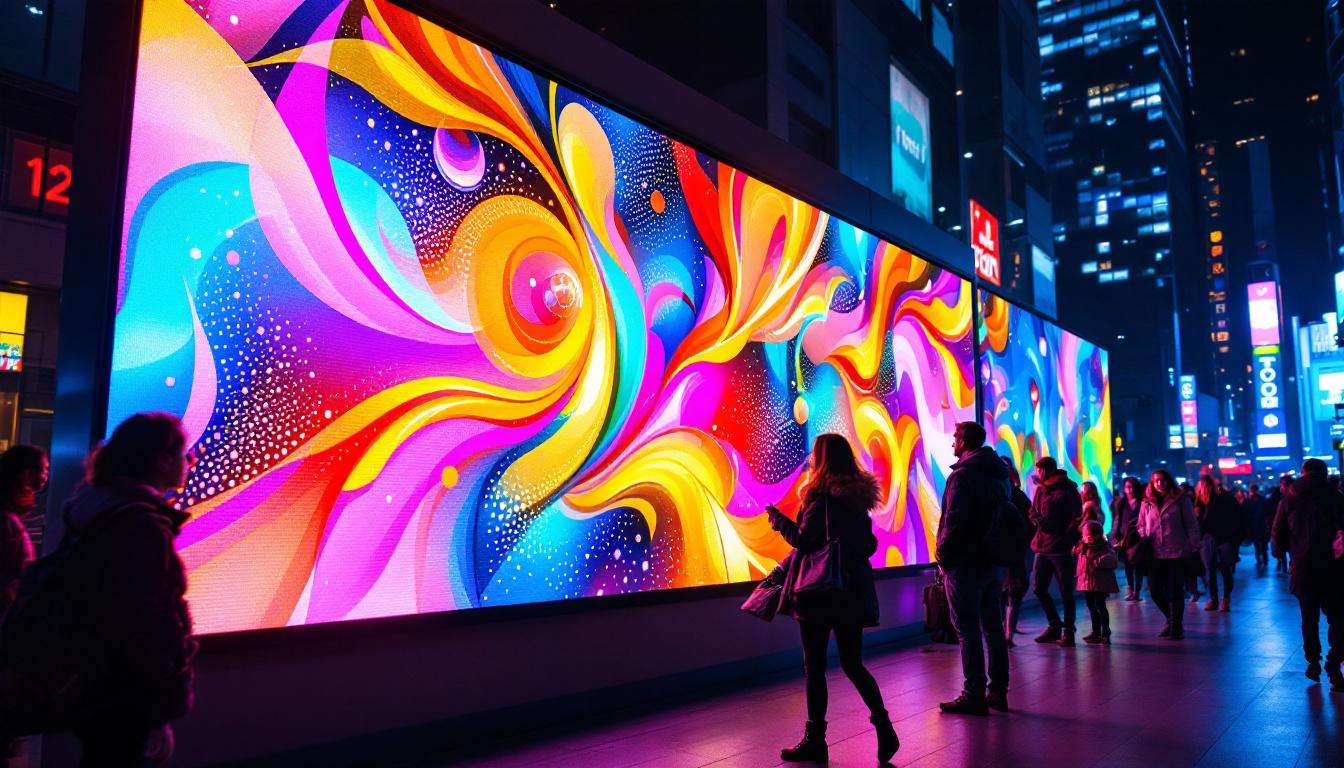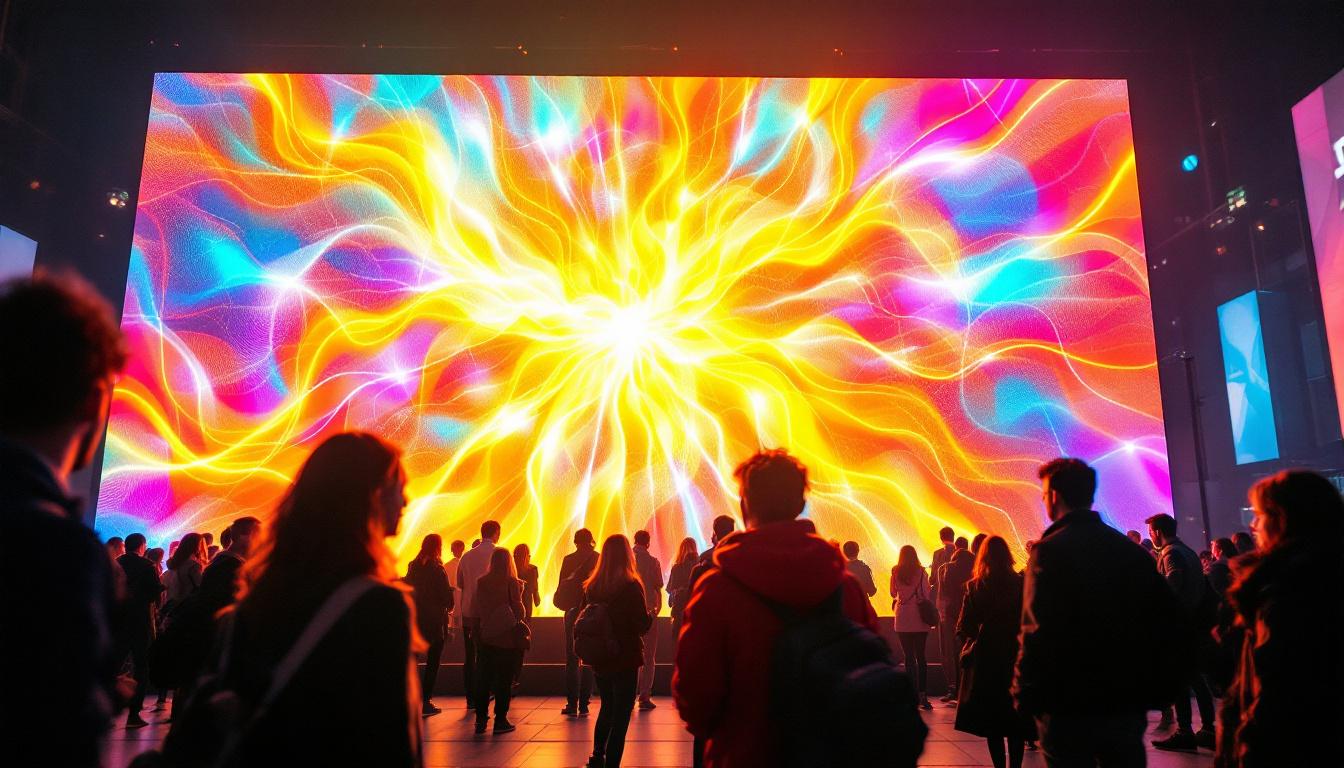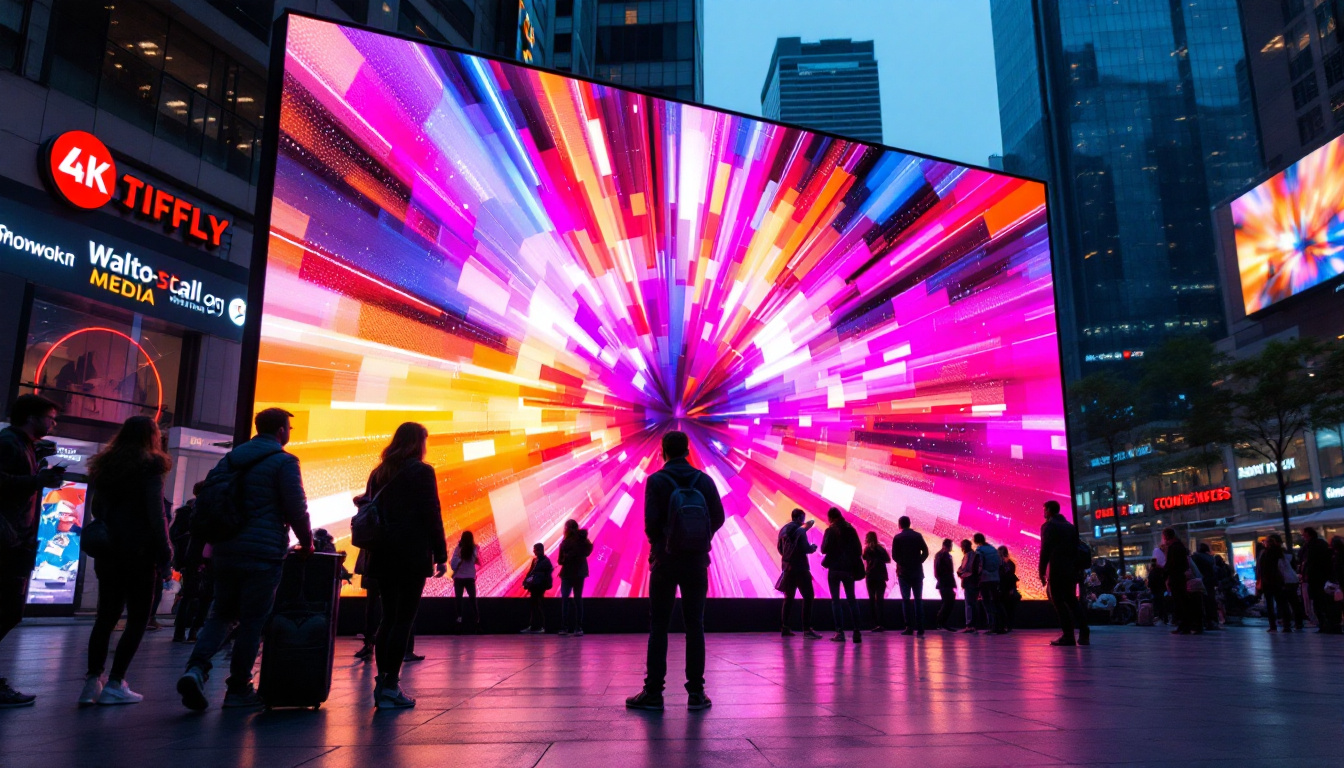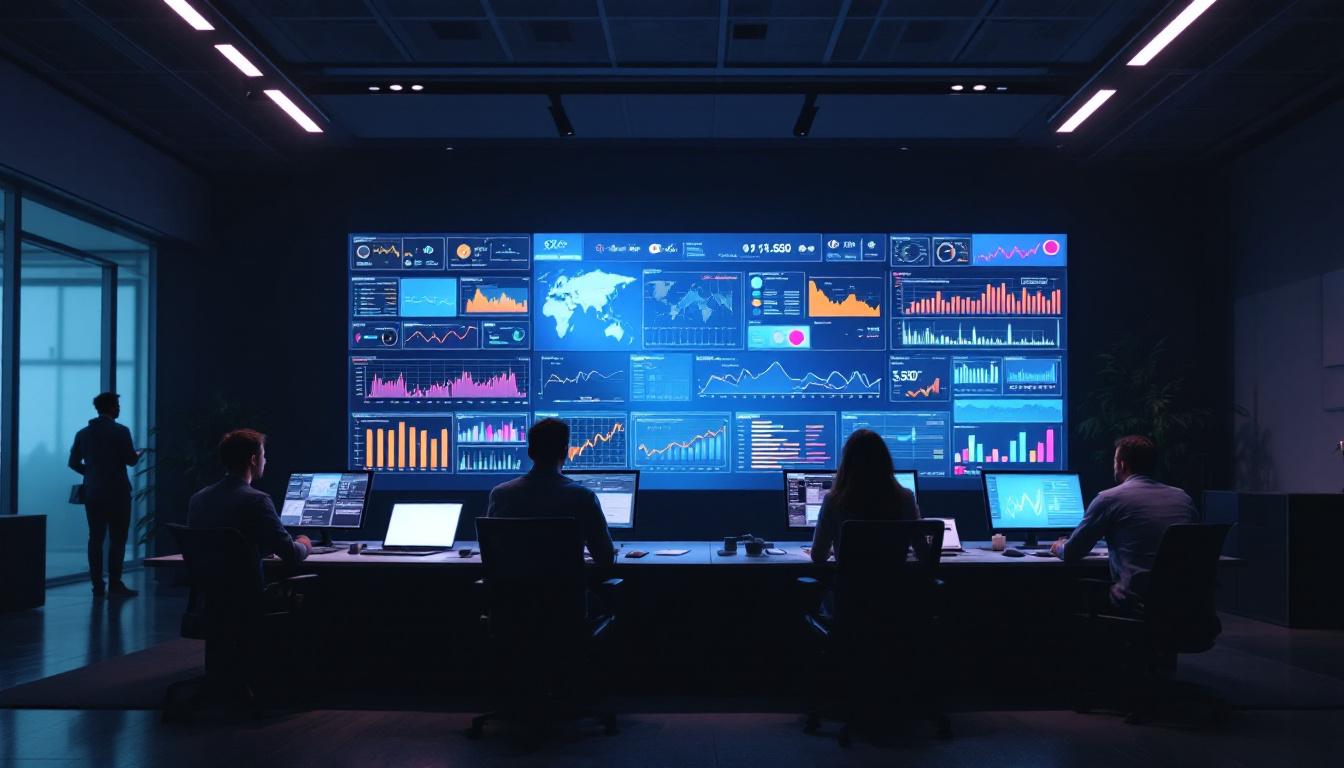
In an era where digital interaction is becoming increasingly immersive, touch screen walls have emerged as a revolutionary technology, transforming spaces from corporate boardrooms to retail environments. Central to this innovation is the LED display, a technology that combines vibrant visuals with interactive capabilities. This article delves into the world of touch screen walls powered by LED displays, exploring their technology, applications, benefits, and future trends.
Understanding Touch Screen Walls
What Is a Touch Screen Wall?
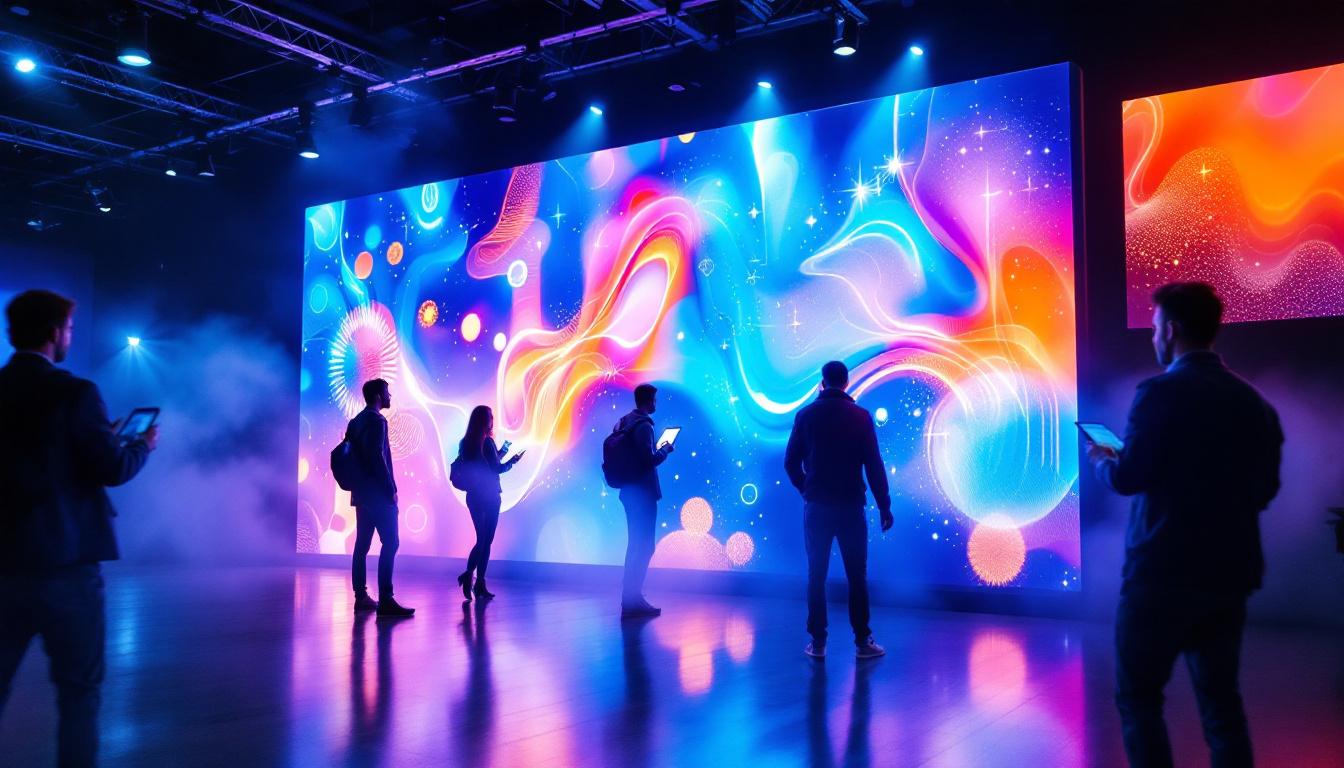
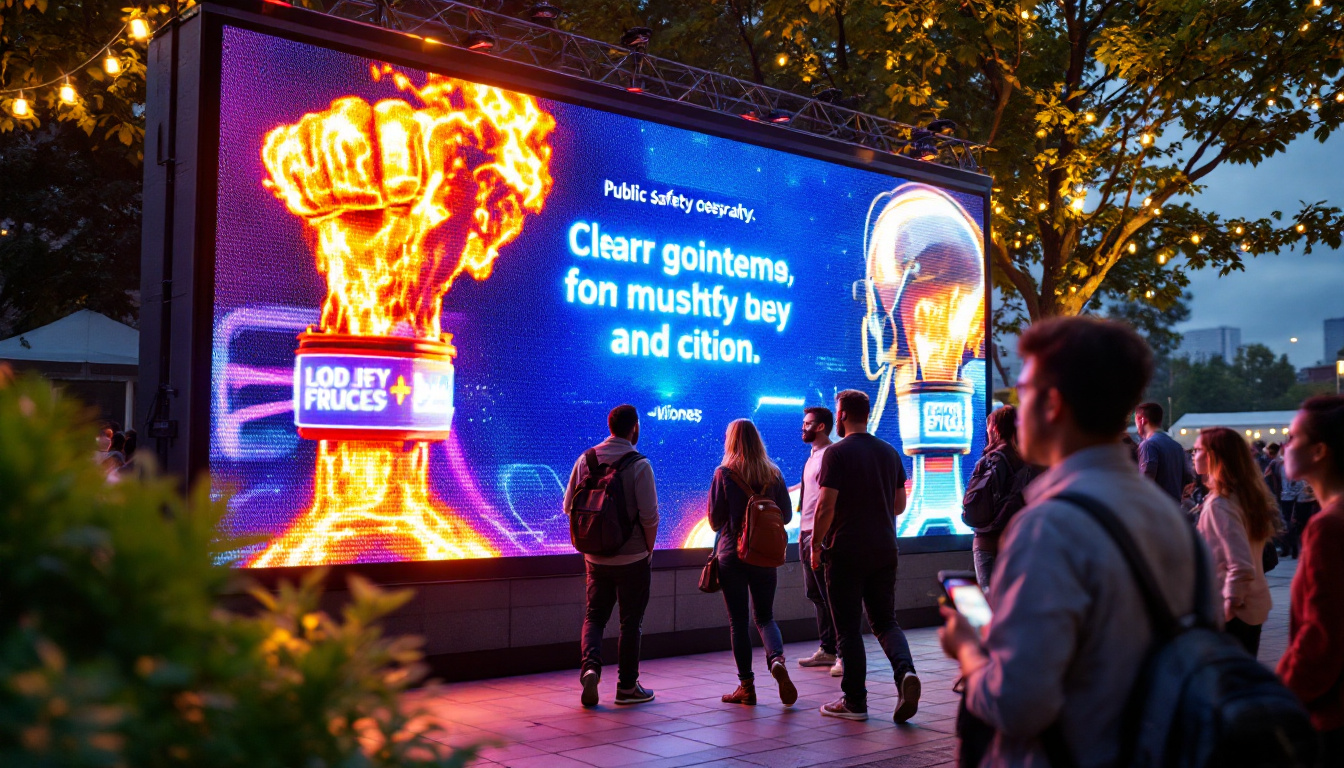
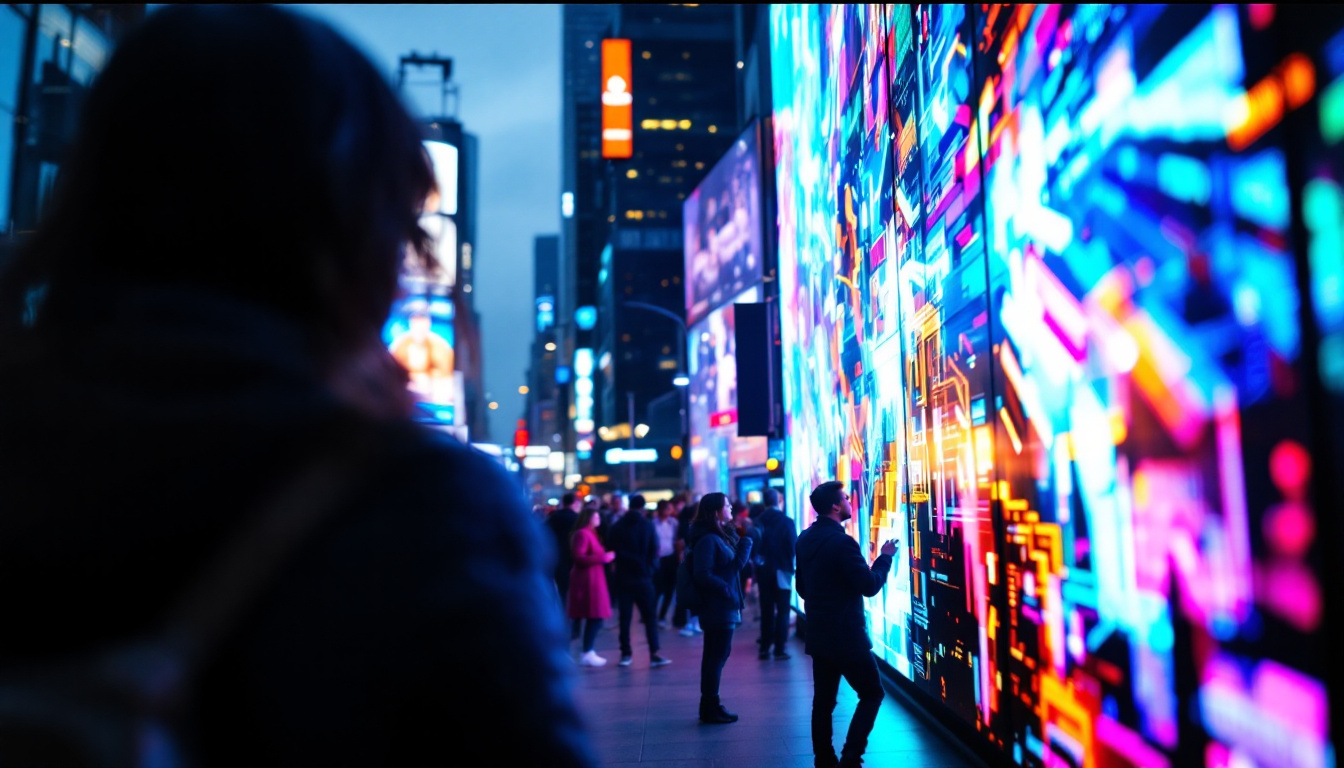
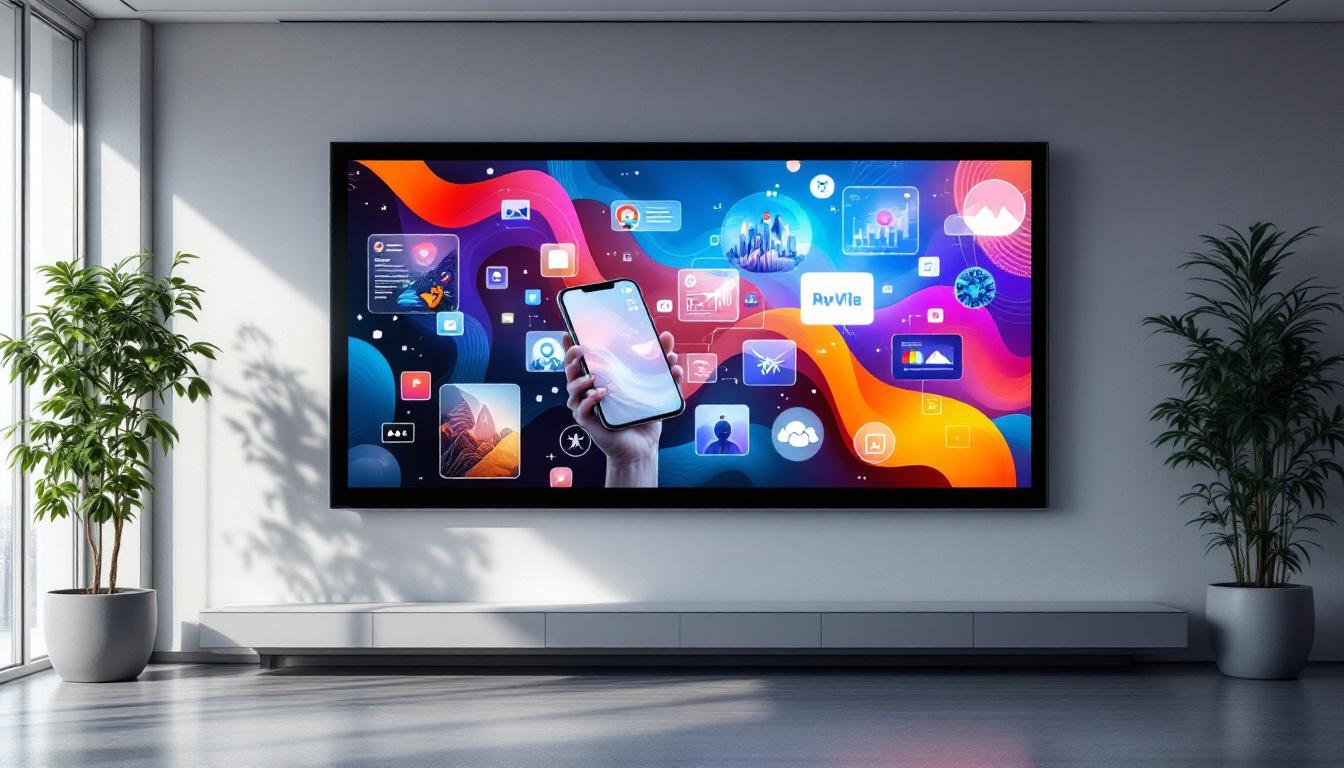
A touch screen wall is a large-scale interactive display system that allows multiple users to engage with digital content simultaneously by touching the surface. Unlike traditional monitors or TVs, these walls are designed to cover expansive areas, often spanning several meters in width and height, creating an immersive visual experience.
The core feature of a touch screen wall is its ability to detect touch inputs across its surface, enabling users to manipulate images, videos, and data in real time. This interactivity transforms passive viewing into active engagement, which is particularly valuable in environments where collaboration and dynamic presentations are essential. For instance, in educational settings, touch screen walls can facilitate group learning by allowing students to work together on projects, share ideas, and access information in a visually stimulating manner. Similarly, in corporate environments, they can enhance brainstorming sessions and strategic planning meetings by providing a platform for teams to visualize data and concepts collaboratively.
How Touch Screen Walls Work
Touch screen walls integrate two primary components: the display technology and the touch sensing technology. The display provides the visual output, while the touch system detects and processes user interactions.
Modern touch screen walls often use LED displays for their brightness, color accuracy, and scalability. The touch sensing can be achieved through various methods such as infrared sensors, capacitive touch layers, or optical cameras, each with its own advantages depending on the application and environment. For example, infrared touch technology is particularly effective in large installations, as it allows for multi-touch capabilities without the need for direct contact, making it ideal for public spaces like museums or exhibition halls. On the other hand, capacitive touch technology is often favored for its responsiveness and accuracy, making it suitable for interactive kiosks and retail displays where user experience is paramount. Additionally, advancements in software integration allow these walls to support a wide range of applications, from interactive maps and wayfinding systems to immersive gaming experiences, further expanding their utility across various sectors.
The Role of LED Displays in Touch Screen Walls
What Are LED Displays?
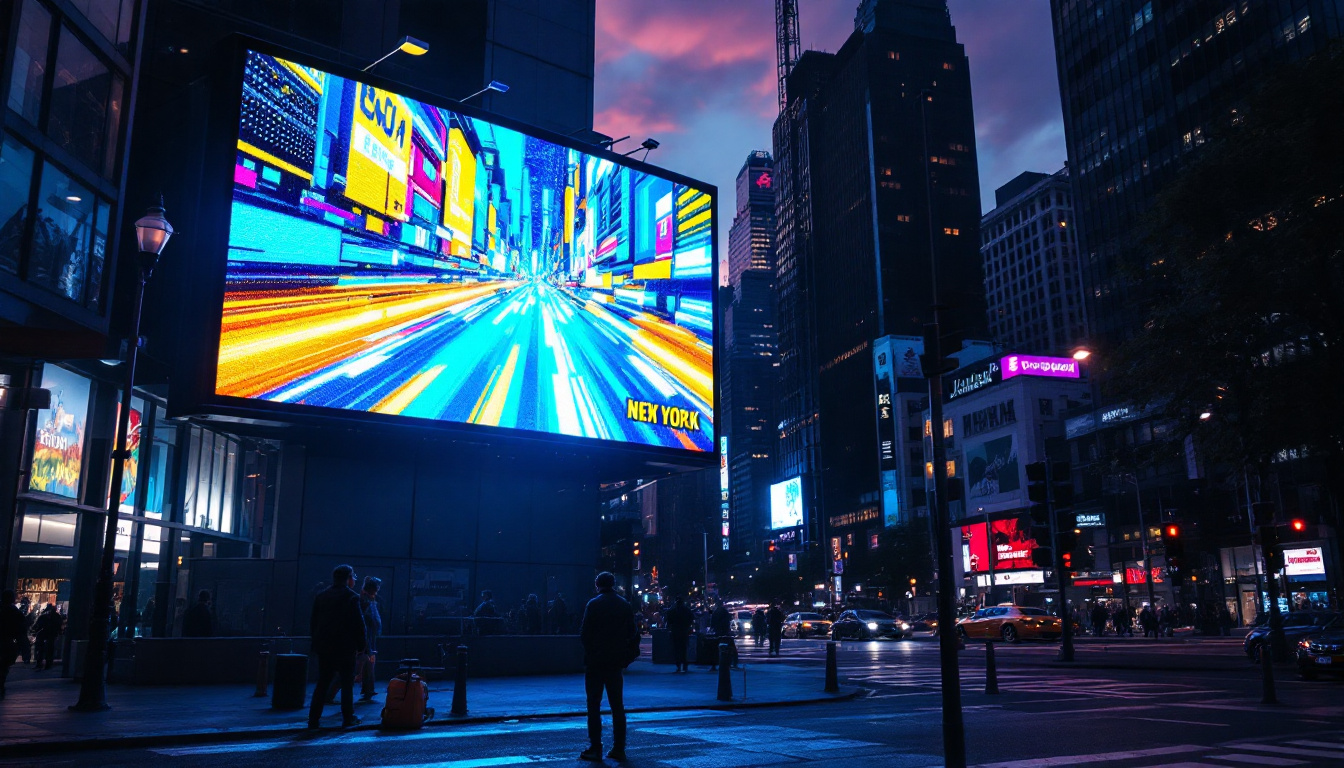
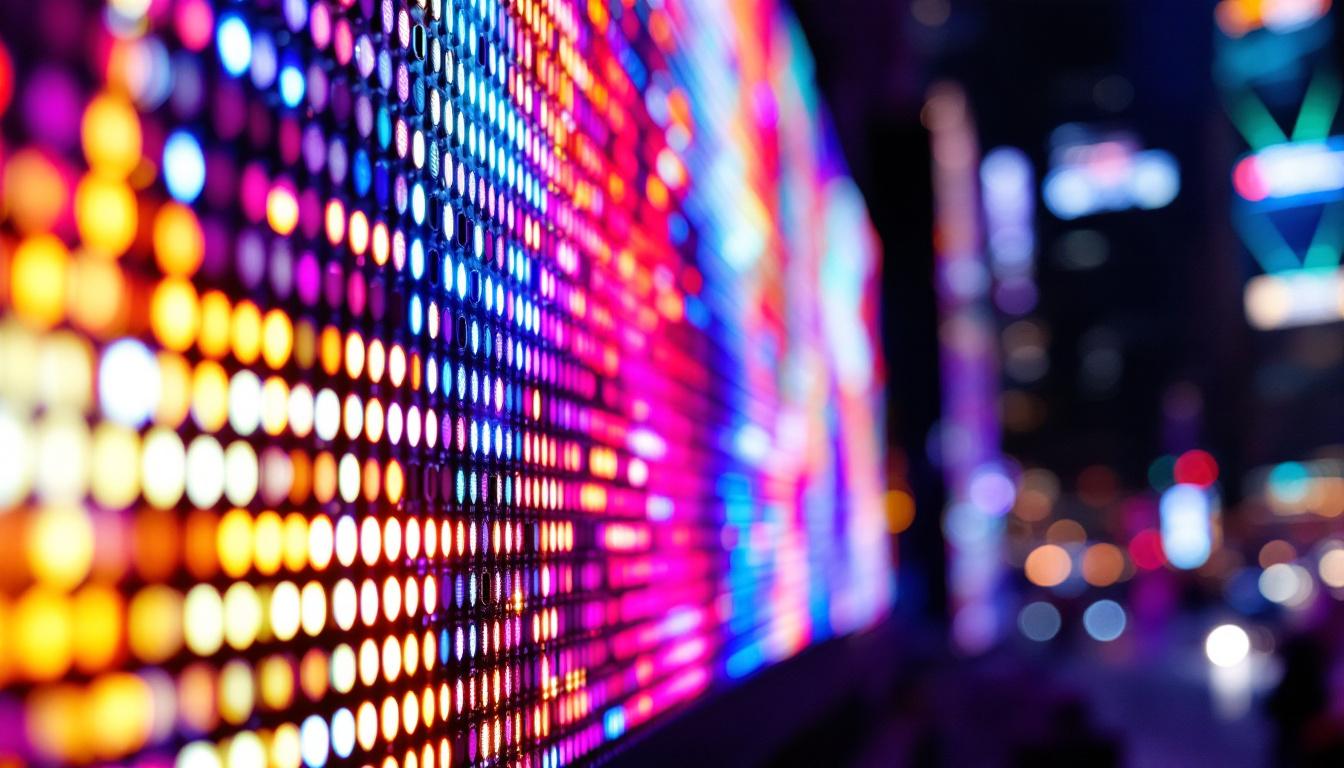
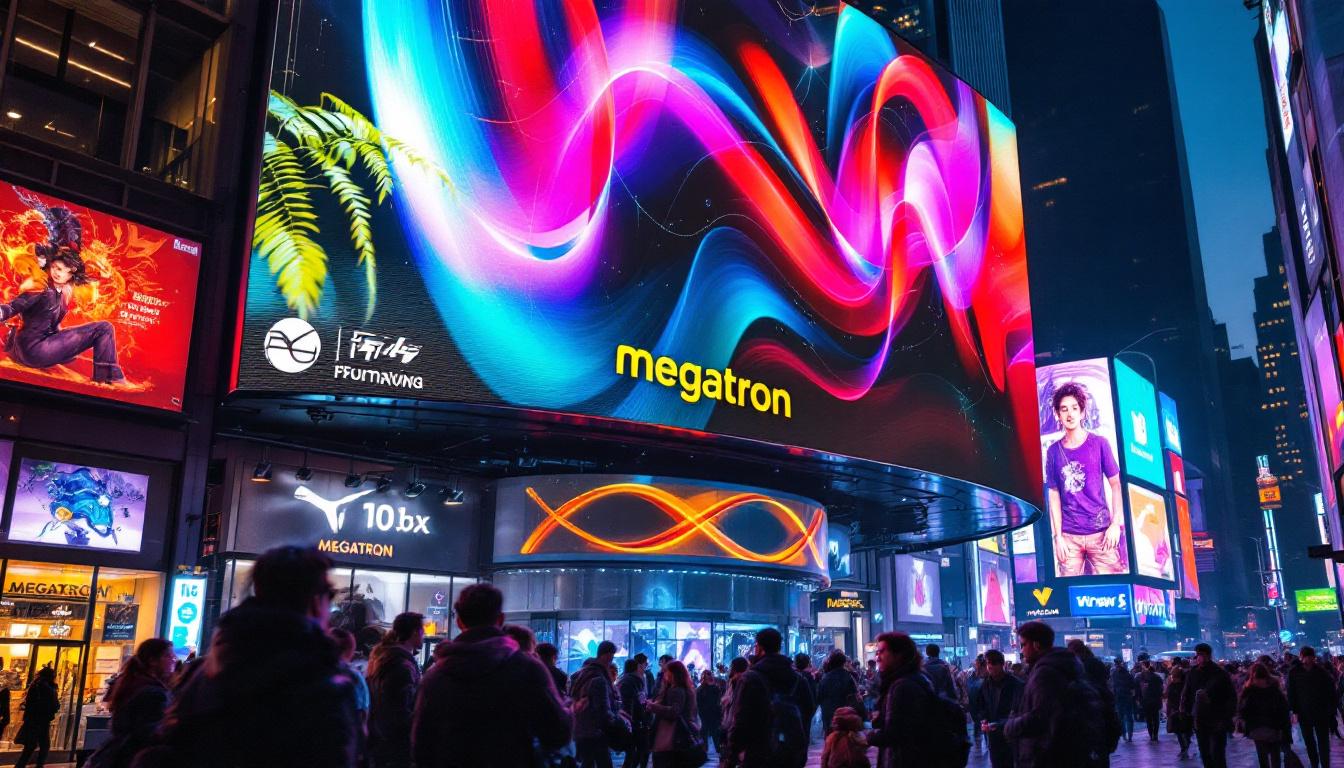
LED (Light Emitting Diode) displays consist of an array of tiny LEDs that emit light when an electric current passes through them. These LEDs form pixels that collectively create images and videos on the screen. LED technology is known for its high brightness, energy efficiency, and long lifespan. The versatility of LED displays allows them to be used in various applications, from small consumer electronics to large-scale advertising billboards. Their compact size and lightweight nature make them particularly suitable for installations where space is at a premium, such as in urban environments or on public transport.
There are two main types of LED displays used in touch screen walls: direct-view LED and LED-backlit LCD. Direct-view LED displays use LEDs as the actual pixels, offering superior brightness and contrast. This type of display is particularly favored for outdoor applications due to its ability to maintain visibility in direct sunlight. On the other hand, LED-backlit LCDs use LEDs to illuminate an LCD panel, which is more common in smaller displays but less prevalent in large-scale walls. While the latter offers decent performance, it cannot match the vibrant output and viewing angles of direct-view LED technology, making the latter the preferred choice for immersive touch screen wall experiences.
Advantages of LED Displays for Touch Screen Walls
LED displays offer several benefits that make them ideal for touch screen walls:
- Brightness and Visibility: LED walls can achieve brightness levels exceeding 1,000 nits, ensuring clear visibility even in brightly lit environments such as shopping malls or conference halls. This high brightness not only enhances the user experience but also allows for effective communication in environments where ambient light can be a challenge.
- Color Accuracy and Contrast: The ability to display deep blacks and vibrant colors enhances the visual experience, making content more engaging and easier to interpret. Advanced technologies, such as HDR (High Dynamic Range), further improve color depth and detail, allowing for stunning visuals that captivate audiences.
- Scalability: LED panels can be tiled seamlessly to create walls of virtually any size, from small meeting rooms to massive public installations. This flexibility enables designers and architects to create immersive environments tailored to specific needs, whether for interactive exhibits, digital signage, or collaborative workspaces.
- Durability: LEDs have a long operational life, often exceeding 50,000 hours, and are resistant to burn-in, which is critical for displays that operate continuously. This durability reduces the need for frequent replacements, making LED displays a cost-effective solution over time.
- Energy Efficiency: Compared to other display technologies, LEDs consume less power, reducing operational costs and environmental impact. This energy efficiency is particularly beneficial for large installations that require continuous operation, contributing to sustainability efforts in both corporate and public spaces.
Moreover, the integration of touch technology with LED displays opens up a world of interactive possibilities. Users can engage directly with the content, whether it’s navigating through complex data visualizations, participating in interactive games, or accessing information in real-time. This interactivity not only enhances user engagement but also fosters collaboration in educational and corporate settings. As technology continues to evolve, the combination of LED displays and touch screen capabilities is set to redefine how we interact with digital content, making it more intuitive and accessible than ever before.
In addition to their practical advantages, LED displays also play a significant role in branding and marketing strategies. Businesses can leverage the high visibility and vibrant colors of LED touch screen walls to create impactful advertising campaigns that capture attention and drive customer engagement. The dynamic nature of these displays allows for real-time updates and content changes, enabling companies to respond quickly to market trends and consumer preferences. As a result, LED displays are not just a functional tool; they have become a vital component of modern marketing and communication strategies, enhancing the overall customer experience and driving brand loyalty.
Touch Technologies Integrated with LED Walls
Infrared (IR) Touch Technology
Infrared touch systems use a grid of IR light beams across the display surface. When a finger or object interrupts these beams, the system calculates the touch coordinates. IR technology supports multi-touch capabilities and works well with large displays.
Its advantages include high durability since there is no physical touch layer on the screen, preserving image quality. However, it can be sensitive to environmental factors such as direct sunlight or dust.
Capacitive Touch Technology
Capacitive touch technology relies on the electrical properties of the human body to detect touch. A capacitive layer is applied to the screen, and when a finger touches it, the system senses the change in capacitance.
This technology offers excellent accuracy and responsiveness, supports multi-touch gestures, and is widely used in smartphones and tablets. However, implementing capacitive touch on large LED walls can be challenging and costly due to the need for specialized materials and manufacturing processes.
Optical and Camera-Based Touch Systems
Optical touch systems use cameras or sensors placed around the display to detect touch points by tracking shadows or reflections. These systems can support multi-touch and object recognition.
They are advantageous for large surfaces and can be installed without modifying the display panel itself. However, they may require calibration and can be affected by ambient lighting conditions.
Applications of Touch Screen LED Walls
Corporate and Educational Environments
In corporate settings, touch screen LED walls facilitate dynamic presentations, brainstorming sessions, and video conferencing. Teams can interact with data visualizations, annotate documents, and collaborate in real time, enhancing productivity and engagement.
Educational institutions leverage these walls to create interactive learning experiences. Students can participate in group activities, explore multimedia content, and engage with virtual simulations, making lessons more engaging and effective.
Retail and Advertising
Retailers use touch screen LED walls to create immersive shopping experiences. Customers can browse product catalogs, customize items, or access detailed information through interactive displays. These walls also serve as eye-catching advertising platforms that attract foot traffic and increase brand visibility.
For example, fashion retailers have implemented interactive walls where shoppers can virtually try on clothes or accessories, blending digital convenience with physical shopping.
Public Spaces and Events
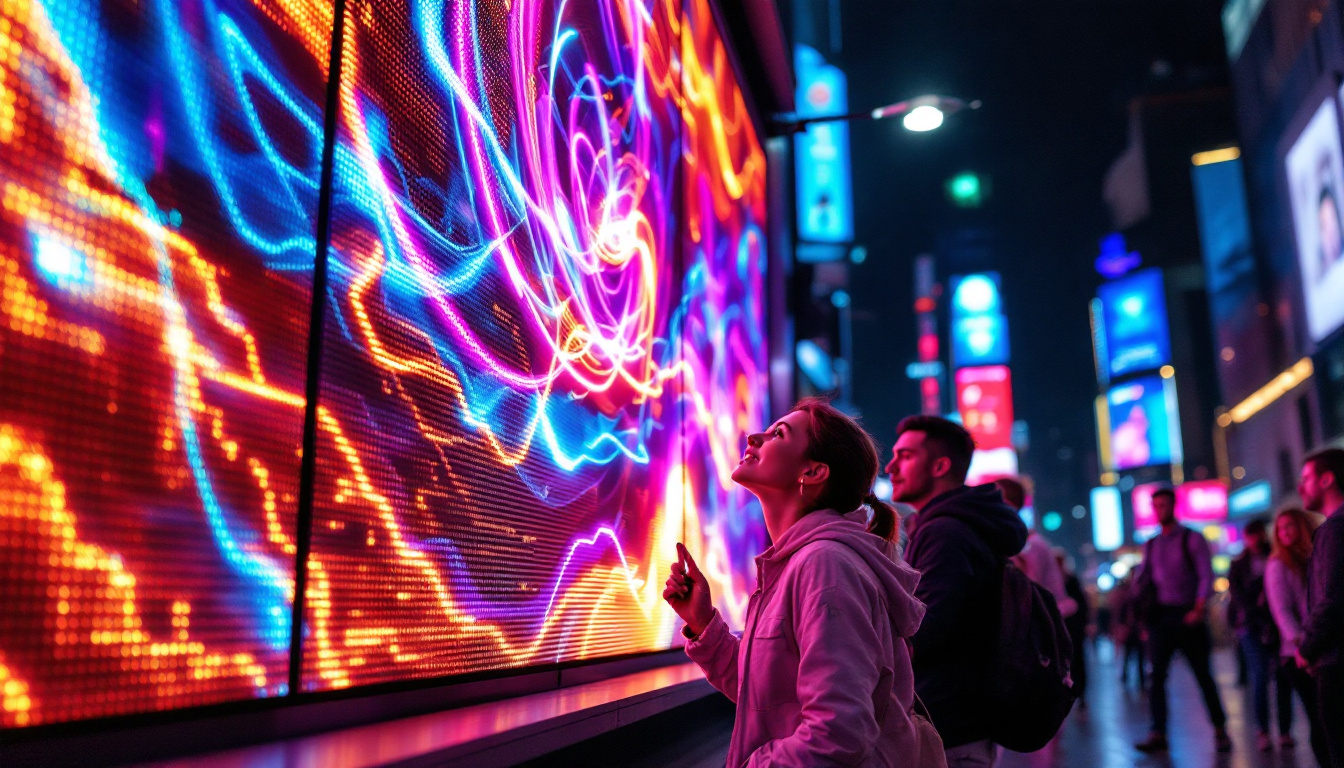
Touch screen LED walls are increasingly common in public spaces such as airports, museums, and convention centers. They provide wayfinding assistance, interactive exhibits, and real-time information updates.
At events and exhibitions, these walls enable engaging presentations and interactive branding opportunities, enhancing visitor experience and participation.
Key Considerations When Choosing a Touch Screen LED Wall
Resolution and Pixel Pitch
The resolution and pixel pitch (distance between LEDs) determine the display’s clarity and detail. For close viewing distances, such as in meeting rooms, a smaller pixel pitch (e.g., 1.2mm to 2.5mm) is essential to avoid visible pixelation. Larger pixel pitches are suitable for displays viewed from a distance, like outdoor billboards.
Touch Responsiveness and Multi-Touch Capability
Responsiveness is critical for a seamless user experience. The system should support multiple simultaneous touch points, enabling collaborative interactions. The choice of touch technology impacts responsiveness and accuracy.
Installation Environment
Ambient lighting, space constraints, and environmental factors influence the choice of display and touch technology. For example, high brightness LED walls are necessary in sunlit areas, while durable touch systems are essential in high-traffic public spaces.
Maintenance and Support
Consider the ease of maintenance, availability of technical support, and warranty terms. LED walls typically require less maintenance than other display types, but touch components may need periodic calibration or cleaning.
Future Trends in Touch Screen LED Walls
Advancements in Display Technology
Emerging microLED technology promises even higher brightness, improved energy efficiency, and finer pixel pitches, potentially revolutionizing touch screen walls. MicroLEDs combine the benefits of OLED and traditional LEDs without some of their limitations, such as burn-in or limited lifespan.
Enhanced Interactivity with AI and Gesture Recognition
Artificial intelligence is being integrated to enable gesture recognition and voice control, expanding interaction beyond touch. This allows users to engage with content through natural movements and commands, creating more intuitive and accessible experiences.
Integration with Augmented Reality (AR)
Combining touch screen LED walls with AR technologies can create hybrid environments where digital and physical worlds merge. This integration is particularly promising for retail, education, and entertainment sectors, offering immersive and personalized experiences.
Conclusion
Touch screen walls powered by LED displays represent a significant leap in interactive technology, blending stunning visual quality with dynamic user engagement. Their versatility across industries—from corporate collaboration to retail innovation—underscores their transformative potential.
As LED and touch technologies continue to evolve, these walls will become even more immersive, responsive, and integrated with emerging digital trends. For organizations seeking to enhance communication, engagement, and customer experience, investing in a touch screen LED wall offers a future-proof solution that captivates and connects.
Discover LumenMatrix’s Innovative LED Display Solutions
Ready to elevate your space with the latest in LED display technology? LumenMatrix is at the forefront of creating immersive environments that engage and inspire. From Indoor and Outdoor LED Wall Displays to specialized solutions like Vehicle, Sports, and Floor LED Displays, we offer a wide range of products designed to bring your vision to life. Experience the future of visual communication with our Custom, All-in-One, and Transparent LED Displays. Check out LumenMatrix LED Display Solutions today and transform your business with displays that captivate and connect.