The release of The Mandalorian marked a significant turning point not only for Star Wars fans but also for the film and television production industry. Beyond its compelling storytelling and rich universe, the series introduced groundbreaking technology that redefined how visual effects and filming locations are approached. Central to this innovation is the use of massive LED display walls, which have revolutionized the way immersive environments are created on set. This article explores the technology behind the Mandalorian’s filming location LED displays, their impact on production, and what this means for the future of filmmaking.
The Evolution of Visual Effects in Filmmaking
Before delving into the specifics of the LED display technology used in The Mandalorian, it’s important to understand the context of visual effects evolution in the film industry. Traditionally, filmmakers relied heavily on green screens and post-production compositing to create fantastical environments. Actors performed in front of blank green or blue backdrops, with backgrounds and effects added later through computer-generated imagery (CGI).
While green screen technology allowed for boundless creativity, it also presented challenges. Actors often found it difficult to immerse themselves fully in a scene without tangible surroundings, and directors had to imagine the final composite while shooting. This disconnect sometimes resulted in performances and lighting that felt less natural. Additionally, post-production workflows were time-consuming and costly, often requiring extensive adjustments to match lighting and perspective perfectly.
In response to these challenges, filmmakers sought new methods to integrate real-time environments directly into the filming process. The LED display technology used in The Mandalorian represents a pioneering step in this direction. By utilizing high-resolution LED screens, creators can project dynamic backgrounds that respond to camera movements in real-time, creating a more immersive experience for both actors and audiences. This technology not only enhances the visual fidelity of scenes but also allows for more nuanced performances, as actors can interact with their surroundings in a way that feels authentic and immediate.
Moreover, the use of LED screens significantly reduces the need for extensive post-production work. With backgrounds and lighting already integrated during filming, the workflow becomes more streamlined, allowing for quicker turnaround times and reduced costs. This shift has opened up new creative possibilities, enabling filmmakers to experiment with complex environments that would have been prohibitively expensive or logistically challenging to create using traditional methods. As a result, we are witnessing a new era of filmmaking where the boundaries between reality and digital creation blur, leading to innovative storytelling techniques that captivate audiences in unprecedented ways.
What is the LED Display Technology Used in The Mandalorian?
The StageCraft Virtual Production System
The core technology behind The Mandalorian’s immersive filming environment is called StageCraft, developed by Industrial Light & Magic (ILM), the visual effects company founded by George Lucas. StageCraft combines massive, high-resolution LED screens arranged in a semi-circular or wraparound configuration with real-time rendering engines, primarily Unreal Engine by Epic Games.
This setup creates a dynamic, photorealistic background that can be changed instantly, allowing filmmakers to shoot scenes with a fully interactive environment surrounding the actors. The LED walls display detailed landscapes, cityscapes, or alien worlds rendered in real time, synchronized with the camera’s movements to maintain correct perspective and parallax effects.
Technical Specifications of the LED Walls
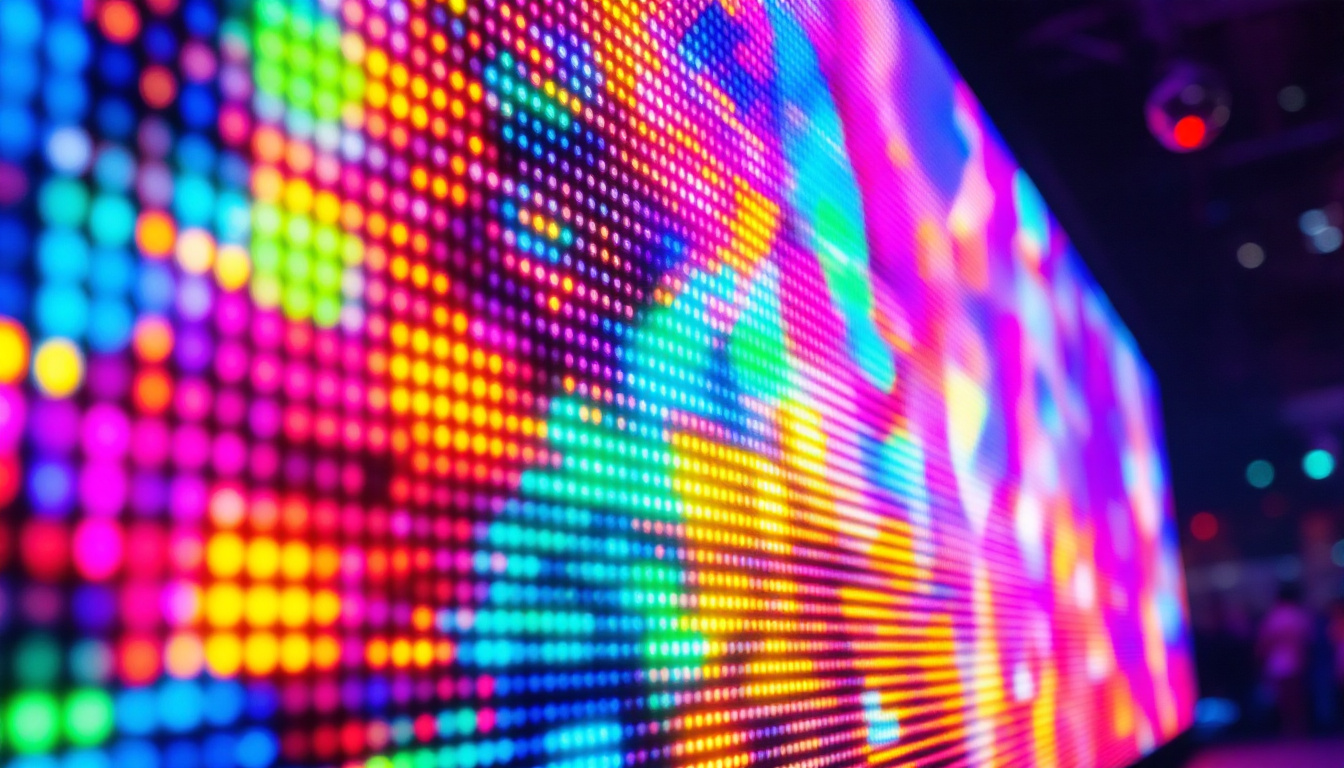
The LED walls used on The Mandalorian are composed of thousands of individual LED panels, each capable of displaying millions of colors with high brightness and contrast. The main volume, often referred to as the “volume stage,” spans approximately 75 feet wide and 30 feet tall, creating an immersive 270-degree field of view around the actors.
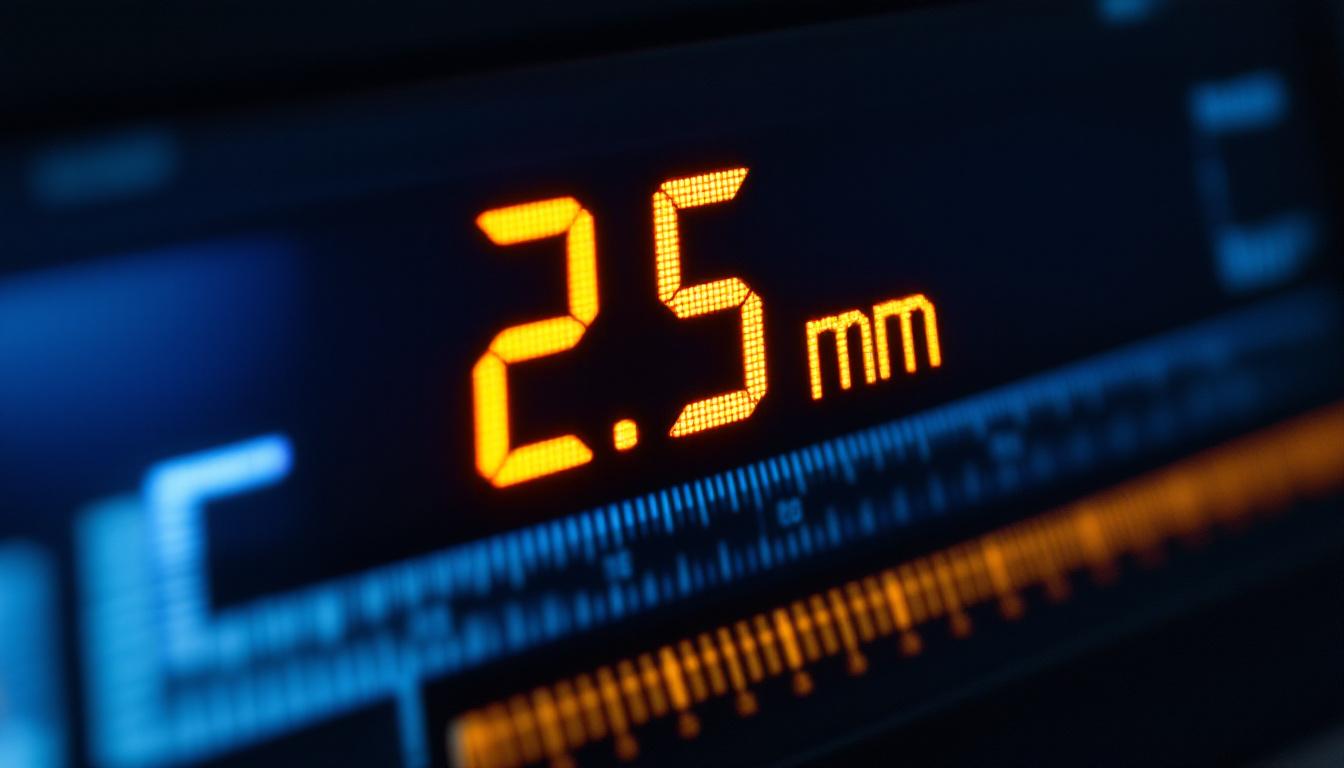
The resolution of these LED panels is critical to achieving photorealism. With pixel pitches as fine as 2.5 millimeters, the displays provide sharp, detailed images even at close range. Additionally, the screens are calibrated meticulously to ensure color accuracy and uniform brightness, preventing any visual inconsistencies that could break immersion.
How Does the LED Display Enhance the Filming Process?
Real-Time Environment Interaction
One of the most significant advantages of the LED display system is the ability to interact with a real-time environment during filming. Unlike green screens, where actors must imagine their surroundings, the LED walls provide actual visual cues, lighting, and reflections that respond to camera movements and scene changes.
This interaction enhances performances by grounding actors in their environment, enabling more natural reactions and better spatial awareness. For example, in scenes where characters traverse alien landscapes or futuristic cities, the actors can see and respond to the environment directly, improving authenticity.
Dynamic Lighting and Reflections
The LED walls emit light that naturally illuminates the actors and set pieces, matching the environment displayed on the screens. This dynamic lighting creates realistic shadows and reflections that would be challenging to replicate with traditional lighting setups or green screen compositing.
For instance, when a scene features a sunset or a glowing spaceship, the warm or cool hues from the LED walls cast corresponding light on the actors’ faces and costumes. This integration reduces the need for extensive post-production color correction and compositing, streamlining the workflow.
Flexibility and Efficiency in Production
StageCraft’s LED volumes offer remarkable flexibility. Directors can instantly change the background environment without relocating the production to different physical locations. This capability dramatically reduces travel costs and logistical complexities, especially for a series like The Mandalorian, which features diverse and exotic settings.
The ability to shoot multiple scenes with different environments in a single day accelerates production schedules. Moreover, the real-time feedback allows directors and cinematographers to adjust framing, lighting, and camera angles on the fly, ensuring that shots align perfectly with the creative vision.
Case Studies: Iconic Scenes Filmed Using LED Displays
The Razor Crest Landing Sequence
One of the most memorable sequences in The Mandalorian is the Razor Crest’s landing on various planets. Instead of using physical sets or green screen backdrops, these scenes were filmed entirely within the LED volume. The dynamic backgrounds displayed realistic alien terrains, shifting clouds, and atmospheric effects that moved in sync with the ship’s motion.
This approach allowed the filmmakers to capture reflections of the environment on the ship’s surface and the actors’ helmets, enhancing the sense of realism. The seamless integration of practical and digital elements demonstrated the power of LED volume technology.
The Ice Planet of Maldo Kreis
Another standout example is the ice planet Maldo Kreis, featured in the second season. The frozen landscapes, shimmering ice formations, and distant mountain ranges were rendered on the LED walls, enveloping the actors in a convincing arctic environment.
The cold blue hues and shifting light patterns from the LED screens created authentic lighting conditions that would have been difficult to replicate on a physical set. This immersive setup contributed to the haunting and isolated atmosphere of the scenes.
The Future of LED Display Technology in Film and Television
Expanding Beyond The Mandalorian
The success of StageCraft and LED volume technology on The Mandalorian has sparked widespread interest across the industry. Studios and productions worldwide are adopting similar systems to enhance their visual storytelling capabilities. For example, major studios have begun investing in virtual production stages equipped with LED walls for feature films, commercials, and episodic television.
As the technology becomes more accessible and affordable, it is expected to democratize high-quality visual effects, enabling smaller productions to achieve cinematic environments without exorbitant budgets.
Technological Advancements and Integration
Continuous improvements in LED panel resolution, color accuracy, and brightness will further enhance the realism of virtual environments. Additionally, advancements in real-time rendering engines and artificial intelligence will enable even more complex and responsive backgrounds, including dynamic weather, crowds, and interactive elements.
Integration with motion capture and augmented reality technologies will also expand creative possibilities, allowing filmmakers to blend physical and virtual worlds seamlessly.
Environmental and Economic Benefits
Beyond creative advantages, LED volume technology offers environmental benefits by reducing the need for location travel, minimizing set construction waste, and lowering energy consumption associated with traditional production methods. This aligns with the growing industry focus on sustainability and responsible filmmaking practices.
Economically, the efficiency gains translate into cost savings and faster turnaround times, making high-quality production more viable across various project scales.
Challenges and Considerations
Technical Complexity and Learning Curve
While LED volume technology offers numerous benefits, it also introduces technical complexities. Operating the system requires specialized skills in virtual production, real-time rendering, and LED calibration. Crews must adapt to new workflows that blend traditional cinematography with digital technology.
Training and collaboration between departments such as VFX, lighting, and camera teams are essential to maximize the potential of the technology.
Initial Investment and Infrastructure
Setting up an LED volume stage involves significant upfront investment in hardware, software, and facility modifications. Although costs are decreasing, smaller studios may find the initial expense prohibitive without external funding or partnerships.
Moreover, the physical space required for large LED volumes can be substantial, necessitating purpose-built sound stages or retrofitting existing facilities.
Limitations in Scale and Scope
Despite its versatility, LED volume technology is not a universal solution. Extremely large-scale environments or complex action sequences may still require traditional location shooting or green screen techniques. Additionally, certain visual effects that involve intricate particle simulations or fantastical elements may be better suited for post-production compositing.
Conclusion
The use of LED display technology in The Mandalorian represents a transformative moment in filmmaking. By merging cutting-edge LED panels with real-time rendering engines, the production created immersive, dynamic environments that enhanced storytelling, performance, and visual realism. This innovation addresses many limitations of traditional green screen techniques, offering greater creative flexibility and production efficiency.
As the technology continues to evolve and become more accessible, it promises to reshape the future of film and television production. While challenges remain, the benefits in artistic expression, cost savings, and environmental impact make LED volume technology a compelling advancement for the industry. For fans and creators alike, the Mandalorian’s LED display setup is a glimpse into the next frontier of cinematic storytelling.
Explore the Future of LED Technology with LumenMatrix
As you’ve seen with The Mandalorian, LED display technology is reshaping the landscape of film and television production, offering unparalleled realism and creative possibilities. LumenMatrix stands at the forefront of this revolution, providing a wide array of innovative LED display solutions that cater to various applications. Whether you’re looking to create an immersive indoor environment, captivate passersby with an outdoor display, or revolutionize your vehicle, sports, or floor displays, LumenMatrix has the technology to bring your vision to life. Check out LumenMatrix LED Display Solutions and join the vanguard of visual storytelling today.