In an era where visual communication dominates, the demand for larger, brighter, and more vibrant screens continues to surge. From sprawling stadiums and bustling city centers to corporate boardrooms and entertainment venues, LED displays have become the go-to technology for delivering impactful visual experiences. But what exactly makes LED displays the preferred choice for the widest screens, and how do they work? This article delves into the world of LED displays, exploring their technology, applications, and the factors driving their evolution toward ever-wider formats.
Understanding LED Display Technology
What Is an LED Display?
LED stands for Light Emitting Diode, a semiconductor device that emits light when an electric current passes through it. An LED display is a flat panel display that uses an array of these tiny LEDs as pixels to produce images, videos, or text. Unlike traditional LCD or OLED screens, LED displays rely on direct light emission from each pixel, resulting in superior brightness and contrast. This characteristic makes LED displays particularly appealing for high-visibility applications, such as billboards, signage, and large-scale video walls.
LED displays can be configured in various ways, including indoor and outdoor panels, flexible screens, and even curved or irregular shapes. This versatility allows them to be tailored to a wide range of environments and uses. For instance, outdoor LED displays are often designed to withstand harsh weather conditions, featuring protective coatings and robust housing to ensure longevity. Conversely, indoor LED displays may prioritize higher resolution and finer pixel pitch to deliver an immersive viewing experience in settings like theaters and conference rooms.
How Do LED Displays Work?
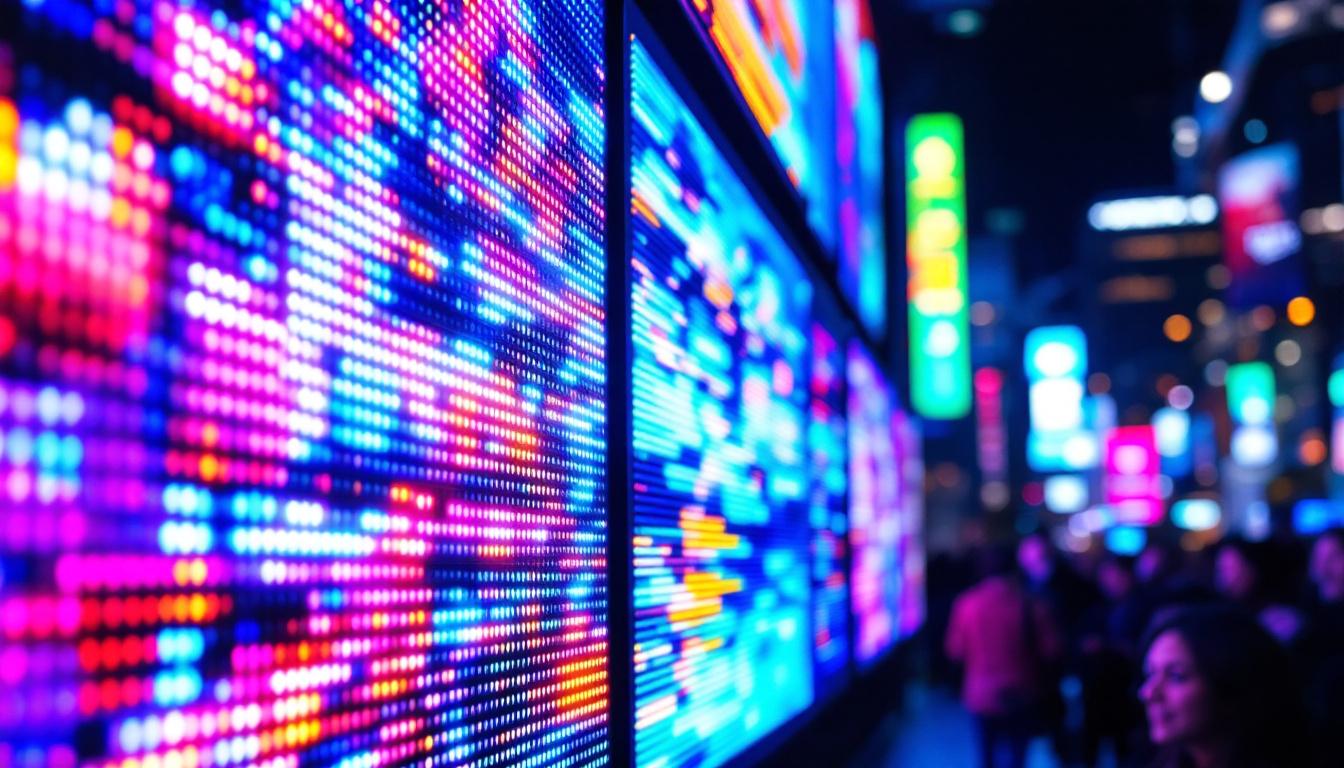
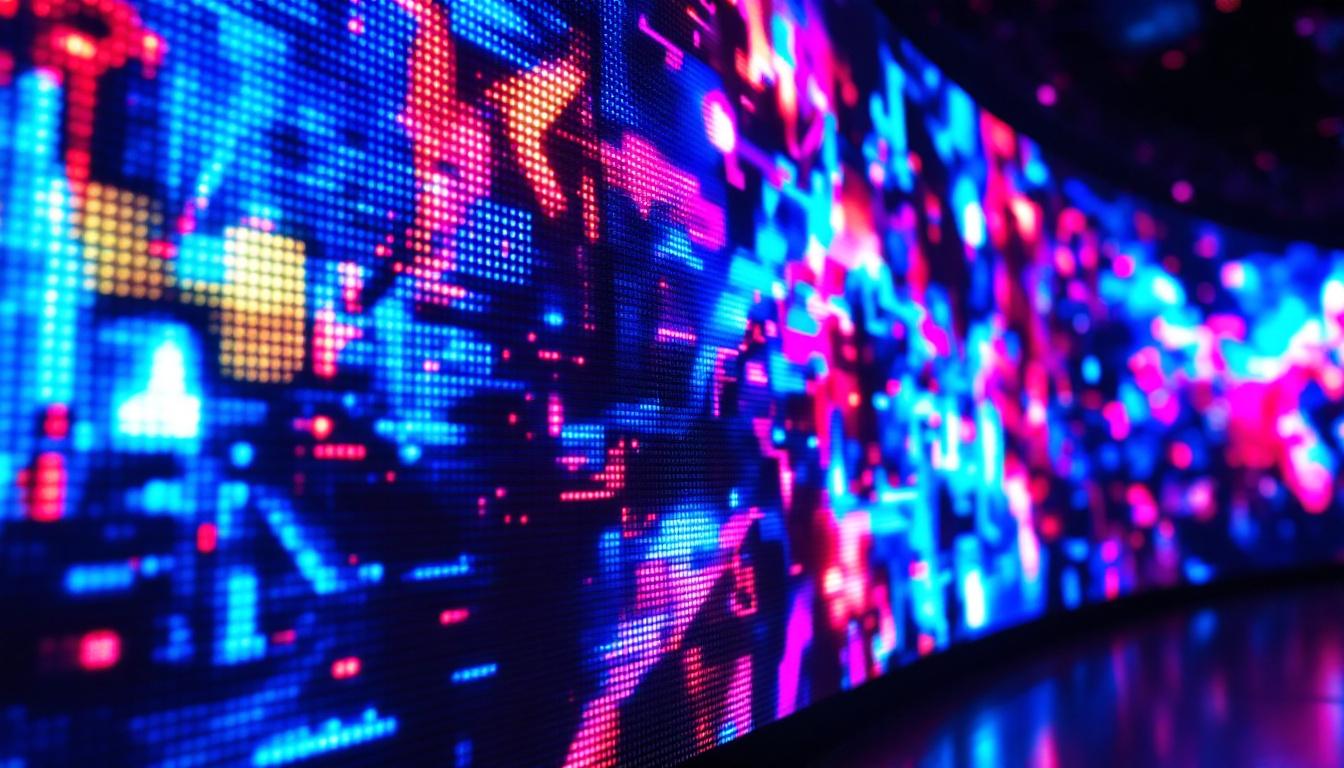
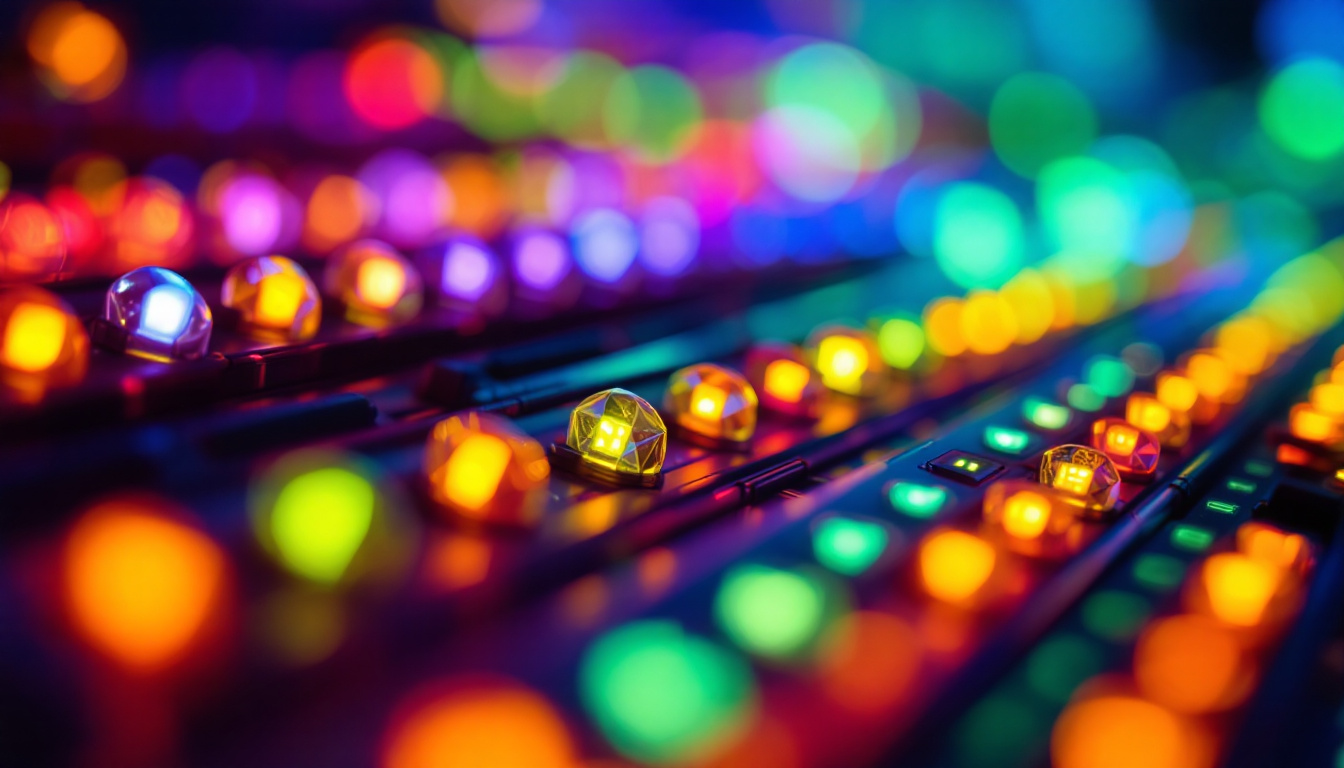
Each pixel in an LED display consists of one or more LEDs, typically red, green, and blue, which combine to produce a full spectrum of colors. By adjusting the intensity of each LED within a pixel, the display can render millions of colors with remarkable accuracy. The pixels are arranged in a grid, and the density of these pixels—known as pixel pitch—determines the screen’s resolution and clarity. A smaller pixel pitch results in a higher resolution, which is essential for applications where viewers are close to the screen, such as in retail displays or exhibitions.
Modern LED displays use advanced driving electronics and software to synchronize the LEDs, ensuring smooth motion, vivid color reproduction, and high refresh rates. This technology enables LED screens to deliver images that remain clear and vibrant even under direct sunlight, a critical advantage for outdoor applications. Additionally, many LED displays now incorporate smart technology, allowing for features like remote monitoring, content management, and real-time updates. This integration enhances the functionality of LED displays, making them not only a medium for visual communication but also a dynamic tool for marketing and information dissemination in various industries.
The Rise of the Widest LED Screens
Why Size Matters
In many settings, the size of a display is integral to its effectiveness. Large-scale LED screens capture attention, convey messages to vast audiences, and create immersive experiences. For example, in sports arenas, giant LED scoreboards and video walls enhance fan engagement by providing real-time replays and dynamic content visible from every seat. The sheer size of these displays not only amplifies the excitement of the game but also serves as a focal point for social interaction among fans, who often gather to watch highlights and share reactions in real-time.
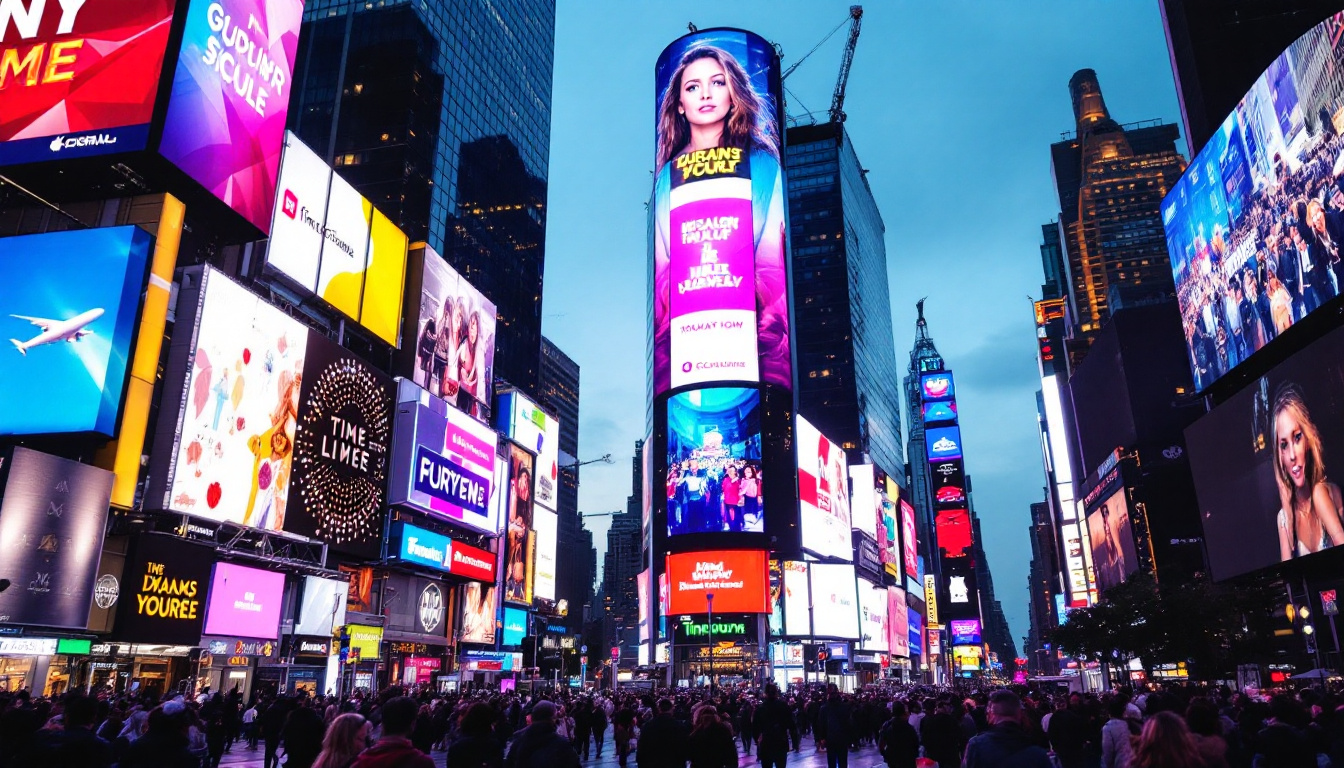
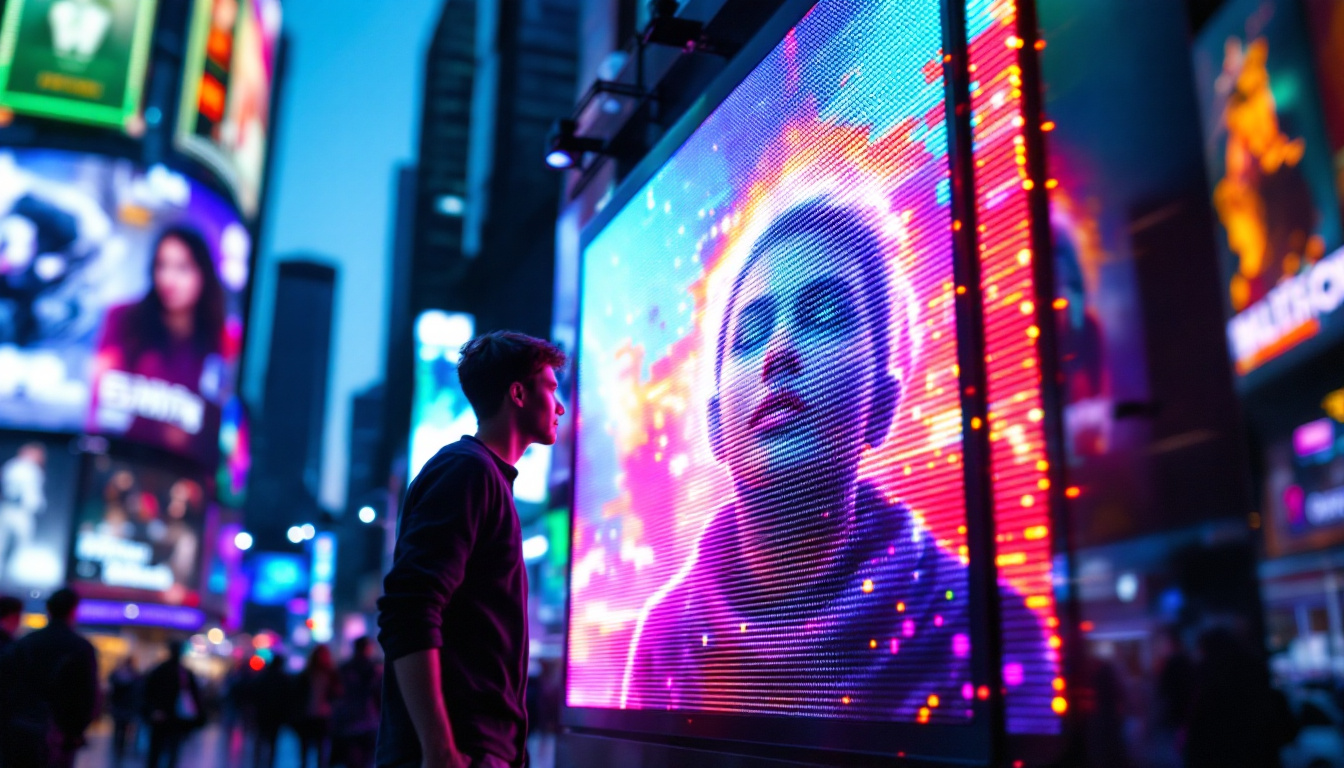
Similarly, in urban environments, massive LED billboards dominate skylines, delivering advertising and public information with unmatched visibility. These colossal screens can be strategically placed in high-traffic areas, ensuring that they reach a diverse audience. The ability to scale LED displays to enormous widths without compromising image quality is a key reason for their widespread adoption. Moreover, the integration of advanced technologies, such as AI-driven content management systems, allows advertisers to tailor messages based on real-time data, further enhancing the impact of these large displays.
Record-Breaking Wide LED Screens
Some of the world’s widest LED displays push the boundaries of engineering and design. For instance, the LED screen at the Fremont Street Experience in Las Vegas spans over 1,500 feet in length, creating a canopy of light and video that envelops visitors. This screen uses millions of LEDs to produce dazzling visual effects that transform the entire street into an entertainment venue. The immersive experience is heightened by synchronized sound systems that complement the visuals, turning a simple stroll down the street into a multi-sensory adventure.
Another example is the massive LED facade on the Burj Khalifa in Dubai, which covers thousands of square meters and serves as a dynamic canvas for light shows and advertisements. These record-breaking installations showcase the potential of LED technology to create immersive environments on an unprecedented scale. The Burj Khalifa’s LED display not only attracts tourists but also hosts seasonal events and celebrations, such as New Year’s Eve fireworks, where the building itself becomes a part of the spectacle. These innovative uses of wide LED screens are redefining how we experience public spaces, merging art, technology, and community engagement in ways that were previously unimaginable.
Key Factors Influencing LED Display Width
Modular Design and Scalability
One of the primary reasons LED displays can achieve extraordinary widths is their modular construction. LED panels are manufactured as individual modules that can be seamlessly connected to form larger screens. This modular approach allows for custom configurations tailored to specific spatial requirements, whether it’s a panoramic display wrapping around a building or a multi-screen setup in a control room.
Scalability also simplifies maintenance and upgrades, as individual modules can be replaced or enhanced without dismantling the entire display. This flexibility is crucial for projects that demand both size and reliability.
Pixel Pitch and Viewing Distance
The choice of pixel pitch significantly impacts the feasible width of an LED display. Pixel pitch refers to the distance between the centers of adjacent pixels, typically measured in millimeters. Smaller pixel pitches provide higher resolution and finer detail but are more expensive and suited for closer viewing distances.
For ultra-wide screens intended to be viewed from afar, such as outdoor billboards or stadium displays, larger pixel pitches are common. This balance between resolution, cost, and intended viewing distance guides the design of the widest LED screens.
Power Consumption and Heat Management
As LED screens grow wider and brighter, power consumption becomes a critical consideration. Large LED displays require robust power supplies and efficient heat dissipation systems to maintain performance and longevity. Advanced cooling technologies, including passive heat sinks and active ventilation, are integrated into the design to prevent overheating.
Energy efficiency improvements in LED technology have also contributed to the feasibility of wider screens, reducing operational costs and environmental impact.
Applications of the Widest LED Displays
Sports and Entertainment Venues
Stadiums and arenas are among the most prominent users of wide LED displays. These screens enhance the spectator experience by delivering high-definition replays, live statistics, and interactive content. The ability to cover entire walls or wrap around seating areas enables immersive viewing environments that engage fans like never before.
Concerts and festivals also leverage wide LED screens to ensure that every attendee, regardless of their location, can enjoy clear visuals of performances and stage effects.
Advertising and Public Spaces
Outdoor advertising has been revolutionized by the advent of large LED billboards. These screens offer dynamic content capabilities, allowing advertisers to display multiple ads, animations, and real-time updates. Their brightness and visibility in daylight make them superior to traditional static billboards.
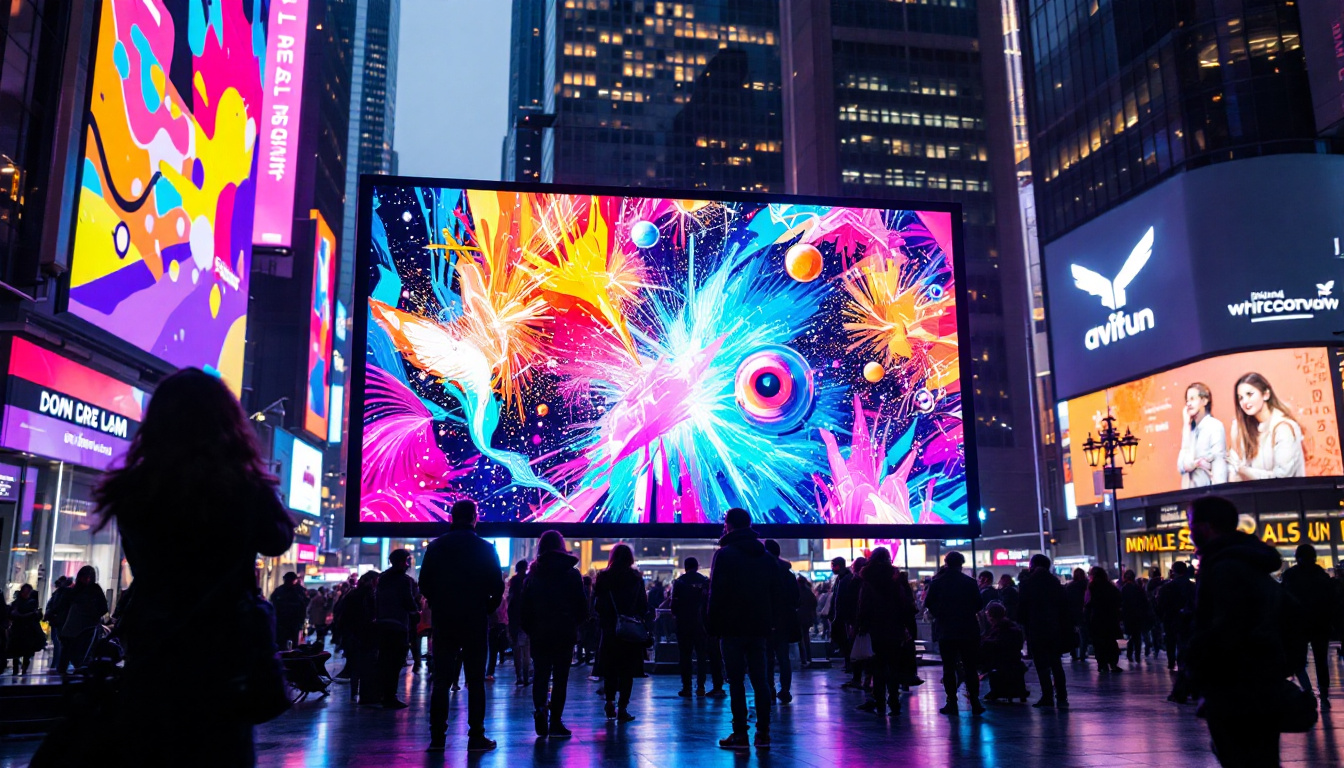
In public spaces, wide LED displays serve as information hubs, broadcasting news, weather updates, emergency alerts, and cultural programming. Cities worldwide use these screens to enhance communication and foster community engagement.
Corporate and Control Room Environments
In corporate settings, ultra-wide LED video walls are increasingly popular for presentations, video conferencing, and digital signage. Their seamless design and high resolution facilitate collaboration and communication within organizations.
Control rooms, such as those in transportation, utilities, and security sectors, rely on wide LED displays to monitor multiple data streams simultaneously. The expansive screen real estate allows operators to maintain situational awareness and respond promptly to evolving conditions.
Future Trends in Wide LED Display Technology
MicroLED and MiniLED Innovations
Emerging technologies like MicroLED and MiniLED promise to push the boundaries of LED displays even further. MicroLEDs are significantly smaller than traditional LEDs, enabling higher pixel densities and better image quality. This innovation could lead to ultra-wide screens with near-retina display clarity, suitable for both indoor and outdoor applications.
MiniLED technology enhances backlighting in LCD panels but also contributes to hybrid LED solutions that improve brightness and contrast. These advancements are expected to complement existing LED display formats, offering more options for wide-screen installations.
Flexible and Curved LED Screens
Flexibility in LED panel design is opening new creative possibilities. Curved and flexible LED screens can wrap around architectural features or create immersive environments that engage viewers from multiple angles. This adaptability is especially valuable for wide screens that need to fit unconventional spaces or deliver unique visual experiences.
Integration with AI and Interactive Technologies
The integration of artificial intelligence and interactive technologies is transforming how wide LED displays are used. AI-driven content management systems can optimize visuals based on audience demographics, time of day, or environmental conditions. Interactive features, such as touch sensitivity and gesture recognition, enable users to engage directly with wide LED screens, enhancing their effectiveness in retail, education, and entertainment.
Conclusion: The Impact of the Widest LED Screens
LED display technology has revolutionized the way information and entertainment are presented on large scales. The ability to create the widest screens with exceptional brightness, color accuracy, and durability has transformed industries ranging from sports and advertising to corporate communications and public safety.
As technological advancements continue to refine LED displays, their applications will expand, offering even more immersive and interactive experiences. Understanding the fundamentals of LED technology and the factors influencing screen width helps stakeholders make informed decisions when investing in these powerful visual tools.
Ultimately, the widest LED screens are not just about size—they represent a convergence of innovation, design, and human engagement that shapes how audiences connect with digital content in the modern world.
Explore the Future of Visual Engagement with LumenMatrix
Ready to elevate your visual communication to new heights? Discover LumenMatrix’s innovative range of LED display solutions, from Indoor and Outdoor LED Walls to specialized displays for vehicles, sports, and more. Each product is designed to captivate your audience and amplify your message with unparalleled brightness and clarity. Embrace the power of cutting-edge technology with LumenMatrix and transform any space into a dynamic visual experience. Check out LumenMatrix LED Display Solutions today and join the revolution in digital signage.