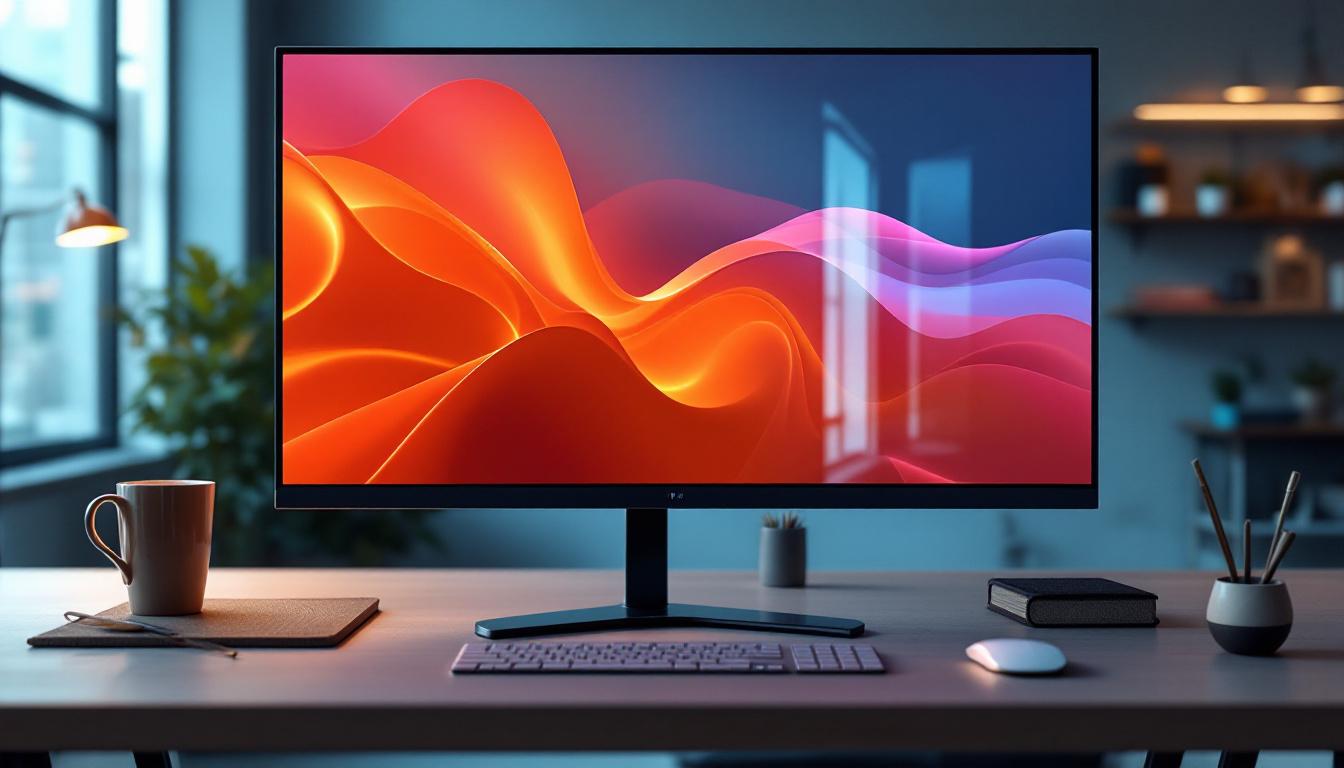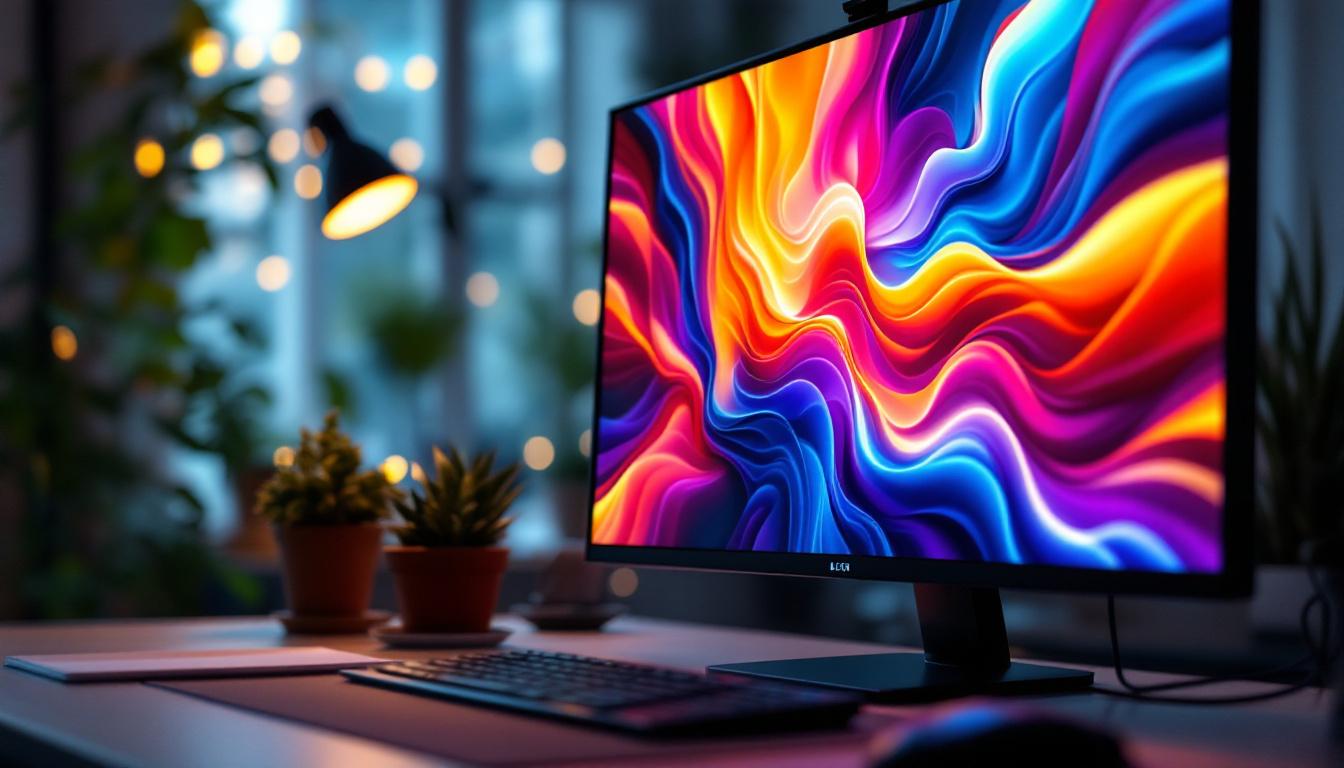
In the rapidly evolving world of display technology, LED monitors have become a household name, synonymous with vibrant visuals and energy efficiency. But what exactly is an LED monitor, and how does it differ from other types of displays? This article delves into the fundamentals of LED monitors, exploring their technology, advantages, and practical applications to help you understand why they are so prevalent in today’s digital landscape.
Understanding LED Technology in Monitors
What Does LED Stand For?
LED stands for Light Emitting Diode, a semiconductor device that emits light when an electric current passes through it. Unlike traditional light sources, LEDs are highly efficient, durable, and capable of producing bright, vibrant colors. In the context of monitors, LEDs are used as a backlighting source or, in some cases, as individual pixels themselves. The advancement in LED technology has also led to the development of various types of LEDs, including RGB (Red, Green, Blue) LEDs, which can create a wider spectrum of colors, enhancing the visual experience for users.
How Does an LED Monitor Work?
At its core, an LED monitor is an LCD (Liquid Crystal Display) screen that uses LED backlighting instead of the older cold cathode fluorescent lamps (CCFLs). The LCD panel itself does not emit light; it modulates the light passing through it to create images. The LED backlight provides the illumination necessary for the display to be visible. This technology allows for quicker response times and improved refresh rates, making LED monitors particularly suitable for fast-paced gaming and high-definition video playback.
There are two primary types of LED backlighting used in monitors: edge-lit and full-array. Edge-lit LED monitors position LEDs along the edges of the screen, which then distribute light across the display using light guides. Full-array LED monitors have LEDs placed directly behind the screen, allowing for more precise control of brightness and contrast through local dimming. This means that full-array monitors can achieve deeper blacks and brighter whites, creating a more immersive viewing experience, especially in darker scenes or high-contrast images.
LED vs. Other Display Technologies
Before LED monitors became mainstream, CCFL-backlit LCDs were the standard. Compared to CCFLs, LEDs offer several improvements, including lower power consumption, thinner designs, and better color accuracy. Additionally, LED monitors generally have a longer lifespan and are more environmentally friendly due to the absence of mercury. The efficiency of LED technology also translates to reduced heat generation, which can improve the longevity of the monitor and provide a more comfortable user experience, especially in extended use scenarios.
While OLED (Organic Light Emitting Diode) technology is gaining traction for its superior contrast and color capabilities, LED monitors remain popular for their balance of cost, performance, and durability. Unlike OLEDs, which emit light per pixel, LED monitors rely on backlighting, which can limit contrast but allows for brighter displays. Furthermore, the affordability of LED monitors makes them an attractive option for a wide range of consumers, from casual users to professionals who require reliable performance for graphic design or video editing. As technology continues to evolve, we may see even more innovations in LED technology that enhance the capabilities and applications of monitors in various fields.
Key Features and Benefits of LED Monitors
Energy Efficiency and Environmental Impact
One of the most significant advantages of LED monitors is their energy efficiency. According to the U.S. Department of Energy, LED backlit displays consume up to 40% less power than CCFL-backlit monitors. This reduction not only lowers electricity bills but also contributes to a smaller carbon footprint, making LED monitors an eco-friendly choice.
Improved Brightness and Color Accuracy
LED backlighting enables monitors to achieve higher brightness levels, often exceeding 300 nits, which enhances visibility in well-lit environments. Moreover, LEDs can produce a wider color gamut, especially when combined with technologies like quantum dots, resulting in richer and more accurate colors. This makes LED monitors ideal for professionals in graphic design, video editing, and photography.
Slimmer and Lighter Designs
The compact size of LEDs allows manufacturers to create thinner and lighter monitors compared to their CCFL counterparts. This design flexibility has led to sleek, modern displays that fit seamlessly into any workspace, whether at home or in an office setting. The reduced weight also makes LED monitors easier to mount or transport.
Longer Lifespan and Durability
LEDs have a longer operational life, often rated at 30,000 to 50,000 hours, which means the backlighting remains consistent for many years. Unlike CCFLs, LEDs are less prone to flickering and degradation, ensuring a stable viewing experience over time. This durability translates into lower maintenance costs and less frequent replacements.
Types of LED Monitors and Their Applications
Edge-Lit LED Monitors
Edge-lit LED monitors are the most common type found in consumer electronics. Their design places LEDs along the edges of the screen, which allows for thinner panels and lower manufacturing costs. However, edge-lit displays may suffer from uneven brightness and less effective local dimming, which can affect contrast in darker scenes.
These monitors are well-suited for everyday computing tasks, office work, and general multimedia consumption where ultra-high contrast is not critical.
Full-Array LED Monitors with Local Dimming
Full-array LED monitors position LEDs directly behind the LCD panel, divided into zones that can be dimmed independently. This local dimming capability enhances contrast by deepening blacks and improving overall image quality. While more expensive, these monitors offer superior performance for gaming, video editing, and high-end content consumption.
Mini-LED and Micro-LED Technologies
Recent advancements have introduced Mini-LED and Micro-LED monitors, which use thousands of tiny LEDs for backlighting or direct pixel illumination. Mini-LEDs provide even finer local dimming control, resulting in better contrast and brightness uniformity. Micro-LEDs, still emerging in the market, promise self-emissive displays with exceptional color accuracy and longevity, potentially rivaling OLEDs without their drawbacks.
These cutting-edge technologies are primarily found in premium monitors and professional-grade displays, catering to users who demand the highest image quality.
Choosing the Right LED Monitor for Your Needs
Consider Your Usage Scenario
When selecting an LED monitor, the intended use is paramount. For general office work, web browsing, and casual media, an edge-lit LED monitor with standard resolution and refresh rates will suffice. For gamers, a monitor with a high refresh rate (120Hz or above), low response time, and full-array local dimming can provide a competitive edge and immersive experience.
Creative professionals should prioritize color accuracy, wide color gamut support (such as Adobe RGB or DCI-P3), and high resolution (QHD or 4K) to ensure precise image representation.
Screen Size and Resolution
LED monitors come in various sizes, typically ranging from 21 inches to over 32 inches. Larger screens offer more workspace and better immersion but require higher resolutions to maintain image sharpness. Common resolutions include Full HD (1920×1080), Quad HD (2560×1440), and 4K UHD (3840×2160). Choosing the right combination depends on your desk space, budget, and visual preferences.
Connectivity and Additional Features
Modern LED monitors often include multiple input options such as HDMI, DisplayPort, and USB-C, allowing compatibility with a wide range of devices. Features like adjustable stands, blue light filters, flicker-free technology, and built-in speakers can enhance comfort and usability.
Budget Considerations
Prices for LED monitors vary widely based on size, resolution, panel type, and additional features. Entry-level models may cost under $150, while high-end professional or gaming monitors can exceed $1,000. Balancing your requirements with your budget will ensure you get the best value without overspending.
Common Misconceptions About LED Monitors
LED Monitors Are Not OLED
A frequent misunderstanding is equating LED monitors with OLED displays. While both use LEDs, the technology and performance differ significantly. LED monitors rely on LED backlighting behind an LCD panel, whereas OLEDs have self-emissive pixels that produce their own light. This fundamental difference affects contrast ratios, color accuracy, and viewing angles.
LED Does Not Guarantee Better Picture Quality Alone
While LED backlighting improves brightness and energy efficiency, the overall picture quality depends on several factors, including the LCD panel type (IPS, TN, VA), resolution, color calibration, and local dimming capabilities. Therefore, not all LED monitors deliver the same visual experience.
LED Monitors Can Have Different Panel Types
LED refers only to the backlight technology and does not specify the LCD panel type. Common panel types include:
- IPS (In-Plane Switching): Known for accurate colors and wide viewing angles.
- TN (Twisted Nematic): Offers faster response times but narrower viewing angles and less accurate colors.
- VA (Vertical Alignment): Provides better contrast ratios but slower response times.
Understanding the panel type is crucial to selecting a monitor that fits your needs.
Future Trends in LED Monitor Technology
Advancements in Mini-LED and Micro-LED
Mini-LED technology is becoming more accessible, offering improved contrast and brightness at a more affordable price point. Micro-LED, though still in early stages, holds promise for revolutionizing display quality with its self-emissive pixels, combining the best aspects of OLED and LED technologies without their limitations.
Integration with HDR and Higher Refresh Rates
High Dynamic Range (HDR) support is increasingly common in LED monitors, enhancing color depth and brightness for more lifelike images. Additionally, gaming monitors are pushing refresh rates beyond 240Hz, enabled by faster panel technologies and improved LED backlighting, delivering smoother motion and reduced input lag.
Eco-Friendly Manufacturing and Energy Standards
As environmental concerns grow, manufacturers are focusing on sustainable production methods and compliance with energy efficiency standards such as ENERGY STAR and EPEAT. This trend ensures that future LED monitors will be not only high-performing but also environmentally responsible.
Conclusion
LED monitors represent a significant advancement in display technology, combining energy efficiency, improved brightness, and color accuracy with sleek, durable designs. Whether for everyday use, professional content creation, or immersive gaming, LED monitors offer a versatile solution that continues to evolve with innovations like Mini-LED and Micro-LED.
Understanding the underlying technology, types of LED monitors, and their respective benefits can help consumers make informed decisions tailored to their specific needs. As the market progresses, LED monitors are poised to remain a dominant choice in the display industry, balancing performance, cost, and sustainability.
Explore Cutting-Edge LED Displays with LumenMatrix
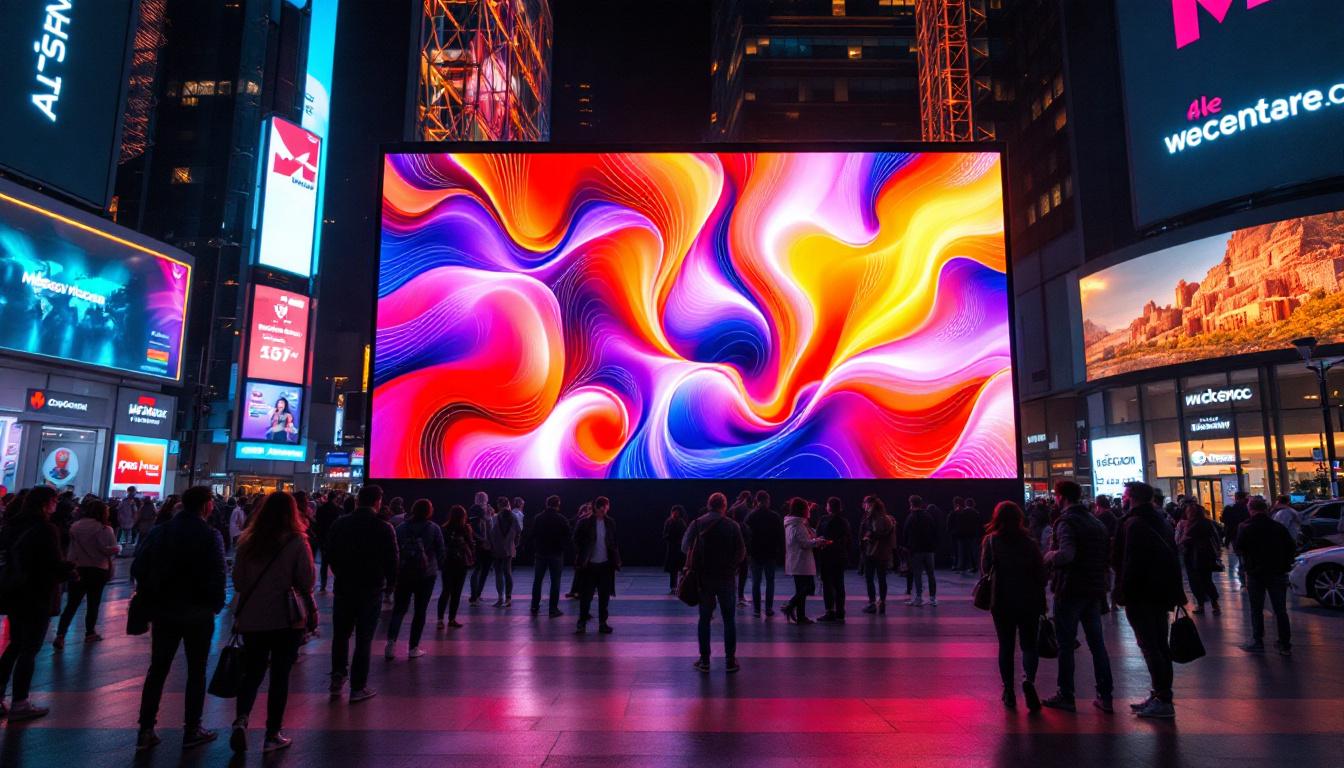
Ready to experience the future of visual technology? LumenMatrix is at the forefront of LED display innovation, offering a wide array of solutions that bring your visual communications to life. From Indoor and Outdoor LED Wall Displays to specialized options like Vehicle, Sports, and Floor LED Displays, our products are designed to captivate and engage. Discover the transformative power of LED displays and how they can elevate your brand’s visibility. Check out LumenMatrix LED Display Solutions today and step into a world of vivid imagery and dynamic storytelling.