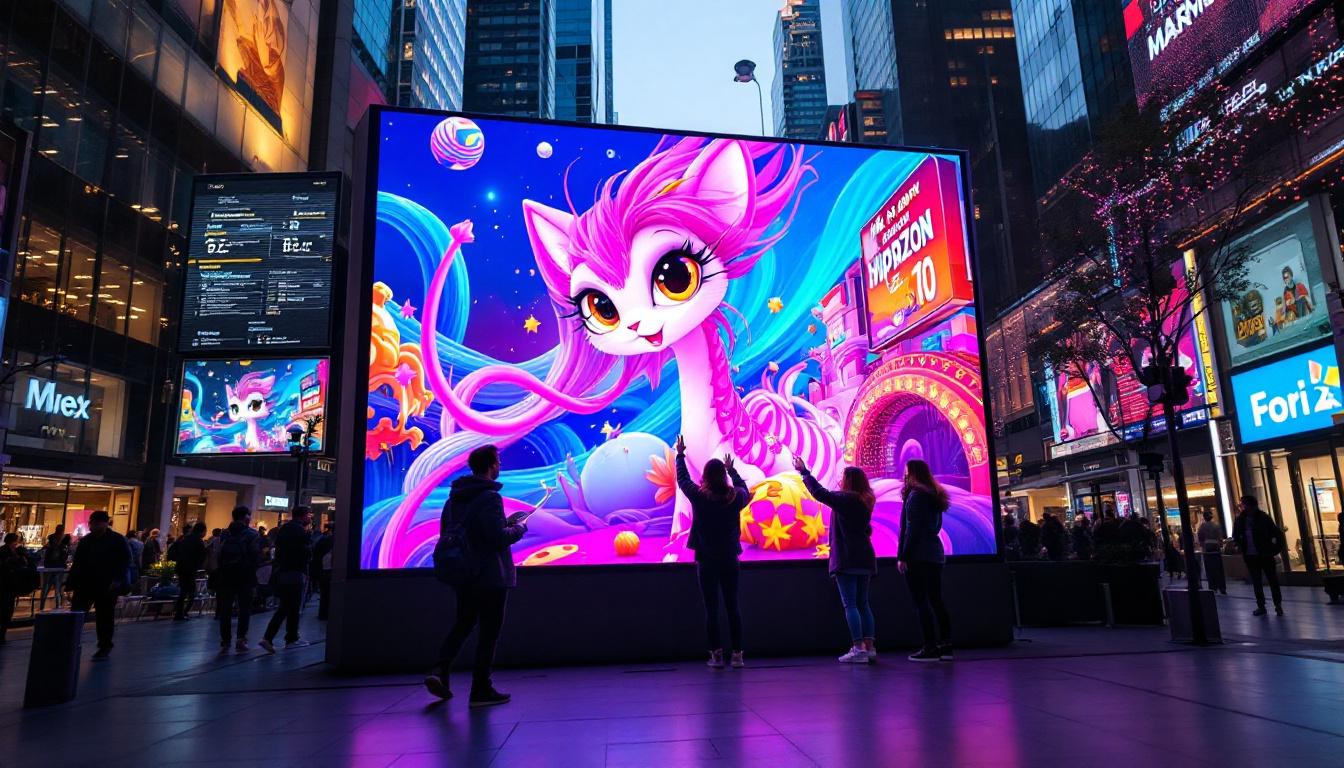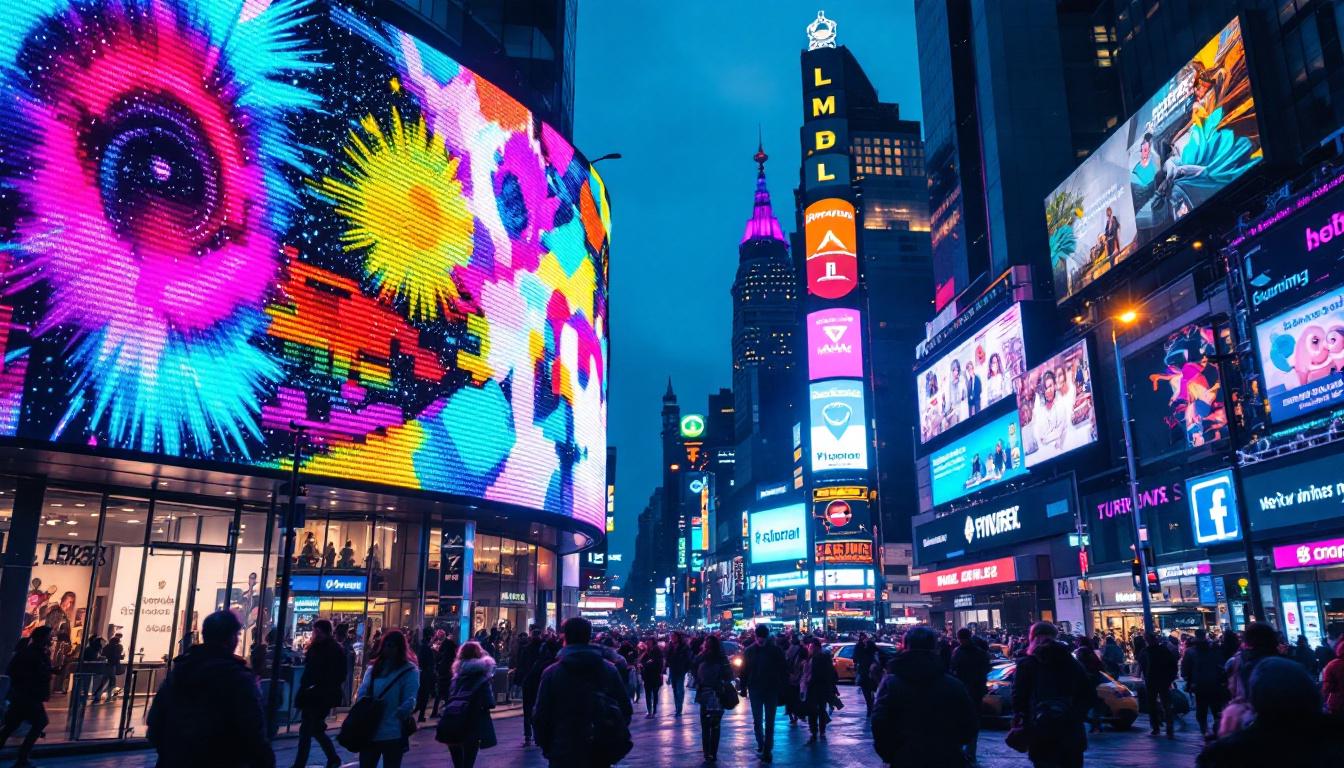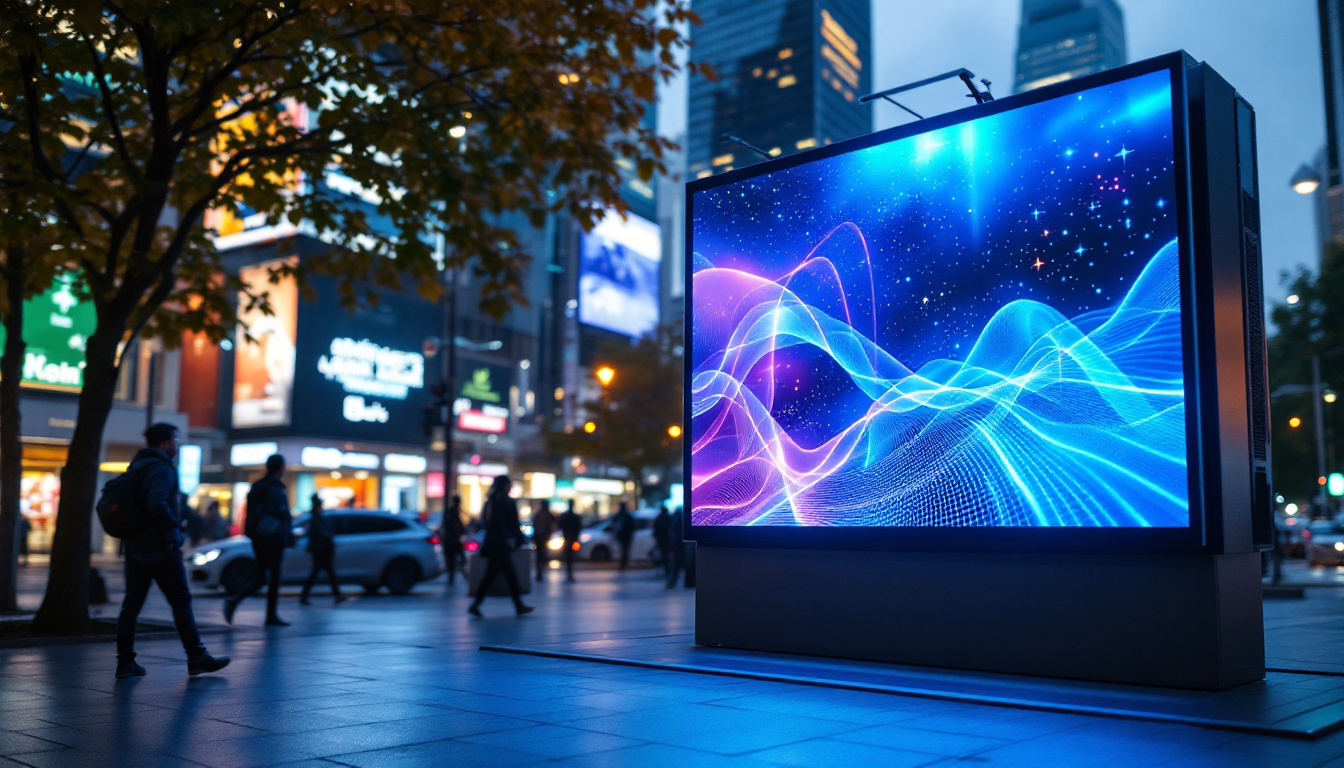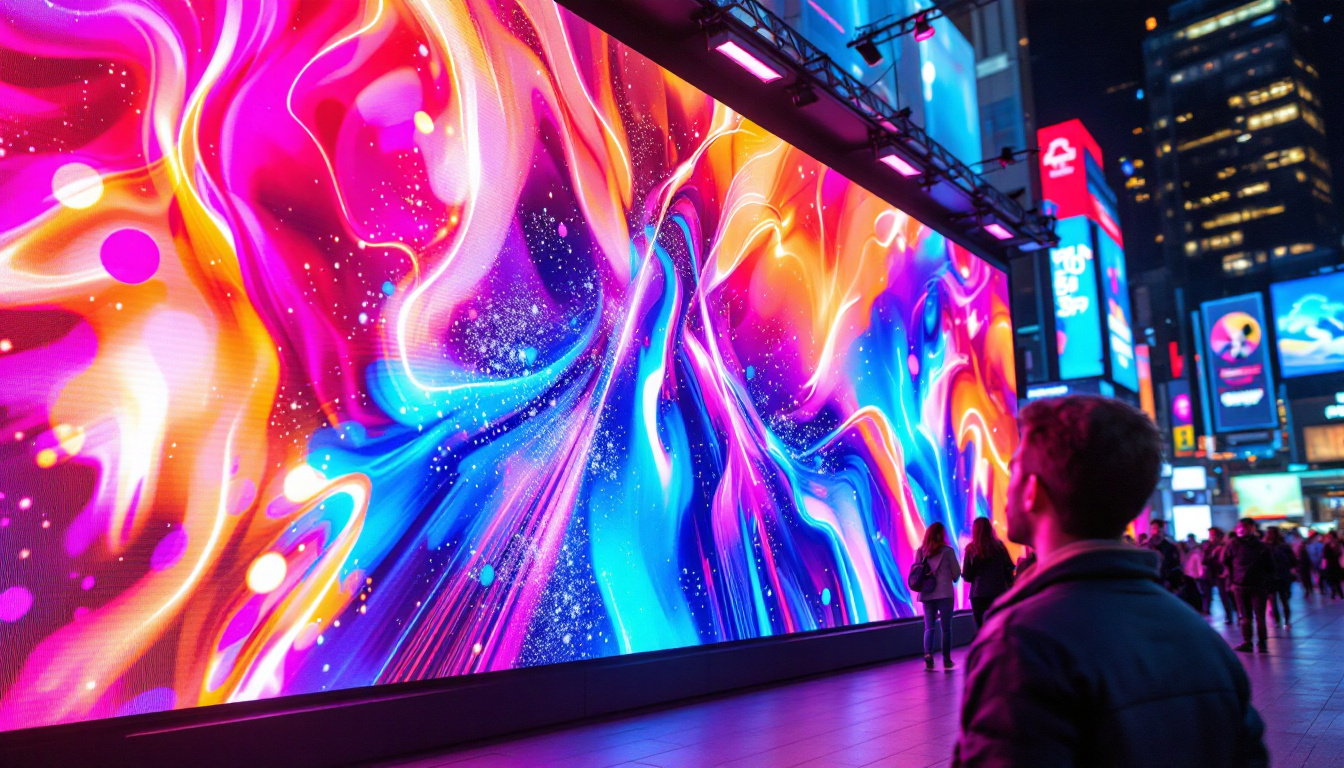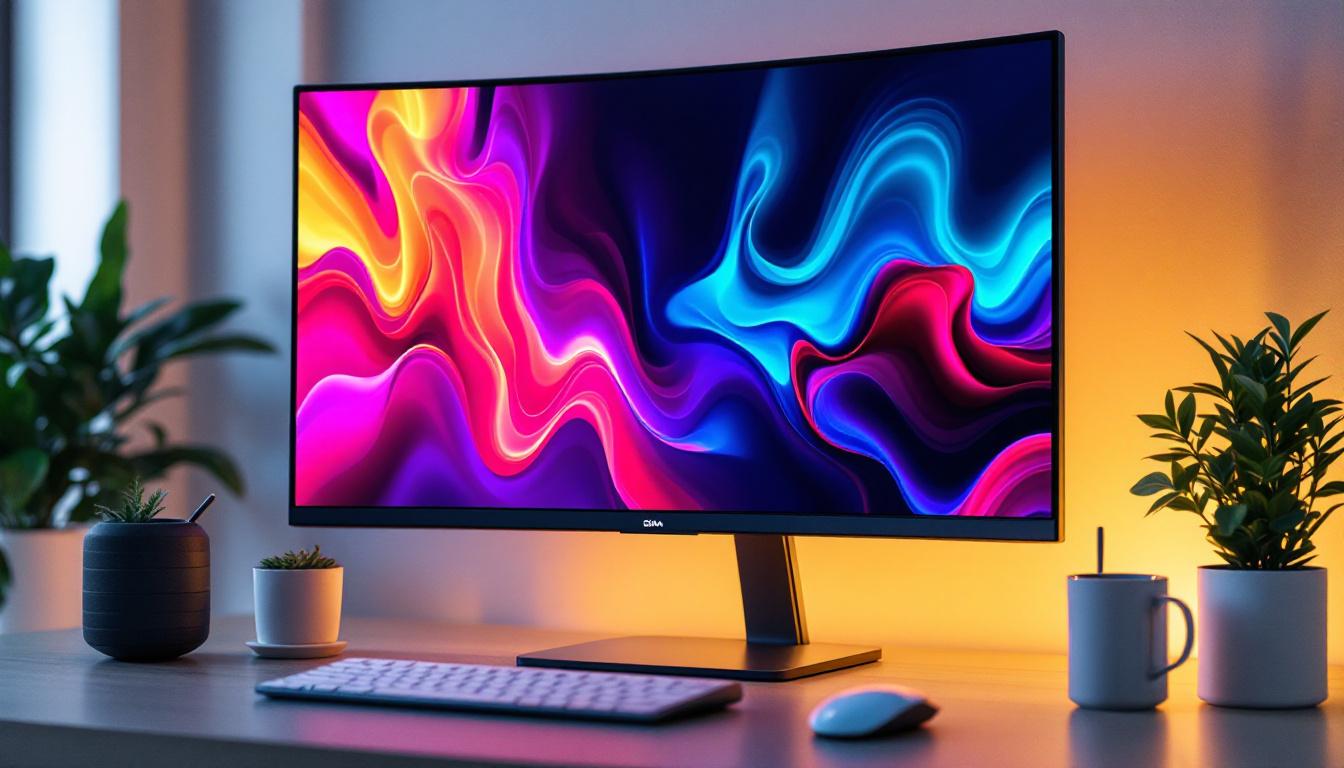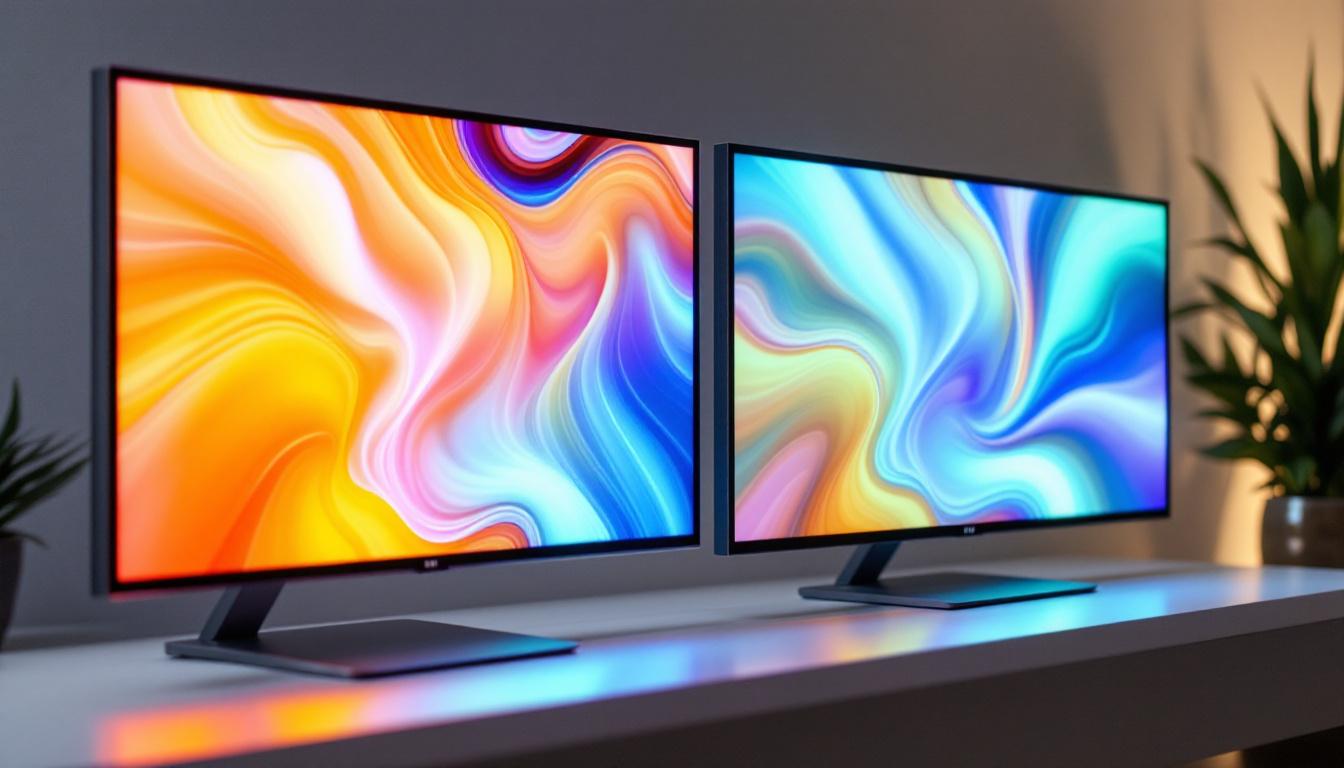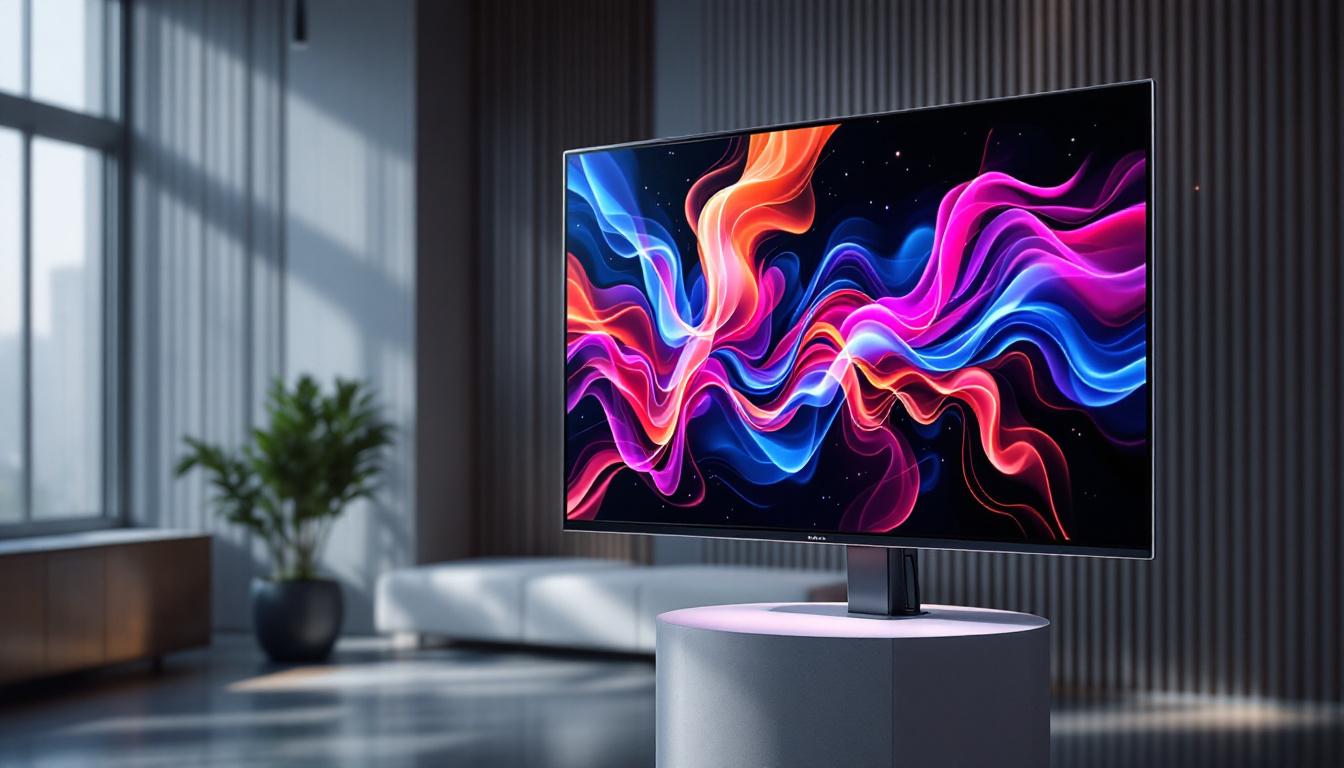
In an era where visual communication dominates marketing, retail, and public information, LED displays have become indispensable tools. From dynamic advertising billboards to interactive retail kiosks, LED technology offers vibrant, energy-efficient, and versatile solutions for showcasing content. This article explores the fundamentals of LED displays, their advantages, applications, and the role of pedestals in enhancing their impact.
Understanding LED Display Technology
LED, or Light Emitting Diode, displays are composed of numerous tiny diodes that emit light when an electric current passes through them. Unlike traditional LCD screens that rely on backlighting, LEDs produce their own light, resulting in brighter and more vivid images. This self-illuminating property not only enhances the visual experience but also contributes to the overall energy efficiency of the display, making it a popular choice for both commercial and residential applications.
Modern LED displays are made up of thousands to millions of these diodes arranged in a matrix. Each diode can be controlled independently to display a specific color and brightness level, allowing for high-resolution images and videos. The technology has evolved significantly over the past decade, with advancements in pixel pitch, color accuracy, and energy efficiency. Innovations such as MicroLED and MiniLED have further pushed the boundaries of what LED displays can achieve, offering even finer pixel densities and improved contrast ratios, which make them ideal for high-end applications like home theaters and professional broadcasting.
Types of LED Displays
LED displays come in various forms, each suited to different environments and purposes:
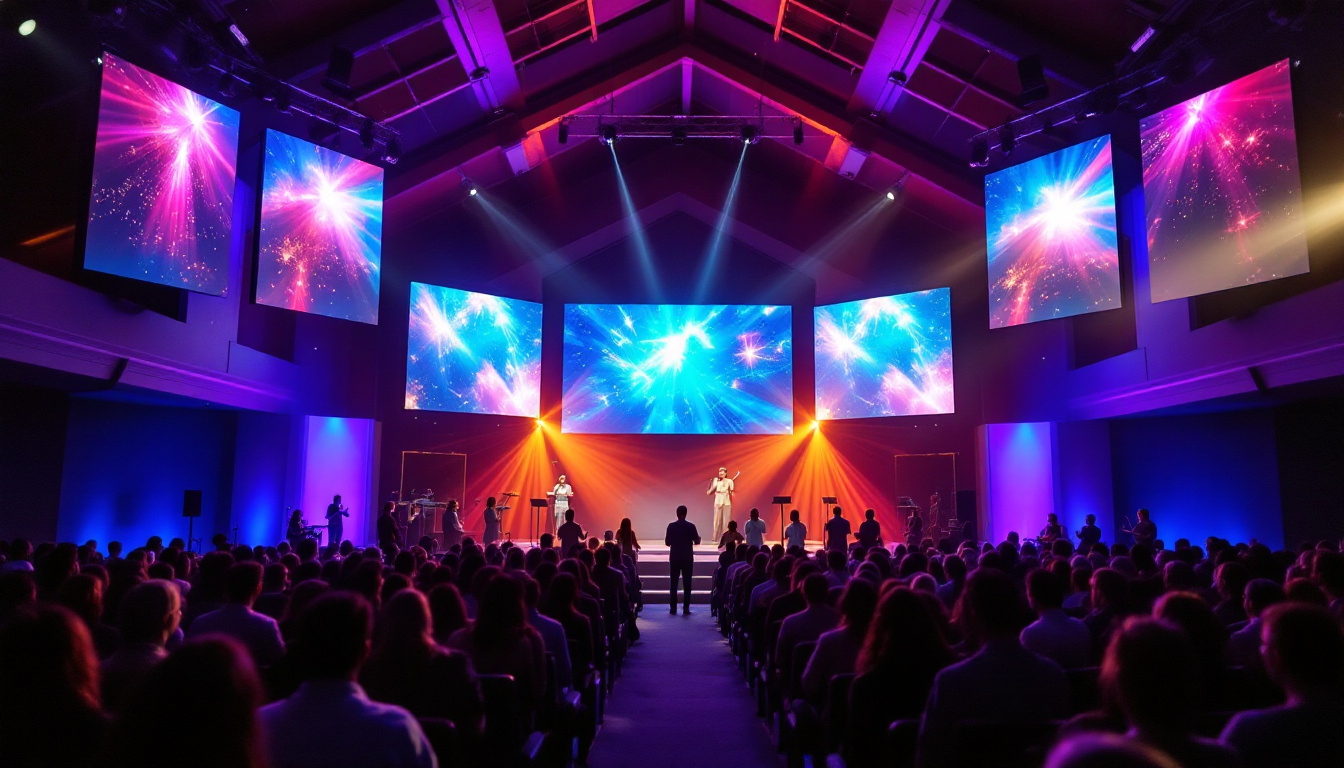
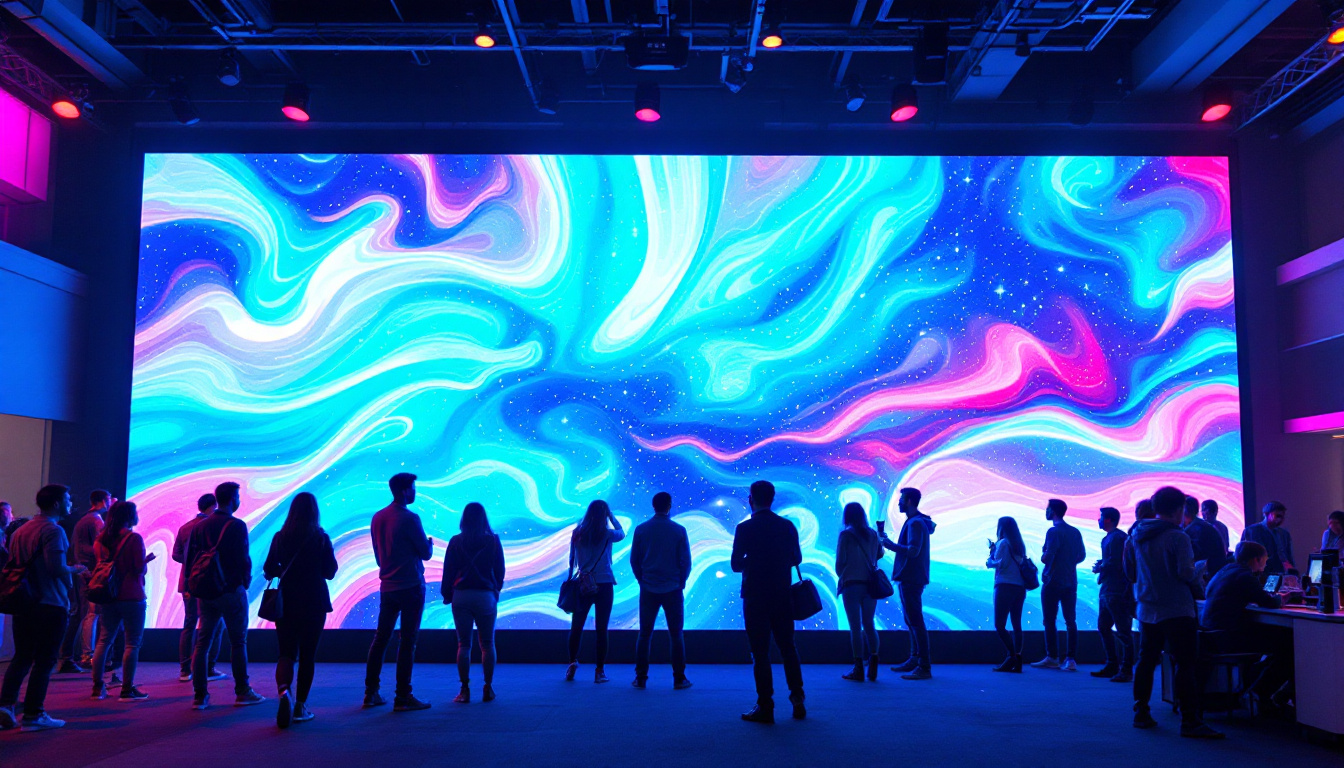
- Indoor LED Displays: Designed for close viewing distances, these displays have a finer pixel pitch (often less than 2mm), providing crisp visuals in retail stores, conference rooms, and event venues. The ability to create dynamic content that can be easily updated makes them a favorite for advertising and presentations, allowing businesses to engage customers with eye-catching visuals.
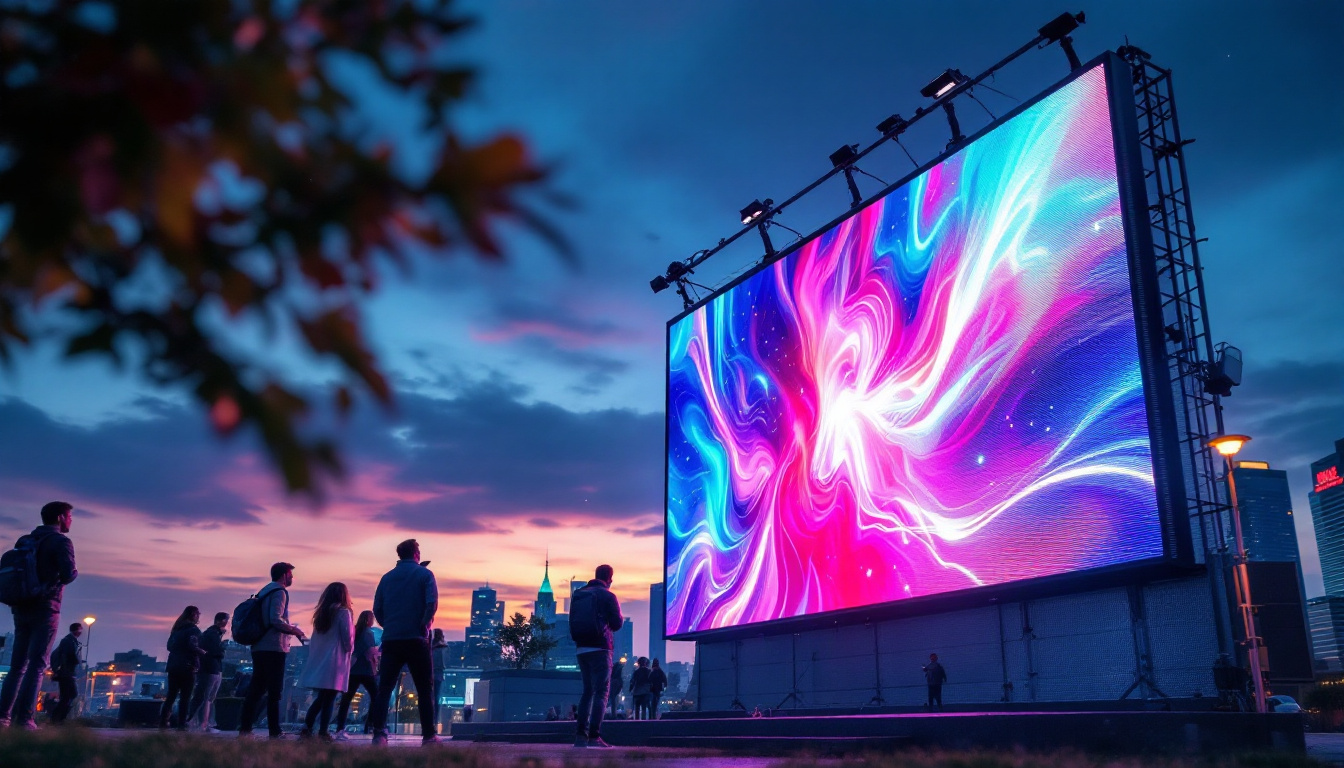
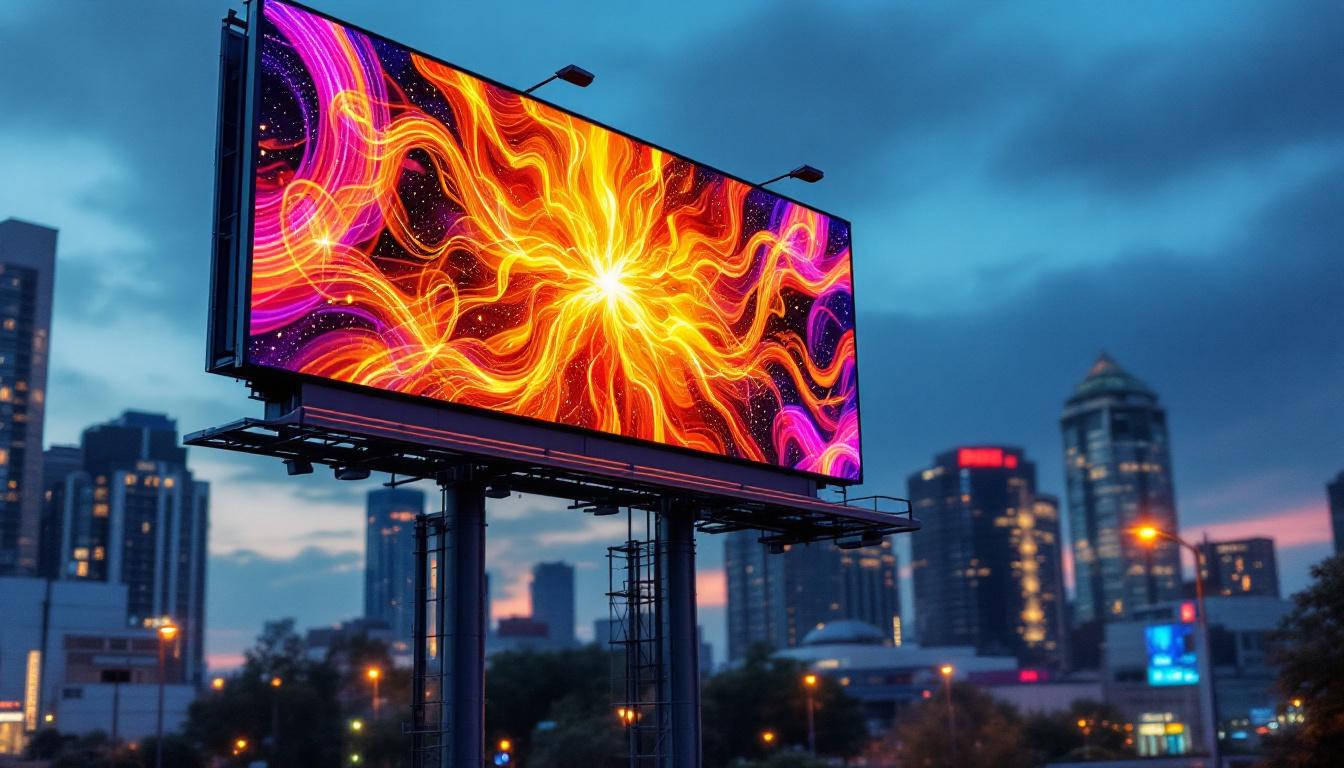
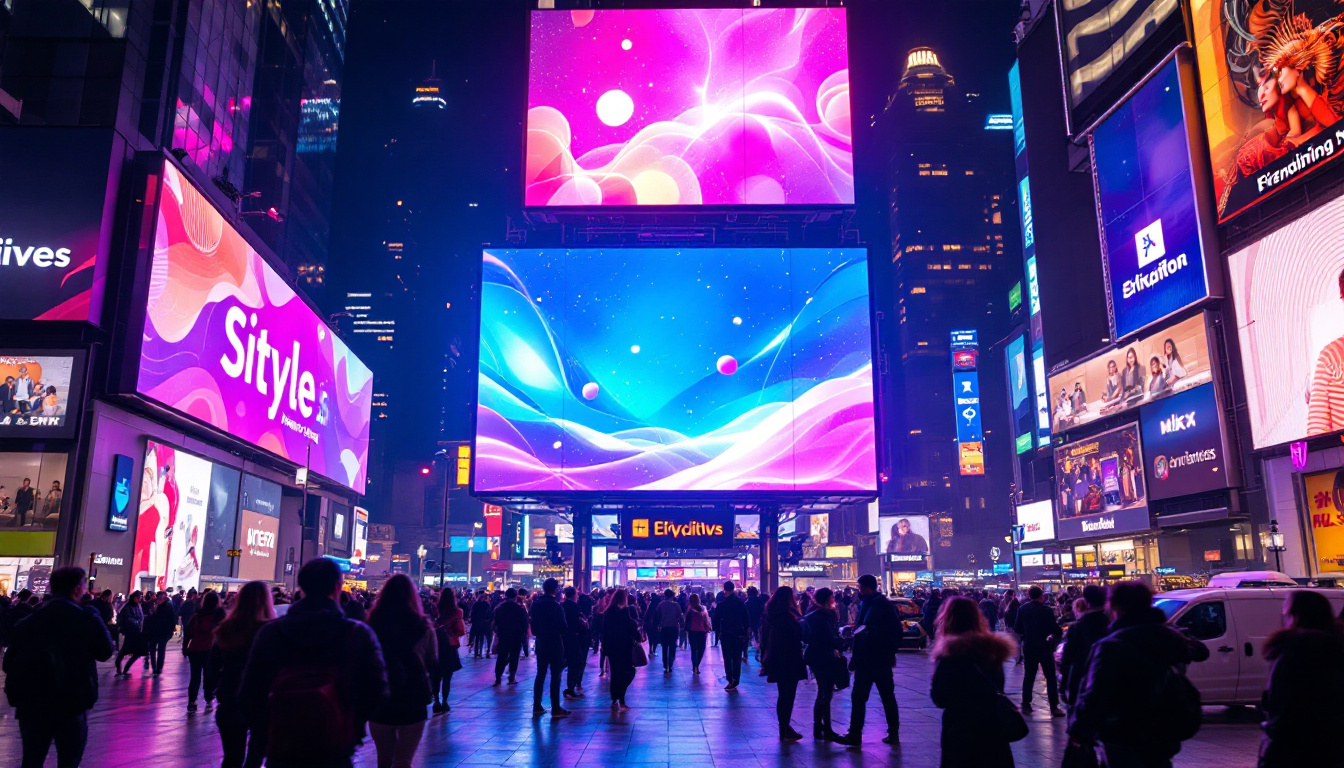
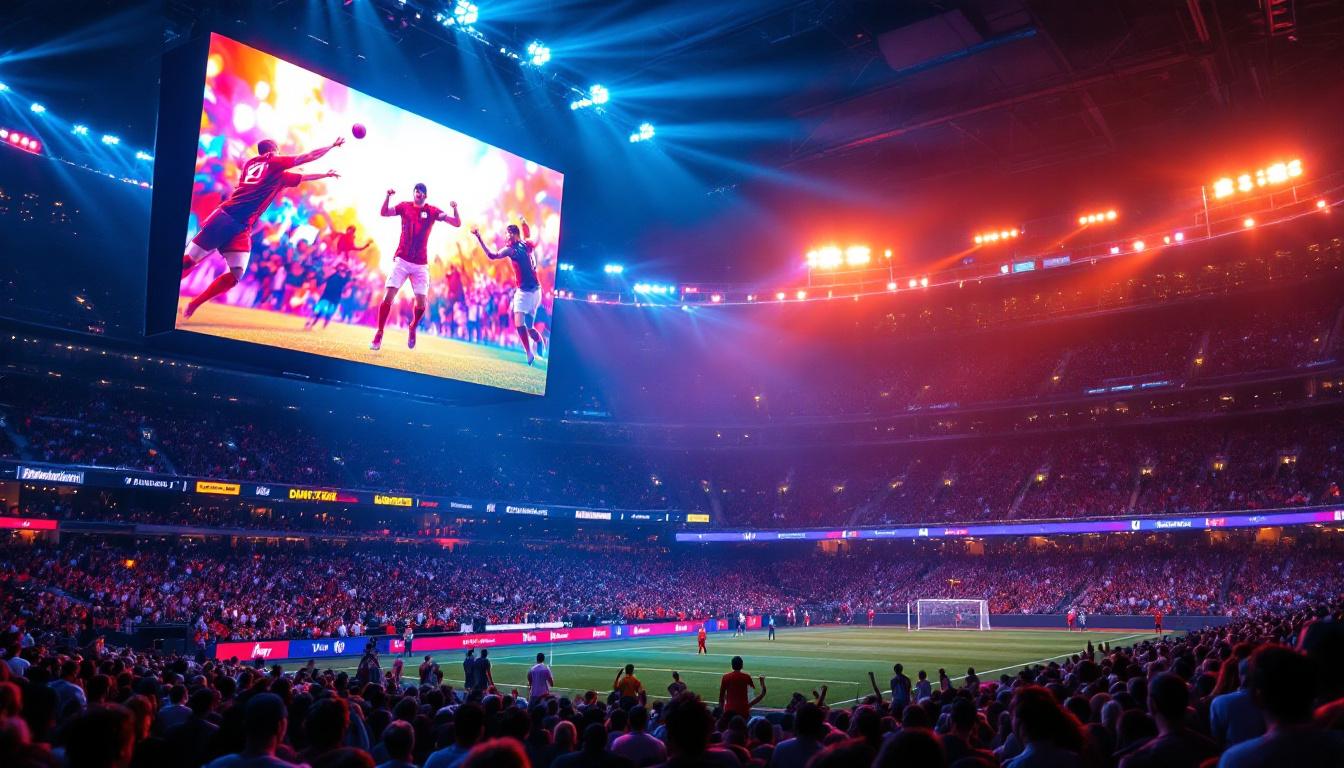
- Outdoor LED Displays: Built to withstand harsh weather conditions, these displays feature higher brightness levels (up to 7,000 nits or more) to remain visible in direct sunlight. They are commonly used for billboards, stadium screens, and public information boards. The durability of outdoor LED displays is enhanced by protective coatings and robust construction, ensuring they can endure rain, wind, and temperature fluctuations while delivering consistent performance.
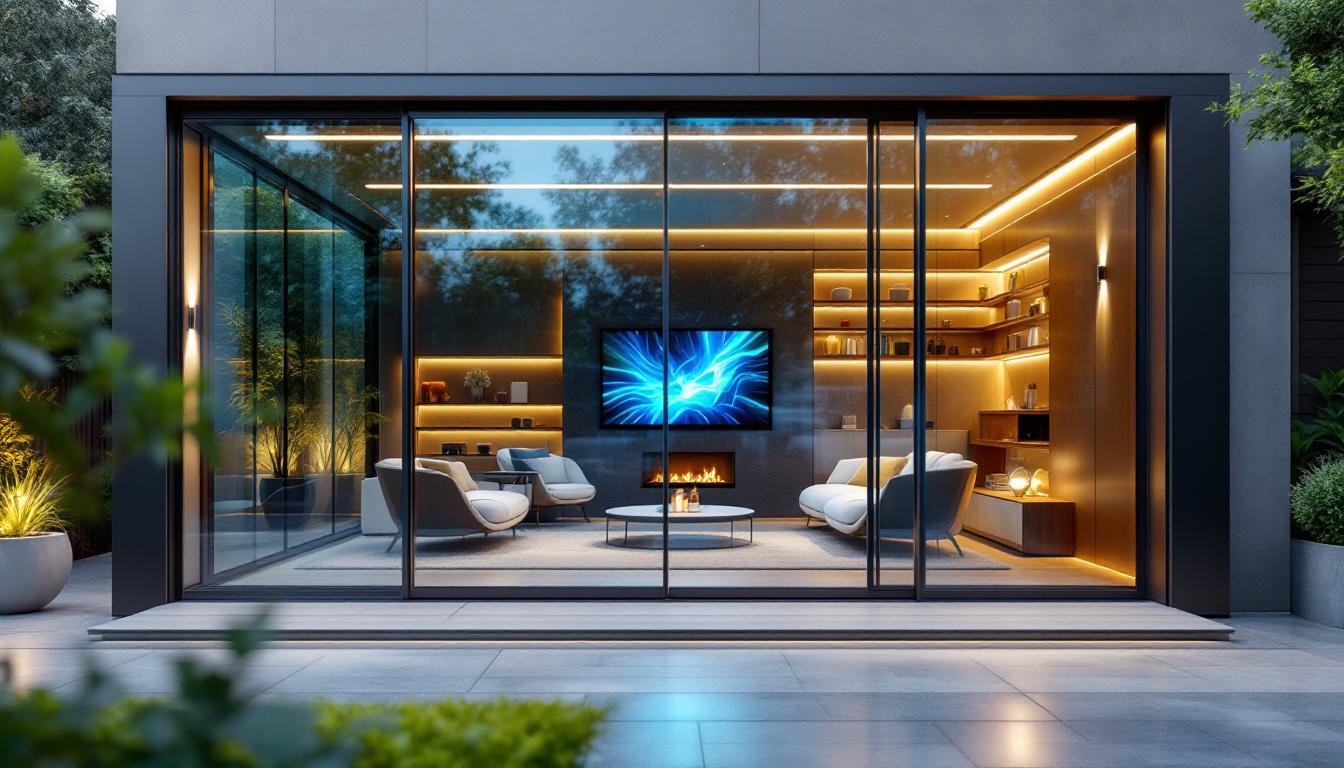
- Transparent LED Displays: These innovative screens allow light to pass through, making them ideal for storefront windows and architectural applications where visibility both inside and outside is desired. By blending digital content with the physical environment, transparent LED displays create a unique aesthetic that can enhance branding efforts while maintaining the transparency of the space, making them particularly appealing for modern retail and exhibition designs.
In addition to these types, there are also flexible LED displays that can be bent or shaped to fit unconventional spaces, offering even more versatility in design. These displays are increasingly being used in creative installations, such as art exhibits and immersive environments, where the ability to manipulate the screen’s form can lead to groundbreaking visual experiences. Furthermore, advancements in control systems and software have made it easier than ever to synchronize multiple LED displays, allowing for stunning large-scale presentations that captivate audiences.
Why LED Displays Are the Preferred Choice
LED displays have surged in popularity due to their numerous benefits over traditional display technologies. Their ability to deliver vibrant, dynamic content with exceptional energy efficiency makes them ideal for a wide range of applications.
Brightness and Visibility
One of the most significant advantages of LED displays is their superior brightness. Outdoor LED screens can reach brightness levels exceeding 7,000 nits, ensuring clear visibility even under direct sunlight. This capability is critical for outdoor advertising and public information systems where ambient lighting conditions vary. The high contrast ratio of LED displays also enhances the viewing experience, making colors pop and details stand out, which is particularly beneficial in crowded urban environments where competition for attention is fierce.
Energy Efficiency and Longevity
LED technology is inherently energy-efficient, consuming less power than LCD or plasma displays of comparable size and brightness. This efficiency translates into lower operating costs and a reduced environmental footprint. Additionally, LEDs have a long lifespan, often exceeding 100,000 hours, which minimizes maintenance and replacement expenses. This longevity not only benefits businesses by reducing the need for frequent upgrades but also contributes to sustainability efforts, as fewer displays end up in landfills over time. The reduced energy consumption also aligns with the growing demand for eco-friendly solutions in various industries.
Flexibility and Customization
LED displays can be manufactured in virtually any size and shape, from small digital signage to massive video walls. Their modular design allows for easy installation and scalability, accommodating diverse spatial constraints and creative designs. Furthermore, content can be updated in real-time, enabling dynamic advertising and interactive experiences. This adaptability makes LED displays particularly appealing for events and exhibitions, where the ability to change visuals on-the-fly can significantly enhance audience engagement. Additionally, advancements in technology have led to the development of flexible LED panels that can be curved or shaped to fit unique architectural features, further expanding the creative possibilities for designers and marketers alike.
Enhanced Color Accuracy and Resolution
Another compelling reason for the preference of LED displays is their remarkable color accuracy and resolution. With advancements in pixel pitch technology, LED displays can achieve stunningly high resolutions, making them suitable for applications that require detailed imagery, such as broadcasting and high-end retail. The ability to produce a wide color gamut ensures that the visuals are not only vibrant but also true to life, which is essential for brands looking to maintain their image and convey their messages effectively. As a result, businesses can create immersive experiences that captivate audiences and leave a lasting impression.
Durability and Reliability
LED displays are designed to withstand harsh environmental conditions, making them a reliable choice for both indoor and outdoor applications. Unlike traditional displays that may suffer from screen burn-in or damage from extreme temperatures, LED technology is robust and resilient. This durability is particularly advantageous for outdoor installations, where exposure to weather elements can pose significant challenges. Furthermore, the solid-state nature of LEDs means they are less susceptible to shock and vibration, ensuring consistent performance in high-traffic areas or during events where movement is prevalent. This reliability not only enhances the user experience but also instills confidence in businesses that invest in LED technology for their advertising and communication needs.
The Role of Pedestals in LED Display Installations
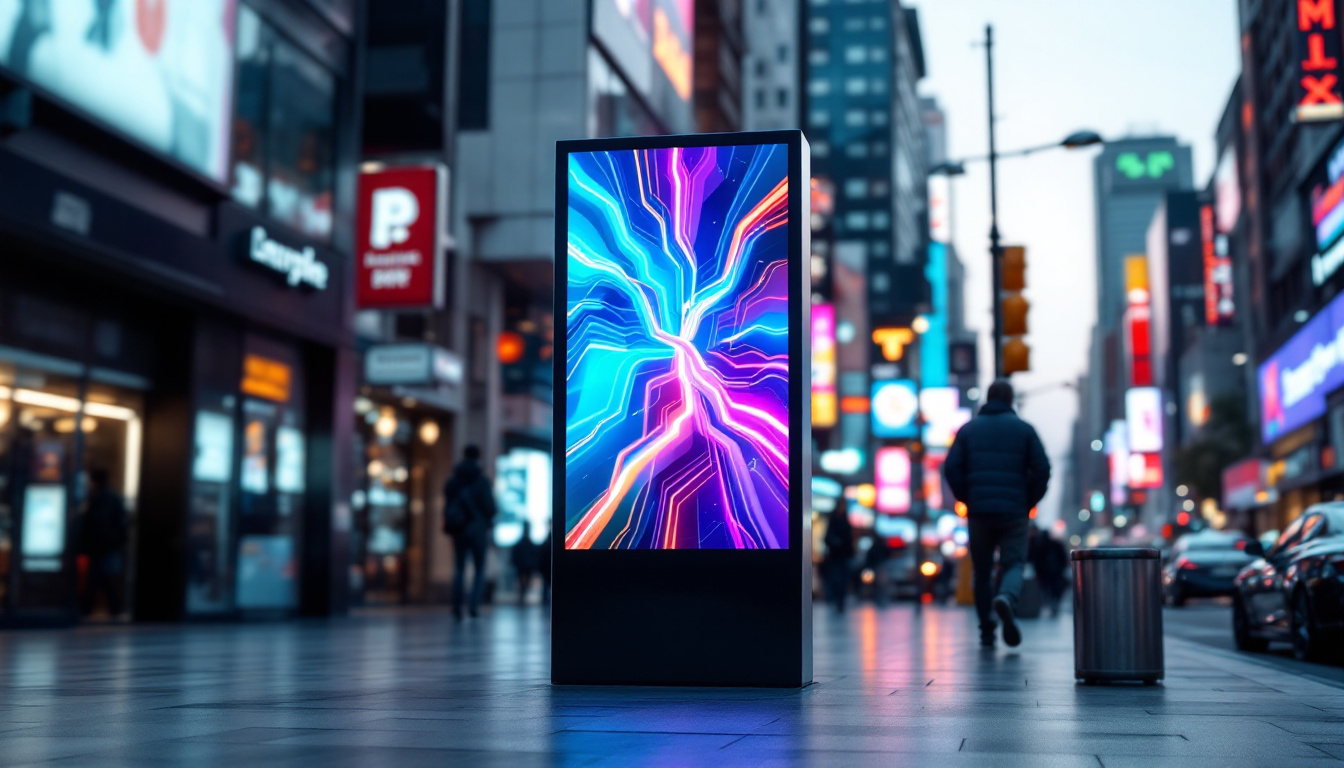
While the LED screen itself is the focal point, the pedestal or stand supporting the display plays a crucial role in maximizing its effectiveness. Pedestals provide stability, optimal viewing angles, and aesthetic integration with the surrounding environment.
Enhancing Visibility and Accessibility
Pedestals elevate LED displays to eye level or higher, ensuring that the content is easily visible to the target audience. This is particularly important in crowded environments such as trade shows, retail stores, or public spaces where obstructed views can diminish the display’s impact.
Design and Mobility Considerations
Modern pedestals are designed not only for stability but also for portability and style. Lightweight materials such as aluminum and composite plastics allow for easy movement and setup. Some pedestals feature adjustable height and tilt mechanisms, enabling precise positioning to suit various venues and audience demographics.
Integration with Interactive Features
For interactive LED displays, pedestals often incorporate additional hardware such as touch sensors, cameras, or speakers. These integrated solutions create immersive experiences that engage users and encourage interaction, enhancing brand engagement and information retention.
Applications of LED Displays on Pedestals
The combination of LED technology and pedestal mounting unlocks a wide range of applications across industries. Here are some of the most impactful uses:
Retail and Point-of-Sale Displays
Retail environments leverage pedestal-mounted LED displays to attract customers, promote products, and provide interactive catalogs. The dynamic nature of LED content allows retailers to update promotions instantly, respond to customer behavior, and create immersive shopping experiences.
Events and Exhibitions
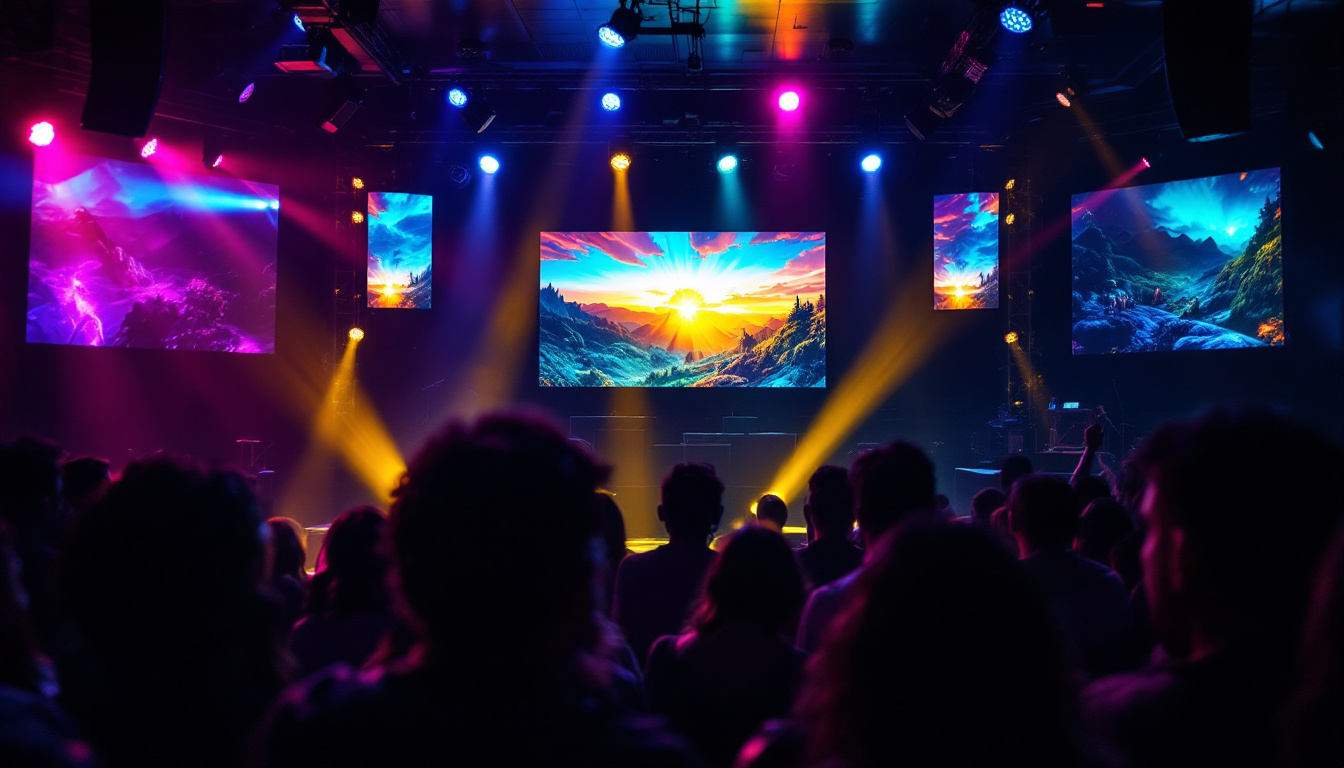
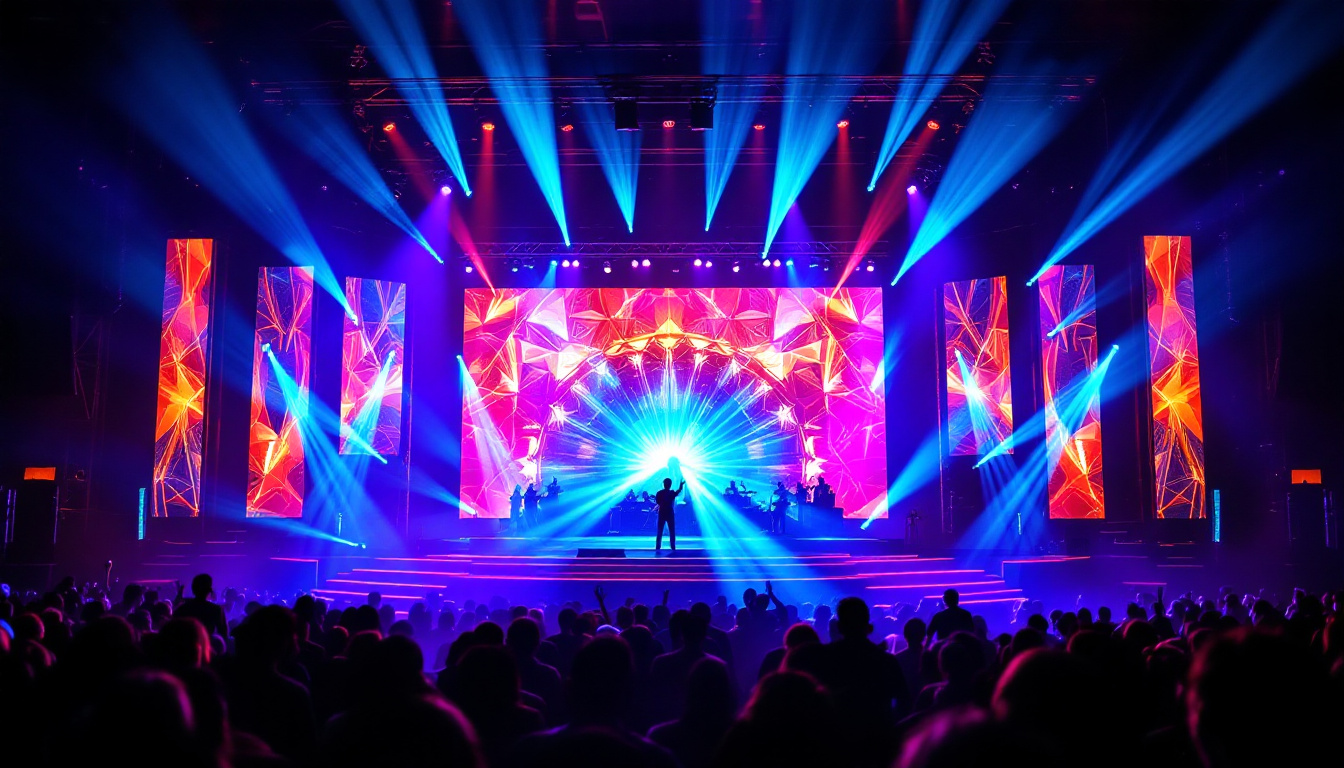
Trade shows, conferences, and exhibitions benefit from portable LED displays on pedestals, which can be quickly set up and repositioned. These displays serve as eye-catching information hubs, guiding attendees and showcasing sponsors or key messages.
Public Information and Wayfinding
In airports, malls, and urban centers, pedestal-mounted LED displays provide real-time information such as schedules, maps, and alerts. Their high visibility and adaptability make them ideal for environments where clear communication is essential.
Future Trends in LED Display Technology
The LED display market continues to evolve rapidly, driven by innovations that enhance performance, interactivity, and sustainability.
MicroLED and MiniLED Technologies
Emerging MicroLED and MiniLED technologies promise even higher resolution, improved contrast ratios, and greater energy efficiency. These advances will enable thinner, brighter, and more flexible displays, expanding the possibilities for creative installations.
Integration with AI and IoT
Artificial intelligence and the Internet of Things are transforming LED displays into smart devices capable of adapting content based on audience demographics, environmental conditions, and user interactions. This integration enhances personalization and engagement, making displays more effective communication tools.
Sustainability and Eco-Friendly Design
Manufacturers are increasingly focusing on sustainable materials and energy-saving features to reduce the environmental impact of LED displays. Innovations such as recyclable components and solar-powered units are gaining traction, aligning with global efforts toward greener technology.
Conclusion
LED displays mounted on pedestals represent a powerful combination that elevates visual communication across diverse sectors. Their brightness, flexibility, and energy efficiency make them ideal for delivering compelling content in retail, events, public spaces, and beyond. As technology advances, these displays will become even more immersive and intelligent, reshaping how audiences engage with digital media. Understanding the technology and the importance of pedestal design is essential for businesses and organizations seeking to maximize the impact of their visual messaging.
Discover LumenMatrix’s Innovative LED Display Solutions
Ready to transform your space with the vibrant, energy-efficient, and dynamic capabilities of LED displays? LumenMatrix is at the forefront of LED display technology, offering a wide array of solutions tailored to your needs. From Indoor and Outdoor LED Wall Displays to specialized options like Vehicle, Sports, and Floor LED Displays, our products are designed to captivate and engage your audience. Experience the future of visual communication with our Custom, All-in-One, and Transparent LED Displays. Elevate your brand’s visibility and create unforgettable visual experiences with LumenMatrix. Check out LumenMatrix LED Display Solutions today and see the difference innovation can make.