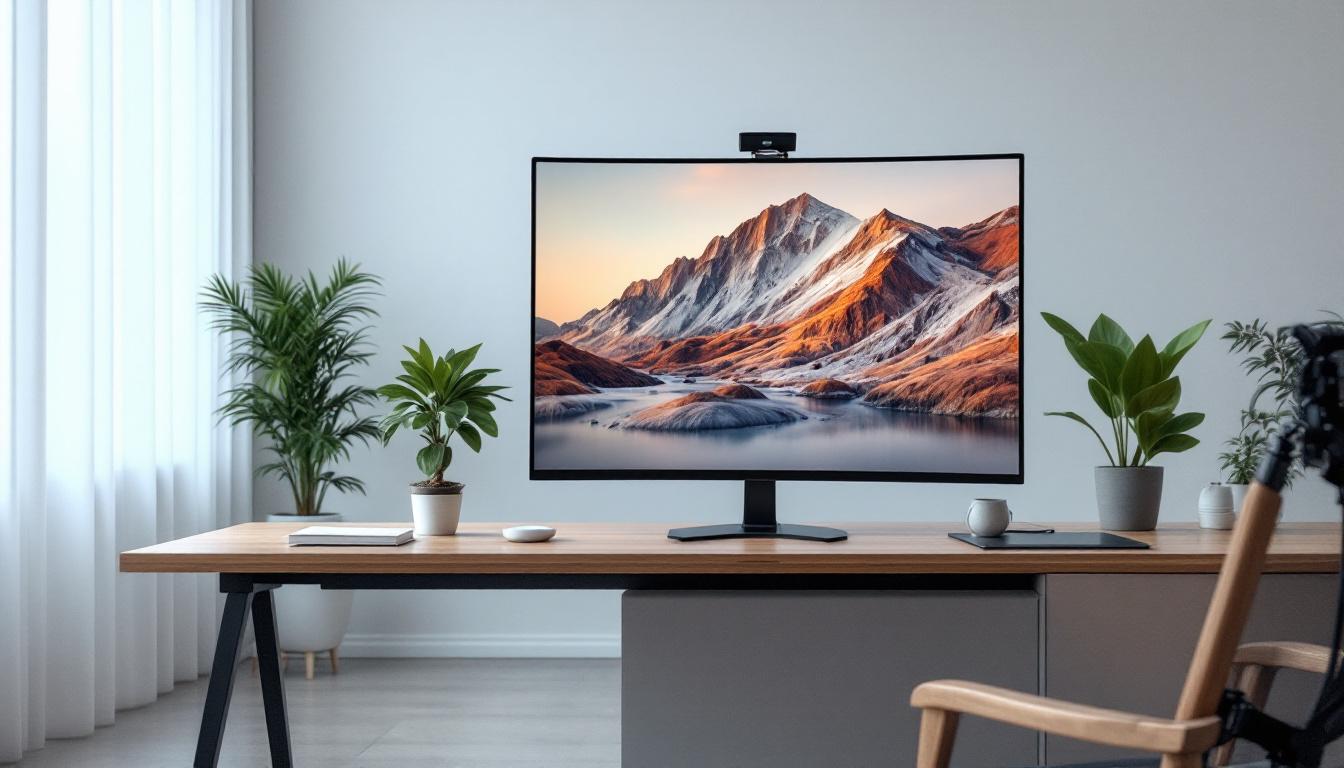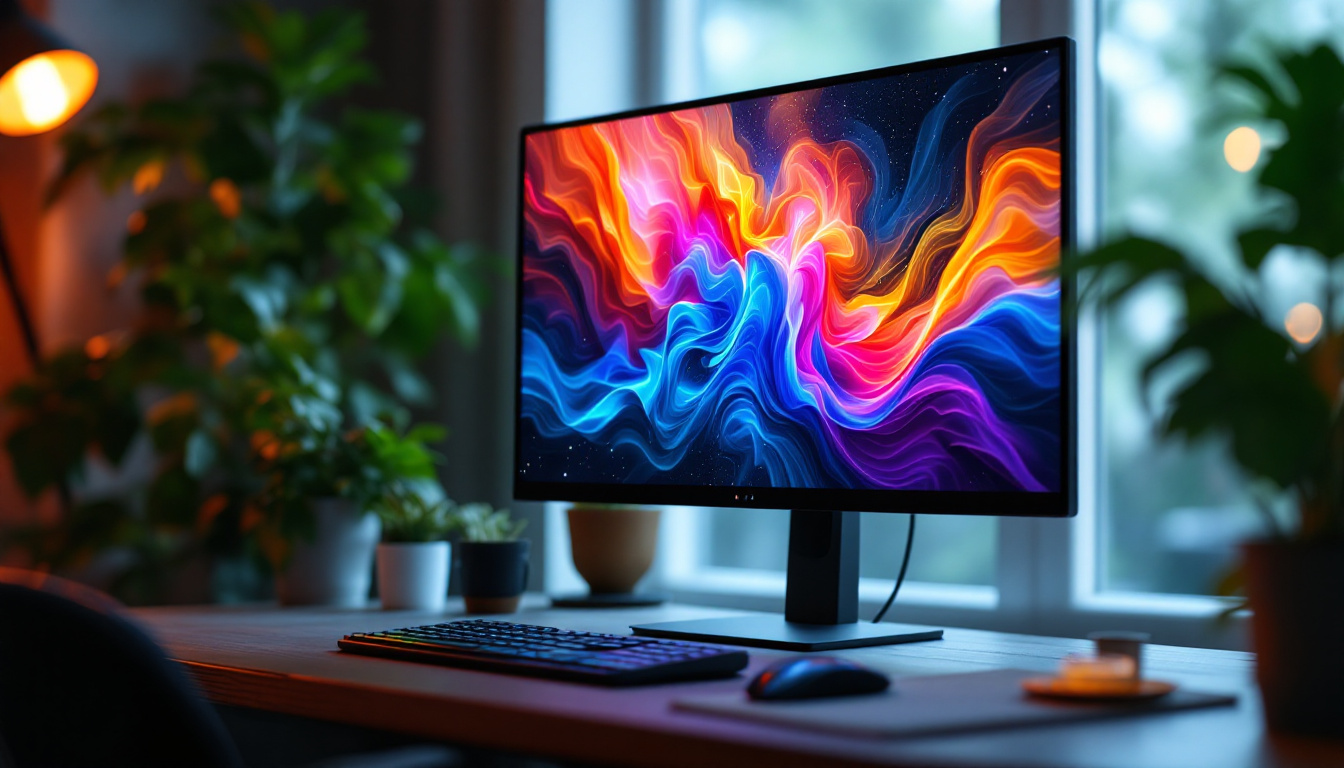
In today’s digital age, the display technology of computer monitors plays a crucial role in user experience, productivity, and entertainment. Among the various types of flat panel monitors, LED displays have become the dominant choice for consumers and professionals alike. This article delves into the intricacies of LED display technology used in computer flat panel monitors, explaining how it works, its advantages, and what to consider when choosing an LED monitor.
Understanding Flat Panel Monitor Technologies
Flat panel monitors have largely replaced bulky cathode ray tube (CRT) monitors due to their slim profiles, energy efficiency, and superior image quality. The most common flat panel technologies are Liquid Crystal Display (LCD) and Organic Light Emitting Diode (OLED). However, when people refer to LED monitors, they are usually talking about LCD panels that use LED backlighting.
LCD monitors rely on liquid crystals to modulate light and create images, but these crystals do not emit light on their own. Instead, they require a backlight. Early LCDs used Cold Cathode Fluorescent Lamps (CCFL) for backlighting, which were less efficient and bulkier. LED backlighting has since become the standard, offering better brightness, contrast, and energy efficiency.
The Role of LED Backlighting in LCD Monitors
LED stands for Light Emitting Diode, a semiconductor device that emits light when an electric current passes through it. In LED-backlit LCD monitors, a series of LEDs provide the backlight instead of fluorescent tubes. This change has transformed the performance and design of flat panel monitors.
LED backlights can be arranged in two primary ways: edge-lit and direct-lit (or full-array). Edge-lit LEDs are placed along the edges of the screen, allowing for thinner panels but sometimes leading to uneven brightness. Direct-lit LED monitors have an array of LEDs behind the entire screen, enabling better local dimming and improved contrast.
Another significant advantage of LED technology is its ability to produce a wider color gamut and deeper blacks compared to traditional CCFL backlighting. This is particularly beneficial for tasks that require color accuracy, such as graphic design and video editing. The enhanced contrast ratios provided by direct-lit panels allow for more vivid images, making them ideal for gaming and multimedia consumption. Furthermore, advancements in LED technology, such as Quantum Dot displays, have emerged, further pushing the boundaries of color reproduction and brightness levels, making modern monitors even more appealing to users.
In addition to performance enhancements, LED backlighting has also contributed to the environmental sustainability of flat panel monitors. LEDs consume significantly less power than their fluorescent counterparts, translating to lower energy bills and reduced carbon footprints. Manufacturers are now focusing on eco-friendly designs that utilize recyclable materials and energy-efficient production processes, aligning with the growing consumer demand for sustainable technology. As the market continues to evolve, innovations in flat panel monitor technologies promise to deliver even more impressive capabilities while maintaining a commitment to energy efficiency and environmental responsibility.
How LED Displays Work in Computer Monitors
To understand LED displays, it’s essential to grasp how an LCD panel functions in tandem with LED backlighting. The LCD layer controls the passage of light pixel by pixel, while the LED backlight provides the necessary illumination.
Liquid Crystal Layer and Color Filters
The liquid crystals in the panel do not emit light but act as shutters that open or close to allow varying amounts of light to pass through. Each pixel contains subpixels with red, green, and blue filters, which combine to produce the full spectrum of colors. By adjusting the orientation of the liquid crystals, the monitor can control the intensity of light passing through each subpixel, rendering images with high precision. This intricate process allows for the display of millions of colors, making it possible to reproduce vibrant images that are essential for gaming, video editing, and graphic design.
Moreover, the liquid crystal technology has evolved significantly over the years, leading to advancements such as IPS (In-Plane Switching) and TN (Twisted Nematic) panels. IPS panels are known for their superior color accuracy and wider viewing angles, making them a popular choice for professionals who require precise color representation. In contrast, TN panels are typically faster and more affordable, appealing to gamers who prioritize refresh rates and response times over color fidelity.
LED Backlight and Brightness Control
The LED backlight shines through the liquid crystal layer, and its brightness is a key factor in the overall display quality. Modern LED monitors use dynamic backlighting techniques such as local dimming, where specific zones of LEDs dim or brighten independently to enhance contrast and black levels. This technology significantly improves the viewing experience, especially in dark scenes or high-contrast images. By selectively illuminating areas of the screen, local dimming can create deeper blacks and more vibrant highlights, which is particularly beneficial for watching movies or playing visually rich video games.
Additionally, advancements in backlighting technology have led to the development of edge-lit and full-array LED displays. Edge-lit displays use LEDs positioned along the edges of the screen, allowing for thinner designs but sometimes sacrificing uniform brightness. Full-array displays, on the other hand, have a grid of LEDs behind the entire screen, providing more consistent lighting and better overall performance in terms of brightness and contrast. This variety in backlighting methods gives consumers a range of options depending on their specific needs and preferences.
Color Accuracy and Calibration
LED backlighting also impacts color accuracy. Some monitors use white LEDs, while others employ RGB LEDs, which combine red, green, and blue LEDs to produce a wider color gamut. Monitors designed for professional use, such as photo editing or graphic design, often feature RGB LED backlighting or quantum dot technology to achieve precise color reproduction. The use of quantum dots, which are semiconductor particles that emit specific colors when illuminated, allows for even more vibrant and accurate colors, making them an excellent choice for high-end displays.
To ensure that colors are displayed accurately, many monitors come with calibration tools or software that allow users to adjust settings based on their specific environment. Calibration is crucial for professionals who rely on color accuracy, as even slight discrepancies can lead to significant errors in work. Furthermore, some monitors are factory-calibrated to ensure that they meet industry standards right out of the box, providing users with confidence in their color representation without the need for extensive adjustments.
Advantages of LED Flat Panel Monitors
LED displays have several advantages that have contributed to their widespread adoption in computer monitors. These benefits affect everything from energy consumption to visual performance.
Energy Efficiency and Environmental Impact
Compared to CCFL-backlit LCDs, LED monitors consume significantly less power. According to the U.S. Department of Energy, LED-backlit monitors can use up to 40% less energy, reducing electricity costs and environmental footprint. Additionally, LEDs do not contain mercury, unlike fluorescent lamps, making them safer to dispose of and more environmentally friendly.
Improved Image Quality
LED backlighting enables higher brightness levels, better contrast ratios, and more vibrant colors. The ability to implement local dimming zones allows LED monitors to display deeper blacks and more dynamic images. These qualities are particularly important for gaming, video editing, and multimedia consumption.
Slimmer Designs and Durability
LEDs are compact and generate less heat than fluorescent lamps, allowing manufacturers to design thinner and lighter monitors. This slim profile not only saves desk space but also enhances portability for users who require mobile setups. Furthermore, LEDs have a longer lifespan and higher durability, often rated for 30,000 to 50,000 hours of use, which means fewer replacements and lower long-term costs.
Key Specifications to Consider When Choosing an LED Monitor
When selecting an LED flat panel monitor, understanding the specifications that impact performance and user experience is essential. Here are some critical factors to keep in mind.
Resolution and Screen Size
Resolution determines the number of pixels displayed on the screen and directly affects image sharpness. Common resolutions include Full HD (1920×1080), Quad HD (2560×1440), and 4K Ultra HD (3840×2160). Larger screen sizes paired with higher resolutions provide more workspace and clearer images, which is beneficial for multitasking and detailed work.
Refresh Rate and Response Time
The refresh rate, measured in hertz (Hz), indicates how many times the screen updates per second. A higher refresh rate, such as 120Hz or 144Hz, results in smoother motion, which is especially important for gaming and video playback. Response time refers to how quickly a pixel can change from one color to another, measured in milliseconds (ms). Lower response times reduce motion blur and ghosting effects.
Color Gamut and Accuracy
Color gamut describes the range of colors a monitor can display. Standard monitors cover the sRGB color space, while professional-grade monitors may cover Adobe RGB or DCI-P3, offering more vibrant and accurate colors. Calibration tools and factory calibration reports help ensure that colors are true to life, which is critical for creative professionals.
Connectivity and Ergonomics
Modern LED monitors come with various connectivity options such as HDMI, DisplayPort, USB-C, and legacy VGA ports. USB-C ports with power delivery are increasingly popular for their ability to transmit video, data, and power through a single cable. Ergonomic features like adjustable height, tilt, swivel, and pivot enhance comfort during extended use.
Emerging Trends and Future of LED Monitor Technology
As display technology continues to evolve, LED monitors are integrating new innovations to meet the demands of users across different sectors.
Quantum Dot and Mini-LED Technologies
Quantum dot technology enhances color accuracy and brightness by using semiconductor nanocrystals that emit precise wavelengths of light. Monitors with quantum dot backlighting can achieve wider color gamuts and higher peak brightness than conventional LED displays.
Mini-LED technology takes LED backlighting further by using thousands of tiny LEDs as backlight sources. This allows for more precise local dimming zones, resulting in superior contrast ratios and HDR performance. Mini-LED monitors are gaining traction in high-end professional and gaming markets.
Integration with HDR Standards
High Dynamic Range (HDR) support is becoming a standard feature in premium LED monitors. HDR enhances the contrast between the brightest whites and darkest blacks, providing a more lifelike and immersive viewing experience. Monitors certified for HDR10 or Dolby Vision deliver improved color depth and brightness, essential for content creators and enthusiasts.
Energy Efficiency and Sustainability Improvements
Manufacturers are continually improving LED efficiency and exploring sustainable materials to reduce environmental impact. Advances in power management and recycling programs contribute to greener technology adoption. Consumers increasingly prioritize eco-friendly products, making energy-efficient LED monitors a responsible choice.
Conclusion
LED flat panel monitors represent the current standard in computer display technology, combining energy efficiency, superior image quality, and sleek design. Understanding how LED backlighting works within LCD panels helps users appreciate the technology’s benefits and make informed decisions when purchasing a monitor.
Whether for gaming, professional work, or everyday use, LED monitors offer a versatile and reliable solution. With ongoing advancements like quantum dot and mini-LED technologies, the future promises even more impressive displays that enhance visual experiences while maintaining environmental responsibility.
Discover Cutting-Edge LED Display Solutions
Ready to experience the pinnacle of LED display technology? Look no further than LumenMatrix, a pioneer in crafting immersive LED display modules that redefine visual storytelling. From vibrant Indoor LED Walls to dynamic Outdoor LED Displays, and from the mobility of Vehicle LED Displays to the innovation of Custom and All-in-One LED solutions, LumenMatrix offers a comprehensive suite tailored to your unique needs. Elevate your brand’s presence and captivate your audience like never before. Check out LumenMatrix LED Display Solutions today and step into the future of visual communication.