In today’s rapidly evolving world of visual technology, video projectors have become indispensable tools for both professional and personal use. From home theaters to corporate presentations, the demand for high-quality, reliable projectors is steadily increasing. Among the various types of projectors available, LED display projectors have gained significant attention due to their unique advantages. This article explores the technology behind LED display projectors, their benefits, and what to consider when purchasing one.
Understanding LED Display Technology in Video Projectors
LED, or Light Emitting Diode, technology has transformed many aspects of modern electronics, including display devices. In the context of video projectors, LED displays refer to the use of LEDs as the light source rather than traditional lamps like halogen or mercury vapor bulbs.
Unlike conventional projectors that rely on a single lamp to generate light, LED projectors use an array of tiny light-emitting diodes to produce the image. These LEDs can emit red, green, and blue light, which combine to create the full spectrum of colors seen on the screen. This method of light generation offers several advantages in terms of color accuracy, energy efficiency, and lifespan.
How LED Projectors Work
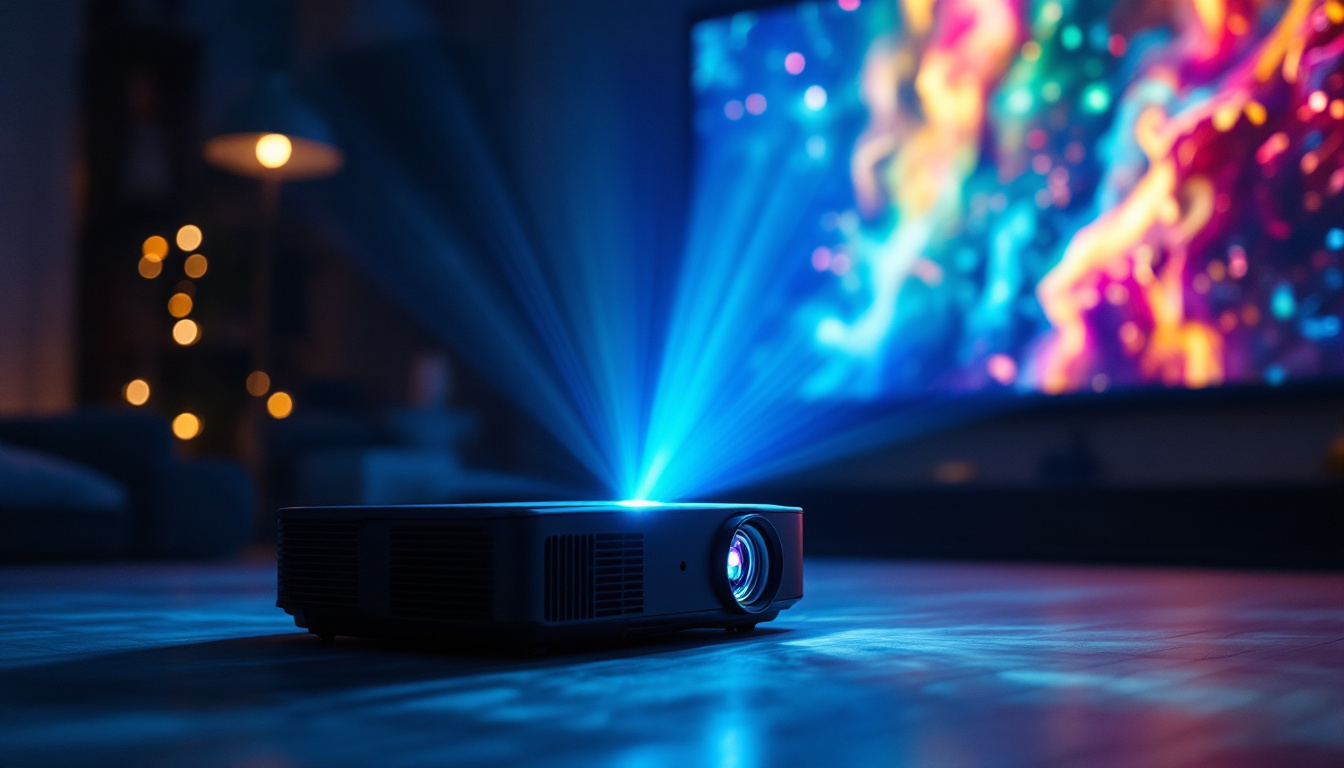
LED projectors operate by passing light from the LEDs through a series of optics and imaging chips such as Digital Light Processing (DLP) or Liquid Crystal on Silicon (LCoS). The light modulates to form the desired image, which is then projected onto a screen or surface.
Because LEDs can be turned on and off rapidly and controlled individually, LED projectors can achieve high contrast ratios and vibrant colors. This technology differs from traditional lamp-based projectors, which often require color wheels or filters to produce colors, potentially leading to less precise color reproduction.
Moreover, LED projectors tend to be more compact and lightweight compared to their lamp-based counterparts. This portability makes them an attractive option for both home theater setups and mobile presentations. The reduced size is largely due to the absence of bulky cooling systems that traditional projectors require to manage the heat generated by high-intensity lamps. Additionally, the low heat output of LEDs contributes to a quieter operation, as there is less need for extensive fan systems, allowing for a more immersive viewing experience.
Another significant advantage of LED technology is its environmental impact. LED projectors consume less power and have a longer lifespan, often exceeding 20,000 hours, which means fewer replacements and less electronic waste. This longevity not only benefits the environment but also translates to cost savings for consumers over time. As more people become conscious of their carbon footprint, the shift towards LED projectors reflects a broader trend in the electronics industry towards sustainable practices and energy-efficient technologies.
Advantages of LED Display Projectors
The rise of LED projectors is not accidental; their advantages address many of the limitations found in older projector technologies. Here are some of the key benefits that make LED projectors an attractive choice for consumers and professionals alike.
Longevity and Durability
One of the most significant advantages of LED projectors is their exceptional lifespan. Traditional projector lamps typically last between 2,000 to 5,000 hours before requiring replacement. In contrast, LEDs can operate for 20,000 to 30,000 hours or more, drastically reducing maintenance costs and downtime.
This longevity means that users can enjoy consistent performance over many years without worrying about the inconvenience and expense of lamp replacements. For businesses and educational institutions where projectors are used frequently, this can translate into substantial savings.
Energy Efficiency and Environmental Impact
LED projectors consume significantly less power compared to their lamp-based counterparts. This energy efficiency not only lowers electricity bills but also reduces the environmental footprint of projector usage. As sustainability becomes a priority for many organizations, choosing LED technology aligns with broader green initiatives.
Additionally, LED projectors do not contain hazardous materials like mercury, which is commonly found in traditional projector lamps. This makes LED projectors safer to handle and dispose of, further enhancing their eco-friendly credentials.
Superior Color Performance and Image Quality
LED projectors are renowned for their ability to produce vivid, accurate colors. Because LEDs emit pure red, green, and blue light, the resulting images often appear more vibrant and true-to-life compared to lamp-based projectors that rely on color wheels or filters.
Moreover, LED projectors typically offer higher contrast ratios, which means deeper blacks and brighter whites. This characteristic is especially beneficial for home theater enthusiasts and professionals who require precise image quality for presentations, design work, or video production.
Compact Design and Portability
Thanks to the small size of LEDs and the reduced need for bulky cooling systems, LED projectors tend to be more compact and lightweight. This portability makes them ideal for users who need to move their projector between locations, such as traveling professionals or educators.
Many modern LED projectors are designed with sleek, minimalist aesthetics, fitting seamlessly into contemporary environments without drawing undue attention.
Considerations When Buying LED Display Projectors
While LED projectors offer many benefits, it is essential to consider several factors before making a purchase to ensure the device meets your specific needs.
Brightness and Ambient Light Conditions
Brightness, measured in lumens, is a critical specification for any projector. LED projectors generally produce less brightness compared to high-powered lamp-based models. Most LED projectors range between 500 to 2,500 lumens, which is sufficient for dim or moderately lit environments but may struggle in brightly lit rooms.
If the projector will be used in environments with substantial ambient light, such as conference rooms with large windows or outdoor settings, it is important to select a model with adequate brightness or consider alternative technologies.
Resolution and Image Size
The resolution of an LED projector determines the clarity and detail of the projected image. Common resolutions include 720p (HD), 1080p (Full HD), and 4K (Ultra HD). Higher resolution projectors provide sharper images, which is particularly important for detailed presentations, video content, or gaming.
Additionally, consider the maximum image size the projector can produce without losing quality. This depends on the projector’s throw ratio and lens quality. For home theaters or large venues, a projector capable of displaying images over 100 inches diagonally is often preferred.
Connectivity Options
Modern LED projectors come equipped with a variety of input options, including HDMI, USB, VGA, and wireless connectivity such as Wi-Fi and Bluetooth. The availability of these ports affects how easily the projector can interface with laptops, smartphones, gaming consoles, and other devices.
Wireless connectivity is increasingly popular, enabling users to stream content directly without cumbersome cables. However, wired connections often provide more stable and higher-quality signals, which may be necessary for professional applications.
Price and Warranty
LED projectors are available across a broad price spectrum, from affordable entry-level models to premium devices with advanced features. While LED technology can sometimes command a higher upfront cost compared to traditional projectors, the long-term savings in maintenance and energy consumption often justify the investment.
When purchasing, it is wise to consider the warranty and customer support offered by the manufacturer. A robust warranty can provide peace of mind, especially for devices used in critical environments.
Popular Applications of LED Display Projectors
LED projectors have found a wide range of applications across different sectors due to their versatility and performance.
Home Theater and Entertainment
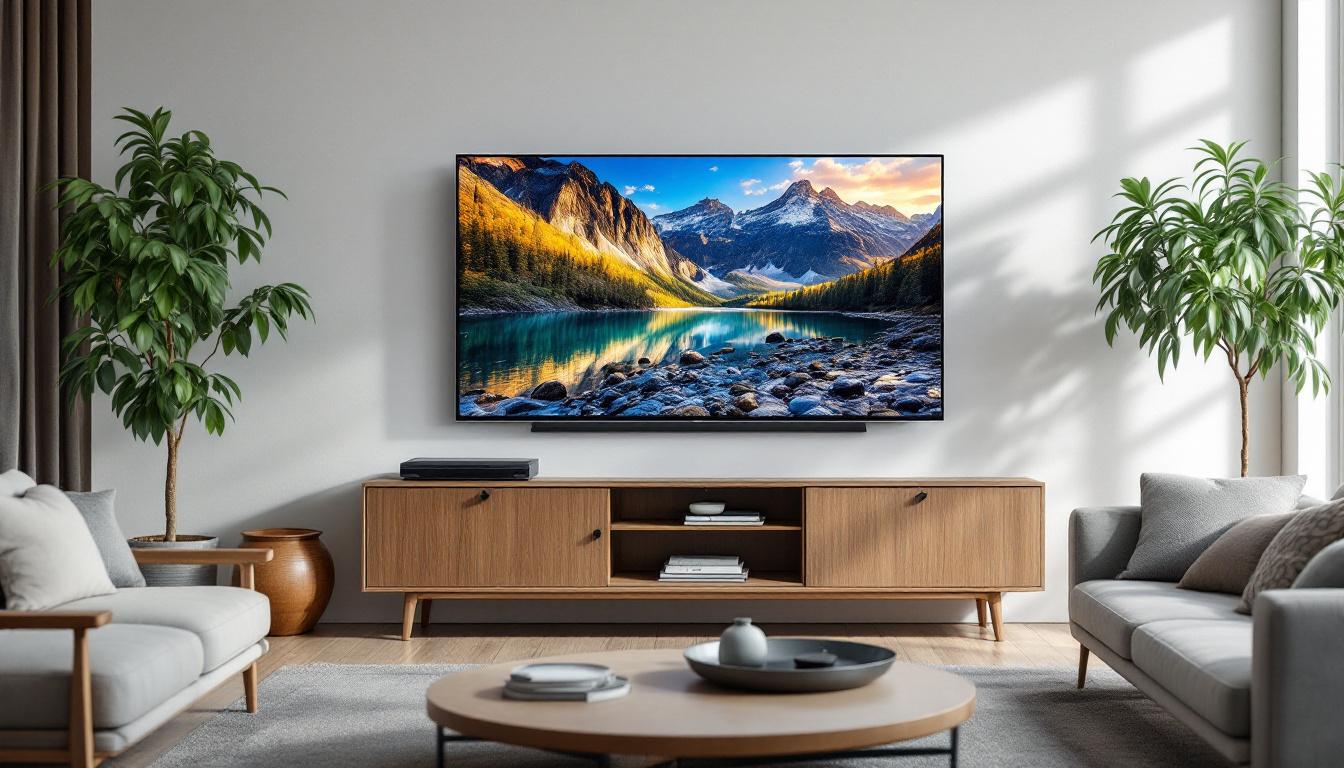
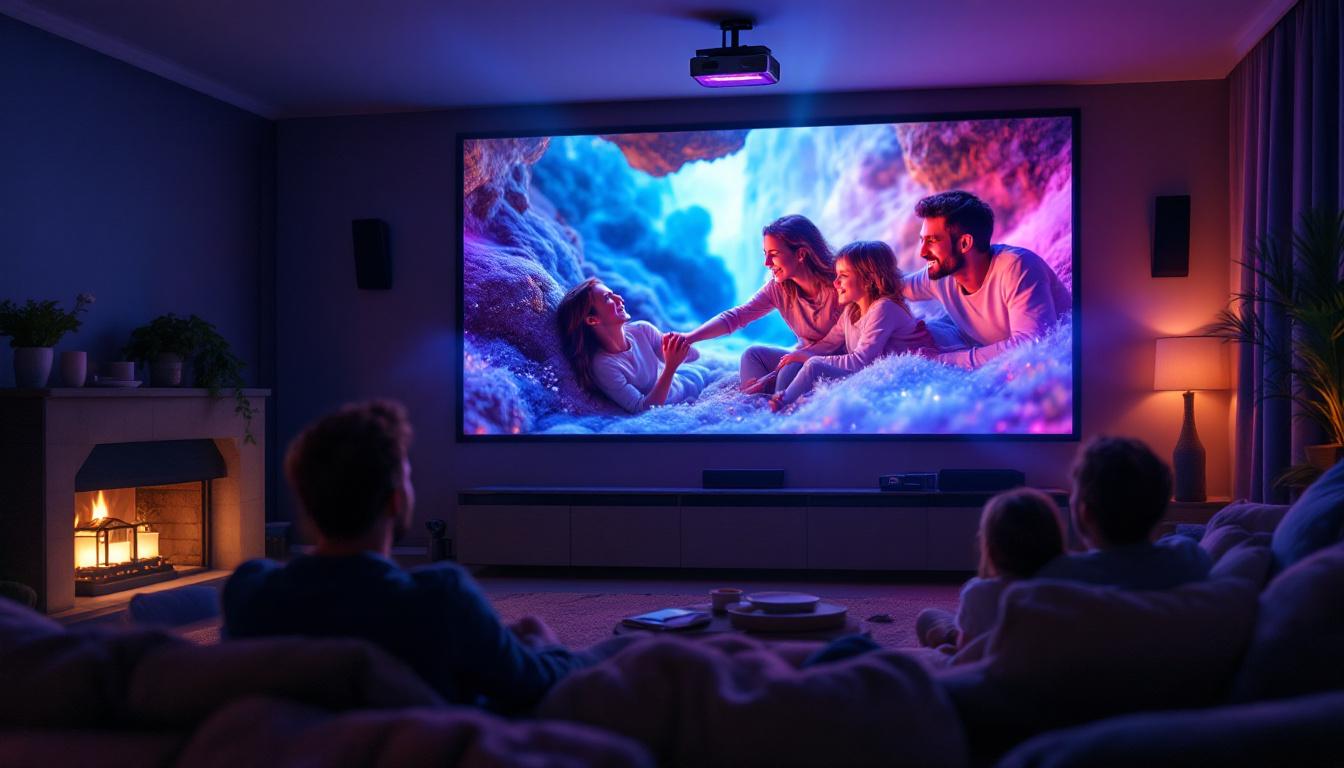
For home users, LED projectors offer a compelling alternative to large-screen televisions. Their ability to produce rich colors and deep contrasts enhances movie watching, gaming, and streaming experiences. The compact size and quiet operation of LED projectors also contribute to a comfortable home theater setup.
Education and Training
In classrooms and training centers, LED projectors provide clear, bright images that help engage students and trainees. Their durability and low maintenance requirements make them ideal for environments where equipment is used frequently and by multiple users.
Business and Corporate Use
Businesses rely on projectors for presentations, meetings, and conferences. LED projectors’ portability and quick startup times allow for efficient setups and smooth transitions between sessions. The vibrant image quality also helps in delivering impactful presentations.
Events and Outdoor Displays
While LED projectors may not always match the brightness of lamp-based models in outdoor settings, they are increasingly used for events where portability and color accuracy are priorities. Advances in LED brightness and lens technology continue to expand their suitability for larger venues.
Future Trends in LED Projector Technology
The LED projector market is evolving rapidly, driven by technological innovations and changing user demands. Several trends are shaping the future of this technology.
Increased Brightness and Resolution
Manufacturers are developing LED projectors with higher lumen outputs and 4K resolution capabilities. These improvements aim to close the gap between LED and traditional lamp-based projectors, making LED suitable for a broader range of environments and applications.
Integration with Smart Features
Smart projectors with built-in operating systems, voice control, and app integration are becoming more common. These features enhance user convenience and expand the functionality of LED projectors beyond simple image projection.
Hybrid Light Sources
Some manufacturers are exploring hybrid projectors that combine LED with laser or traditional lamps to maximize brightness and color performance. These hybrid systems offer a balance between the benefits of LED longevity and the high brightness of other light sources.
Conclusion
LED display projectors represent a significant advancement in projection technology, offering numerous benefits including long lifespan, energy efficiency, superior color quality, and portability. While they may not yet match the brightness levels of some traditional projectors, ongoing innovations continue to enhance their capabilities.
When considering a video projector for sale, understanding the strengths and limitations of LED display technology is crucial. By evaluating factors such as brightness, resolution, connectivity, and price, buyers can select a projector that best fits their needs, whether for home entertainment, education, business, or events.
As LED technology continues to mature, it is poised to become the standard for video projectors, delivering vibrant and reliable visual experiences for years to come.
Discover LumenMatrix’s Advanced LED Display Solutions
Ready to experience the future of visual technology with an LED display projector that meets all your needs? Look no further than LumenMatrix, a pioneer in LED display innovation. Whether you’re seeking to captivate your audience in a home theater, engage students in an educational setting, deliver powerful business presentations, or make a splash at outdoor events, LumenMatrix has a solution for you. From Indoor and Outdoor LED Wall Displays to specialized options like Vehicle, Sports, and Floor LED Displays, our products are designed to revolutionize visual communication and enhance engagement. Don’t miss out on the opportunity to transform your visual experiences with our cutting-edge LED display modules. Check out LumenMatrix LED Display Solutions today and see your message come to life with unparalleled clarity and impact.