Understanding measurements is crucial when dealing with LED displays, especially in industries where precision and clarity matter. One common measurement encountered is the pixel pitch, often expressed in millimeters (mm), which directly affects the resolution and quality of an LED display. This article explores the conversion of 1.9 mm to inches and explains its significance in the context of LED displays.
What Does 1.9 mm Mean in Inches?
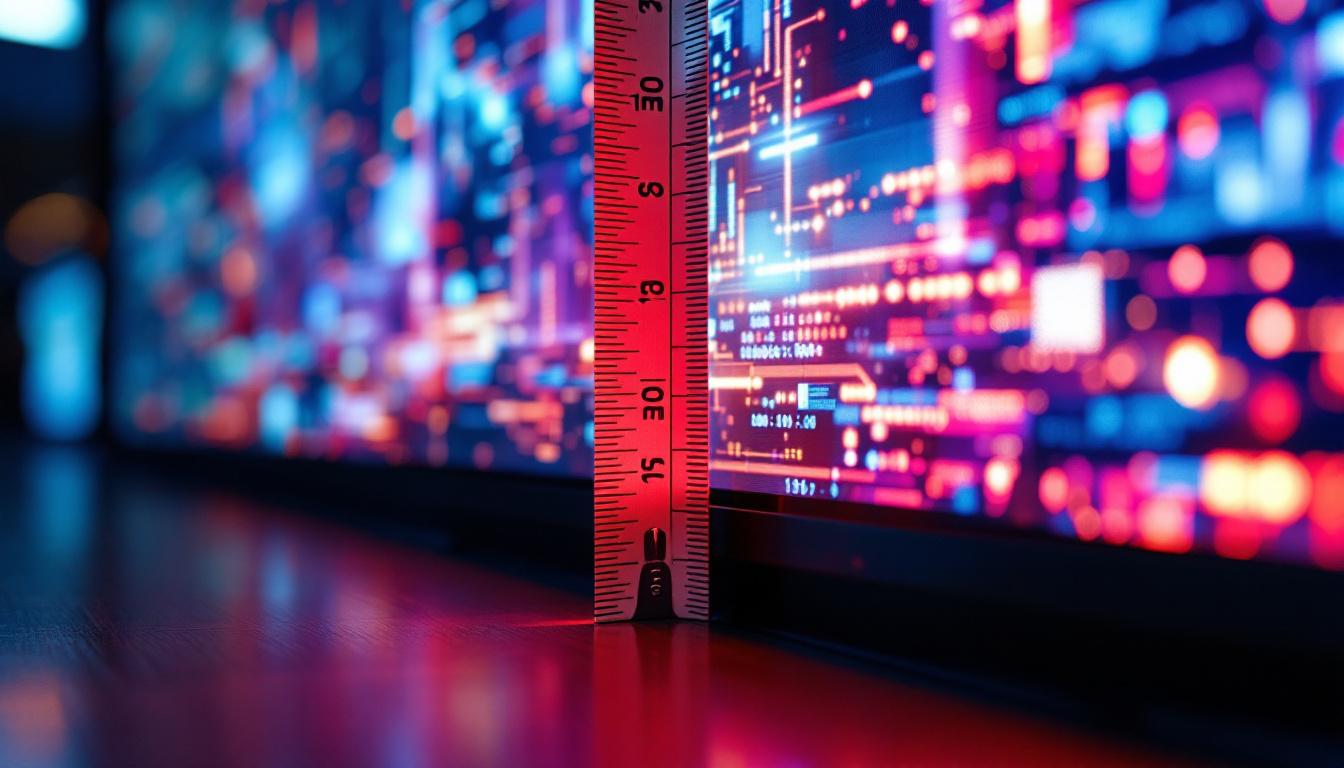
Millimeters and inches are two widely used units of length measurement. Millimeters belong to the metric system, while inches are part of the imperial system. To convert millimeters to inches, the standard conversion factor is:
1 inch = 25.4 millimeters
Using this, converting 1.9 mm to inches involves dividing 1.9 by 25.4:
1.9 mm ÷ 25.4 = 0.0748 inches (approximately)
Therefore, 1.9 mm is roughly 0.075 inches, or three-quarters of a tenth of an inch. This seemingly small measurement plays a significant role in LED display technology.
In the realm of electronics, particularly in the manufacturing of LED displays, the pixel pitch is a critical specification. Pixel pitch refers to the distance from the center of one pixel to the center of the adjacent pixel, and it is often measured in millimeters. A pixel pitch of 1.9 mm indicates a high-density display, which allows for sharper images and better color accuracy. This is especially important in applications such as digital signage, where clarity and detail can significantly impact viewer engagement.
Moreover, the choice of a 1.9 mm pixel pitch can also influence the viewing distance for optimal image quality. Typically, the smaller the pixel pitch, the closer one can be to the display without noticing individual pixels. This makes 1.9 mm displays ideal for environments like trade shows, control rooms, and retail spaces, where audiences are often positioned at varying distances. As technology advances, the demand for such precise measurements continues to grow, pushing the boundaries of display capabilities further.
Understanding Pixel Pitch in LED Displays
What Is Pixel Pitch?
Pixel pitch refers to the distance from the center of one LED pixel to the center of the adjacent pixel on a display screen. It is usually measured in millimeters. This measurement determines the density of pixels on the screen and directly influences the display’s resolution and viewing distance.
Smaller pixel pitch means pixels are closer together, resulting in higher resolution and sharper images. Conversely, larger pixel pitch indicates pixels are spaced further apart, which is suitable for larger displays viewed from a distance. For instance, a display with a pixel pitch of 10 mm might be ideal for outdoor billboards where viewers are typically far away, while a 1.5 mm pixel pitch is more appropriate for a conference room where viewers are seated closer to the screen.
Understanding pixel pitch is crucial for selecting the right display for specific applications. It not only affects the visual quality but also impacts the overall viewing experience. Factors such as ambient light, screen size, and intended use all play a role in determining the ideal pixel pitch for a given situation. For example, in environments with high ambient light, finer pixel pitches can help maintain image clarity, while coarser pitches might suffice in darker settings.
Why Is 1.9 mm Pixel Pitch Important?
A pixel pitch of 1.9 mm is considered fine pitch in the LED display industry. Fine pitch LED displays typically have pixel pitches ranging from 0.9 mm to 2.5 mm and are designed for close viewing distances, such as indoor venues, control rooms, broadcast studios, and retail environments.
At 1.9 mm, the display offers a good balance between high resolution and cost-effectiveness. It provides crisp image quality without the premium price tag of ultra-fine pitch displays (below 1 mm), making it popular for medium-sized indoor applications. This pixel pitch is particularly advantageous in environments where detailed visuals are crucial, such as in digital signage for retail spaces, where customers can closely examine product details displayed on the screen.
Moreover, 1.9 mm pixel pitch displays are often equipped with advanced technologies that enhance color accuracy and brightness, making them suitable for dynamic content such as videos and animations. The ability to deliver vibrant colors and sharp contrasts ensures that the content captivates the audience’s attention, which is essential in competitive environments like trade shows or advertising. Additionally, these displays are designed for easy installation and maintenance, further solidifying their appeal for businesses looking to invest in high-quality visual solutions without excessive overhead costs.
How Pixel Pitch Affects Viewing Experience
Resolution and Image Clarity
The pixel pitch directly influences the resolution of an LED display. For example, a 1.9 mm pitch means there are approximately 1,000 pixels per meter (since 1 meter = 1,000 mm, dividing by 1.9 mm gives about 526 pixels per meter, but considering both horizontal and vertical pixels, the density is high).
This high pixel density allows for detailed images and text to be displayed clearly, even at close range. For digital signage, presentations, and video walls, this clarity is essential for engaging viewers and conveying information effectively.
Optimal Viewing Distance
Each pixel pitch corresponds to an optimal minimum viewing distance. For a 1.9 mm pitch, the recommended minimum viewing distance is roughly 1.9 meters (about 6.2 feet). Viewing the display from closer than this distance may reveal individual pixels, causing a less seamless image.
Understanding this helps businesses and designers to select the right LED display for their environment, ensuring viewers experience the content as intended without pixelation.
Applications of 1.9 mm Pixel Pitch LED Displays
Indoor Advertising and Retail
Retail stores and shopping malls often use 1.9 mm pixel pitch LED displays for digital signage and promotional content. The fine pitch allows for vibrant, high-resolution images that attract customers’ attention, even from a few feet away.
These displays can be used for dynamic advertisements, product information, and interactive content, enhancing the shopping experience and boosting sales.
Corporate and Control Rooms
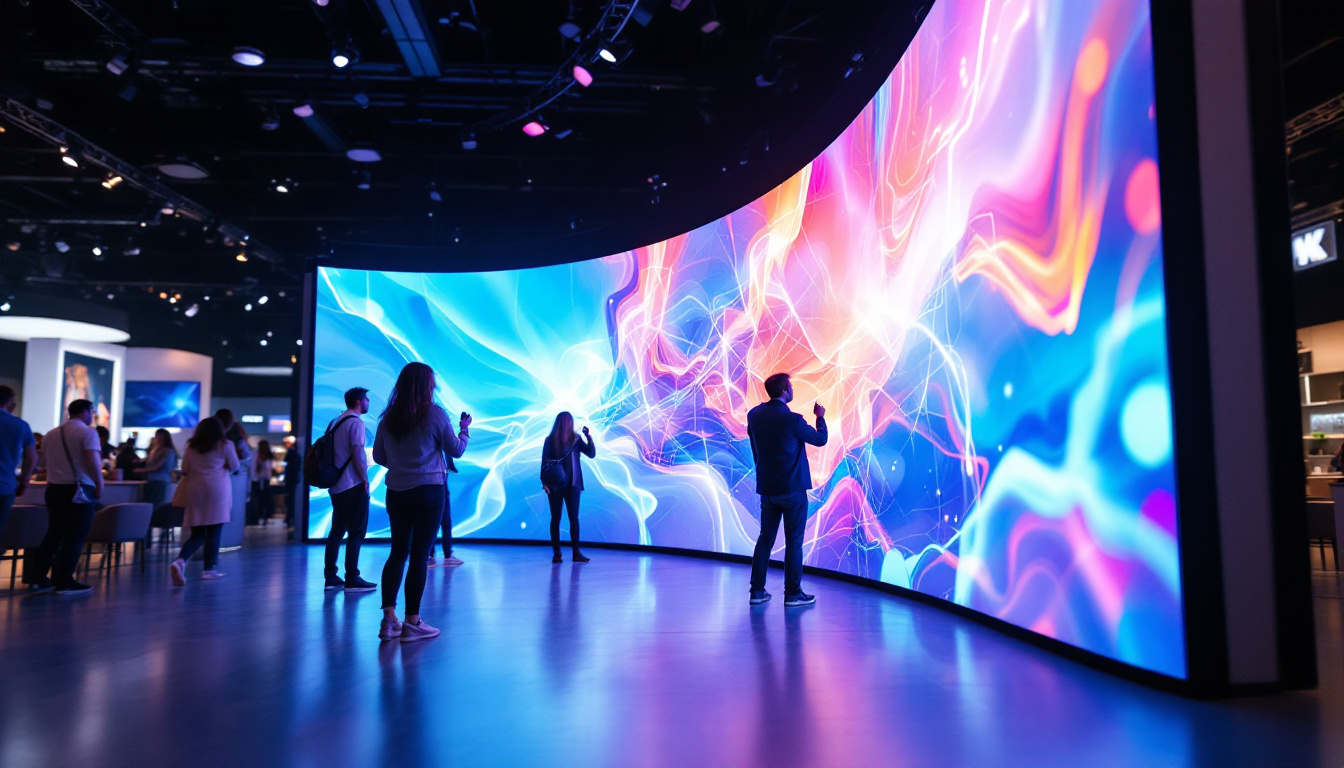
In corporate settings, LED video walls with a 1.9 mm pitch are ideal for conference rooms, boardrooms, and control centers. The high resolution ensures that detailed data, charts, and video content are displayed clearly, facilitating better communication and decision-making.
Control rooms benefit from the sharpness and clarity, as operators can monitor multiple data streams and visuals without strain.
Broadcast and Event Production
Broadcast studios and event venues use fine pitch LED displays to present high-quality video content to audiences both on-site and through cameras. The 1.9 mm pitch offers a balance between image quality and cost, making it a popular choice for medium-sized studios and event backdrops.
Its ability to render detailed graphics and smooth video playback enhances production value and viewer engagement.
Comparing 1.9 mm Pixel Pitch to Other Common Pitches
Ultra-Fine Pitch (<1 mm)
Displays with pixel pitches below 1 mm offer the highest resolution and are suitable for very close viewing distances, such as control rooms or luxury retail displays. However, these displays are significantly more expensive due to the complexity of manufacturing and the number of LEDs required.
While ultra-fine pitch displays deliver exceptional clarity, they may be cost-prohibitive for many applications.
Medium Pitch (2.5 mm to 4 mm)
Pixel pitches in this range are commonly used for larger indoor screens where viewers are further away. They provide good image quality but are less detailed compared to 1.9 mm pitch displays. These are often found in auditoriums, large conference halls, and some retail environments.
The cost is generally lower, making them suitable for budget-conscious projects where ultra-high resolution is not essential.
Large Pitch (>4 mm)
Displays with pixel pitches greater than 4 mm are typically used for outdoor applications such as billboards, stadium screens, and large public displays. The larger pixel pitch accommodates longer viewing distances where fine detail is less critical.
These displays are designed to be bright and durable, withstanding outdoor conditions.
Technical Considerations When Choosing a 1.9 mm LED Display
Brightness and Contrast
Brightness is a key factor for LED displays, especially in environments with ambient light. A 1.9 mm pitch display typically offers brightness levels ranging from 800 to 1,200 nits for indoor use, ensuring clear visibility without causing eye strain.
Contrast ratio also impacts image quality, with higher contrast delivering deeper blacks and more vibrant colors. When selecting a display, it is important to consider both brightness and contrast to achieve optimal visual performance.
Refresh Rate and Color Depth
High refresh rates (above 3,000 Hz) are important for smooth video playback and reducing flicker, particularly in broadcast environments. A 1.9 mm pitch LED display often supports refresh rates of 3,000 to 6,000 Hz, suitable for most professional applications.
Color depth, typically 16-bit or higher, ensures accurate color reproduction and smooth gradients, enhancing the overall viewing experience.
Installation and Maintenance
Fine pitch LED displays require precise installation to maintain uniform pixel alignment and image quality. Modular panels are commonly used, allowing for easier assembly and maintenance.
Maintenance involves regular cleaning and occasional LED replacement, with many manufacturers offering front-serviceable designs for easier access in tight spaces.
Future Trends in LED Display Technology
As LED technology advances, pixel pitches continue to shrink, pushing the boundaries of resolution and image quality. MicroLED technology, for example, promises pixel pitches below 0.5 mm, enabling ultra-high-definition displays for a variety of applications.
Additionally, improvements in power efficiency, brightness, and color accuracy are making LED displays more versatile and sustainable. The integration of smart technologies, such as AI-driven content management and interactive features, is also transforming how LED displays are used in commercial and entertainment sectors.
Conclusion
Converting 1.9 mm to inches (approximately 0.075 inches) provides a tangible understanding of pixel pitch size in LED displays. This measurement is critical for determining the resolution, image clarity, and optimal viewing distance of a display.
LED displays with a 1.9 mm pixel pitch strike a balance between high resolution and cost, making them ideal for indoor applications such as retail signage, corporate environments, and broadcast studios. Understanding pixel pitch and its implications helps businesses and designers select the right display technology to meet their needs, ensuring effective communication and engaging visual experiences.
Explore Cutting-Edge LED Display Solutions with LumenMatrix
Ready to elevate your visual communication with high-resolution LED displays? LumenMatrix offers a comprehensive range of innovative LED display solutions tailored to your unique needs. From captivating Indoor LED Wall Displays to dynamic Outdoor LED Wall Displays, and from versatile Vehicle LED Displays to sleek LED Poster Displays, our products are designed to make your brand stand out. Discover the perfect LED Sports Display, interactive Floor LED Display, or Custom LED Display to engage your audience. Experience the future of digital signage with our All-in-One LED Displays and LED Transparent Displays. Check out LumenMatrix LED Display Solutions today and transform your space into a mesmerizing visual experience.