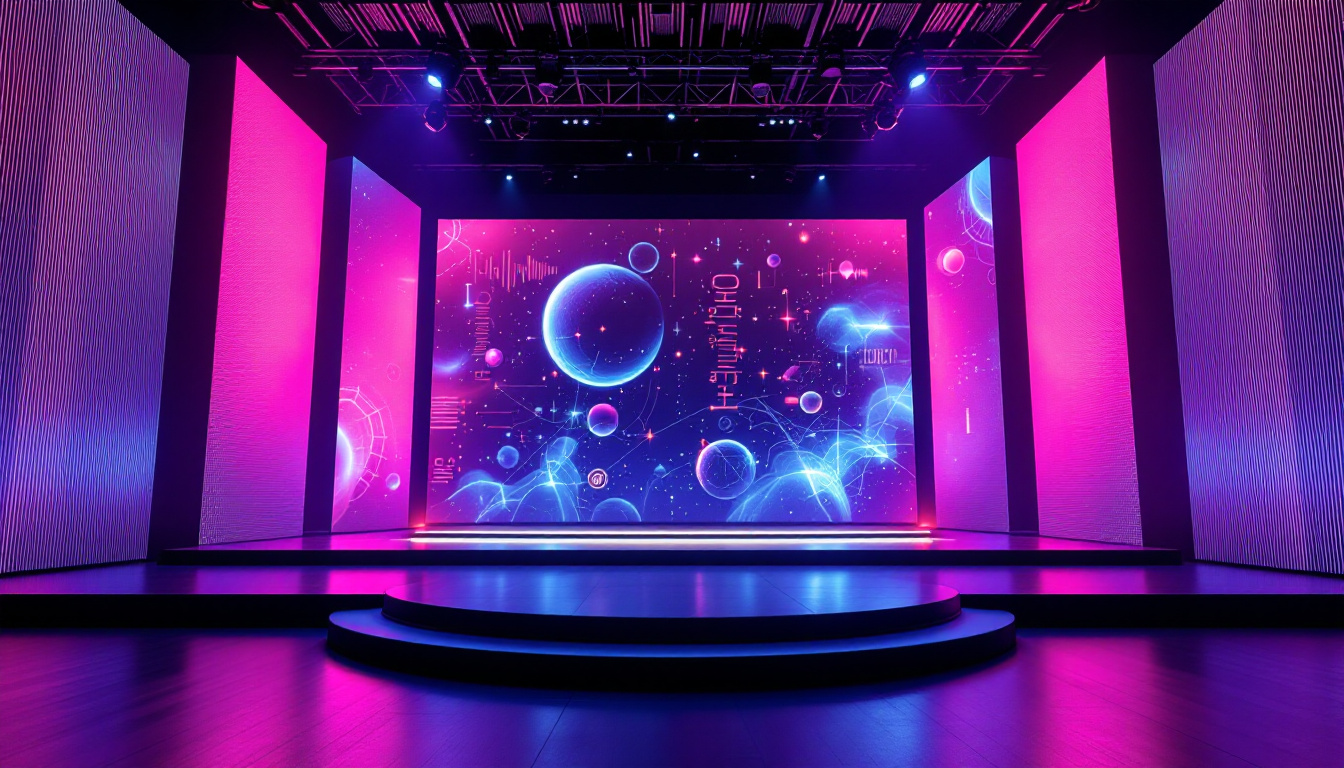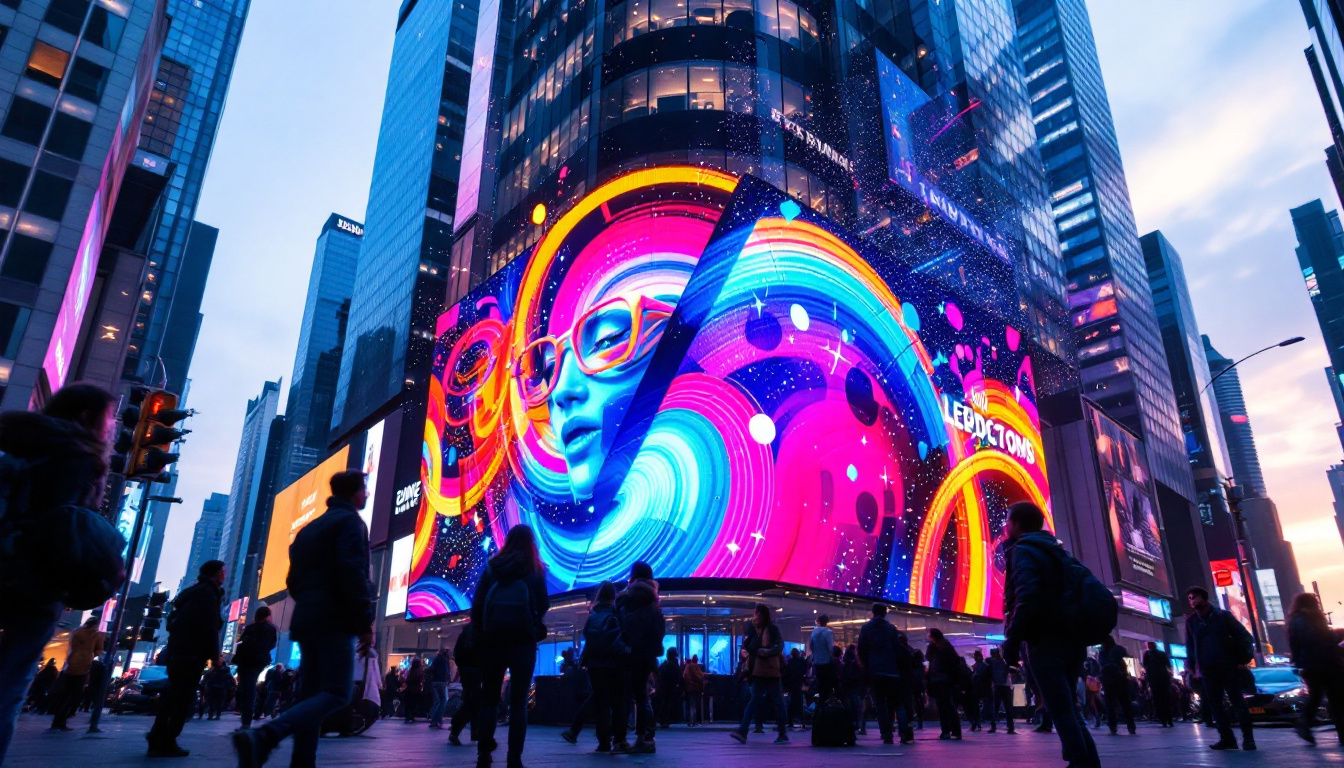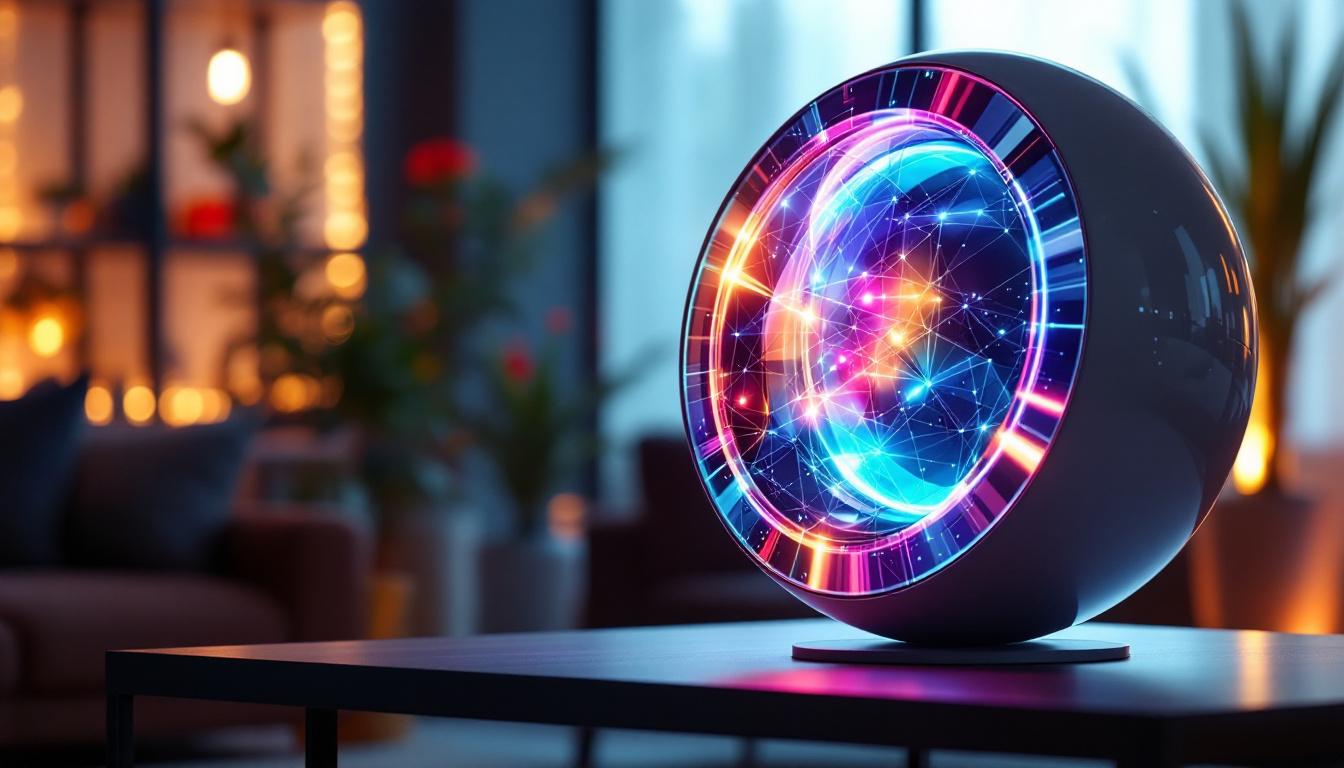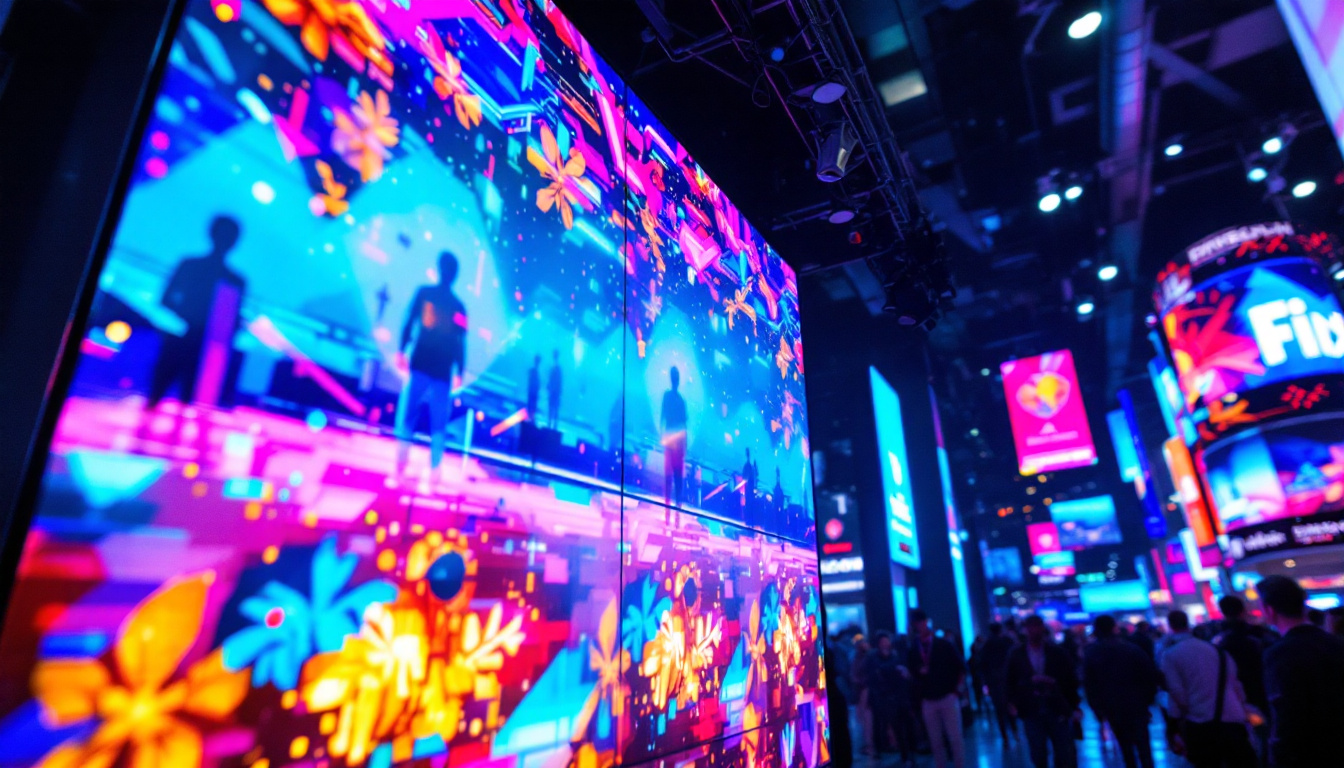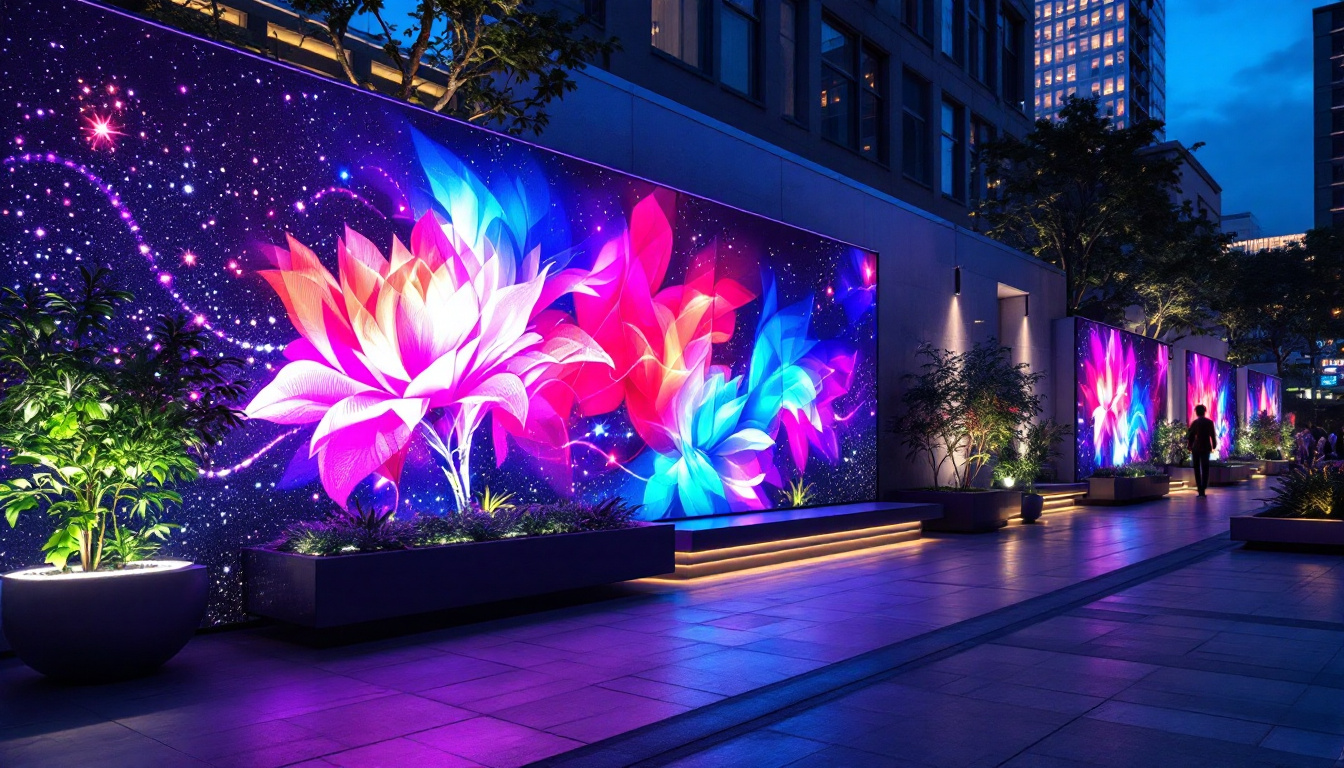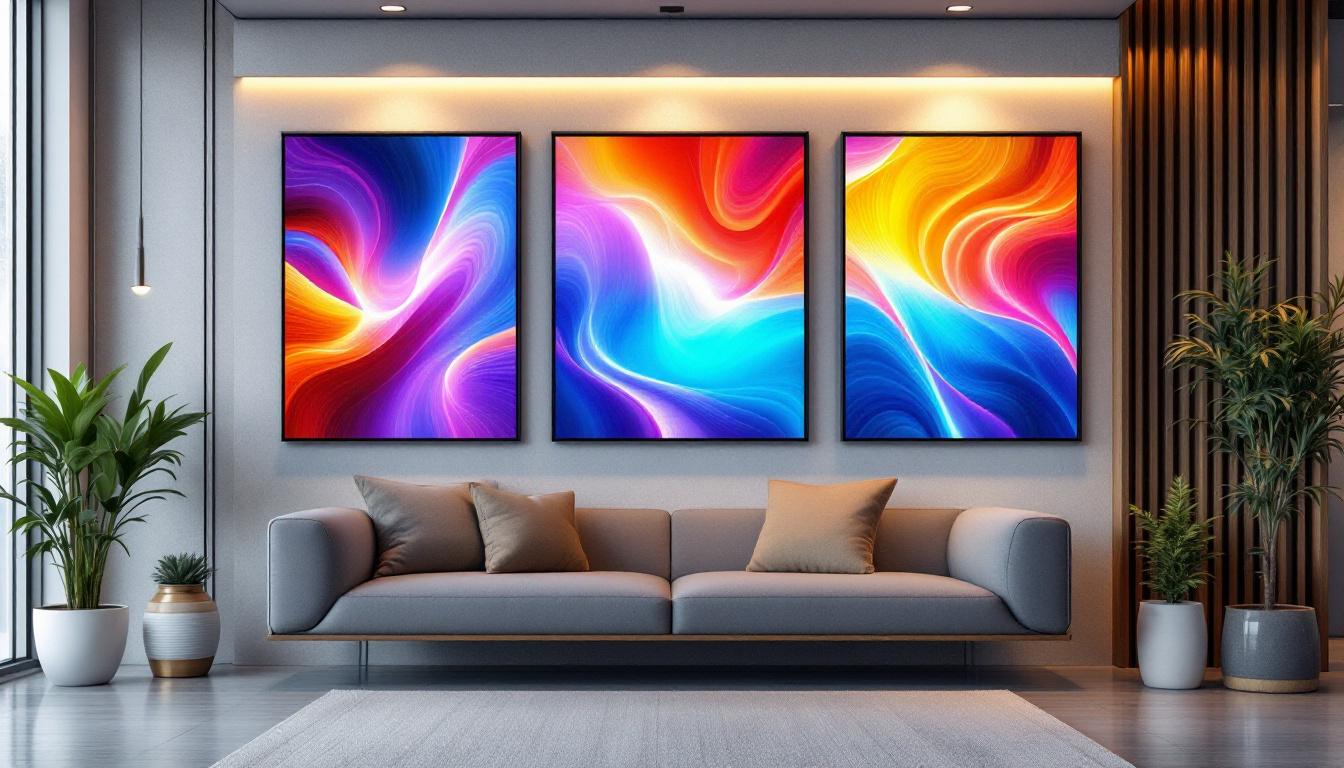
In the evolving world of interior design and digital art, three panel wall art featuring LED displays has emerged as a captivating trend. Combining traditional aesthetics with modern technology, these installations offer dynamic visual experiences that transform spaces. This article explores the concept of three panel LED wall art, its technology, design considerations, and practical applications to help enthusiasts and professionals understand its potential fully.
Understanding Three Panel Wall Art
Three panel wall art, often called triptych art, has a rich history dating back to medieval altarpieces. Traditionally, it consists of three separate but related panels arranged side by side to form a cohesive image or thematic narrative. This format allows artists to explore storytelling, contrast, and progression across the panels, enhancing visual interest and depth. The use of triptychs in religious contexts provided a way to convey complex theological themes and narratives, often depicting scenes from the life of Christ or saints, thus serving both an artistic and didactic purpose.
In contemporary settings, the triptych format has been adapted to various mediums, including photography, painting, and digital displays. The appeal lies in its versatility and ability to break down complex visuals into digestible segments, making it easier to engage viewers and complement interior spaces. Artists today utilize this format not only to tell stories but also to evoke emotions and provoke thought, often addressing themes such as identity, nature, and societal issues. The arrangement of the panels can create a dialogue between them, encouraging viewers to move their gaze from one panel to another, fostering a deeper connection with the artwork.
The Evolution to LED Displays
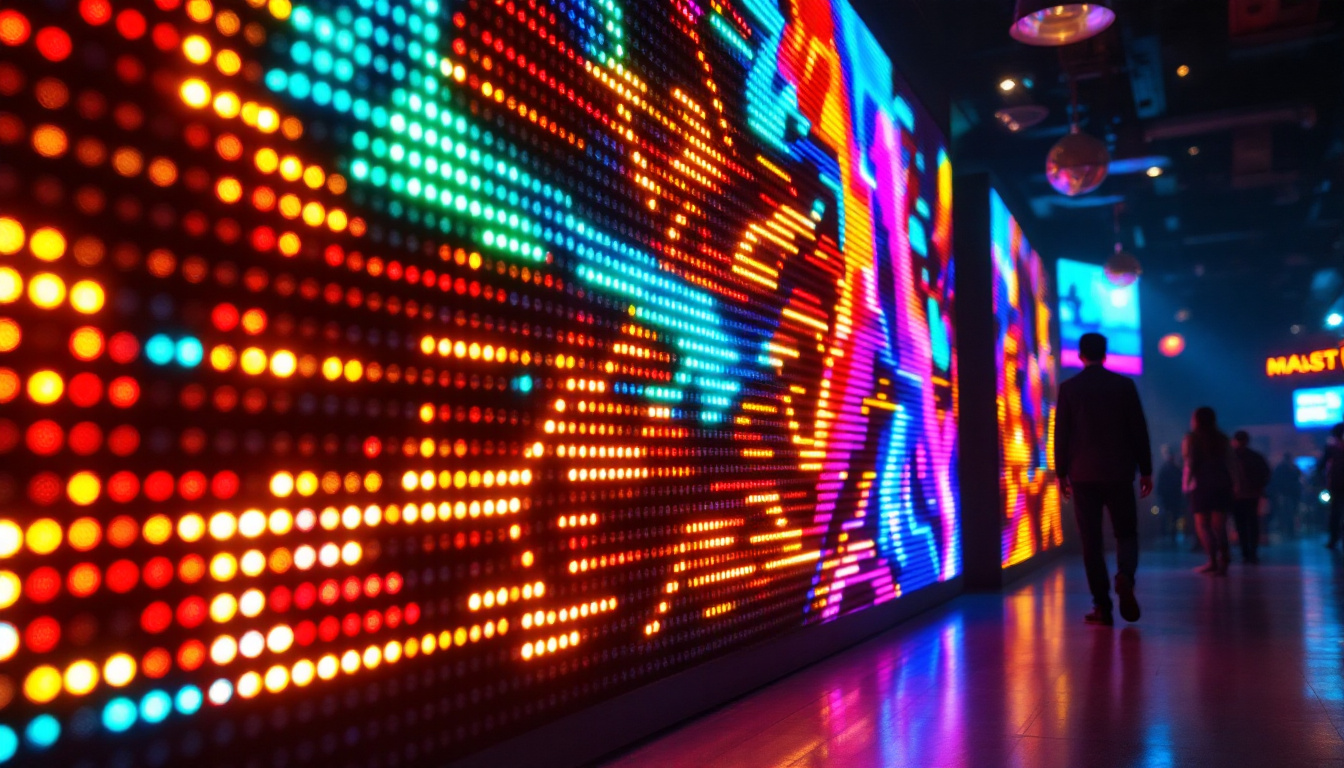
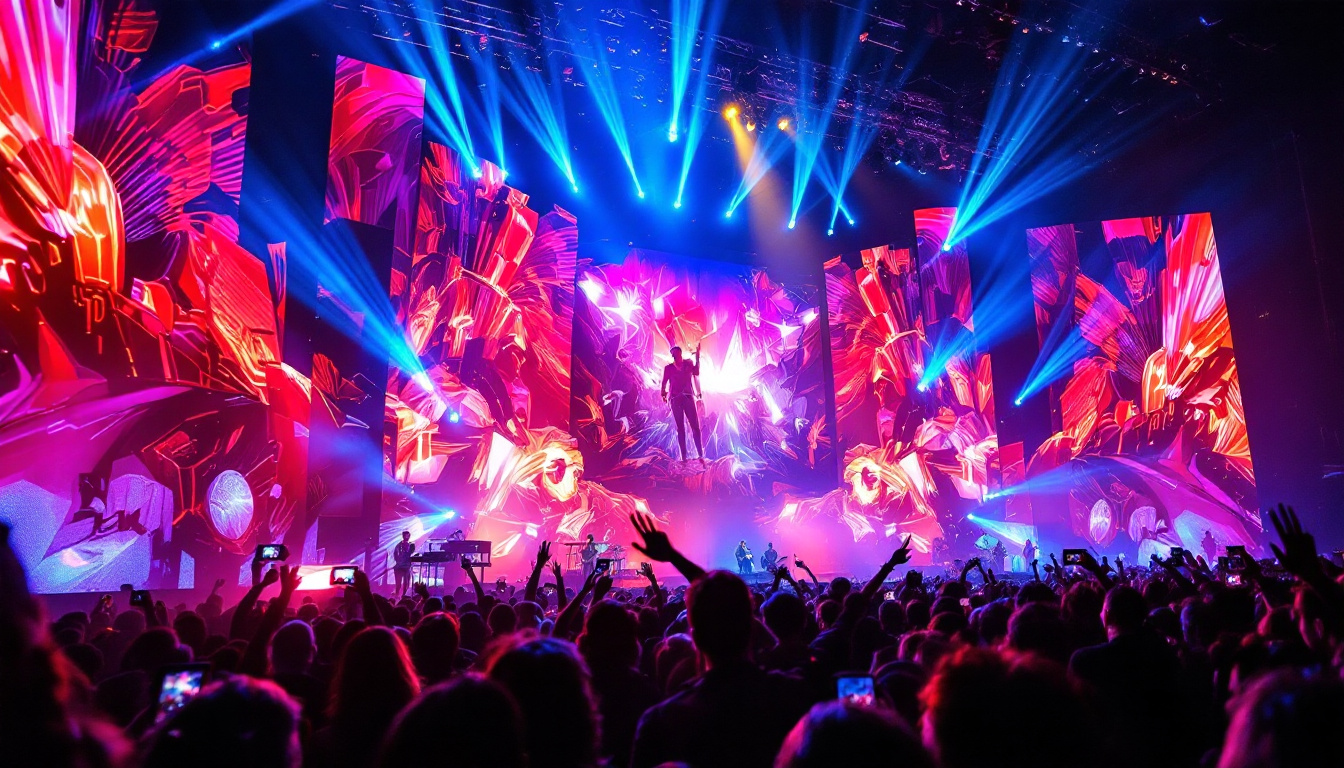
With advancements in display technology, LED panels have become a popular medium for three panel wall art. Unlike static images, LED displays can showcase dynamic content—videos, animations, or changing images—offering an interactive and immersive experience. This evolution bridges the gap between traditional art and digital innovation, appealing to tech-savvy audiences and design-forward environments. The ability to manipulate light and color in real-time adds a new dimension to the triptych format, allowing artists to experiment with movement and rhythm in their work, creating a more engaging atmosphere.
Moreover, the integration of LED technology into triptych art opens up opportunities for thematic exploration that was previously unattainable. Artists can synchronize the panels to tell a story that unfolds over time, creating a narrative arc that captivates viewers as they watch the transitions. This approach not only enhances the visual experience but also invites audiences to consider the relationship between the panels in a new light, as they witness the evolution of imagery and concept. As public spaces and galleries increasingly adopt LED triptychs, they redefine how art interacts with viewers, transforming passive observation into an active, participatory experience.
How LED Technology Enhances Three Panel Wall Art
LED (Light Emitting Diode) technology has revolutionized visual displays with its brightness, energy efficiency, and versatility. When integrated into three panel wall art, LEDs enable vibrant, high-resolution imagery that can adapt to different moods and settings.
Brightness and Color Accuracy
One of the key advantages of LED displays is their superior brightness levels compared to conventional screens. This makes three panel LED wall art suitable for both dimly lit rooms and spaces with abundant natural light. Modern LEDs also offer excellent color accuracy and wide color gamuts, ensuring that images appear vivid and true to the artist’s intent. This capability allows for an immersive viewing experience, where the subtleties of color gradients and intricate details are preserved, captivating the audience’s attention and enhancing the overall aesthetic of the space.
Energy Efficiency and Longevity
LEDs consume significantly less power than traditional lighting and display technologies, which is an important consideration for installations intended to run for extended periods. Additionally, LEDs have a long lifespan—often exceeding 50,000 hours—making them a cost-effective and sustainable choice for decorative art installations. This longevity not only reduces the frequency of replacements but also minimizes waste, aligning with eco-friendly practices that are increasingly important in today’s design landscape. As a result, homeowners and businesses can enjoy their art without the constant concern of maintenance or energy costs.
Customization and Interactivity
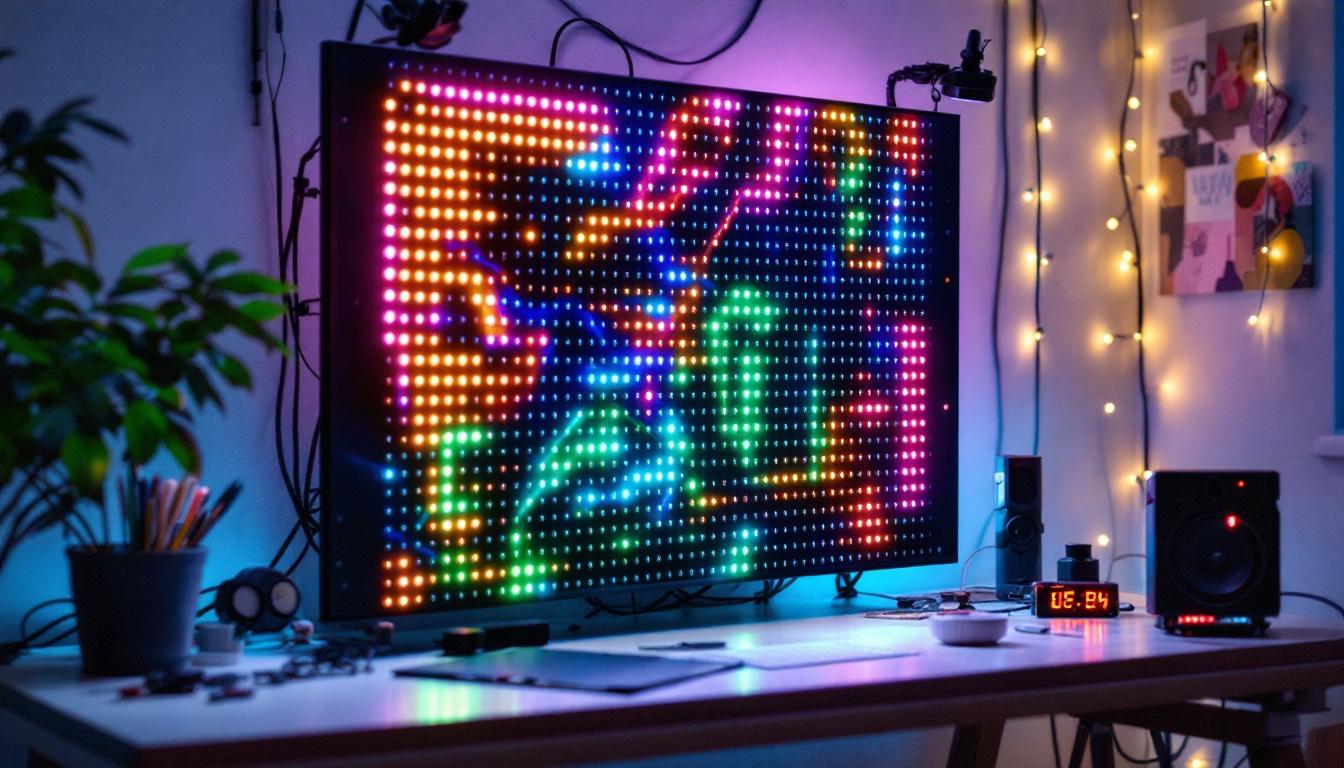
LED panels can be programmed to display a wide range of content, from static images to complex animations. This flexibility allows users to customize their wall art according to seasons, events, or personal preferences. Some installations incorporate sensors or smart home integration, enabling interactive experiences where the display responds to movement, sound, or time of day. For instance, an art piece could transition from a serene landscape during the day to a vibrant cityscape at night, creating a dynamic atmosphere that evolves with the environment. This level of customization not only enhances the visual appeal but also allows for a deeper emotional connection to the artwork, as it can reflect the viewer’s mood or the ambiance of a gathering.
Enhanced Storytelling Through Art
Incorporating LED technology into three panel wall art also opens new avenues for storytelling. Artists can create narratives that unfold over time, using the panels to depict a journey or evolution of a theme. For example, a series of images could illustrate the changing seasons, with each panel representing a different time of year, complete with animated elements such as falling leaves or blooming flowers. This storytelling aspect transforms the artwork from a static display into a living narrative, engaging viewers on multiple levels and inviting them to experience the art in a more profound way.
Integration with Smart Home Systems
As smart home technology continues to advance, the integration of LED wall art with these systems becomes increasingly seamless. Homeowners can synchronize their art displays with other smart devices, creating a cohesive environment that adapts to their lifestyle. Imagine entering a room where the LED wall art shifts to a calming ocean scene as the lights dim and soft music begins to play, setting the perfect mood for relaxation. This synergy between technology and art not only enhances the functionality of the space but also elevates the overall experience of home decor, making it a central feature of modern living.
Design Considerations for Three Panel LED Wall Art
Creating an effective three panel LED wall art installation involves more than just technology; thoughtful design is critical to achieving aesthetic harmony and functional performance.
Panel Size and Resolution
The size of each panel and the overall installation must suit the intended space. Larger panels provide a more immersive experience but require higher resolution to maintain image clarity. For example, a 4K resolution spread across three panels ensures sharp visuals even when viewed up close. Balancing size and resolution is essential to avoid pixelation or visual distortion.
Content Strategy
Deciding what content to display is a pivotal design choice. Some artists use the triptych format to tell a story, with each panel representing a different chapter or perspective. Others opt for synchronized animations that flow seamlessly across all three panels. The content should complement the environment and purpose of the installation—whether it’s a corporate lobby, a gallery, or a private residence.
Mounting and Installation
Proper mounting ensures the panels align perfectly and maintain structural integrity. LED panels can be relatively heavy, so secure wall anchors and professional installation are recommended. Additionally, cable management and power supply considerations must be planned to keep the installation clean and unobtrusive.
Applications and Benefits of Three Panel LED Wall Art
Three panel LED wall art is not only visually striking but also highly functional, making it suitable for various environments.
Corporate and Commercial Spaces
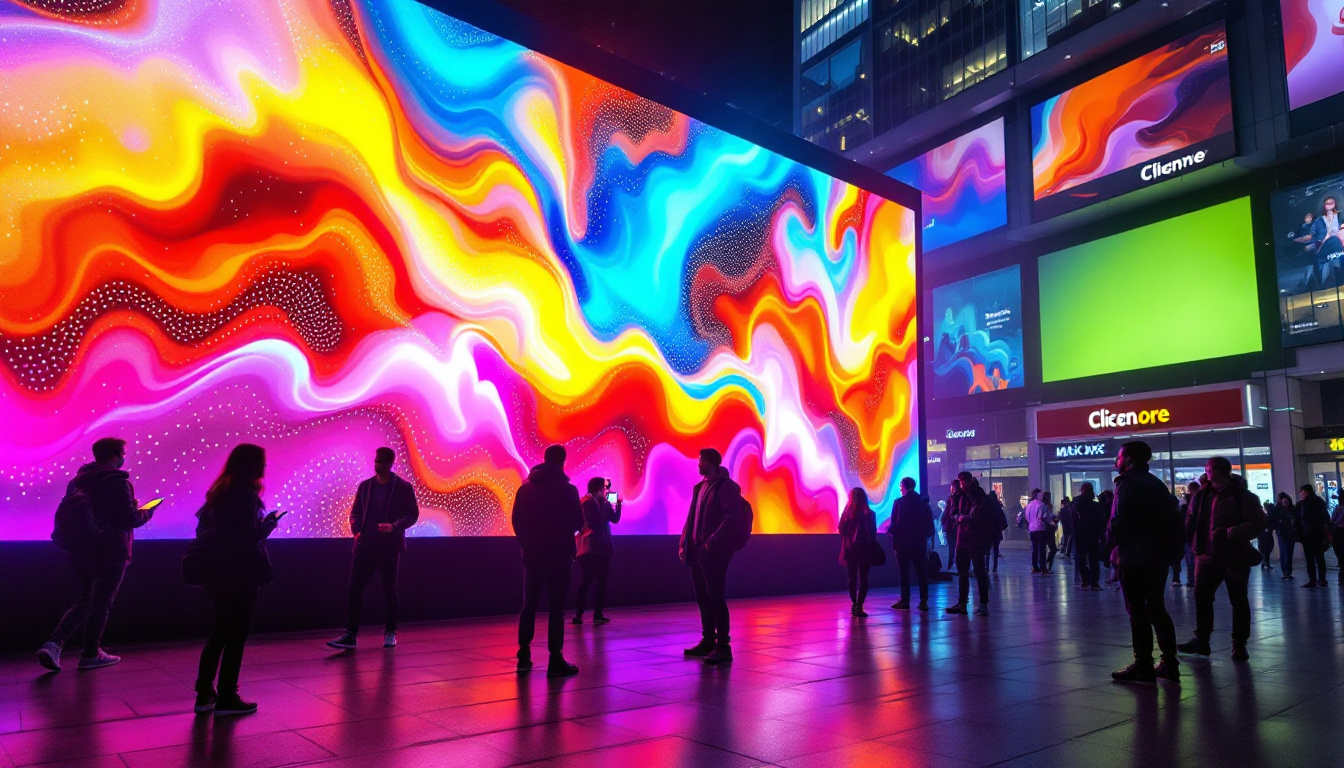
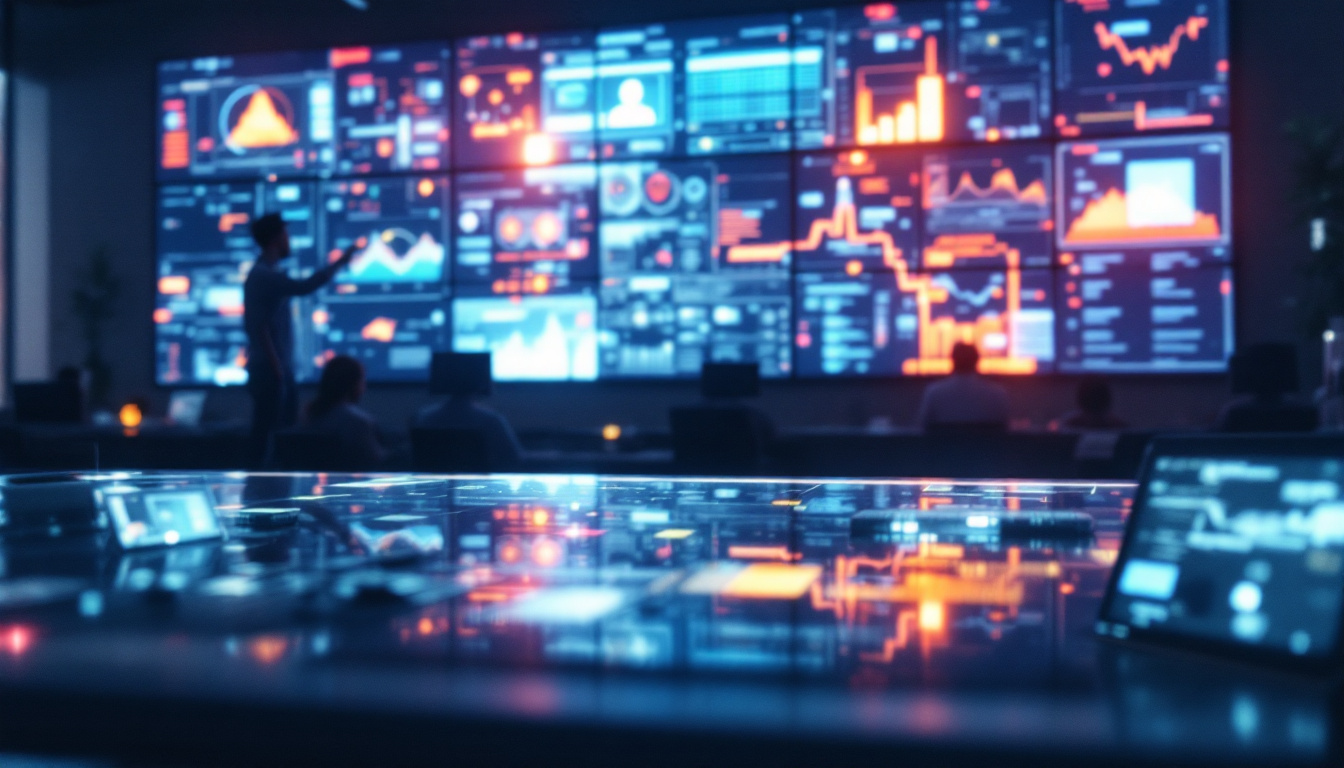
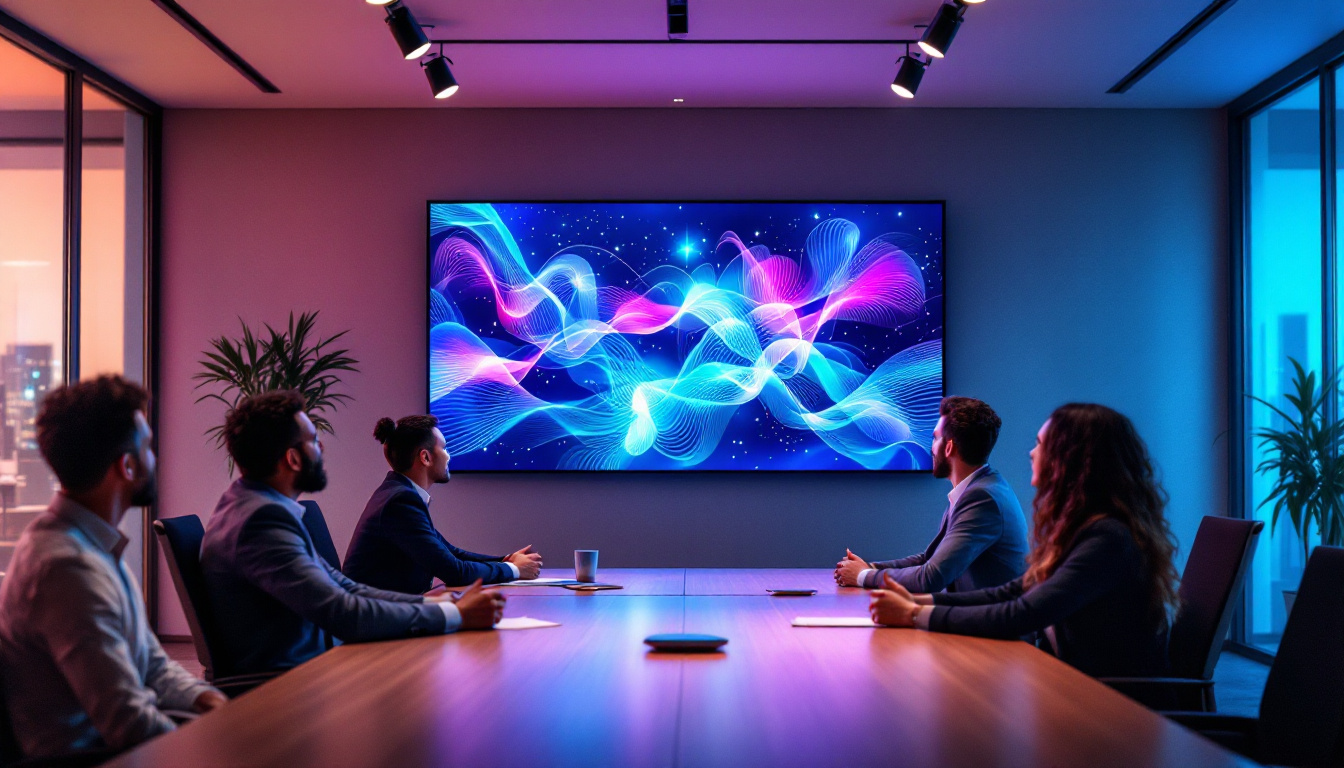
Businesses use three panel LED displays to enhance branding and customer engagement. Dynamic content can showcase products, company milestones, or promotional materials in an eye-catching format. Studies indicate that digital signage can increase customer engagement by up to 30%, making LED triptychs a valuable marketing tool.
Residential Interiors
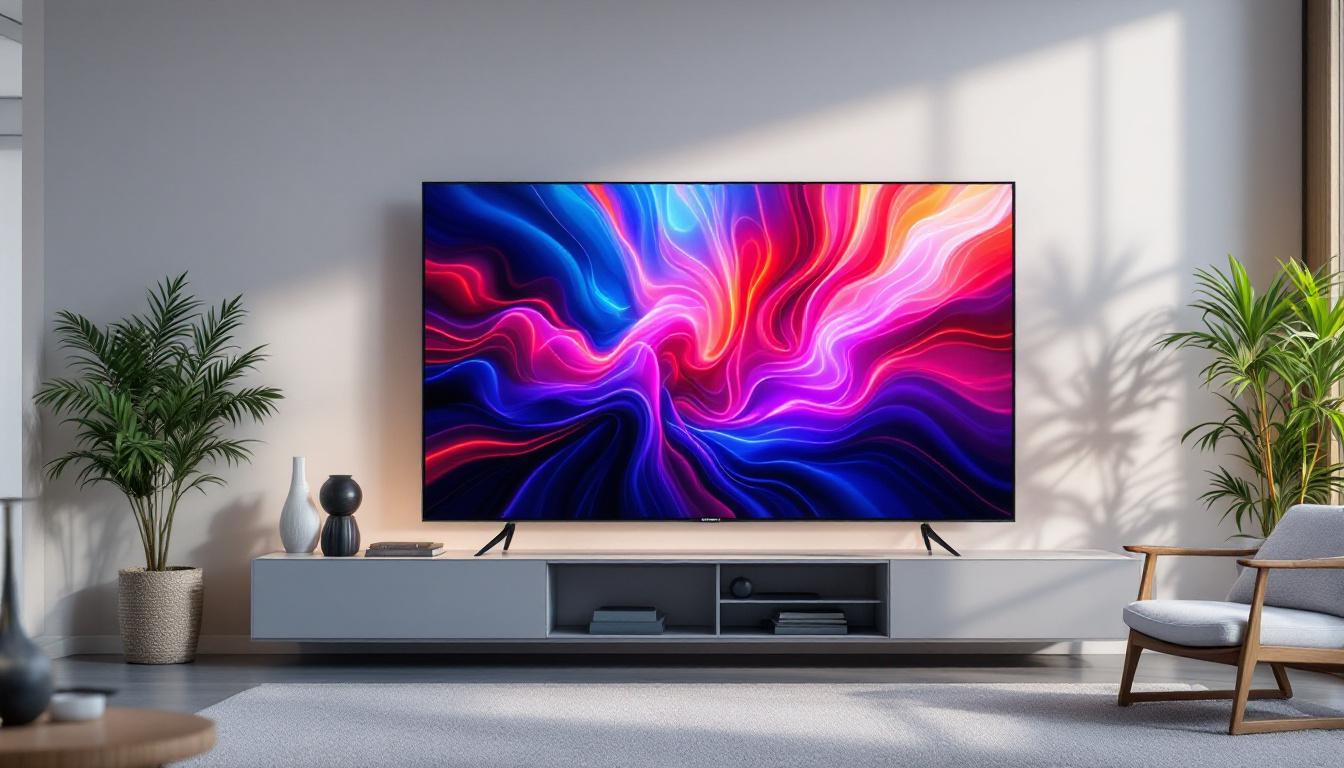
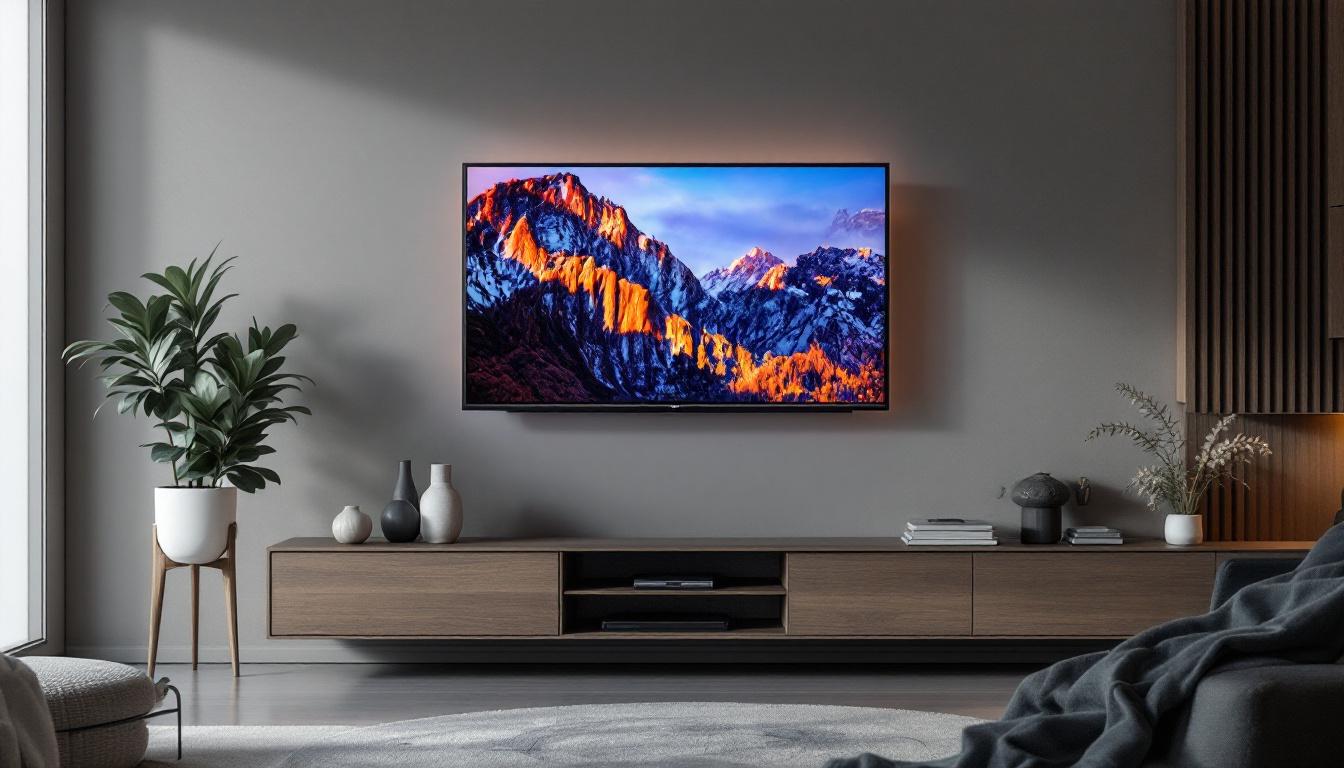
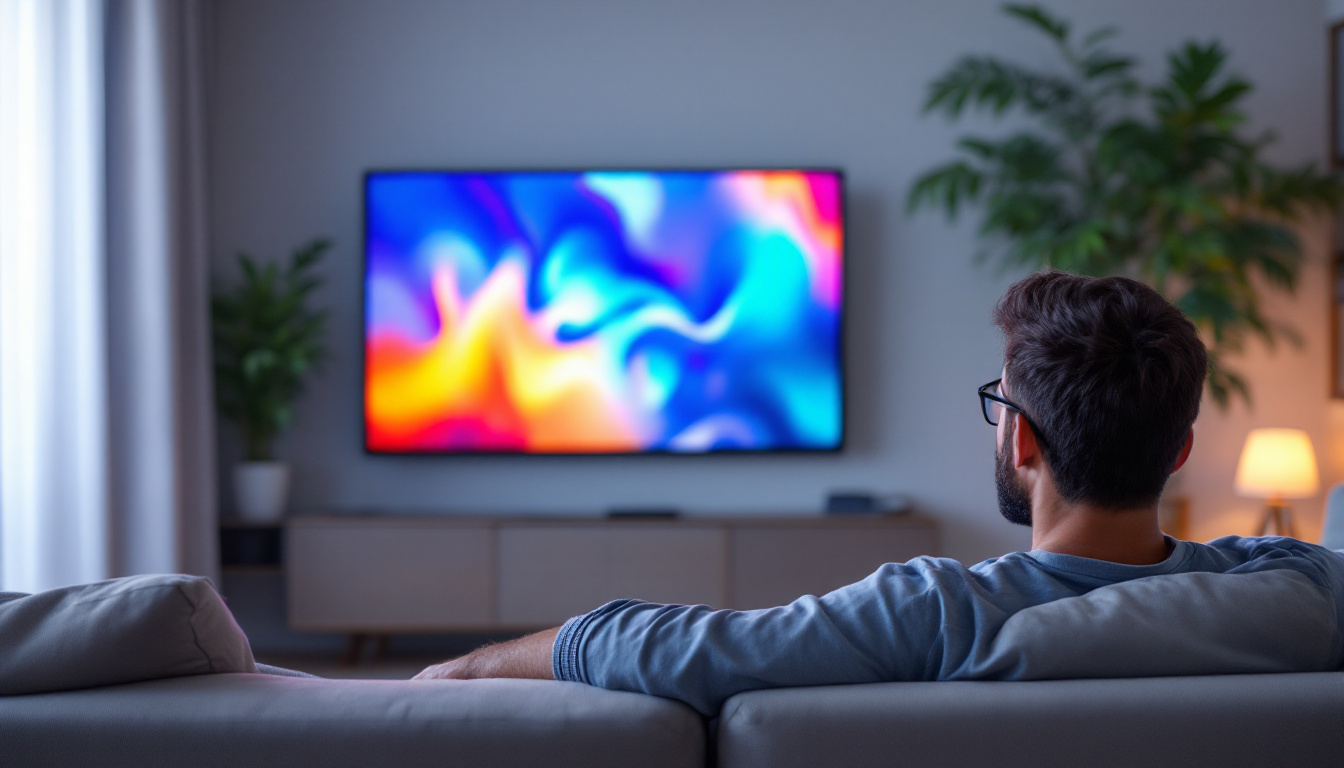
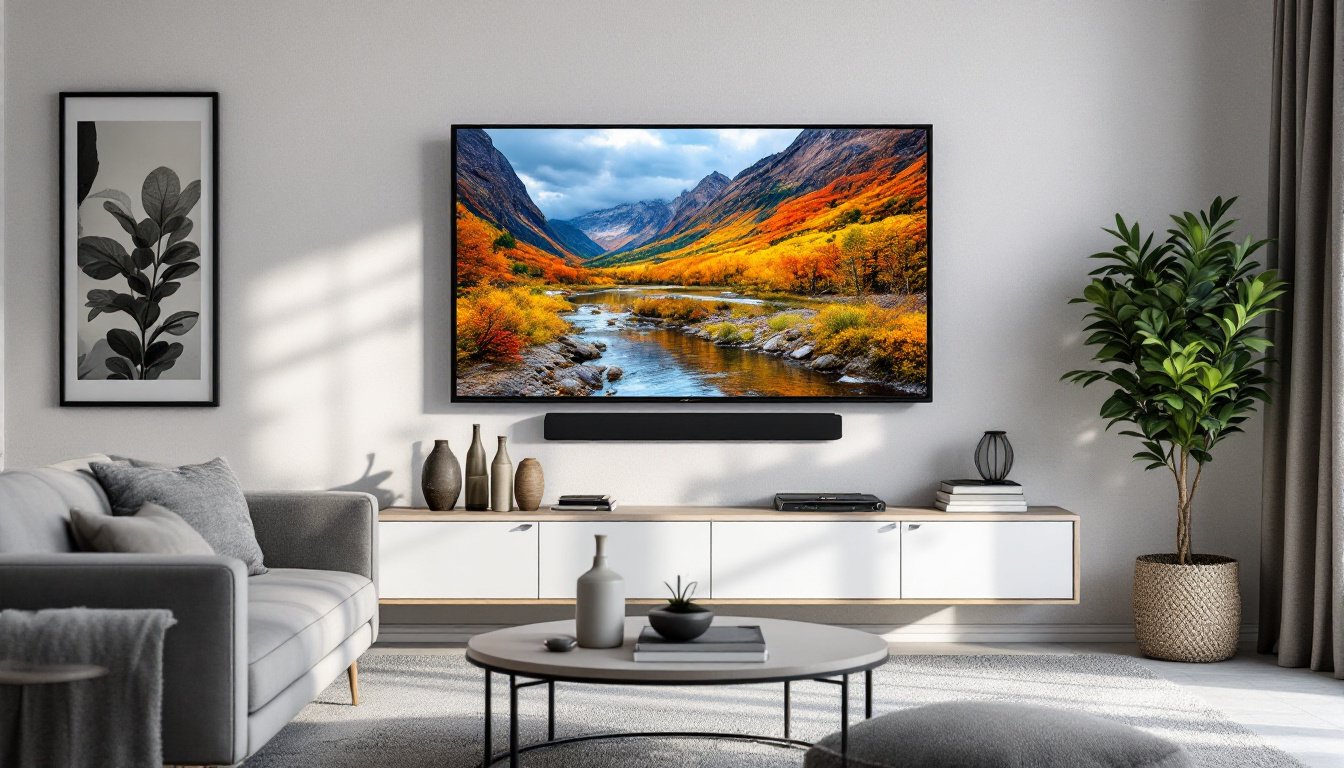
Homeowners seeking unique décor options appreciate the customizable nature of LED triptychs. These installations can serve as focal points in living rooms or entertainment areas, offering a blend of art and technology. The ability to change content easily allows residents to refresh their space without additional purchases.
Art Galleries and Museums
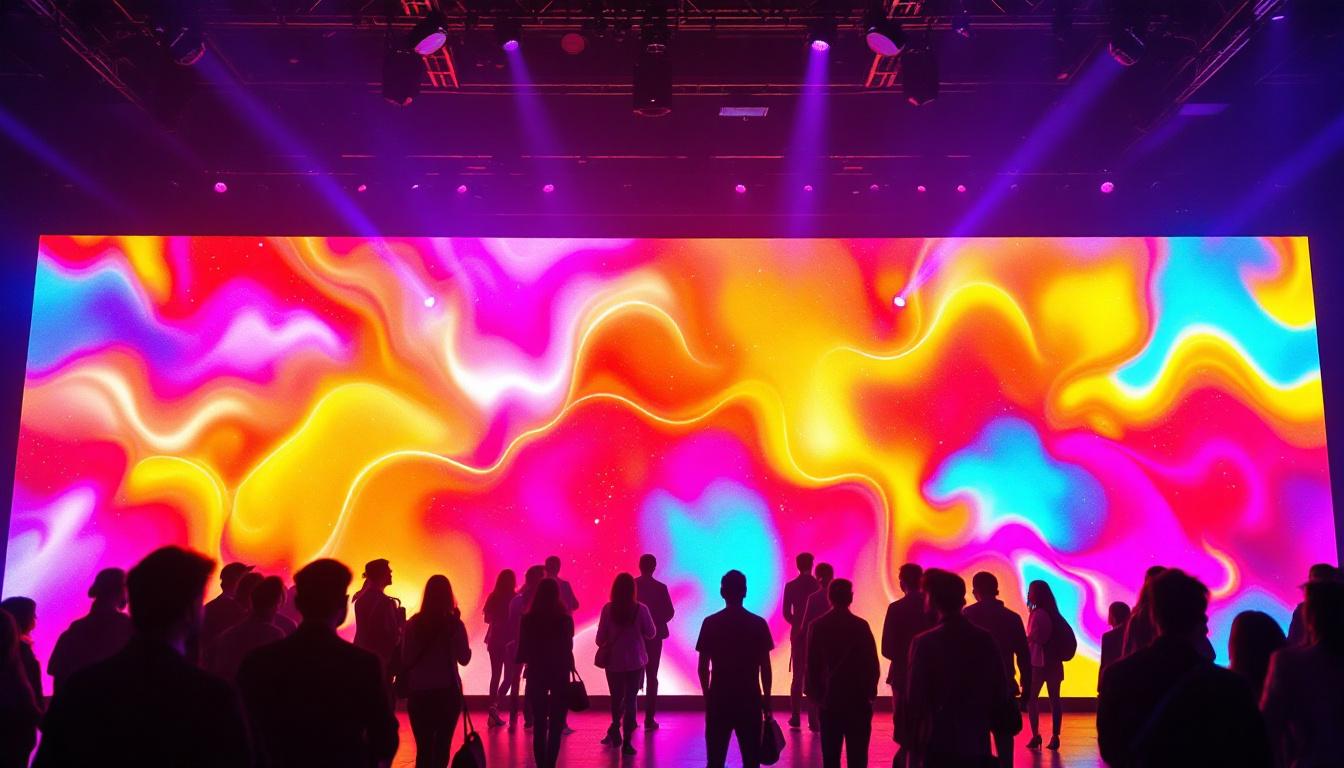
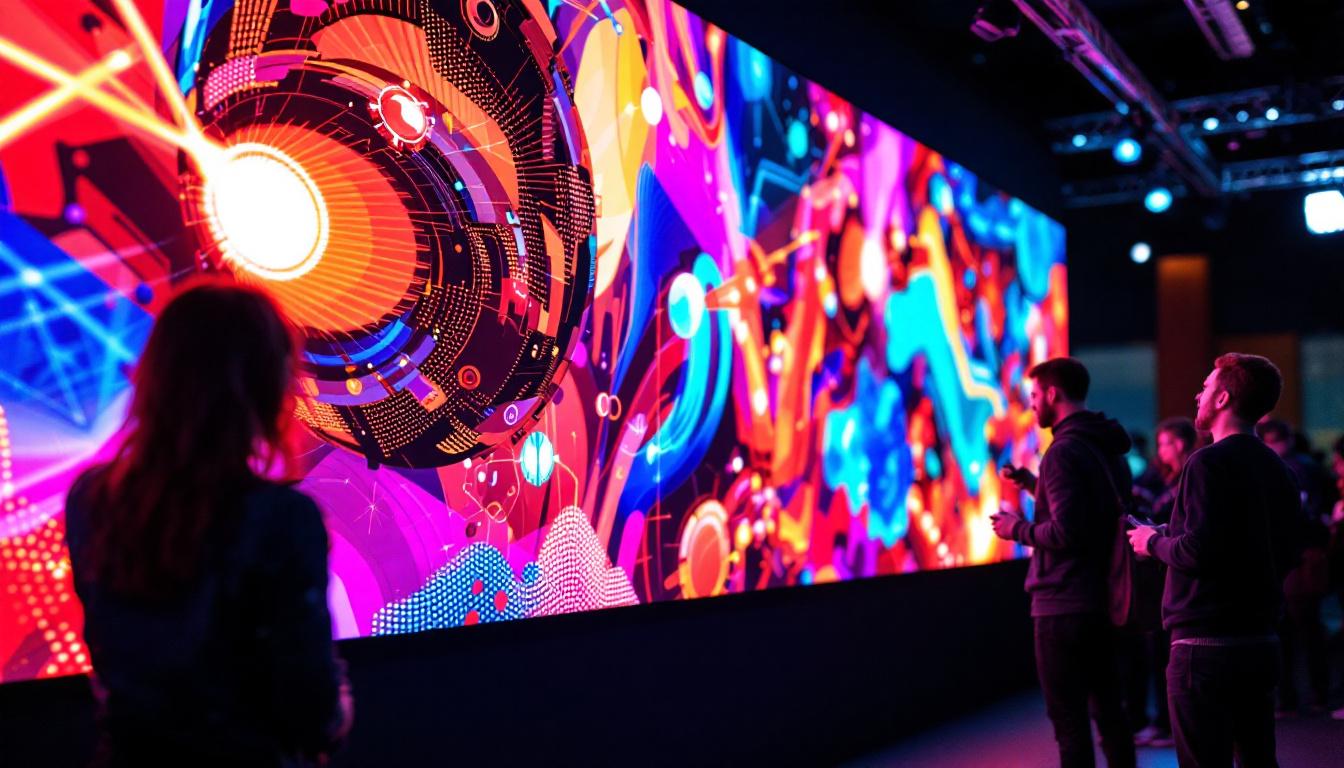
Institutions leverage three panel LED displays to present contemporary digital art or enhance traditional exhibitions with multimedia elements. This approach attracts younger audiences and provides artists with new avenues for creative expression. Interactive LED triptychs can also facilitate educational experiences by displaying contextual information alongside artwork.
Challenges and Future Trends
While three panel LED wall art offers many advantages, it also presents challenges that designers and users should consider.
Cost and Maintenance
High-quality LED panels and professional installation can be costly upfront. Additionally, maintaining the displays—such as software updates and occasional hardware repairs—requires ongoing attention. However, the long-term benefits in energy savings and visual impact often justify the investment.
Technological Integration
As smart home and IoT technologies advance, integrating LED wall art with other systems will become more seamless. Future trends point toward increased interactivity, AI-driven content personalization, and augmented reality enhancements that blur the lines between physical and digital art.
Sustainability Considerations
Manufacturers are focusing on eco-friendly materials and recycling programs for LED components. Consumers and designers are encouraged to consider the environmental impact of their installations and opt for sustainable practices wherever possible.
Conclusion
Three panel wall art featuring LED displays represents a fusion of artistic tradition and cutting-edge technology. Its ability to deliver vibrant, customizable, and interactive visuals makes it a compelling choice for diverse settings—from corporate environments to private homes. Understanding the technical aspects, design principles, and practical applications ensures that users can maximize the impact of their installations while navigating challenges effectively.
As LED technology continues to evolve, three panel LED wall art is poised to become an increasingly popular medium for creative expression and spatial enhancement, offering endless possibilities for innovation and engagement.
Illuminate Your Space with LumenMatrix
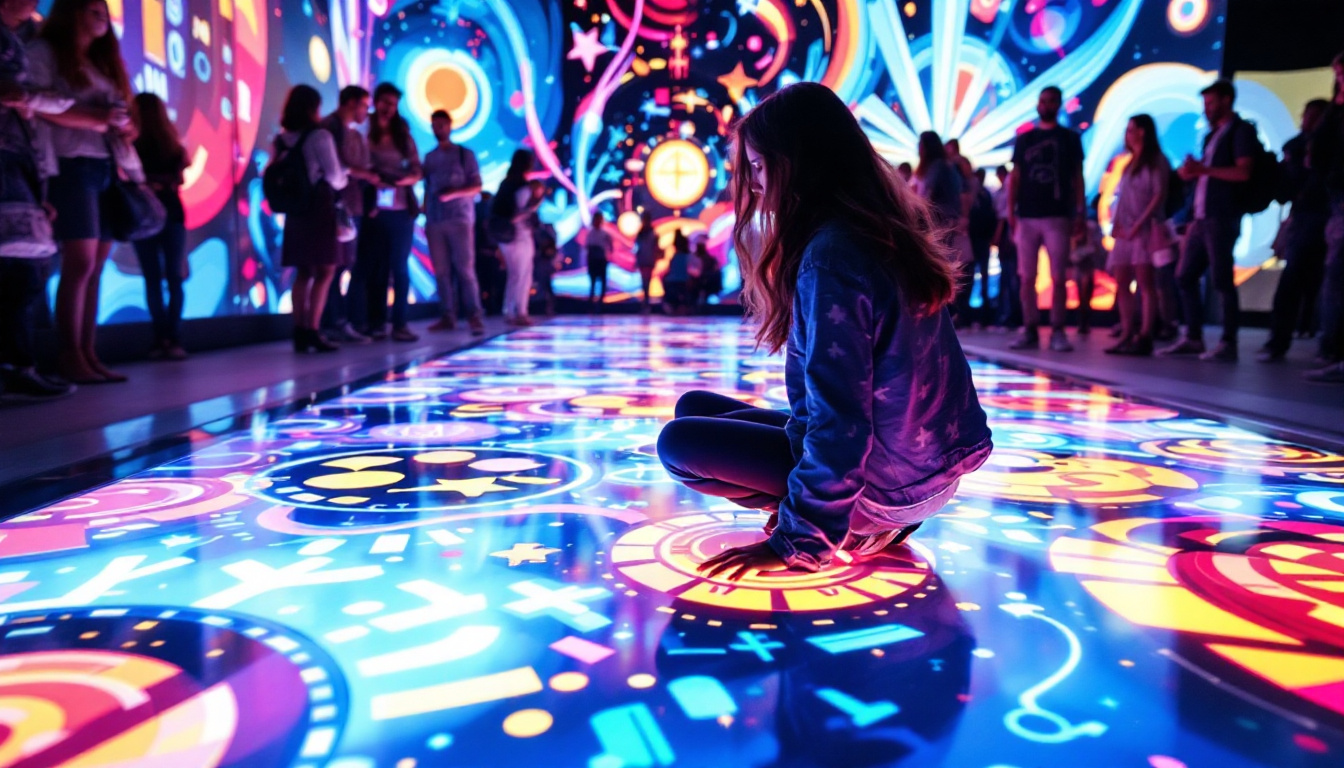
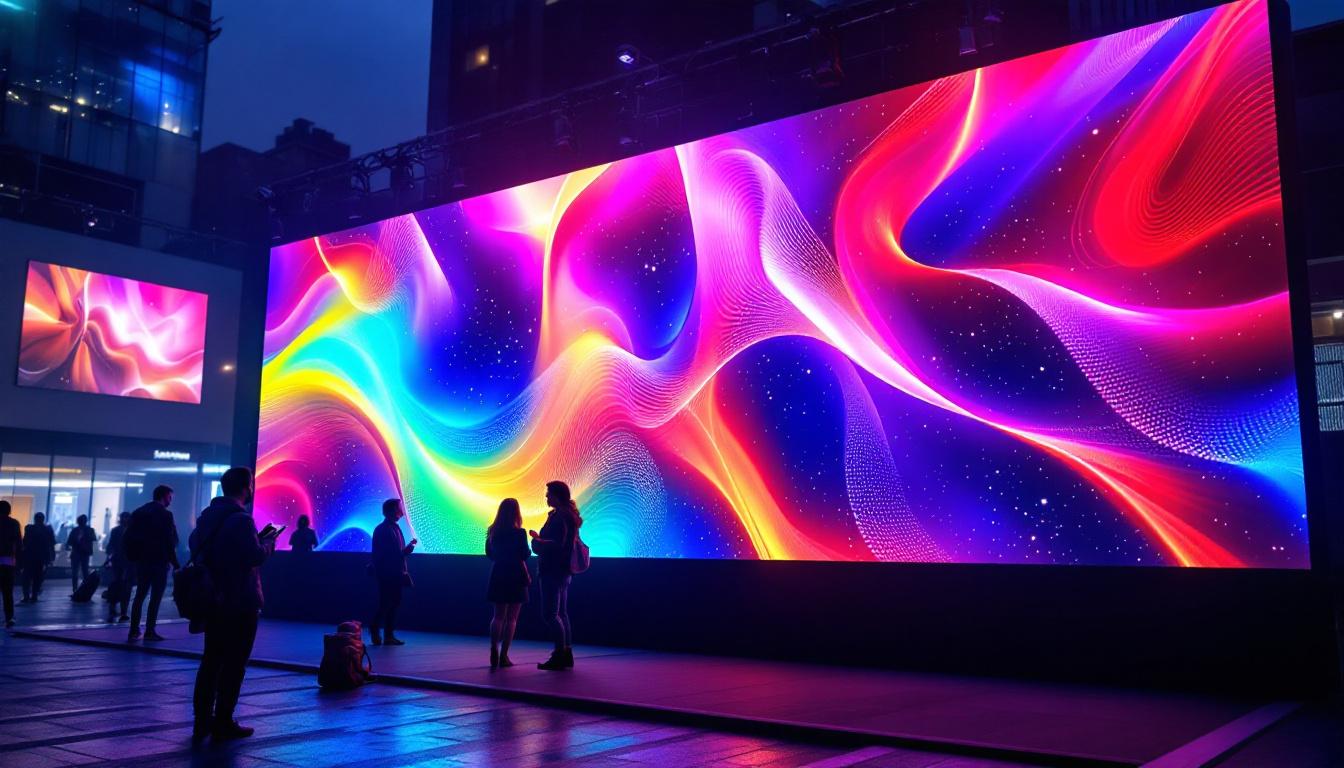
Ready to transform your environment with the vibrant, interactive, and customizable potential of three panel LED wall art? LumenMatrix is at the forefront of LED display technology, offering a wide array of solutions that cater to every need—from Indoor and Outdoor LED Wall Displays to innovative options like Vehicle, Sports, and Floor LED Displays, as well as Custom and All-in-One LED solutions. Embrace the future of visual storytelling and create an unforgettable atmosphere in your space. Check out LumenMatrix LED Display Solutions today and see your vision come to life in brilliant light.