In the evolving landscape of digital signage and large-scale visual communication, pixel walls—also known as LED display walls—have emerged as a dominant technology. From stadiums and concert venues to corporate lobbies and retail environments, these expansive, vibrant displays captivate audiences with their brightness, clarity, and flexibility. But what exactly are pixel walls? How do they work, and why have they become the go-to solution for so many industries? This article delves deep into the technology behind LED pixel walls, exploring their components, benefits, applications, and future trends.
Understanding the Basics: What Are Pixel Walls?
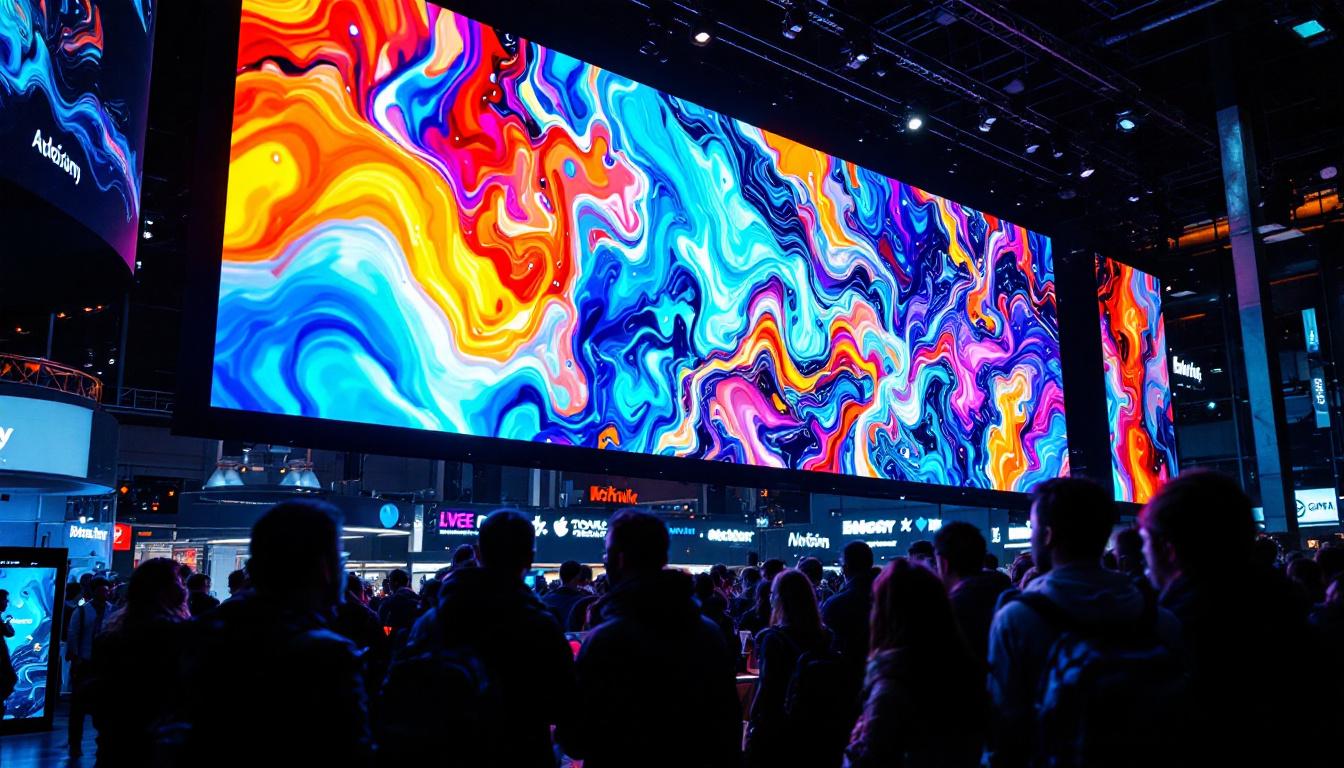
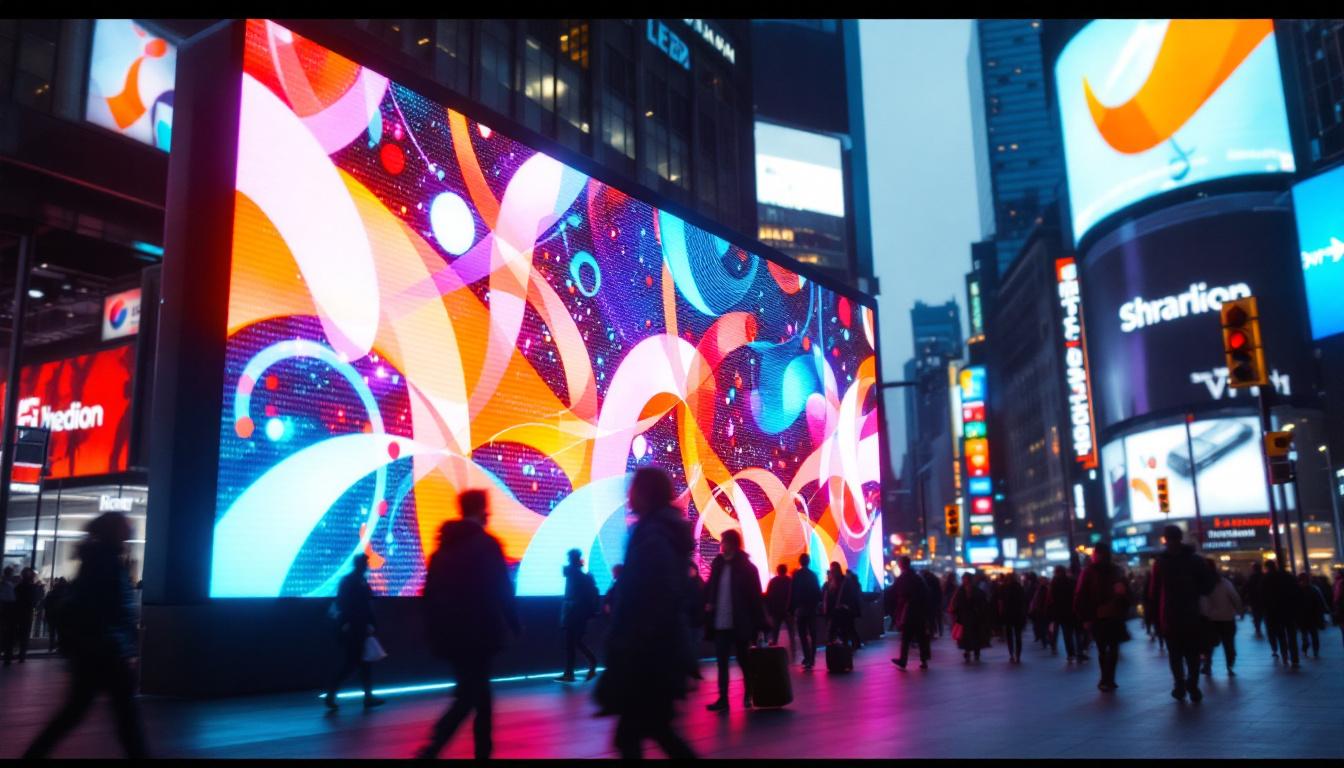
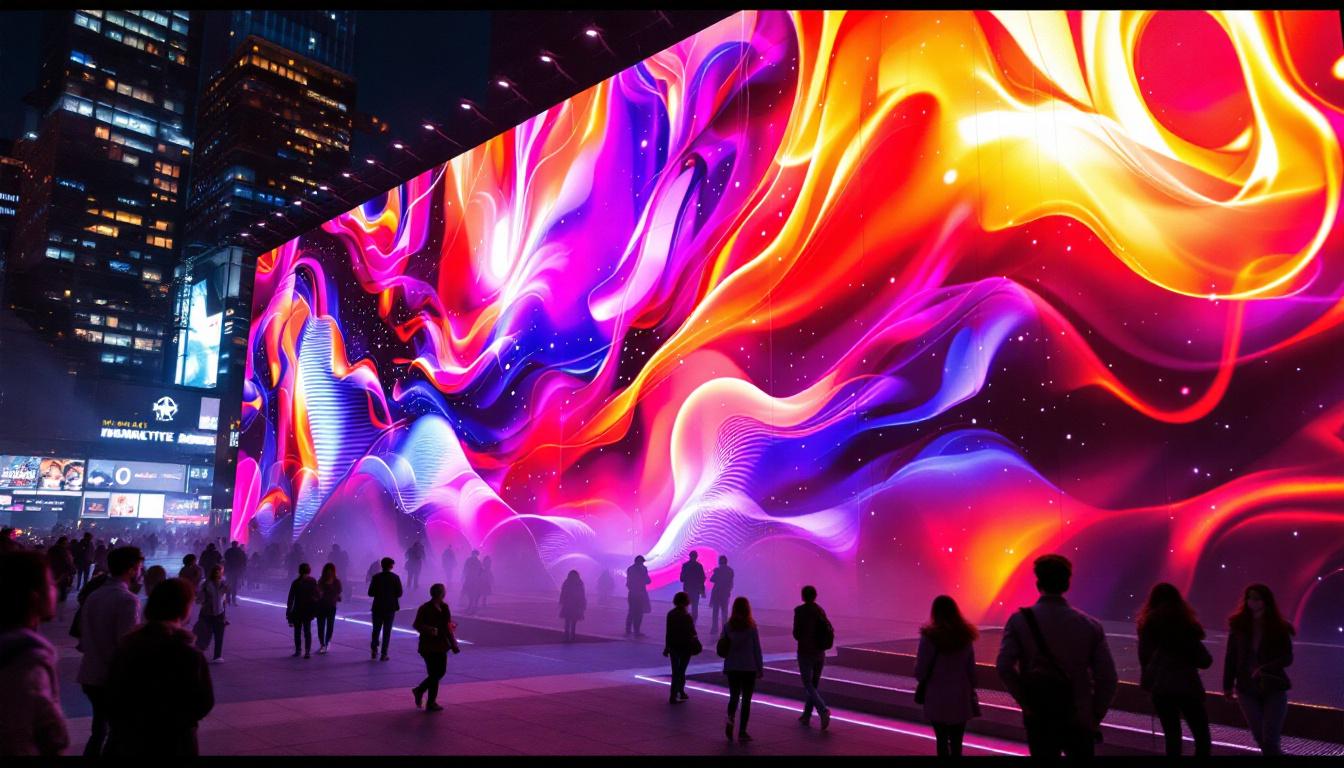
Pixel walls are large-format digital displays composed of numerous tiny light-emitting diodes (LEDs) arranged in a grid. Each LED acts as a single pixel, and collectively, these pixels create images, videos, and animations visible from a distance or up close. Unlike traditional LCD or projection screens, pixel walls offer superior brightness and contrast, making them ideal for both indoor and outdoor environments. Their versatility allows them to be used in a variety of settings, from concert stages and sports arenas to retail spaces and corporate events, enhancing the visual experience for audiences and customers alike.
The term “pixel wall” often refers to modular LED panels tiled together seamlessly to form one continuous display surface. This modularity allows for customization in size and shape, enabling designers and engineers to create displays that fit specific architectural or event requirements. Additionally, the flexibility of pixel walls means they can be configured in creative ways, such as curved or irregular shapes, which can transform the aesthetics of a space and captivate viewers through innovative design.
How LED Pixels Work
Each pixel on an LED wall consists of three sub-pixels: red, green, and blue LEDs. By varying the intensity of these sub-pixels, the display can produce a full spectrum of colors. This RGB color mixing is fundamental to rendering vibrant and accurate images. The ability to control each pixel individually allows for dynamic content that can adapt to different environments and themes, making pixel walls a popular choice for advertising and artistic installations.
Modern LED pixels use surface-mount technology (SMT) LEDs, which are small, energy-efficient, and capable of producing high brightness levels. Advances in LED manufacturing have also improved color accuracy and longevity, making pixel walls more reliable and visually impressive than ever before. Furthermore, many pixel walls are now equipped with smart technology that enables real-time content updates and remote management, allowing for a seamless integration of multimedia presentations that can be tailored to specific audiences or events. This level of interactivity not only enhances viewer engagement but also opens up new possibilities for creative expression in digital art and advertising.
Key Components of Pixel Walls
To fully appreciate how pixel walls function, it’s important to understand their main components. Each element plays a crucial role in delivering the seamless, high-quality visuals that characterize LED displays.
1. LED Modules
LED modules are the building blocks of pixel walls. Each module contains a matrix of LEDs arranged in a specific pitch (distance between pixels). The pixel pitch is a critical factor influencing image resolution and viewing distance. Smaller pitch values mean higher pixel density, resulting in sharper images suitable for close viewing.
Modules are designed to be lightweight and durable, often featuring weatherproofing for outdoor use. They connect mechanically and electrically to form larger display surfaces.
2. Control Systems
The control system manages the input signal and distributes it across the LED modules. It includes video processors, sending cards, and receiving cards that translate video data into signals the LED modules can display. Advanced control systems support high refresh rates (often above 3,000 Hz), ensuring flicker-free images, especially important for broadcast and live event applications.
3. Power Supplies
Reliable power supplies are essential to maintain consistent brightness and prevent flickering. Pixel walls typically use redundant power supplies to enhance reliability, especially in mission-critical environments like live concerts or public safety displays.
4. Mounting Structures
Depending on the installation environment, pixel walls require robust mounting systems. These can range from fixed frames for permanent installations to rigging systems for temporary event setups. Precision in mounting ensures module alignment, which is vital for a seamless image without visible gaps.
Advantages of Pixel Walls Over Traditional Displays
Pixel walls offer several distinct advantages that have driven their widespread adoption across industries. Understanding these benefits helps explain why they often outperform other display technologies.
Superior Brightness and Visibility
One of the most significant advantages of LED pixel walls is their exceptional brightness. With luminance levels often exceeding 1,000 nits for indoor displays and up to 5,000 nits or more for outdoor models, pixel walls remain clearly visible even under direct sunlight. This capability is crucial for outdoor advertising, sports arenas, and public information systems.
Scalability and Flexibility
Because pixel walls are modular, they can be scaled to virtually any size—from small digital signage to massive video walls spanning hundreds of square meters. This flexibility also extends to shape; curved, angled, or irregularly shaped walls are achievable, offering creative freedom for architects and designers.
Energy Efficiency and Longevity
LED technology is inherently energy-efficient compared to older display types like plasma or incandescent bulbs. Additionally, LED pixel walls have a long operational lifespan, often rated for 50,000 to 100,000 hours of use. This reduces maintenance costs and downtime, making them a cost-effective solution over time.
High Refresh Rates and Color Accuracy
Pixel walls support high refresh rates that prevent flickering on camera, an essential feature for live broadcasts and filming. Furthermore, advances in LED chip technology and calibration systems have improved color uniformity and accuracy, ensuring vivid and true-to-life images.
Applications of Pixel Walls in Various Industries
The versatility of pixel walls has led to their adoption in a wide range of sectors. Each application leverages specific strengths of LED technology to enhance communication and engagement.
Entertainment and Live Events
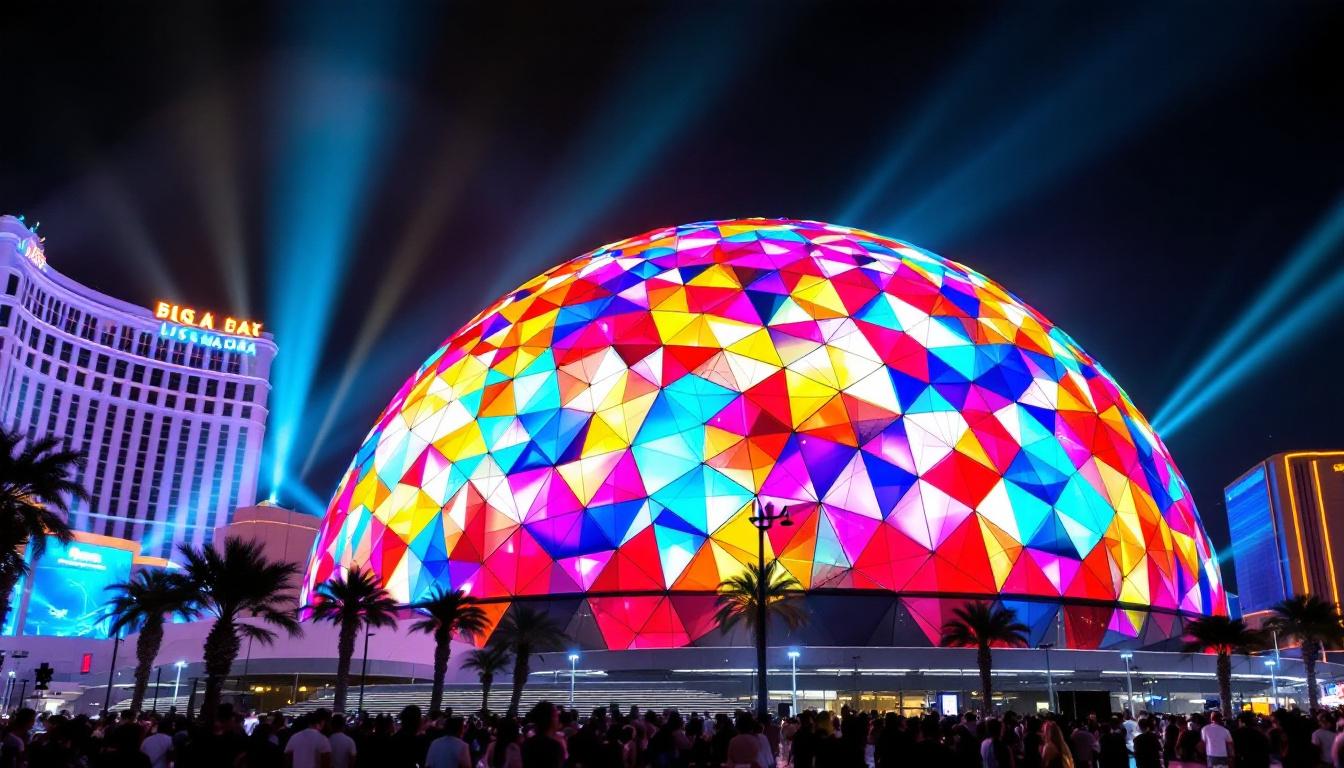
Concerts, festivals, and sports events frequently use pixel walls to create immersive visual experiences. These displays serve as dynamic backdrops, scoreboards, or information boards, captivating audiences with high-impact visuals. The ability to quickly assemble and disassemble modular panels makes pixel walls ideal for touring productions.
Retail and Advertising
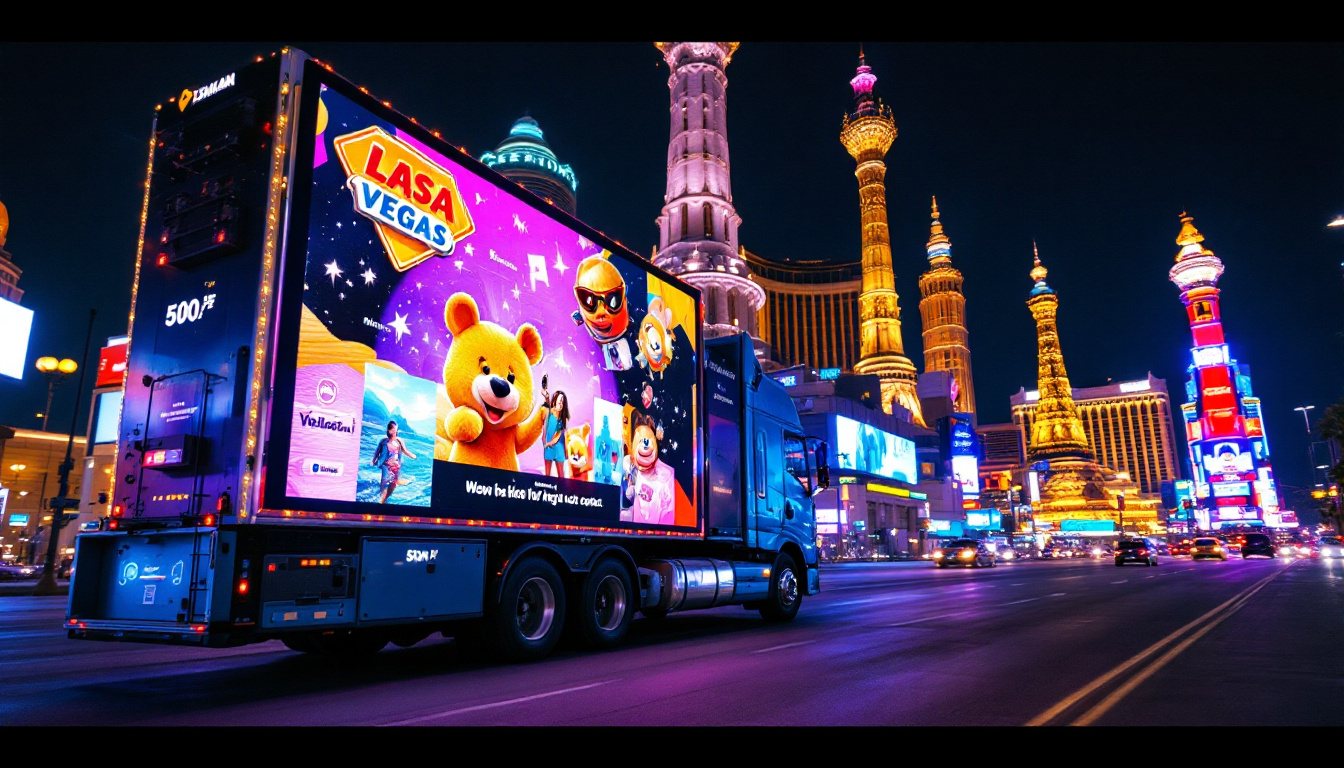
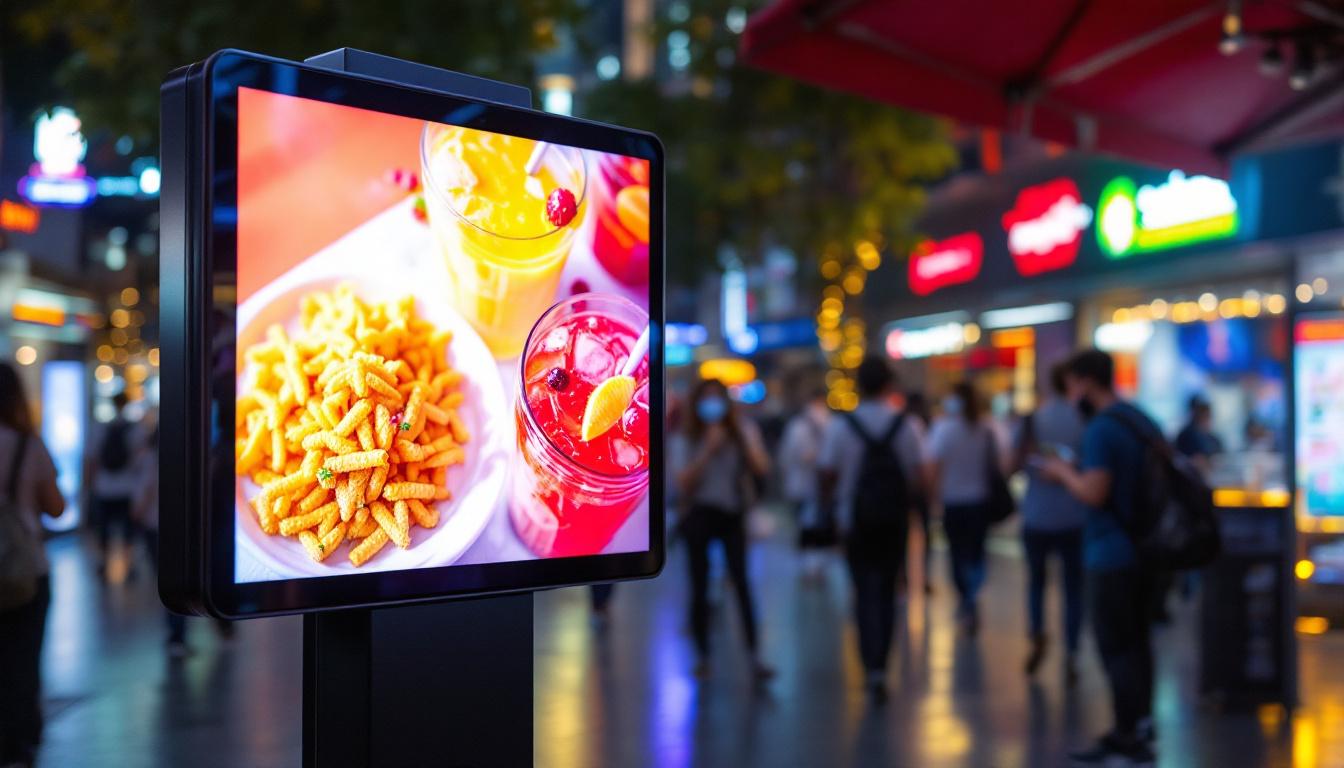
Retailers use pixel walls to attract customers with vibrant digital signage, interactive displays, and promotional content. Large LED walls in shopping malls or storefronts can display dynamic advertisements that adapt in real-time, increasing customer engagement and sales conversion.
Corporate and Control Rooms
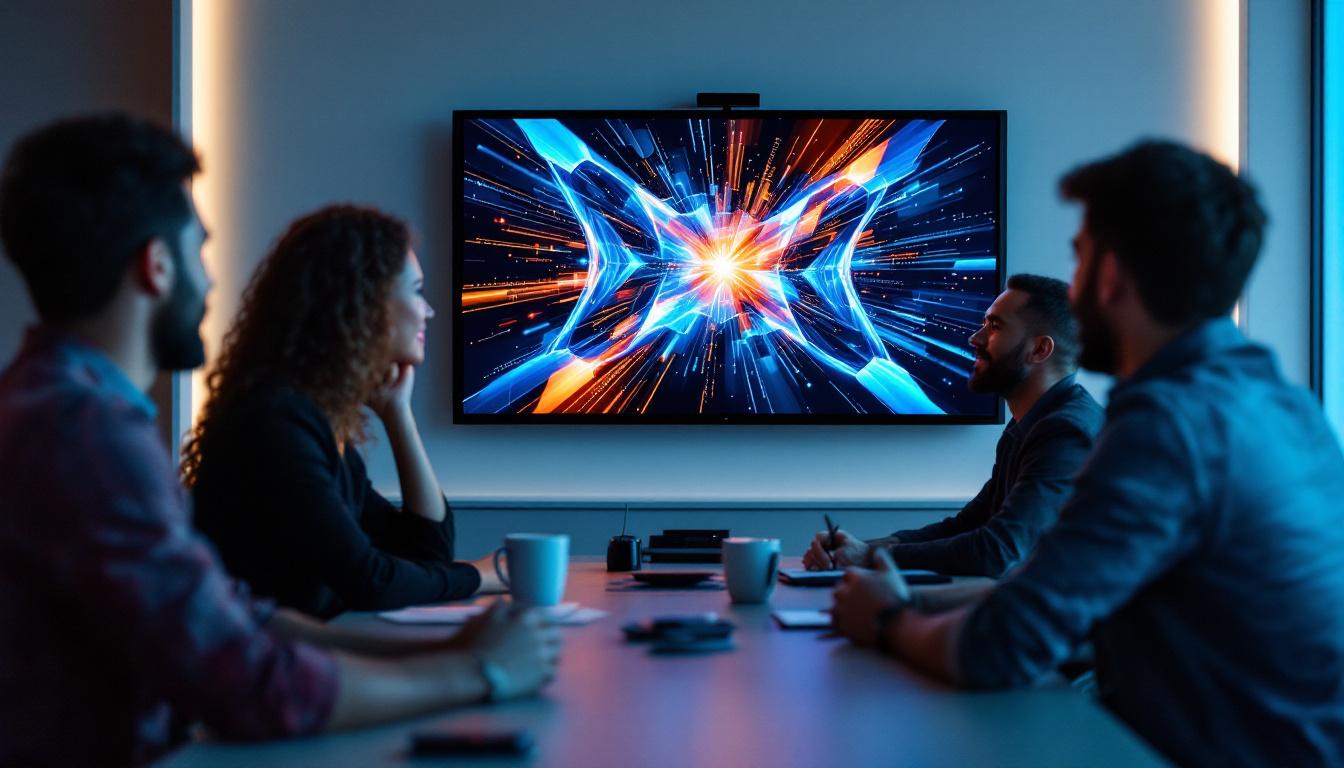
In corporate environments, pixel walls are used for presentations, video conferencing, and branding. Control rooms in sectors like transportation, utilities, and security rely on high-resolution LED walls to monitor multiple data streams simultaneously, aiding decision-making and operational efficiency.
Public Spaces and Transportation Hubs
Airports, train stations, and city squares utilize pixel walls for wayfinding, public announcements, and emergency alerts. Their high visibility and reliability ensure critical information reaches large crowds effectively.
Technical Considerations When Choosing a Pixel Wall
Selecting the right pixel wall involves evaluating several technical factors to ensure the display meets the specific needs of the installation environment and intended use.
Pixel Pitch and Resolution
Pixel pitch directly affects image clarity and viewing distance. For indoor environments where viewers are close, a pixel pitch of 1.2 mm to 2.5 mm is common. Outdoor displays, viewed from farther away, typically use larger pitches ranging from 4 mm to 10 mm. Matching pixel pitch to viewing distance optimizes image quality and cost-efficiency.
Brightness and Contrast Ratio
Brightness requirements vary by environment. Outdoor displays require higher brightness levels to combat sunlight, while indoor displays prioritize contrast and color accuracy. Contrast ratio, the difference between the darkest black and brightest white, influences image depth and realism.
Refresh Rate and Gray Scale
A high refresh rate (above 3,000 Hz) is essential for flicker-free images, especially when the display is filmed or broadcast. Gray scale depth affects the smoothness of gradients and color transitions, impacting overall image quality.
Durability and Weather Resistance
Outdoor pixel walls must withstand environmental factors such as rain, dust, temperature fluctuations, and UV exposure. Look for IP ratings (Ingress Protection) indicating resistance to water and dust, with IP65 or higher recommended for most outdoor installations.
Installation and Maintenance
Consider the ease of installation and ongoing maintenance. Front-serviceable modules simplify repairs without dismantling the entire wall. Additionally, modular designs allow for quick replacement of faulty panels, minimizing downtime.
Emerging Trends and the Future of Pixel Walls
The pixel wall market continues to evolve rapidly, driven by technological innovation and expanding applications. Several trends are shaping the future of LED display technology.
MicroLED and MiniLED Technologies
MicroLED and MiniLED represent the next generation of LED technology, offering even smaller pixel pitches and higher brightness with improved energy efficiency. MicroLED displays promise near-OLED levels of contrast and color accuracy without the burn-in risks, positioning them as a potential game-changer for pixel walls.
Flexible and Transparent LED Displays
Advances in flexible LED panels enable curved or bendable pixel walls that conform to unique architectural features. Transparent LED displays allow for see-through digital signage on glass surfaces, blending digital content with physical environments seamlessly.
Integration with Smart Technologies
Pixel walls are increasingly integrated with AI, IoT, and interactive technologies. Smart pixel walls can adapt content dynamically based on audience demographics, environmental conditions, or real-time data inputs, enhancing engagement and effectiveness.
Environmental Sustainability
Manufacturers are focusing on reducing the environmental footprint of pixel walls through energy-efficient designs, recyclable materials, and longer-lasting components. Sustainable practices will become a critical consideration for buyers and regulators alike.
Conclusion
Pixel walls have revolutionized the way brands, organizations, and venues communicate visually. Their unmatched brightness, scalability, and versatility make them indispensable tools for delivering impactful digital experiences. As LED technology advances, pixel walls will continue to expand their presence across industries, offering richer visuals and smarter functionality.
For anyone considering a large-format digital display, understanding the fundamentals of pixel walls—from their technical components to their practical applications—is essential. With the right knowledge, it’s possible to select and deploy LED display solutions that not only meet today’s needs but also adapt to future innovations and challenges.
Illuminate Your Space with LumenMatrix
Ready to transform your environment with unparalleled LED display technology? LumenMatrix is at the forefront of creating immersive visual experiences that captivate and engage. Whether you’re looking to enhance your brand’s visibility with an Indoor LED Wall Display, make a bold statement with an Outdoor LED Wall Display, or innovate with Custom LED Displays and more, LumenMatrix has the solution. Embrace the future of visual communication and Check out LumenMatrix LED Display Solutions to bring your vision to life.