In the world of digital displays, LED technology has revolutionized how we experience visuals, from massive outdoor billboards to compact smartphone screens. However, understanding how to adjust the size of an LED screen—whether physically or virtually—can be a bit perplexing. This article delves into the intricacies of LED displays, exploring how screen sizes can be modified, the technology behind them, and practical applications across various industries.
Understanding LED Display Technology
Before diving into how to make an LED screen smaller, it’s essential to grasp the fundamentals of LED display technology. LED stands for Light Emitting Diode, a semiconductor device that emits light when an electric current passes through it. LED displays are composed of numerous tiny LEDs arranged in a matrix to form images and videos.
LED displays come in various forms, including:
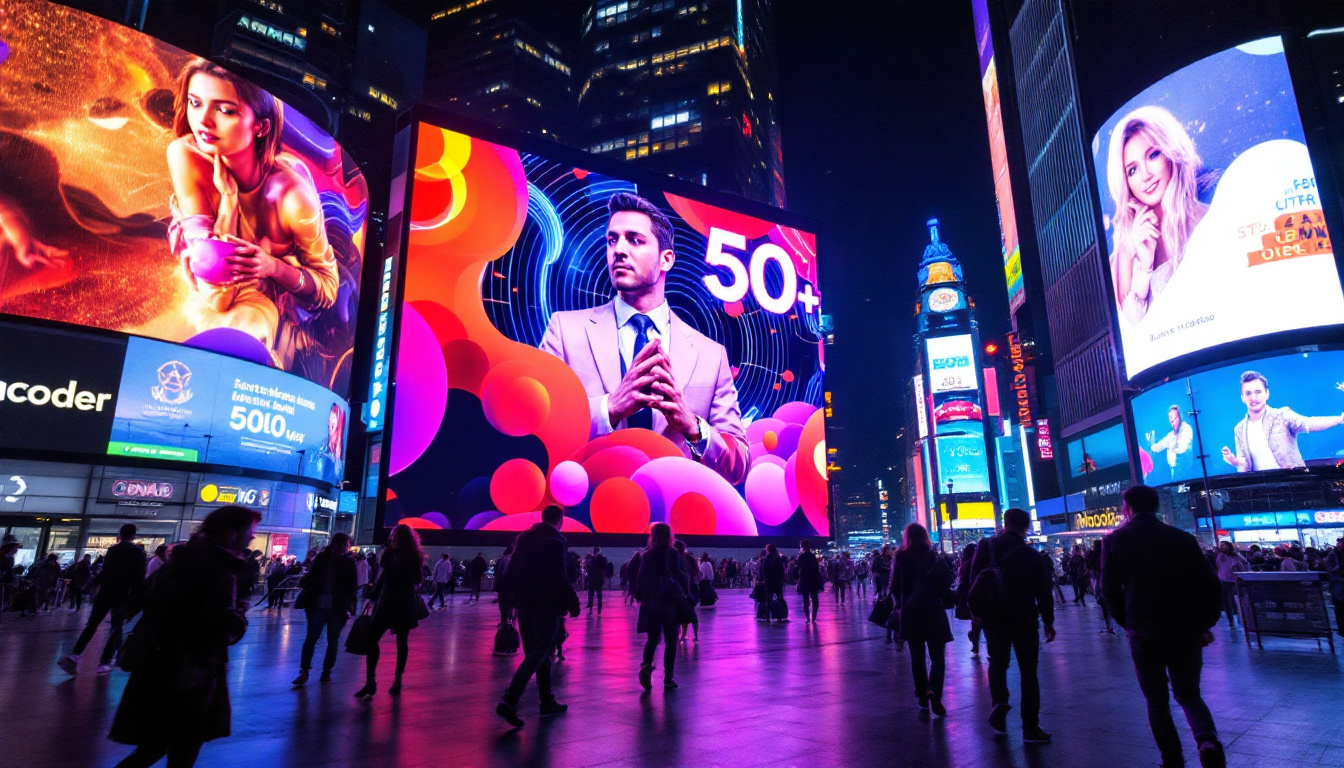
- Direct-view LED displays: These are made up of individual LEDs that emit light directly to the viewer, commonly used in large outdoor screens and stadium displays.
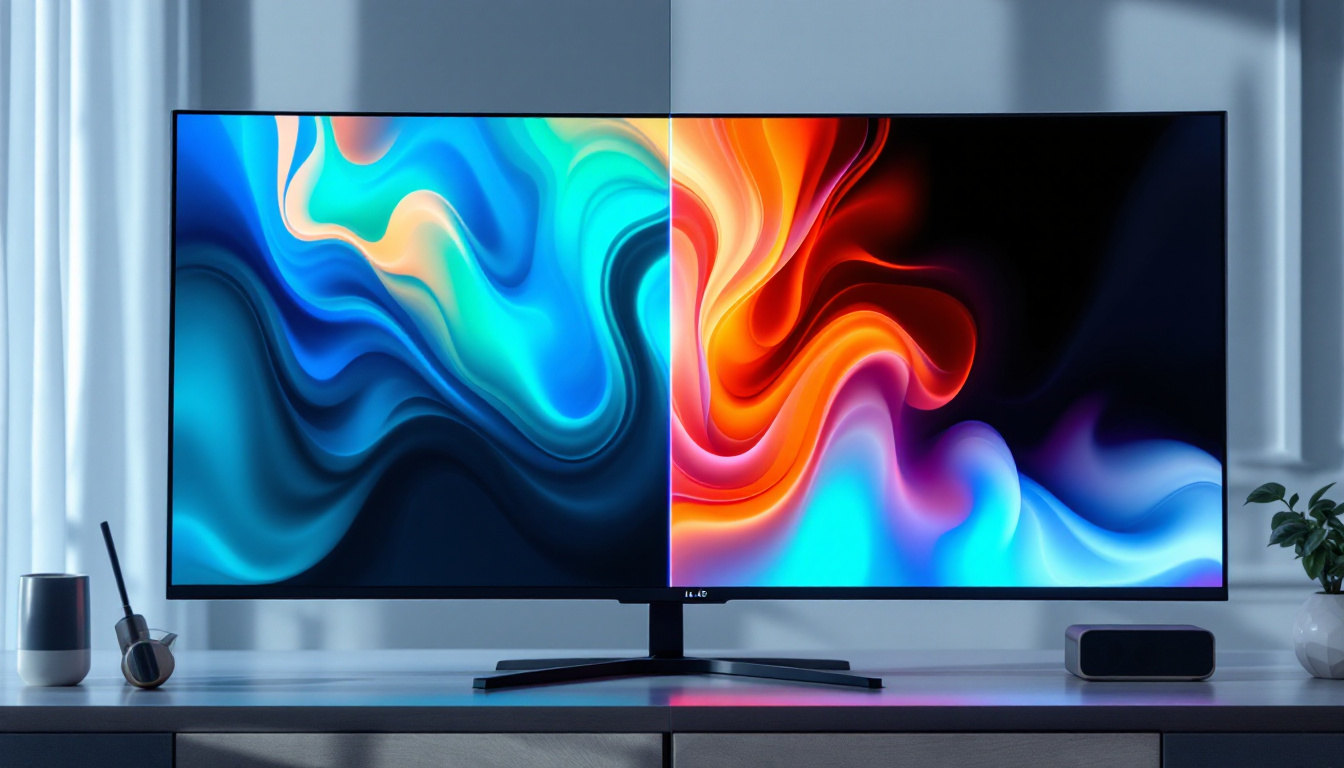
- LED-backlit LCD displays: These use LEDs as a backlight source behind an LCD panel, typical in TVs, laptops, and smartphones.
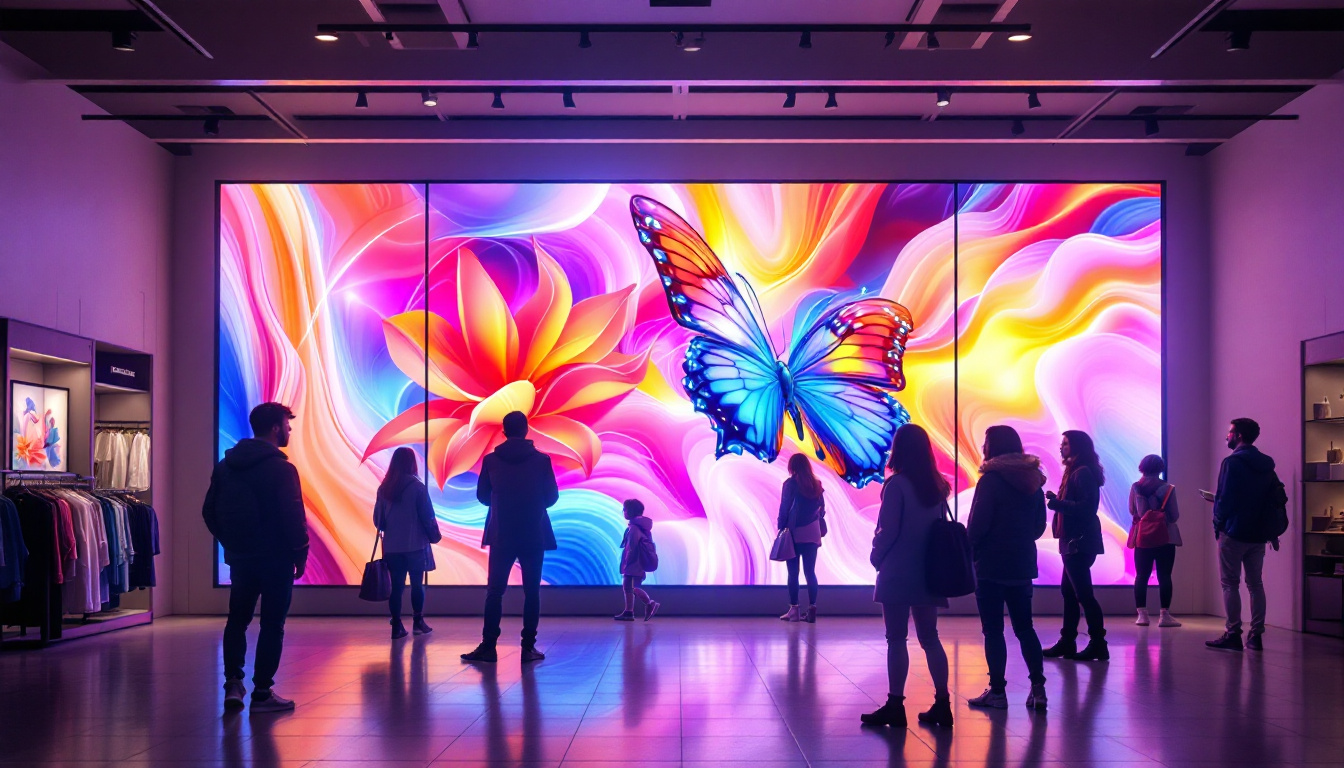
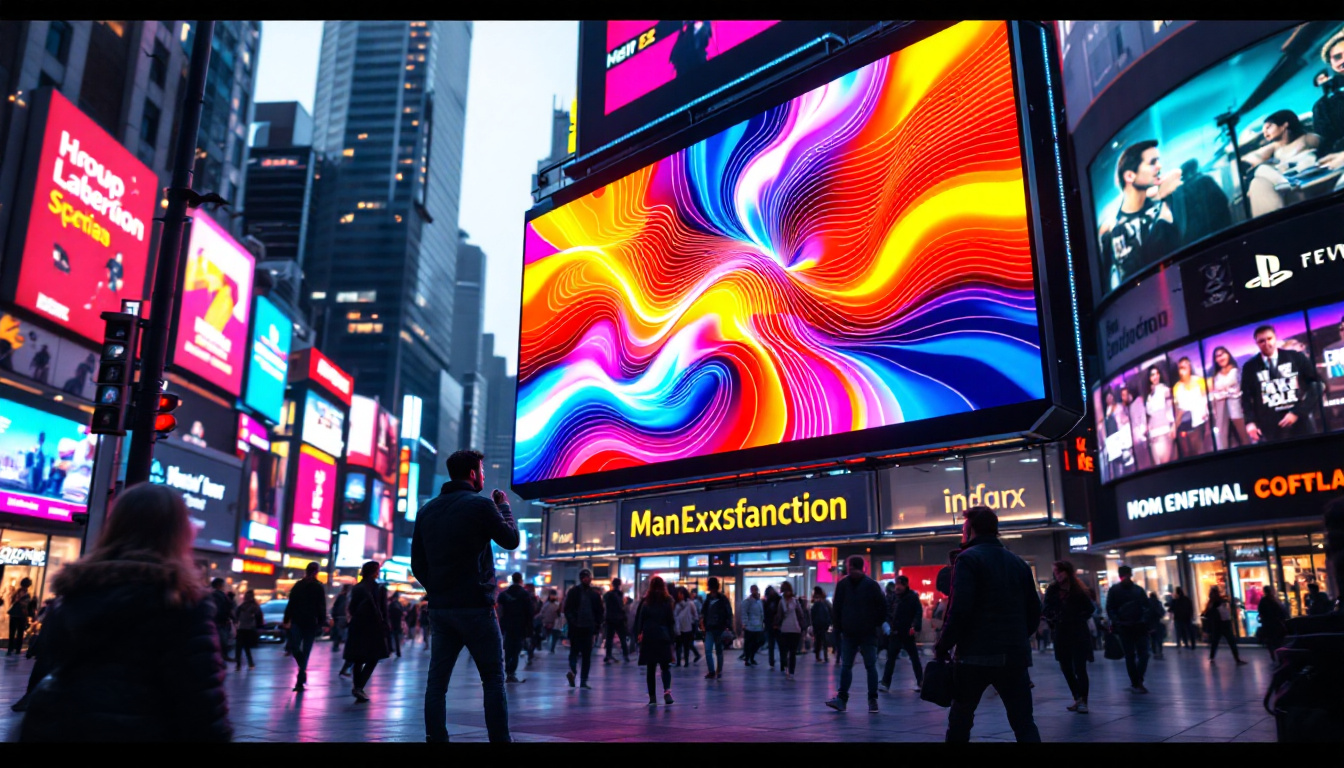
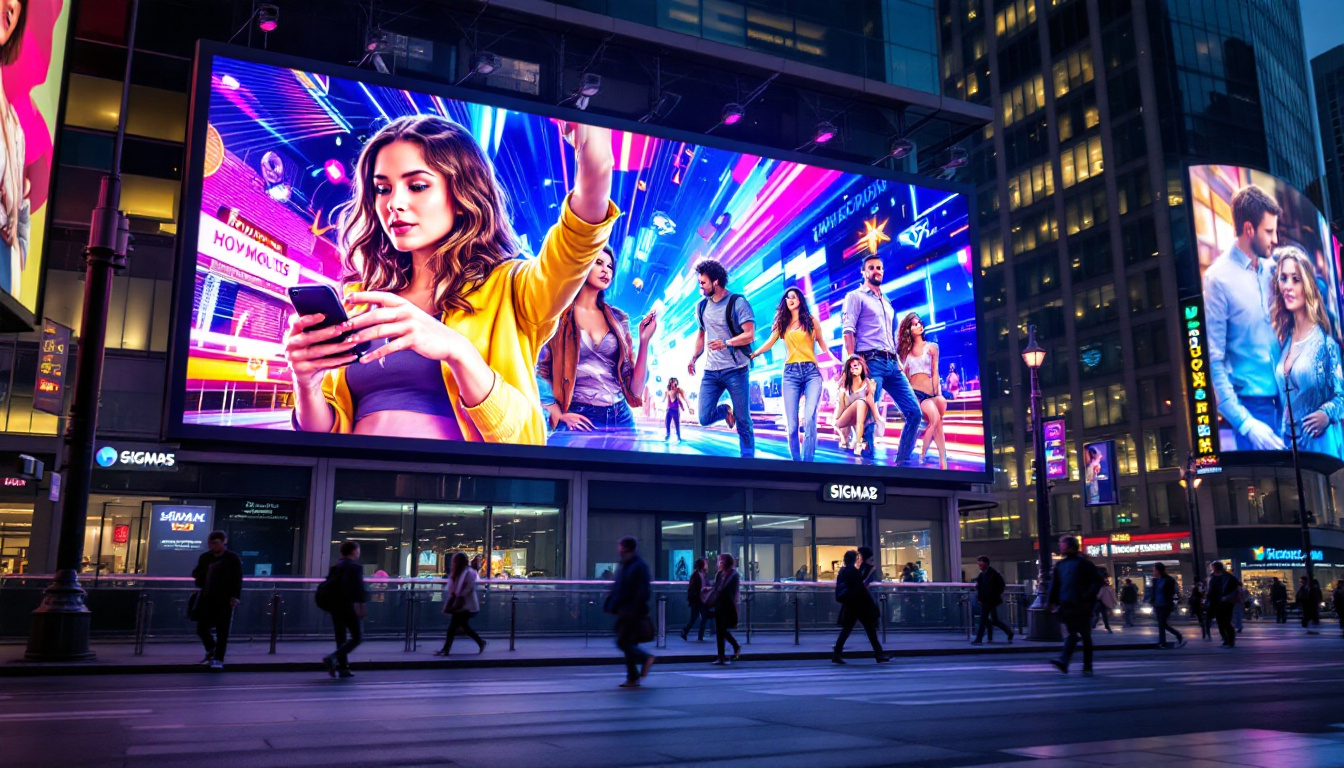
The size of an LED display is often determined by the number and arrangement of these LEDs, as well as the physical dimensions of the panel. The versatility of LED technology allows it to be adapted for various applications, from small digital signage in retail environments to massive billboards that capture the attention of pedestrians and drivers alike.
Moreover, advancements in LED technology have led to the development of flexible and transparent displays, which can be integrated into different surfaces and environments, further expanding the potential uses of LED displays in modern design and architecture.
Pixel Pitch and Its Role in Screen Size
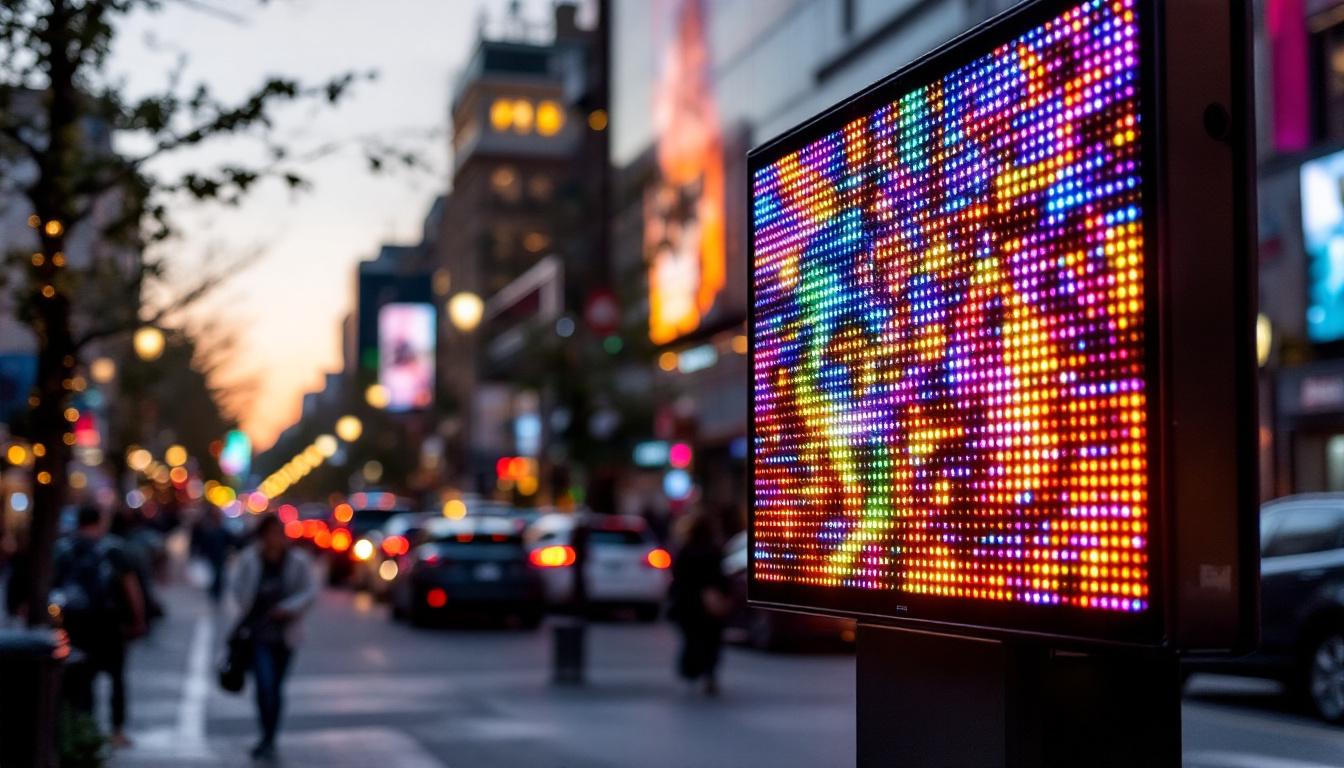
One of the most critical factors influencing the perceived size and resolution of an LED screen is the pixel pitch. Pixel pitch refers to the distance between the centers of two adjacent pixels (LED clusters) and is usually measured in millimeters.
A smaller pixel pitch means that the LEDs are packed more densely, resulting in higher resolution and clearer images, especially at close viewing distances. Conversely, a larger pixel pitch is typical for large displays viewed from afar, where ultra-high resolution is less critical. This relationship between pixel pitch and viewing distance is crucial for applications such as advertising, where clarity and detail can significantly impact audience engagement.
Adjusting pixel pitch is a fundamental way manufacturers create LED screens of various sizes and resolutions, impacting not only physical size but also image quality. Additionally, the choice of pixel pitch can influence the overall cost of the display, as higher resolution screens with smaller pixel pitches tend to be more expensive due to the increased number of LEDs required and the complexity of manufacturing processes. This balance between cost, resolution, and intended use is a key consideration for businesses and designers when selecting LED display solutions.
How to Make an LED Screen Smaller: Physical vs. Virtual Approaches
When discussing making an LED screen smaller, it’s important to distinguish between physical size reduction and virtual screen size adjustment. Both approaches serve different purposes and involve different techniques.
Physical Reduction of LED Screen Size
Physically reducing the size of an LED display involves changing the hardware itself. This can be achieved by:
- Using smaller LED modules: LED screens are typically made up of modular panels. By selecting smaller modules or panels, manufacturers can create more compact displays.
- Reducing pixel pitch: As mentioned earlier, a smaller pixel pitch allows for a denser arrangement of LEDs, enabling a smaller screen to maintain high resolution.
- Custom fabrication: For specialized applications, LED screens can be custom-built to specific dimensions, balancing size, resolution, and brightness.
However, physical size reduction has limitations, including increased manufacturing costs and technical challenges related to heat dissipation and power consumption. Additionally, the process of physically resizing an LED screen may require recalibrating the display to ensure color accuracy and uniform brightness across the new dimensions, which can further complicate the manufacturing process.
Virtual Screen Size Adjustment
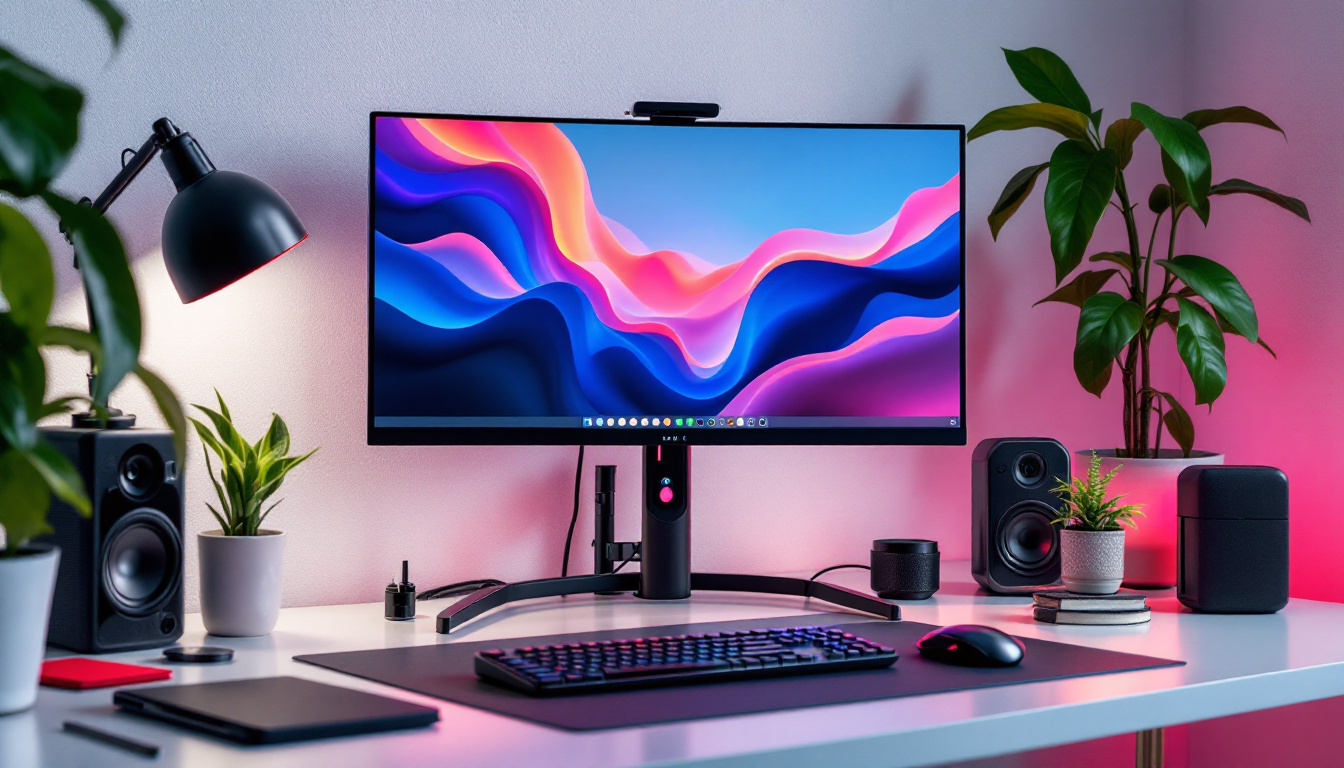
In many cases, users want to make the screen appear smaller without physically altering the hardware. This is common in software environments, such as computer monitors or digital signage systems. Virtual screen size adjustment can be done by:
- Changing display resolution: Lowering the resolution setting on a device effectively reduces the amount of visual information displayed, making elements appear larger or smaller.
- Scaling settings: Operating systems and display controllers often offer scaling options that adjust the size of UI elements without changing resolution.
- Using cropping or window resizing: Applications can be designed to run in smaller windows or cropped areas, creating the effect of a smaller screen.
These methods are particularly useful for optimizing content display on LED screens without the need for hardware modifications. Moreover, virtual adjustments can enhance user experience by allowing for personalized layouts that cater to specific tasks, such as gaming or graphic design, where screen real estate can be crucial. Additionally, many modern operating systems support multiple virtual desktops, enabling users to create distinct workspaces that can be easily switched between, further enhancing productivity while maintaining a manageable screen size.
Applications of Smaller LED Screens
The ability to create or simulate smaller LED screens has significant implications across various fields. Understanding these applications helps clarify why screen size adjustment matters.
Consumer Electronics
Smartphones, tablets, and laptops rely heavily on LED-backlit LCD or OLED displays with small physical sizes but high resolutions. Manufacturers continually push the boundaries of pixel density to deliver crisp visuals in compact form factors.
For instance, the latest smartphones feature pixel densities exceeding 400 pixels per inch (PPI), enabling vibrant displays in hand-held devices. This miniaturization is a direct result of advancements in LED technology and manufacturing precision. Furthermore, as augmented reality (AR) and virtual reality (VR) technologies evolve, the demand for smaller, high-resolution displays is expected to surge, allowing for more immersive experiences without compromising portability.
Digital Signage and Advertising
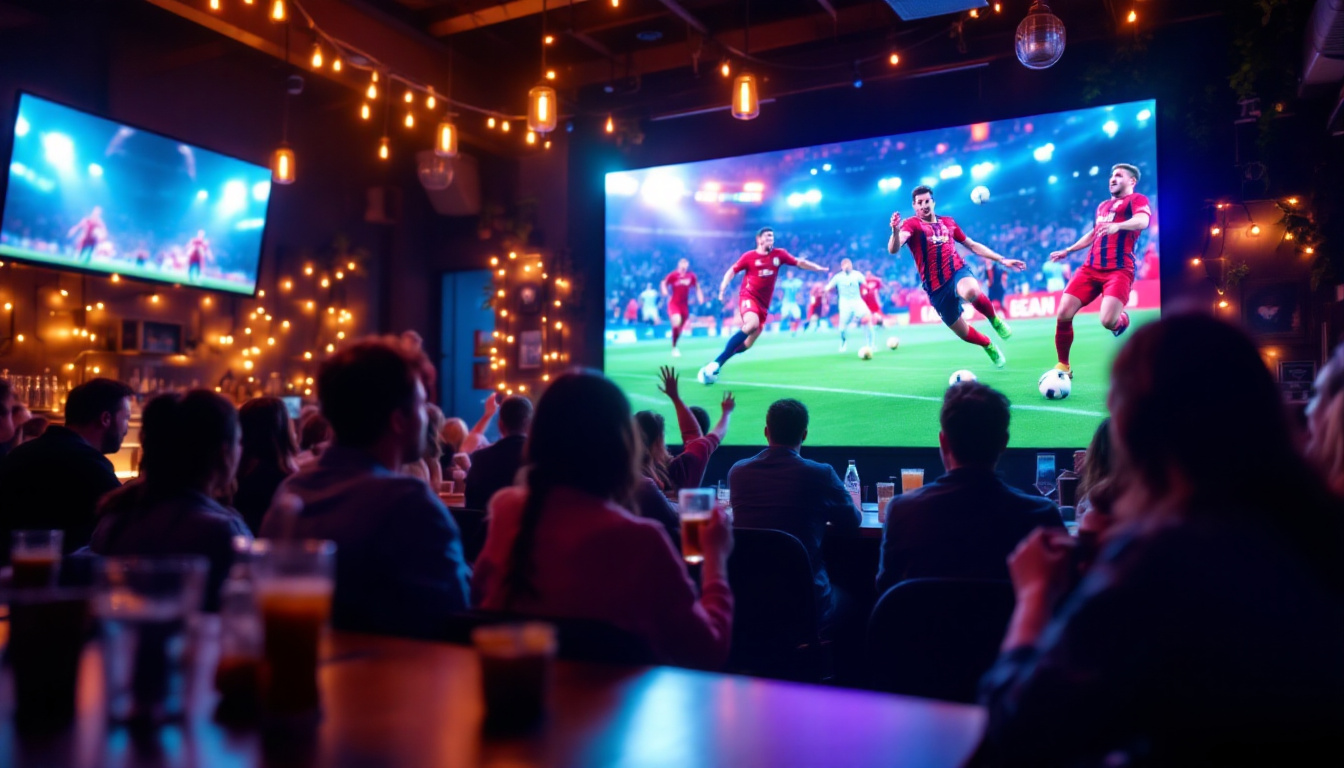
In the advertising industry, LED screens vary widely in size, from massive billboards to small in-store displays. Smaller LED screens are advantageous for targeted messaging, interactive kiosks, and environments where space is limited.
Retailers often use smaller LED displays to attract attention without overwhelming the space, balancing visibility with aesthetics. The ability to adjust screen size virtually also allows for flexible content management across networks of displays. Additionally, the integration of smaller LED screens into smart mirrors and interactive displays in retail environments enhances customer engagement, providing personalized experiences that can lead to increased sales and customer loyalty.
Medical and Industrial Uses
Smaller LED screens are critical in medical devices, such as portable ultrasound machines or patient monitoring systems, where compactness and clarity are paramount. Similarly, industrial equipment often incorporates small LED displays for control panels and status indicators.
In these contexts, screen size directly affects usability and ergonomics, making precise control over display dimensions essential. Moreover, the development of wearable health technology, such as fitness trackers and smartwatches, relies on smaller LED screens to deliver real-time data to users while maintaining a lightweight and unobtrusive design. This trend not only enhances user experience but also promotes a proactive approach to health management, as individuals can easily monitor their vital signs and activity levels on the go.
Technical Considerations When Making LED Screens Smaller
Reducing the size of an LED screen—whether physically or virtually—requires careful consideration of several technical factors to maintain performance and user experience.
Resolution and Image Quality
Smaller screens with insufficient resolution can lead to pixelation and poor image quality. Ensuring that pixel density is adequate for the intended viewing distance is crucial. For example, a 10-inch LED display used at arm’s length typically requires a higher pixel density than a 50-inch screen viewed from several meters away.
Brightness and Power Consumption
LED brightness is measured in nits, and smaller screens often need to maintain high brightness levels for visibility under various lighting conditions. However, higher brightness can increase power consumption and heat generation, which must be managed effectively.
Advanced LED displays incorporate efficient drivers and heat dissipation technologies to balance these factors, especially in compact designs.
Viewing Angles and Color Accuracy
Smaller LED screens should maintain wide viewing angles and accurate color reproduction to ensure consistent image quality. Technologies such as quantum dot enhancement and advanced calibration techniques help achieve these goals.
Future Trends in LED Screen Miniaturization
The trend toward smaller, higher-resolution LED displays continues to accelerate, driven by consumer demand and technological innovation.
MicroLED Technology
MicroLED is an emerging display technology that uses microscopic LEDs to create individual pixels. This approach promises even greater pixel densities, improved brightness, and better energy efficiency compared to traditional LED and OLED displays.
MicroLED displays can be manufactured in very small sizes without sacrificing image quality, making them ideal for next-generation wearable devices, augmented reality glasses, and compact mobile devices.
Flexible and Transparent LED Displays
Advancements in flexible LED technology allow screens to be bent or curved, enabling new form factors and applications. Transparent LED displays can overlay digital content onto real-world environments, opening possibilities in retail, automotive, and architectural design.
These innovations will further influence how screen sizes are conceptualized and utilized, emphasizing adaptability and integration over fixed dimensions.
Conclusion
Making an LED screen smaller involves a combination of hardware design, pixel density management, and software adjustments. Whether physically reducing the dimensions of the display or virtually modifying the screen size through resolution and scaling, understanding the underlying LED technology is key.
As LED technology continues to evolve, the ability to create compact, high-performance screens will expand, enabling new applications and enhancing user experiences across industries. From consumer electronics to industrial controls, the future of LED displays promises greater flexibility and innovation in screen sizing.
For anyone involved in display technology, marketing, or device design, mastering the principles of LED screen sizing is essential to harnessing the full potential of this versatile medium.
Discover the Future of LED Displays with LumenMatrix
Ready to experience the next level of visual engagement? LumenMatrix is at the forefront of LED display innovation, offering a wide range of solutions tailored to your needs. From captivating Indoor LED Walls to dynamic Outdoor LED Displays, and from versatile Vehicle LED Displays to sleek LED Poster Displays, our technology is designed to make your brand stand out. Embrace the future with our LED Sports Displays, interactive Floor LED Displays, and customizable options that bring your vision to life. Don’t just share your message—make an unforgettable impact with LumenMatrix’s cutting-edge LED display solutions. Check out LumenMatrix LED Display Solutions today and transform your visual communication.