In today’s digital age, visual communication plays a crucial role in capturing attention and conveying messages effectively. Among the many technologies available, LED displays have emerged as a dominant medium for dynamic and vibrant visual presentations. From advertising billboards to stadium screens and public information boards, LED displays are everywhere. This article delves into the world of picture board displays, explaining what LED displays are, how they work, their types, applications, and the future trends shaping this exciting technology.
Understanding LED Displays: The Basics
What is an LED Display?
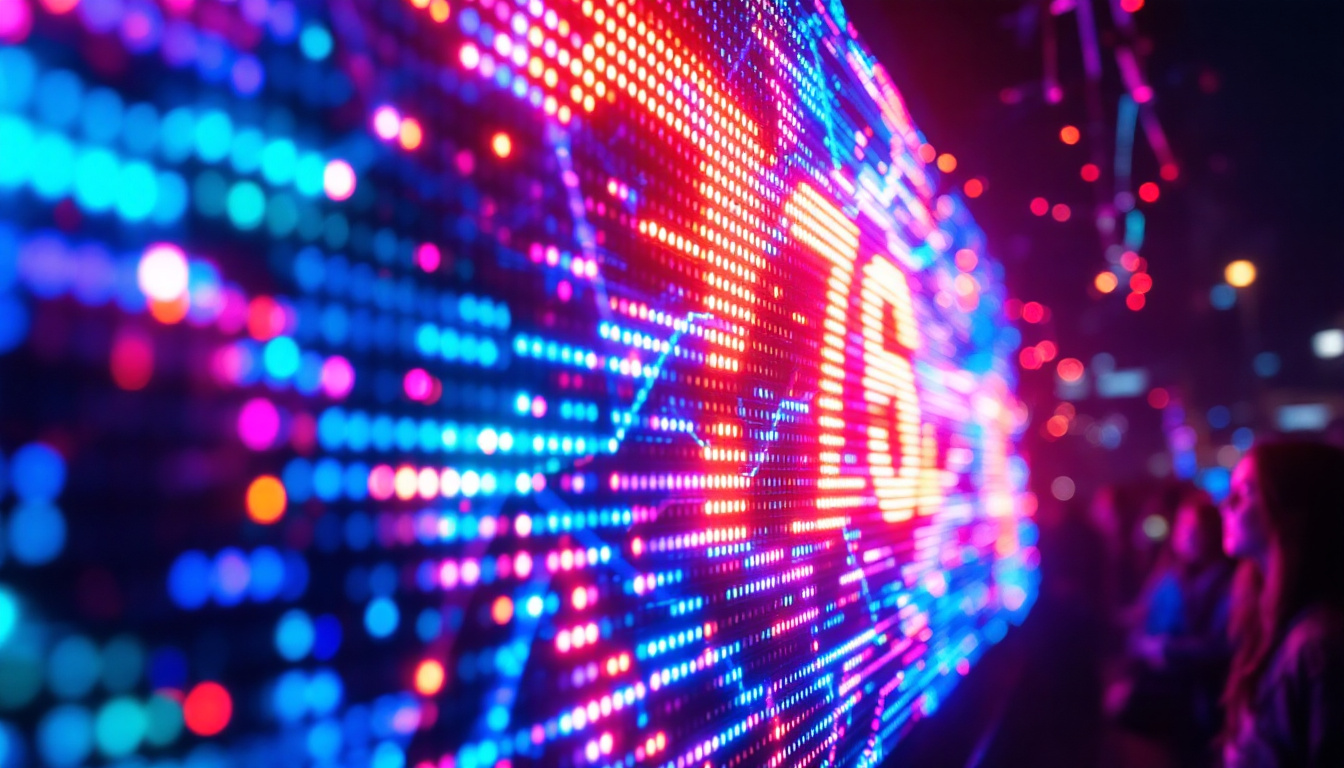
LED stands for Light Emitting Diode, a semiconductor device that emits light when an electric current passes through it. An LED display is a flat panel that uses an array of these tiny light-emitting diodes to create images, videos, or text. Unlike traditional LCD or plasma screens, LED displays are known for their brightness, energy efficiency, and superior visibility in various lighting conditions.
Picture board displays constructed with LEDs consist of thousands or even millions of these diodes arranged in a grid. Each diode acts as a pixel or part of a pixel, illuminating in different colors and intensities to form the desired image. This modular structure allows LED displays to be scalable, customizable, and suitable for both indoor and outdoor use. For instance, outdoor LED billboards are designed to withstand harsh weather conditions, featuring protective casings and enhanced brightness to ensure visibility even in direct sunlight. This adaptability makes LED displays a popular choice for advertising, concerts, and public events, where capturing attention is paramount.
How Do LED Displays Work?
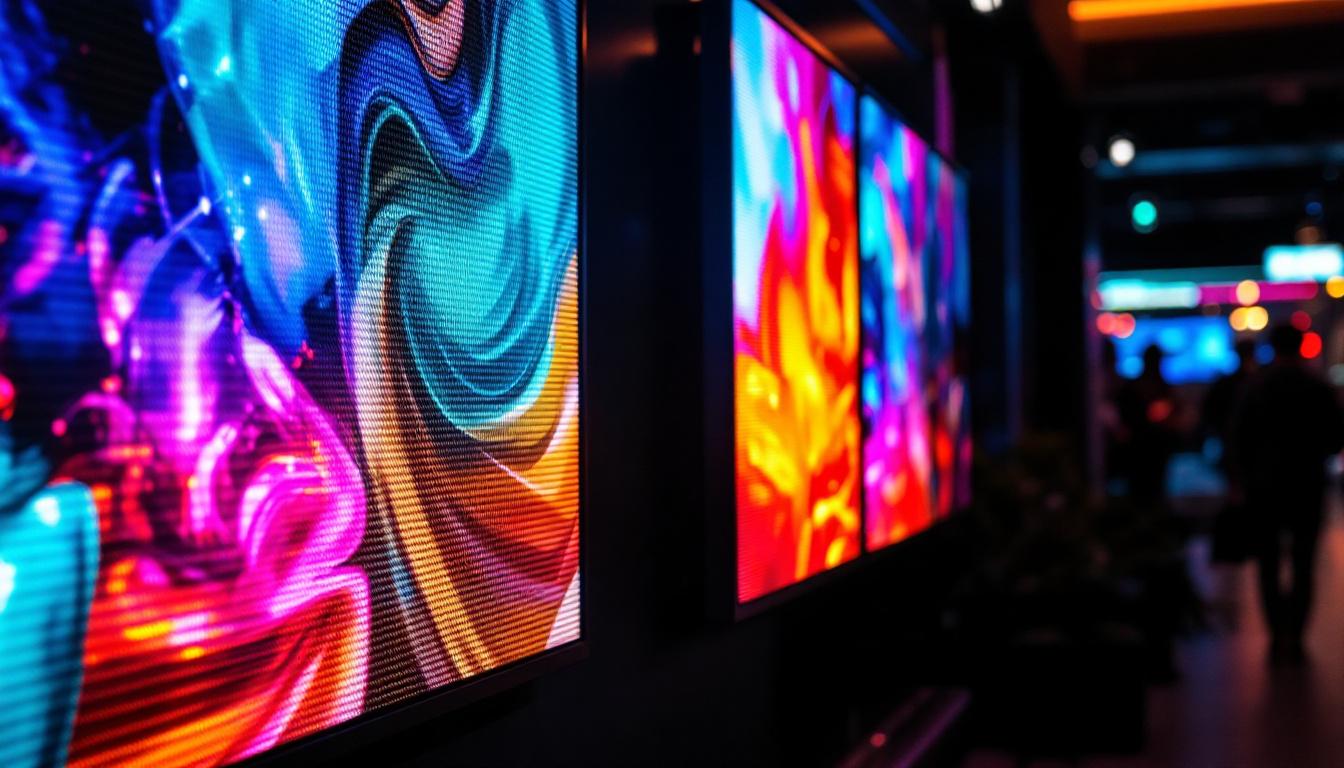
At the core of an LED display is the pixel, which typically comprises red, green, and blue (RGB) LEDs. By adjusting the brightness of each colored LED, the display can produce a wide spectrum of colors through additive color mixing. The control system sends signals to each pixel, dictating which LEDs to light up and at what intensity to render the image accurately. This precision allows for dynamic content, such as animations and video playback, which can be seamlessly integrated into presentations or advertisements.
The refresh rate and resolution of an LED display determine the smoothness and clarity of the images displayed. Modern LED displays can refresh images hundreds to thousands of times per second, ensuring flicker-free visuals that are easy on the eyes. Resolution depends on the pixel pitch — the distance between the centers of two adjacent pixels — with smaller pitches yielding higher resolution and finer image detail. Additionally, advancements in technology have led to the development of ultra-high-definition (UHD) LED displays, which offer stunning clarity and detail, making them ideal for applications ranging from digital signage to immersive gaming experiences. As a result, the versatility of LED displays continues to expand, catering to an ever-growing array of industries and creative uses, from art installations to sports arenas.
Types of LED Picture Board Displays
Indoor vs. Outdoor LED Displays
One of the primary distinctions in LED displays is based on their intended environment. Indoor LED displays are designed for controlled lighting conditions, such as conference rooms, retail stores, or concert halls. These displays typically have a smaller pixel pitch (ranging from 1mm to 4mm), offering high resolution and sharp images at close viewing distances.
Outdoor LED displays, on the other hand, are built to withstand harsh weather conditions, including rain, dust, and extreme temperatures. They feature higher brightness levels — often exceeding 5,000 nits — to remain visible under direct sunlight. Pixel pitches for outdoor displays are generally larger (from 4mm to 20mm or more), as viewing distances tend to be greater.
Flexible and Transparent LED Displays
Innovations in LED technology have led to the development of flexible and transparent LED displays, expanding the possibilities for creative installations. Flexible LED displays use bendable substrates that allow the screen to curve or wrap around surfaces, making them ideal for architectural applications or wearable technology.
Transparent LED displays incorporate LEDs within glass panels, enabling viewers to see through the screen while still displaying vibrant images. These are commonly used in retail windows, museums, and automotive windshields, providing an interactive and futuristic experience without obstructing the view.
Full-Color vs. Monochrome LED Displays
While full-color LED displays are the most common, some applications still use monochrome LED displays, which show images in a single color, usually red or amber. Monochrome displays are often used for simple text-based information boards, such as train station schedules or stock tickers, where color is less critical than clarity and visibility.
Full-color displays, utilizing RGB LEDs, are essential for advertising, entertainment, and any application requiring rich, dynamic visuals. They support video playback, animations, and detailed graphics, making them versatile tools for engagement.
Applications of LED Picture Board Displays
Advertising and Marketing
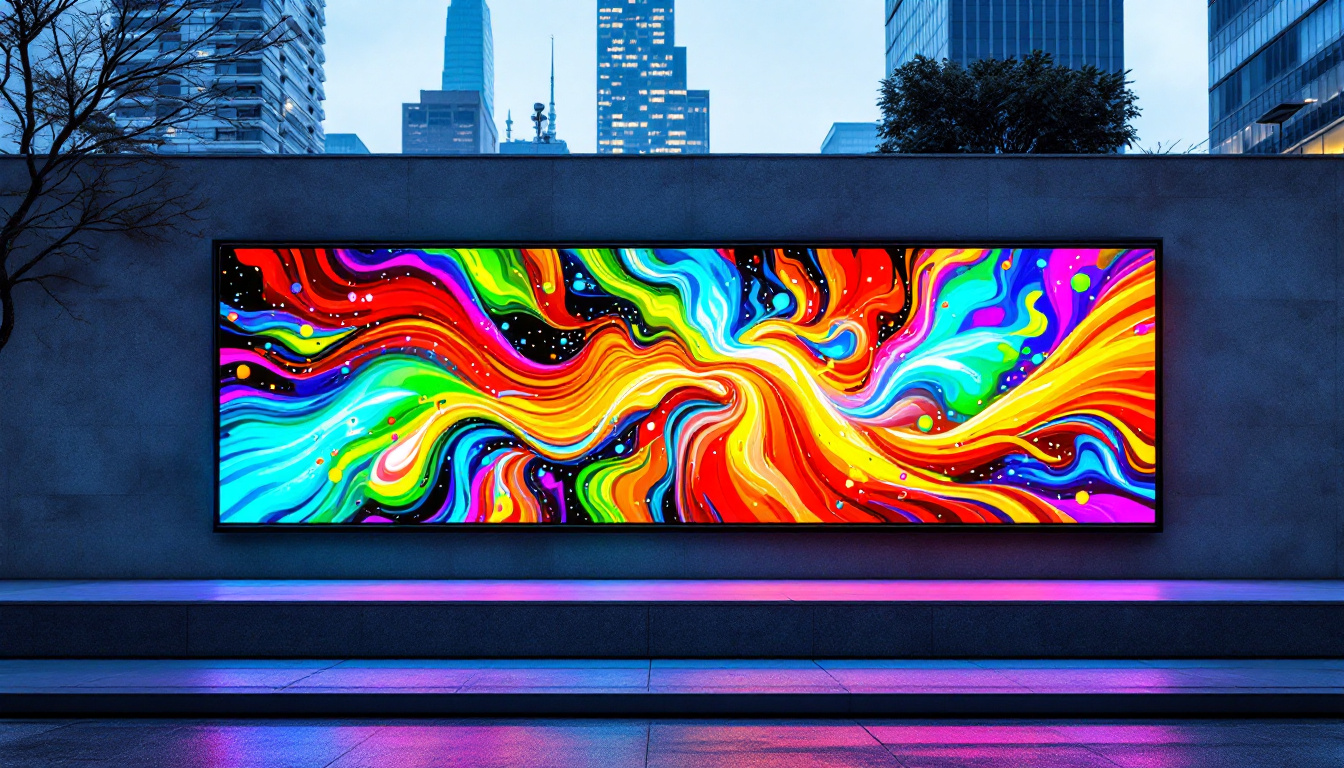
LED displays have revolutionized outdoor and indoor advertising by offering dynamic, eye-catching content that static billboards cannot match. According to recent market research, the global digital signage market, heavily driven by LED technology, is expected to grow at a compound annual growth rate (CAGR) of over 8% through 2027.
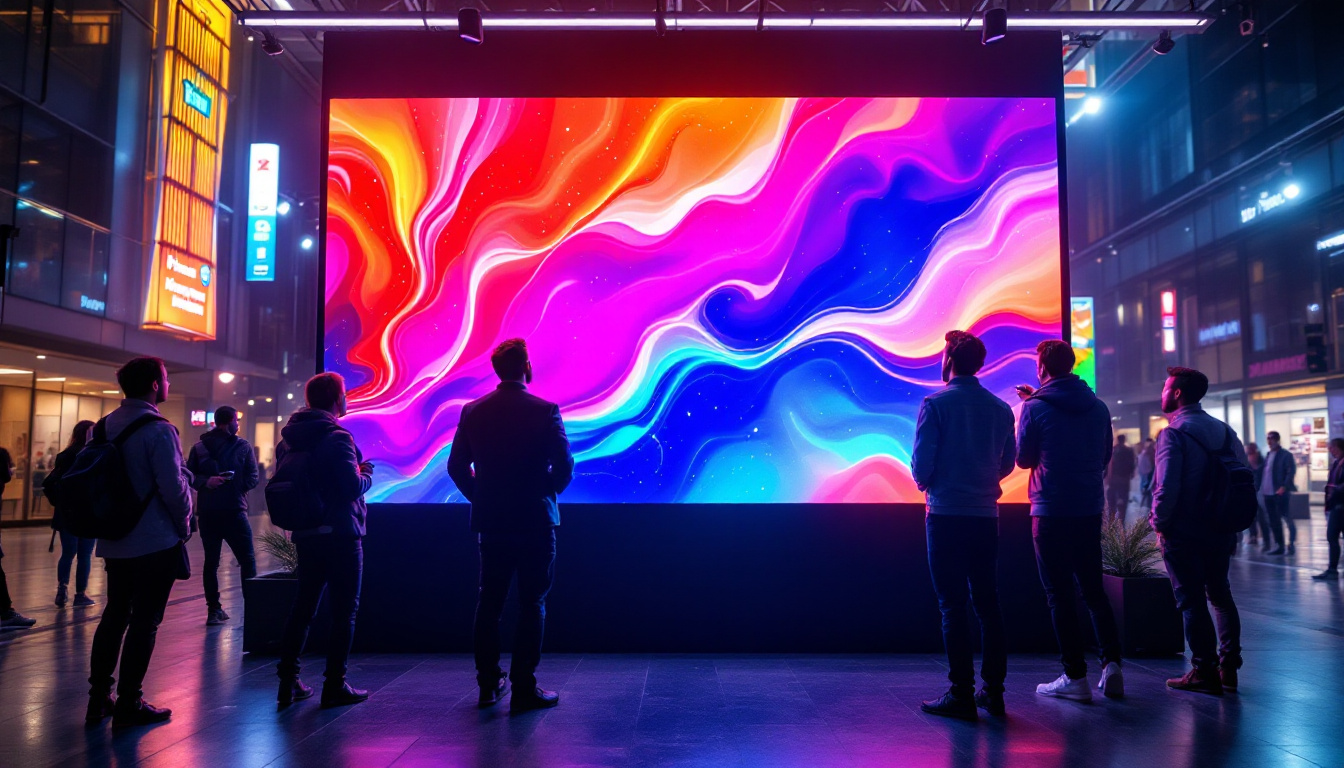
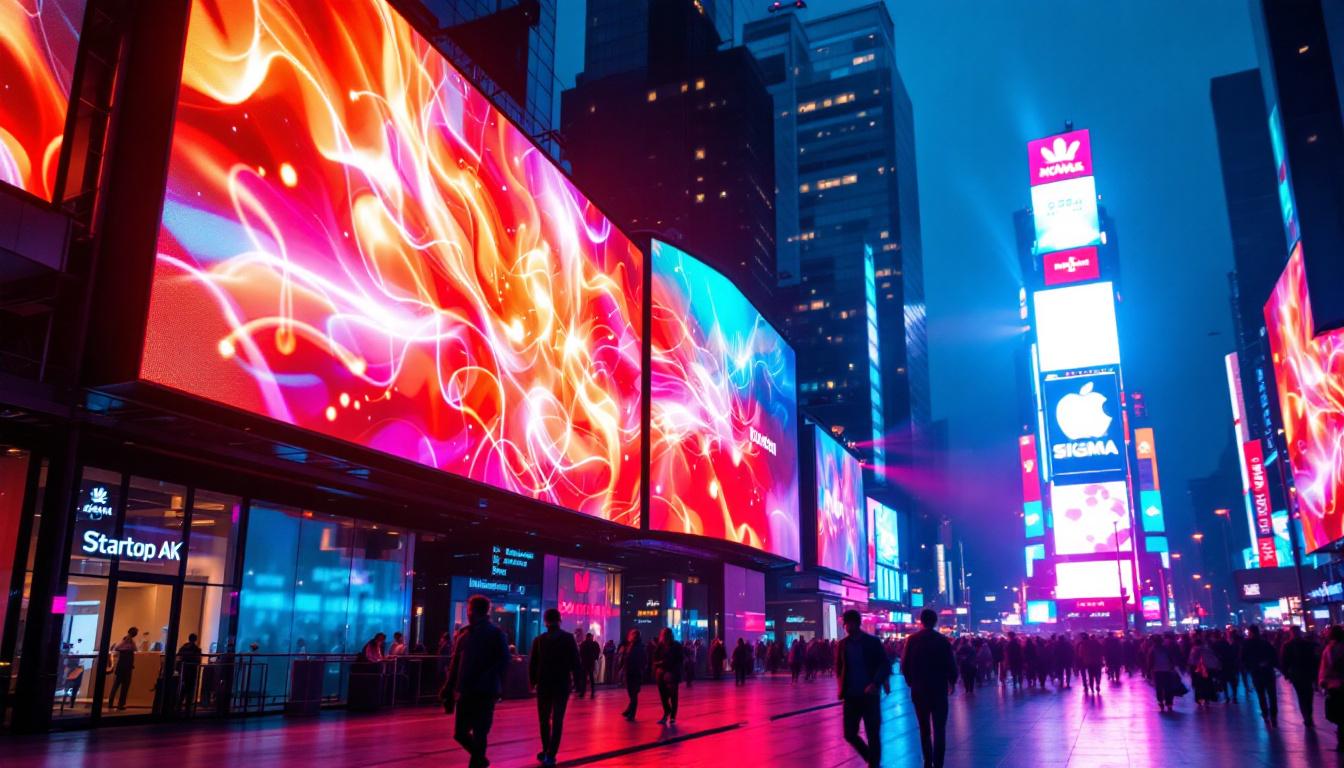
Brands leverage LED displays in high-traffic areas such as Times Square in New York or Piccadilly Circus in London to showcase advertisements that can be updated in real-time. The ability to display video content, countdowns, and interactive elements enhances consumer engagement and improves brand recall.
Sports and Entertainment Venues
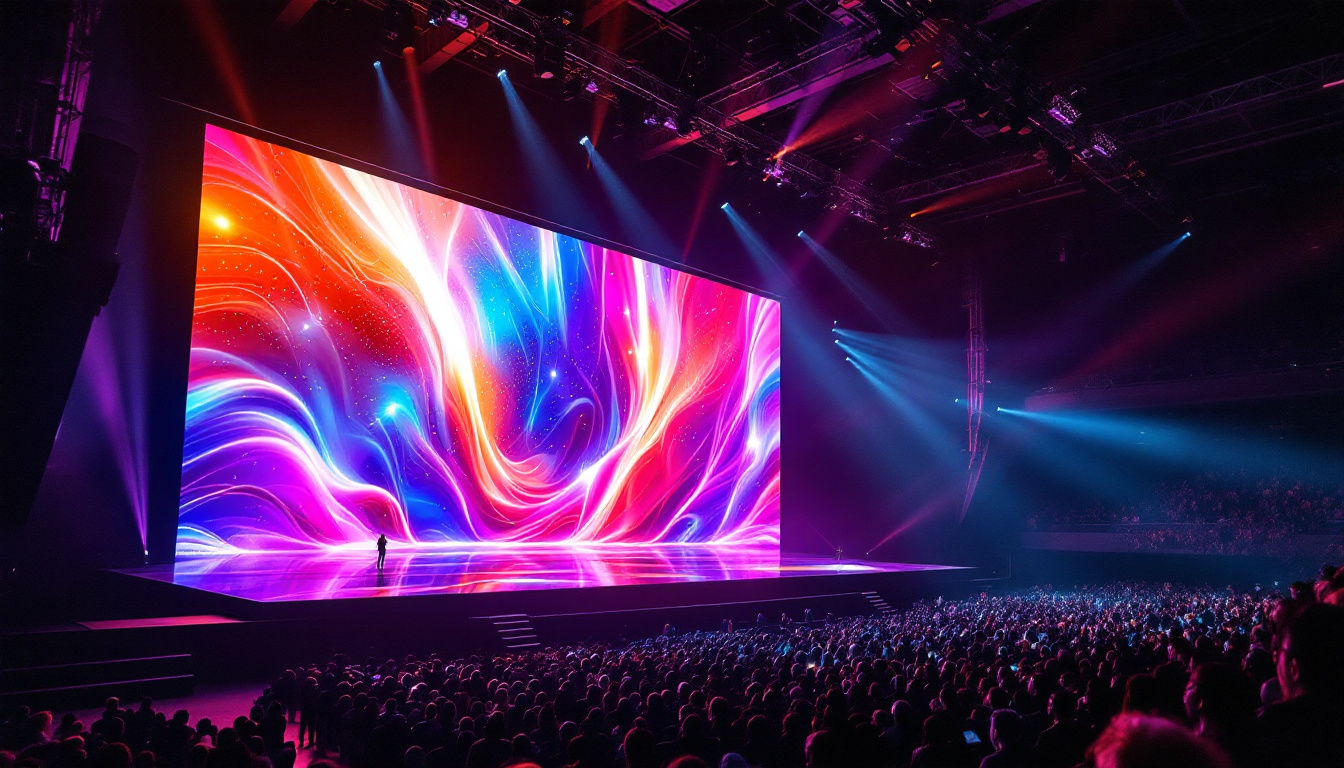
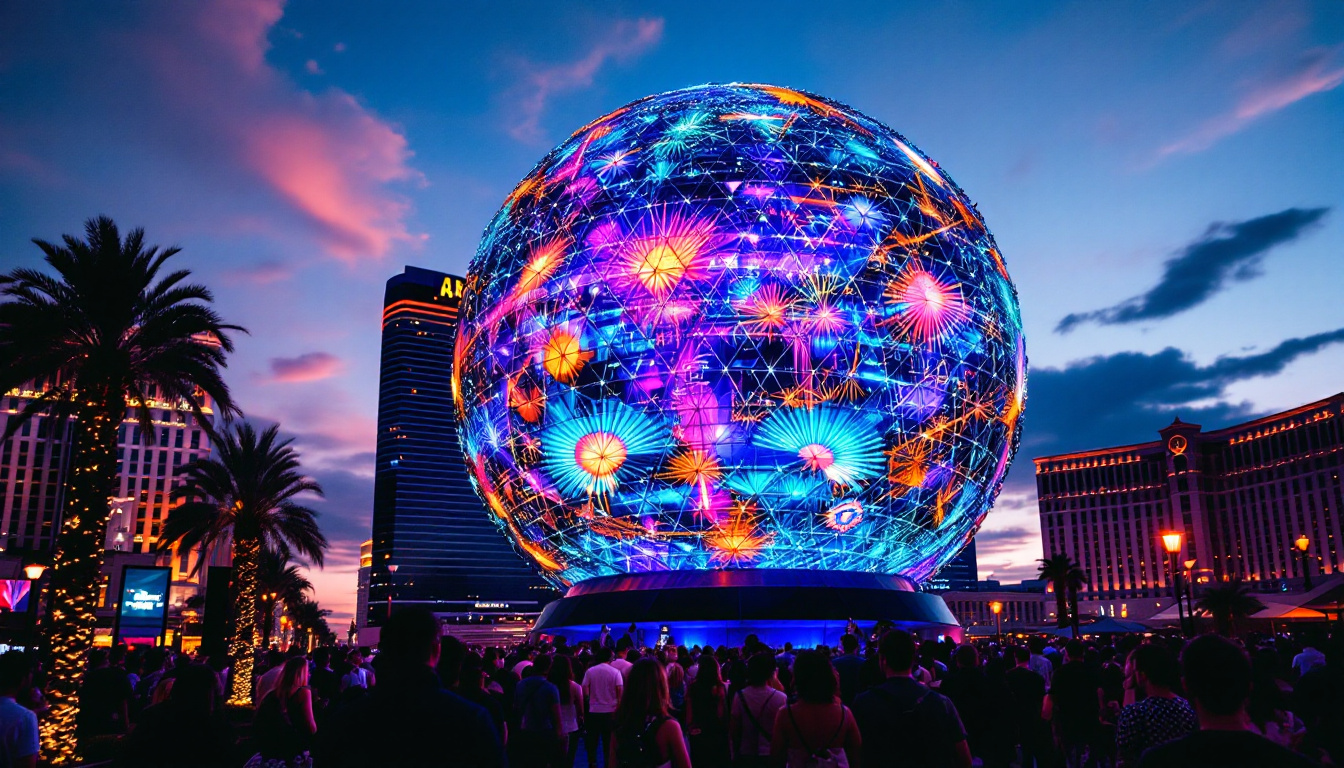
Stadiums and arenas utilize massive LED screens to display live action, replays, scores, and advertisements. These displays enhance the spectator experience by providing clear visuals regardless of seating location. For example, the AT&T Stadium in Texas features one of the largest LED displays in the world, measuring 160 feet wide and 72 feet high, delivering stunning picture quality to tens of thousands of fans.
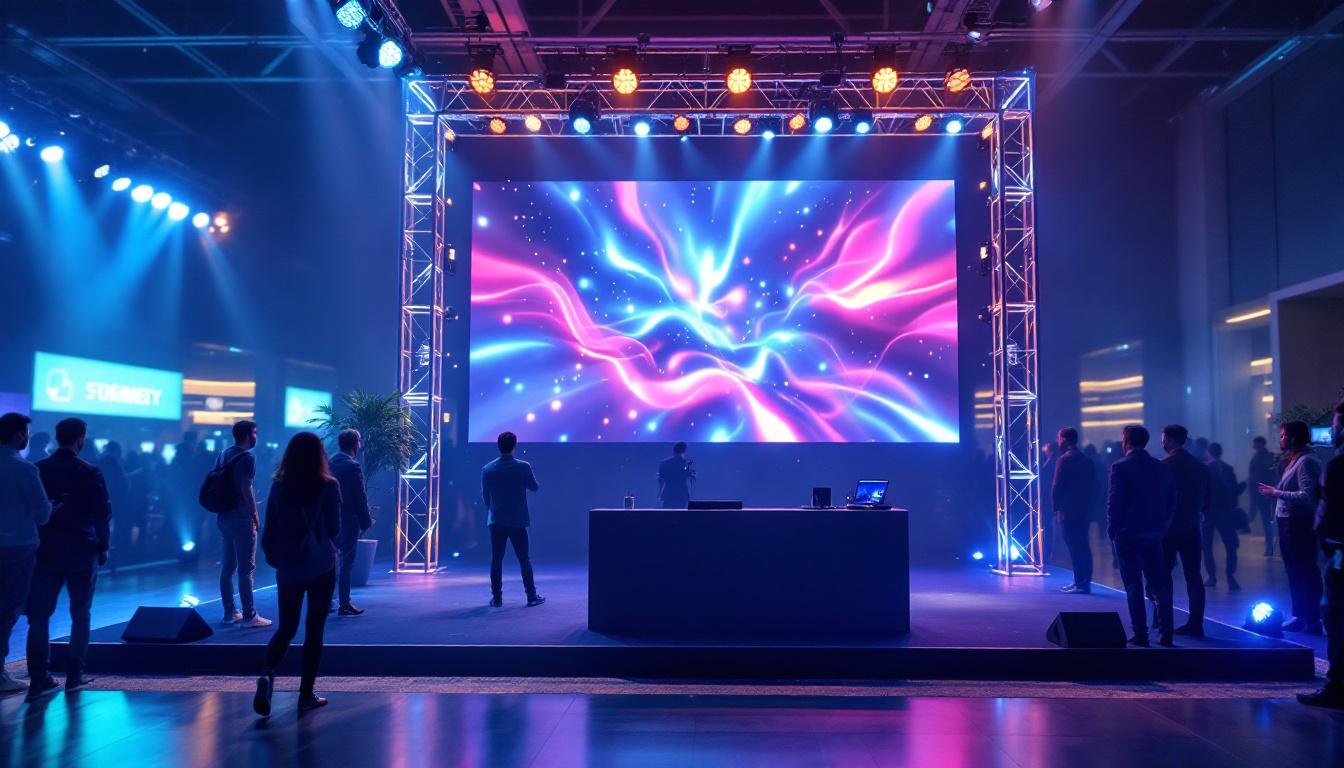
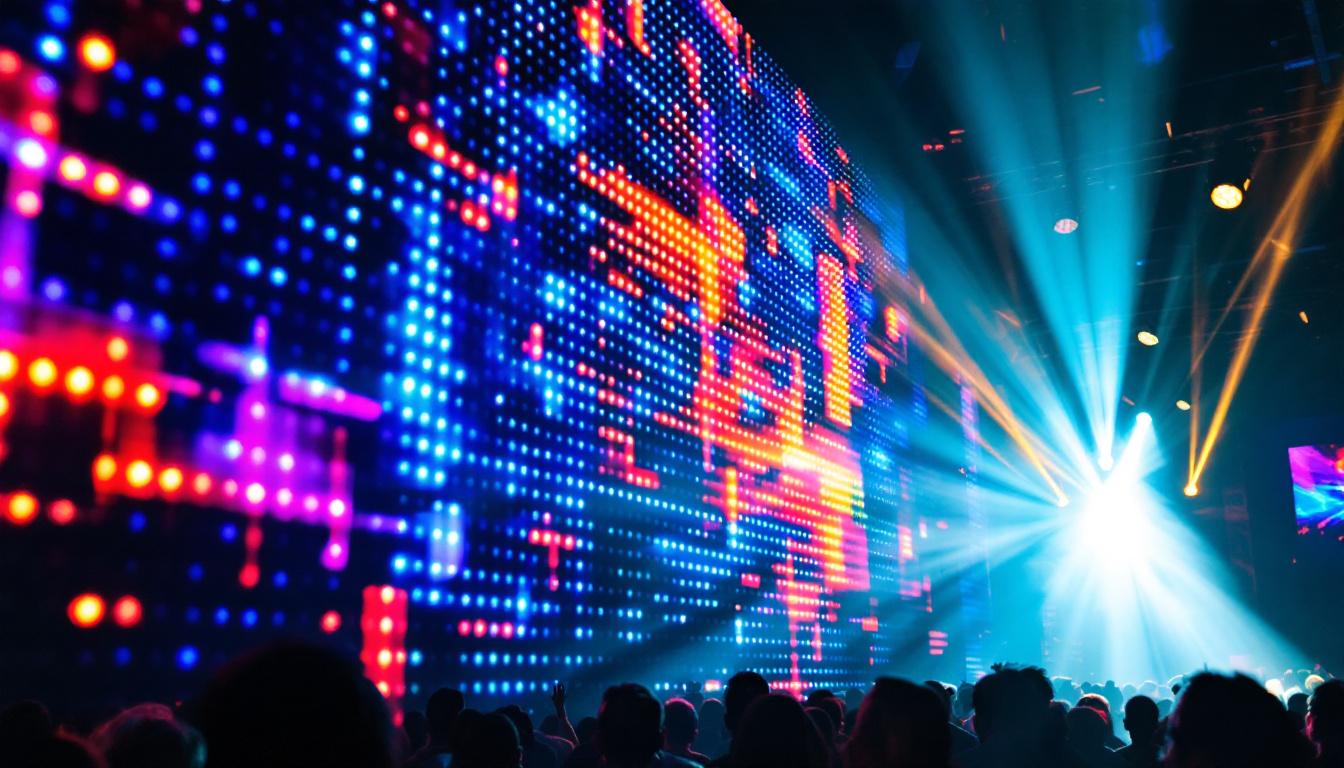
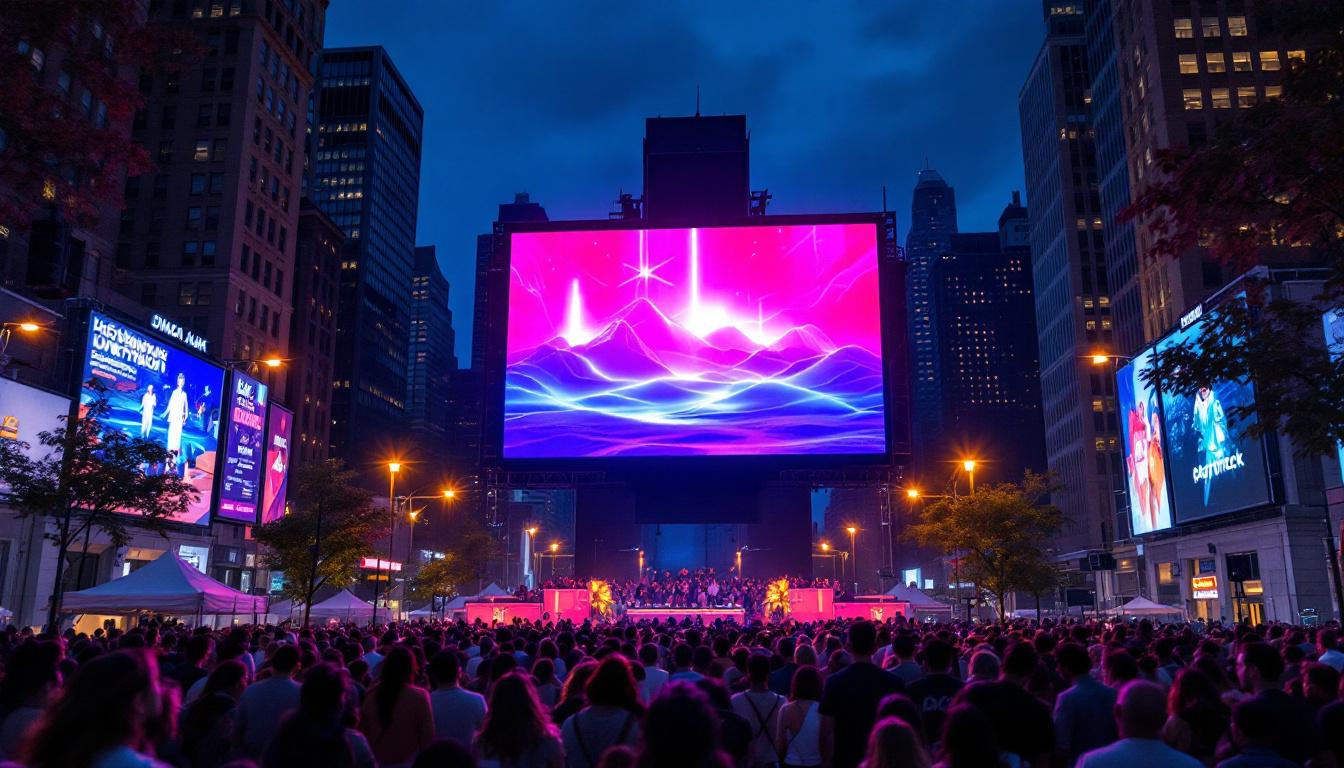
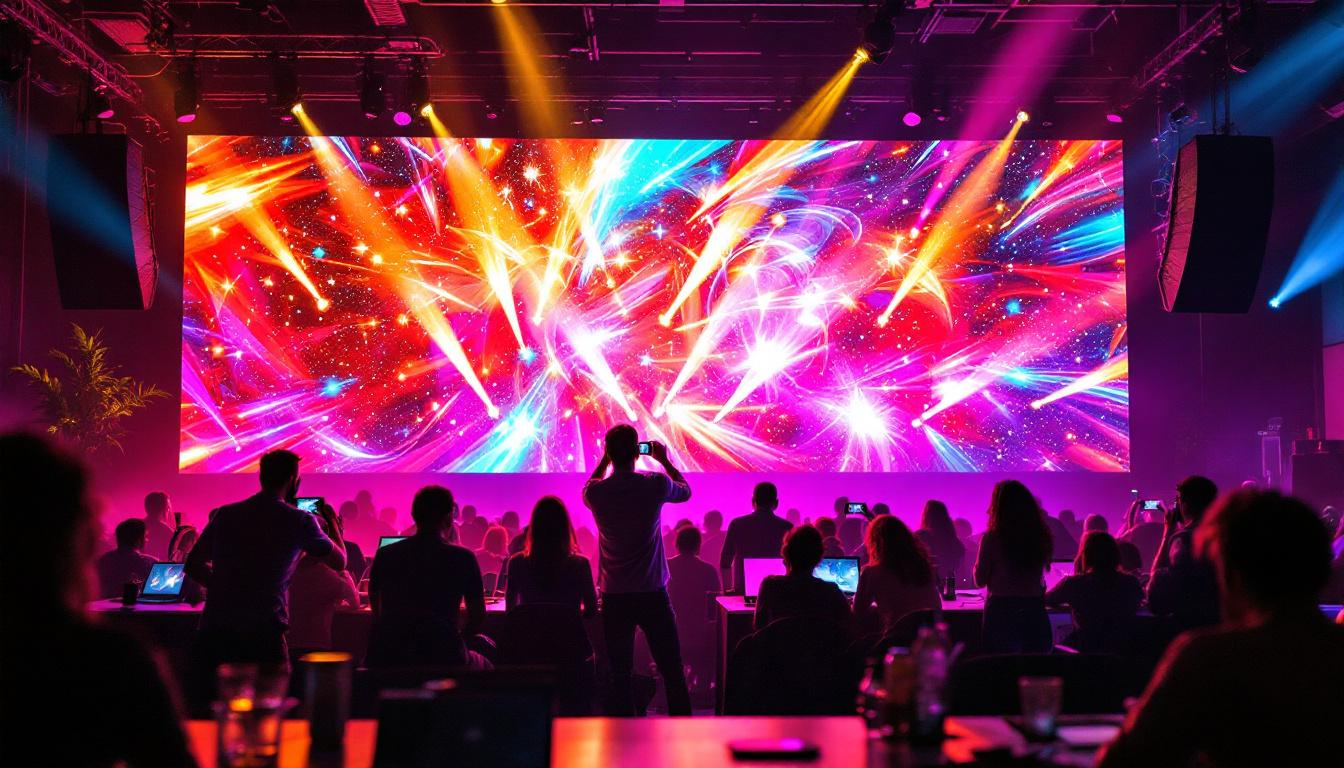
Concerts and festivals also use LED walls as backdrops, enabling dynamic stage designs and immersive visual storytelling that synchronize with music and performance.
Public Information and Transportation
LED picture boards are essential tools for disseminating information in public spaces such as airports, train stations, and bus terminals. They provide real-time updates on schedules, delays, safety messages, and emergency alerts. The high visibility and reliability of LED displays ensure that critical information reaches a broad audience effectively.
Smart city initiatives increasingly incorporate LED displays for traffic management, environmental monitoring, and public announcements, contributing to safer and more efficient urban environments.
Retail and Corporate Environments
Retailers use LED displays to attract customers, promote products, and create engaging in-store experiences. Digital signage can be tailored to specific times of day, customer demographics, or promotional campaigns, allowing for targeted marketing strategies.
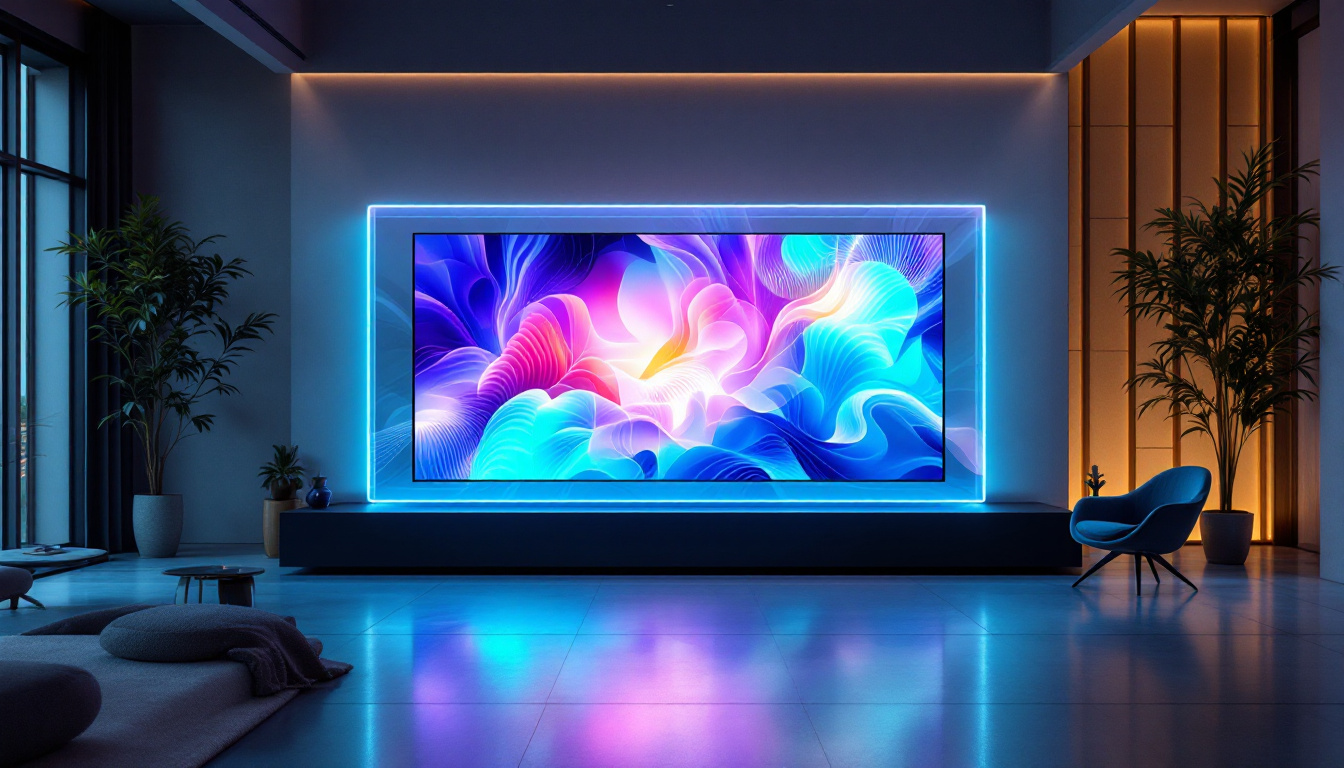
In corporate settings, LED displays serve as digital notice boards, video conferencing screens, and presentation tools, facilitating communication and collaboration within organizations.
Advantages of LED Picture Board Displays
Brightness and Visibility
One of the standout benefits of LED displays is their exceptional brightness, which can reach up to 10,000 nits in some outdoor models. This ensures that content remains visible even in direct sunlight, a critical factor for outdoor advertising and public information displays.
Energy Efficiency and Longevity
LED technology is highly energy-efficient compared to traditional lighting and display technologies. LEDs consume less power, generate less heat, and have longer lifespans, often exceeding 100,000 hours of operation. This reduces maintenance costs and environmental impact, making LED displays a sustainable choice for businesses.
Flexibility and Scalability
LED displays can be customized in size and shape, from small indoor panels to massive outdoor billboards. Their modular design allows for easy installation, maintenance, and upgrades. This flexibility makes them suitable for a wide range of applications and venues.
High Resolution and Color Accuracy
With advances in LED technology, modern displays offer high resolution and excellent color accuracy, enabling vivid and lifelike images. This enhances viewer engagement and improves the effectiveness of visual communication.
Challenges and Considerations
Cost and Investment
While the prices of LED displays have decreased over the years, high-quality LED picture boards still represent a significant investment. Initial costs include not only the display hardware but also installation, control systems, and ongoing maintenance.
Businesses must evaluate the return on investment (ROI) by considering factors such as increased customer engagement, advertising revenue, and operational savings.
Environmental Impact and Light Pollution
Bright outdoor LED displays can contribute to light pollution, affecting nearby residents and wildlife. Responsible design and regulation compliance are essential to mitigate these effects. Many cities have guidelines on brightness levels and operating hours to balance visibility with environmental concerns.
Technical Expertise and Maintenance
Operating and maintaining LED displays require specialized knowledge. Issues such as dead pixels, color calibration, and software updates need regular attention to ensure optimal performance. Partnering with experienced providers and technicians is crucial for long-term success.
The Future of LED Picture Board Displays
Mini-LED and Micro-LED Technologies
Emerging technologies like mini-LED and micro-LED promise even greater resolution, brightness, and energy efficiency. Micro-LED displays, composed of microscopic LEDs, offer superior contrast ratios and faster response times, making them ideal for next-generation picture boards.
Integration with Artificial Intelligence and IoT
Artificial intelligence (AI) and the Internet of Things (IoT) are transforming LED displays into smart, interactive platforms. AI can optimize content based on audience demographics, weather, or time of day, while IoT connectivity enables remote monitoring and control, reducing downtime and operational costs.
Augmented Reality and Immersive Experiences
Combining LED displays with augmented reality (AR) and other immersive technologies will open new avenues for engagement. Interactive picture boards can provide personalized experiences, gamification, and enhanced storytelling, revolutionizing how audiences interact with visual content.
Conclusion
LED picture board displays have become indispensable tools for communication, marketing, and entertainment across diverse sectors. Their brightness, versatility, and energy efficiency make them ideal for delivering compelling visual content in any environment. As technology advances, LED displays will continue to evolve, offering richer experiences and smarter functionalities.
For businesses and organizations looking to invest in LED displays, understanding the technology’s capabilities, applications, and challenges is essential for making informed decisions. Whether for advertising, public information, or immersive entertainment, LED picture boards represent a powerful medium that combines innovation with impact.
Explore Cutting-Edge LED Display Solutions with LumenMatrix
Ready to elevate your visual communication with the latest in LED technology? LumenMatrix is at the forefront of innovation, offering an extensive range of LED display solutions tailored to your needs. From vibrant Indoor and Outdoor LED Wall Displays to dynamic Vehicle and Sports LED Displays, our products are designed to captivate and engage. Discover the possibilities with our LED Poster Displays, Floor LED Displays, Custom LED Solutions, All-in-One LED Displays, and LED Transparent Displays. Embrace the future of digital signage with LumenMatrix and transform how you share your message. Check out LumenMatrix LED Display Solutions today and see your vision come to life.