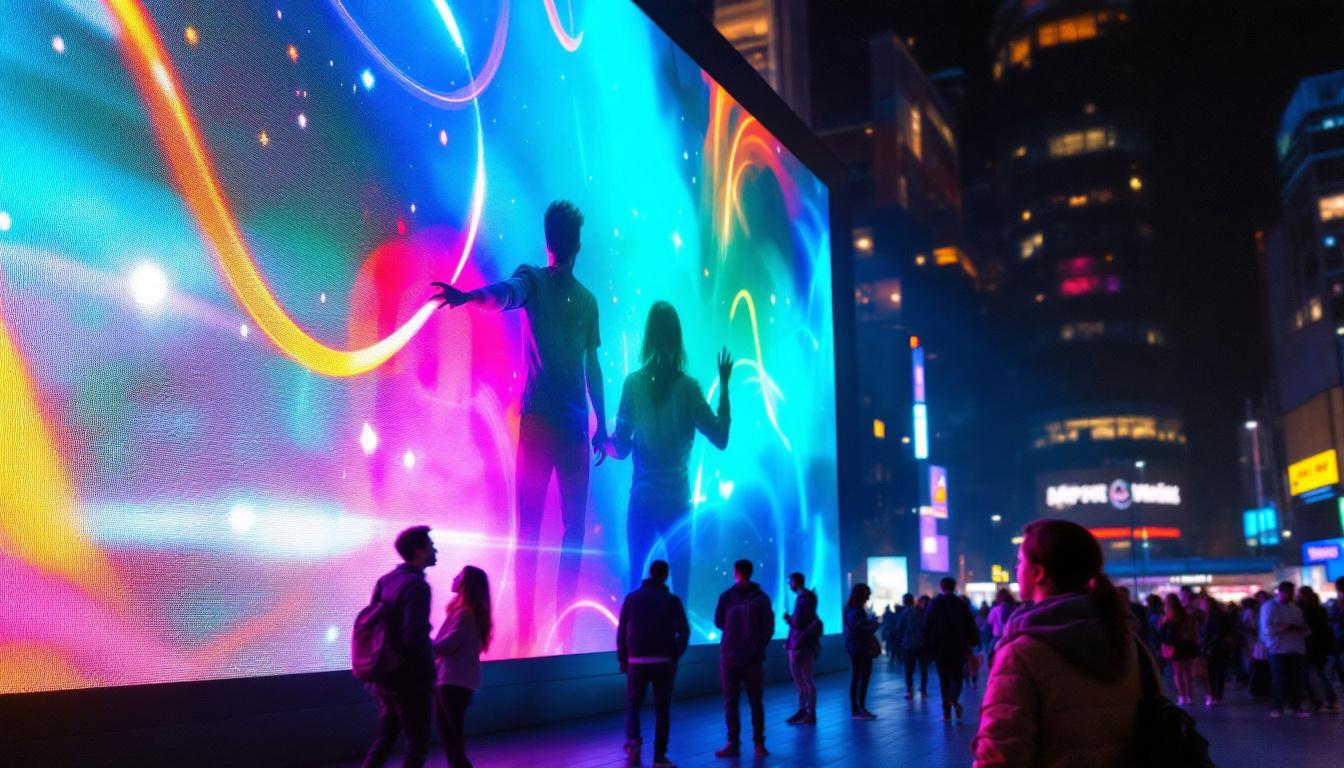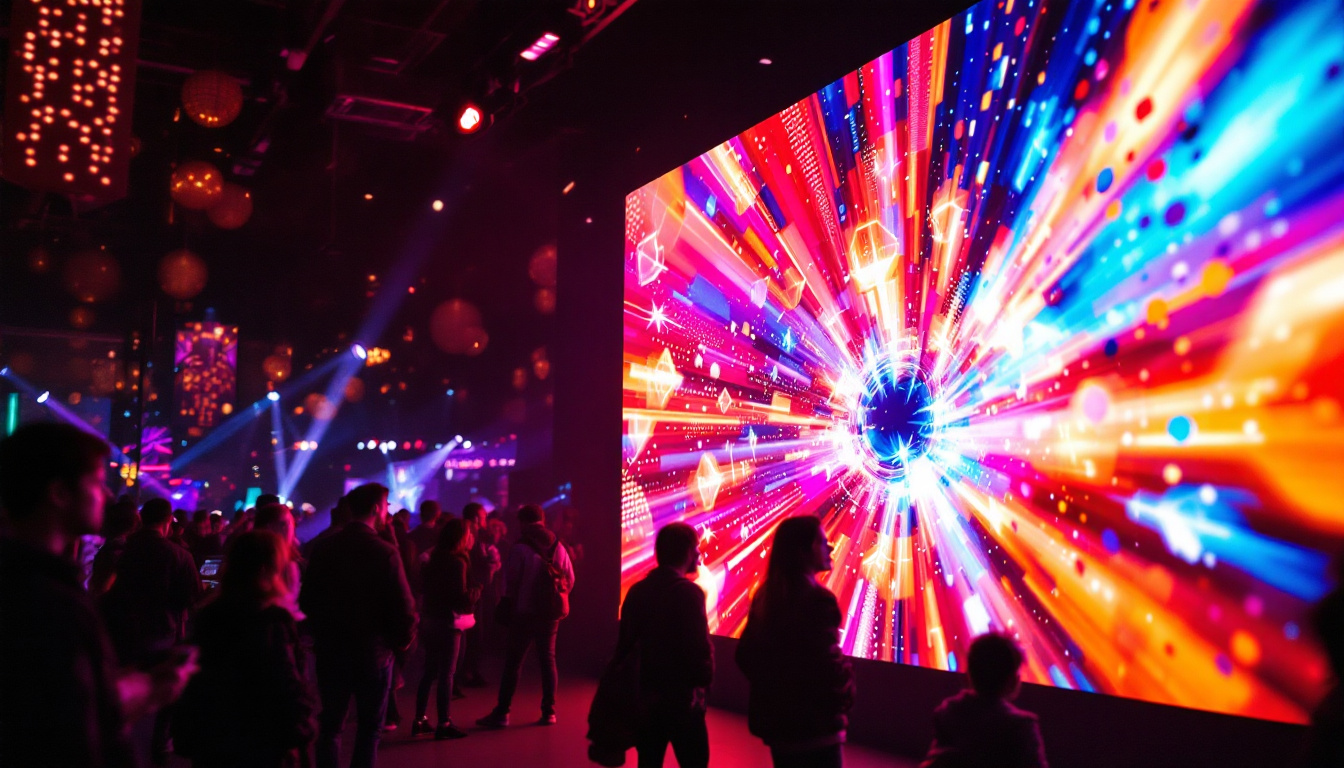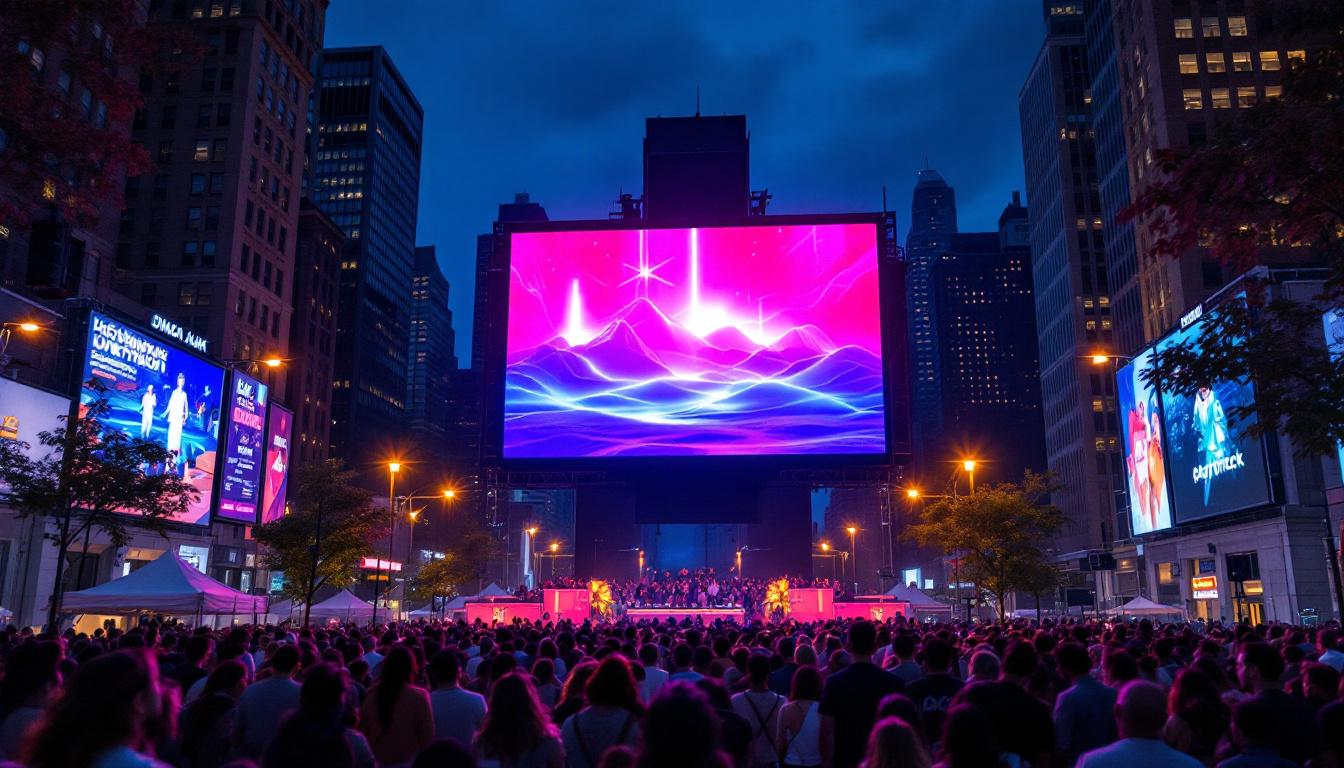
In today’s fast-paced world, grabbing attention is more challenging than ever. Whether it’s at a sporting event, a concert, or a public gathering, large-scale digital displays have become essential tools for communication, advertising, and entertainment. Among these, Jumbotrons stand out as iconic LED screens delivering vibrant visuals to massive audiences. This article explores the world of Jumbotrons, explaining what LED displays are, how they work, and what to consider when purchasing one.
What Is a Jumbotron?
The term “Jumbotron” originally referred to a large-format video display developed by Sony in the 1980s. Over time, it has become a generic term used to describe any large-scale LED video screen, especially those used in stadiums, arenas, and outdoor venues. These displays are designed to be visible from long distances and provide clear, bright images regardless of ambient lighting conditions.
Modern Jumbotrons are primarily composed of LED (Light Emitting Diode) technology, which offers superior brightness, energy efficiency, and durability compared to older display technologies such as LCD or projection systems. Their ability to display dynamic content such as live video, advertisements, scores, and social media feeds makes them invaluable for event organizers and advertisers alike.
In addition to their visual impact, Jumbotrons play a crucial role in enhancing the overall spectator experience at live events. For instance, during sports games, they not only show replays and highlight plays but also engage fans with interactive content, such as polls and trivia, that encourages participation. This interactivity fosters a sense of community among attendees, making them feel more connected to the event and each other. Furthermore, Jumbotrons can be strategically placed to ensure that even those seated far from the action can enjoy a clear view of the proceedings, thus elevating the enjoyment of the event for all spectators.
As technology continues to advance, the capabilities of Jumbotrons are expanding even further. Newer models can incorporate augmented reality elements, allowing for immersive experiences that blend digital content with the physical environment. This innovation not only captivates audiences but also opens up new avenues for creative advertising and storytelling. Brands are increasingly leveraging Jumbotrons to create memorable marketing campaigns that resonate with viewers, utilizing high-definition visuals and engaging animations that capture attention and drive engagement. As a result, Jumbotrons have become a cornerstone of modern event production, transforming the way audiences experience live entertainment.
Understanding LED Display Technology
How LED Displays Work
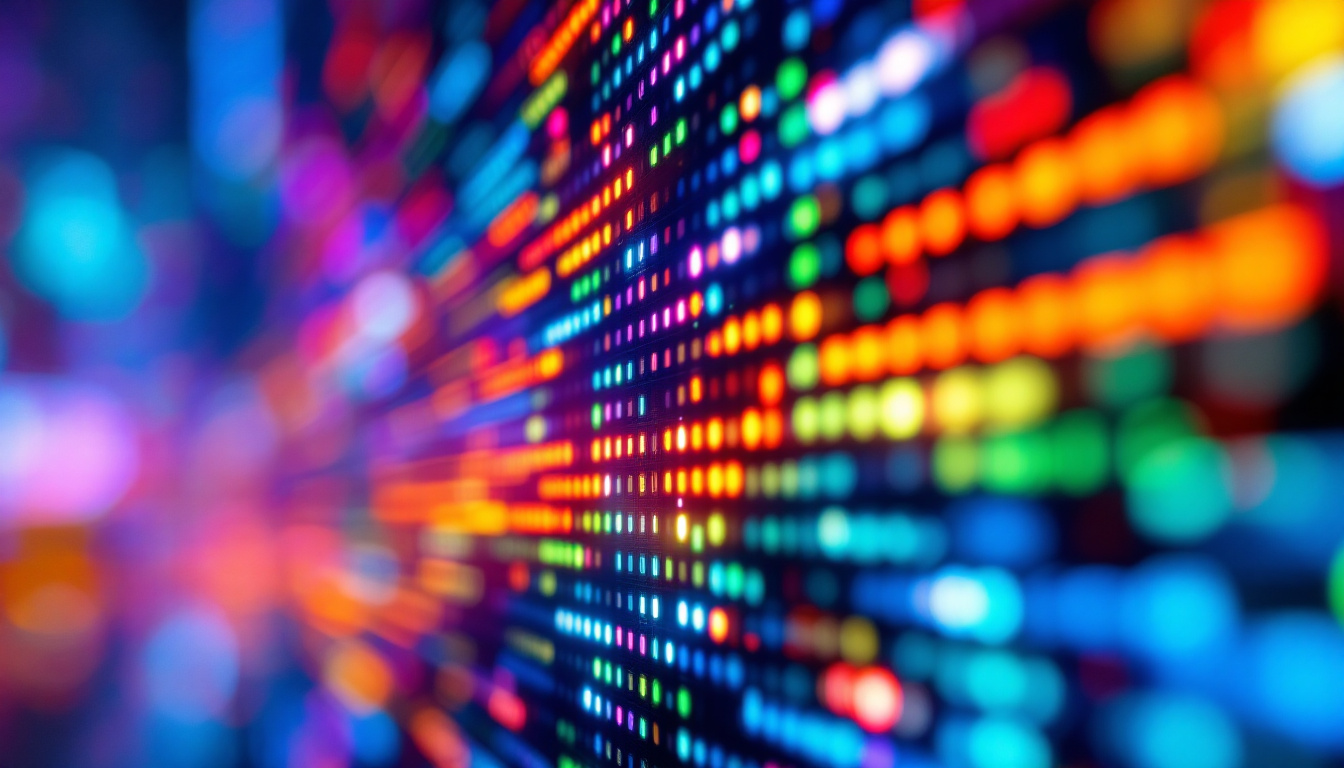
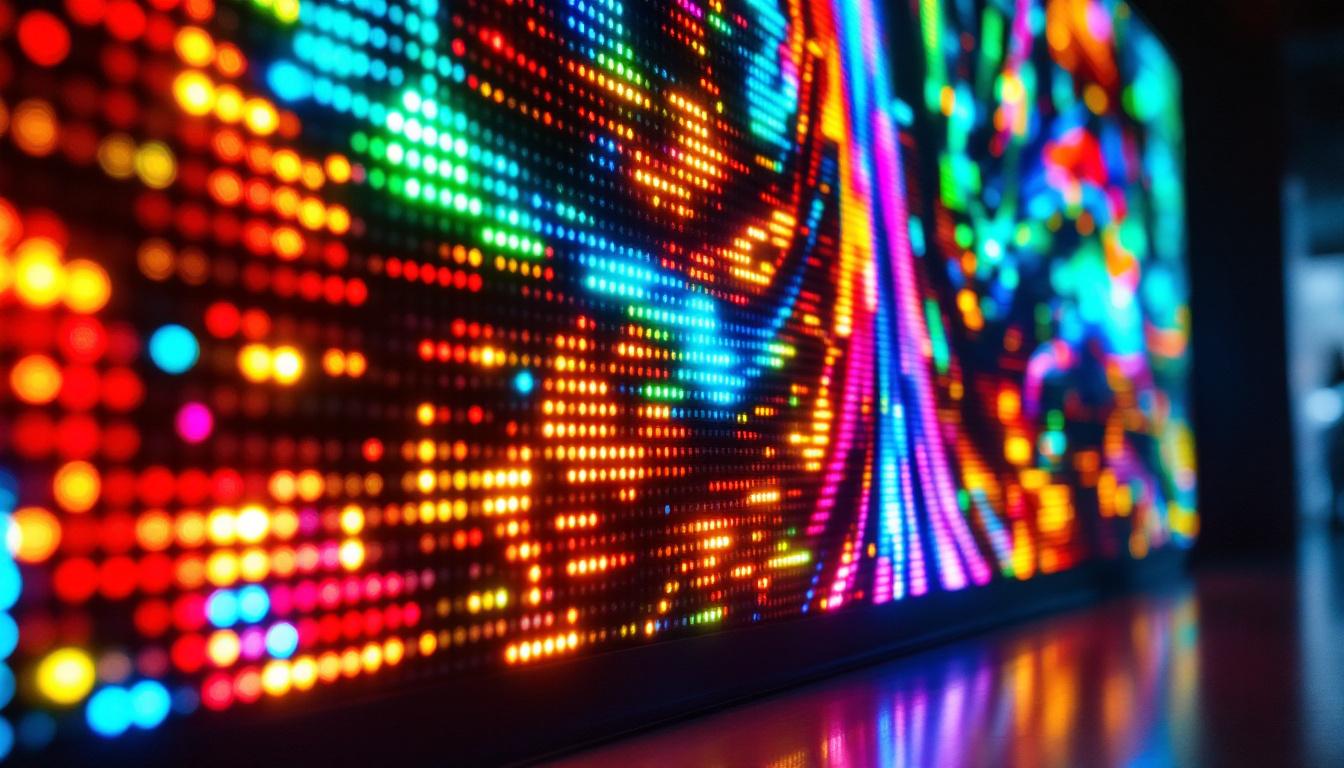
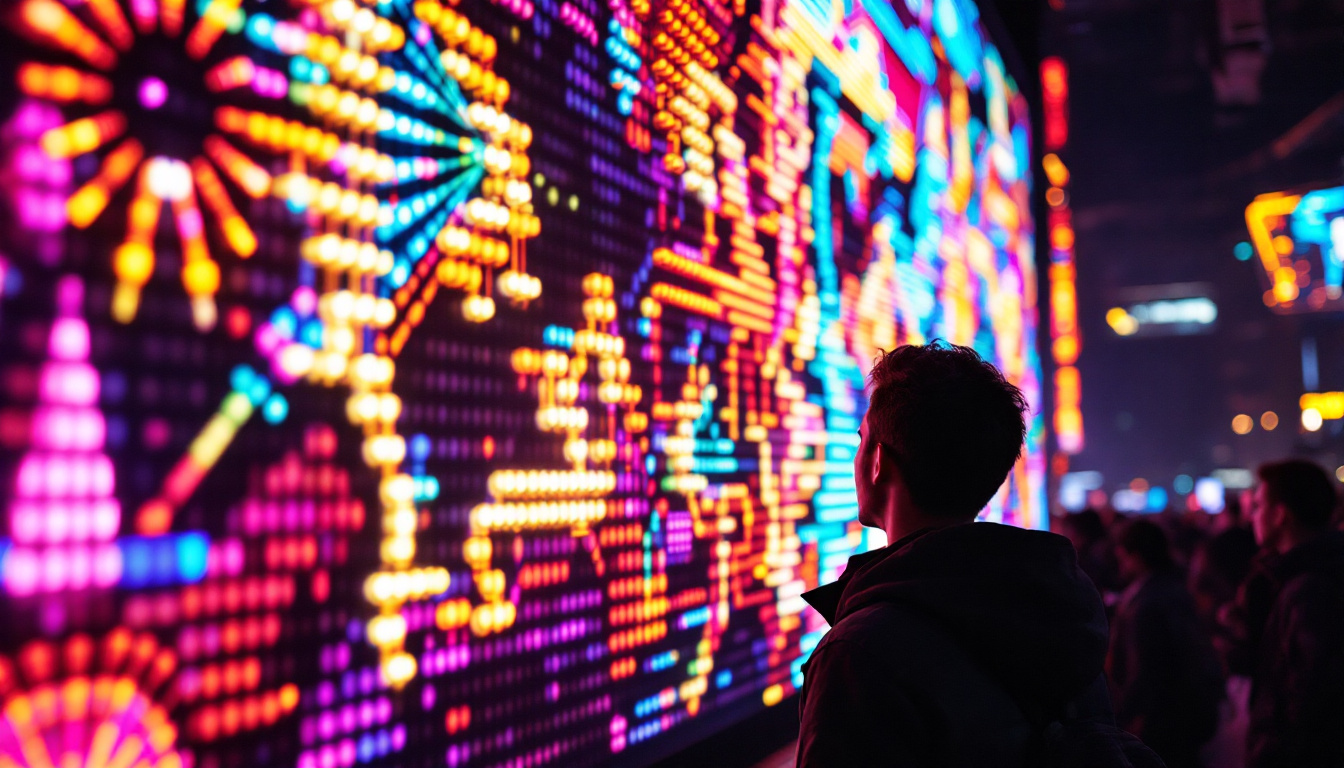
LED displays consist of thousands to millions of tiny light-emitting diodes arranged in a grid. Each diode can emit red, green, or blue light, and by adjusting the intensity of these three colors, the display can produce a full spectrum of colors. This RGB color mixing is what allows LED screens to show vivid and accurate images.
The diodes are mounted on panels called modules, which are then assembled to form the entire screen. The resolution of an LED display depends on the pixel pitch — the distance between the centers of two adjacent pixels. A smaller pixel pitch means higher resolution and better image clarity, especially important for closer viewing distances.
Types of LED Displays
When shopping for Jumbotrons, it’s important to understand the different types of LED displays available:
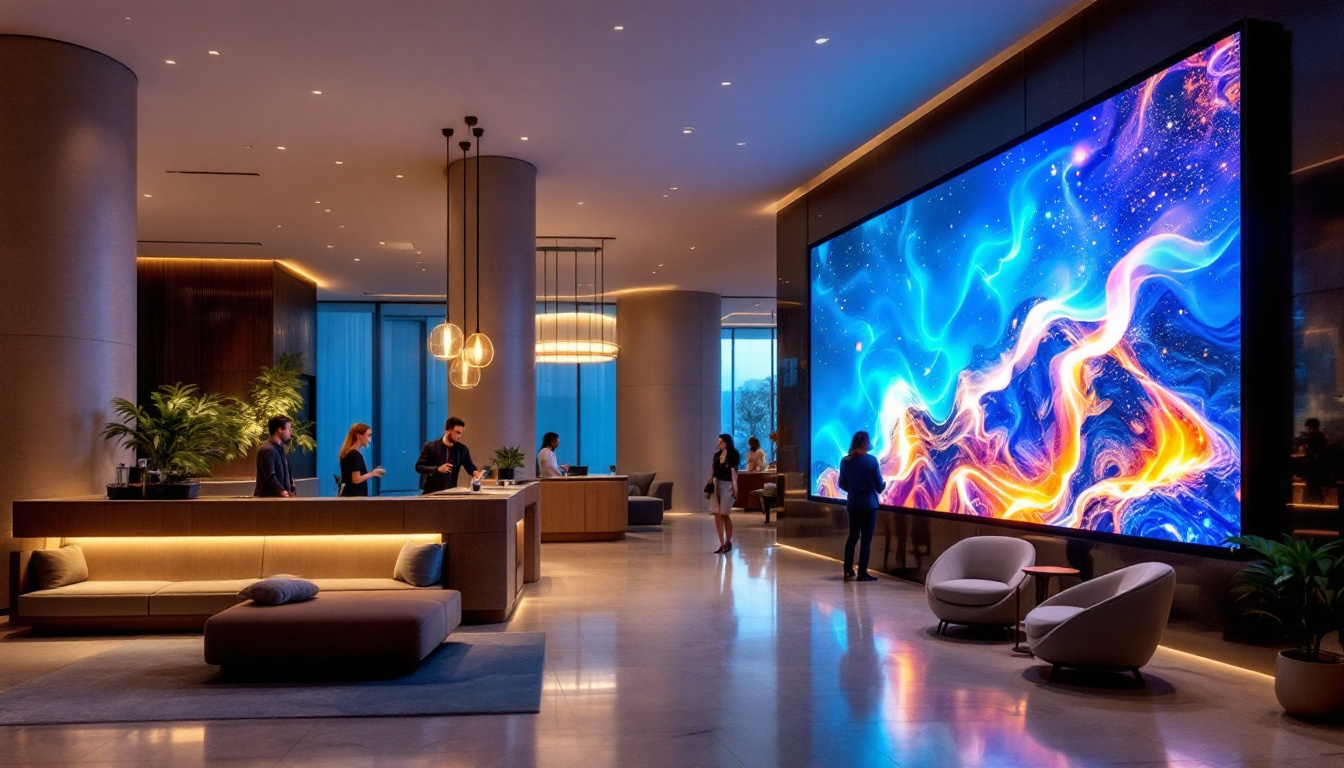
- Indoor LED Displays: Designed for controlled environments, these screens have a smaller pixel pitch (often less than 4mm) to provide high-resolution images at close viewing distances. They are ideal for conference halls, retail spaces, and indoor arenas.
- Outdoor LED Displays: Built to withstand harsh weather conditions, these displays have a larger pixel pitch (typically 6mm or more) to ensure visibility from greater distances. They feature weatherproof casings and higher brightness levels, often exceeding 5,000 nits, to combat sunlight glare.
- Transparent LED Displays: These are innovative screens that allow light to pass through, making them perfect for storefront windows or architectural installations where maintaining visibility through the screen is desired.
Key Features to Consider When Buying a Jumbotron
Resolution and Pixel Pitch
The resolution of a Jumbotron directly impacts the quality of the displayed content. For large outdoor screens viewed from hundreds of feet away, a pixel pitch of 10mm to 20mm is often sufficient. However, for closer viewing or indoor applications, a pixel pitch of 4mm or less is recommended.
Higher resolution screens provide sharper images but come at a higher cost. It’s essential to balance budget with the intended use case to ensure the best return on investment.
Brightness and Contrast
Brightness is measured in nits, and for outdoor Jumbotrons, a brightness level of at least 5,000 nits is necessary to maintain image clarity under direct sunlight. Indoor displays typically require less brightness, around 800 to 1,500 nits, to avoid eye strain and excessive power consumption.
Contrast ratio, the difference between the darkest black and the brightest white, affects image depth and realism. LED displays generally offer excellent contrast ratios, especially when combined with advanced image processing technologies.
Durability and Weather Resistance
Outdoor Jumbotrons must endure rain, wind, dust, and extreme temperatures. Look for displays with an IP65 or higher rating, which guarantees protection against dust ingress and water jets. Additionally, robust casing materials such as aluminum or steel enhance the longevity of the unit.
Heat dissipation is another critical factor. High-quality LED displays incorporate efficient cooling systems to prevent overheating, ensuring consistent performance and reducing maintenance requirements.
Viewing Angle
A wide viewing angle is crucial for Jumbotrons, as audiences often view the screen from various positions. Most LED displays offer horizontal viewing angles of 120 degrees or more, with vertical angles slightly narrower. Choosing a screen with a wide viewing angle ensures that the image remains clear and vibrant from multiple vantage points.
Control Systems and Connectivity
Modern Jumbotrons come equipped with advanced control systems that allow operators to manage content remotely via software. Compatibility with various input sources such as HDMI, DVI, and SDI is important for flexibility.
Some systems also support real-time data integration, enabling dynamic content updates such as live scores, social media feeds, or emergency alerts. When purchasing, verify the ease of use and technical support offered by the manufacturer or supplier.
Applications of Jumbotrons
Sports and Entertainment Venues
Jumbotrons are synonymous with stadiums and arenas worldwide. They enhance the spectator experience by displaying live action replays, player statistics, and interactive content. For example, the AT&T Stadium in Texas features one of the largest indoor LED screens, measuring 160 feet wide and 72 feet tall, delivering crystal-clear images to over 100,000 fans.
Concerts and festivals also rely on Jumbotrons to project performers’ images and visual effects, ensuring that even attendees far from the stage remain engaged.
Advertising and Marketing
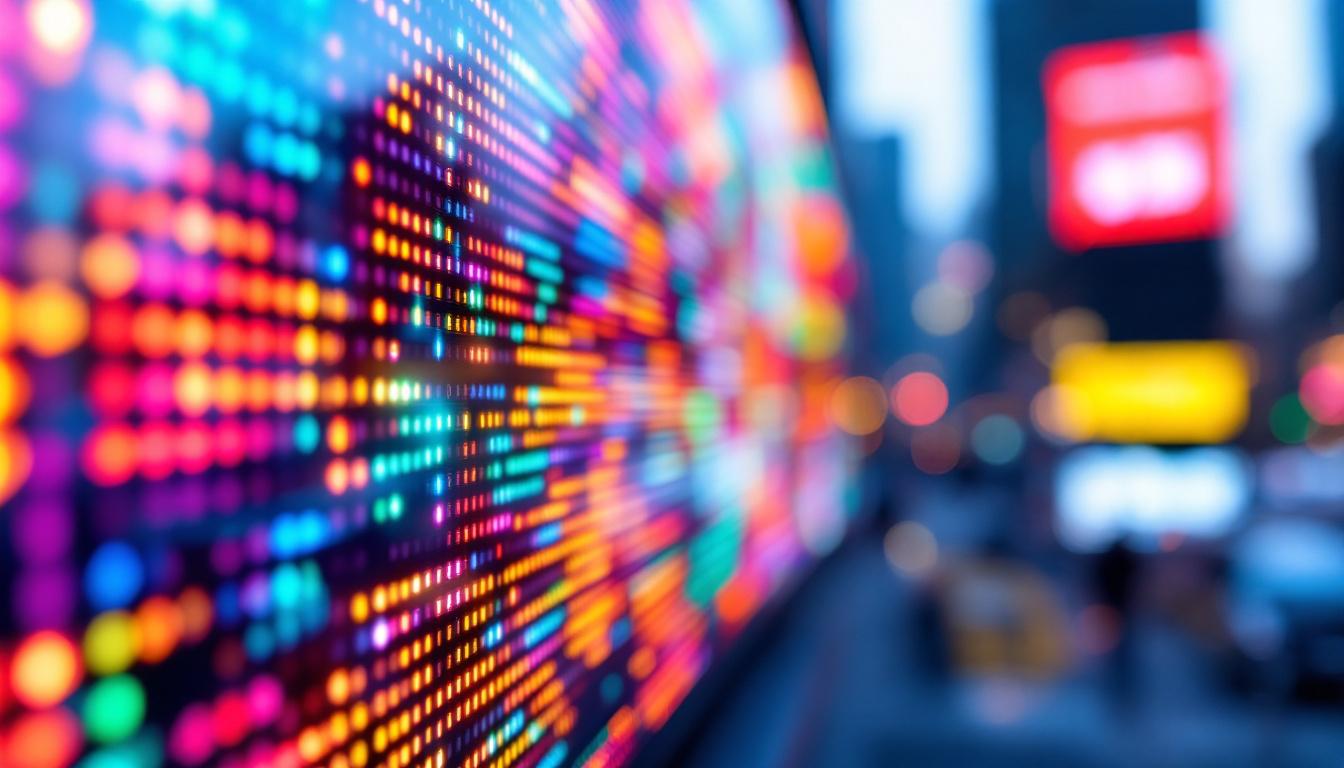
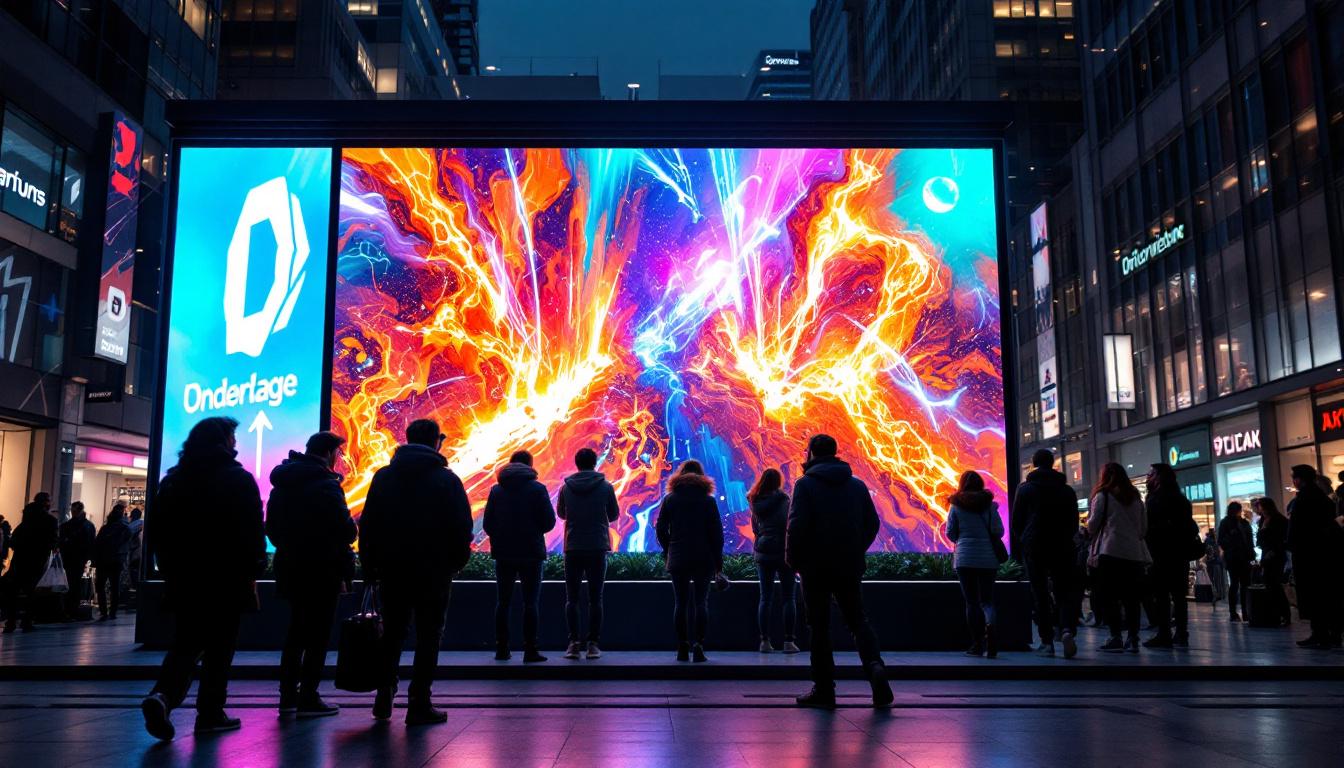
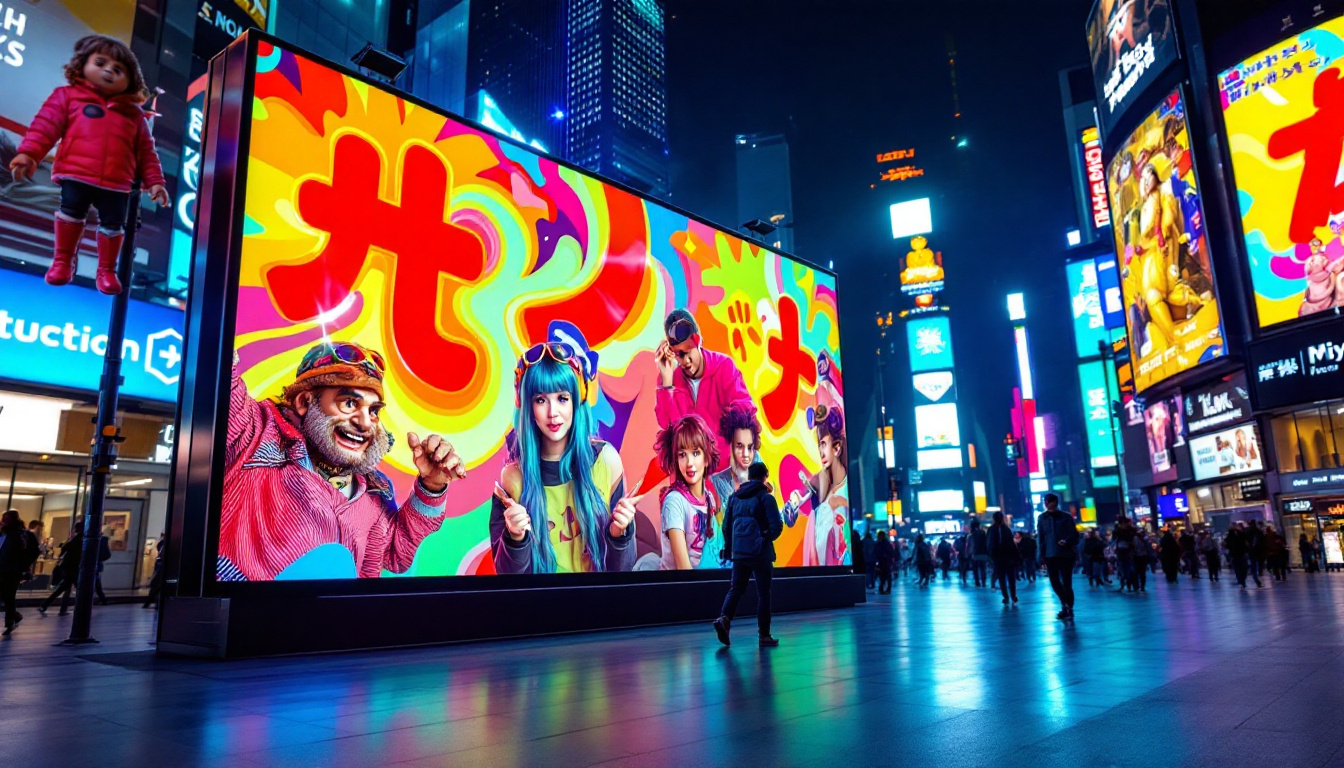
Outdoor Jumbotrons serve as powerful advertising platforms in high-traffic areas such as Times Square in New York City or Piccadilly Circus in London. Their ability to display dynamic, eye-catching content attracts consumer attention far more effectively than static billboards.
Businesses use Jumbotrons to promote products, announce sales, or build brand awareness. The flexibility to update content instantly allows for timely and targeted campaigns, maximizing marketing impact.
Public Information and Safety
Government agencies and municipalities deploy Jumbotrons for public information dissemination, including traffic updates, event announcements, and emergency alerts. During natural disasters or public health crises, these displays can broadcast critical messages to large populations quickly and effectively.
Cost Considerations and Budgeting
Purchasing a Jumbotron is a significant investment. Prices vary widely based on size, resolution, brightness, and additional features. As of 2024, a mid-sized outdoor LED display (around 20 feet by 10 feet) with a pixel pitch of 10mm may cost between $50,000 and $150,000, excluding installation and maintenance.
Installation costs can be substantial, especially for large or complex setups requiring structural support, electrical work, and data connectivity. Ongoing maintenance, including cleaning, software updates, and repairs, should also be factored into the budget.
Leasing or renting Jumbotrons is an alternative for short-term events, offering flexibility without the upfront capital expenditure.
Choosing the Right Supplier
With the growing demand for LED displays, numerous manufacturers and suppliers offer Jumbotrons. Selecting a reputable provider is crucial to ensure product quality, warranty coverage, and reliable technical support.
Look for suppliers with proven experience in large-scale LED installations and positive customer reviews. Request detailed specifications, certifications, and references before making a purchase decision. Additionally, consider the availability of after-sales service, training, and software updates.
Future Trends in Jumbotron Technology
The LED display industry continues to evolve rapidly. Emerging trends include:
- MicroLED Technology: Offering even higher resolution and brightness with lower power consumption, MicroLEDs are poised to revolutionize large-format displays.
- Flexible and Curved Screens: New designs allow for creative installations that conform to architectural features, enhancing aesthetic appeal.
- AI-Driven Content Management: Artificial intelligence enables automated content optimization based on audience demographics, time of day, and environmental conditions.
- Energy Efficiency Improvements: Advances in LED materials and power management reduce operational costs and environmental impact.
Staying informed about these innovations can help buyers future-proof their investment and leverage the latest capabilities.
Conclusion
Jumbotrons have become indispensable tools for communication and entertainment in a variety of settings. Understanding the fundamentals of LED display technology, key features, and application scenarios is essential for making an informed purchase decision. Whether for sports venues, advertising, or public information, selecting the right Jumbotron involves balancing resolution, brightness, durability, and budget considerations.
By partnering with experienced suppliers and keeping an eye on emerging trends, organizations can maximize the impact of their large-format LED displays and engage audiences like never before.
Illuminate Your Space with LumenMatrix
Ready to elevate your audience’s experience with a Jumbotron that offers unparalleled clarity and engagement? Look no further than LumenMatrix, a pioneer in LED display technology. Our diverse range of solutions, from Indoor and Outdoor LED Wall Displays to innovative LED Sports and Transparent Displays, is designed to bring your vision to life. Embrace the future of visual communication with our cutting-edge displays that promise to captivate and mesmerize. Check out LumenMatrix LED Display Solutions today and transform your space into a dynamic and immersive environment.