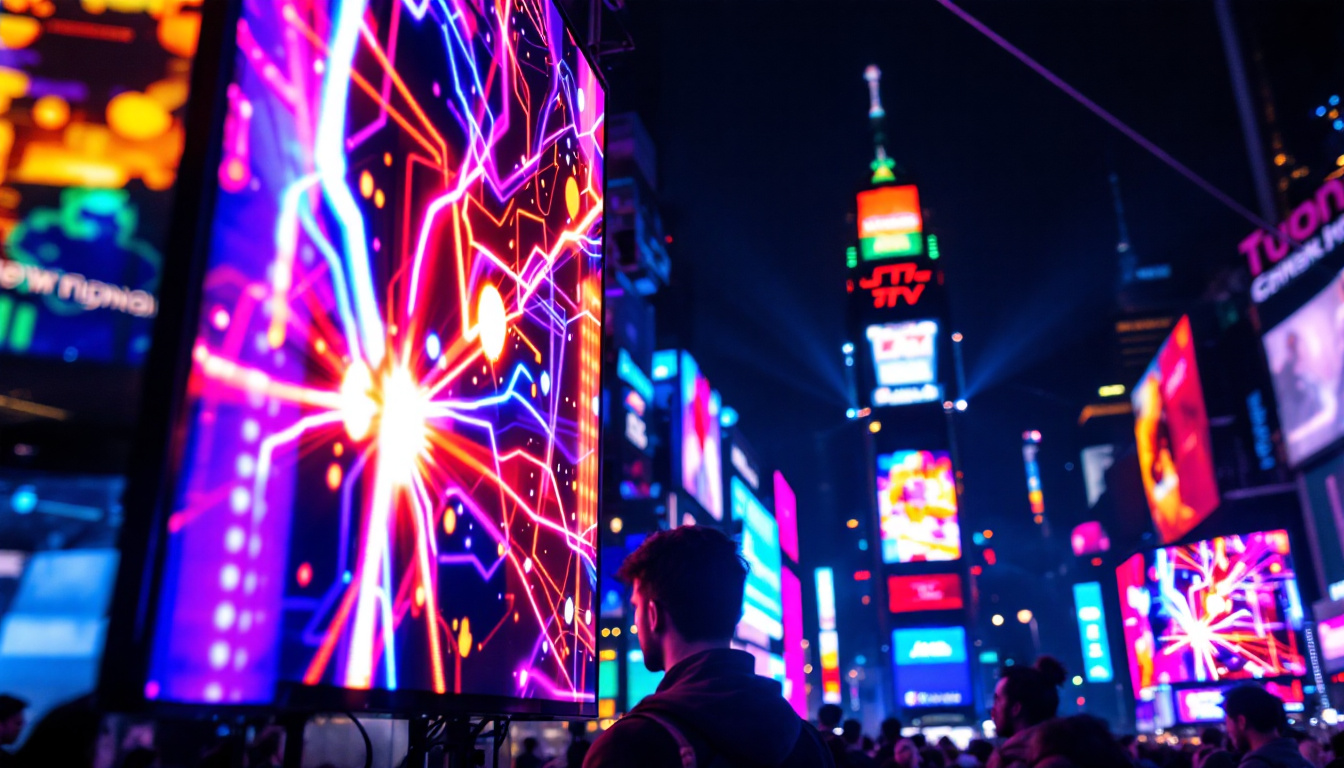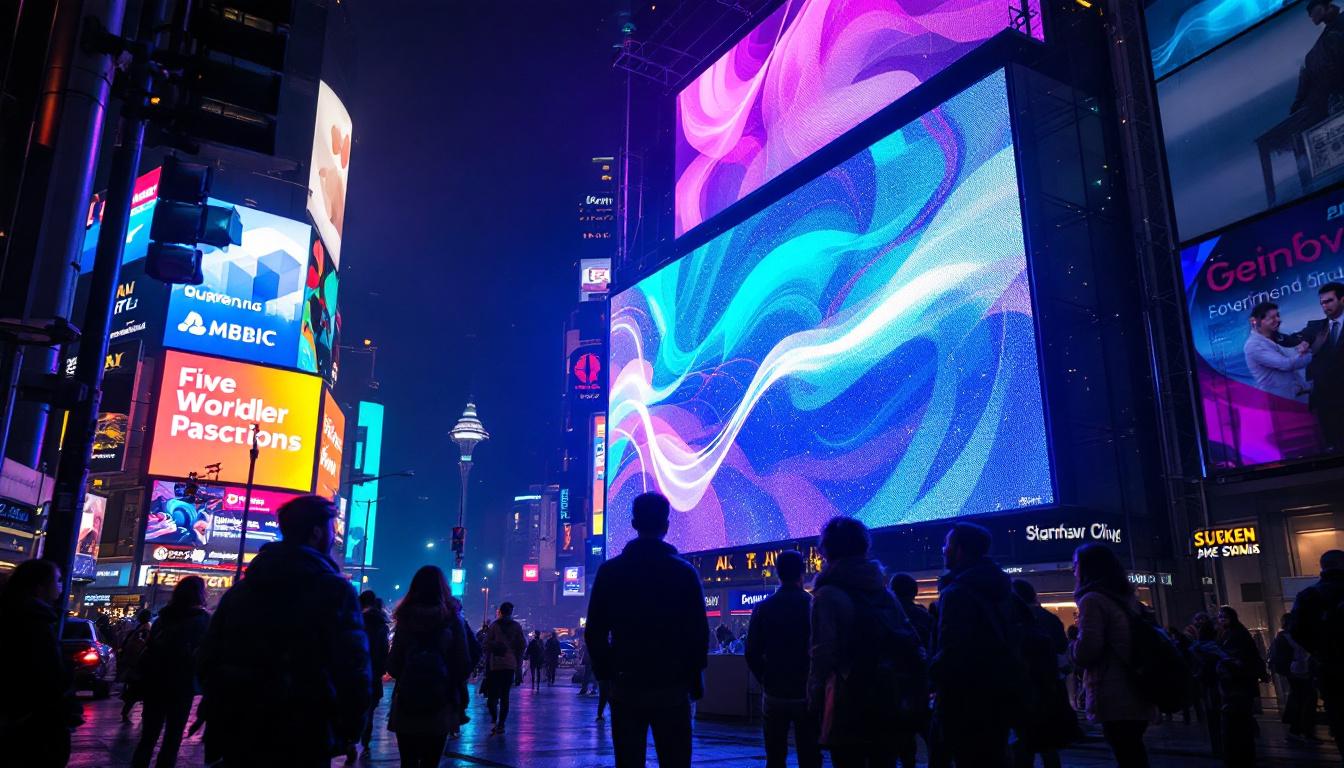
In today’s fast-paced retail environment, grabbing customer attention is more challenging than ever. Traditional static signs, while still useful, often fail to capture the dynamic nature of modern consumer engagement. Enter digital storefront signs powered by LED displays — a transformative technology reshaping how businesses communicate with their audience. This article explores the fundamentals of LED digital signage, its advantages, practical applications, and considerations for businesses looking to upgrade their storefront presence.
Understanding LED Display Technology
LED, or Light Emitting Diode, technology has revolutionized digital signage by offering bright, energy-efficient, and versatile display solutions. Unlike traditional neon or fluorescent signs, LED displays use tiny semiconductor diodes that emit light when an electric current passes through them. This fundamental difference gives LED signs several distinct advantages in terms of brightness, durability, and design flexibility.
How LED Displays Work
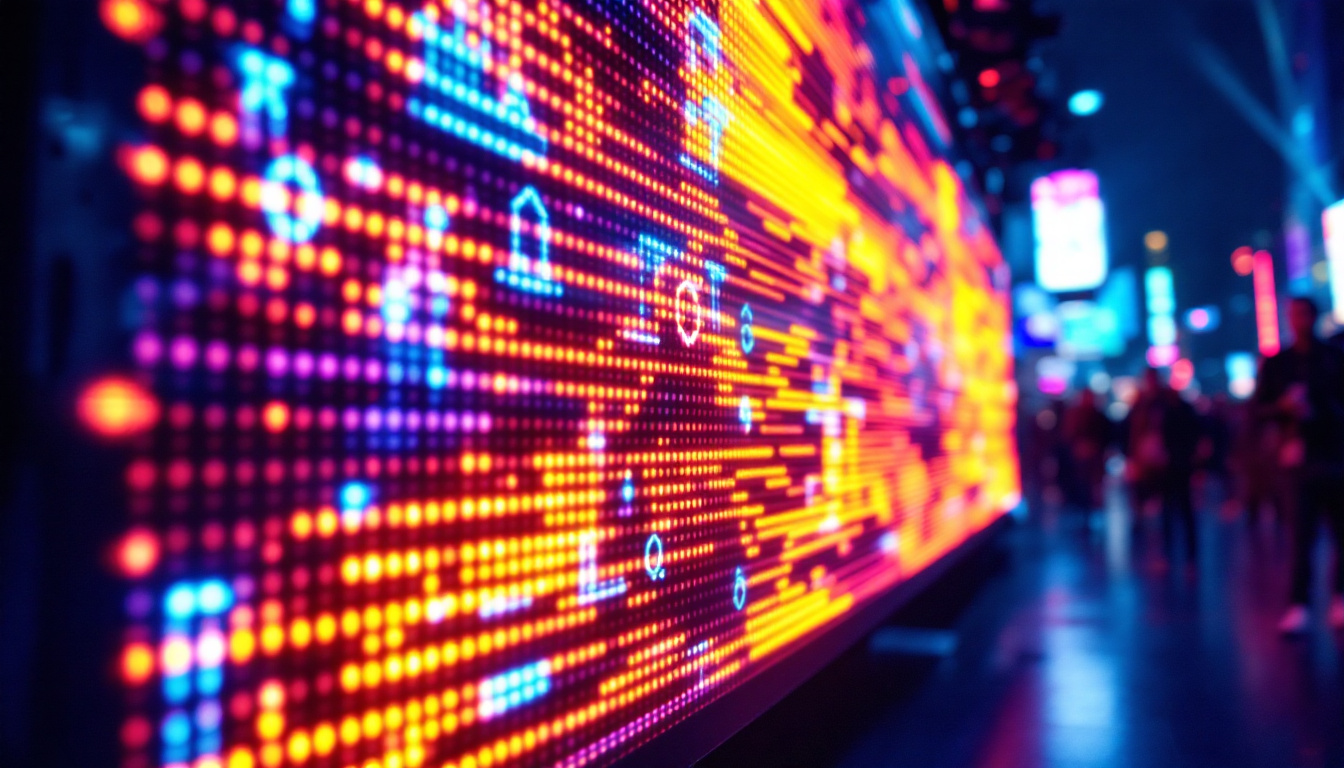
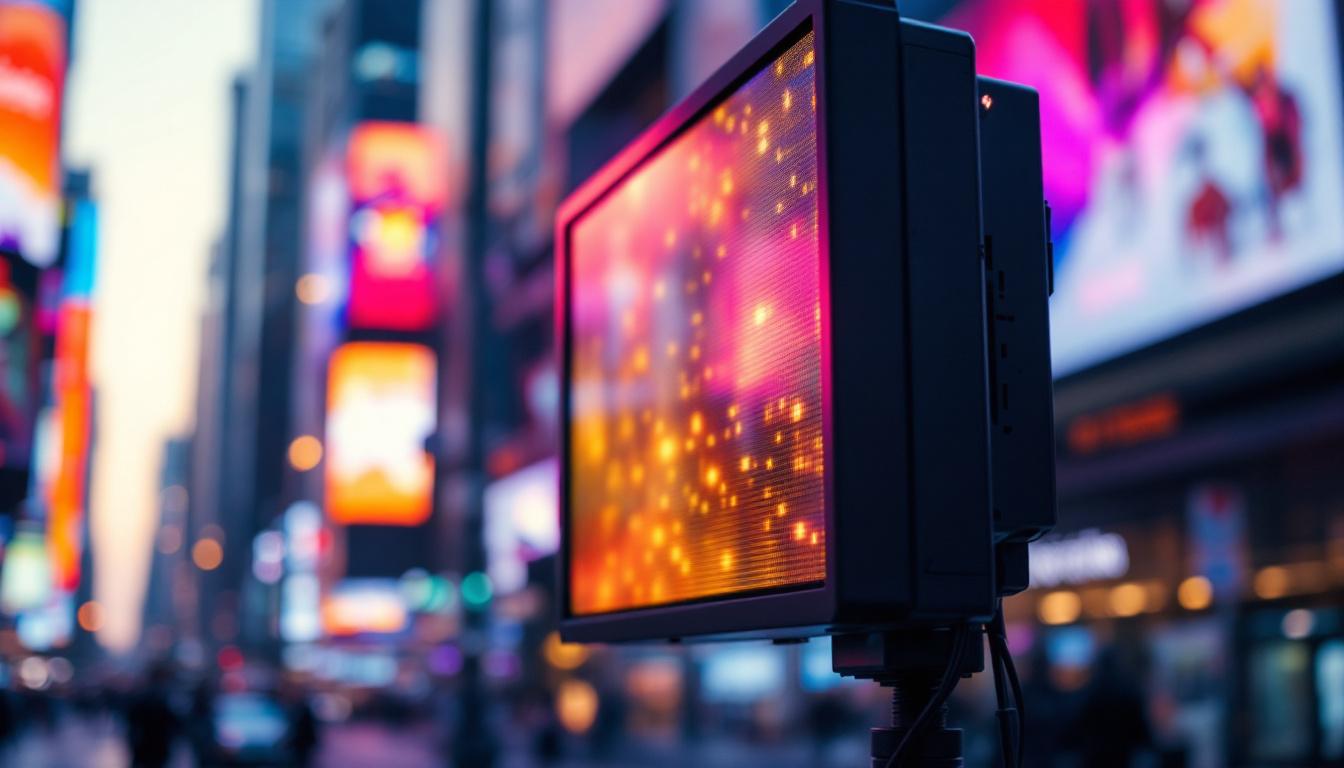
Each LED display consists of thousands to millions of tiny diodes arranged in a grid. These diodes can be red, green, and blue (RGB), and by varying the intensity of each color, the display can produce a full spectrum of colors. This capability allows LED signs to show anything from simple text to complex animations and videos.
The modular nature of LED panels means they can be scaled to nearly any size or shape, making them ideal for storefronts of all dimensions. Whether it’s a small window sign or a large facade display, LED technology adapts seamlessly. Furthermore, the lightweight design of LED panels facilitates easier installation and maintenance, allowing businesses to enhance their visibility without significant structural modifications.
Types of LED Displays Commonly Used in Storefronts
There are primarily two types of LED displays used in storefront signage: indoor and outdoor LED displays. Outdoor LED signs are built to withstand weather conditions such as rain, wind, and extreme temperatures, featuring higher brightness levels to remain visible even in direct sunlight. Indoor LED displays, on the other hand, focus on higher resolution and finer pixel pitches since ambient lighting is controlled.
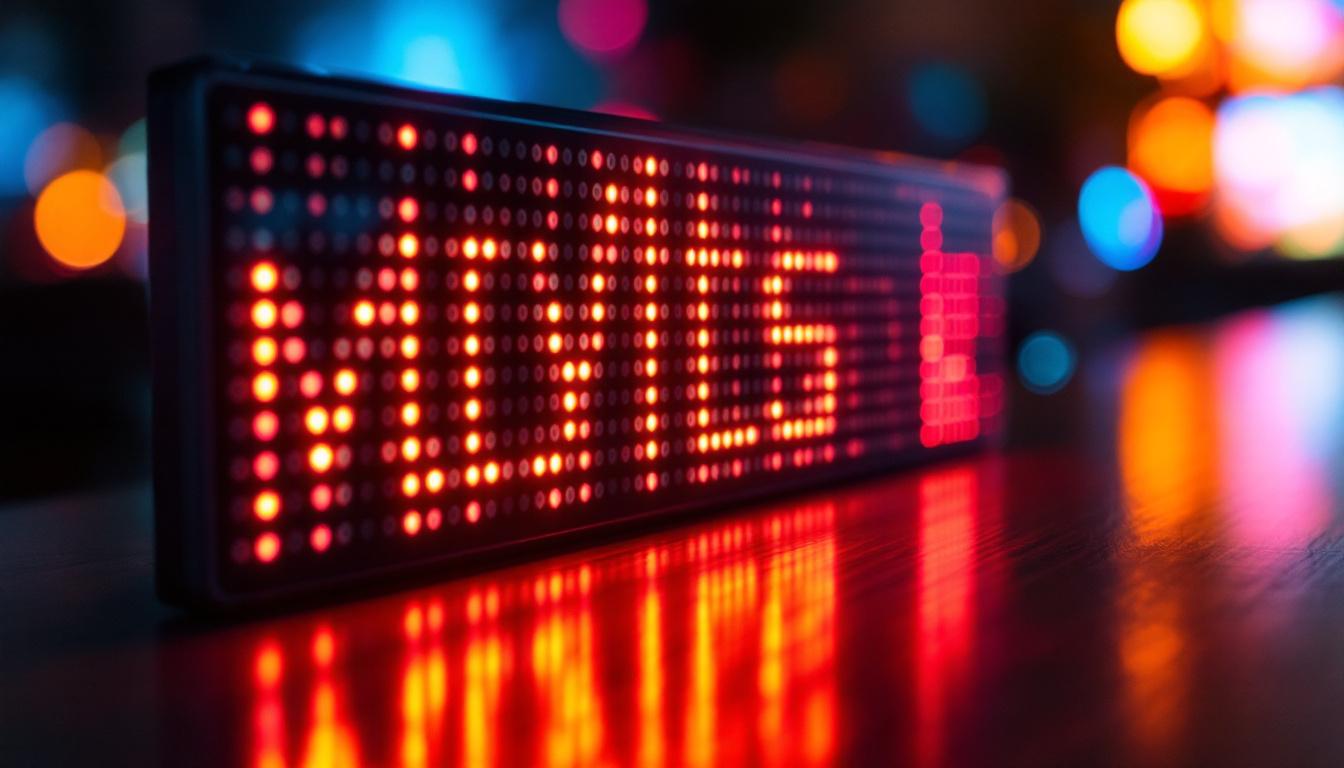
Additionally, there are fixed LED signs and programmable LED message boards. Fixed signs display static or looped content, while programmable boards allow businesses to update messaging remotely and in real time, a feature that is particularly valuable for promotions and time-sensitive announcements. The ability to change messages instantly not only enhances customer engagement but also allows businesses to respond swiftly to market trends or local events, ensuring that their advertising remains relevant and effective.
Moreover, the integration of smart technology into LED displays has opened up new avenues for interactivity. Many modern LED signs can be paired with sensors or mobile applications, enabling businesses to create dynamic content that reacts to customer behavior or environmental conditions. For instance, a store could display a special offer when foot traffic is high or showcase a video advertisement that plays when someone approaches the display. This level of engagement not only captures attention but also fosters a more personalized shopping experience, ultimately driving sales and customer loyalty.
The Advantages of LED Digital Storefront Signs
Switching to LED digital signage offers numerous benefits that can directly impact a business’s visibility, customer engagement, and ultimately, sales. Below are some of the key advantages that make LED storefront signs an attractive investment.
Enhanced Visibility and Attention-Grabbing Power
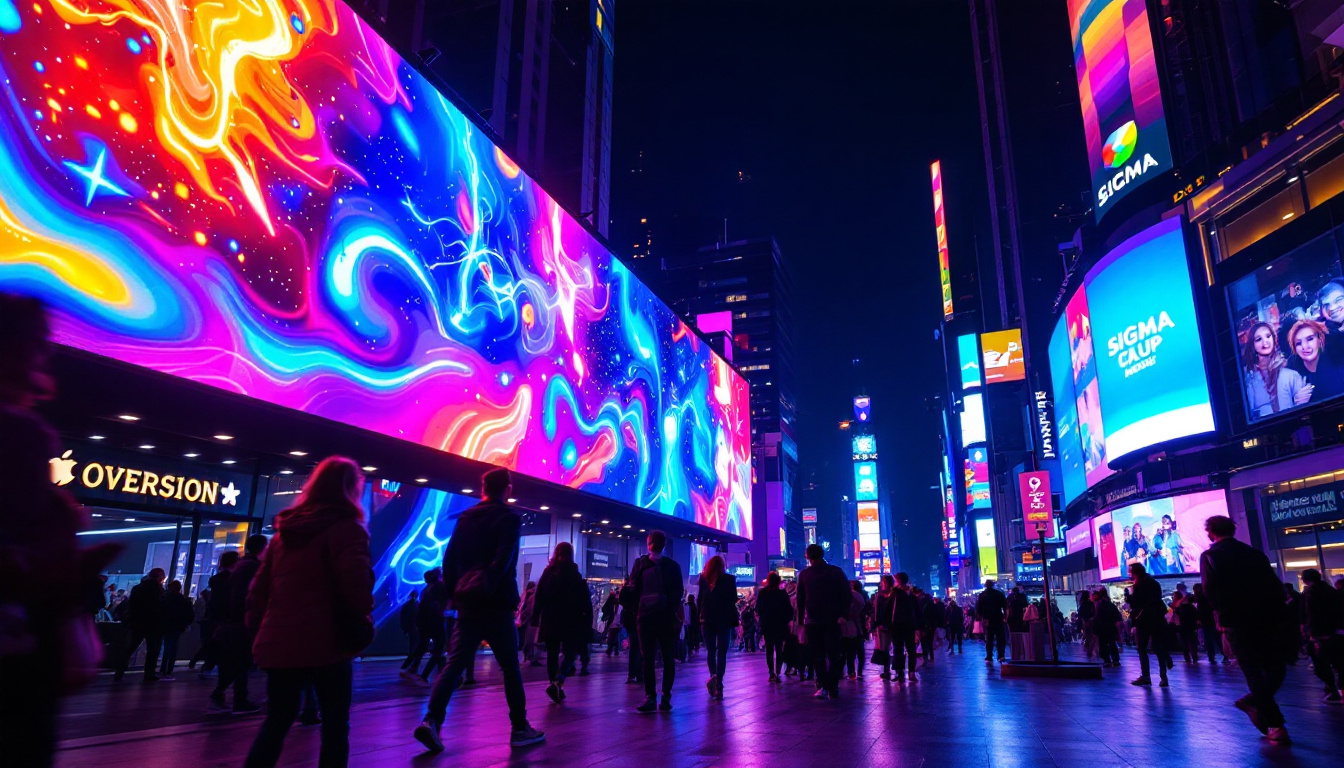
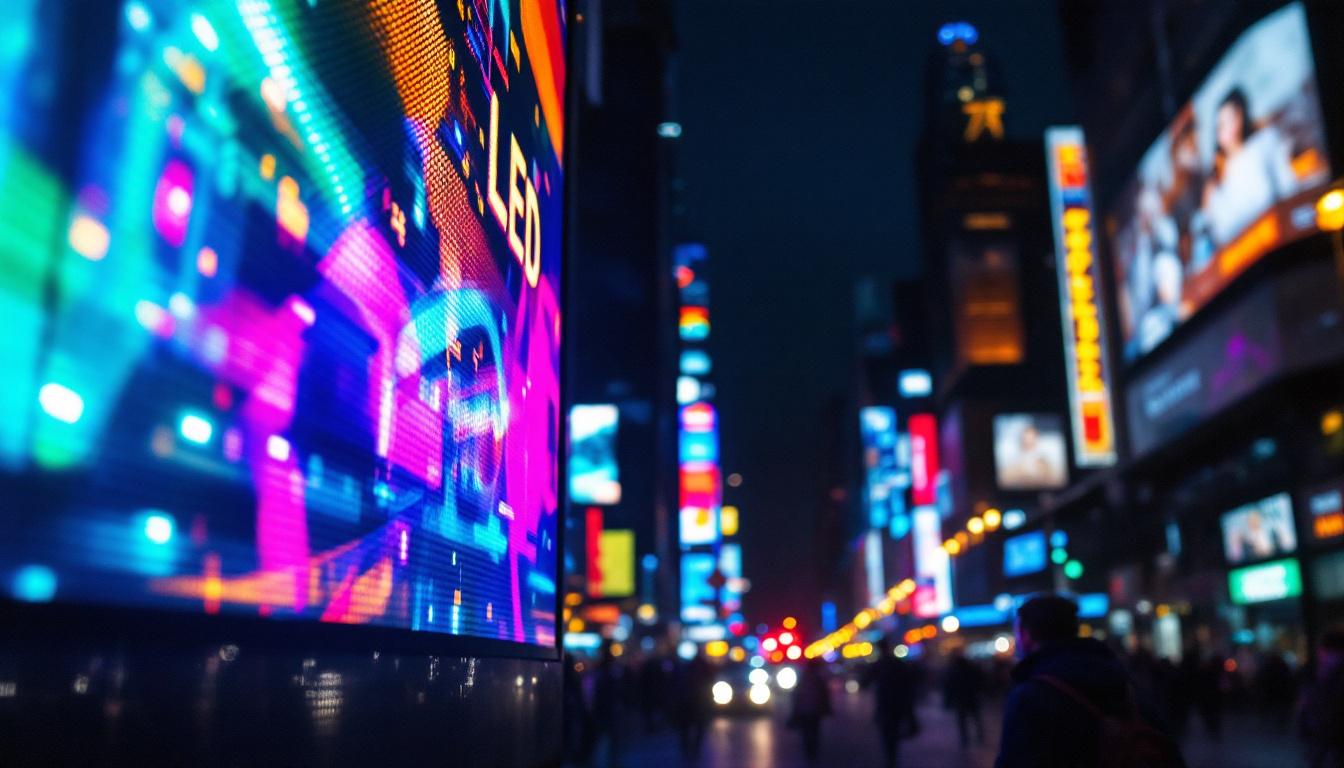
One of the most significant benefits of LED displays is their exceptional brightness and clarity. LED signs can be seen clearly from hundreds of feet away, day or night, making them ideal for attracting foot traffic and passing vehicles. According to a study by the Outdoor Advertising Association of America, digital signs can increase customer engagement by up to 400% compared to static signs.
The dynamic nature of LED displays — with animations, videos, and changing messages — naturally draws the eye, increasing the likelihood that potential customers will notice the storefront and be enticed to enter.
Energy Efficiency and Cost Savings
LED technology is remarkably energy-efficient compared to traditional lighting methods. While neon signs consume significant electricity and require frequent maintenance, LED signs use less power and have a longer lifespan, often exceeding 100,000 hours. This translates into lower operating costs and reduced environmental impact.
Moreover, the ability to program content remotely means businesses can avoid the recurring expenses associated with printing and installing new static signs, making LED signage a cost-effective long-term solution.
Flexibility and Real-Time Content Updates
Digital LED storefront signs offer unparalleled flexibility in messaging. Retailers can tailor content to specific times of day, seasons, or special events. For example, a coffee shop can promote morning specials during breakfast hours and switch to lunch deals in the afternoon with just a few clicks.
Real-time updates also enable businesses to respond quickly to market trends or unexpected changes, such as flash sales or weather alerts, keeping messaging fresh and relevant. This adaptability is a powerful tool for maintaining customer interest and driving repeat visits.
Improved Brand Image and Customer Experience
Modern digital signage conveys a sense of innovation and professionalism. Businesses that invest in high-quality LED storefront signs often benefit from an enhanced brand image, signaling to customers that they are forward-thinking and customer-focused.
Additionally, LED signs can be used to provide useful information such as store hours, promotions, or event announcements, improving the overall customer experience by keeping patrons informed and engaged before they even step inside.
Practical Applications of LED Storefront Signs
LED digital signage is highly versatile and can be tailored to suit a wide range of retail environments and business goals. Below are some of the most common and effective uses of LED storefront signs.
Promotional Displays and Sales Announcements
One of the most straightforward uses of LED storefront signs is to highlight promotions, discounts, and special offers. Dynamic content can create urgency, encouraging customers to take advantage of limited-time deals. For example, a clothing retailer might display a countdown timer for a weekend sale, while a restaurant could showcase daily specials with vivid images and animations.
Brand Storytelling and Visual Engagement
LED signs allow businesses to tell their brand story visually. High-resolution videos and animations can showcase product features, customer testimonials, or behind-the-scenes glimpses that deepen customer connection. This approach moves beyond traditional signage, creating an immersive experience that resonates emotionally with shoppers.
Event Promotion and Community Engagement
Storefront LED displays can also serve as community bulletin boards, promoting local events, holidays, or partnerships. This not only draws attention but also positions the business as an active community member, fostering goodwill and loyalty.
Wayfinding and Informational Signage
For larger retail complexes or multi-store locations, LED signs can provide directional information, helping customers navigate the space more easily. Additionally, displaying store hours, contact information, or COVID-19 guidelines enhances convenience and safety for visitors.
Key Considerations When Choosing an LED Storefront Sign
While LED digital signage offers many benefits, selecting the right solution requires careful planning and consideration of several factors to ensure the investment delivers maximum value.
Resolution and Pixel Pitch
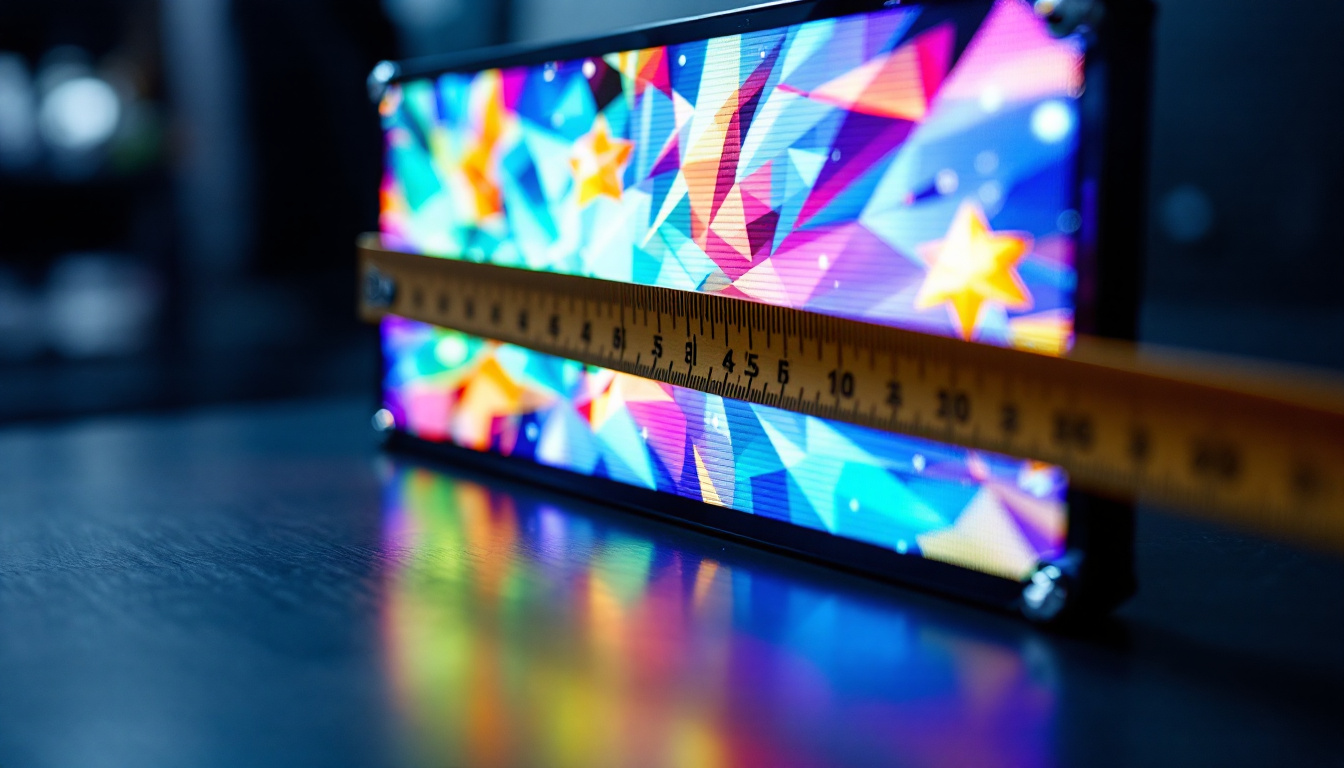
The resolution of an LED display is determined by its pixel pitch — the distance between individual LEDs. A smaller pixel pitch means higher resolution and sharper images, which is especially important for signs viewed at close range. For storefronts with pedestrian traffic, a pixel pitch of 2-4mm is typically recommended to ensure crisp visuals.
Brightness and Weather Resistance
Outdoor LED signs must be bright enough to compete with sunlight, often requiring brightness levels above 5,000 nits. Additionally, weatherproofing is critical to protect the sign from rain, dust, and temperature fluctuations. Look for LED displays with an IP65 rating or higher for reliable outdoor performance.
Content Management System (CMS)
The ease of updating and managing content is a crucial factor. A user-friendly CMS allows business owners or marketing teams to schedule, customize, and deploy content without technical expertise. Some advanced CMS platforms also offer analytics to track engagement and optimize messaging strategies.
Installation and Maintenance
Proper installation is essential for safety, visibility, and longevity. Professional installation ensures the sign is securely mounted and compliant with local regulations. Additionally, consider the availability of maintenance services and warranties to address potential issues promptly.
Future Trends in LED Digital Storefront Signage
The digital signage industry continues to evolve rapidly, driven by advances in technology and changing consumer expectations. Staying informed about emerging trends can help businesses maintain a competitive edge.
Integration with Artificial Intelligence and Data Analytics
AI-powered signage is becoming more common, enabling displays to adapt content based on real-time data such as weather, traffic, or customer demographics. For instance, a sign could automatically promote hot beverages on a cold day or adjust messaging based on the time of day and audience profile.
Interactive and Touch-Enabled Displays
Interactive LED signs allow customers to engage directly with the display, providing a personalized experience. Touchscreens or motion sensors can facilitate product browsing, wayfinding, or even placing orders, blending digital convenience with physical retail.
Sustainability and Energy Innovations
As sustainability becomes a priority, LED signage manufacturers are focusing on reducing energy consumption further and using eco-friendly materials. Solar-powered LED signs and smart dimming features that adjust brightness based on ambient light are examples of innovations that reduce environmental impact.
Conclusion
Digital storefront signs using LED display technology represent a powerful tool for modern businesses aiming to enhance visibility, engage customers, and communicate dynamically. Their brightness, flexibility, and cost-effectiveness make them an ideal choice for retailers seeking to stand out in crowded marketplaces.
By understanding the technology, benefits, and practical applications, businesses can make informed decisions when investing in LED signage. With thoughtful implementation and ongoing content management, LED storefront signs can significantly contribute to brand growth and customer loyalty in an increasingly digital world.
Illuminate Your Brand with LumenMatrix
Ready to elevate your retail space and captivate your audience with unparalleled brightness and dynamic content? LumenMatrix is at the forefront of LED display innovation, offering a diverse range of solutions tailored to your unique needs. From Indoor and Outdoor LED Wall Displays to specialized options like Vehicle, Sports, and Floor LED Displays, we have the technology to transform your visual communication. Embrace the future with our Custom, All-in-One, and Transparent LED Displays, and let your brand shine. Check out LumenMatrix LED Display Solutions today and take the first step towards an unforgettable storefront presence.