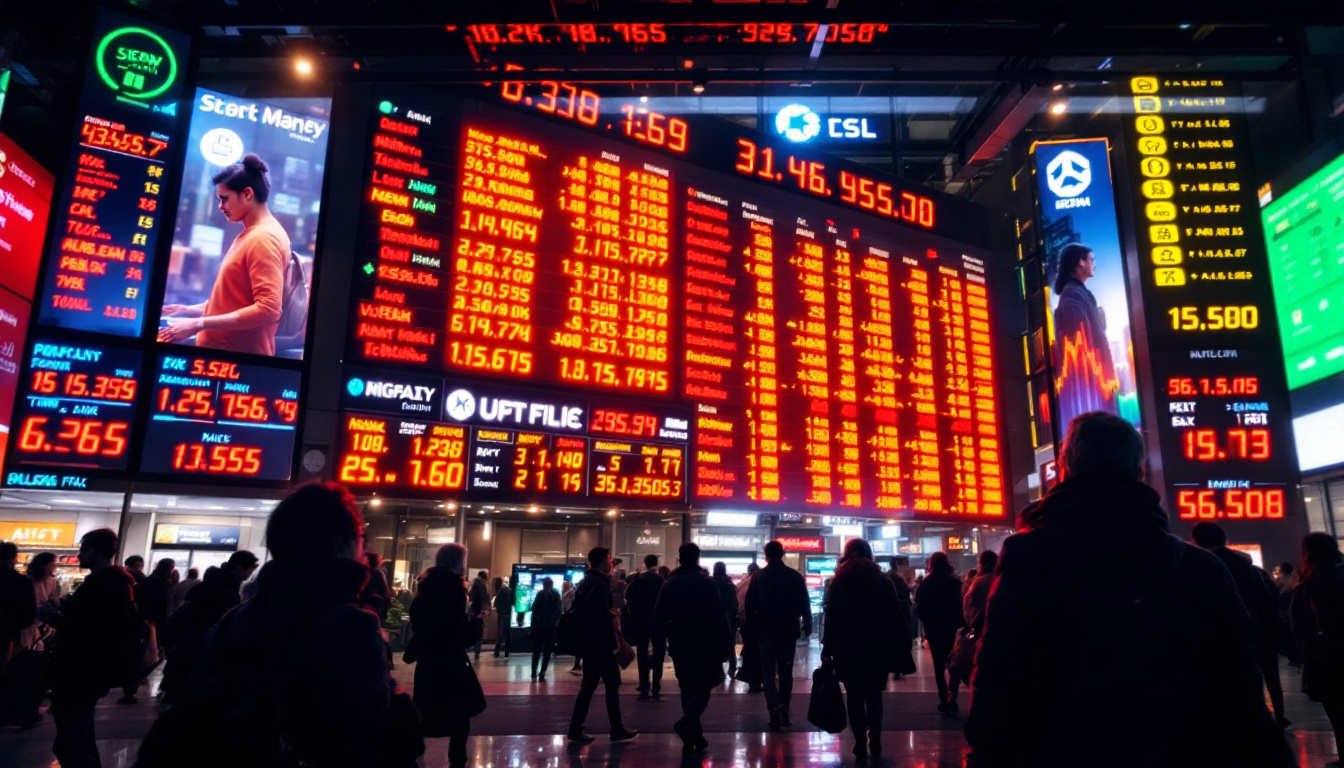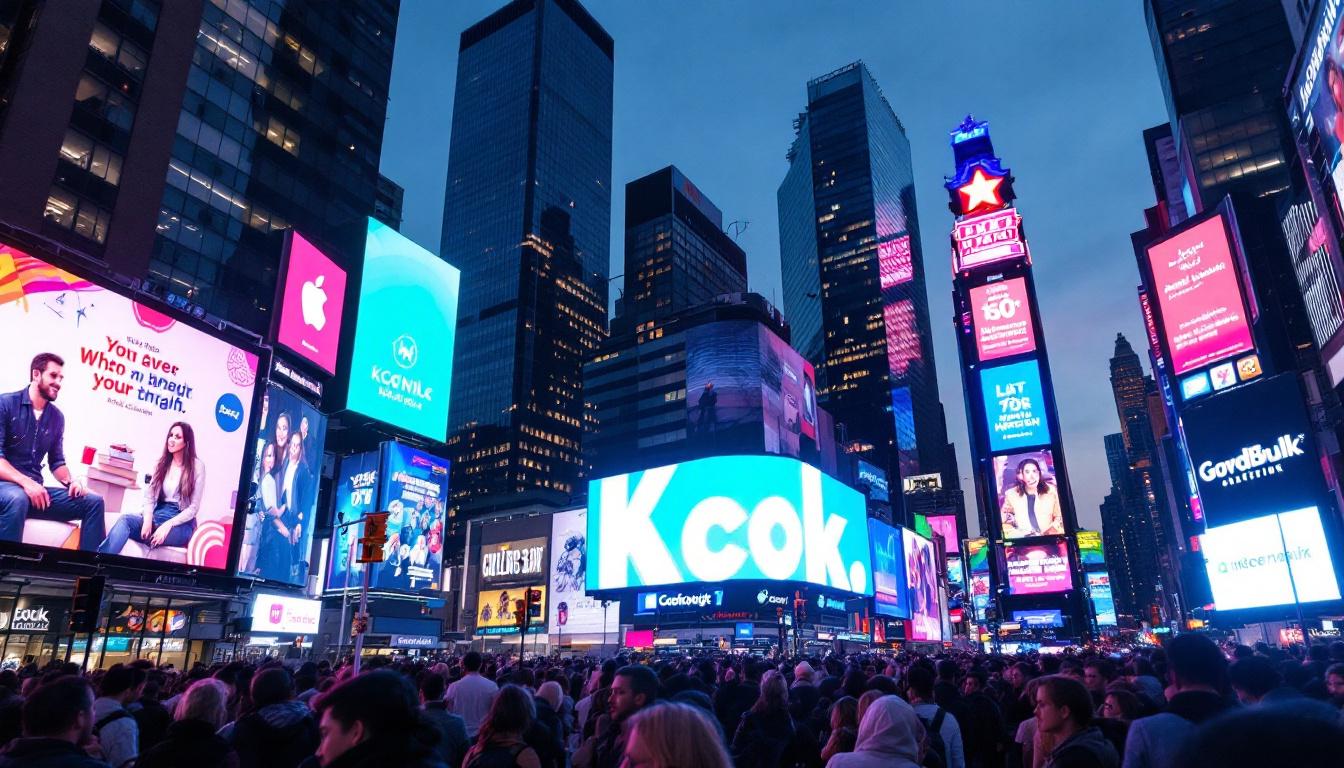
Times Square in New York City is synonymous with bright lights, bustling crowds, and some of the world’s most iconic advertising spaces. The towering LED billboards that light up this famous intersection are not just eye-catching—they represent a significant investment for brands aiming to capture the attention of millions. Understanding the pricing behind these LED displays, how they operate, and what factors influence their cost is essential for marketers, advertisers, and businesses considering a presence in this high-profile location.
The Allure of Times Square Advertising
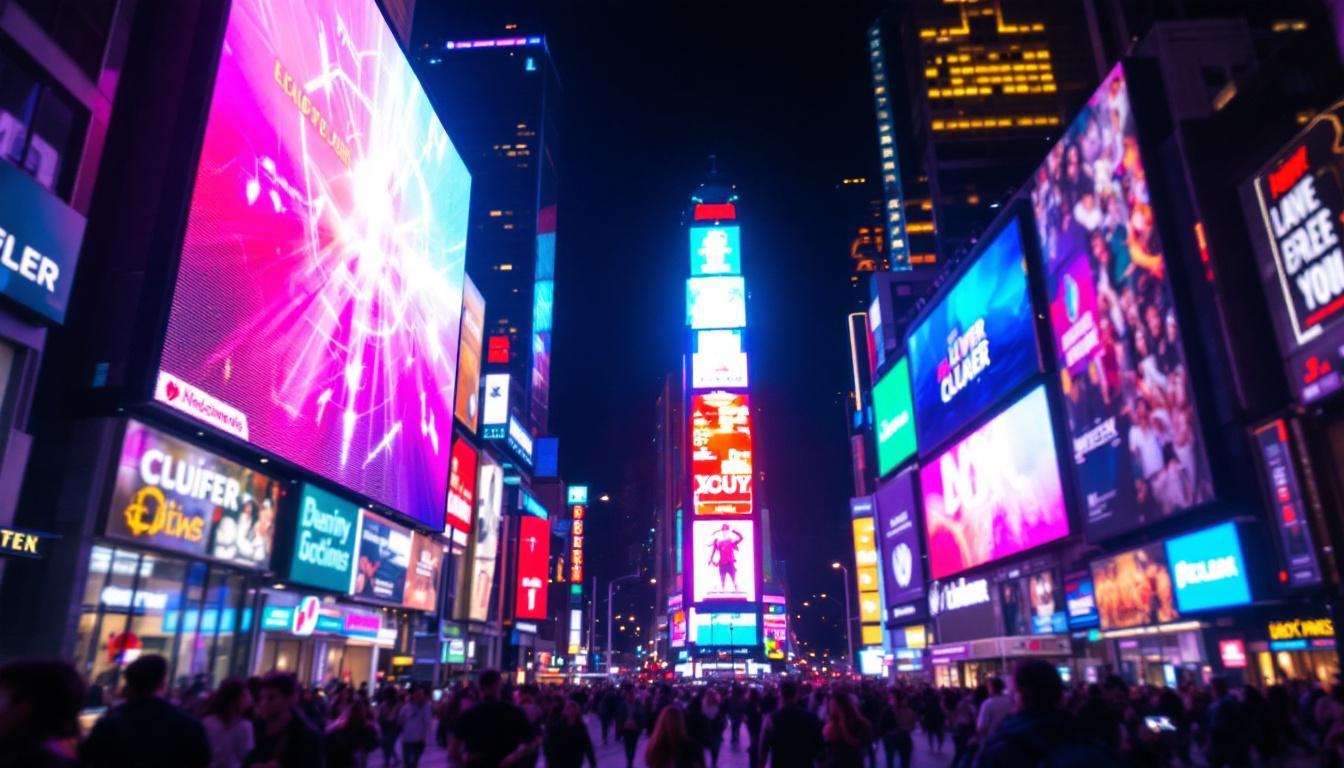
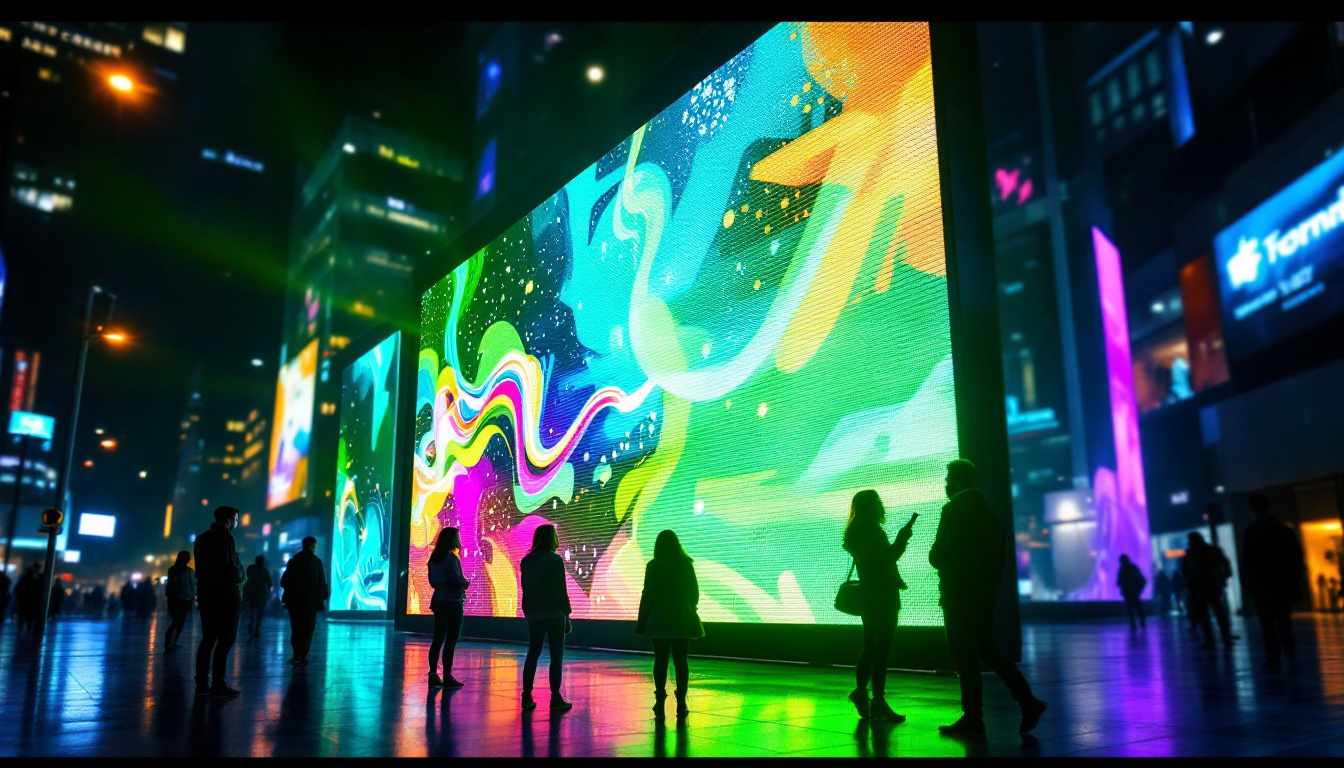
Times Square is often called “The Crossroads of the World,” attracting over 330,000 pedestrians daily, including tourists, locals, and professionals. This massive foot traffic, combined with the area’s global media coverage, makes it an unparalleled advertising venue. Brands that secure billboard space here gain not just visibility but also prestige and cultural relevance. The iconic neon lights and the bustling atmosphere create an environment that enhances the impact of advertisements, making them not just seen but experienced. Visitors often stop to take photos, share their experiences on social media, and engage with the brands they encounter, amplifying the reach of each campaign.
Because of this, the demand for billboard space in Times Square is incredibly high. Advertisers are willing to pay premium prices for the opportunity to showcase their messages on LED displays that are visible day and night, often viewed by millions worldwide through various media channels. The competition for this prime real estate is fierce, with brands vying to outdo one another in creativity and innovation. Seasonal campaigns, such as holiday-themed displays or major event promotions, often transform the square into a vibrant tapestry of color and light, drawing even greater crowds and attention.
Why LED Displays Dominate Times Square
LED (Light Emitting Diode) technology has revolutionized outdoor advertising, especially in places like Times Square. Unlike traditional static billboards, LED displays offer dynamic, vibrant, and changeable content. This flexibility allows advertisers to run multiple campaigns, use video and animation, and update messaging in real-time. The ability to tailor content to specific times of day or events, such as live broadcasts or sports games, enables brands to engage with their audience in a more meaningful way. For instance, a fashion brand might showcase a new collection during a major event, drawing in fashion enthusiasts and casual passersby alike.
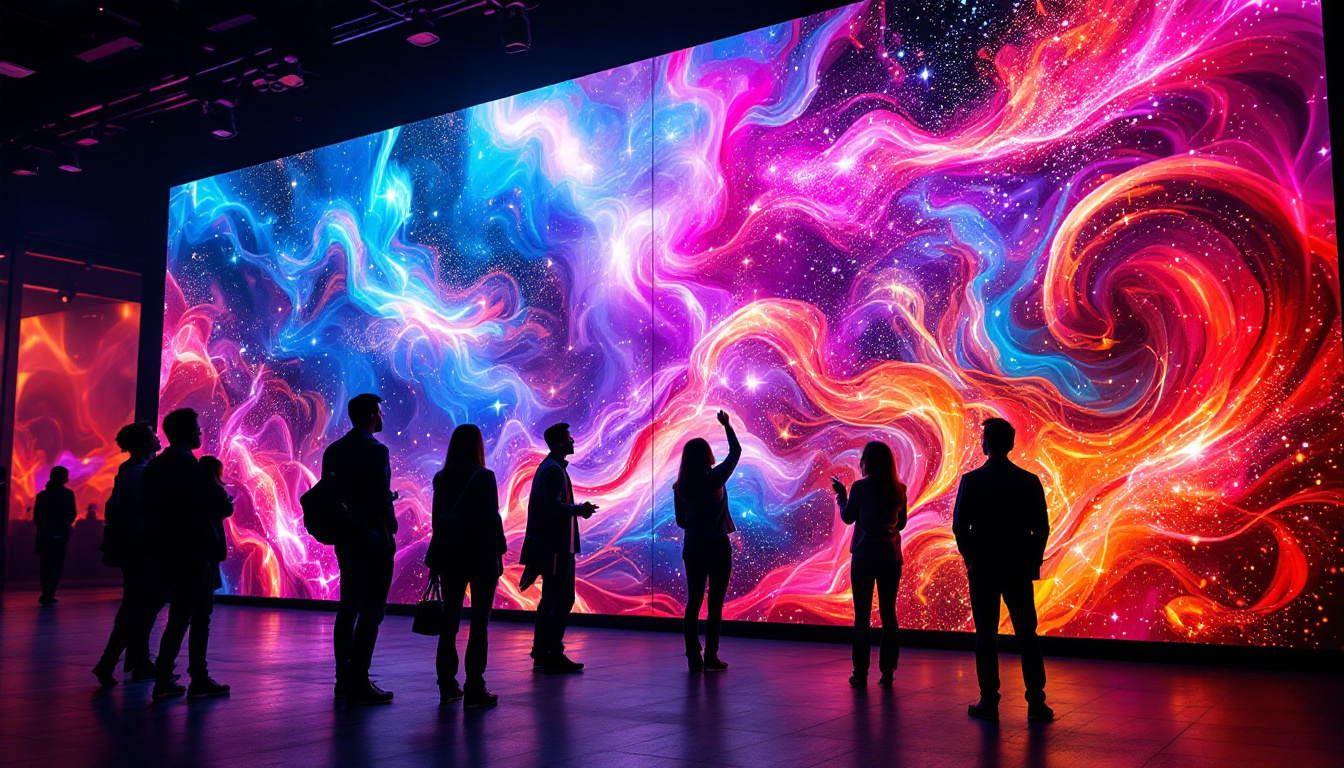
Moreover, LED billboards are highly energy-efficient and durable, capable of withstanding New York’s varying weather conditions. Their brightness ensures visibility even in broad daylight, maintaining impact around the clock. The technology also allows for creative features like interactive displays, where pedestrians can engage with the content through their smartphones or by physically interacting with the screens. This level of engagement not only captivates audiences but also fosters a sense of community, as people gather to experience these cutting-edge advertisements together, further solidifying Times Square’s status as a hub of innovation and entertainment.
Understanding Times Square Billboard Pricing
Billboard pricing in Times Square varies widely depending on several factors, including location, size, duration, and the type of display technology used. Unlike traditional billboards, LED displays often command higher prices due to their advanced capabilities and high demand. The vibrant, ever-changing nature of these digital screens captures the attention of millions of passersby, making them a coveted advertising space for brands looking to make a significant impact.
Average Cost of Times Square LED Billboards
On average, renting a Times Square LED billboard can cost anywhere from $5,000 to $50,000 per day. For the most premium locations—such as those facing Broadway or 7th Avenue with maximum pedestrian visibility—prices can soar even higher, sometimes reaching $70,000 or more per day. The allure of Times Square as a global icon means that advertisers are willing to pay a premium for the chance to showcase their brand in one of the most photographed locations in the world.
For example, a 30-second ad spot on a large LED billboard during peak hours can cost approximately $1.1 million for a month-long campaign. This pricing reflects the immense exposure and the prestige associated with Times Square advertising. With an estimated 50 million visitors annually, the potential return on investment can be substantial, making it an attractive option for businesses of all sizes, from startups to multinational corporations.
Factors Influencing Billboard Prices
- Location: Billboards closer to major pedestrian intersections or subway entrances command higher prices due to increased visibility.
- Size and Resolution: Larger displays with higher pixel density offer better image quality and attract higher fees.
- Duration and Timing: Peak times, such as holidays or major events, see price surges. Longer campaigns may benefit from negotiated discounts.
- Content Complexity: Dynamic and interactive content may require additional technical support, influencing costs.
- Advertising Agency Fees: Many advertisers work through agencies that add service fees to the overall cost.
Additionally, the competitive landscape of advertising in Times Square means that brands must not only consider the cost but also the creative execution of their campaigns. Unique and eye-catching advertisements can stand out in the sea of visuals, prompting brands to invest in innovative designs and storytelling techniques. As technology evolves, advertisers are increasingly incorporating augmented reality and interactive elements to engage audiences more deeply, further driving up production costs. The result is a dynamic advertising ecosystem where creativity and strategy play crucial roles in determining the overall effectiveness of a campaign.
Moreover, the seasonal fluctuations in foot traffic can also impact pricing. For instance, during the holiday season, when tourists flock to the area for shopping and entertainment, advertisers may find themselves facing stiff competition and higher rates. Conversely, off-peak periods may offer more favorable pricing, but with a trade-off in terms of audience reach. Understanding these nuances is essential for advertisers looking to maximize their impact while navigating the complexities of Times Square billboard pricing.
How LED Billboards Work in Times Square
LED billboards in Times Square are sophisticated systems that integrate hardware, software, and content management to deliver stunning visual experiences. Understanding the technology behind these displays sheds light on why they command premium pricing.
LED Technology Basics
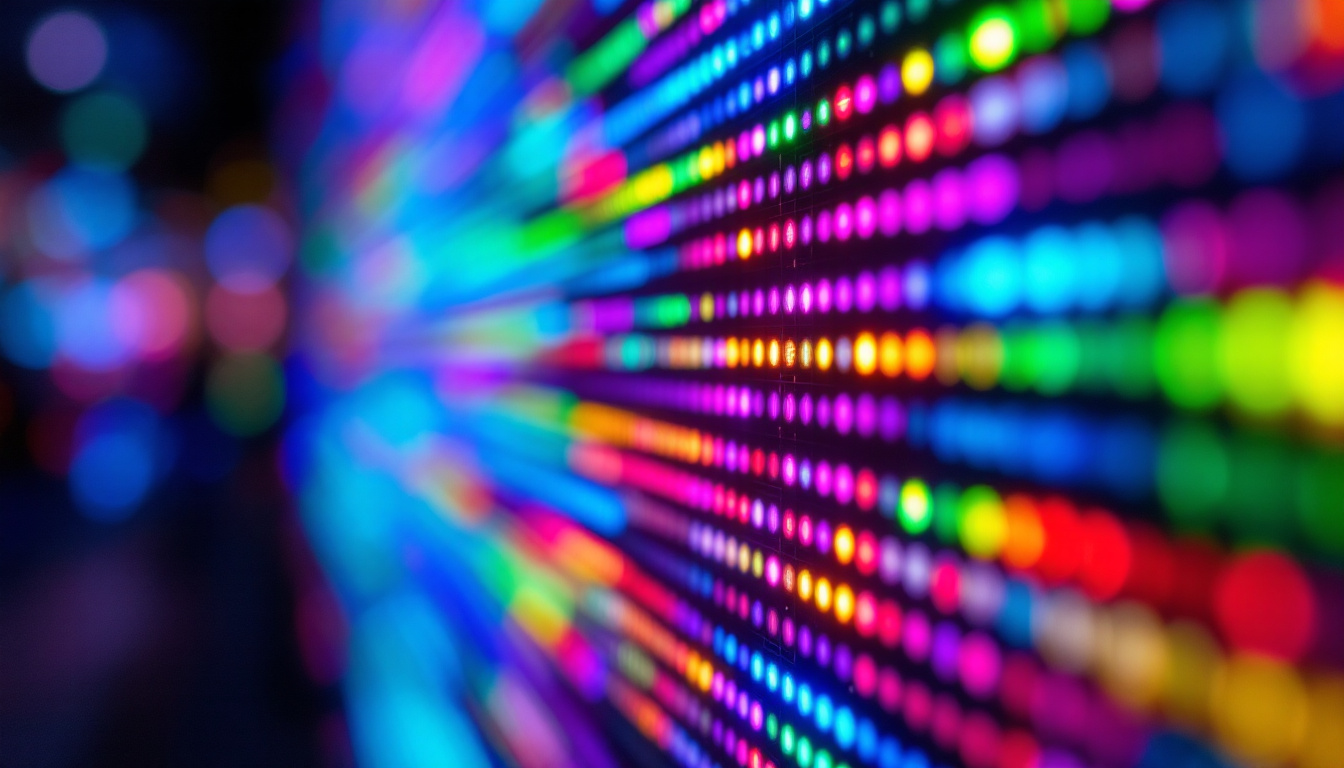
Each LED billboard is composed of thousands of tiny LED modules, which emit light when an electric current passes through them. These modules are arranged in grids to form the display surface. The brightness, color, and resolution depend on the quality and density of these LEDs.
Modern LED billboards use full-color RGB LEDs, allowing for millions of color combinations and smooth video playback. The pixel pitch—the distance between individual LEDs—determines the display’s clarity. Times Square billboards typically have a pixel pitch ranging from 10mm to 20mm, balancing resolution and viewing distance.
Content Management and Scheduling
Advertisers upload their content to centralized content management systems (CMS), which control what appears on the billboard and when. These systems allow for precise scheduling, enabling multiple advertisers to share the same display throughout the day.
Real-time updates are possible, allowing brands to tailor messages to current events, weather conditions, or audience demographics. This flexibility enhances the effectiveness of campaigns and justifies the higher costs associated with LED displays.
Comparing Times Square LED Billboard Prices to Other Markets
While Times Square is among the most expensive advertising locations globally, it’s helpful to compare its pricing to other major markets to understand its unique value proposition.
New York City vs. Other U.S. Cities
In cities like Los Angeles or Chicago, LED billboard prices typically range from $1,000 to $15,000 per day, depending on location and size. This is significantly lower than Times Square, reflecting differences in foot traffic, media exposure, and cultural significance.
Even within New York City, Times Square commands a premium compared to other neighborhoods. For example, LED billboards in Midtown Manhattan but outside Times Square might cost between $3,000 and $10,000 per day.
International Comparisons
Globally, iconic locations such as London’s Piccadilly Circus or Tokyo’s Shibuya Crossing also feature LED billboards with high prices, but Times Square remains one of the priciest due to its unparalleled global media presence and tourist volume.
Maximizing ROI on Times Square LED Advertising
Given the substantial investment required for Times Square LED advertising, brands must strategize carefully to maximize their return on investment (ROI). Several best practices can help ensure that campaigns deliver measurable impact.
Targeted Content and Timing
Creating content that resonates with Times Square’s diverse audience is crucial. Campaigns should be visually striking, concise, and culturally relevant. Leveraging holidays, major events, and peak pedestrian hours can amplify reach.
Integration with Multi-Channel Campaigns
Times Square advertising often serves as a centerpiece for broader marketing efforts. Integrating billboard campaigns with social media, digital advertising, and experiential marketing can create a cohesive brand narrative and extend engagement beyond the physical location.
Measurement and Analytics
Tracking the effectiveness of billboard campaigns is essential. Many advertisers use foot traffic analytics, social media mentions, and sales data to assess impact. Some LED billboard providers offer audience measurement tools, including demographic data and dwell time analysis, to optimize future campaigns.
Future Trends in Times Square LED Advertising
As technology evolves, so does the landscape of Times Square advertising. Emerging trends promise to reshape how brands engage with audiences in this iconic space.
Interactive and Augmented Reality Displays
New LED billboards are incorporating interactive elements and augmented reality (AR) to create immersive experiences. For example, some displays enable passersby to interact via smartphones or motion sensors, increasing engagement and memorability.
Artificial Intelligence and Personalization
AI-driven content personalization is becoming more common, allowing billboards to adapt messaging based on real-time data such as weather, time of day, or audience demographics. This dynamic approach enhances relevance and effectiveness.
Sustainability and Energy Efficiency
With growing emphasis on sustainability, LED billboard providers are investing in greener technologies. Innovations include solar-powered displays, energy-efficient LEDs, and recyclable materials, aligning advertising practices with environmental responsibility.
Conclusion
Times Square LED billboards represent a pinnacle of outdoor advertising, combining cutting-edge technology with unparalleled visibility. While the costs are substantial, the potential rewards in brand awareness and cultural impact are significant. Understanding the factors that influence pricing, the technology behind the displays, and strategies for maximizing ROI can help advertisers make informed decisions.
As the advertising landscape continues to evolve, Times Square remains a vibrant and dynamic platform where brands can shine—literally and figuratively—on one of the world’s most famous stages.
Illuminate Your Brand with LumenMatrix
Ready to make your mark in the heart of New York City? LumenMatrix is at the forefront of LED display innovation, offering a wide array of solutions to bring your brand to life in Times Square and beyond. From dazzling Indoor and Outdoor LED Wall Displays to dynamic Vehicle and Sports LED Displays, our technology is designed to captivate and engage. Experience the transformative power of our Custom, All-in-One, and Transparent LED Displays, and let your message resonate with clarity and impact. Check out LumenMatrix LED Display Solutions today and elevate your advertising to new heights.