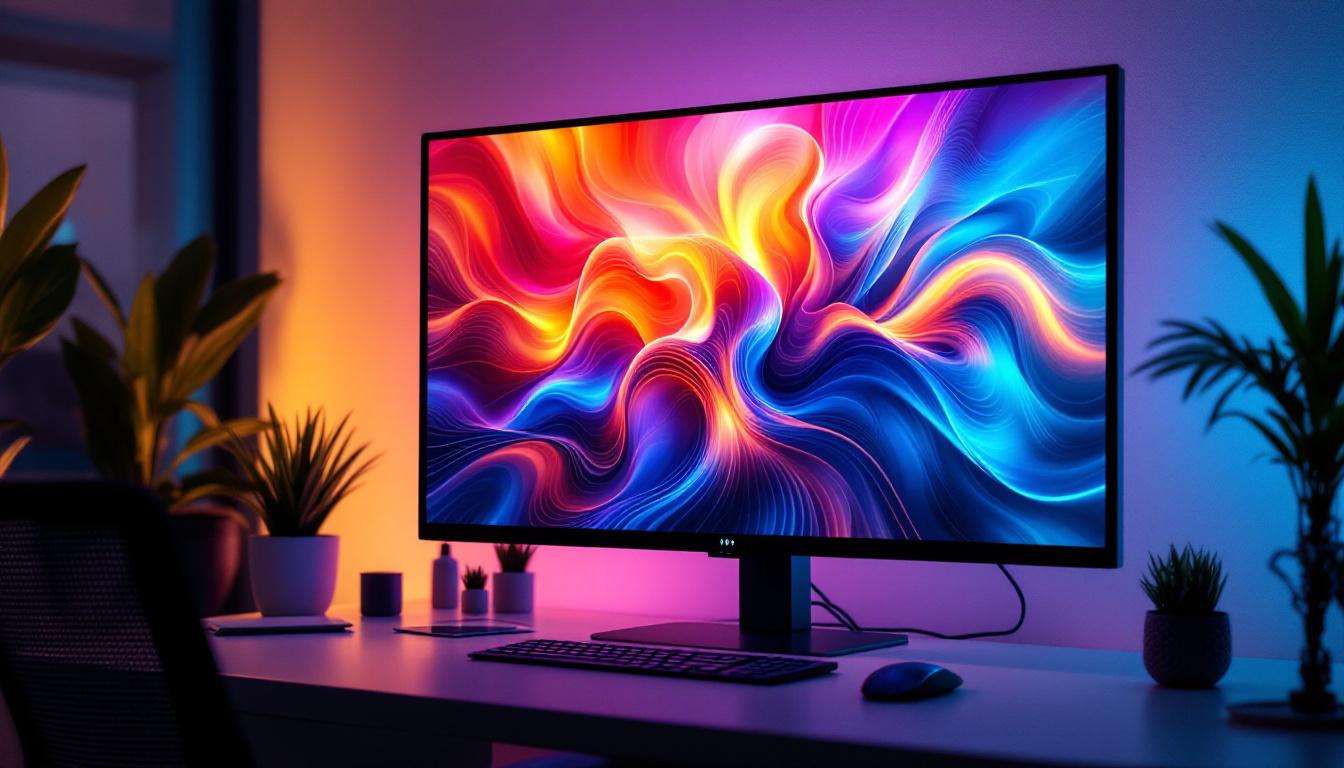
In today’s digital age, the intersection of eyewear technology and display technology is becoming increasingly significant. LCD monitor glasses, often used in conjunction with LED displays, represent a fascinating blend of optics and electronics designed to enhance visual experiences. Whether for professional applications, gaming, or general screen use, understanding how these glasses work with LED displays can improve comfort, reduce eye strain, and optimize image clarity.
This article delves into the technology behind LCD monitor glasses and LED displays, explaining their relationship, benefits, and practical considerations for users. By the end, readers will have a comprehensive understanding of how these technologies interact and why they matter in everyday digital interactions.
Understanding LED Displays: The Foundation of Modern Screens
What Are LED Displays?
LED (Light Emitting Diode) displays have become the dominant technology in monitors, televisions, and digital signage. Unlike traditional LCDs that rely on cold cathode fluorescent lamps (CCFL) for backlighting, LED displays use light-emitting diodes to illuminate the screen. This shift has brought about improvements in brightness, energy efficiency, color accuracy, and lifespan.
LED displays come in various forms, including edge-lit and direct-lit configurations. Edge-lit LED displays place the diodes along the edges of the screen, allowing for thinner designs and reduced power consumption. Direct-lit LED displays position the LEDs directly behind the screen, offering superior brightness uniformity and contrast ratios. Additionally, advancements in technology have led to the development of mini-LED and micro-LED displays, which utilize smaller diodes for even greater control over lighting and contrast, paving the way for next-generation displays that can achieve unprecedented levels of detail and color depth.
How LED Displays Work
At the core, an LED display consists of a matrix of pixels, each made up of subpixels in red, green, and blue. These subpixels combine to produce the full spectrum of colors perceived by the human eye. The LEDs provide the backlighting necessary for the LCD (Liquid Crystal Display) layer to modulate light and create images.
The LCD layer controls the passage of light by twisting liquid crystals when an electric current is applied. This modulation allows precise control over color and brightness at the pixel level. LED backlighting enhances this by providing a bright, consistent light source that enables vibrant colors and deep blacks. Furthermore, the integration of technologies such as local dimming allows for specific areas of the screen to be illuminated or dimmed independently, enhancing the overall viewing experience by improving contrast and detail in darker scenes. As a result, LED displays not only deliver stunning visuals but also adapt seamlessly to various content types, from high-definition movies to dynamic video games.
LCD Monitor Glasses: What Are They and How Do They Work?
The Purpose of LCD Monitor Glasses
LCD monitor glasses are specialized eyewear designed to improve the viewing experience when using LCD or LED screens. These glasses often incorporate features such as blue light filtering, anti-reflective coatings, and sometimes even adjustable tints to reduce glare and eye strain. They are particularly popular among individuals who spend extended hours in front of computer monitors, including professionals, gamers, and students. The increasing reliance on digital devices for work, education, and entertainment has made these glasses a valuable accessory for many, as they help to maintain visual comfort and clarity during long sessions of screen time.
Blue light emitted by LED displays has been a topic of concern due to its potential impact on circadian rhythms and eye health. LCD monitor glasses aim to mitigate these effects by filtering out a portion of the blue light spectrum without significantly altering color perception. This is particularly beneficial for those who work late into the night or use their devices in dimly lit environments, as the glasses can help reduce the risk of sleep disturbances linked to blue light exposure. Furthermore, many users report experiencing less fatigue and discomfort, allowing them to focus better on their tasks and enjoy their favorite media without the nagging worry of eye strain.
How LCD Monitor Glasses Interact with LED Displays
When wearing LCD monitor glasses, the lenses filter the light emitted from LED displays before it reaches the eyes. This filtering can reduce the intensity of blue light and minimize glare caused by reflections on the screen surface. The glasses’ coatings can also enhance contrast and reduce flicker perception, which is important for preventing digital eye strain. In addition to these benefits, some models are designed with specific tints that can enhance color accuracy for certain tasks, such as graphic design or video editing, making them versatile tools for creative professionals.
It’s important to note that while the glasses improve comfort, they do not alter the fundamental display technology. Instead, they serve as an optical enhancement that complements the LED display’s characteristics, making prolonged screen use more tolerable. Many users find that these glasses not only help reduce eye strain but also improve overall productivity, as they can work longer hours without the discomfort that often accompanies extended screen time. As the market for LCD monitor glasses continues to grow, manufacturers are also exploring innovative designs and features, such as lightweight materials and customizable frames, to cater to a wider audience and enhance user experience even further.
Benefits of Using LCD Monitor Glasses with LED Displays
Reduced Eye Strain and Fatigue
One of the most significant advantages of LCD monitor glasses is the reduction of eye strain. Studies show that prolonged exposure to screens can lead to symptoms such as dryness, irritation, headaches, and blurred vision—collectively known as Computer Vision Syndrome (CVS). By filtering blue light and reducing glare, these glasses help alleviate these symptoms.
According to a 2023 study published in the Journal of Ophthalmic Research, users wearing blue light filtering glasses reported a 30% decrease in eye discomfort during extended screen sessions compared to those without glasses. This improvement can translate into better productivity and overall well-being.
Improved Sleep Quality
Blue light exposure, especially in the evening, can disrupt the body’s natural production of melatonin, a hormone that regulates sleep. By filtering blue light, LCD monitor glasses can help maintain circadian rhythm integrity, leading to improved sleep quality.
Research from the Sleep Health Journal in 2022 found that participants who wore blue light filtering glasses for two hours before bedtime experienced a 15% increase in melatonin levels and reported better sleep quality. For individuals working late or using screens before sleep, this benefit is particularly valuable.
Enhanced Visual Clarity and Comfort
Many LCD monitor glasses include anti-reflective coatings that reduce screen glare and reflections from ambient lighting. This feature enhances contrast and sharpness, making text and images easier to see. For professionals such as graphic designers, video editors, and programmers, this can improve accuracy and reduce visual fatigue.
Additionally, some glasses offer adjustable tinting or polarization, allowing users to customize their visual experience based on lighting conditions and personal preference.
Choosing the Right LCD Monitor Glasses for LED Displays
Key Features to Consider
When selecting LCD monitor glasses, several factors should be taken into account to ensure optimal performance and comfort:
- Blue Light Filtering Percentage: Glasses typically filter between 20% to 50% of blue light. Higher filtering can offer more protection but may alter color perception.
- Lens Coatings: Anti-reflective and anti-glare coatings improve visual clarity and reduce distractions.
- Comfort and Fit: Lightweight frames and adjustable nose pads contribute to long-term wearability.
- Prescription Compatibility: For users who require vision correction, options that accommodate prescription lenses are essential.
- Style and Design: Since these glasses are often worn for extended periods, aesthetic appeal can influence user satisfaction.
Evaluating Glasses Based on Usage
The ideal pair of LCD monitor glasses varies depending on the user’s primary activities. For example, gamers may prioritize minimal color distortion and fast response coatings, while office workers might focus on maximum blue light filtering and comfort.
It’s advisable to try different models or consult with an eye care professional to determine the best fit. Some manufacturers offer trial periods or satisfaction guarantees, which can help users make informed decisions.
Future Trends in LCD Monitor Glasses and LED Display Technology
Advancements in Display Technology
LED displays continue to evolve with innovations such as Mini-LED and Micro-LED technologies. These advancements promise even higher brightness, better contrast ratios, and improved energy efficiency. As displays become more sophisticated, the role of LCD monitor glasses may also evolve to address new visual challenges.
For instance, higher refresh rates and increased brightness levels can exacerbate eye strain if not properly managed. Future glasses may incorporate dynamic filtering technologies that adjust in real-time to display conditions.
Integration with Augmented Reality and Smart Glasses
The boundaries between traditional eyewear and digital displays are blurring with the rise of augmented reality (AR) glasses and smart eyewear. These devices often incorporate LCD or OLED microdisplays to project images directly into the user’s field of view.
As AR glasses gain popularity, understanding the interaction between eyewear optics and display technology will become even more critical. LCD monitor glasses could evolve into multifunctional devices that combine blue light filtering with AR capabilities, offering seamless digital experiences without compromising eye health.
Practical Tips for Using LCD Monitor Glasses Effectively
Maintain Proper Screen Distance and Lighting
Even with LCD monitor glasses, proper ergonomics remain essential. Position screens at an arm’s length distance and slightly below eye level to reduce strain. Ensure ambient lighting is balanced to avoid excessive glare or reflections on the screen.
Take Regular Breaks
The 20-20-20 rule—looking at something 20 feet away for 20 seconds every 20 minutes—helps relax eye muscles and prevent fatigue. Combining this practice with the use of LCD monitor glasses can significantly enhance visual comfort.
Keep Glasses Clean and Well-Maintained
Regularly cleaning lenses with appropriate solutions and storing glasses properly will preserve their effectiveness. Scratches or smudges can reduce clarity and increase eye strain.
Conclusion
LCD monitor glasses and LED displays together form a powerful duo that shapes modern visual experiences. By understanding how LED backlighting enhances LCD screens and how specialized glasses can mitigate potential eye strain, users can make informed choices to protect their vision and improve comfort.
As technology advances, the synergy between eyewear and display innovations will continue to grow, offering new possibilities for healthier and more immersive screen interactions. Whether for work, entertainment, or health, investing in quality LCD monitor glasses tailored to LED displays is a wise step toward sustainable digital living.
Discover LumenMatrix’s Advanced LED Display Solutions
Embrace the future of digital display technology with LumenMatrix. As a pioneer in LED innovation, we offer an extensive range of LED display solutions designed to elevate your visual experience. From captivating Indoor and Outdoor LED Wall Displays to dynamic Vehicle and Sports LED Displays, our products are crafted to enhance brand visibility and engage audiences like never before. Explore our LED Poster Displays, Floor LED Displays, and Custom LED solutions that are tailored to meet your unique needs. Join us in transforming visual communication and making a lasting impression. Check out LumenMatrix LED Display Solutions today and step into a world where clarity and impact go hand in hand.