In today’s fast-paced digital world, electronic displays play a crucial role in communication, advertising, and entertainment. Among the various types of display technologies, LED displays have emerged as a dominant force due to their versatility, brightness, and energy efficiency. This article aims to provide an in-depth explanation of LED displays, covering their technology, applications, advantages, and future trends.
Understanding LED Display Technology
What is an LED Display?
LED stands for Light Emitting Diode, a semiconductor device that emits light when an electric current passes through it. An LED display is a flat panel display that uses an array of these tiny LEDs as pixels to create images, videos, and text. Unlike traditional LCD or plasma screens, LED displays use direct light emission, which offers superior brightness and contrast.
LED displays can be found in a variety of formats, including small indoor screens, large outdoor billboards, video walls, and even wearable devices. The technology behind these displays has evolved significantly, enabling higher resolution, better color accuracy, and improved energy efficiency.
Types of LED Displays
There are primarily two types of LED displays: direct view LED displays and LED-backlit LCD displays. Understanding the difference is essential for selecting the right display for specific applications.
- Direct View LED Displays: These displays use LEDs as the actual pixels. Each pixel is composed of one or more LEDs (typically red, green, and blue) that combine to produce a full spectrum of colors. This type is commonly used for large outdoor screens, stadium displays, and digital signage.
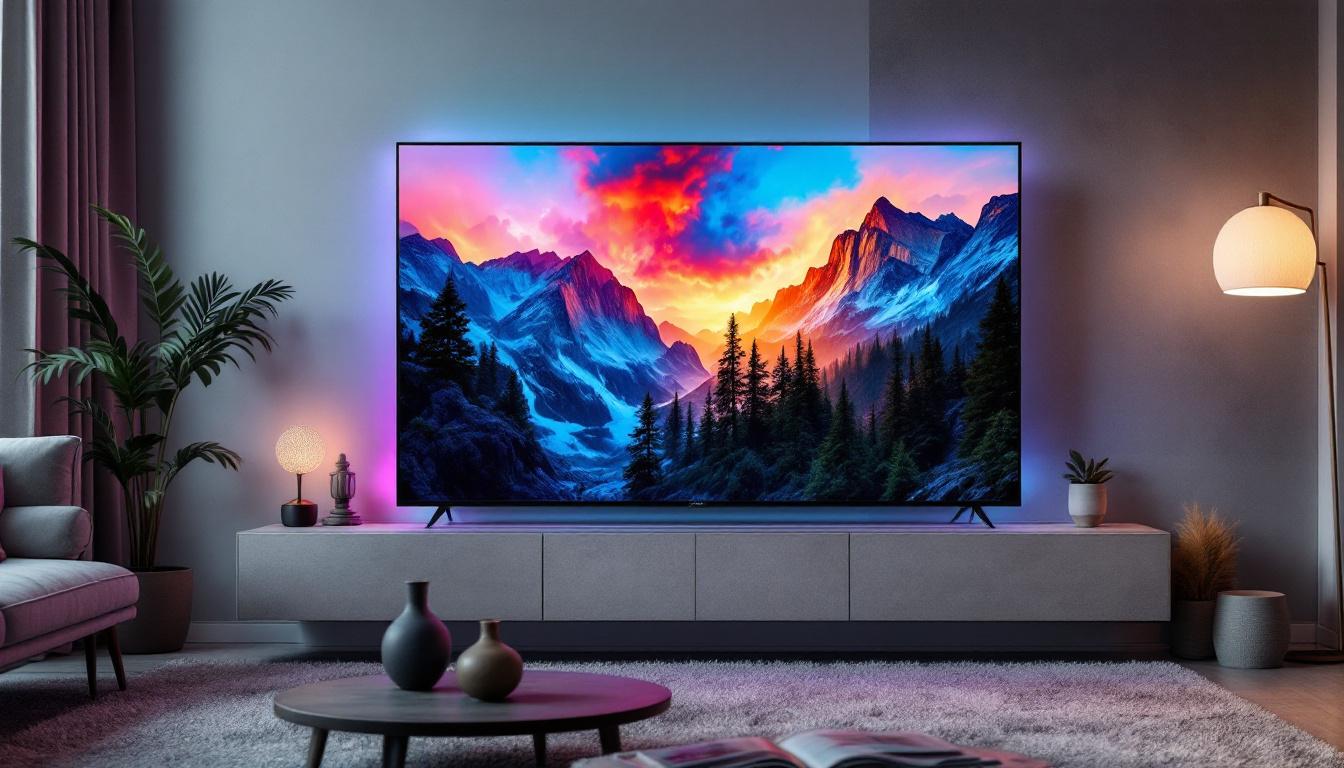
- LED-Backlit LCD Displays: In this case, LEDs serve as a backlight source behind an LCD panel. The LCD controls the image formation by blocking or allowing light through its pixels. This technology is prevalent in televisions, computer monitors, and smartphones.
While both technologies utilize LEDs, direct view LED displays are generally brighter and more suitable for large-scale, high-visibility applications, whereas LED-backlit LCDs are preferred for indoor use with high image detail.
Key Components and How LED Displays Work
LED Pixels and Color Generation
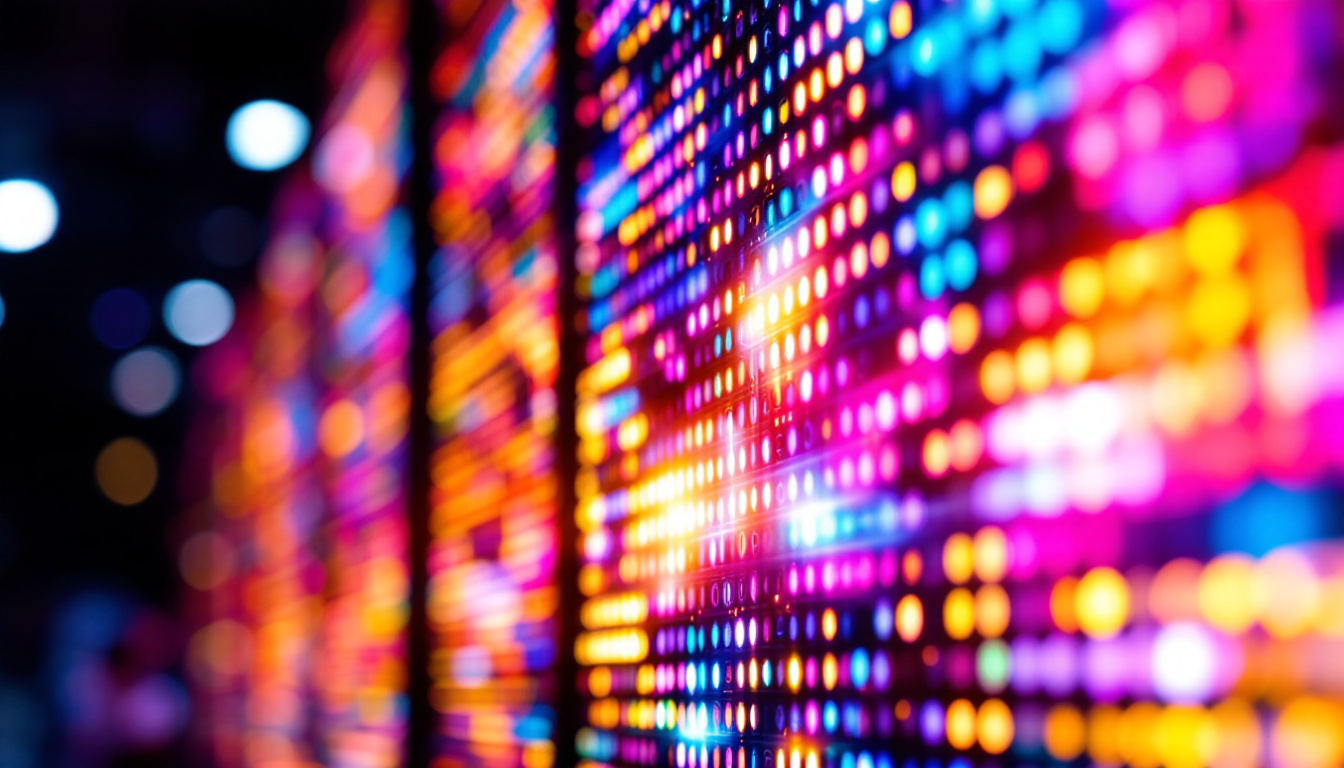
Each pixel on an LED display consists of multiple LEDs, typically red, green, and blue. By adjusting the intensity of these three colors, the display can produce a wide range of colors through a process called additive color mixing. This is the same principle that governs all RGB-based displays.
Modern LED displays use surface-mount device (SMD) LEDs, which are tiny, efficient, and capable of producing vivid colors. The precision in controlling these LEDs allows for high resolution and smooth gradients, making images and videos appear lifelike.
Pixel Pitch and Resolution
Pixel pitch refers to the distance between the centers of two adjacent pixels, usually measured in millimeters. It is a critical factor in determining the display’s resolution and viewing distance. A smaller pixel pitch means higher resolution and better image clarity, especially at close range.
For example, indoor LED displays often have a pixel pitch as low as 1mm to 2mm, allowing viewers to stand close without noticing individual pixels. Outdoor displays, designed to be viewed from a distance, typically have a larger pixel pitch of 10mm or more, balancing visibility and cost.
Driving Electronics and Control Systems
Behind the scenes, LED displays rely on sophisticated driving electronics that manage the current flow to each LED, ensuring consistent brightness and color accuracy. These systems include LED drivers, power supplies, and control boards that receive image data from computers or media players.
Advanced control systems allow for real-time content updates, remote management, and synchronization across multiple display panels, making LED displays highly flexible for various applications.
Applications of LED Displays Across Industries
Advertising and Digital Signage
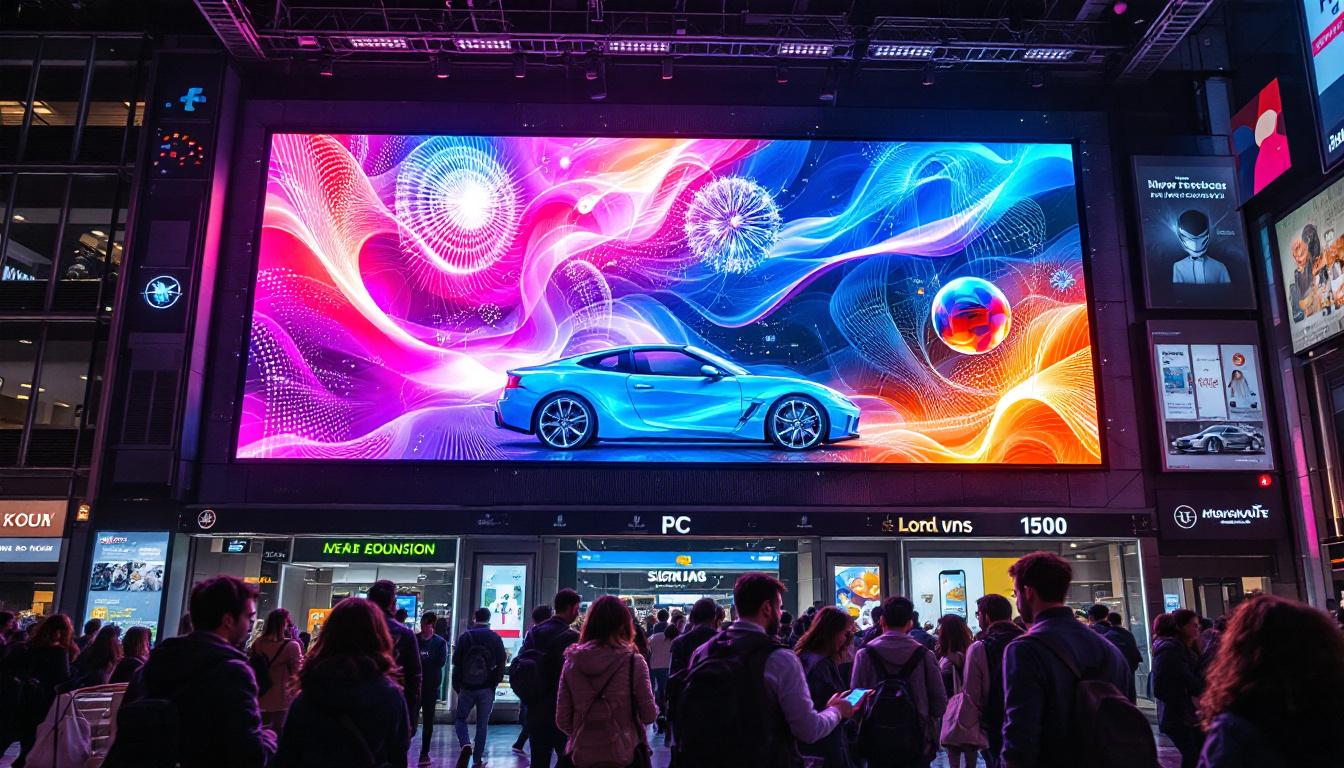
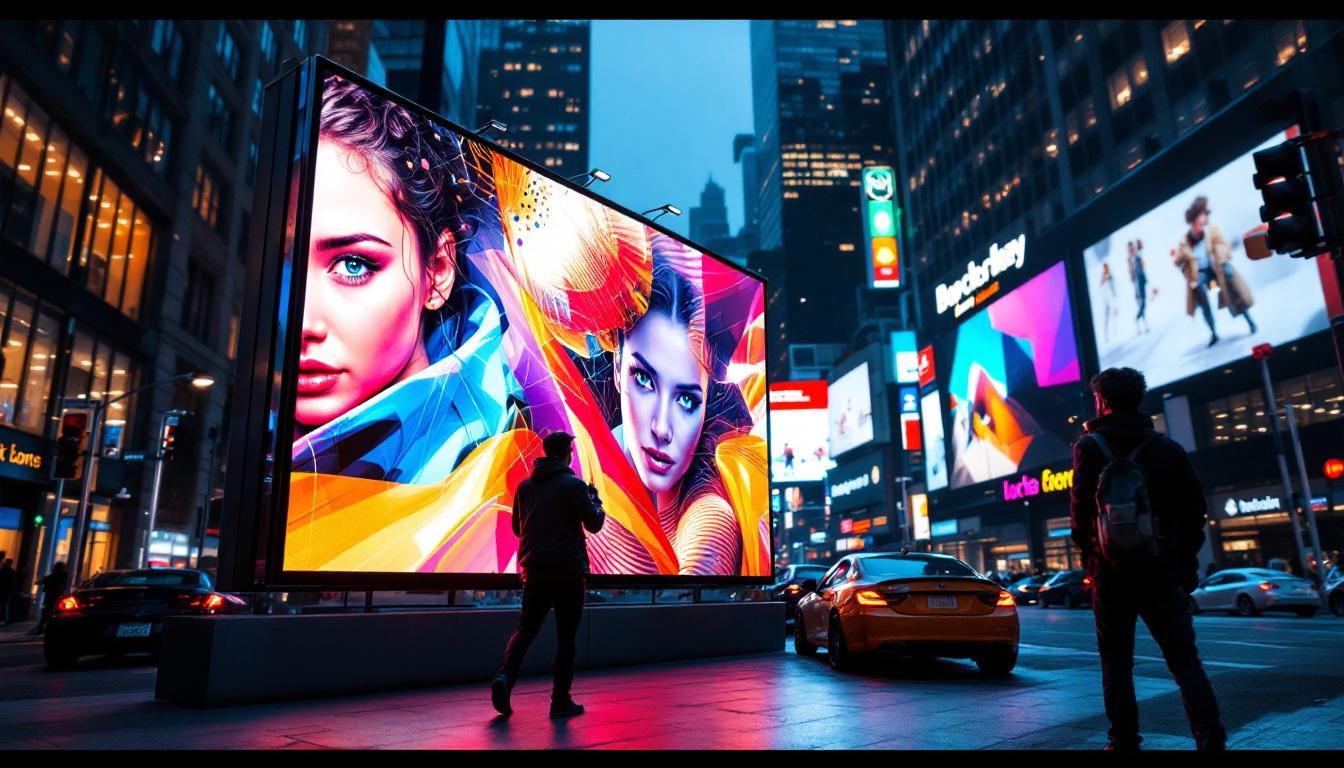
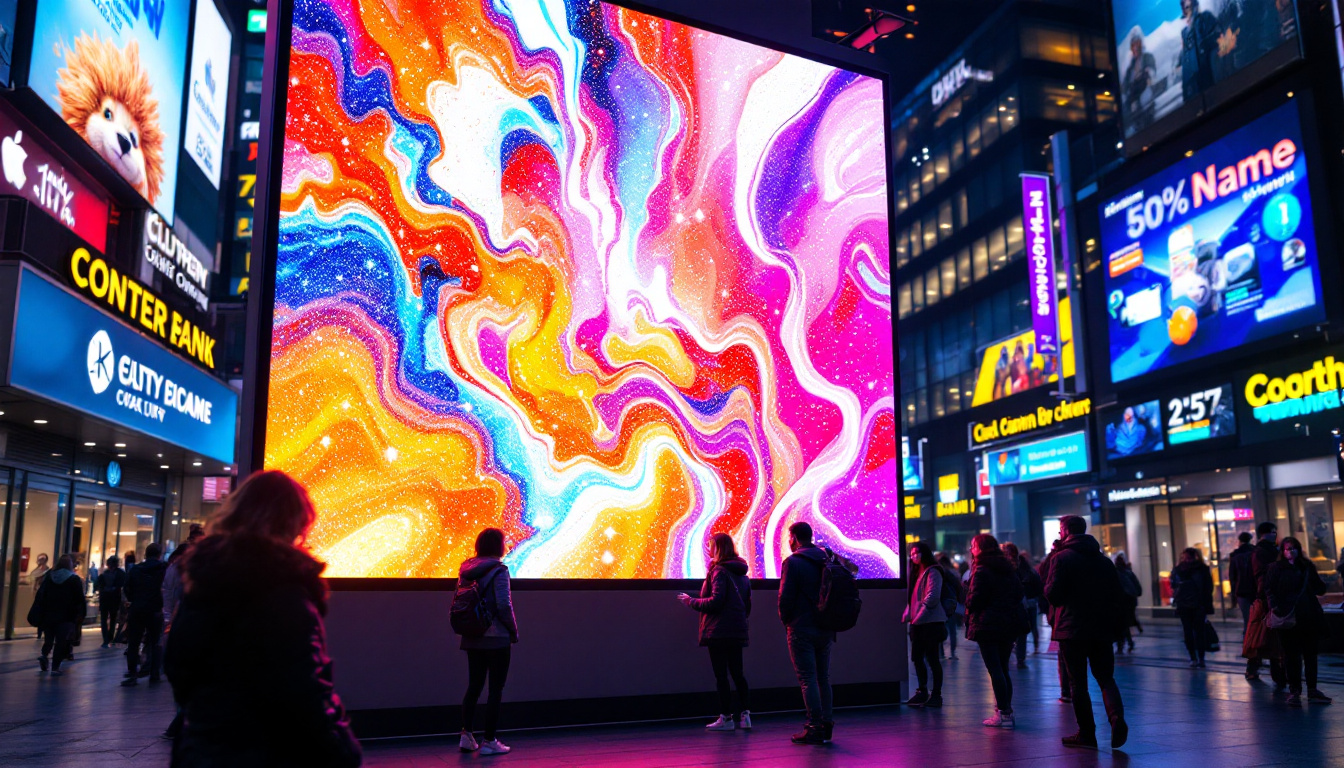
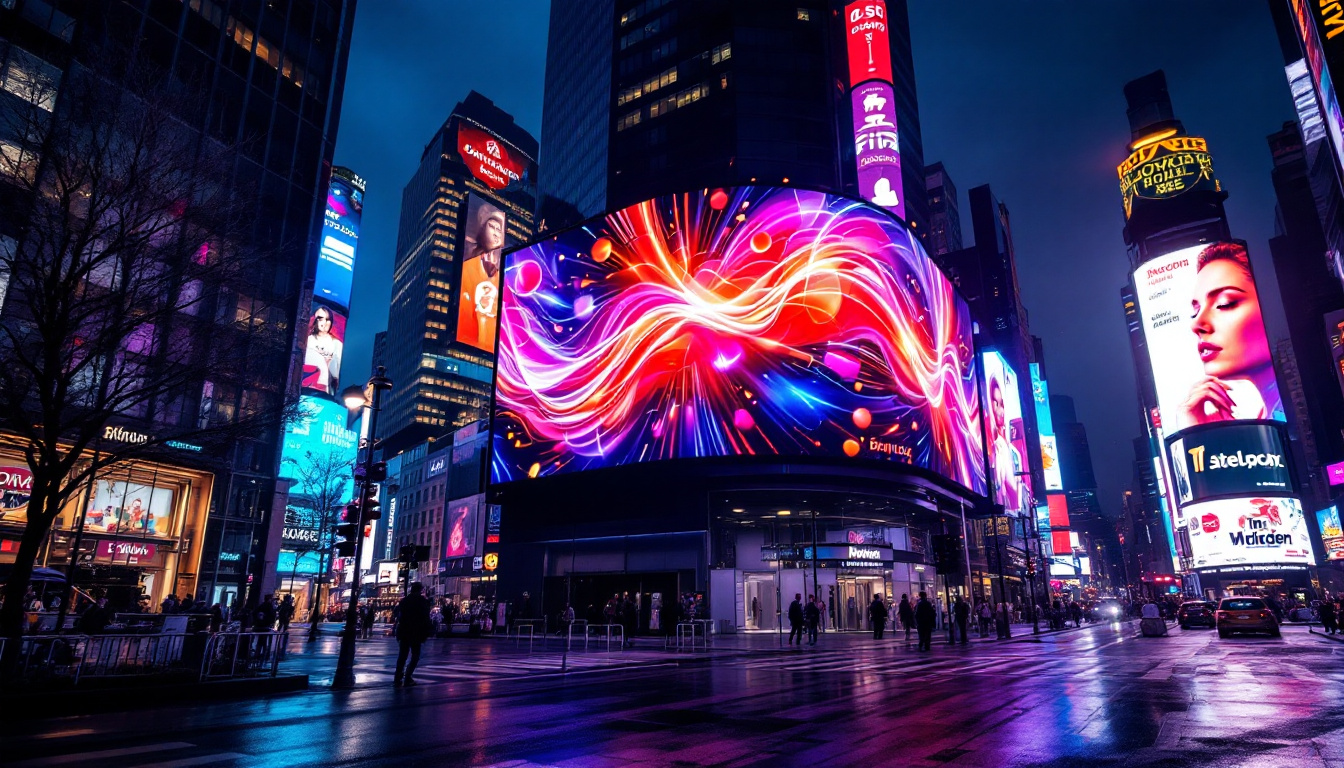
One of the most visible applications of LED displays is in advertising. LED billboards and digital signage have transformed the way brands communicate with consumers, offering dynamic, eye-catching content that can be updated instantly.
According to recent market research, the global digital signage market is expected to reach over $32 billion by 2028, with LED displays accounting for a significant portion due to their brightness and durability. Retail stores, shopping malls, airports, and public transportation hubs extensively use LED displays to attract attention and convey timely information.
Sports and Entertainment Venues
Sports arenas and concert venues rely heavily on large LED video walls to enhance the spectator experience. These displays provide live video feeds, replays, scores, and interactive content that engage audiences and create immersive environments.
For instance, the AT&T Stadium in Texas features one of the largest LED video boards in the world, measuring 160 feet wide and 72 feet tall. Such installations demonstrate the scale and impact of LED display technology in entertainment.
Corporate and Educational Use
In corporate settings, LED displays are used for presentations, video conferencing, and digital notice boards. Their high resolution and brightness make them ideal for meeting rooms and auditoriums.
Educational institutions also benefit from LED displays for interactive learning, digital announcements, and event broadcasting. The ability to display clear, vibrant content enhances communication and engagement in classrooms and public spaces.
Transportation and Public Information Systems
LED displays are integral to transportation infrastructure, providing real-time information such as arrival and departure times, traffic updates, and emergency alerts. Their visibility in various lighting conditions ensures passengers receive timely and accurate information.
Examples include LED panels at train stations, airports, and highway message boards, which contribute to smoother operations and improved safety.
Advantages of LED Displays Over Other Technologies
Brightness and Visibility
LED displays are renowned for their exceptional brightness, often exceeding 5,000 nits for outdoor models. This high luminance ensures content remains visible even under direct sunlight, a critical advantage over LCD and plasma screens.
In contrast, traditional LCD screens typically max out around 500 to 1,000 nits, making them less effective for outdoor use. The superior visibility of LED displays makes them the preferred choice for outdoor advertising and public information systems.
Energy Efficiency and Longevity
LEDs are inherently energy-efficient, consuming less power than other light sources while delivering high brightness. This efficiency translates to lower operating costs, especially important for large-scale installations that run continuously.
Moreover, LED displays have a long operational lifespan, often exceeding 100,000 hours. This durability reduces maintenance costs and downtime, providing a better return on investment over time.
Flexibility and Customization
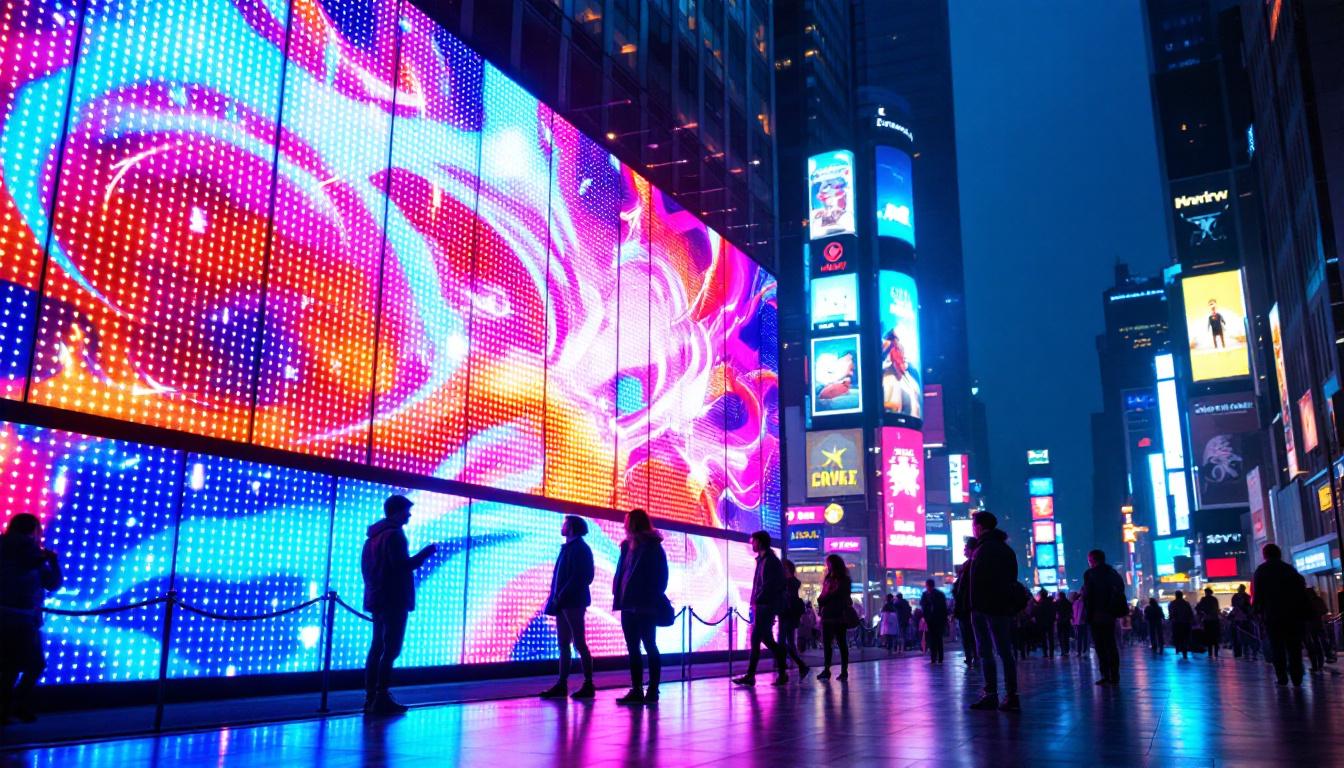
LED displays can be manufactured in various shapes and sizes, from small indoor panels to massive outdoor video walls. Their modular design allows for easy scaling and customization, enabling creative installations such as curved screens, transparent displays, and flexible panels.
This adaptability supports innovative applications in architecture, retail, and entertainment, where unique visual experiences are highly valued.
Color Accuracy and Contrast
Direct view LED displays offer excellent color accuracy and contrast ratios due to their ability to emit light directly from each pixel. This capability results in deeper blacks and more vibrant colors compared to backlit LCDs, which rely on filtering light through liquid crystals.
High contrast and color fidelity enhance image quality, making LED displays suitable for high-end video production, art installations, and immersive experiences.
Challenges and Considerations When Choosing LED Displays
Cost and Investment
While LED displays offer numerous benefits, the initial investment can be substantial, especially for high-resolution and large-format installations. The cost includes not only the display hardware but also installation, control systems, and ongoing maintenance.
Organizations must carefully assess their budget and requirements to ensure the investment aligns with their communication goals and expected return.
Installation and Environmental Factors
Proper installation is critical for optimal performance and longevity of LED displays. Factors such as weather resistance, ventilation, and structural support must be considered, particularly for outdoor setups exposed to harsh conditions.
Environmental considerations also include heat dissipation and protection against moisture, dust, and physical impact. Selecting displays with appropriate ingress protection (IP) ratings helps ensure durability.
Content Management and Technical Expertise
Managing content on LED displays requires specialized software and technical know-how. Organizations need to invest in training or partner with experienced providers to maximize the effectiveness of their LED installations.
Additionally, content must be designed to leverage the strengths of LED technology, including brightness, color, and motion capabilities, to engage audiences effectively.
The Future of LED Display Technology
Advancements in Mini-LED and Micro-LED
Emerging technologies like Mini-LED and Micro-LED are pushing the boundaries of LED displays further. Mini-LED uses thousands of tiny LEDs as backlights for LCD panels, improving contrast and brightness significantly. Micro-LED, on the other hand, involves microscopic LEDs that serve as individual pixels, promising even higher resolution, efficiency, and durability.
These innovations are expected to revolutionize consumer electronics, including televisions, smartphones, and wearable devices, by offering superior image quality and energy savings.
Integration with Smart Technologies
LED displays are increasingly integrated with smart systems, including IoT connectivity, AI-driven content management, and interactive features. This integration allows for personalized advertising, real-time data visualization, and enhanced user engagement.
For example, smart LED billboards can adjust content based on audience demographics or environmental conditions, optimizing impact and relevance.
Sustainability and Eco-Friendly Design
As environmental concerns grow, manufacturers are focusing on making LED displays more sustainable. This includes using recyclable materials, reducing power consumption, and designing for easier repair and upgrade.
Energy-efficient LED displays contribute to lowering carbon footprints, aligning with corporate social responsibility goals and regulatory requirements.
Conclusion
LED displays have transformed the landscape of electronic visual communication, offering unmatched brightness, flexibility, and energy efficiency. Understanding the technology, applications, and considerations involved in LED displays is essential for businesses and organizations aiming to leverage this powerful medium effectively.
From advertising and entertainment to corporate communication and public information, LED displays continue to evolve, driven by technological advancements and creative innovation. Investing in the right LED display solution can deliver significant benefits, enhancing engagement, visibility, and operational efficiency in an increasingly digital world.
Discover LumenMatrix’s Innovative LED Display Solutions
As you consider the vast potential of LED displays to revolutionize your visual communication, LumenMatrix stands at the forefront of this technology, ready to bring your vision to life. With a comprehensive range of solutions including Indoor and Outdoor LED Wall Displays, Vehicle LED Displays, and specialized options like LED Sports and Floor Displays, LumenMatrix is committed to enhancing your brand’s presence. Experience the future of digital signage with our Custom, All-in-One, and Transparent LED Displays. Check out LumenMatrix LED Display Solutions today and see how we can help you captivate your audience and deliver your message with unparalleled clarity and impact.