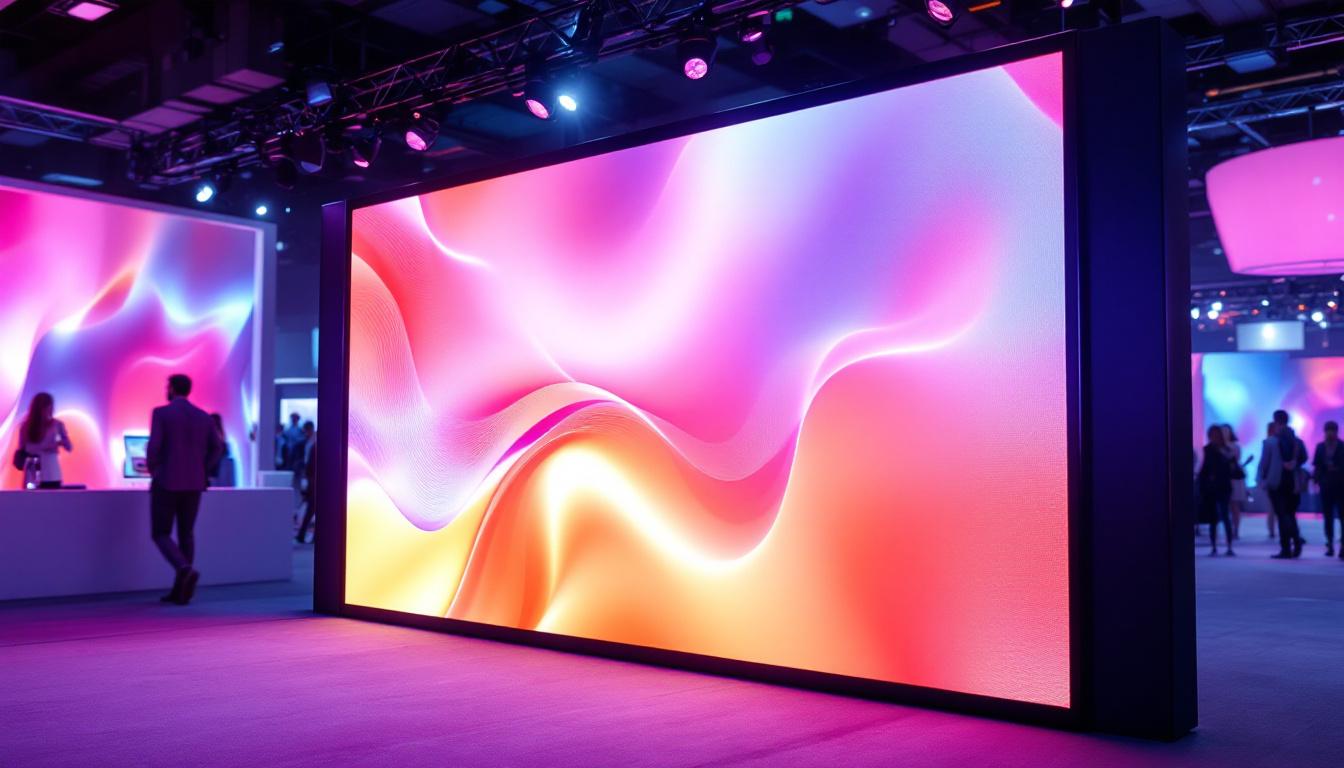
In today’s fast-paced commercial and event environments, the demand for flexible, high-impact visual solutions has never been greater. Temporary wall systems integrated with LED displays are transforming how businesses, event organizers, and designers create dynamic spaces that captivate audiences and adapt to changing needs. This article explores the fundamentals of temporary wall systems with LED displays, their applications, benefits, and key considerations for selecting the right solution.
Understanding Temporary Wall Systems
Temporary wall systems are modular, movable partitions designed to create flexible spaces without the permanence of traditional construction. They are widely used in offices, retail environments, trade shows, galleries, and event venues to divide space, provide privacy, or enhance aesthetics.
Unlike fixed walls, these systems are engineered for quick assembly and disassembly, often requiring no specialized tools or extensive labor. Materials range from lightweight aluminum frames with fabric or panel inserts to more robust solutions featuring glass or composite materials.
The integration of LED displays into these walls adds a new dimension, allowing the partitions to serve not only as physical dividers but also as vibrant communication platforms.
One of the significant advantages of temporary wall systems is their adaptability. Businesses can easily reconfigure their spaces to meet changing needs, such as accommodating a growing workforce or hosting different types of events. This flexibility is particularly beneficial in dynamic environments where the layout may need to change frequently. For instance, a conference room can be transformed into a collaborative workspace with the simple repositioning of these walls, promoting a more interactive and engaging atmosphere.
Moreover, temporary wall systems can also contribute to sustainability efforts. Many manufacturers are now focusing on eco-friendly materials and practices, ensuring that these partitions can be reused and recycled. This not only reduces waste but also aligns with the growing demand for environmentally responsible solutions in construction and design. As businesses increasingly prioritize sustainability, the use of temporary wall systems offers a practical approach to maintaining aesthetic appeal while minimizing environmental impact.
The Role of LED Displays in Temporary Wall Systems
What Are LED Displays?
LED (Light Emitting Diode) displays consist of an array of tiny LEDs that emit light when electrically powered. These displays are renowned for their brightness, color accuracy, energy efficiency, and durability. They are commonly used in advertising billboards, stadium screens, and increasingly, in interior design and event production.
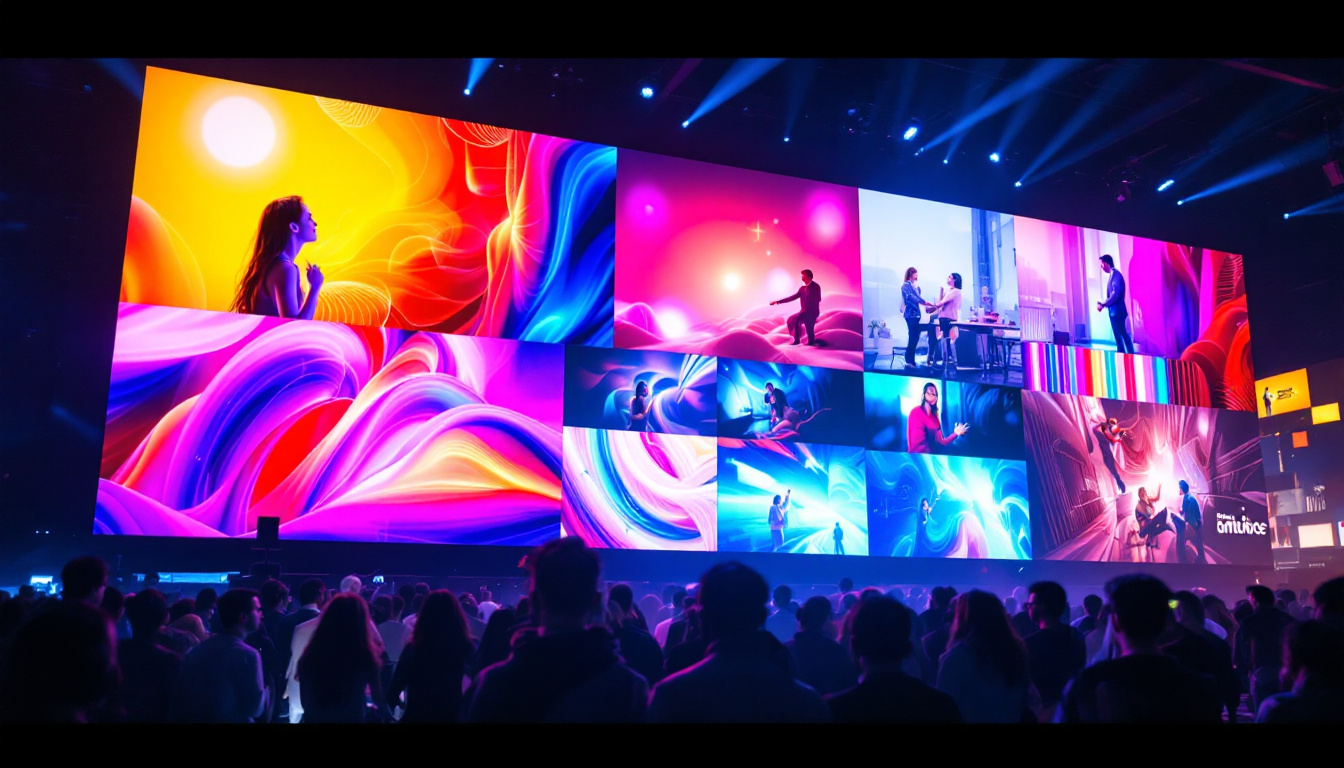
When incorporated into temporary wall systems, LED displays transform static partitions into dynamic canvases capable of showcasing videos, animations, branding, and interactive content. This innovative use of technology not only enhances the aesthetic appeal of a space but also engages audiences in ways that traditional materials cannot. For instance, at trade shows, a vibrant LED wall can draw in attendees, creating an inviting atmosphere that encourages interaction and exploration. The ability to change content on-the-fly also allows brands to tailor their messaging to different audiences throughout the event, maximizing their impact.
Types of LED Displays Used in Temporary Walls
There are several types of LED displays suitable for temporary wall integration:
- Indoor LED Panels: Designed for close viewing distances, these panels offer high resolution and vivid colors, making them ideal for trade shows, retail environments, and corporate events.
- Flexible LED Screens: These can curve or bend, allowing creative wall designs and immersive experiences.
- Transparent LED Displays: These screens maintain some level of see-through transparency, blending digital content with physical surroundings.
The choice depends on the specific application, viewing distance, and desired visual impact. For example, flexible LED screens are particularly popular in environments where space is at a premium, as they can be shaped to fit unique layouts and designs. This flexibility not only enhances the visual experience but also allows for innovative storytelling through spatial design. Meanwhile, transparent LED displays are gaining traction in retail settings, where they can serve as eye-catching advertisements without obstructing the view of products behind them, effectively merging the digital and physical shopping experiences. As technology continues to evolve, the possibilities for integrating LED displays into temporary wall systems will only expand, offering even more creative solutions for brands and event planners alike.
Applications of Temporary Wall Systems with LED Displays
Trade Shows and Exhibitions
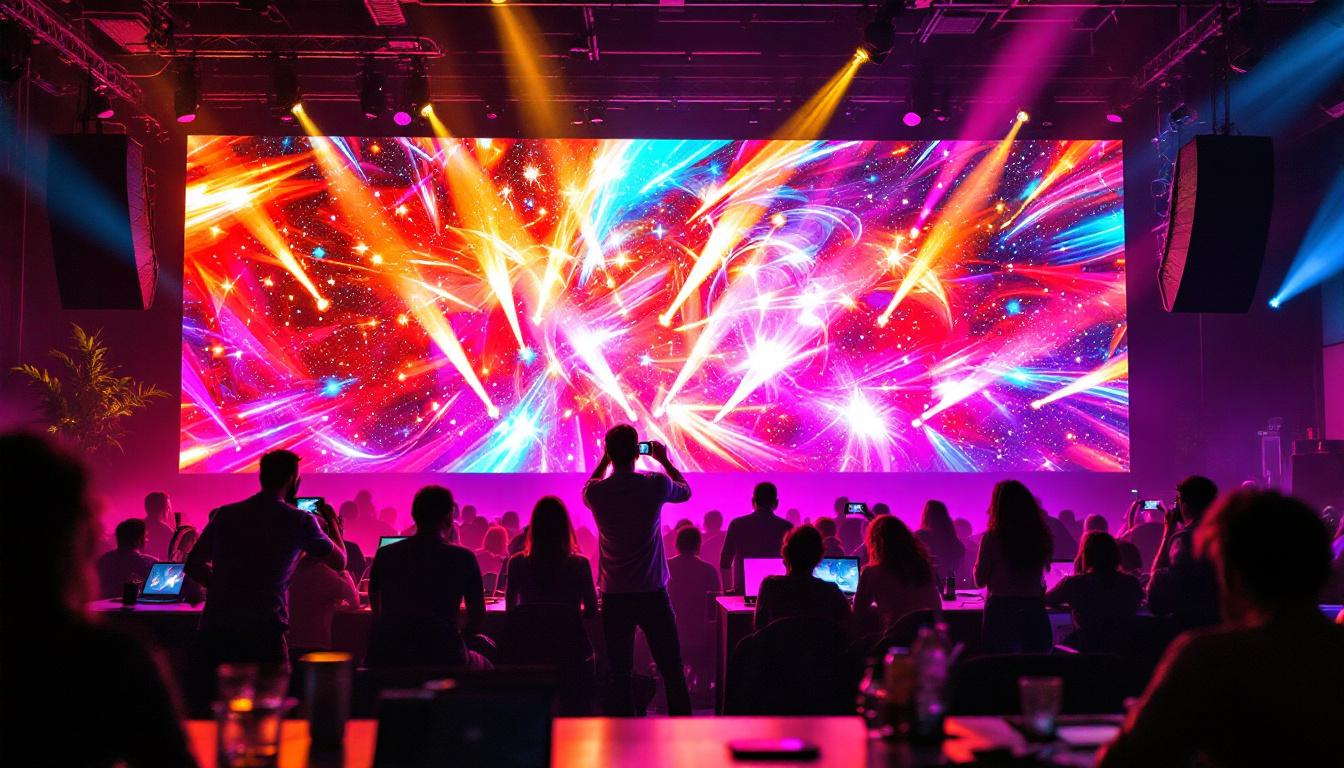
Trade shows are a prime example where temporary walls with LED displays shine. Exhibitors use these systems to create eye-catching booths that draw attendees in with dynamic visuals and interactive content. The modular nature allows for easy transport and reconfiguration, which is essential given the transient nature of these events.
According to a 2023 industry report, 78% of trade show attendees recall brands that used digital displays prominently, highlighting the effectiveness of LED-integrated walls in capturing attention. Additionally, the integration of social media feeds and live polling on these displays can further engage the audience, encouraging them to interact with the brand in real-time. This not only enhances the attendee experience but also provides valuable data for exhibitors to analyze post-event.
Corporate Events and Conferences
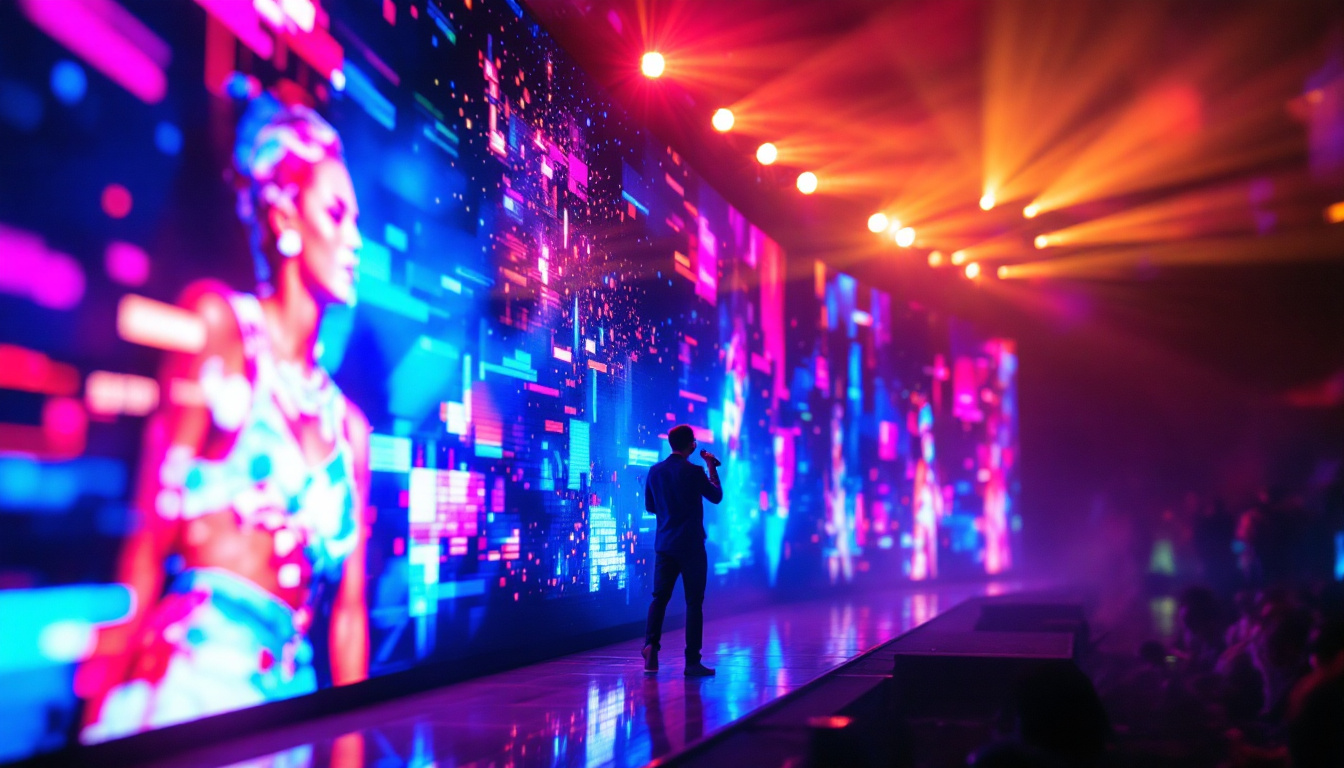
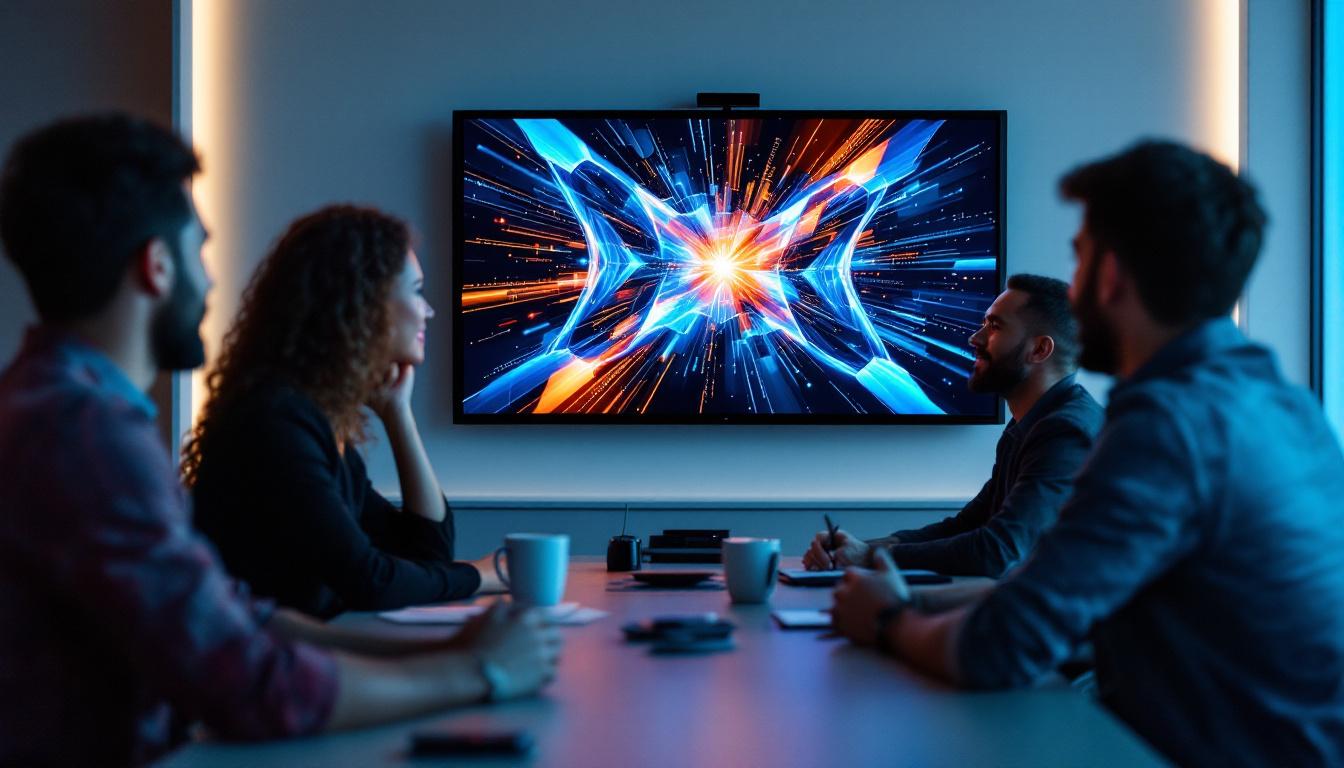
In corporate settings, temporary walls with LED displays serve multiple purposes—from branding and information dissemination to creating immersive environments for presentations and networking areas. The ability to quickly change content in real-time enhances engagement and allows for tailored messaging throughout an event. Moreover, these displays can be utilized for live-streaming sessions or showcasing highlights from previous talks, ensuring that attendees who may have missed certain presentations can still benefit from the content.
Furthermore, incorporating interactive elements such as touch screens or QR codes can facilitate deeper engagement, allowing participants to access additional resources or provide feedback instantly. This level of interactivity not only enriches the attendee experience but also fosters a sense of community and collaboration among participants, making corporate events more memorable.
Retail Environments
Retailers leverage temporary LED walls for pop-up shops, seasonal promotions, or store renovations. These walls can display promotional videos, product information, or interactive content that enhances the shopping experience. The flexibility to reposition or remove the walls without damaging existing infrastructure is a significant advantage. Retailers can also use these displays to create thematic environments that resonate with current trends or seasonal events, effectively transforming the shopping space into an immersive experience.
Moreover, the use of LED displays in retail can facilitate customer engagement through gamification strategies, such as contests or loyalty programs displayed on the walls. This not only attracts foot traffic but also encourages customers to spend more time in the store, ultimately driving sales. The ability to analyze customer interactions with these displays can provide retailers with insights into consumer behavior, allowing for more effective marketing strategies in the future.
Art Galleries and Museums
Temporary walls equipped with LED displays provide curators with innovative ways to showcase digital art, interactive exhibits, or supplementary information. This technology enables a blend of traditional and modern exhibition techniques, appealing to a broader audience. By incorporating multimedia elements, galleries can create a more engaging narrative around the artwork, enhancing the viewer’s understanding and appreciation of the pieces on display.
Additionally, these LED displays can be programmed to change based on the time of day or specific events, allowing for a dynamic exhibition experience that keeps returning visitors intrigued. Interactive installations, where visitors can manipulate the content displayed, can foster a deeper connection to the art and encourage dialogue among attendees. This approach not only modernizes the gallery experience but also attracts a younger demographic, ensuring that art remains relevant in an increasingly digital world.
Benefits of Using LED-Integrated Temporary Wall Systems
Flexibility and Adaptability
One of the most significant benefits is the ability to rapidly adapt spaces. Whether it’s changing the layout of a conference room or updating visual content for a new marketing campaign, these systems offer unparalleled versatility.
Enhanced Visual Communication
LED displays provide bright, clear images that are visible even in well-lit environments. This makes them ideal for conveying messages effectively, increasing brand visibility, and improving audience engagement.
Cost-Effectiveness Over Time
While the initial investment may be higher than traditional temporary walls, the ability to reuse the system for multiple events or campaigns reduces long-term costs. Additionally, digital content can be updated without printing new materials, saving on production expenses.
Quick Installation and Dismantling
Modern temporary wall systems with LED integration are designed for streamlined setup and teardown. This minimizes downtime and labor costs, which is critical for event schedules and retail operations.
Customization and Branding Opportunities
LED displays enable tailored content that aligns with brand identity and campaign objectives. From animated logos to real-time social media feeds, the possibilities for customization are extensive.
Key Considerations When Choosing Temporary Wall Systems with LED Displays
Resolution and Pixel Pitch
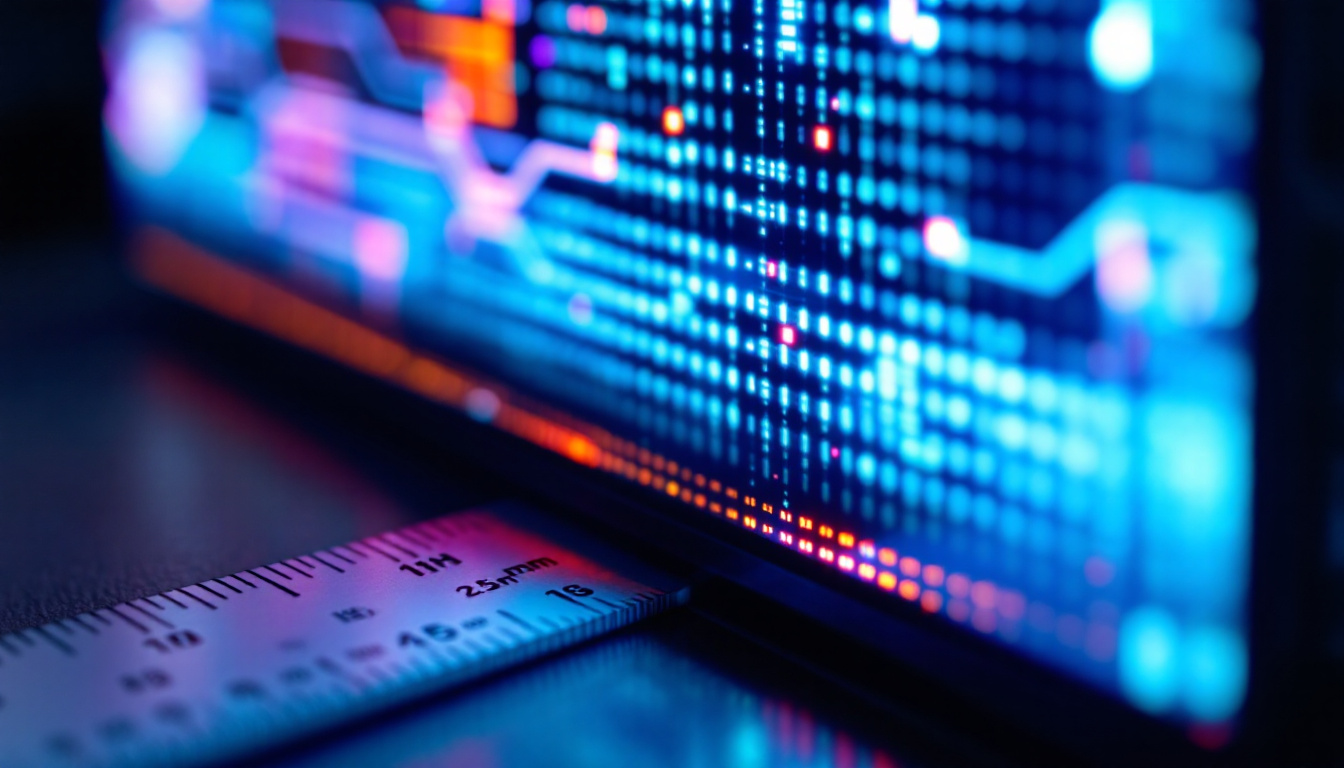
The resolution of the LED display, often determined by pixel pitch (the distance between individual LEDs), is crucial. A smaller pixel pitch means higher resolution and better image quality, especially at close viewing distances. For indoor applications, pixel pitches between 1.5mm and 3mm are common, delivering crisp visuals.
Brightness and Viewing Angle
Brightness levels must be sufficient to overcome ambient lighting conditions. Indoor LED walls typically have brightness ranging from 800 to 1500 nits, ensuring visibility in various environments. Additionally, wide viewing angles are essential so that the content is clear from multiple perspectives.
Weight and Structural Support
Temporary wall systems must balance sturdiness with portability. LED panels add weight, so the supporting framework should be designed to handle this safely without compromising ease of assembly.
Connectivity and Content Management
Effective content management systems (CMS) allow seamless uploading, scheduling, and control of displayed content. Compatibility with various media formats and integration with event management software can enhance operational efficiency.
Power Consumption and Cooling
LED displays consume power and generate heat. Selecting energy-efficient panels and ensuring adequate ventilation or cooling mechanisms is vital to maintain performance and prolong equipment life.
Budget and ROI
While LED-integrated temporary walls can represent a significant investment, evaluating the return on investment through increased engagement, brand exposure, and operational savings is important. Leasing options or modular purchases can also provide financial flexibility.
Future Trends in Temporary Wall Systems and LED Technology
As technology advances, temporary wall systems with LED displays continue to evolve. Emerging trends include:
- Interactive LED Walls: Touch-sensitive and gesture-controlled displays are becoming more prevalent, enabling immersive user experiences.
- Higher Resolution and Mini-LED Technology: Improved display quality with finer pixel pitches and enhanced color accuracy.
- Wireless and Cloud-Based Content Management: Simplifying content updates and remote control capabilities.
- Eco-Friendly Materials and Energy Efficiency: Greater emphasis on sustainability in both materials used for wall construction and LED technology.
These advancements will further increase the appeal and functionality of temporary wall systems in a variety of sectors.
Conclusion
Temporary wall systems integrated with LED displays represent a powerful combination of flexibility, visual impact, and functionality. Their ability to transform spaces quickly while delivering dynamic, engaging content makes them invaluable across industries—from trade shows and retail to corporate events and cultural institutions.
Understanding the technical specifications, application scenarios, and future trends is essential for businesses and event planners looking to leverage this technology effectively. With careful planning and the right choice of system, temporary LED walls can significantly enhance communication, branding, and user experience in any temporary environment.
Discover LumenMatrix’s Innovative LED Display Solutions
Ready to elevate your space with the transformative power of LED display technology? Look no further than LumenMatrix, a pioneer in crafting visually stunning and versatile LED display modules. From captivating Indoor LED Wall Displays to dynamic Outdoor LED Wall Displays and beyond, LumenMatrix offers a comprehensive range of solutions tailored to your unique needs. Embrace the future of visual communication and create unforgettable experiences with our cutting-edge displays. Check out LumenMatrix LED Display Solutions today and let your brand shine like never before.