In today’s digital age, the display technology behind monitors plays a crucial role in how we interact with computers, televisions, and a myriad of other devices. Among the most popular and widely used display types is the LED display, a technology that has revolutionized visual experiences with its vibrant colors, energy efficiency, and slim design. This article delves into the world of LED displays, explaining what they are, how they work, their advantages and disadvantages, and what to consider when choosing an LED monitor.
Understanding LED Displays: What Are They?
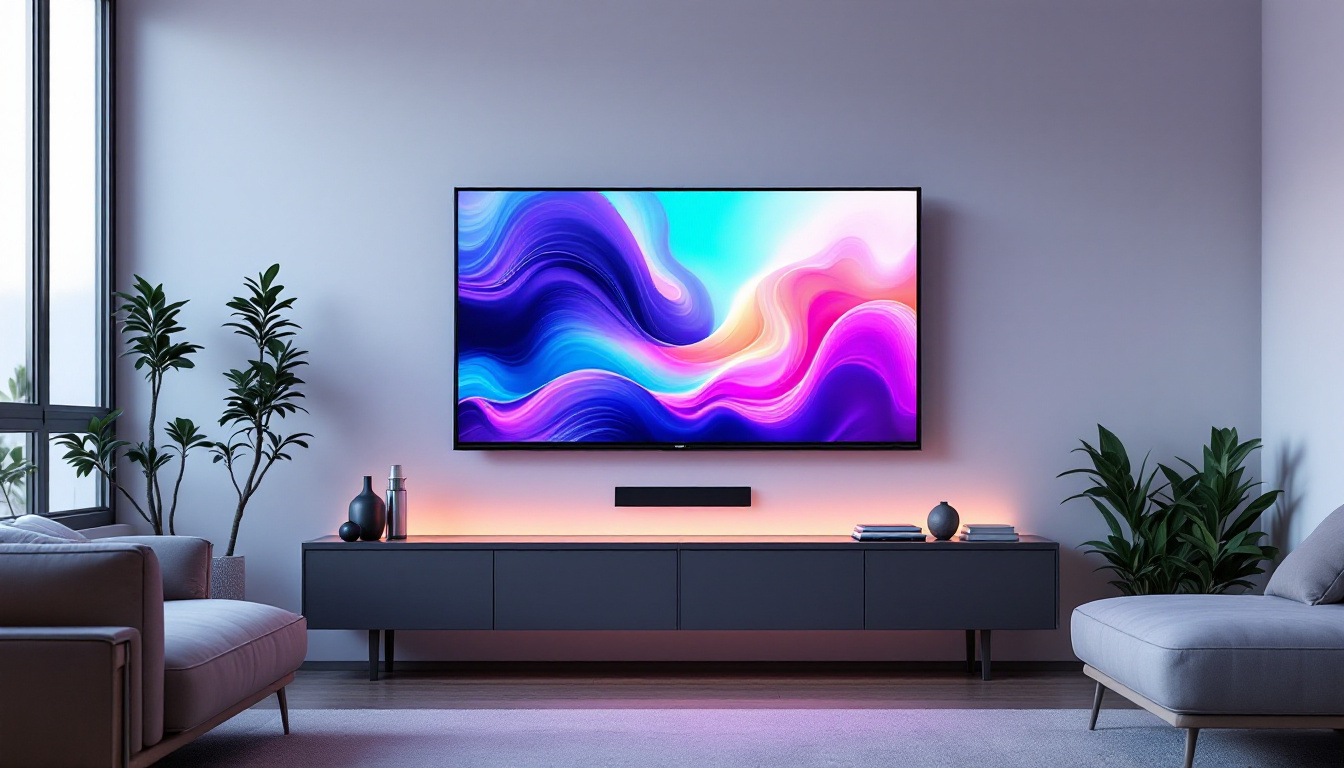
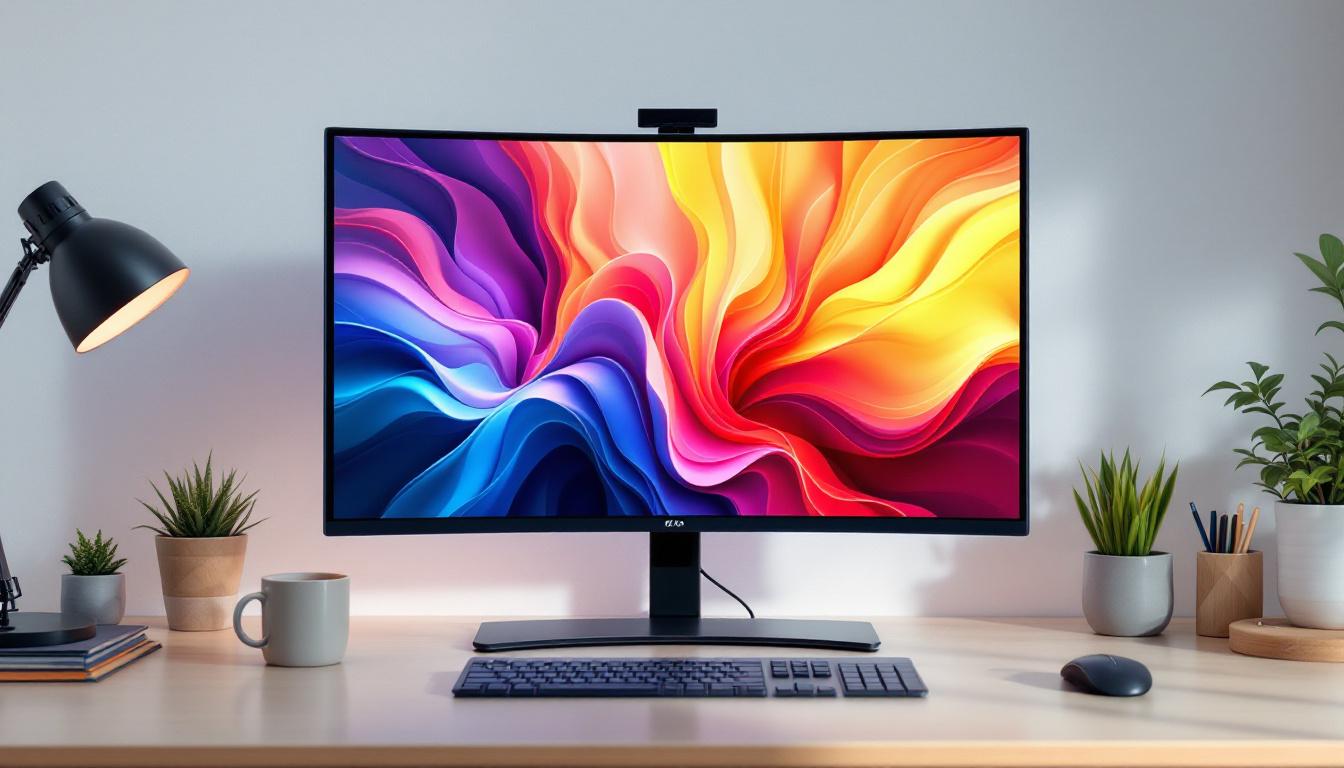
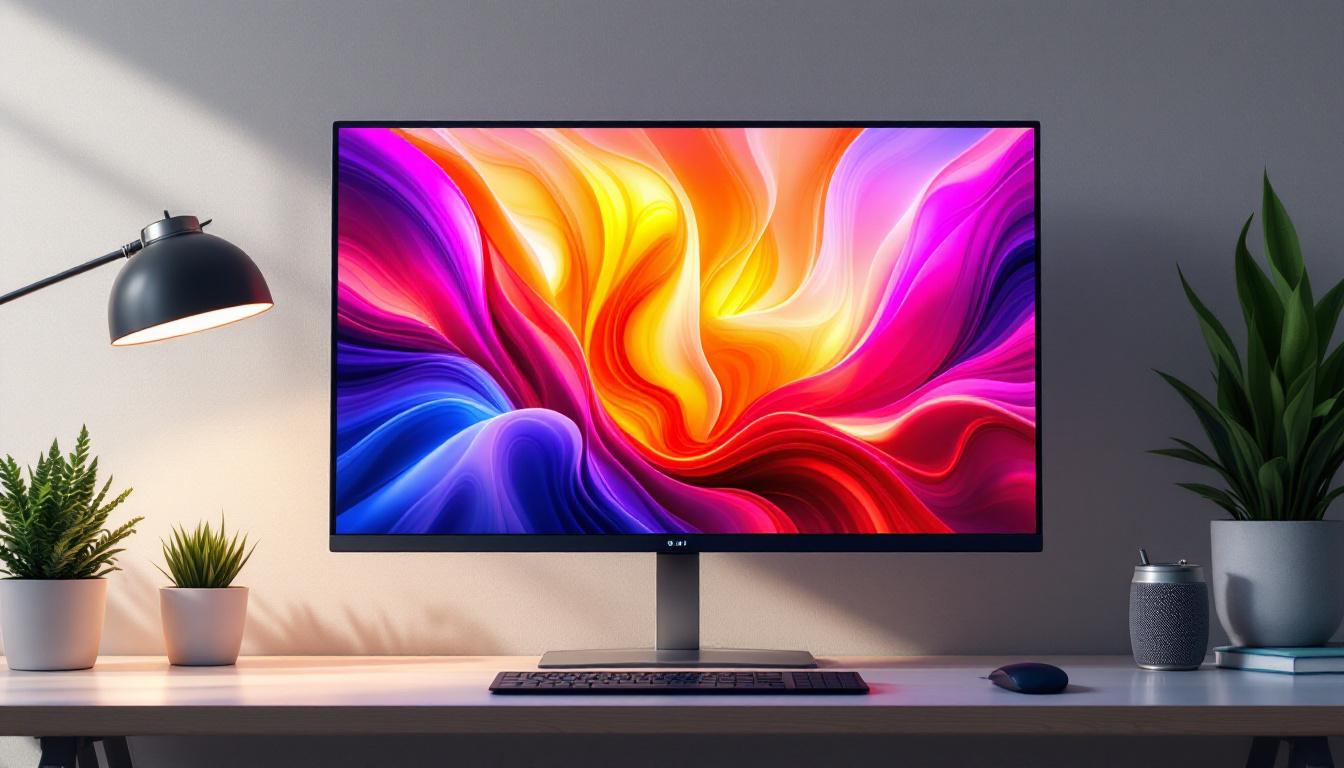
LED stands for Light Emitting Diode, a semiconductor device that emits light when an electric current passes through it. In the context of monitors, LED displays use these tiny diodes as a backlighting source for liquid crystal displays (LCDs), or in some cases, as the actual pixels themselves in newer display technologies.
While the term “LED display” is often used interchangeably with “LED monitor,” it’s important to clarify that most consumer monitors labeled as LED are actually LCD panels illuminated by LED backlights rather than displays made entirely of LEDs. This distinction matters because it influences the display’s performance characteristics.
The Evolution from LCD to LED
Traditional LCD monitors used cold cathode fluorescent lamps (CCFLs) for backlighting. These lamps were bulkier, less energy-efficient, and produced less consistent lighting across the screen. The introduction of LED backlighting around the late 2000s marked a significant improvement. LED backlights are thinner, consume less power, and enable better control over brightness and contrast.
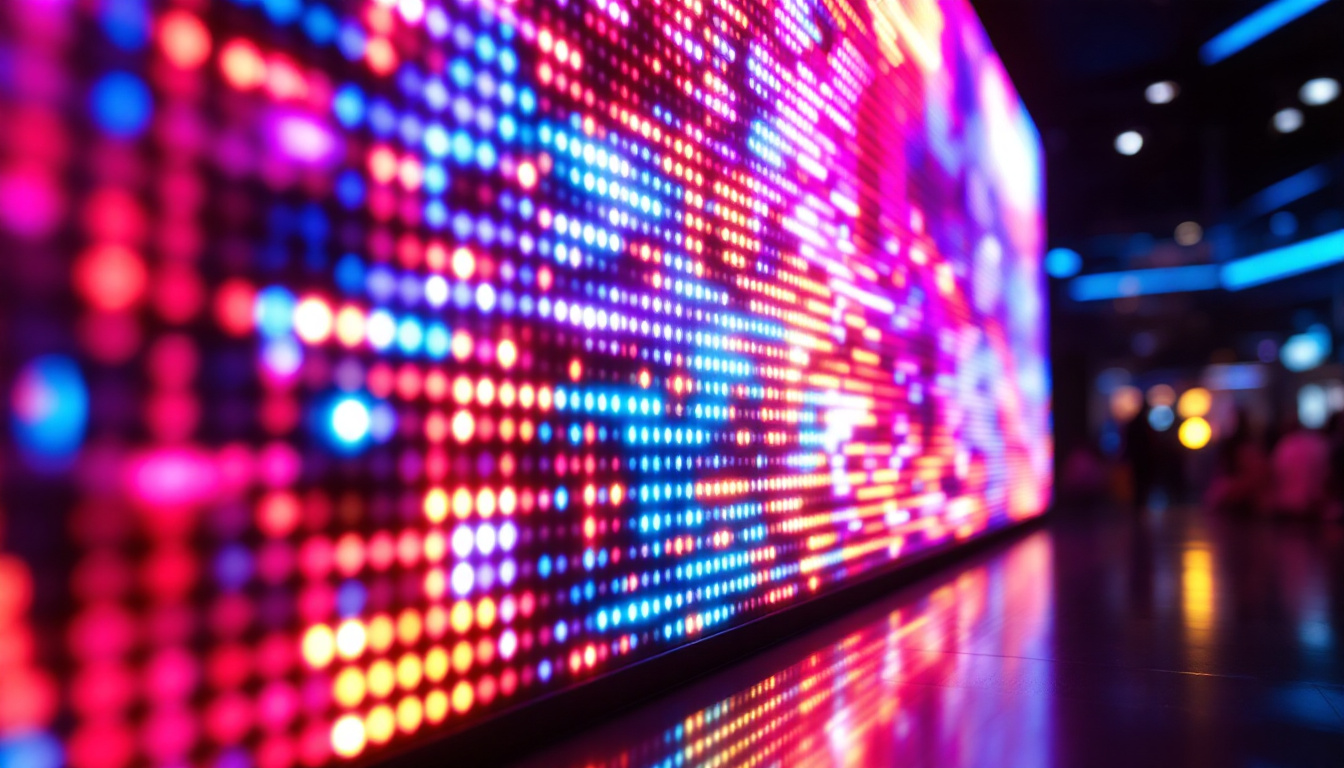
More recently, direct-view LED displays, such as OLED (Organic LED) and MicroLED, have emerged, where each pixel emits its own light. These technologies offer even greater contrast ratios and color accuracy but are generally more expensive and less common in standard computer monitors.
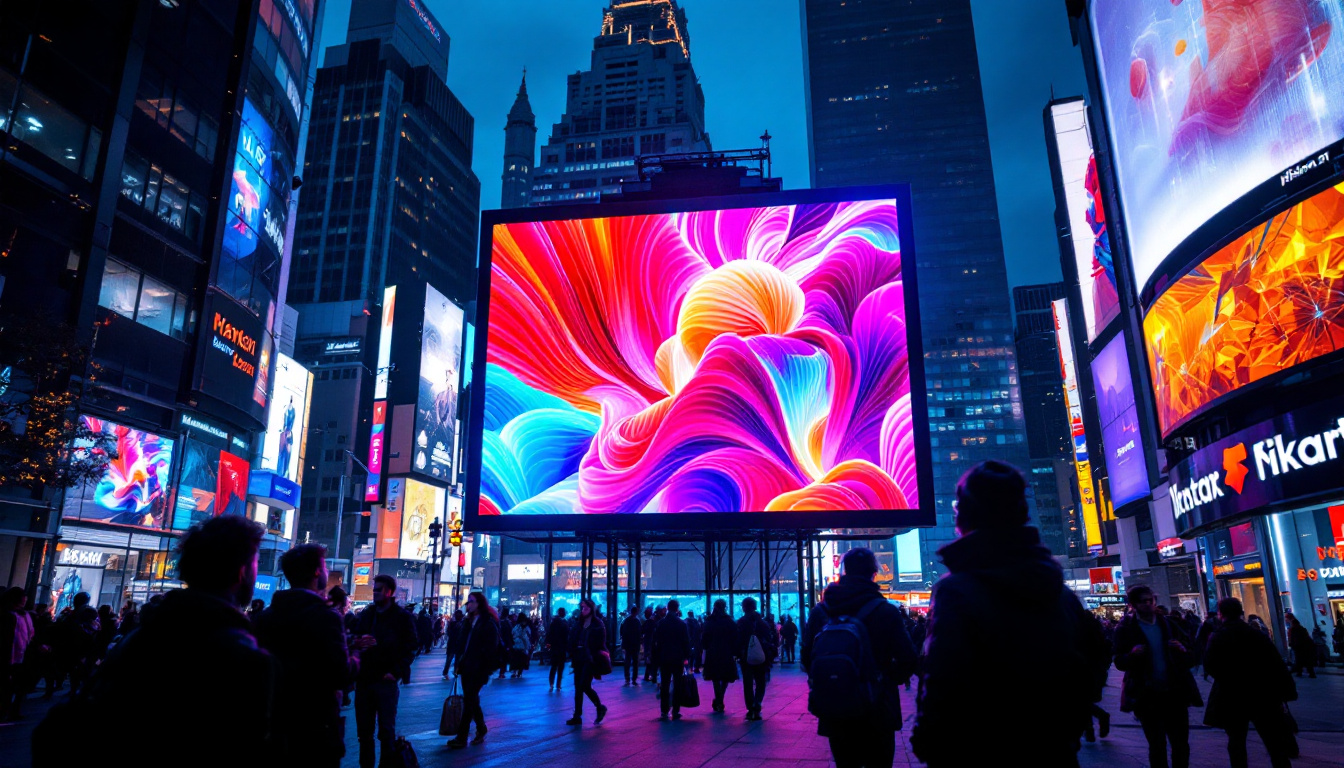
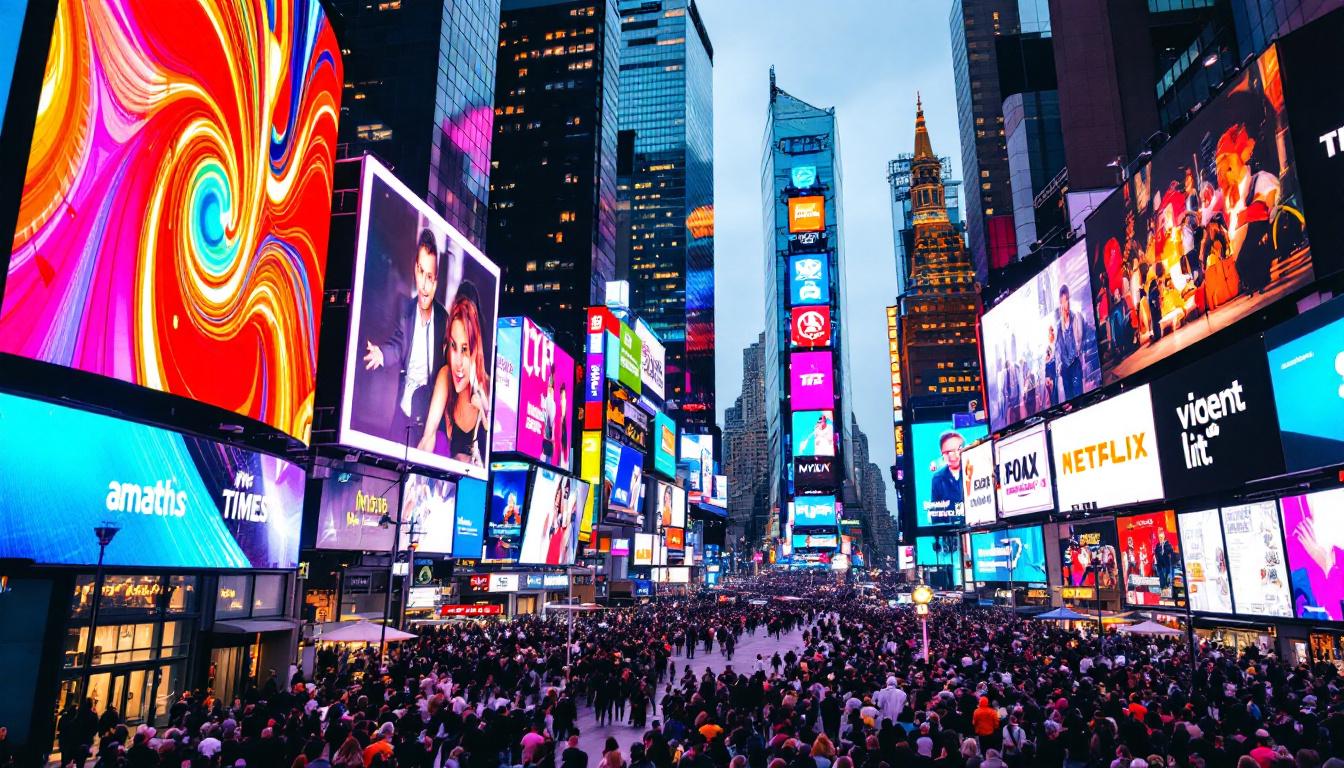
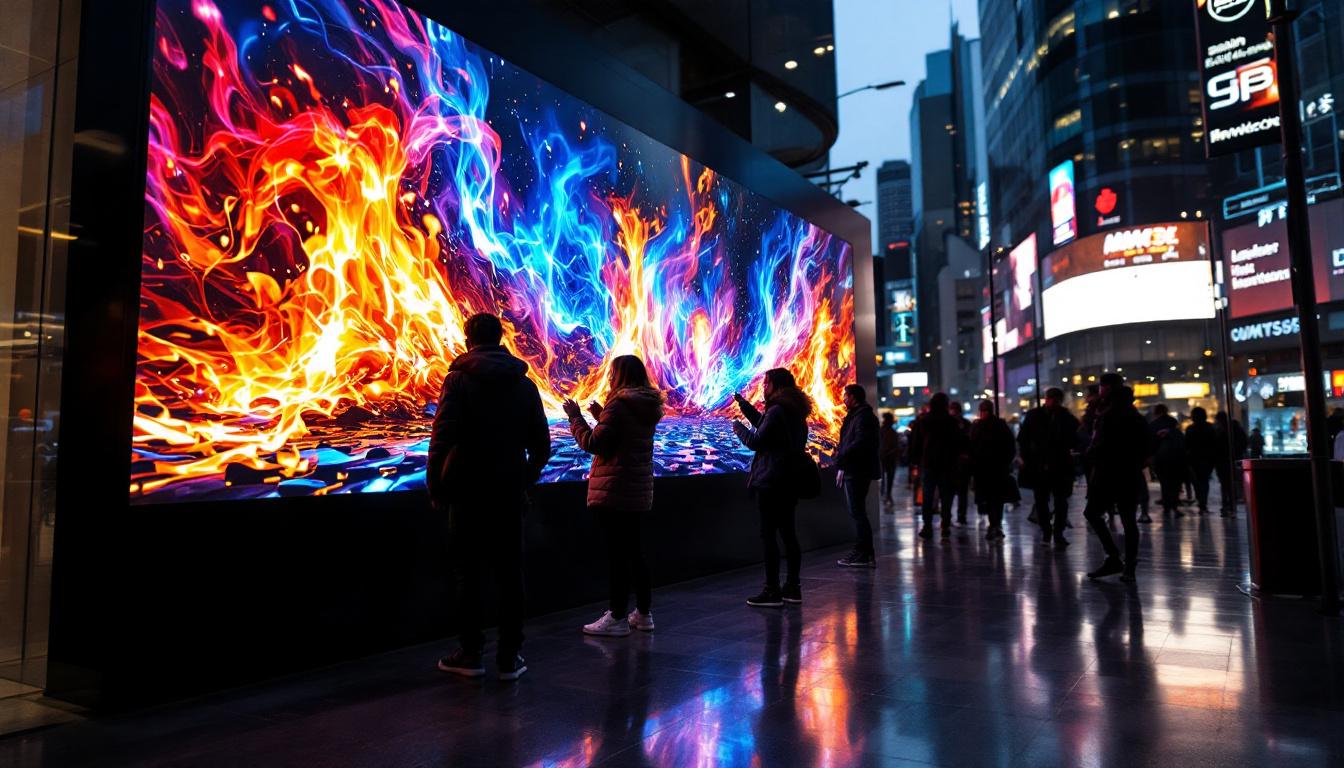
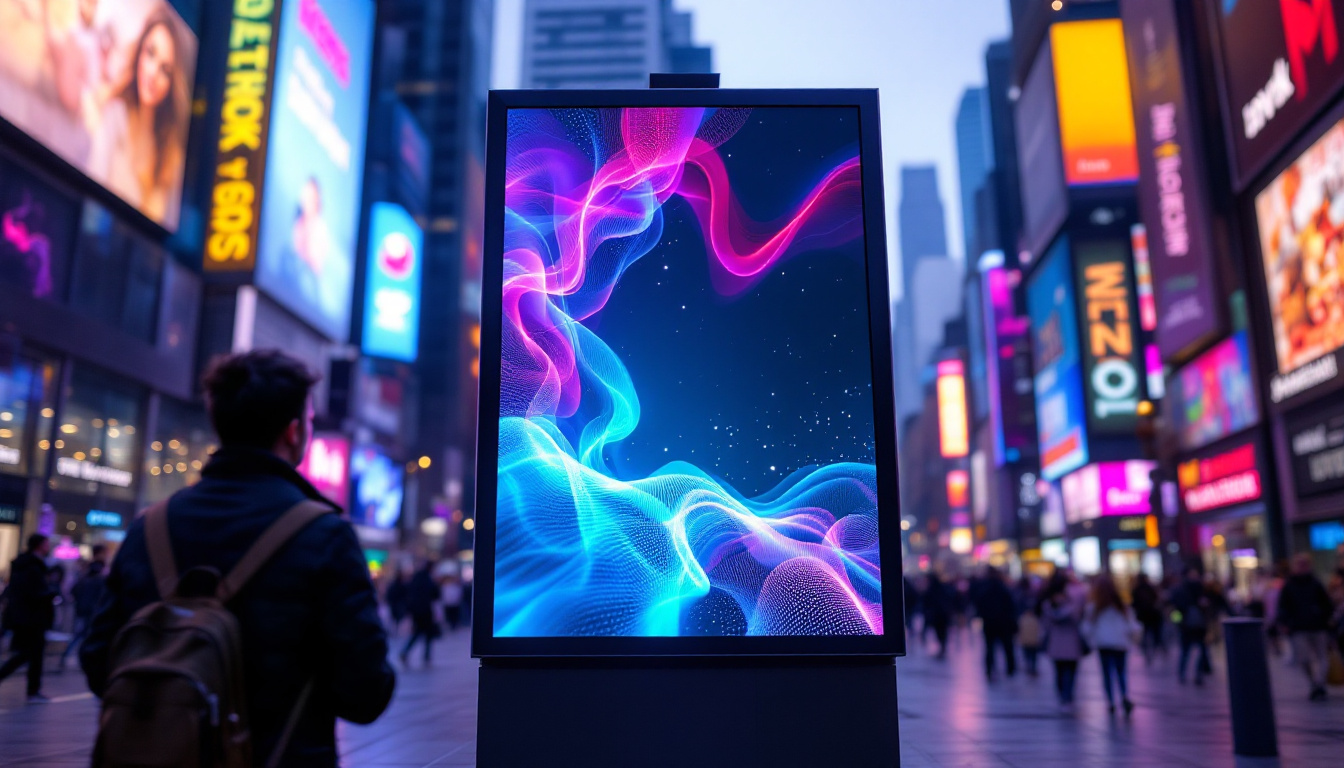
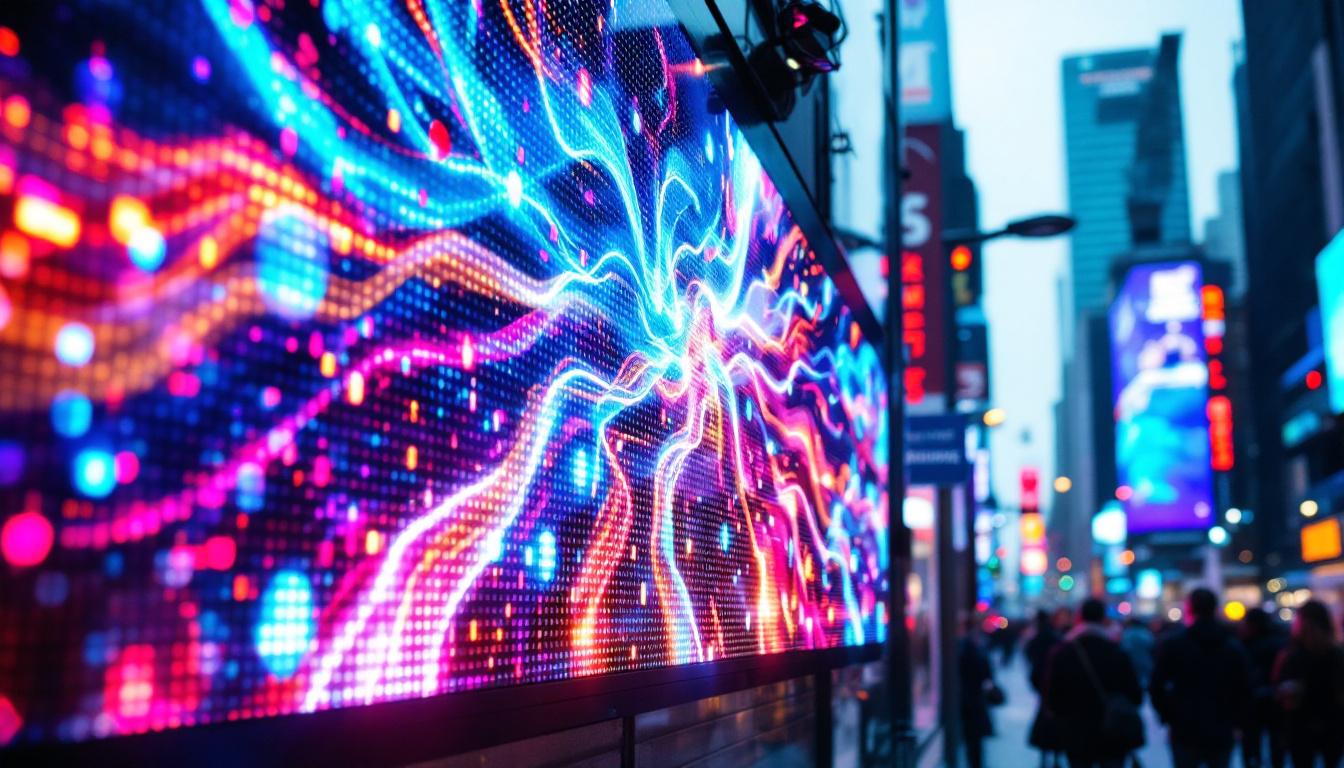
LED technology has also paved the way for innovative applications beyond traditional displays. For instance, in the realm of advertising, large-scale LED billboards have transformed urban landscapes, providing vibrant, eye-catching visuals that can be updated in real-time. These displays are not only energy-efficient but also capable of producing a wide spectrum of colors, making them ideal for dynamic content that captures attention. Furthermore, the development of flexible LED screens has opened up new possibilities in design, allowing for curved or even foldable displays that can adapt to various environments and uses.
Moreover, the advancements in LED technology have led to significant improvements in energy efficiency and longevity. Modern LED displays can last tens of thousands of hours, reducing the need for frequent replacements and minimizing electronic waste. This durability, combined with their lower energy consumption compared to older technologies, makes LED displays a more sustainable choice for consumers and businesses alike. As the technology continues to evolve, we can expect even more exciting developments that will further enhance the visual experience and broaden the applications of LED displays in our daily lives.
How LED Displays Work: The Technology Behind the Picture
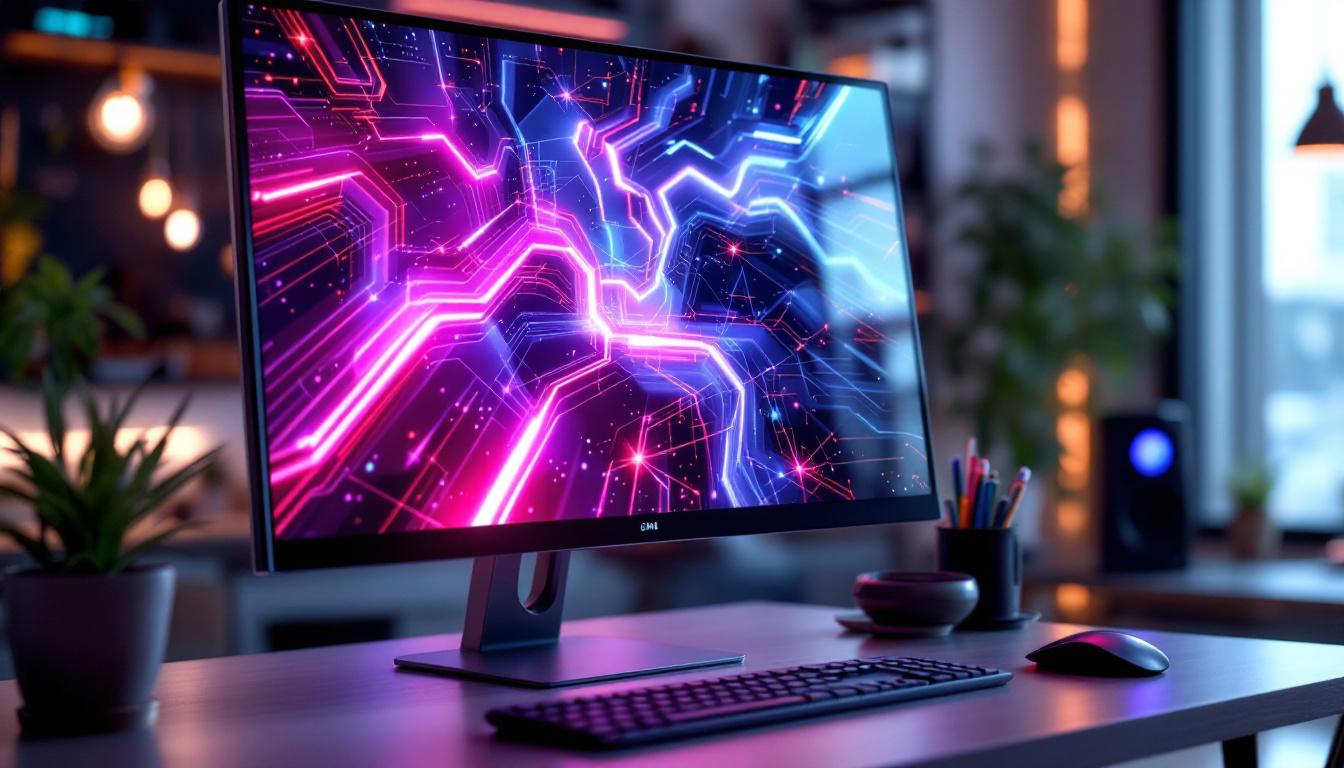
To appreciate the capabilities and limitations of LED monitors, it’s helpful to understand their underlying technology. Most LED displays in monitors are LCD panels with LED backlighting, and their operation involves two main components: the liquid crystal layer and the LED backlight.
The Role of Liquid Crystals
Liquid crystals are substances that flow like a liquid but have some properties of solid crystals. In an LCD panel, these crystals act as shutters that control the passage of light. When an electric current is applied, the crystals align in a way that either blocks or allows light to pass through color filters, creating the images we see on the screen.
LED Backlighting: Edge-lit vs. Full-array
The LED backlight is the source of illumination behind the LCD panel. There are two common types of LED backlighting:
- Edge-lit LED: LEDs are placed along the edges of the screen, and light is spread across the display using light guides. This design allows for thinner monitors but can sometimes result in uneven brightness.
- Full-array LED: LEDs are arranged in a grid directly behind the screen. This allows for more uniform lighting and enables local dimming, where sections of the backlight can be dimmed independently to improve contrast.
Local dimming is a key feature in higher-end LED monitors, enhancing black levels and overall picture quality.
Advantages of LED Displays
LED displays have become the standard in monitor technology for many reasons. Their benefits extend from visual performance to environmental impact and design flexibility.
Energy Efficiency and Environmental Impact
One of the most significant advantages of LED displays over older CCFL-backlit LCDs is their energy efficiency. LEDs consume less power while providing brighter and more consistent lighting. According to the U.S. Department of Energy, LED-backlit LCDs can use up to 40% less energy than CCFL-backlit counterparts.
This reduction in power consumption not only lowers electricity bills but also reduces the carbon footprint associated with device usage, making LED monitors a greener choice.
Improved Picture Quality
LED backlighting allows for higher brightness levels and better contrast ratios. Full-array LED monitors with local dimming can achieve deeper blacks and more vivid colors, which is particularly beneficial for photo editing, gaming, and watching high-definition content.
Additionally, LED technology supports a wider color gamut, enabling displays to reproduce more accurate and saturated colors. This is crucial for professionals working in graphic design, video production, and other color-sensitive fields.
Design and Durability
Because LEDs are smaller and generate less heat than CCFLs, LED monitors can be made thinner and lighter. This sleek design is not only aesthetically pleasing but also practical for modern workspaces and portable setups.
Furthermore, LEDs have a longer lifespan and are more durable, reducing the need for frequent replacements and repairs.
Potential Drawbacks and Considerations
Despite their many advantages, LED displays are not without limitations. Understanding these can help consumers make informed decisions when selecting a monitor.
Cost Factors
While LED-backlit LCD monitors have become affordable, models with advanced features like full-array local dimming or OLED panels tend to be more expensive. Consumers should weigh the benefits of enhanced picture quality against their budget constraints.
Viewing Angles and Color Accuracy
Although LED technology improves many aspects of display quality, the underlying LCD panel type also matters. Some LED monitors use TN (Twisted Nematic) panels, which are cheaper but have limited viewing angles and color accuracy compared to IPS (In-Plane Switching) or VA (Vertical Alignment) panels.
For users prioritizing color fidelity and wide viewing angles, selecting an LED monitor with an IPS or VA panel is advisable.
Blue Light Emission and Eye Strain
LED displays emit blue light, which can contribute to eye strain and disrupt sleep patterns if used extensively, especially in low-light environments. Many modern monitors include blue light filters or “night mode” settings to mitigate these effects.
Choosing the Right LED Monitor: What to Look For
With so many LED monitors on the market, selecting the right one can be overwhelming. Here are key factors to consider based on your needs.
Purpose and Usage
Identify your primary use case. Gamers may prioritize refresh rates (120Hz or higher), response times, and adaptive sync technologies like G-Sync or FreeSync. Professionals in photography or video editing should focus on color accuracy, wide color gamut coverage (sRGB, Adobe RGB), and resolution.
Resolution and Screen Size
Higher resolutions such as 1440p (QHD) or 4K (UHD) offer sharper images and more screen real estate but require more powerful graphics hardware. Screen size also affects viewing comfort and workspace layout; common sizes range from 24 to 32 inches for desktop monitors.
Panel Type and Backlighting
Choose an IPS or VA panel for better color and viewing angles. Consider full-array LED backlighting with local dimming for superior contrast, especially if you watch movies or work with dark content frequently.
Connectivity and Additional Features
Ensure the monitor has the necessary ports (HDMI, DisplayPort, USB-C) compatible with your devices. Features like adjustable stands, flicker-free technology, and built-in speakers may also enhance usability.
The Future of LED Displays: Trends and Innovations
Display technology continues to evolve rapidly. LED displays are at the forefront of several exciting innovations that promise to enhance visual experiences further.
MicroLED and OLED Technologies
MicroLED displays use microscopic LEDs as individual pixels, combining the brightness and efficiency of LEDs with the perfect black levels of OLEDs. This technology offers exceptional color accuracy, contrast, and energy efficiency but is still emerging in the consumer market due to manufacturing complexities.
OLED displays, where each pixel emits its own light, have become popular in smartphones and high-end TVs. They provide superior contrast and color but face challenges like burn-in and higher production costs for larger screens.
Flexible and Transparent Displays
Advancements in LED technology have enabled the creation of flexible and transparent displays, opening new possibilities for design and application. These displays could be integrated into wearable devices, automotive dashboards, and augmented reality systems.
Higher Refresh Rates and HDR Support
As gaming and multimedia consumption demand smoother and more immersive visuals, LED monitors are increasingly supporting higher refresh rates (up to 360Hz) and advanced HDR (High Dynamic Range) standards. These features enhance motion clarity and color depth, enriching the user experience.
Conclusion
LED displays have transformed the way images are rendered on monitors, offering a blend of energy efficiency, superior picture quality, and sleek design. Understanding the technology behind LED displays helps consumers make informed choices tailored to their specific needs, whether for gaming, professional work, or everyday use.
As LED technology continues to advance, the future holds even more impressive display capabilities, promising richer colors, deeper contrasts, and innovative form factors. Staying informed about these developments ensures users can select monitors that not only meet today’s demands but also adapt to tomorrow’s innovations.
Discover LumenMatrix’s Innovative LED Solutions
Ready to experience the pinnacle of LED display technology? LumenMatrix is at the forefront of innovation, offering a wide array of LED display solutions that cater to every need. Whether you’re looking to enhance your brand’s visibility with an Indoor LED Wall Display, captivate passersby with an Outdoor LED Wall Display, or create a dynamic environment with a Custom LED Display, LumenMatrix has the cutting-edge technology to bring your vision to life. Elevate your visual communication and engage your audience like never before. Check out LumenMatrix LED Display Solutions today and see the difference for yourself.