In today’s digital age, the choice of a monitor screen can significantly affect your viewing experience, whether for work, gaming, or entertainment. Among the various types of display technologies available, LED monitors have emerged as a popular and versatile option. This article delves deep into the world of LED displays, exploring their technology, types, advantages, and how they compare to other monitor screen technologies. Understanding these aspects will empower you to make an informed decision when selecting a monitor that best suits your needs.
Understanding Monitor Screen Technologies
Before diving into LED displays specifically, it’s important to grasp the broader landscape of monitor screen technologies. The most common types include LCD (Liquid Crystal Display), LED (Light Emitting Diode), OLED (Organic LED), and newer technologies like MicroLED and QLED. Each type has unique characteristics that influence image quality, power consumption, lifespan, and cost.
LCD monitors, once the industry standard, use a backlight to illuminate pixels composed of liquid crystals. LED monitors are essentially a subtype of LCDs, but with a different backlighting technology that uses light-emitting diodes instead of traditional fluorescent tubes. OLED and MicroLED, on the other hand, use self-emissive pixels that generate their own light, offering distinct advantages and challenges.
Why Monitor Technology Matters
The choice of monitor technology impacts several critical factors: color accuracy, contrast ratio, refresh rate, energy efficiency, and even eye comfort. For professionals like graphic designers and video editors, color fidelity is paramount. Gamers prioritize refresh rates and response times to reduce motion blur. Casual users may focus on price and energy consumption. Therefore, understanding the nuances of each technology helps tailor the choice to specific requirements.
What Is an LED Display?
LED displays are a type of LCD monitor that use light-emitting diodes for backlighting instead of the older cold cathode fluorescent lamps (CCFLs). This seemingly small change has revolutionized the display industry by improving energy efficiency, brightness, and color performance.
In an LED monitor, the liquid crystals themselves do not emit light. Instead, the LEDs provide the necessary illumination from behind or around the edges of the screen, shining through the liquid crystal layer to create the visible image. This method allows for thinner, lighter, and more power-efficient monitors compared to traditional LCDs.
Types of LED Backlighting
LED displays can be categorized based on their backlighting arrangement:
- Edge-Lit LED: LEDs are placed along the edges of the screen, and light is distributed across the display using light guides. This design enables ultra-thin monitors but can sometimes result in uneven brightness or contrast.
- Direct-Lit LED: LEDs are positioned directly behind the LCD panel in a grid. This setup provides more uniform lighting but tends to be thicker and heavier.
- Full-Array LED with Local Dimming: This advanced form of direct-lit LED includes zones that can dim independently, enhancing contrast by deepening blacks and improving HDR (High Dynamic Range) performance.
Advantages of LED Monitors
LED monitors offer several advantages over other display types, making them a preferred choice in many scenarios.
Energy Efficiency and Environmental Impact
LED backlighting consumes significantly less power than CCFL backlights used in older LCD monitors. According to recent energy consumption studies, LED monitors can use up to 40% less electricity, reducing both operational costs and environmental footprint. This efficiency is particularly important in office environments where multiple monitors run for extended periods.
Improved Brightness and Color Accuracy
LEDs can produce brighter displays with a wider color gamut. This means images appear more vibrant and true to life. Many modern LED monitors cover over 99% of the sRGB color space, making them suitable for professional photo and video editing. Additionally, full-array LED monitors with local dimming can deliver better contrast ratios, enhancing the viewing experience for movies and games.
Slimmer and Lighter Designs
Because LEDs are smaller and more efficient than CCFL tubes, manufacturers can design thinner and lighter monitors. This makes LED monitors more aesthetically pleasing and easier to fit into compact or multi-monitor setups.
Longer Lifespan and Durability
LED backlights generally last longer than CCFLs, often exceeding 50,000 hours of use. They are also less prone to flickering and degradation over time, which contributes to a more consistent display quality throughout the monitor’s lifespan.
Comparing LED Displays with Other Technologies
While LED monitors have many benefits, it’s essential to understand how they stack up against other popular display technologies.
LED vs. OLED
OLED (Organic Light Emitting Diode) displays differ fundamentally from LED-backlit LCDs. OLED pixels emit light individually, allowing for perfect blacks and infinite contrast ratios. This results in stunning image quality, especially in dark scenes. However, OLED monitors are typically more expensive and can suffer from burn-in issues over time.
LED monitors, particularly those with full-array local dimming, have narrowed the gap in contrast and black levels but still cannot match OLED’s pixel-level light control. For users prioritizing color accuracy and longevity, LED remains a strong contender.
LED vs. QLED
QLED (Quantum Dot LED) is a marketing term for LED monitors that use quantum dot technology to enhance color and brightness. Essentially, QLED is a type of LED display with a quantum dot film layer that improves color volume and efficiency. These monitors often deliver superior brightness and a wider color gamut than standard LED displays, making them excellent for HDR content.
Choosing between LED and QLED often comes down to budget and specific use cases, as QLED monitors tend to be more expensive but offer premium image quality.
LED vs. IPS and TN Panels
It’s important to distinguish between the backlighting technology (LED) and the panel type, such as IPS (In-Plane Switching) or TN (Twisted Nematic). Most modern LED monitors use IPS panels, which provide better color accuracy and viewing angles compared to TN panels, which are faster but have poorer color reproduction.
Therefore, when selecting an LED monitor, consider both the backlighting technology and the panel type to ensure it meets your performance expectations.
Applications and Use Cases for LED Monitors
LED monitors are versatile and well-suited for a wide range of applications. Understanding where they excel can help users choose the right display for their needs.
Professional Work and Content Creation
Graphic designers, photographers, and video editors benefit from LED monitors that offer wide color gamuts, high brightness, and accurate color reproduction. Monitors with full-array local dimming and HDR support provide more precise color grading and editing capabilities.
Gaming
Gamers often seek monitors with fast response times, high refresh rates, and vibrant colors. Many LED monitors, especially those with IPS panels, deliver these features. Some gaming monitors also incorporate adaptive sync technologies like G-Sync or FreeSync to reduce screen tearing and stuttering.
General Productivity and Office Use
For everyday tasks such as browsing, document editing, and video conferencing, LED monitors offer a comfortable viewing experience with reduced eye strain thanks to flicker-free technology and blue light filters. Their energy efficiency also makes them ideal for large-scale office deployments.
Home Entertainment
LED monitors with high brightness and contrast ratios enhance movie watching and streaming experiences. Features like HDR support and wide color gamuts make LED displays a great choice for home theaters and media rooms.
Choosing the Right LED Monitor: Key Considerations
Selecting an LED monitor involves balancing various factors based on your specific needs and budget.
Screen Size and Resolution
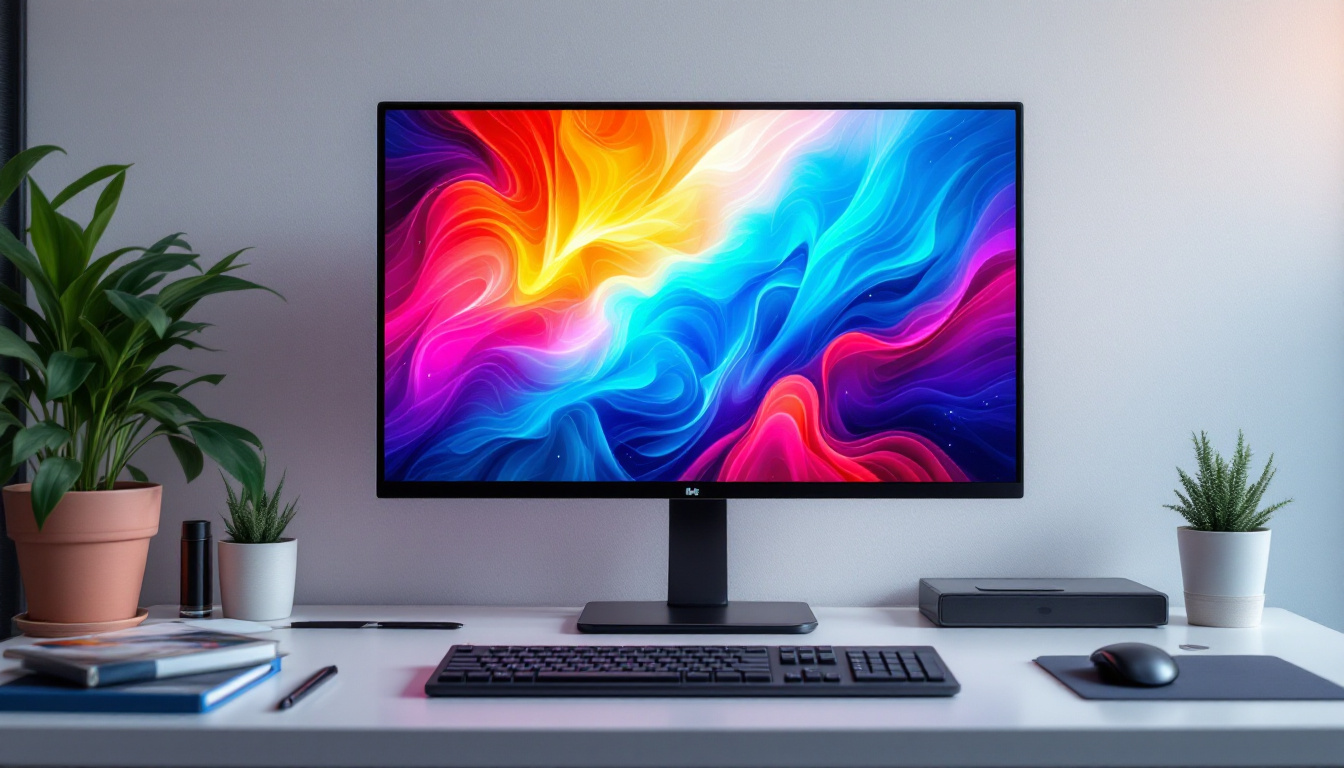
The appropriate screen size depends on your workspace and usage. Common sizes range from 24 to 32 inches for desktop use, with resolutions from Full HD (1920×1080) to 4K (3840×2160). Higher resolutions provide sharper images but require more powerful graphics hardware.
Panel Type and Refresh Rate
IPS panels are preferred for color accuracy and viewing angles, while TN panels offer faster response times. Refresh rates of 60Hz are standard, but gamers often prefer 120Hz or higher for smoother motion.
Connectivity Options
Ensure the monitor supports the necessary ports such as HDMI, DisplayPort, USB-C, or Thunderbolt, depending on your devices. USB hubs and adjustable stands add to convenience and ergonomics.
Budget and Brand Reliability
While LED monitors cover a wide price range, investing in a reputable brand with good warranty and customer support can save future headaches. Reading user reviews and professional tests can provide insights into real-world performance and durability.
Future Trends in LED Display Technology
LED technology continues to evolve rapidly, driven by demands for better image quality, energy efficiency, and form factors.
Mini-LED and MicroLED Innovations
Mini-LED technology uses thousands of tiny LEDs for backlighting, enabling more precise local dimming and improved contrast. This technology is becoming more common in high-end monitors and TVs.
MicroLED takes this further by using microscopic LEDs as individual pixels, combining the best features of LED and OLED displays—high brightness, perfect blacks, and long lifespan—without burn-in risks. Although still expensive and limited in availability, MicroLED represents the future of display technology.
Integration with Smart Technologies
Smart monitors with built-in AI features, voice control, and adaptive brightness are emerging, enhancing user experience. These monitors can adjust settings dynamically based on ambient light and content type.
Conclusion
LED displays have transformed the monitor market by offering a compelling balance of image quality, energy efficiency, and affordability. Understanding the different types of LED backlighting, their advantages, and how they compare to other technologies is essential for making an informed purchase decision.
Whether you are a professional seeking color accuracy, a gamer demanding high refresh rates, or a casual user wanting a reliable and vibrant screen, LED monitors provide a versatile solution. As technology advances, innovations like Mini-LED and MicroLED promise even better performance, ensuring that LED-based displays will remain a cornerstone of visual technology for years to come.
Discover Cutting-Edge LED Displays with LumenMatrix
As you consider upgrading to an LED monitor that meets your professional, gaming, or entertainment needs, LumenMatrix stands at the forefront of LED display innovation. With a commitment to revolutionizing visual communication, LumenMatrix offers a diverse range of LED display modules, from Indoor and Outdoor LED Wall Displays to specialized solutions like Vehicle LED Displays and LED Sports Displays. Experience the pinnacle of brand visibility and immersive visual experiences with our Custom LED Displays, All-in-One LED Displays, and LED Transparent Displays. Elevate your visual engagement and convey your message with unparalleled clarity. Check out LumenMatrix LED Display Solutions and be part of the future of display technology today.