Outdoor entertainment has evolved dramatically over the past decade, with portable projection screens and LED displays becoming increasingly popular for everything from backyard movie nights to large-scale public events. Understanding the differences between traditional portable projection screens and modern LED displays is essential for anyone looking to create an immersive outdoor viewing experience. This article delves into the technology behind portable projection screens and LED displays, exploring their advantages, limitations, and practical applications.
Understanding Portable Projection Screens for Outdoor Use
What Is a Portable Projection Screen?
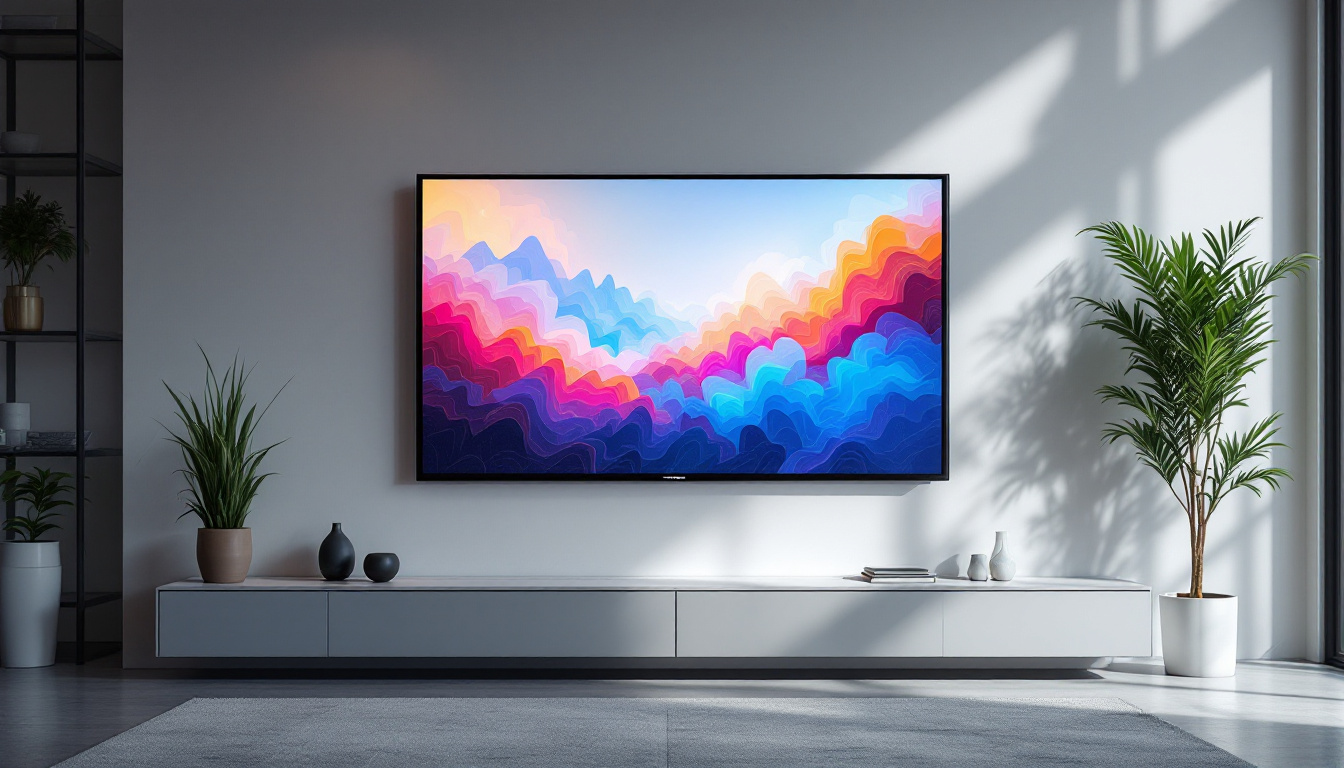
A portable projection screen is a lightweight, often foldable or retractable surface designed to display images projected from a projector. These screens are typically made from materials that optimize image clarity and brightness, such as matte white or specialized reflective fabrics. Their portability makes them ideal for outdoor use, allowing users to set up temporary viewing areas in backyards, parks, or other open spaces.
Projection screens come in various sizes and formats, including tripod screens, inflatable screens, and fixed-frame screens with collapsible stands. The choice depends largely on the intended use, ease of transport, and the environment in which they will be deployed. For instance, inflatable screens are particularly popular for large gatherings, as they can create a dramatic effect and are easy to set up, while tripod screens are favored for their compactness and ease of adjustment for height.
In addition to their physical characteristics, many portable projection screens are designed with user-friendly features such as built-in tensioning systems that help maintain a flat surface for optimal image quality. Some models even come with carrying cases, making them even more convenient for transport and storage. This versatility not only enhances the viewing experience but also makes them suitable for various events, from casual family movie nights to professional presentations.
How Does Outdoor Projection Work?
Outdoor projection relies on a projector to cast images onto the screen. The quality of the viewing experience depends on several factors:
- Projector Brightness: Measured in lumens, brightness is crucial for outdoor use, especially during dusk or in ambient light conditions. For outdoor environments, projectors with at least 3,000 lumens are recommended to ensure clear visibility.
- Screen Material: The screen’s reflective properties affect image sharpness and color vibrancy. Outdoor screens often feature weather-resistant coatings to withstand moisture and UV exposure.
- Ambient Light: The presence of natural or artificial light can wash out the image. Choosing a location with minimal light pollution or using screens with higher gain can mitigate this issue.
Furthermore, the setup process can also influence the overall experience. Users should consider the distance between the projector and the screen, as well as the angle of projection, to avoid any distortion or blurriness. Some projectors come with built-in keystone correction features, which can help adjust the image shape if the projector is not perfectly aligned with the screen. This technical flexibility allows for a more user-friendly outdoor viewing experience, catering to both novice and experienced users alike.
Advantages of Portable Projection Screens Outdoors
One of the biggest advantages of portable projection screens is their affordability and flexibility. They allow users to project large images—often exceeding 100 inches diagonally—without the need for bulky or expensive equipment. Additionally, projection screens can be used with various projectors, giving users the freedom to upgrade or customize their setups.
Moreover, projection screens can be packed away easily, making them ideal for temporary events or locations where permanent installations are not feasible. This flexibility has made them popular for outdoor movie nights, sports viewing parties, and community events. The ability to create a cinematic experience in an open environment has transformed how families and friends gather, turning ordinary evenings into memorable occasions filled with laughter and shared enjoyment.
Additionally, many portable screens are designed with features that enhance their usability, such as quick-release mechanisms and adjustable heights, allowing for seamless transitions between different types of events. Whether it’s a backyard birthday party or a corporate team-building event, the adaptability of these screens ensures that they meet the diverse needs of users, fostering a sense of community and shared experience.
Limitations and Challenges
Despite their benefits, portable projection screens have some limitations. The image quality is highly dependent on the projector’s brightness and the surrounding light conditions. Even the best screens can struggle to deliver vivid images in daylight or brightly lit environments. Additionally, setup can be time-consuming, requiring careful alignment of the projector and screen to avoid distortion.
Weather is another critical factor. Wind can cause screens to flutter or collapse, and rain or moisture can damage both the screen and projector. Users often need to consider protective measures or weatherproof equipment to ensure durability. Some may invest in weighted bases or guy lines to secure the screens against wind, while others might opt for screens with built-in stabilization features that enhance their resilience against outdoor elements.
Moreover, the need for power sources can also pose a challenge in remote outdoor settings. Users may need to bring along generators or portable battery packs to ensure that their projectors remain powered throughout the event. This added layer of preparation can sometimes deter users from opting for outdoor projections, but with the right planning, these challenges can be effectively managed to create a successful outdoor viewing experience.
Exploring LED Displays for Outdoor Use
What Are LED Displays?
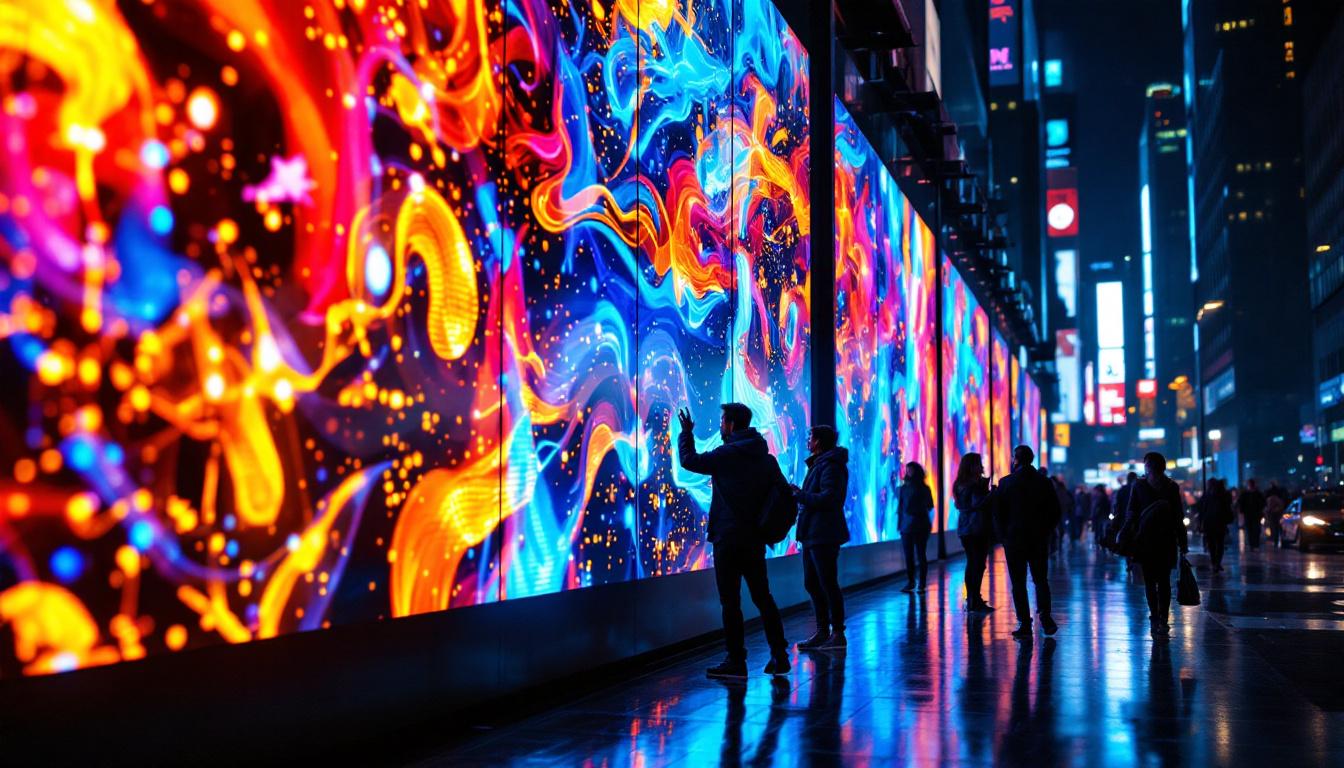
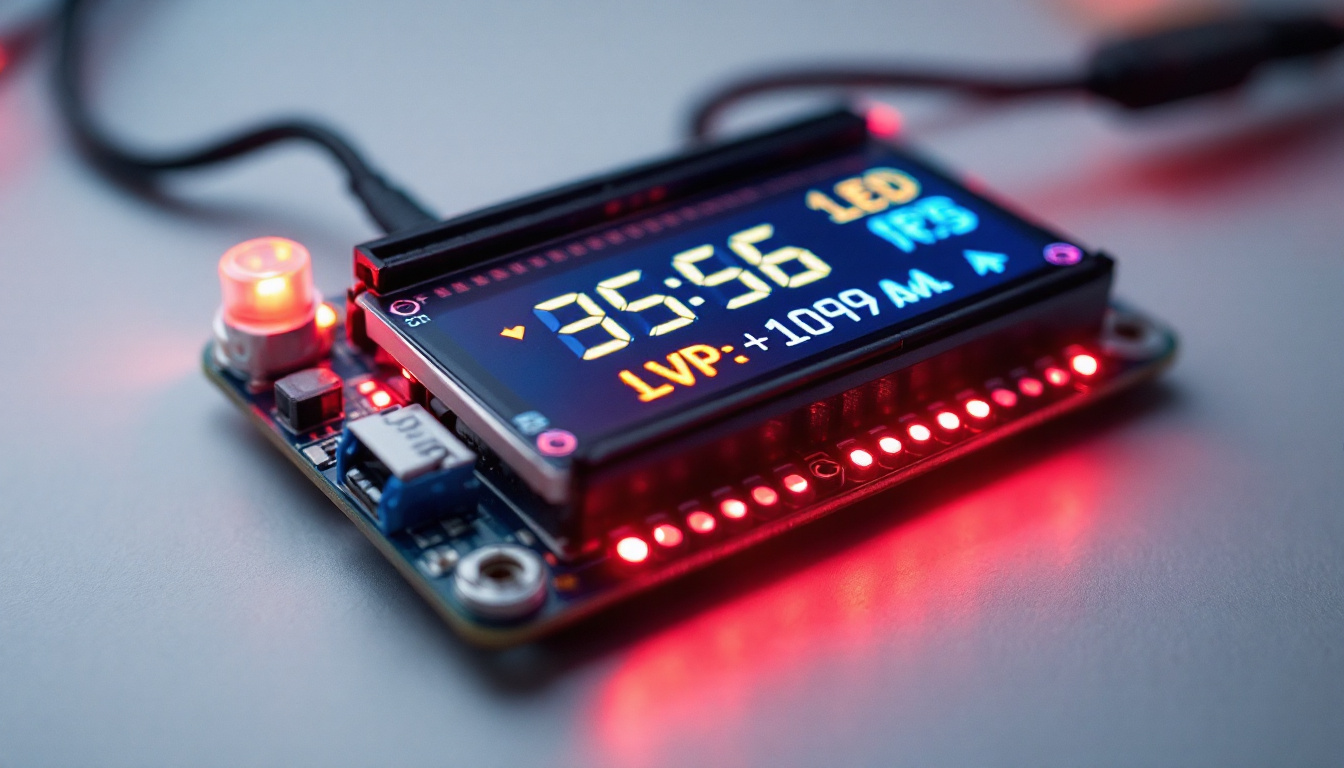
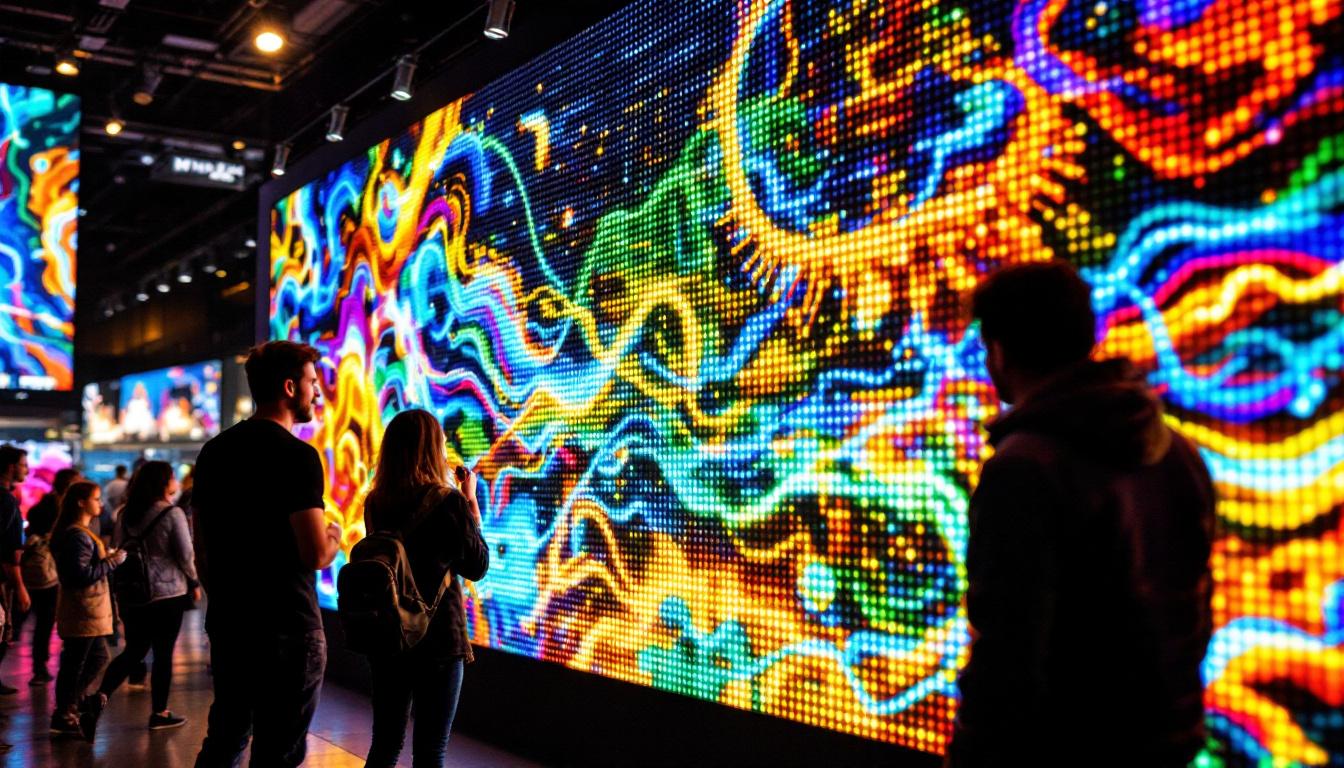
LED (Light Emitting Diode) displays are digital screens composed of numerous tiny LEDs that emit light individually to create images. Unlike projection screens, LED displays do not require an external light source; they are self-illuminating, which makes them highly visible even in bright daylight.
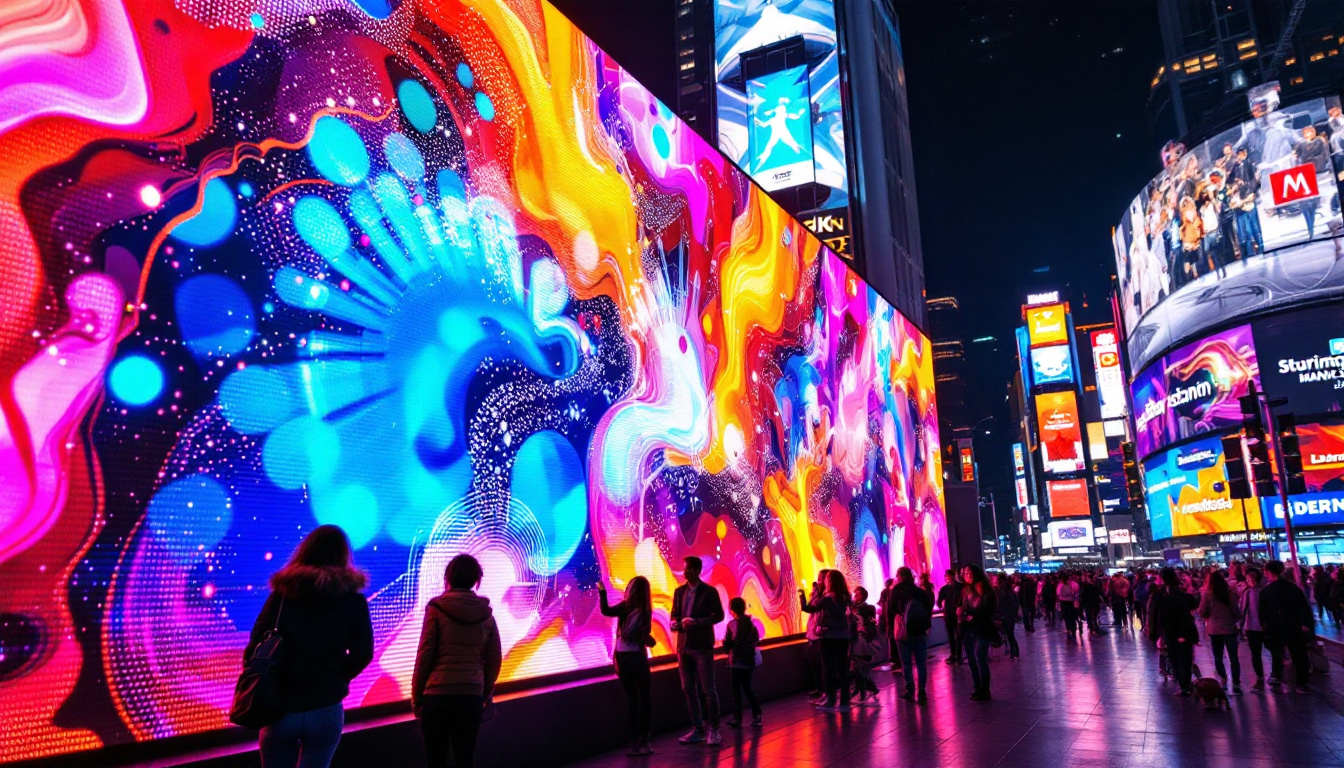
Outdoor LED displays are specifically designed to withstand harsh environmental conditions. They feature robust enclosures, weatherproof coatings, and high brightness levels, often exceeding 5,000 nits, to ensure visibility under direct sunlight.
Types of Outdoor LED Displays
Outdoor LED displays come in various configurations, including:
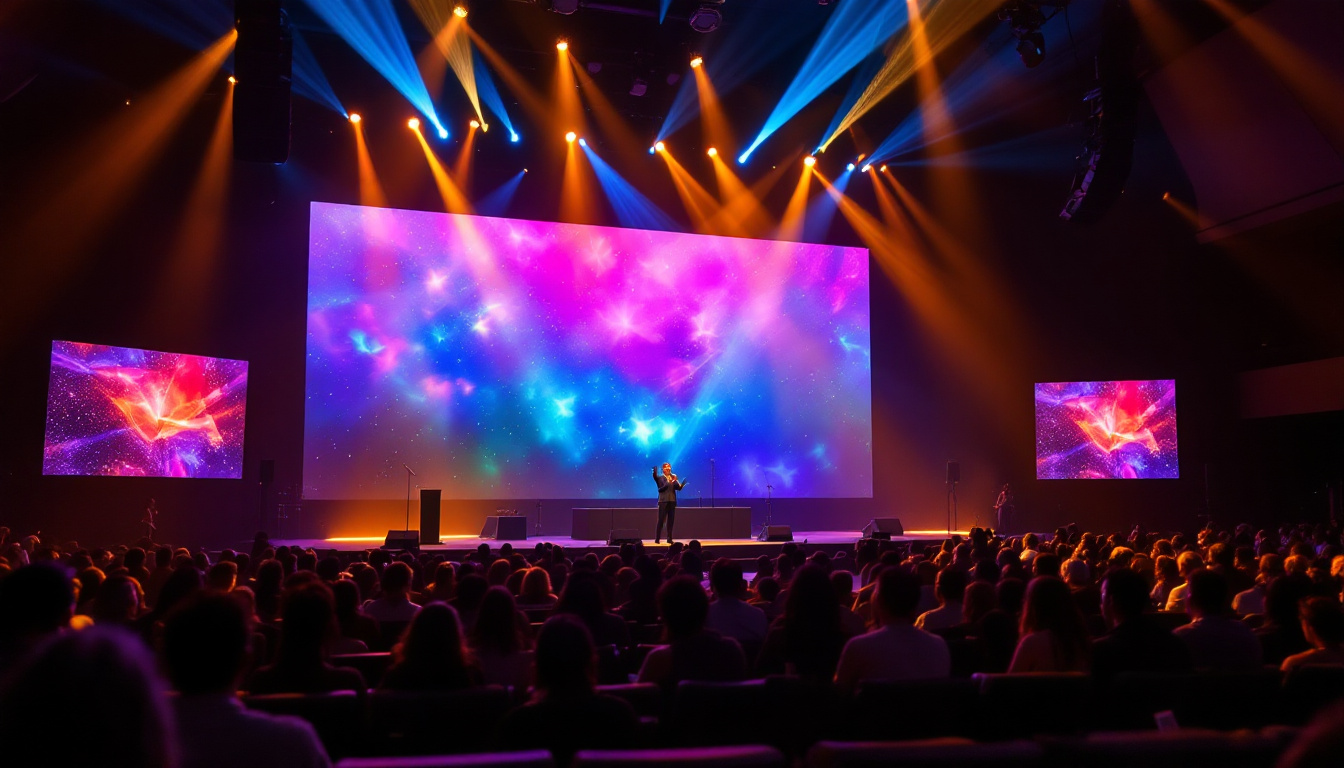
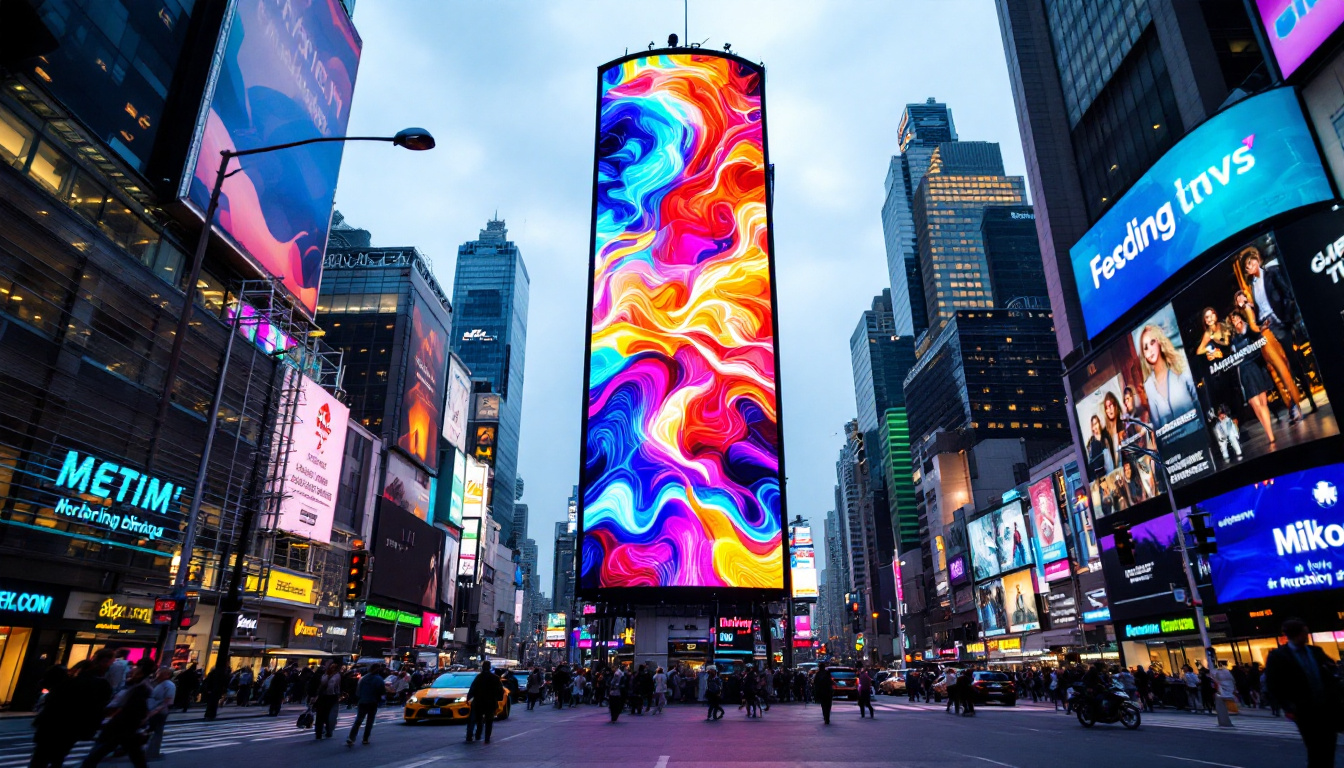
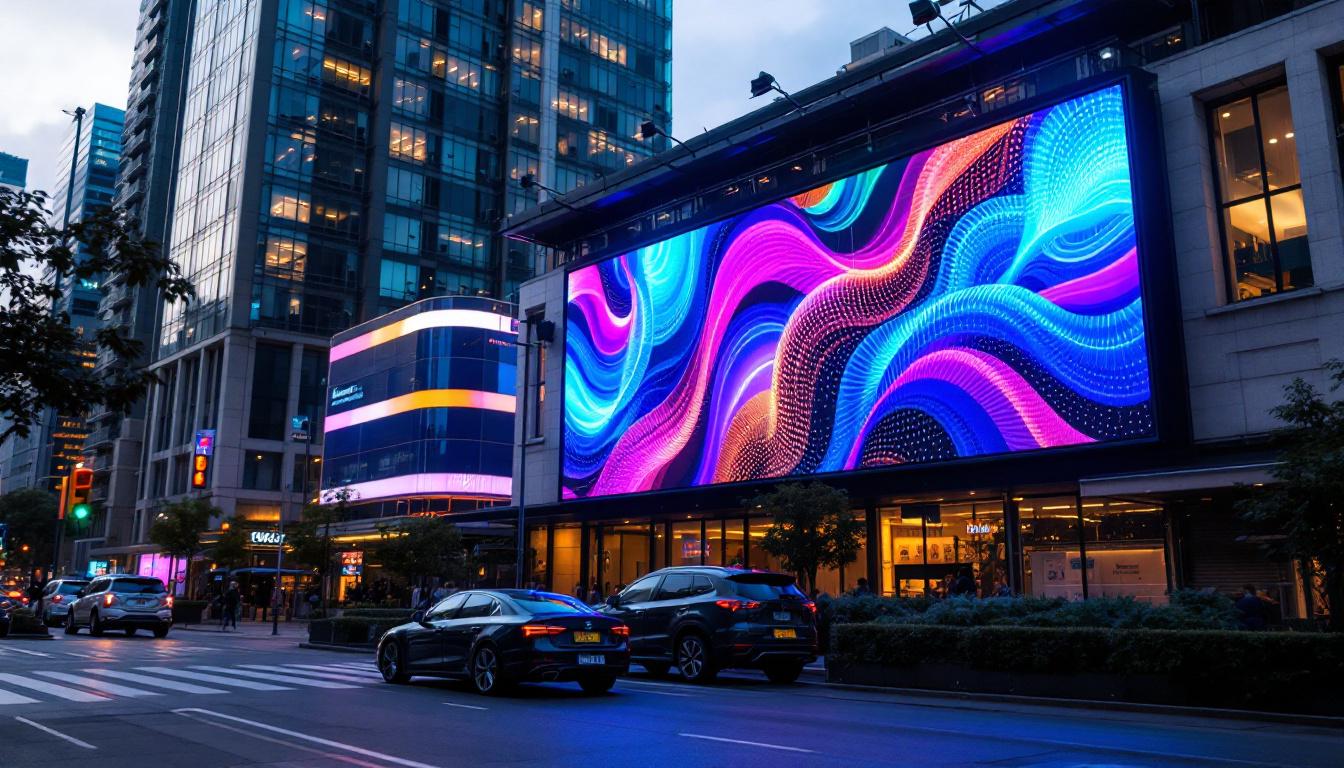
- Fixed LED Walls: Large, permanent installations used for advertising, concerts, and stadiums.
- Modular LED Panels: These panels can be assembled into custom sizes and shapes, making them versatile for different event types.
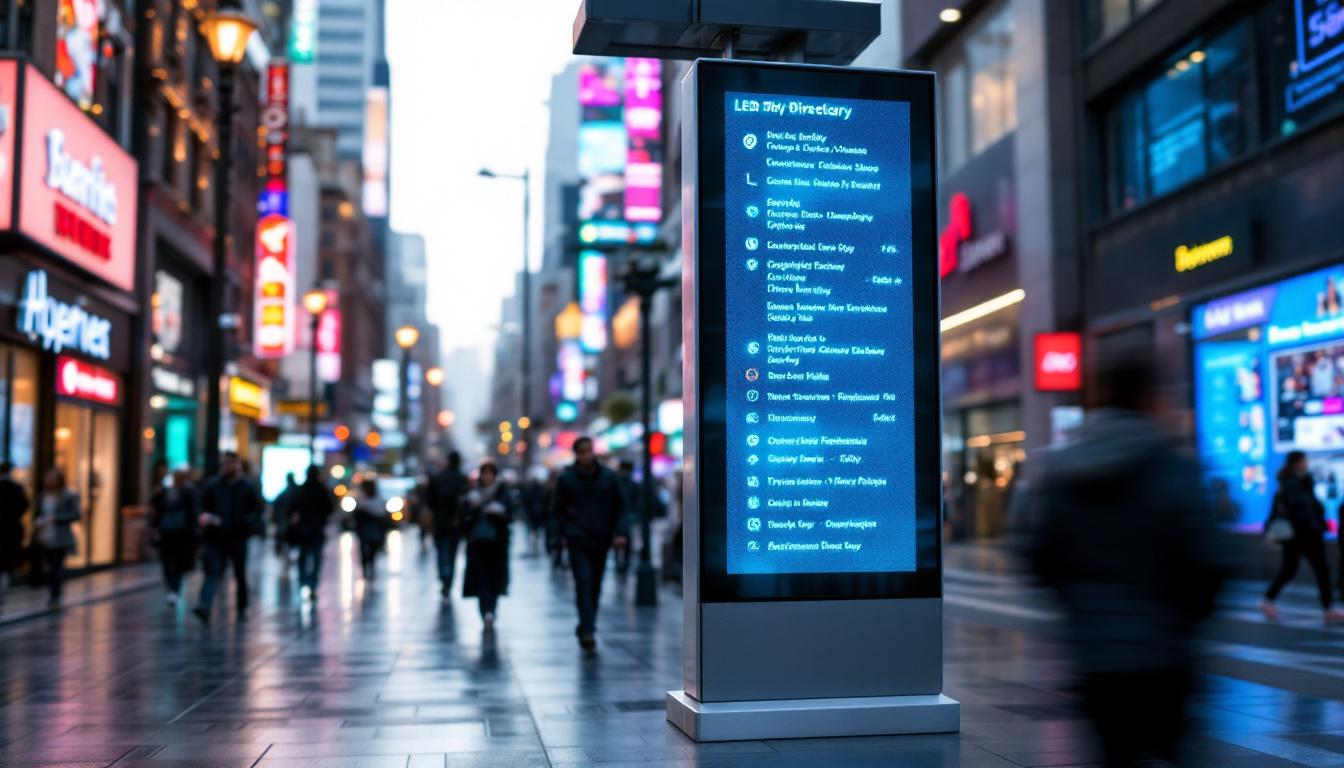
- Portable LED Screens: Designed for mobility, these screens come with built-in stands or cases, allowing for quick setup and teardown at outdoor events.
Advantages of LED Displays Outdoors
LED displays offer several key advantages over traditional projection screens:
- Brightness and Visibility: With brightness levels often above 5,000 nits, LED displays maintain clear images even in direct sunlight.
- Durability: Designed for outdoor use, LED displays are weather-resistant and can operate in a wide temperature range.
- Image Quality: LED displays provide vibrant colors, high contrast, and sharp images without the need for external light sources.
- Ease of Use: Portable LED screens typically require minimal setup and no alignment, reducing the time and effort needed to get started.
Limitations and Considerations
The primary drawback of LED displays is cost. High-quality outdoor LED screens can be significantly more expensive than portable projection screens, both in initial investment and maintenance. Additionally, LED displays require power sources and sometimes specialized transportation or rigging equipment, which might limit their portability compared to projection screens.
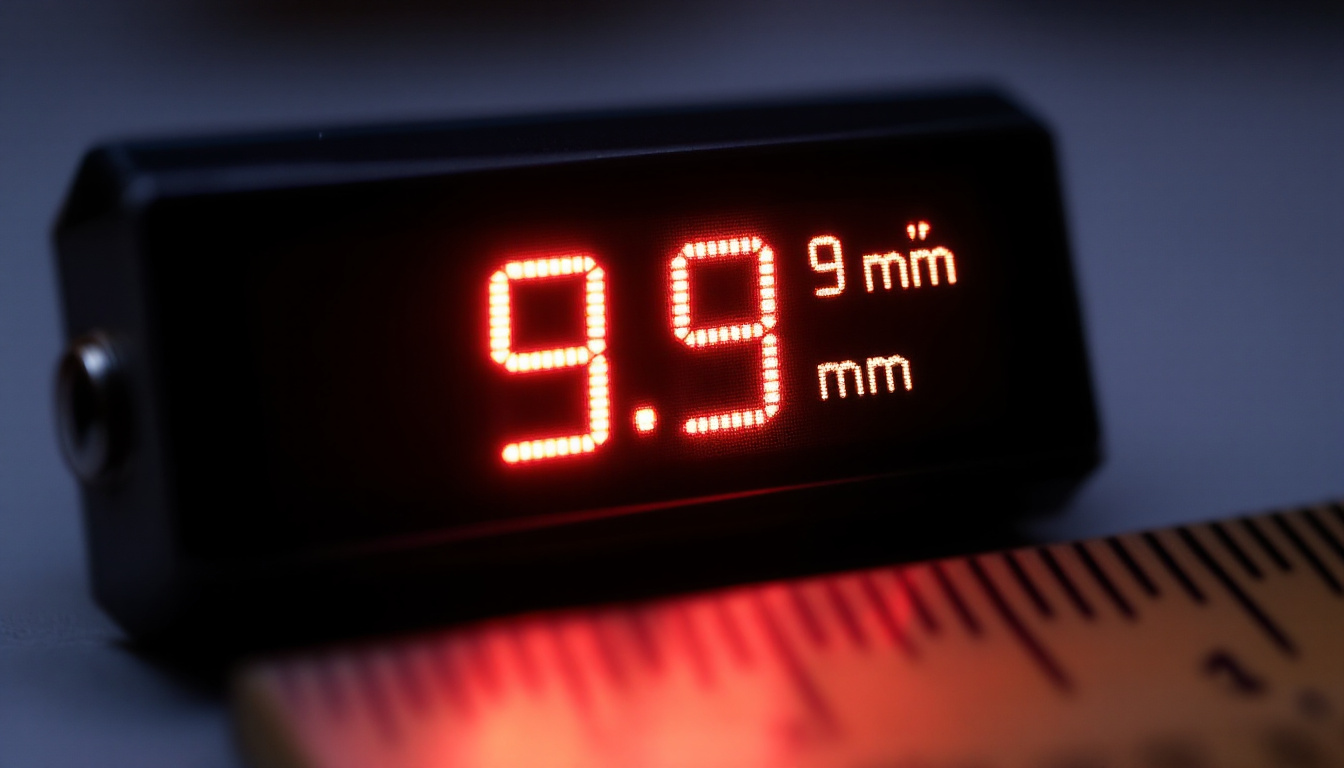
Another consideration is pixel pitch—the distance between individual LEDs—which affects resolution. For close viewing distances, a smaller pixel pitch is necessary, increasing cost. For large audiences viewing from afar, a larger pixel pitch is acceptable and more cost-effective.
Comparing Portable Projection Screens and LED Displays for Outdoor Use
Image Quality and Visibility
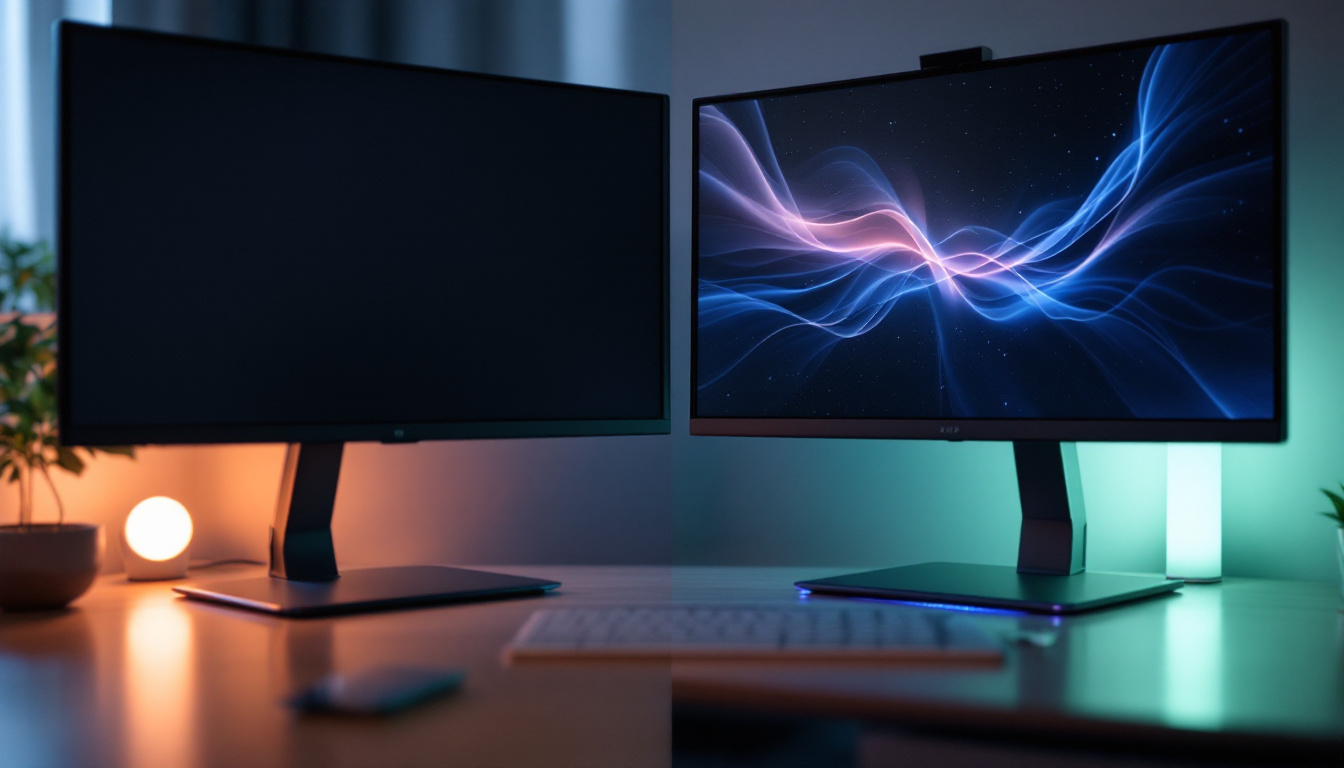
When it comes to image quality, LED displays generally outperform portable projection screens in outdoor environments. The self-illuminating nature of LEDs ensures consistent brightness and color vibrancy regardless of ambient light. In contrast, projection screens depend heavily on projector brightness and ambient lighting conditions, often requiring dusk or nighttime settings for optimal viewing.
Portability and Setup
Portable projection screens excel in lightweight design and compact storage, making them easier to transport and set up in remote or temporary locations. However, they often require careful alignment and a darkened environment to deliver the best image quality.
Portable LED displays, while heavier and more expensive, offer quicker setup times and do not require dark environments. Their modular design allows for flexible sizing, but transporting and powering them can be more complex.
Cost Considerations
For budget-conscious users, portable projection screens paired with a mid-range projector provide an affordable solution for outdoor entertainment. LED displays, particularly those with high resolution and brightness, represent a significant investment but offer superior performance and durability.
Use Case Scenarios
Choosing between a portable projection screen and an LED display depends largely on the intended use:
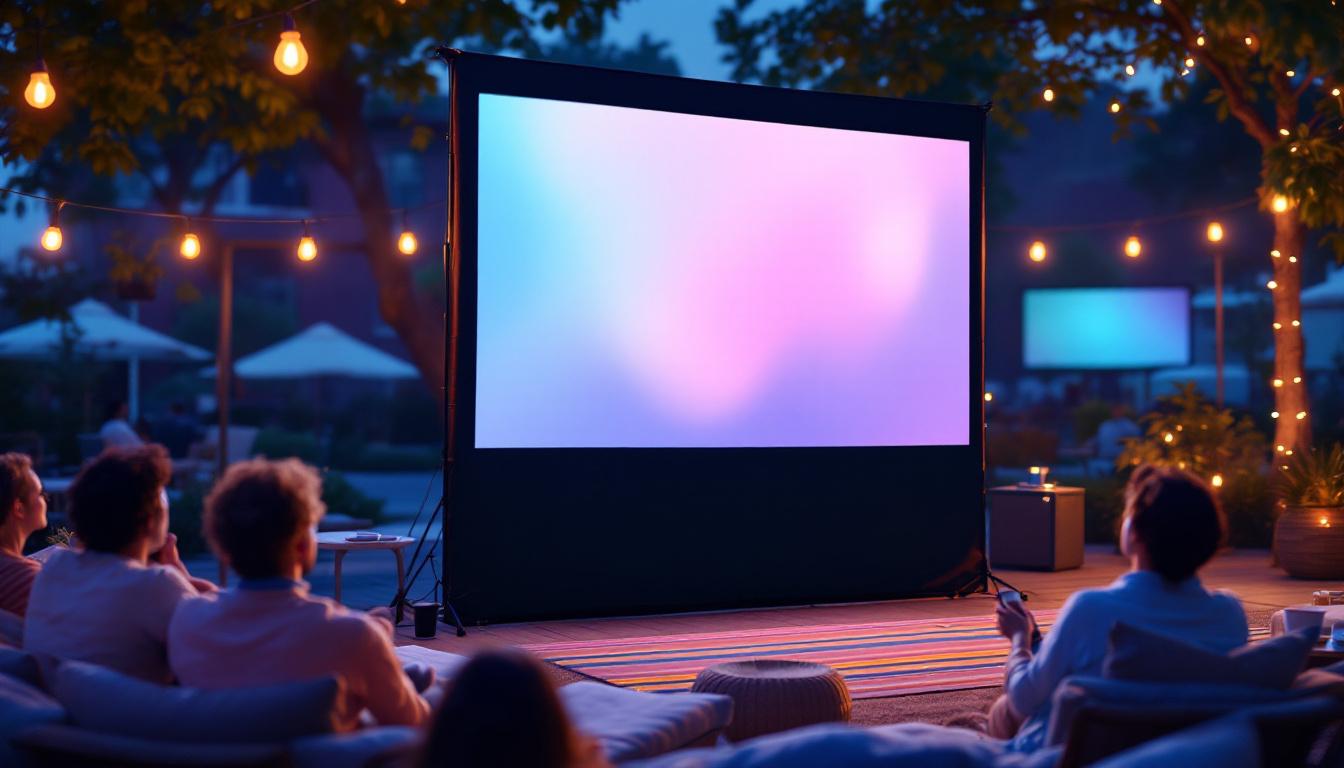
- Casual Backyard Movie Nights: Portable projection screens are ideal due to their affordability and ease of storage.
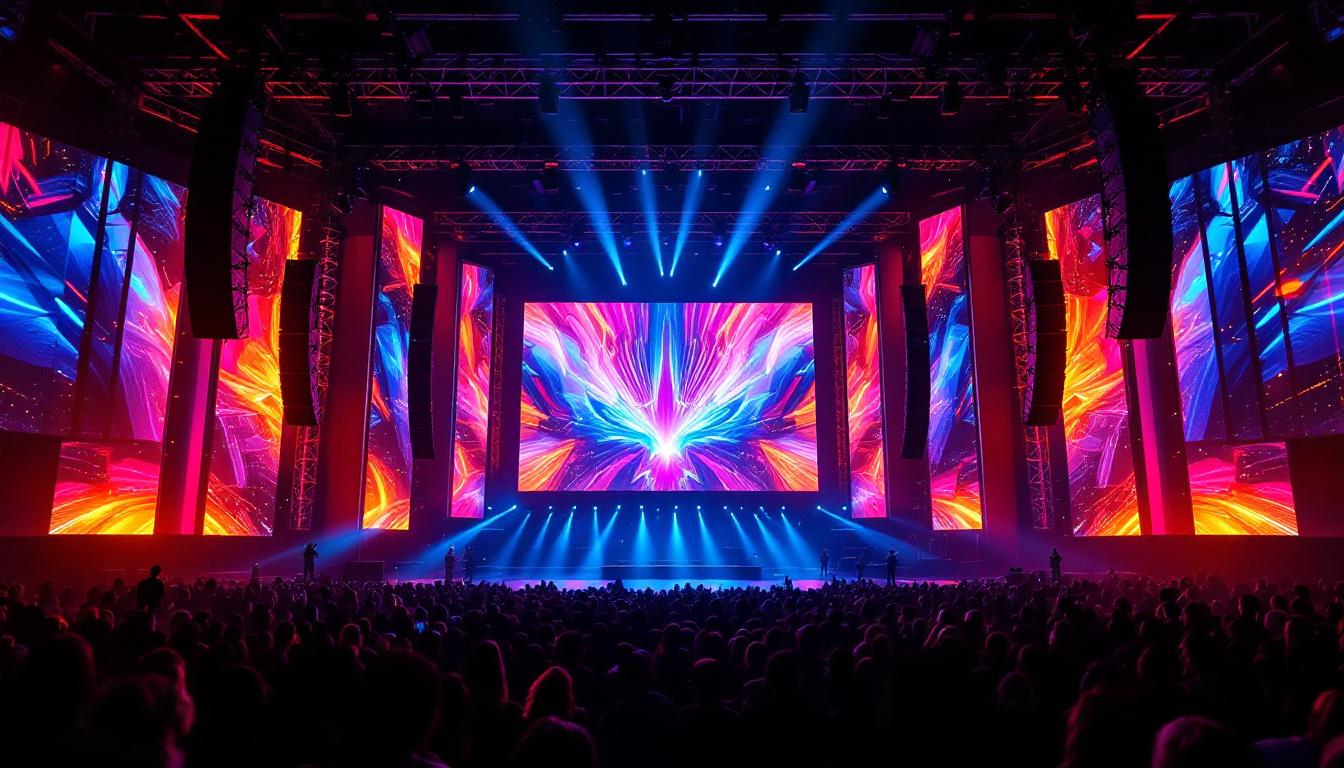
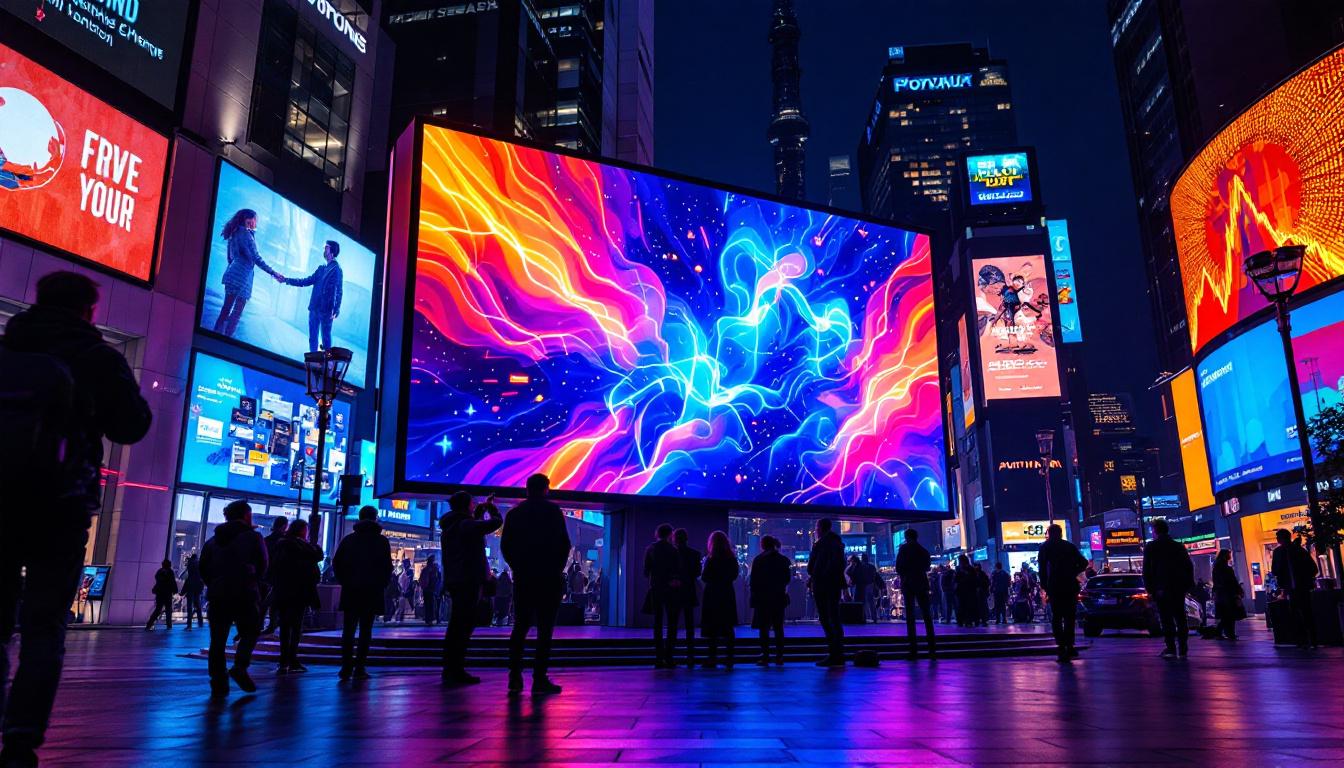
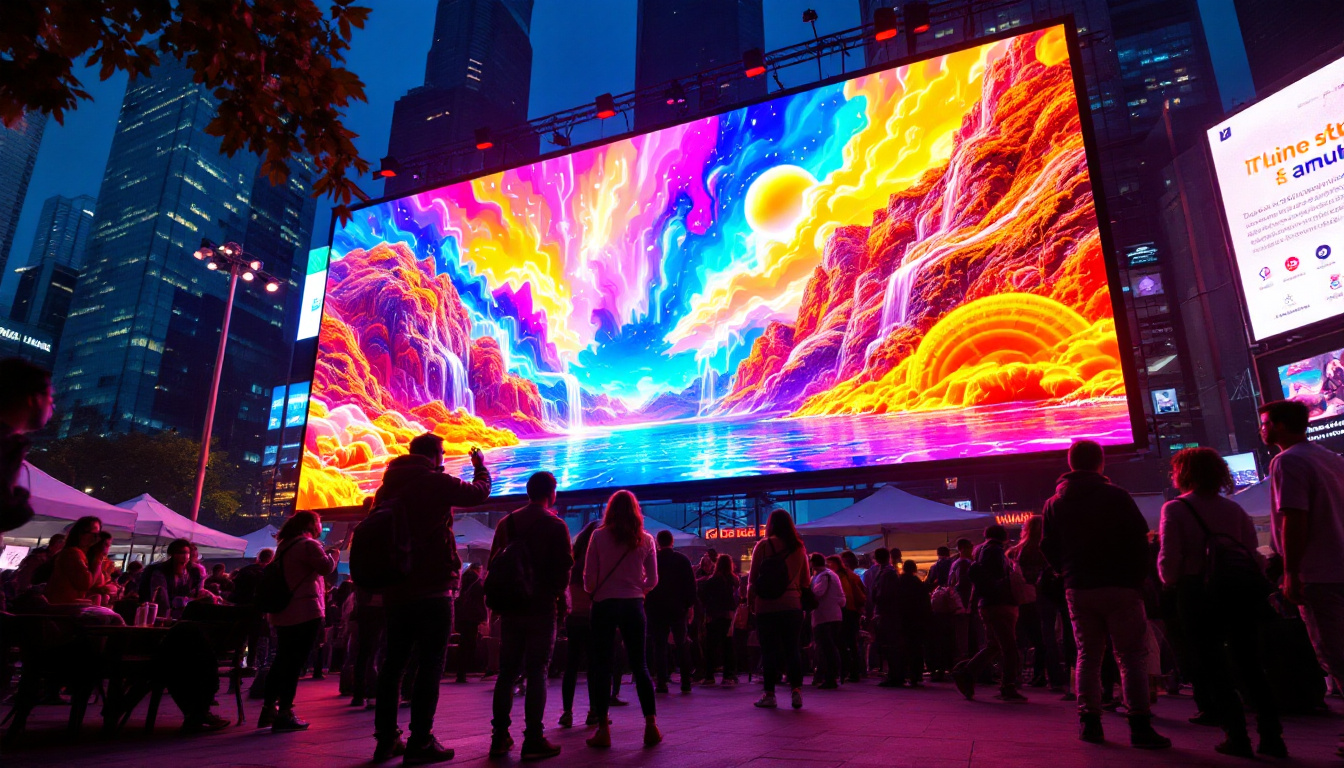
- Community Events and Festivals: LED displays provide the brightness and durability needed for daytime viewing and large crowds.
- Sports Viewing Parties: Both options work, but LED displays offer better visibility in varying light conditions.
- Corporate Presentations and Advertising: LED displays deliver professional-grade visuals and can be integrated into permanent or semi-permanent setups.
Technological Innovations Enhancing Outdoor Viewing
Advances in Projection Technology
Recent developments in projector technology have improved outdoor projection experiences. Laser projectors, for example, offer higher brightness, longer lifespan, and better color accuracy compared to traditional lamp-based models. Additionally, portable projectors are becoming more compact and energy-efficient, making them more suitable for outdoor use.
Emerging LED Display Technologies
Innovations such as microLED and miniLED technology promise even higher resolution and energy efficiency for outdoor LED displays. These advances could reduce costs and improve portability in the near future.
Integration with Smart Technologies
Both projection systems and LED displays are increasingly integrated with smart devices and wireless connectivity. This allows for seamless streaming, remote control, and synchronization with audio systems, enhancing the overall outdoor entertainment experience.
Practical Tips for Setting Up Outdoor Viewing Experiences
Choosing the Right Location
Selecting a location with minimal ambient light and a flat surface for screen setup is crucial. Avoid areas with strong wind or direct sunlight hitting the screen surface, as these factors can degrade image quality.
Ensuring Power and Connectivity
Both projection setups and LED displays require reliable power sources. Portable generators or battery packs can provide power in remote locations, but it is essential to verify compatibility and runtime. For streaming content, ensure stable Wi-Fi or cellular connectivity.
Protecting Equipment from Weather
Use weather-resistant covers and enclosures for projectors and screens. For LED displays, verify the IP rating (Ingress Protection) to ensure they can withstand rain, dust, and temperature variations.
Optimizing Audio
Good audio complements the visual experience. Outdoor environments often require powerful speakers or sound systems designed to project sound over large areas. Wireless audio solutions can reduce cable clutter and enhance mobility.
Conclusion: Making the Right Choice for Outdoor Viewing
Both portable projection screens and outdoor LED displays offer unique benefits for creating engaging outdoor viewing experiences. Projection screens provide an affordable and flexible solution for casual or occasional use, while LED displays deliver superior brightness, durability, and image quality suited for professional or large-scale events.
Understanding the technical aspects, environmental considerations, and budget constraints will help users make informed decisions tailored to their specific needs. As technology continues to advance, the gap between these two options may narrow, offering even more versatile and accessible outdoor entertainment solutions in the future.
Discover LumenMatrix’s Advanced LED Display Solutions
Ready to elevate your outdoor viewing experience with unparalleled brightness, durability, and image quality? LumenMatrix is at the forefront of LED display innovation, offering a wide range of solutions tailored to meet your needs. From mesmerizing Outdoor LED Wall Displays to versatile All-in-One LED Displays, our products are designed to captivate your audience and amplify your message. Don’t settle for less—transform your visual presentations into extraordinary events. Check out LumenMatrix LED Display Solutions today and see the difference cutting-edge technology can make.