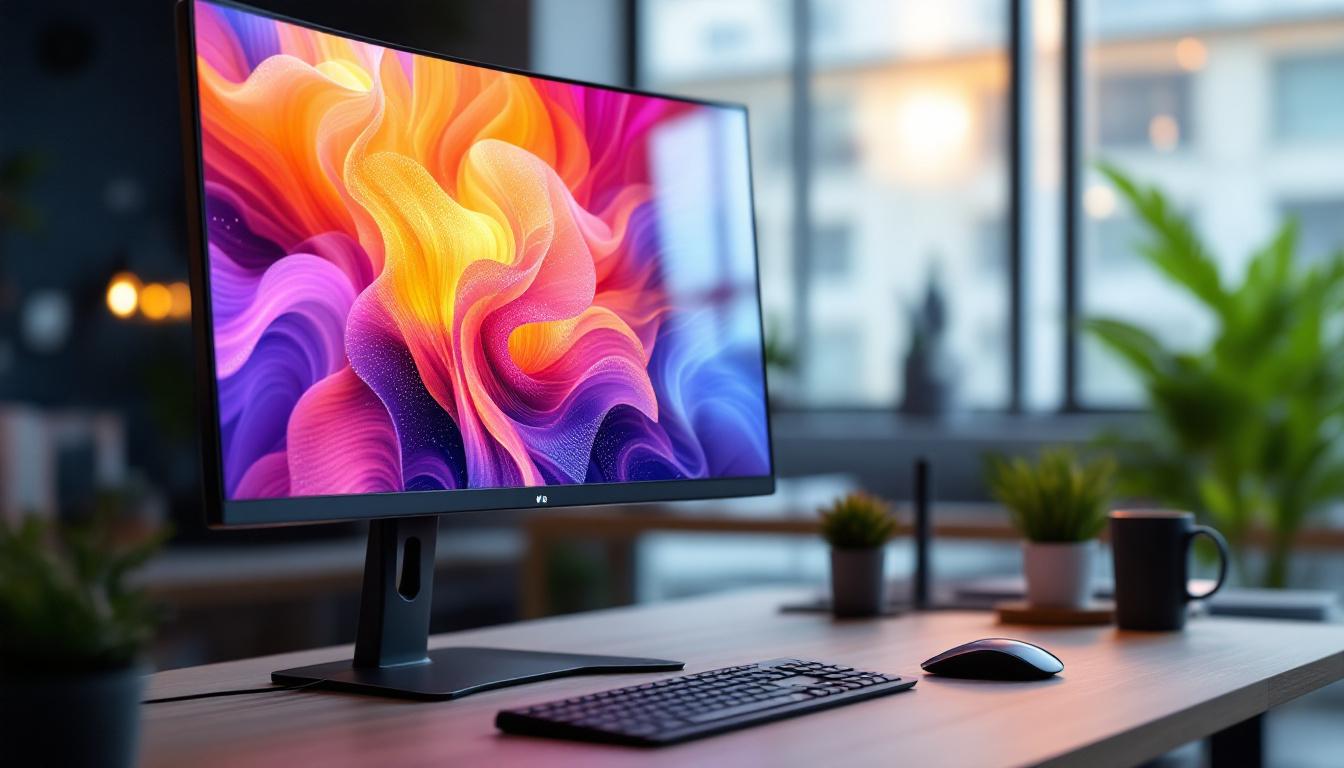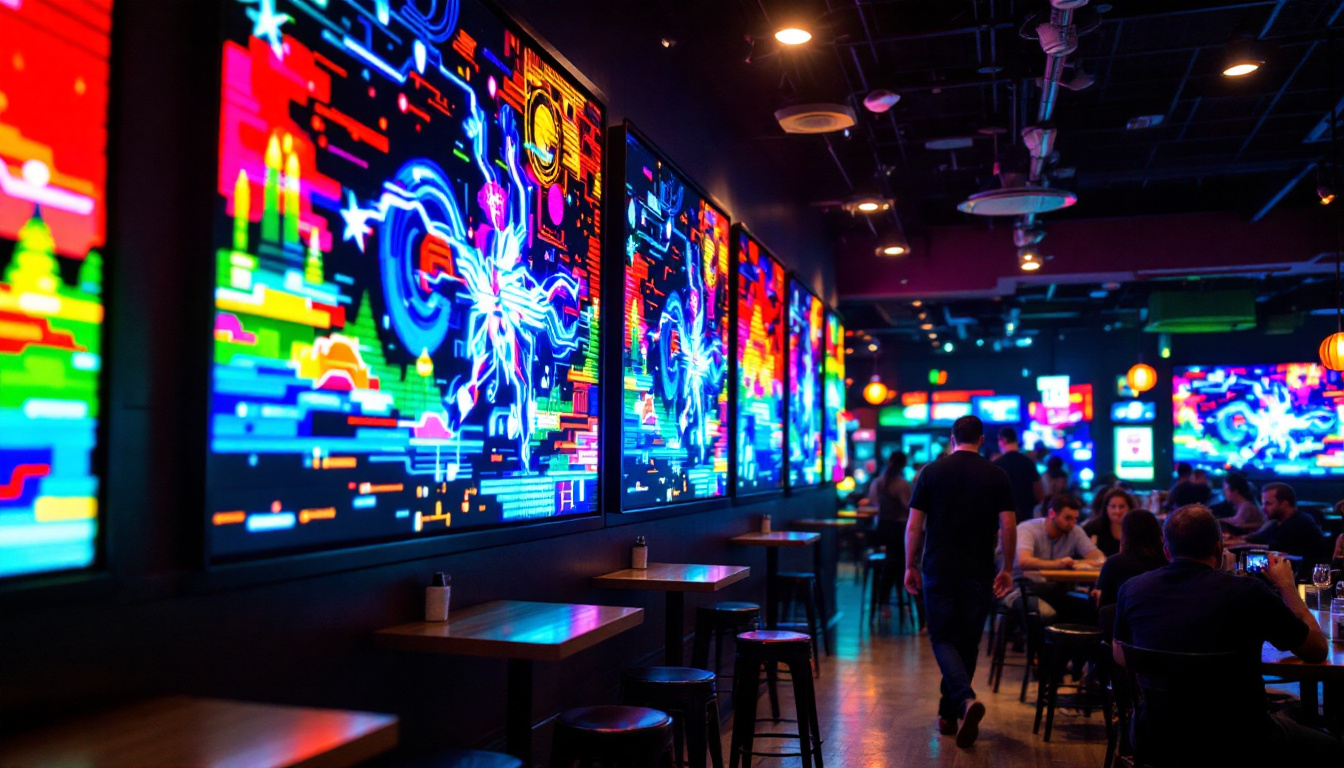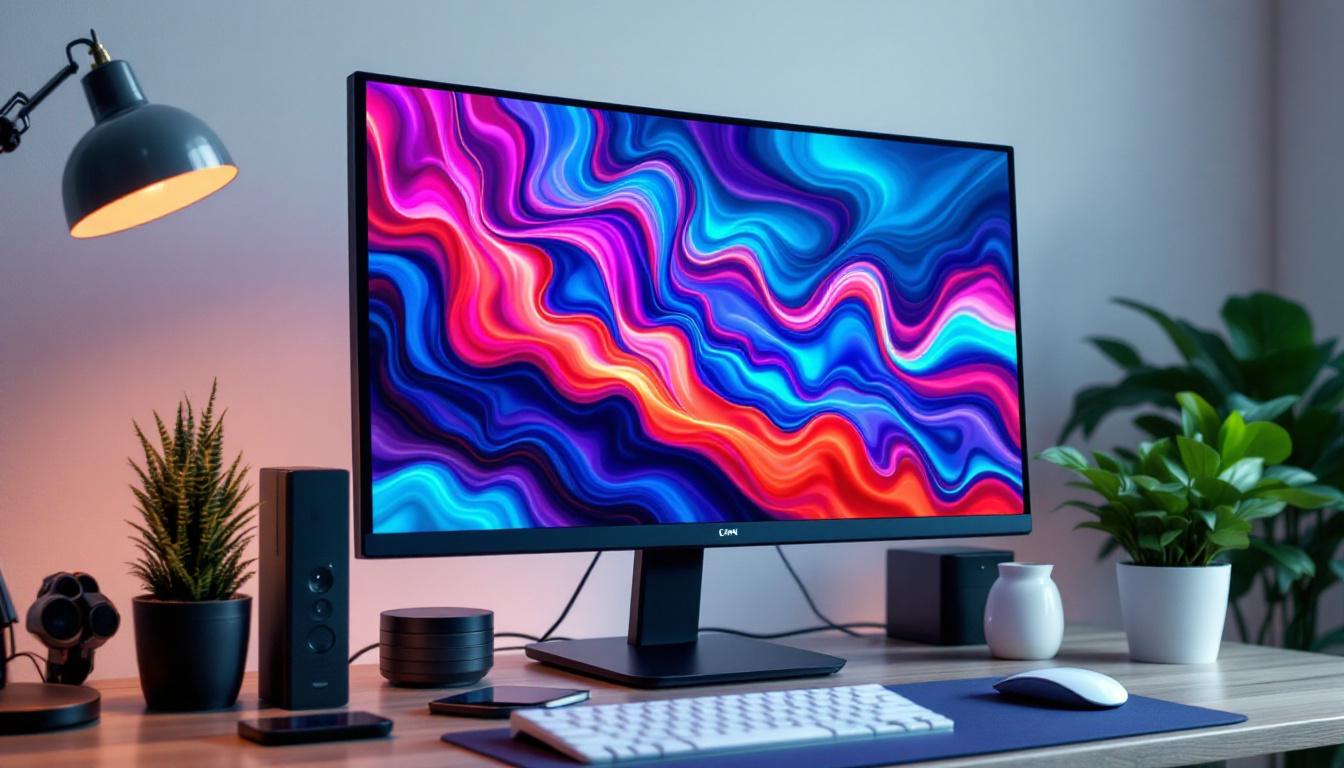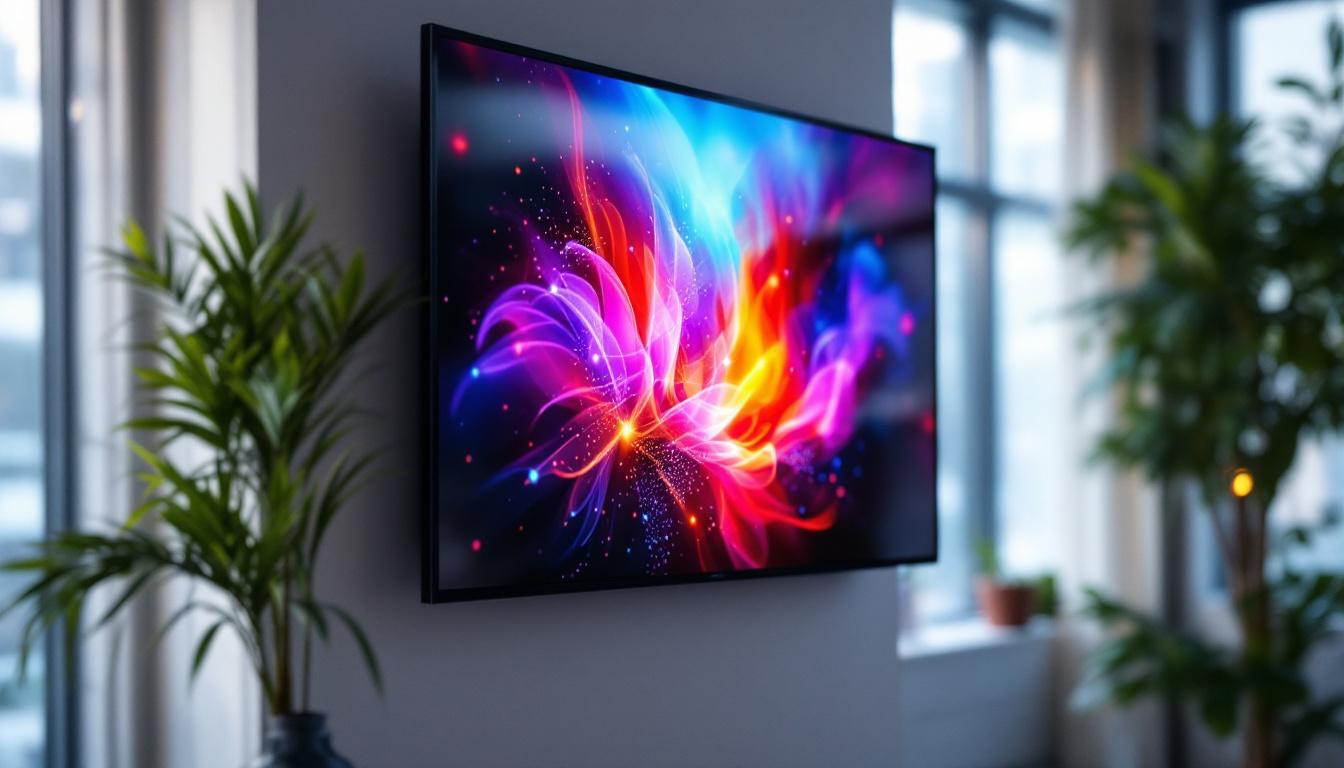
In recent years, digital art has transformed the way people decorate their living spaces. Among the various technologies enabling this transformation, LED displays have emerged as a leading medium for showcasing dynamic, vibrant artworks at home. From customizable digital frames to large-scale wall installations, LED displays blend technology and creativity, offering homeowners an innovative way to personalize their environments.
This article explores the fundamentals of LED displays for digital art, their benefits, and practical considerations for integrating them into home decor. Whether you are an art enthusiast, a tech-savvy homeowner, or simply curious about the future of home aesthetics, understanding LED displays can help you make informed decisions about enhancing your living space.
Understanding LED Displays: The Technology Behind the Glow
What Are LED Displays?
LED stands for Light Emitting Diode, a semiconductor light source that emits light when an electric current passes through it. LED displays are screens composed of numerous tiny LEDs arranged in a matrix to create images, videos, or animations. Unlike traditional LCD or OLED screens, LED displays can be designed in various sizes and shapes, making them highly versatile for artistic applications.
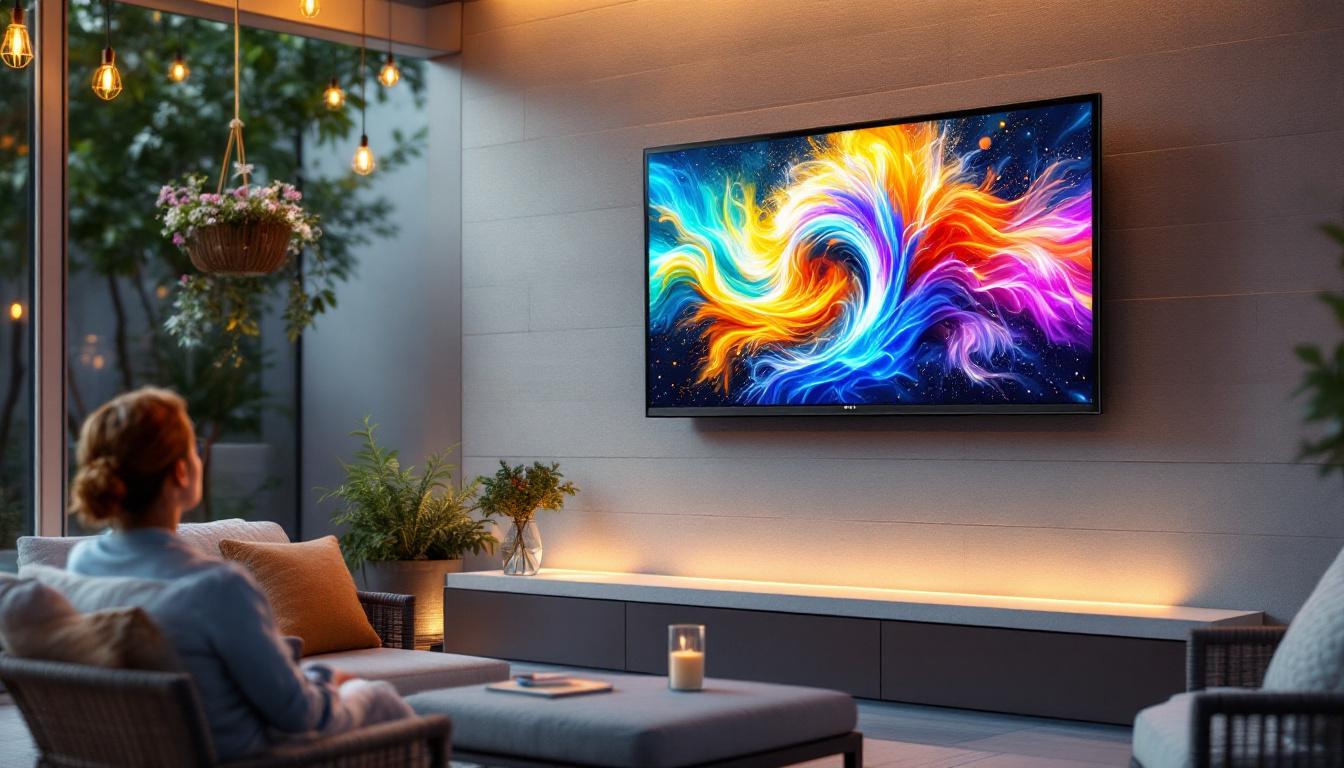
In the context of digital art, LED displays serve as canvases that can showcase a wide range of content—from static images to complex multimedia presentations. The brightness, color accuracy, and energy efficiency of LEDs make them particularly suitable for home environments where ambient lighting conditions vary. Additionally, the lifespan of LED technology is significantly longer than that of traditional display technologies, often lasting tens of thousands of hours, which means that art installations can be enjoyed without frequent replacements or maintenance.
Furthermore, LED displays can be integrated with smart home technology, allowing for interactive experiences. For example, artists can create installations that respond to viewer movements or changes in the environment, enhancing the engagement and emotional impact of the artwork. This interactivity opens up new avenues for creativity, as artists can explore how their work can evolve in real-time, depending on the audience’s presence and actions.
Types of LED Displays Used in Home Digital Art
Several types of LED display technologies are commonly used to present digital art at home:
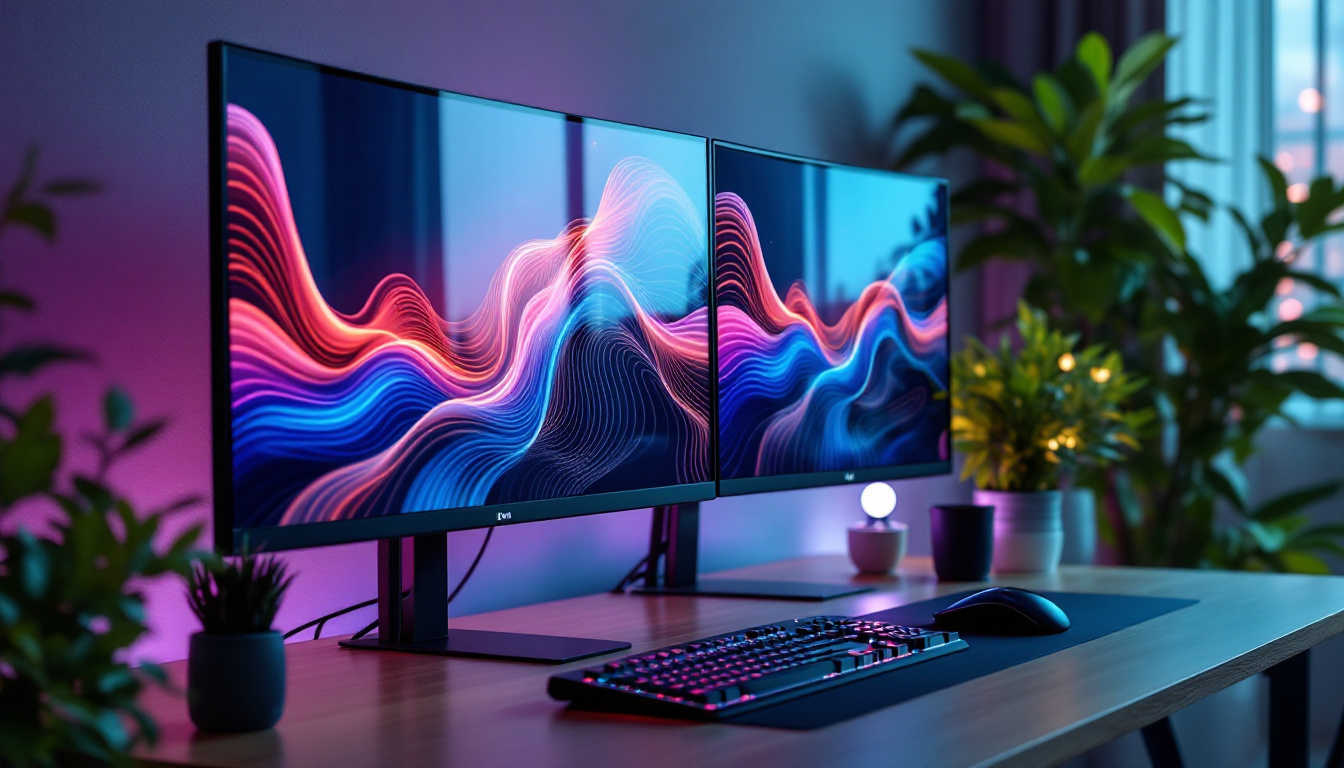
- LED Panels: These are flat panels made up of densely packed LEDs. They are often used in digital frames or wall-mounted displays and provide high-resolution images with vibrant colors. Their sleek design allows them to blend seamlessly into modern home decor, making them a popular choice for art enthusiasts.
- MicroLED Displays: A newer technology, microLEDs are smaller and more energy-efficient than traditional LEDs. They offer superior brightness and contrast, making them ideal for premium digital art installations. MicroLEDs also support a wider color gamut, allowing artists to reproduce their work with exceptional fidelity, which is crucial for capturing the nuances of color in digital paintings or photographs.
- Flexible LED Strips: These are bendable LED strips that can be arranged creatively around a room or within frames to add dynamic lighting effects complementing digital artworks. Their versatility allows for innovative designs, such as backlighting or outlining pieces to create a three-dimensional effect, enhancing the overall aesthetic of the artwork.
In addition to these types, there are also LED projection systems that can transform any surface into a dynamic display. These systems utilize advanced optics to project high-quality images or animations onto walls, floors, or even ceilings, providing an immersive experience that can envelop viewers in a digital art environment. This technology enables artists to create large-scale installations that can be easily updated or changed, offering endless possibilities for creativity and expression.
The Advantages of LED Displays for Home Art
Vivid Colors and Brightness
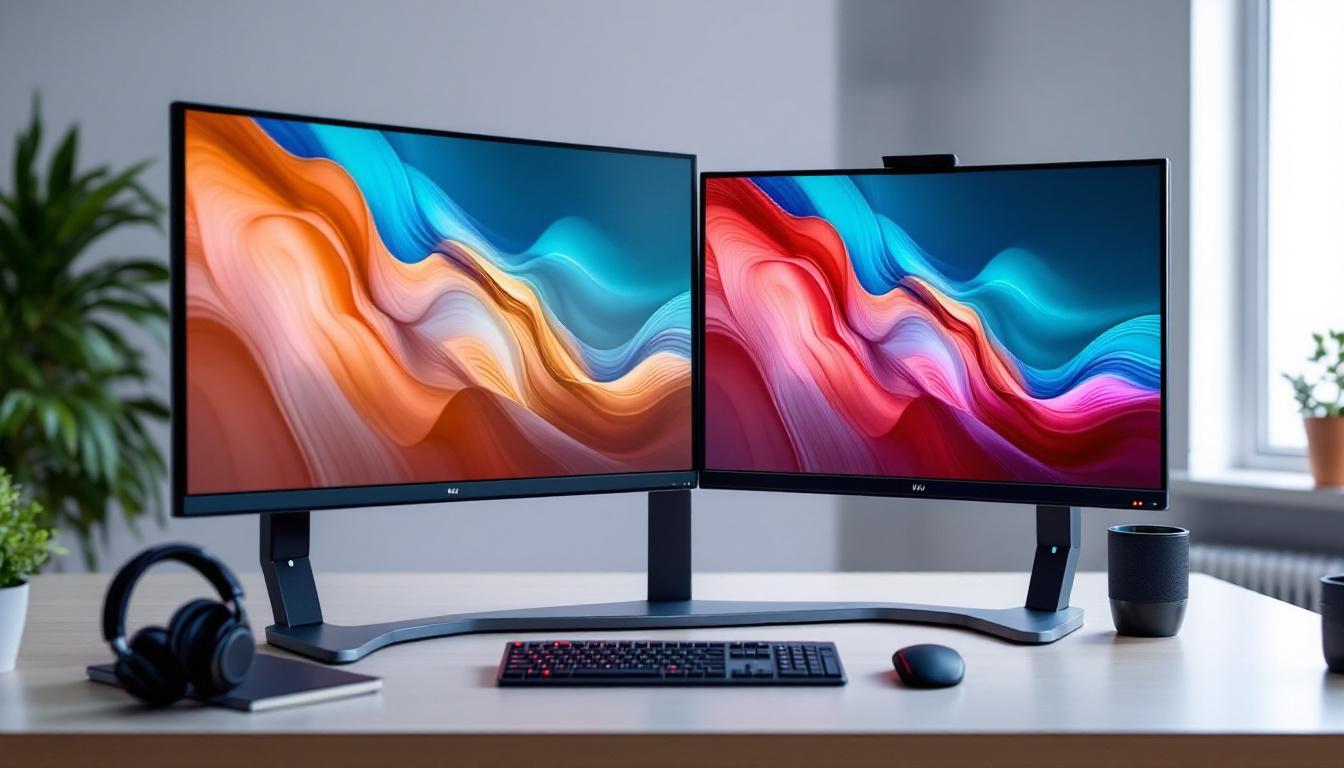
One of the most significant benefits of LED displays is their ability to produce vivid, saturated colors with high brightness levels. This capability allows digital art to stand out even in well-lit rooms, maintaining visual impact throughout the day. Unlike printed artwork, LED displays can adjust brightness automatically, ensuring optimal viewing without glare or fading.
Dynamic and Customizable Content
LED displays enable homeowners to change the artwork displayed with ease. Whether it’s a rotating gallery of paintings, animated digital sculptures, or interactive pieces, the content can be updated frequently via connected devices such as smartphones or computers. This flexibility encourages a more engaging and personalized art experience.
Energy Efficiency and Longevity
Modern LED technology is highly energy-efficient compared to older display types, consuming less power while delivering superior performance. Additionally, LEDs have a long lifespan—often exceeding 50,000 hours—meaning that digital art displays can function reliably for many years with minimal maintenance.
Space-Saving and Versatile Design
LED displays can be slim, lightweight, and available in various sizes, making them easy to integrate into different home environments. From small digital photo frames on shelves to large wall-mounted installations that serve as focal points, LED displays adapt well to diverse interior design styles.
Choosing the Right LED Display for Your Home
Consider Resolution and Pixel Density
Resolution is a crucial factor when selecting an LED display for digital art. Higher resolution screens with greater pixel density provide sharper and more detailed images, which is particularly important for intricate artworks. For typical home use, a resolution of at least 1080p (Full HD) is recommended, but 4K displays are becoming increasingly accessible and offer exceptional clarity.
Size and Placement
Determining the size of the LED display depends on the available space and viewing distance. Large displays create immersive experiences but require adequate wall space and power supply. Smaller displays are ideal for desks, shelves, or accent walls. Placement should also consider ambient lighting and viewing angles to maximize visual quality.
Connectivity and Content Management
Modern LED displays often come with smart features such as Wi-Fi connectivity, USB ports, or Bluetooth, enabling seamless content updates. Some models include dedicated apps or cloud services that allow users to curate and schedule artwork remotely. Choosing a display with user-friendly content management tools enhances the overall experience.
Budget and Brand Reliability
Prices for LED displays vary widely based on size, resolution, and features. While premium models offer cutting-edge technology and superior image quality, there are affordable options that still deliver excellent performance. Researching reputable brands with positive customer reviews and reliable warranties ensures a worthwhile investment.
Popular Applications of LED Digital Art in Home Decor
Digital Art Frames
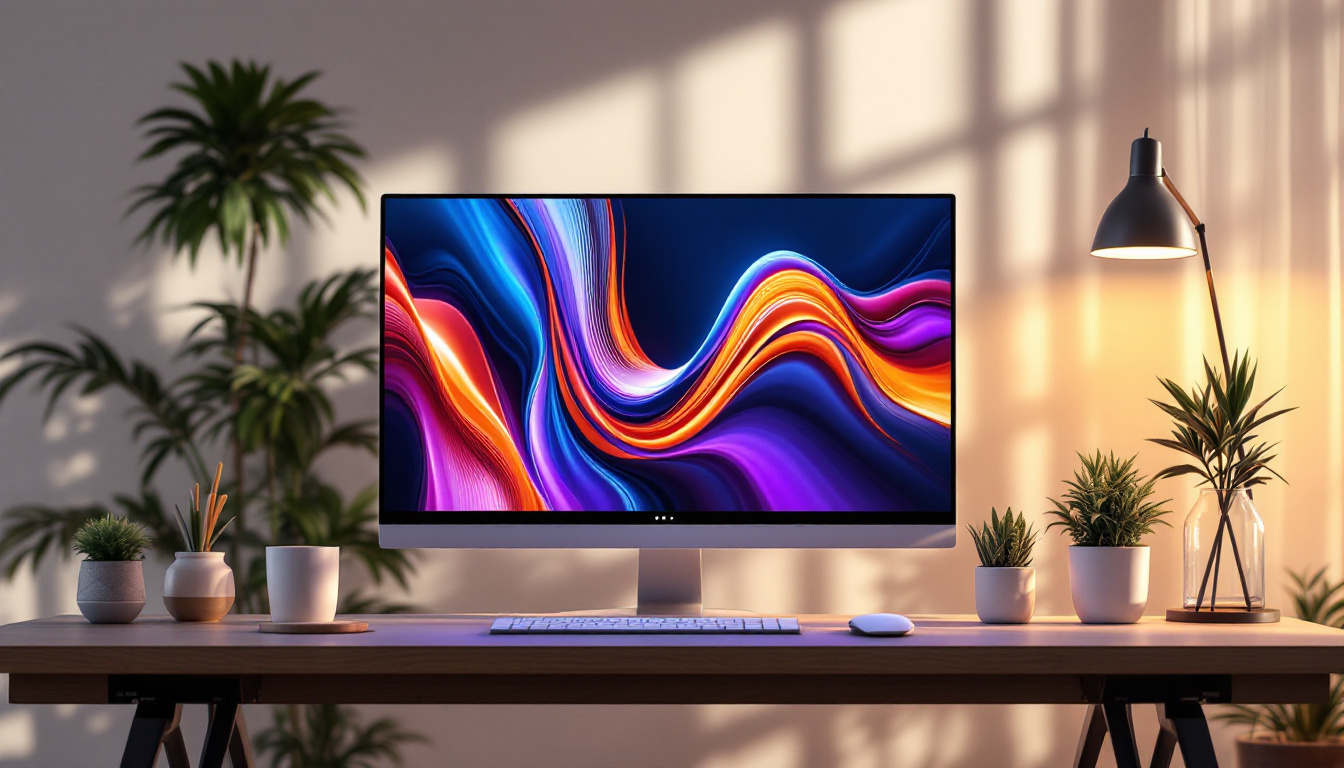
Digital art frames are among the most popular ways to display LED-based digital art at home. These frames resemble traditional picture frames but feature high-resolution LED screens that can cycle through a curated collection of artworks. Many models support multiple image formats and offer adjustable brightness and color settings to suit different lighting conditions.
LED Wall Panels and Murals
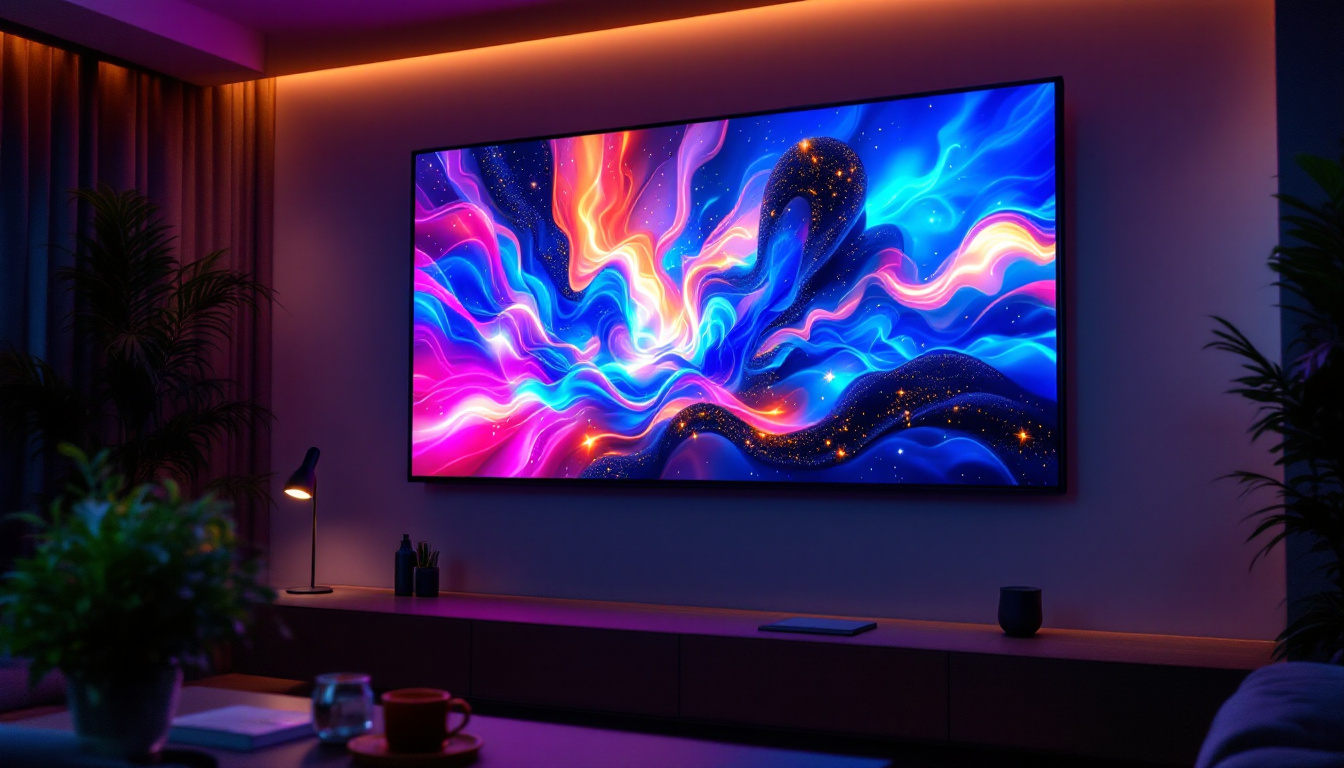
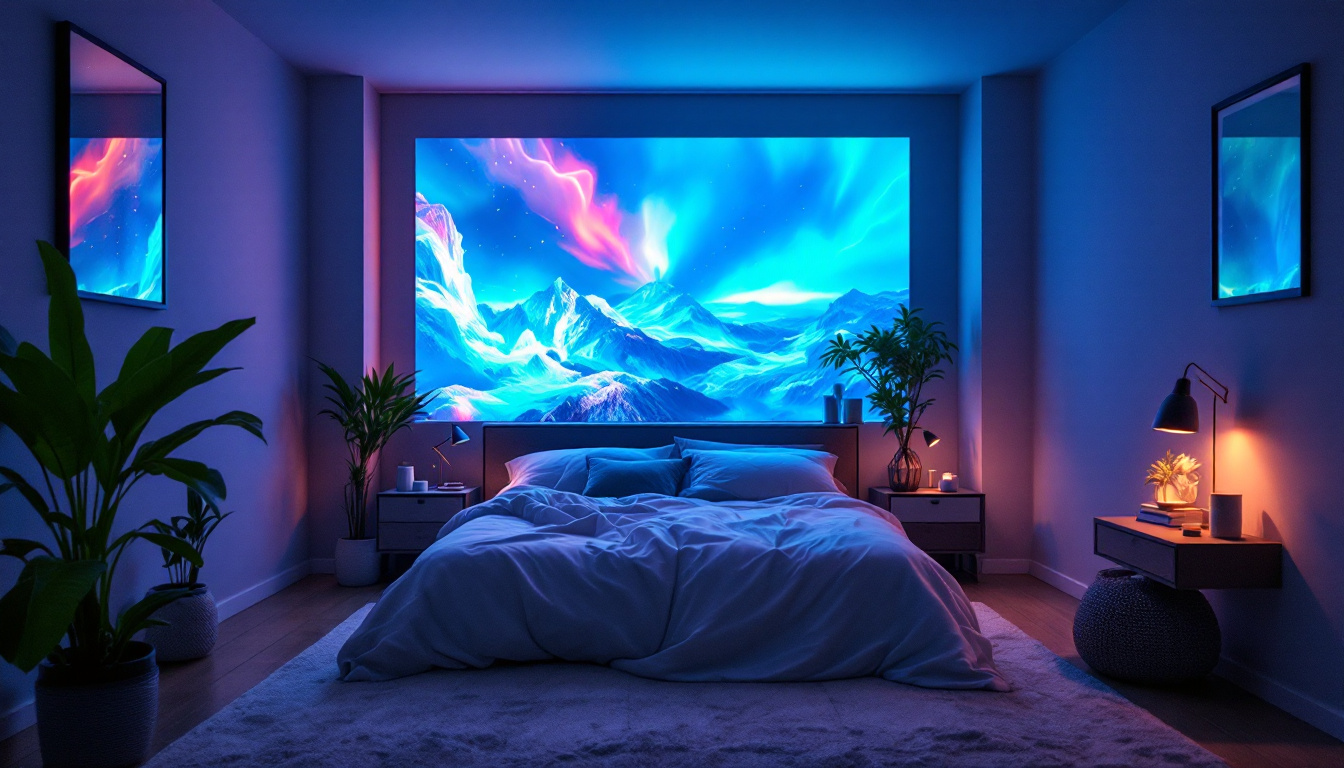
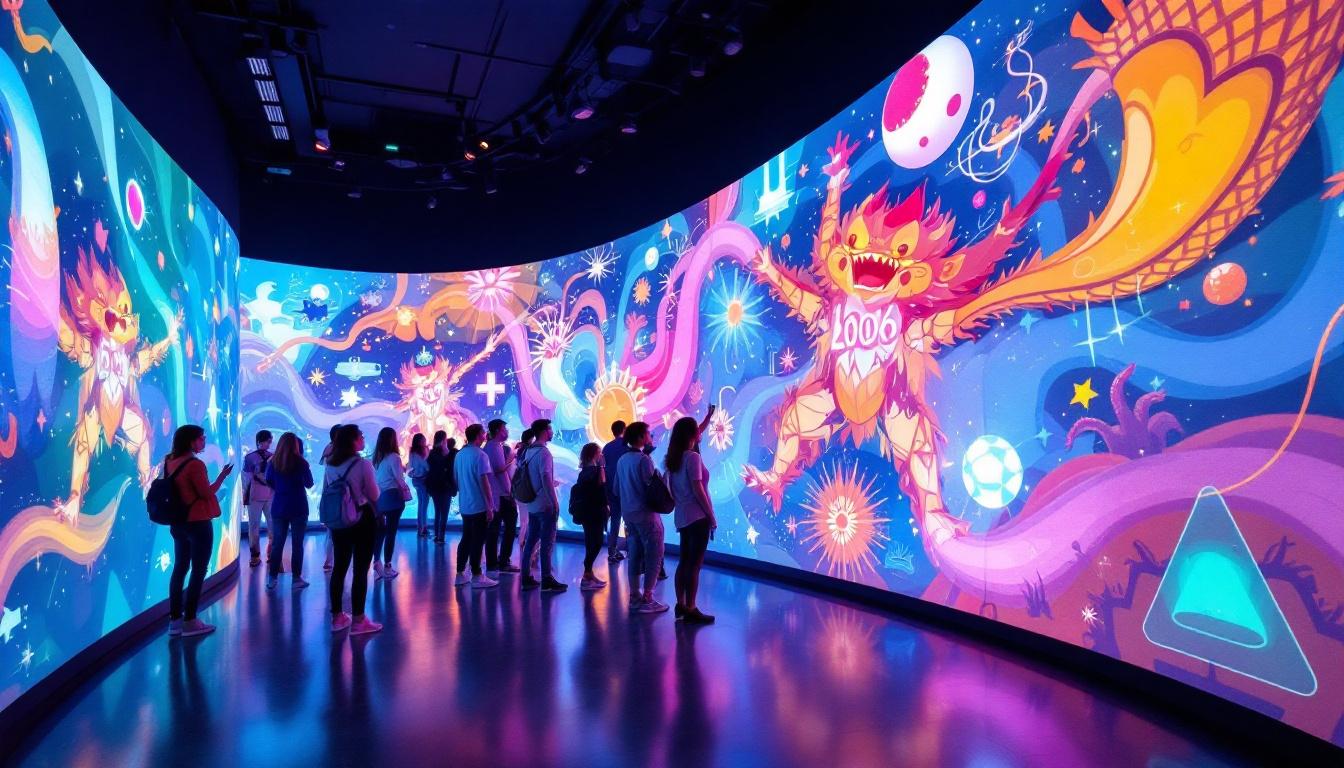
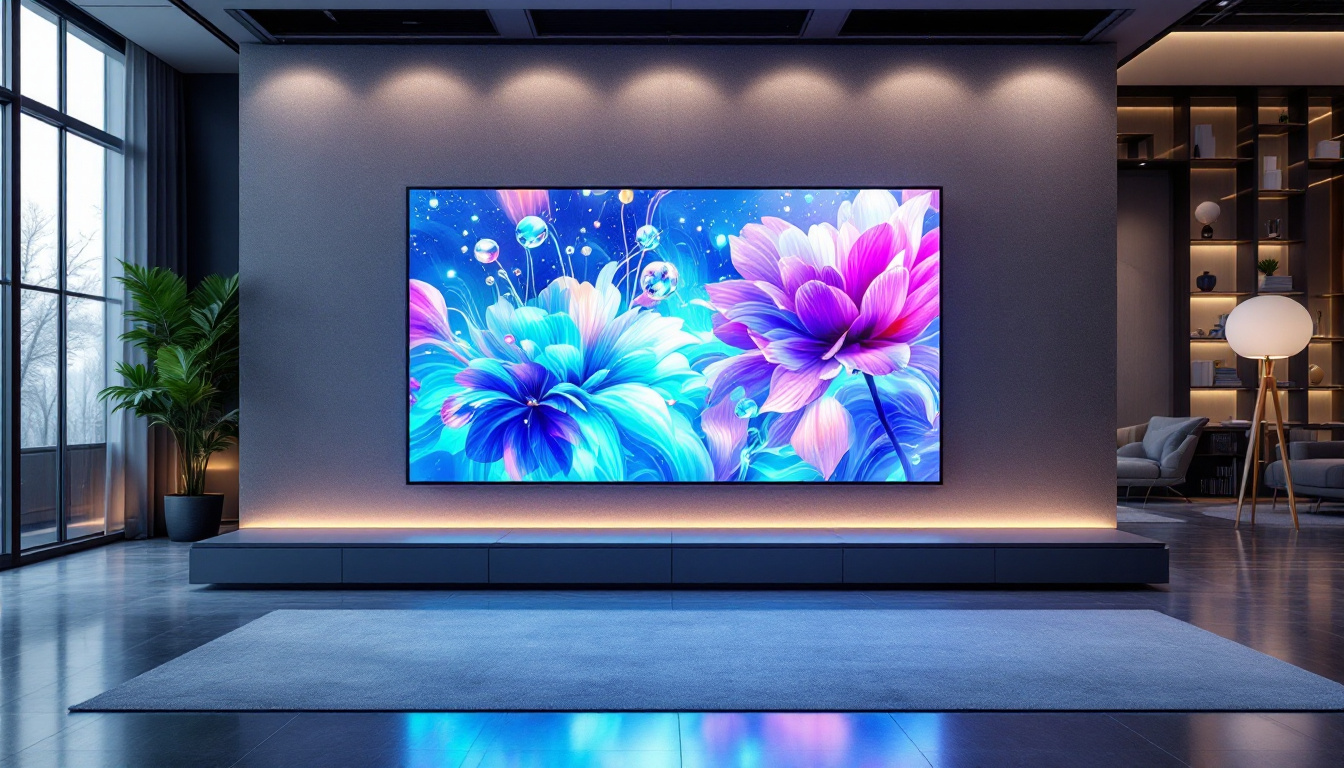
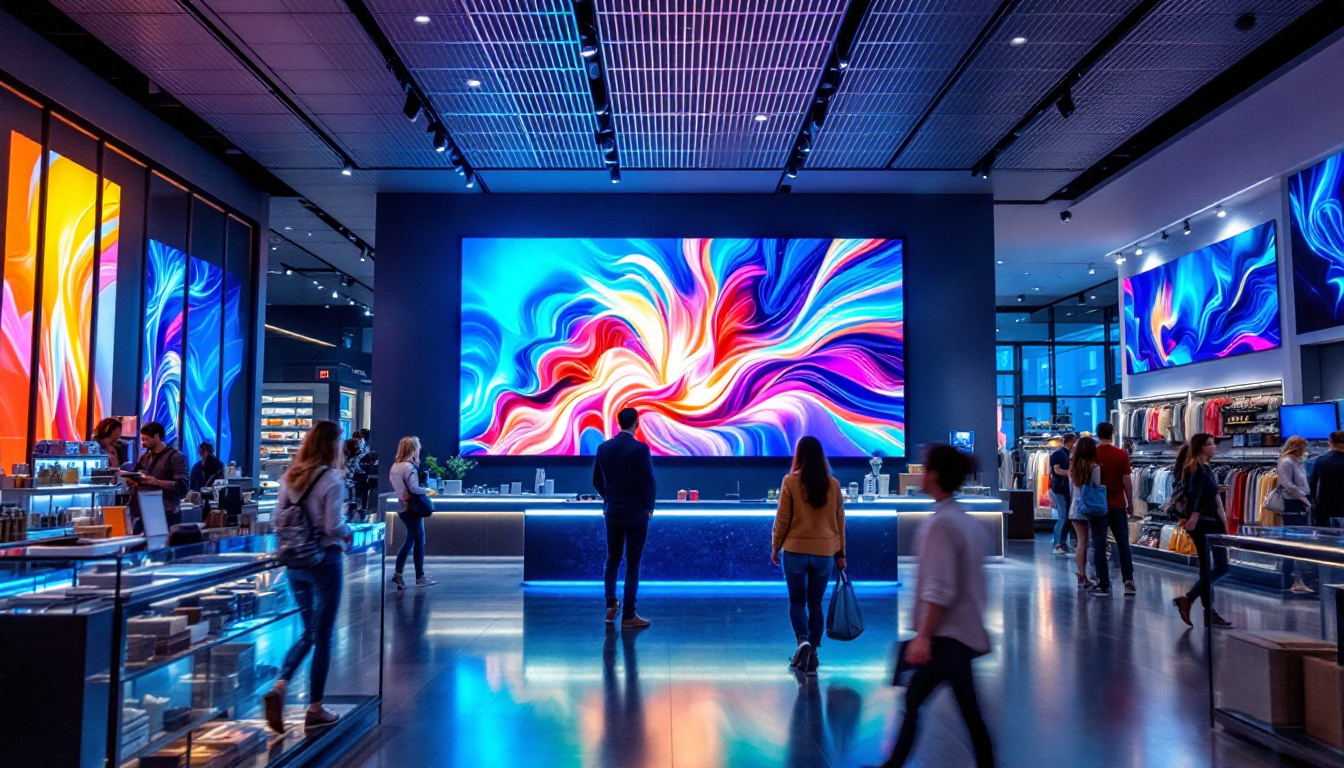
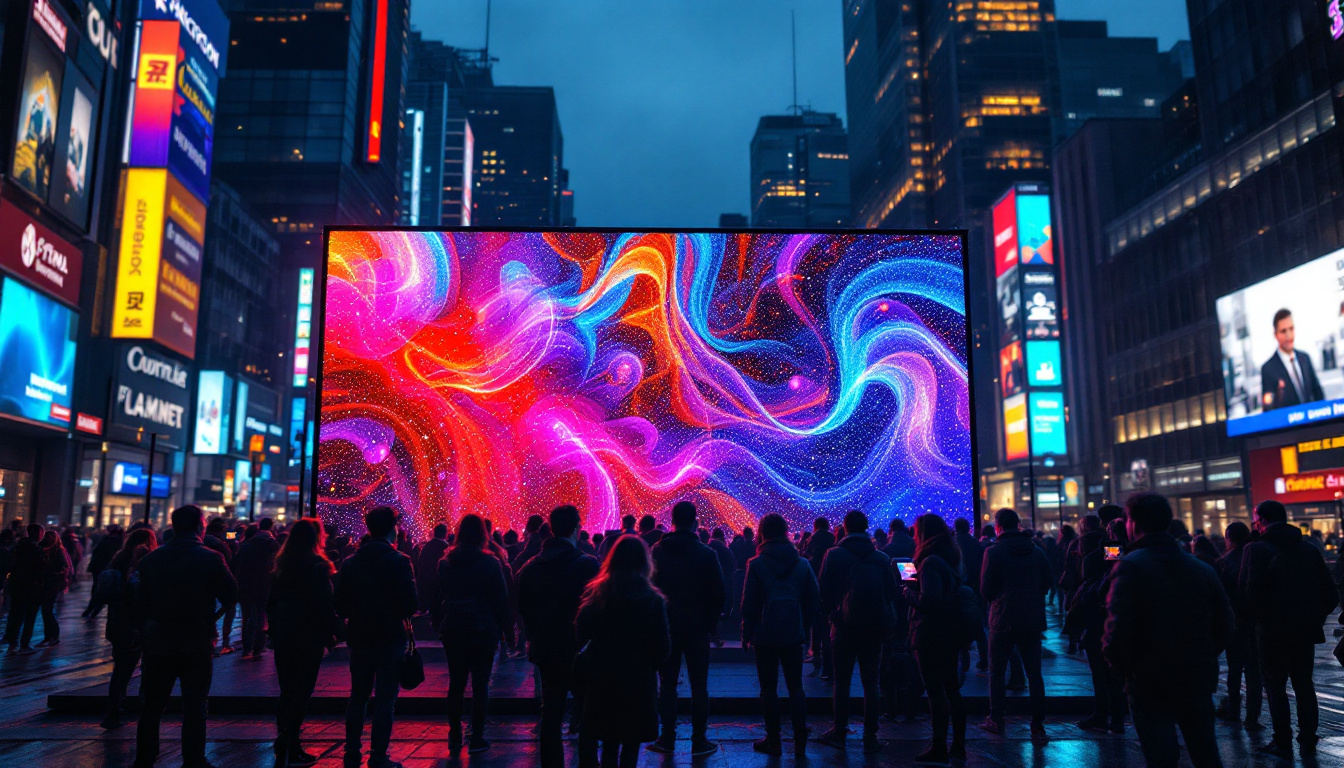
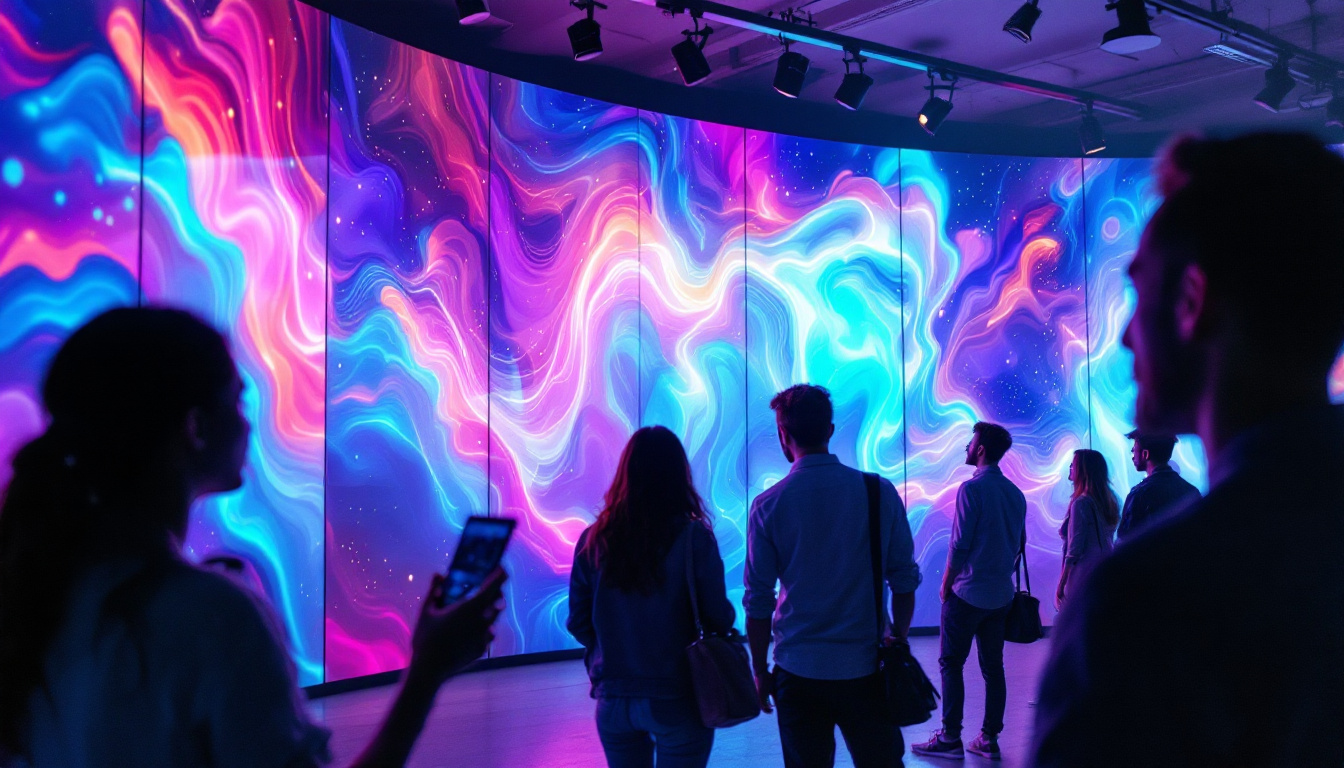
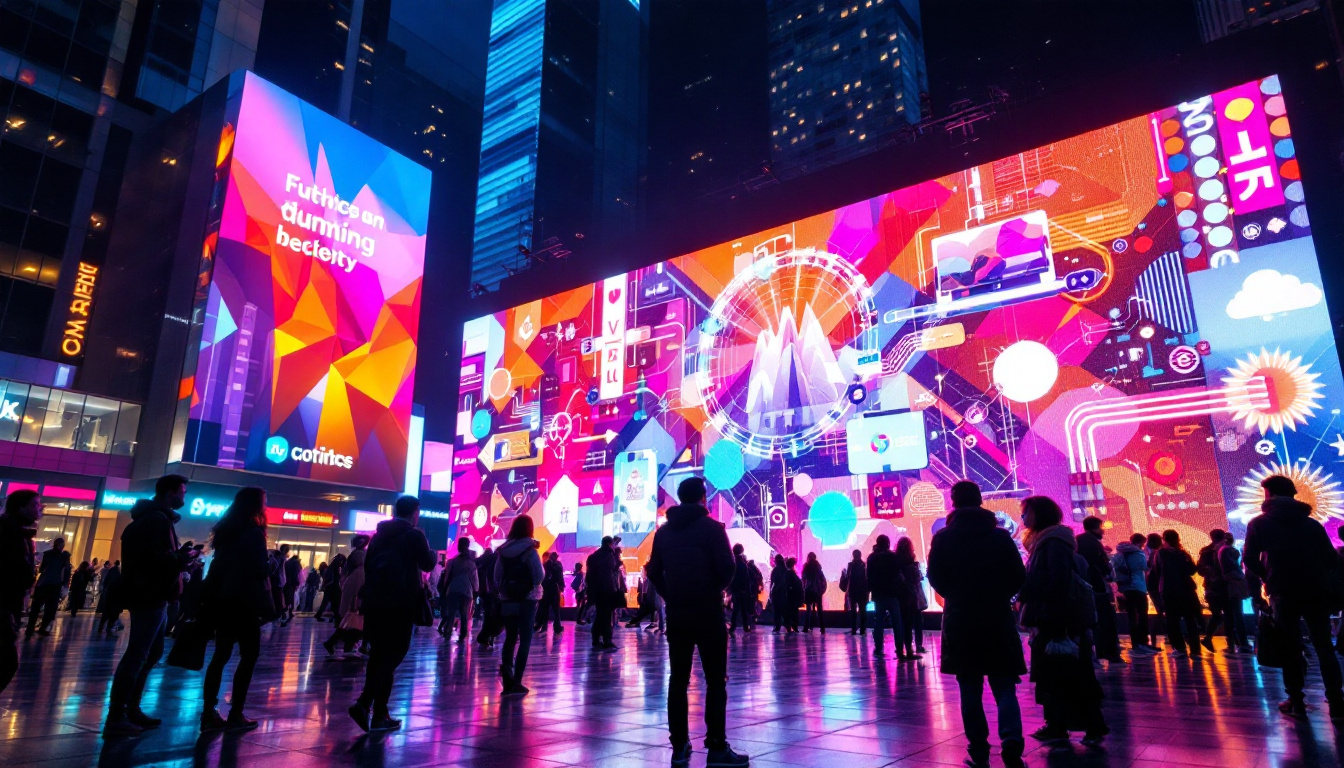
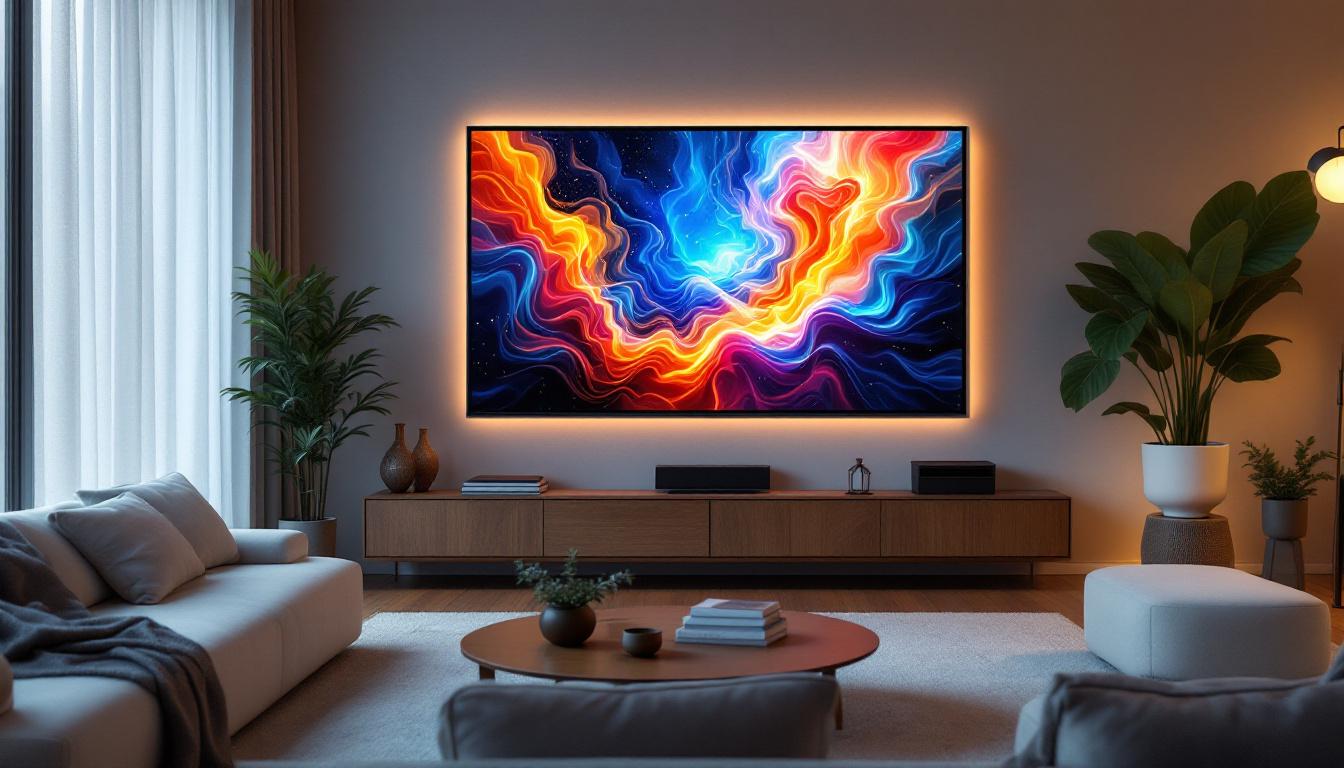
For those seeking a bold statement piece, LED wall panels or murals can transform an entire wall into a dynamic digital canvas. These installations can display large-scale artworks, abstract animations, or even ambient visuals that change with the time of day or user preferences. Some advanced systems allow for interactive elements, responding to motion or sound within the room.
Ambient Lighting and Accent Displays
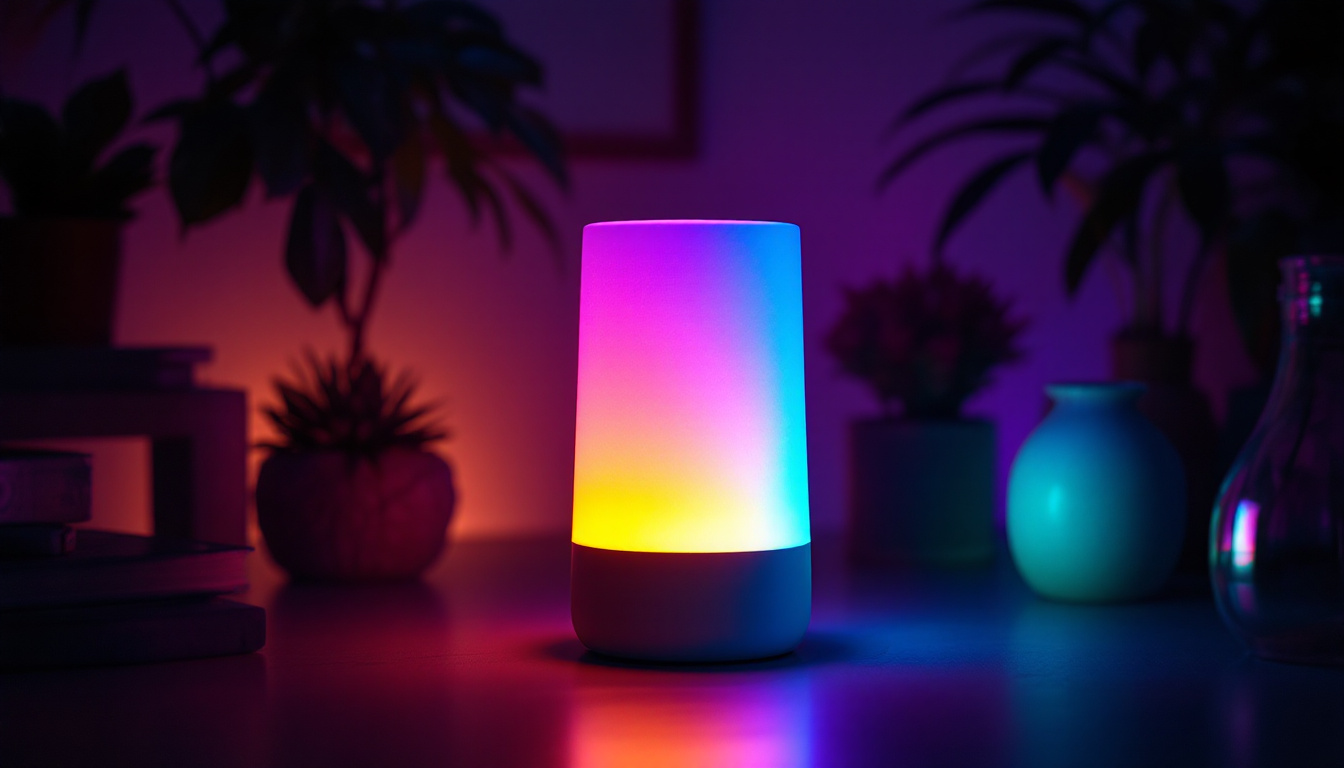
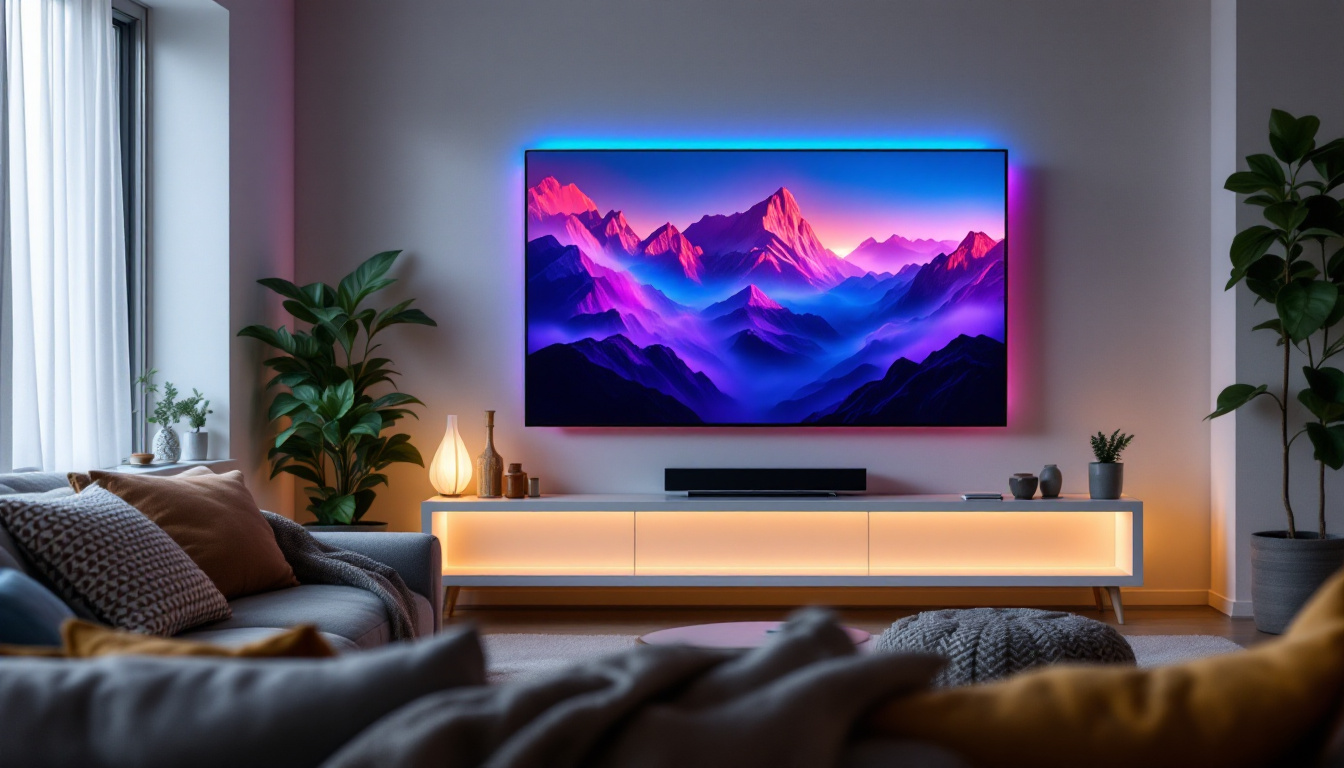
Flexible LED strips and smaller display units can be used to complement other decor elements by providing ambient lighting or accentuating specific areas. For example, LED strips behind a television or bookshelf can create a subtle glow that enhances the atmosphere while integrating digital art elements.
Maintaining and Caring for LED Digital Art Displays
Regular Cleaning and Dusting
Keeping LED displays clean is essential for maintaining image clarity and prolonging device lifespan. Use a soft, lint-free cloth to gently wipe the screen surface, avoiding harsh chemicals that could damage the LEDs or protective coatings. Regular dusting of vents and frames helps prevent overheating.
Software Updates and Calibration
Manufacturers often release firmware updates that improve performance or add new features. Keeping the display’s software up to date ensures optimal functionality. Additionally, periodic calibration of color and brightness settings can maintain accurate and consistent image quality, especially if the display is exposed to varying lighting conditions.
Power Management
While LED displays are energy-efficient, it’s advisable to turn them off when not in use to conserve electricity and reduce wear. Some models include power-saving modes or automatic shutoff features that help manage energy consumption without user intervention.
The Future of LED Digital Art in Homes
As LED technology continues to evolve, its role in home digital art is poised to expand dramatically. Emerging innovations such as transparent LED displays, ultra-thin flexible panels, and integration with smart home ecosystems will offer even more creative possibilities. Artists and designers are exploring new forms of expression that leverage interactivity, augmented reality, and artificial intelligence, making digital art an increasingly immersive and personalized experience.
Moreover, the growing accessibility of LED displays and digital art platforms is democratizing art ownership and appreciation. Homeowners can now access vast online galleries, commission custom digital pieces, and participate in virtual art communities, all facilitated by LED display technology.
Conclusion
LED displays have revolutionized the way digital art is presented and experienced in home environments. Their vibrant colors, dynamic capabilities, and adaptability make them an ideal medium for modern art enthusiasts seeking to enrich their living spaces. By understanding the technology, benefits, and practical considerations outlined in this article, homeowners can confidently select and maintain LED digital art displays that reflect their personal style and enhance their homes.
As this technology continues to advance, LED digital art will likely become a staple of contemporary interior design, merging technology and creativity to create living spaces that are as inspiring as they are beautiful.
Explore the Possibilities with LumenMatrix
Ready to elevate your home with the vibrant colors and dynamic capabilities of LED digital art? Discover the innovative world of LumenMatrix, where cutting-edge LED display technology brings your living space to life. From Indoor LED Wall Displays that transform your interior to Custom LED Displays tailored to your unique style, LumenMatrix offers a range of solutions to fit any vision. Experience the future of home decor and visual communication today. Check out LumenMatrix LED Display Solutions and start your journey towards a more inspiring home environment.