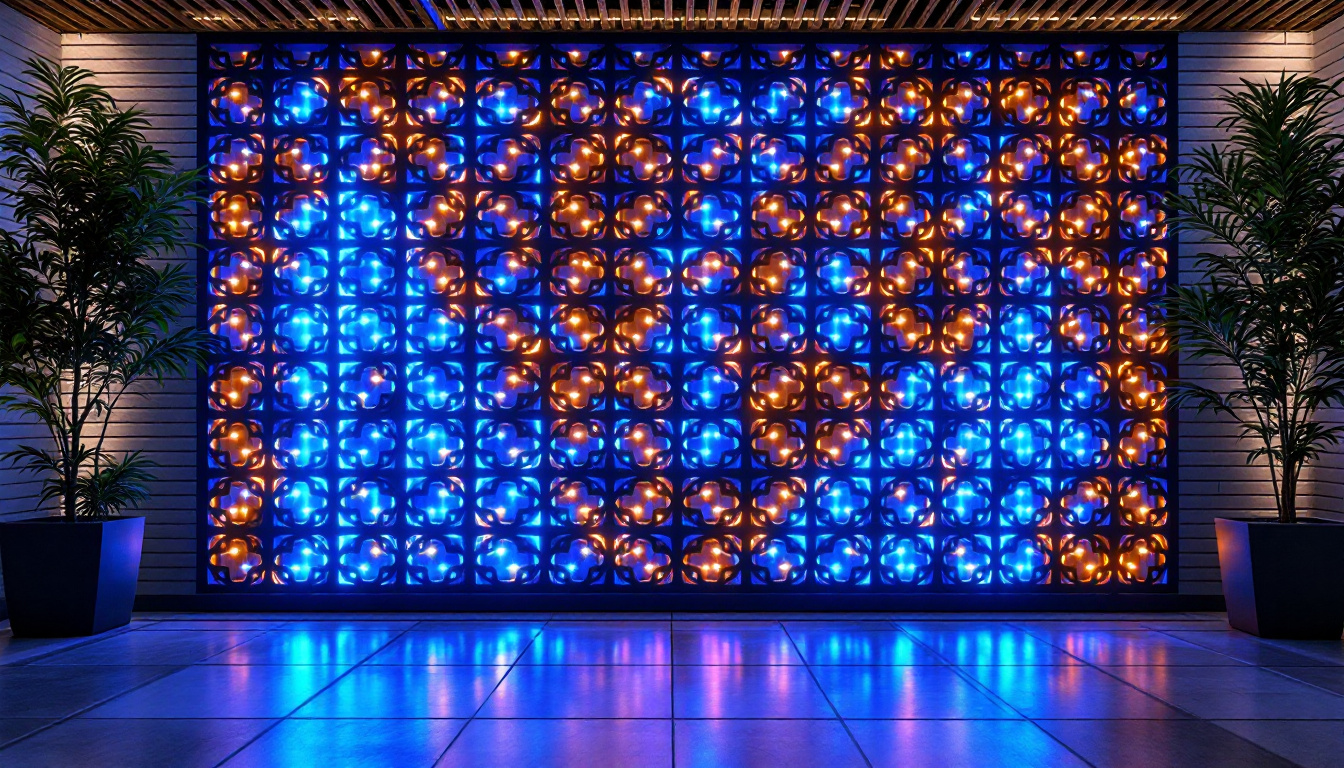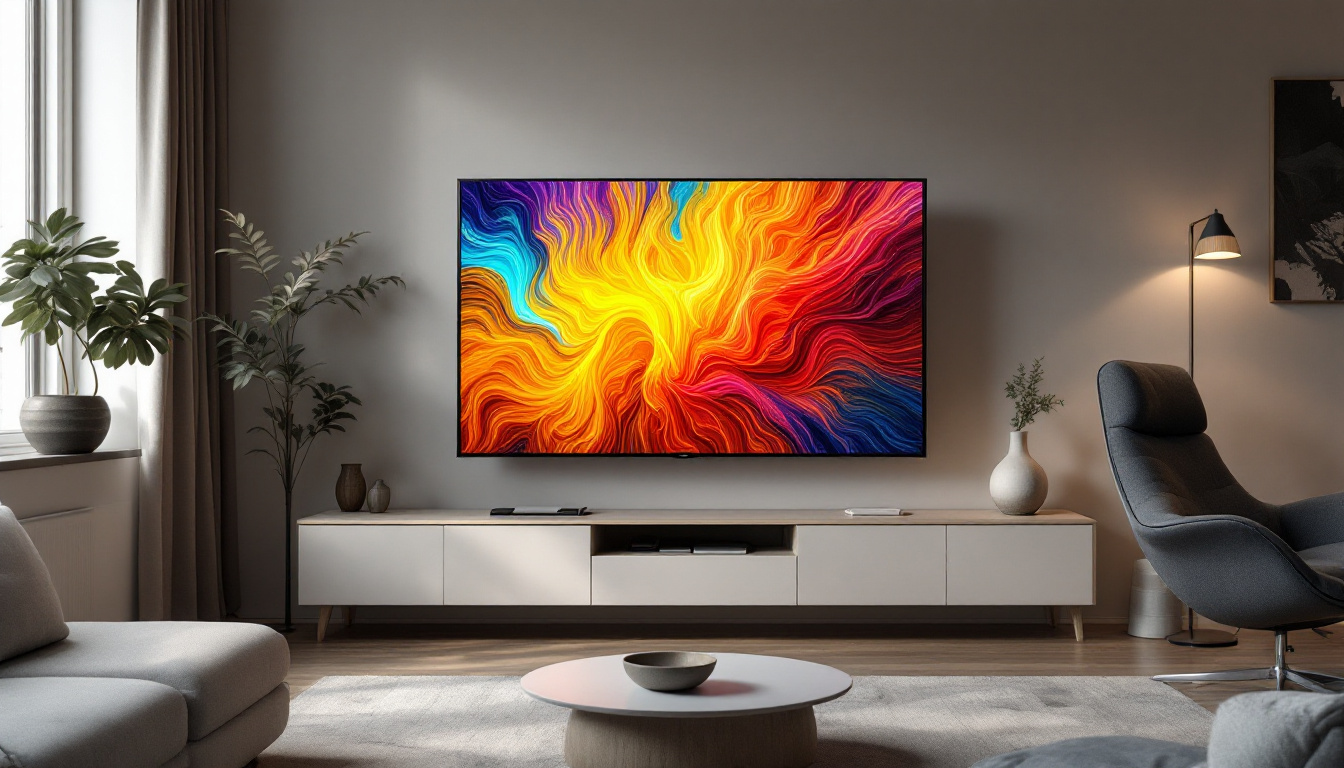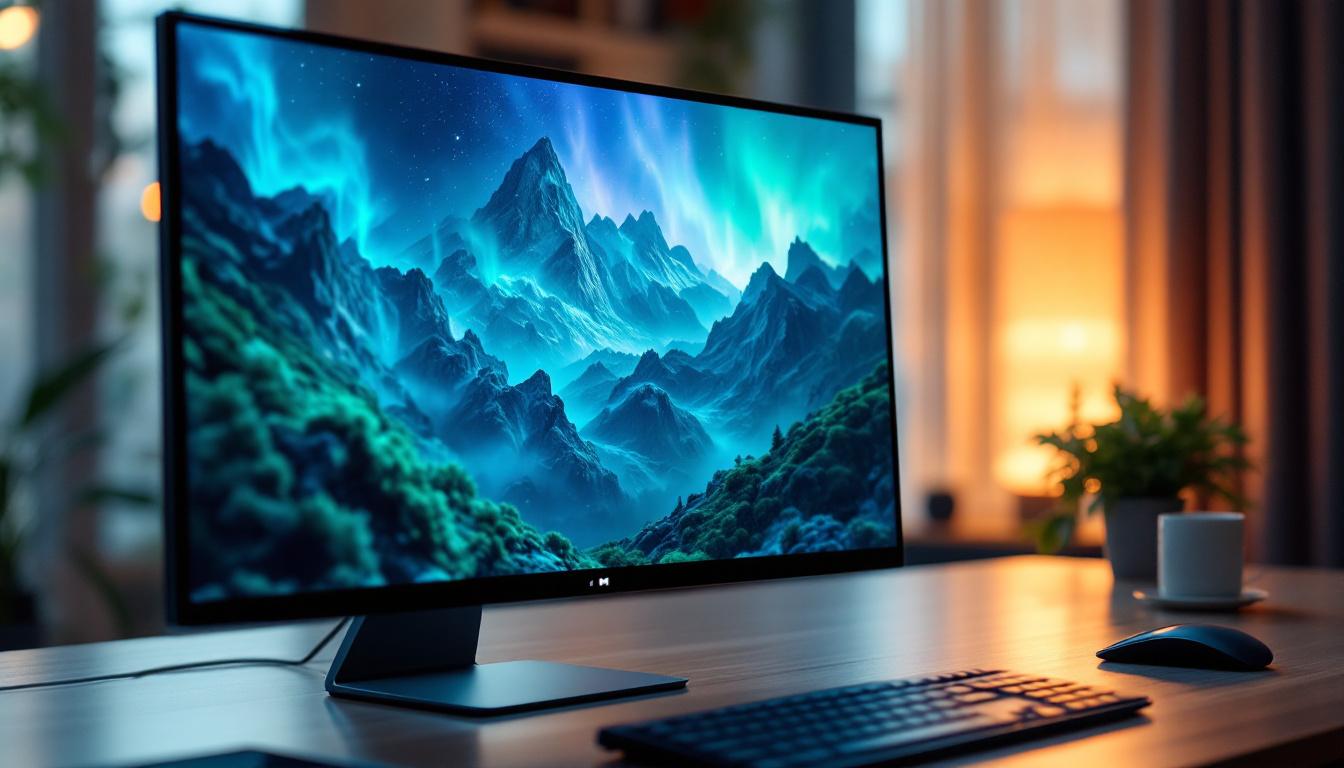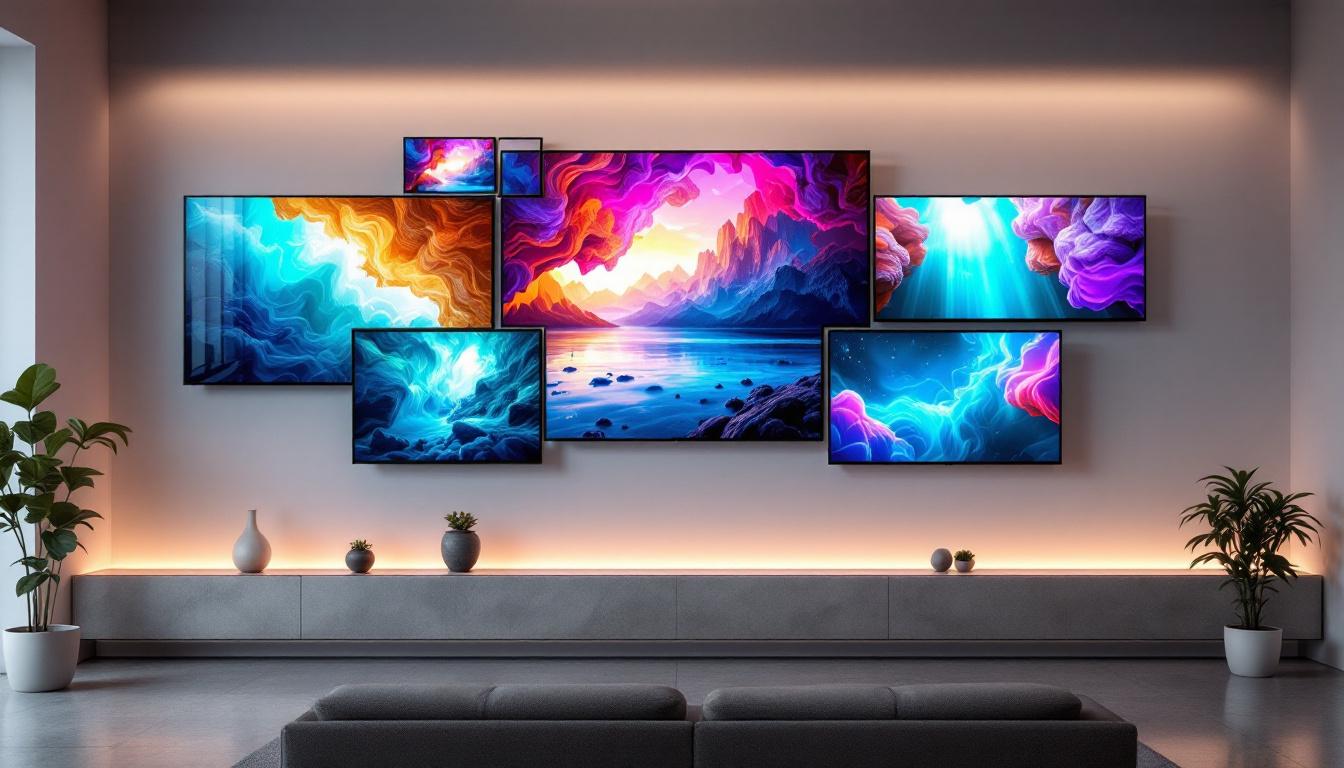
In today’s fast-paced world, the demand for large, high-definition display solutions has skyrocketed across various industries. Whether in corporate boardrooms, retail environments, control centers, or entertainment venues, multi TV wall setups using LED displays have become the go-to choice for delivering impactful visual experiences. This article delves into the fundamentals of multi TV wall setups, focusing on LED display technology, its advantages, design considerations, and practical applications.
Understanding Multi TV Wall Setups
What Is a Multi TV Wall Setup?
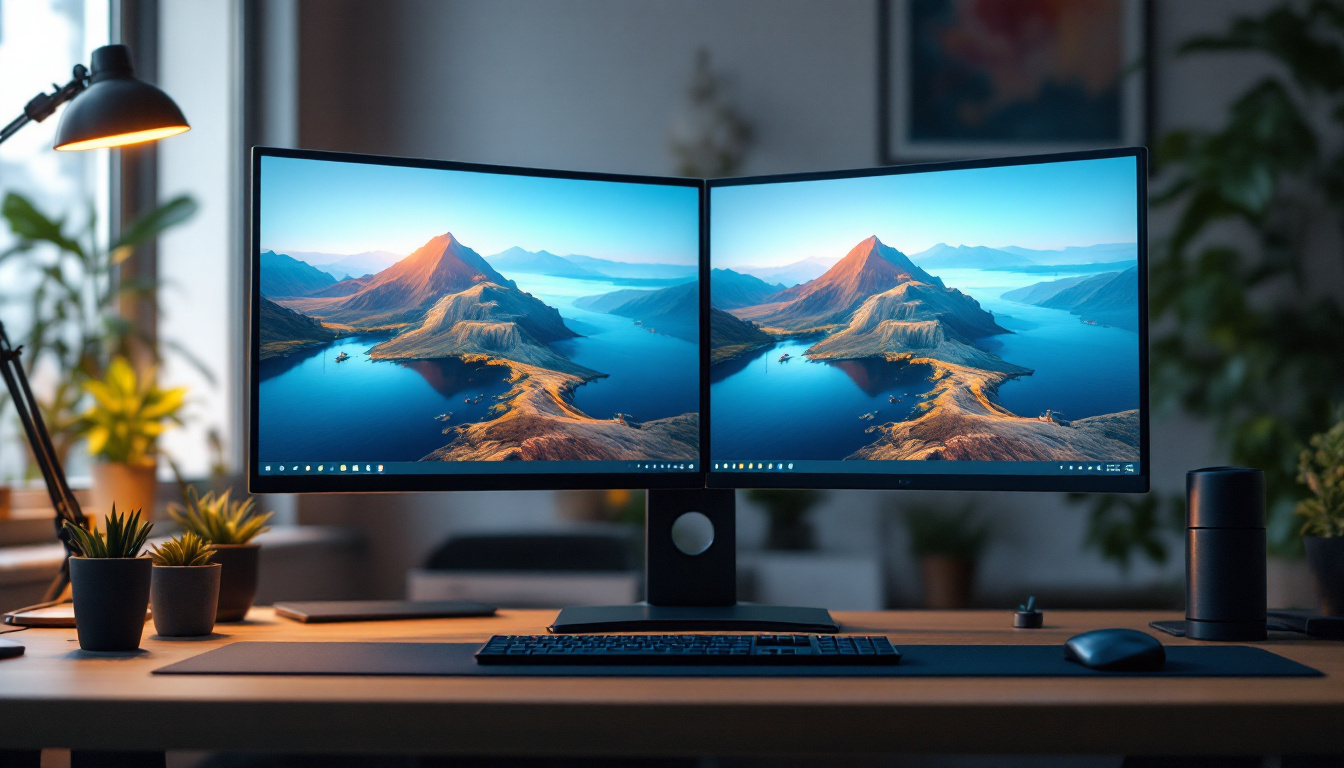
A multi TV wall setup refers to the arrangement of multiple television screens or display panels combined to form a single, larger visual canvas. These setups are designed to create immersive viewing experiences by seamlessly blending individual screens into one cohesive display. The technology behind these setups has evolved considerably, with LED displays now dominating the market due to their superior brightness, contrast, and scalability. The transition from older technologies like LCD and projection systems to LED has not only enhanced the visual quality but also improved energy efficiency and lifespan, making them a more sustainable option for long-term use.
Unlike traditional single-screen displays, multi TV walls allow for a variety of content to be displayed simultaneously or across the entire surface. This flexibility makes them ideal for environments that require dynamic content presentation, such as digital signage, video conferencing, or monitoring multiple data streams. For instance, in a retail setting, a multi TV wall can showcase promotional videos, live social media feeds, and product information all at once, engaging customers in a way that single displays simply cannot. Additionally, the ability to control content remotely through software adds a layer of convenience, allowing for quick updates and changes to be made without the need for physical interaction with the displays.
Types of Multi TV Wall Configurations
Multi TV walls can be configured in several ways depending on the intended use and space constraints. The most common configurations include:
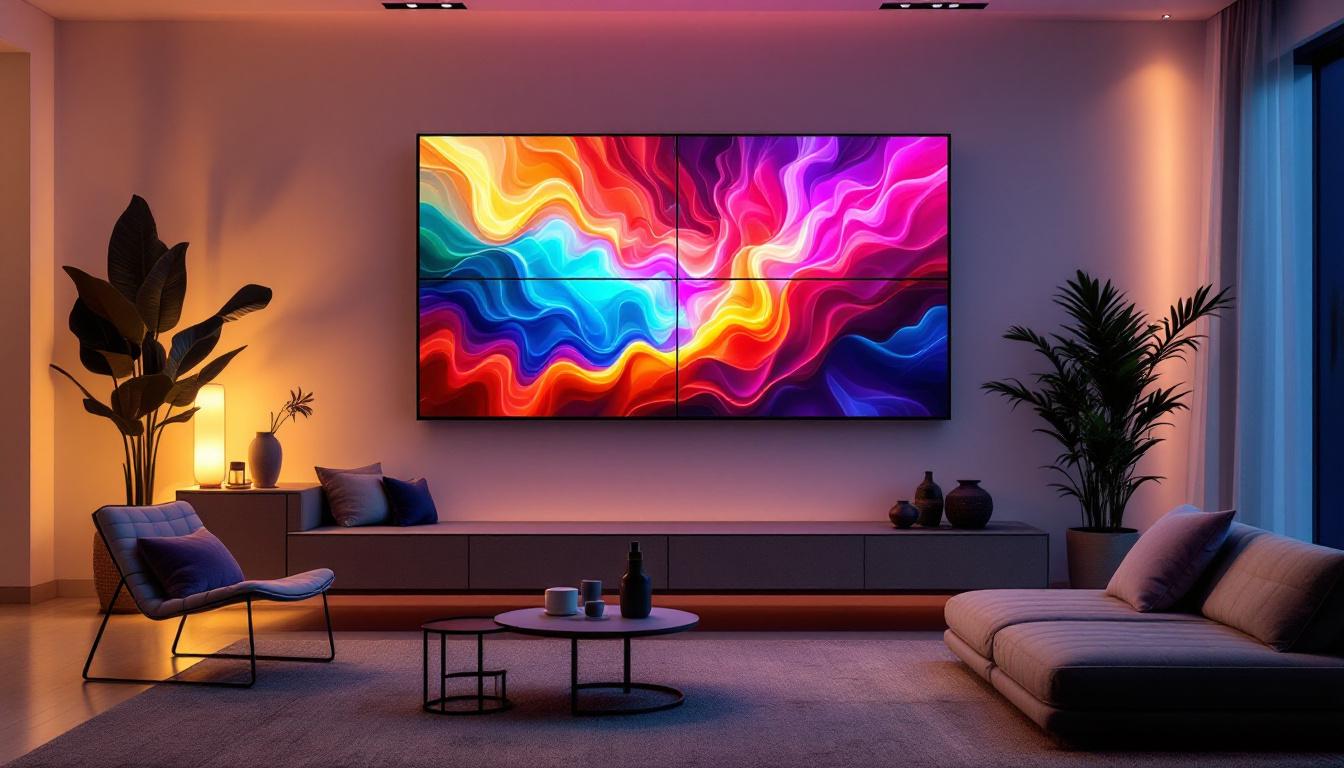
- Grid Layout: Displays arranged in a matrix format (e.g., 2×2, 3×3) to create one large image.
- Portrait or Landscape Orientation: Panels can be rotated to fit vertical or horizontal spaces.
- Curved or Angled Walls: For immersive environments like control rooms or theaters, panels can be arranged in a curved shape.
- Mixed Content Walls: Different sections of the wall display separate content streams, useful for command centers or retail promotions.
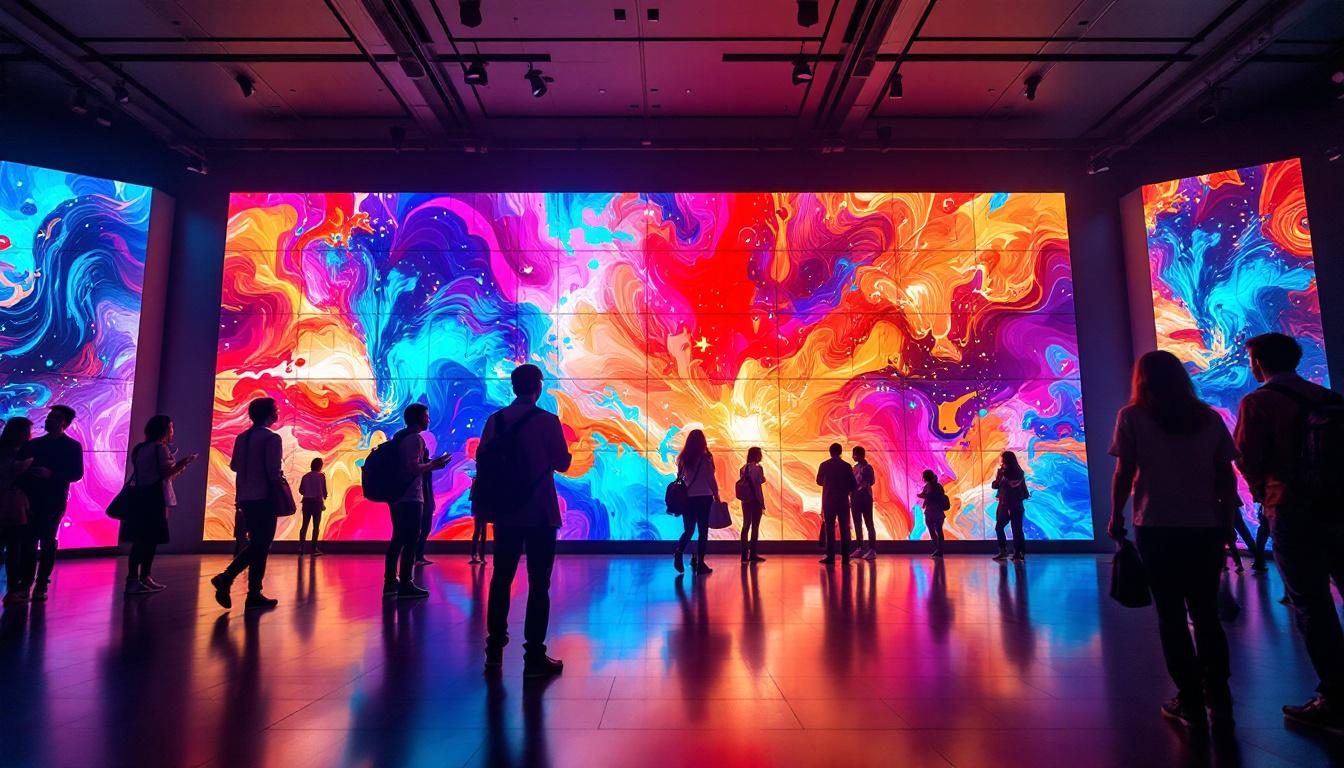
Each configuration serves a unique purpose and can be tailored to meet specific requirements. For example, a grid layout is particularly effective for displaying high-resolution images or videos that need to be viewed from a distance, while portrait orientations are often utilized in narrow spaces to maximize visibility. Curved walls, on the other hand, create a more engaging experience by enveloping viewers in the content, making them popular in venues like museums or immersive installations. The choice of configuration not only impacts the aesthetic appeal but also the functionality of the setup, allowing businesses and organizations to communicate their messages more effectively.
Furthermore, advancements in technology have led to the development of software solutions that facilitate the management of multi TV walls. These platforms allow users to control the content displayed on each screen individually or as a collective unit, providing a high degree of customization. Features such as real-time data integration, remote monitoring, and scheduling capabilities enhance the operational efficiency of multi TV walls, making them an indispensable tool in modern communication strategies. As a result, businesses can leverage these setups not just for advertising or entertainment, but also for critical applications like security monitoring, where timely information is crucial.
LED Displays: The Backbone of Modern TV Walls
What Are LED Displays?
LED (Light Emitting Diode) displays use an array of tiny LEDs as pixels to produce images. These LEDs emit light directly, which allows for vibrant colors, high brightness, and excellent contrast ratios. LED technology has revolutionized large-format displays by offering better energy efficiency and longer lifespan compared to older technologies like LCD or plasma.
There are two main types of LED displays used in multi TV walls:
- Direct View LED (DVLED): These displays consist of individual LEDs arranged in a grid, providing seamless large-scale visuals without bezels.
- LED-backlit LCD: Traditional LCD panels illuminated by LEDs from behind, often used in smaller or mid-sized video walls.
Advantages of LED Displays in Multi TV Walls
LED displays offer several advantages that make them ideal for multi TV wall setups:
- High Brightness and Visibility: LEDs can achieve brightness levels exceeding 1,000 nits, ensuring clear visibility even in brightly lit environments.
- Wide Viewing Angles: LED panels maintain color accuracy and brightness across wide viewing angles, essential for large audiences.
- Seamless Integration: Direct View LED walls can be built with ultra-thin bezels or even bezel-less designs, creating a virtually uninterrupted image.
- Energy Efficiency: LEDs consume less power than traditional display technologies, reducing operational costs.
- Durability and Longevity: LED panels are robust and have a lifespan often exceeding 100,000 hours, making them a long-term investment.
Designing a Multi TV Wall Setup with LED Displays
Key Considerations for Planning
Designing an effective multi TV wall setup requires careful planning and understanding of the environment and intended use. Some critical factors to consider include:
- Viewing Distance and Angle: The size and resolution of the LED panels should match the typical viewing distance to ensure clarity and readability.
- Resolution and Pixel Pitch: Pixel pitch, the distance between individual LEDs, determines the resolution and image sharpness. Smaller pixel pitches (e.g., 1.2mm to 2.5mm) are suitable for close viewing, while larger pitches work for distant viewing.
- Brightness Requirements: Ambient lighting conditions dictate the required brightness levels. Outdoor or brightly lit indoor spaces need higher brightness LEDs.
- Content Management: The system should support flexible content management, allowing for diverse media types and real-time updates.
- Installation and Maintenance: Accessibility for installation, maintenance, and potential future upgrades is crucial for minimizing downtime.
Hardware Components of a Multi TV Wall
Several hardware components work together to create a seamless multi TV wall experience:
- LED Panels: The core display units, available in various sizes and pixel pitches.
- Video Wall Controller: A device or software that manages the input signals and distributes content across the panels.
- Mounting System: Robust frames or mounts that ensure precise alignment and stability of the panels.
- Connectivity and Cabling: High-quality cables and connectors to transmit video signals, power, and control commands.
- Calibration Tools: Software and hardware to calibrate color, brightness, and alignment for uniform display quality.
Software and Content Management
Modern multi TV walls rely heavily on sophisticated software platforms to manage content delivery. These platforms offer features such as:
- Multi-source Input: Ability to display content from various sources simultaneously.
- Scheduling and Automation: Automated content rotation and scheduling to keep displays fresh and relevant.
- Remote Management: Control and monitor the video wall remotely, reducing the need for on-site intervention.
- Interactive Capabilities: Integration with touch or gesture controls for interactive applications.
Applications of Multi TV Wall LED Displays
Corporate and Conference Environments
In corporate settings, multi TV walls are increasingly used for presentations, video conferencing, and data visualization. The ability to display high-resolution charts, video feeds, and collaborative content simultaneously enhances decision-making and communication.
For example, global companies often install LED video walls in boardrooms and auditoriums to facilitate immersive presentations and remote meetings, improving engagement and productivity.
Retail and Advertising
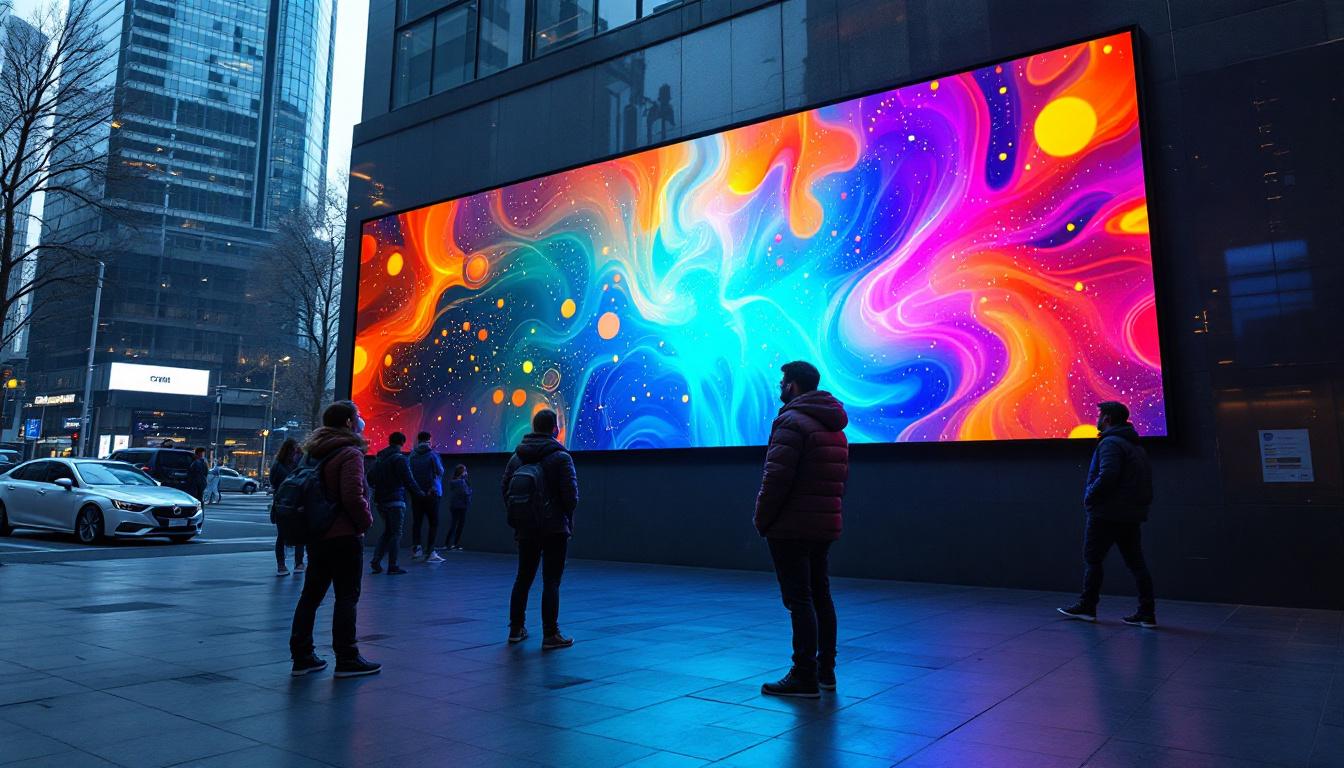
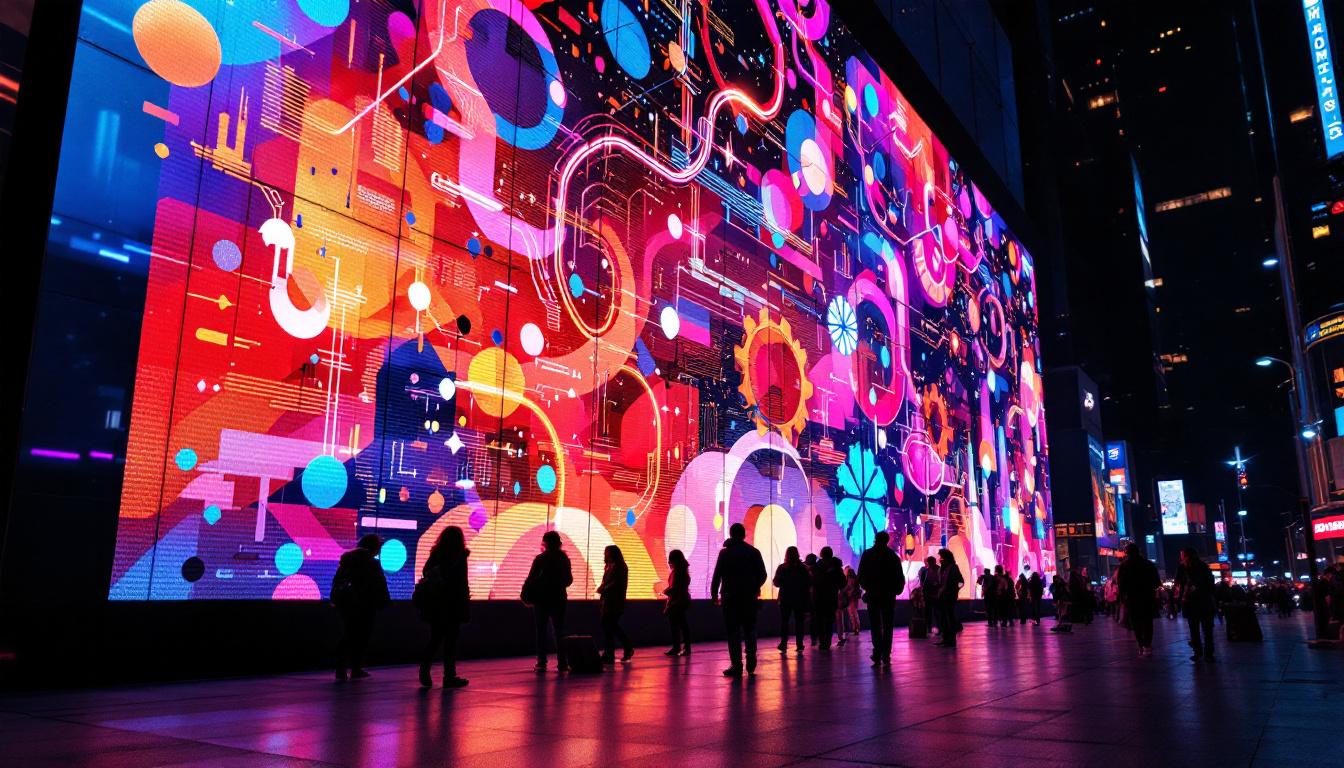
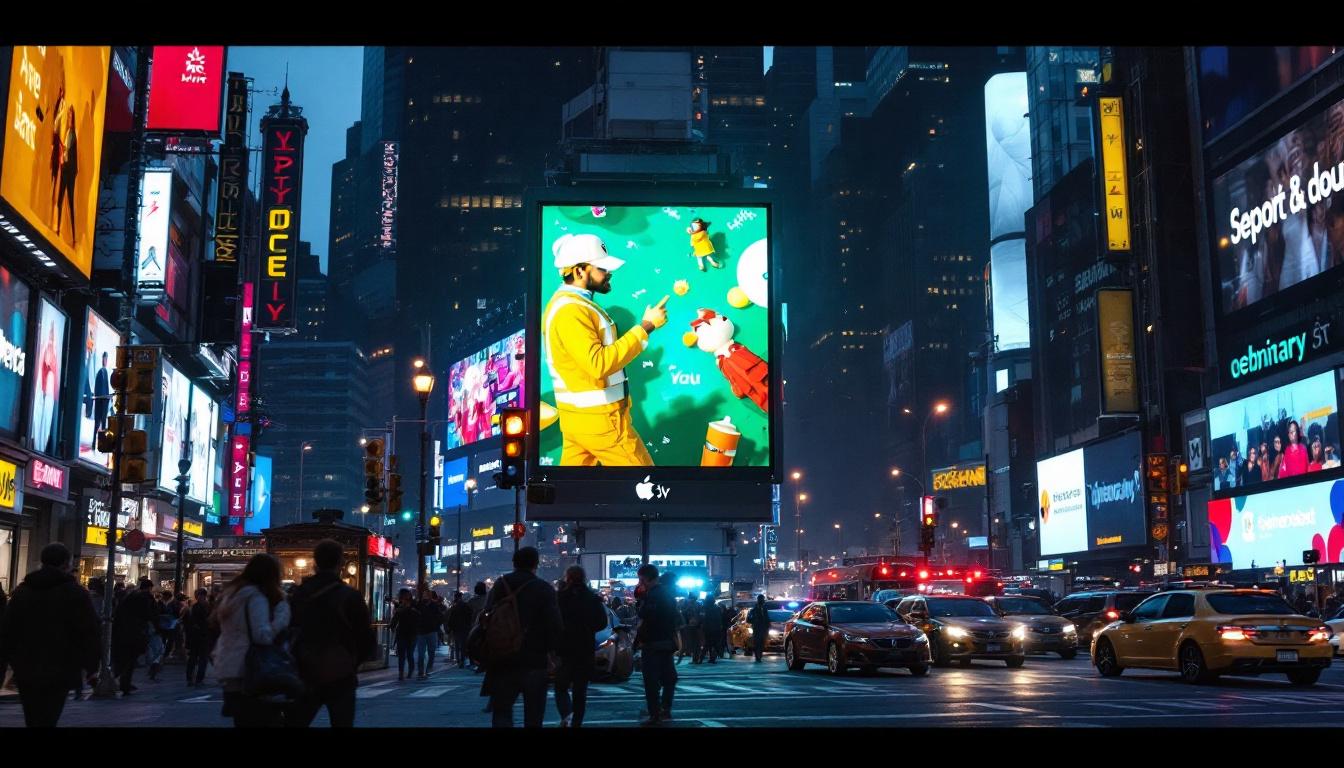
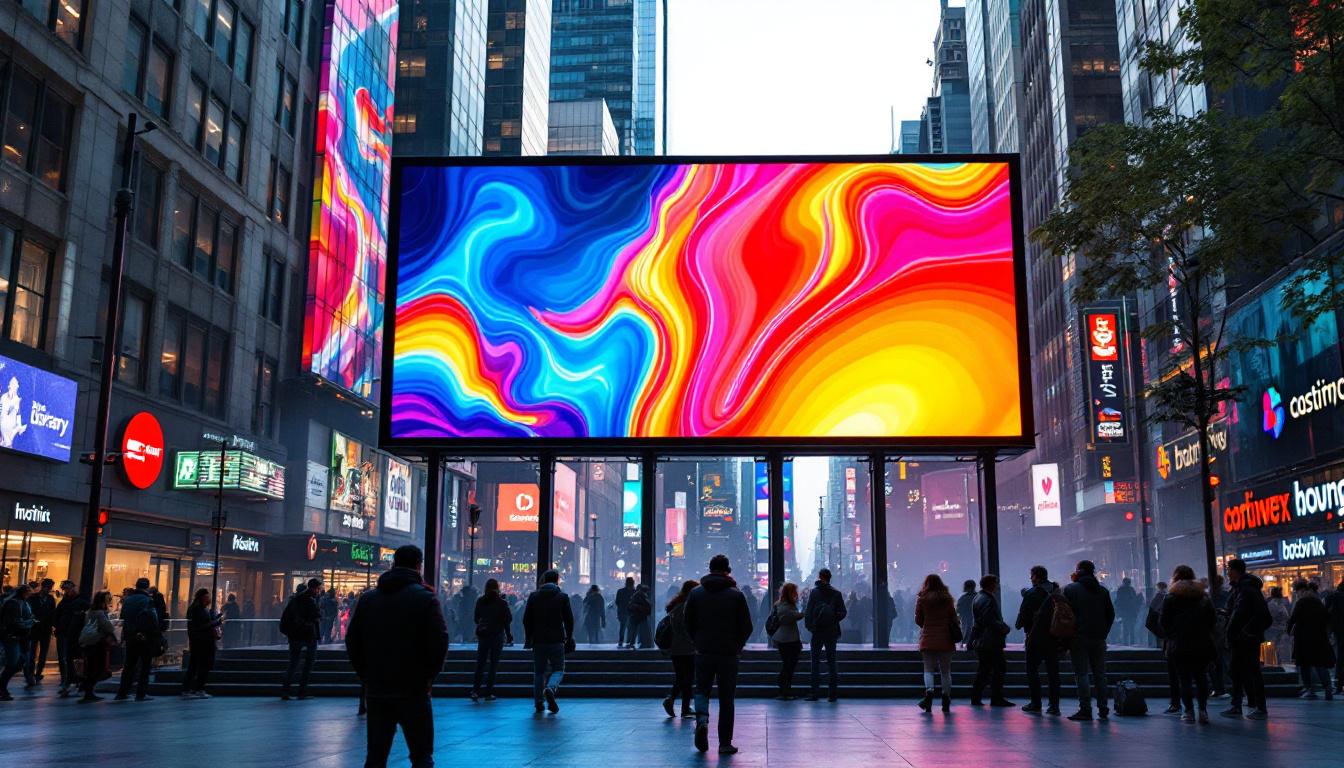
Retailers leverage multi TV walls to create eye-catching digital signage that attracts customers and promotes products. LED displays offer vibrant colors and dynamic content capabilities, making promotions more effective.
Large shopping malls and flagship stores use multi TV walls to deliver interactive advertisements, seasonal campaigns, and live event coverage, significantly boosting foot traffic and sales.
Control Rooms and Command Centers
Control rooms in industries such as transportation, utilities, and emergency services depend on multi TV walls for real-time monitoring of critical data. The ability to display multiple feeds simultaneously enables operators to make informed decisions quickly.
For instance, air traffic control centers use large LED video walls to monitor radar, weather, and communication systems concurrently, ensuring safety and efficiency.
Entertainment and Events
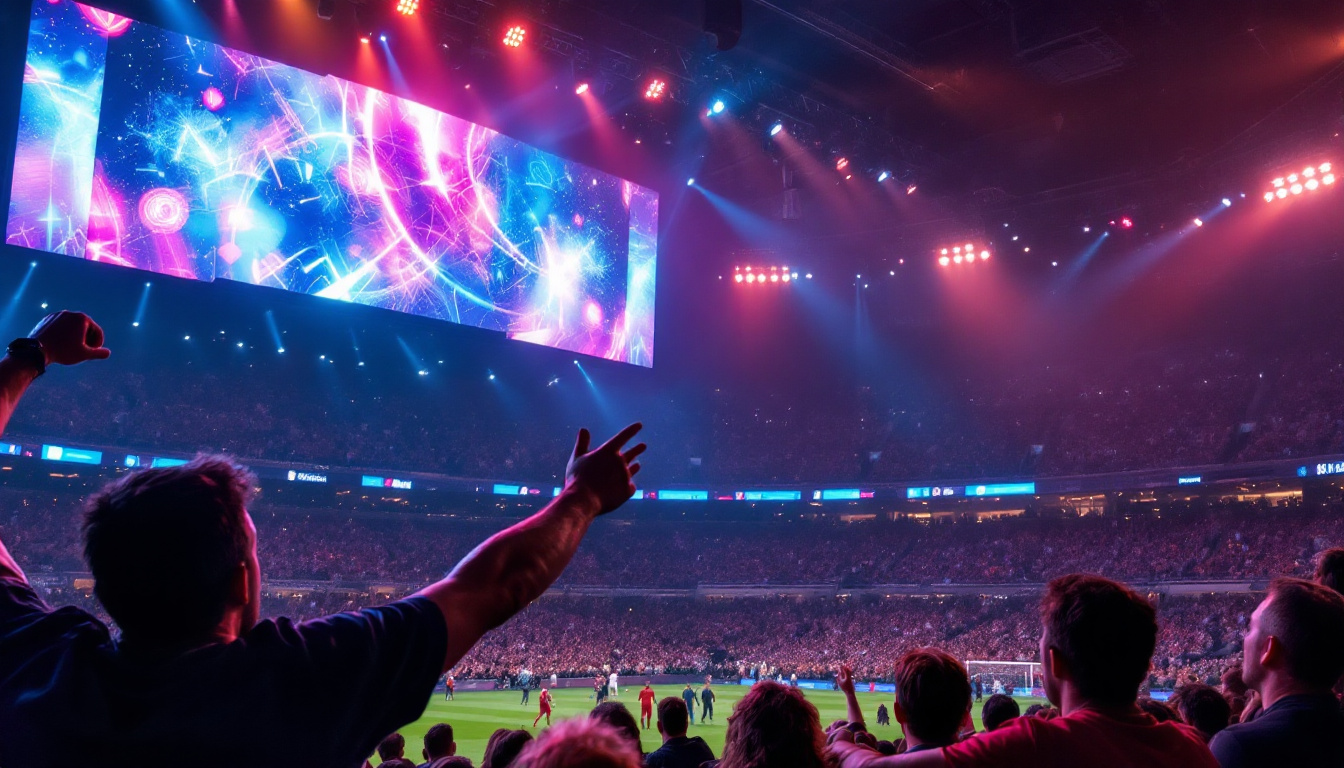
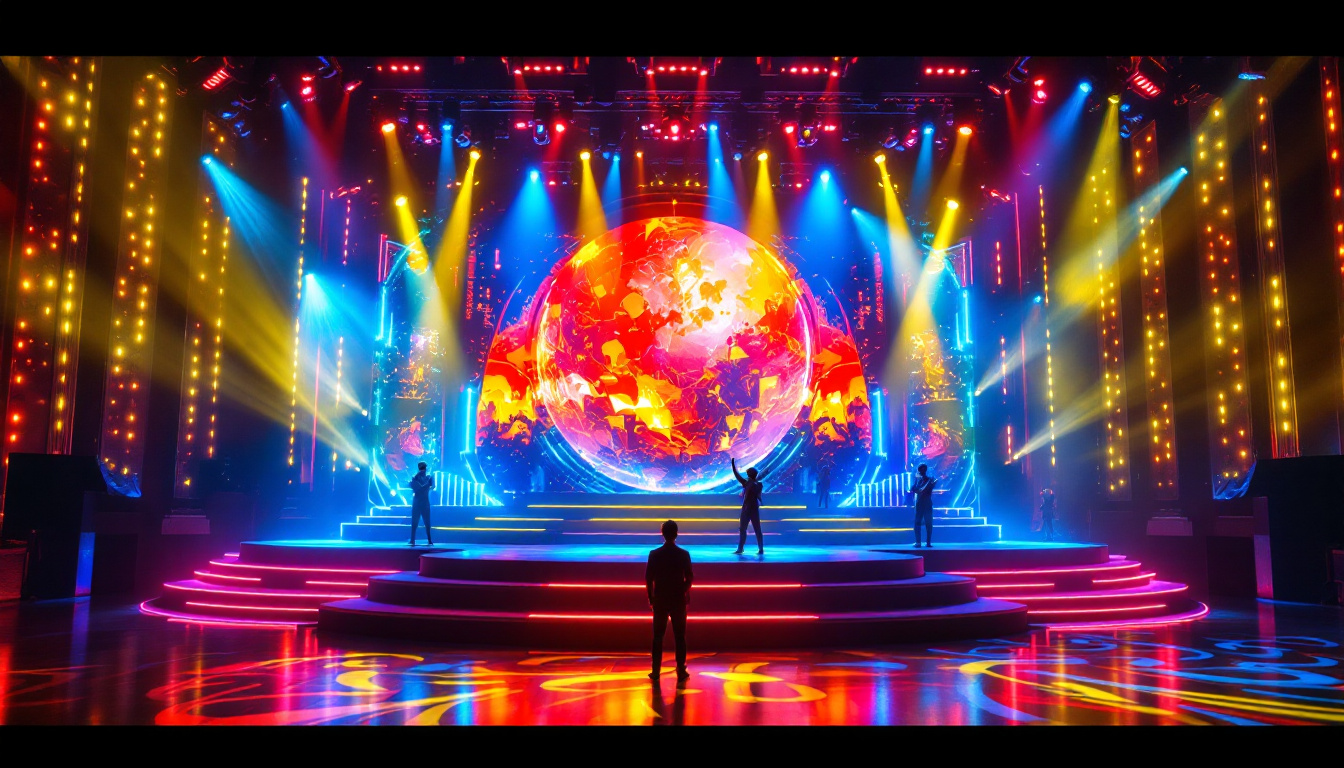
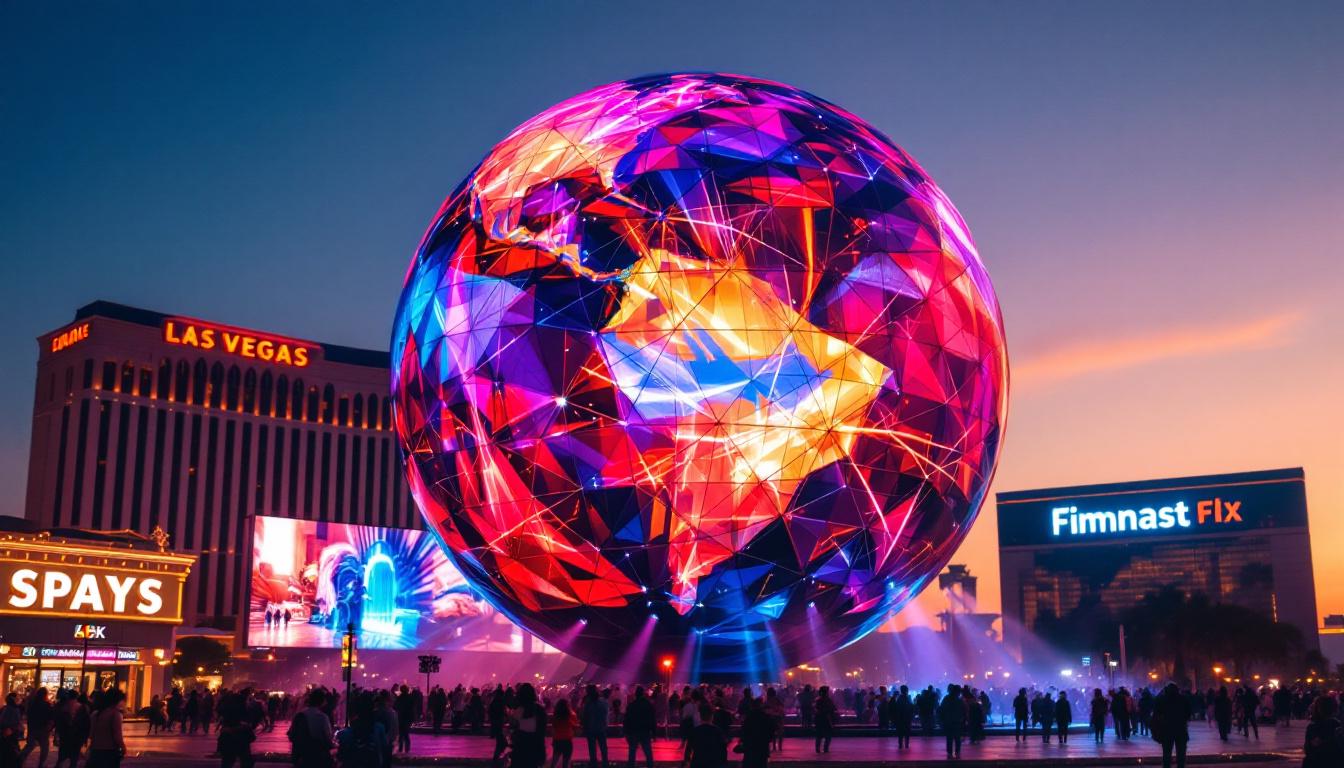
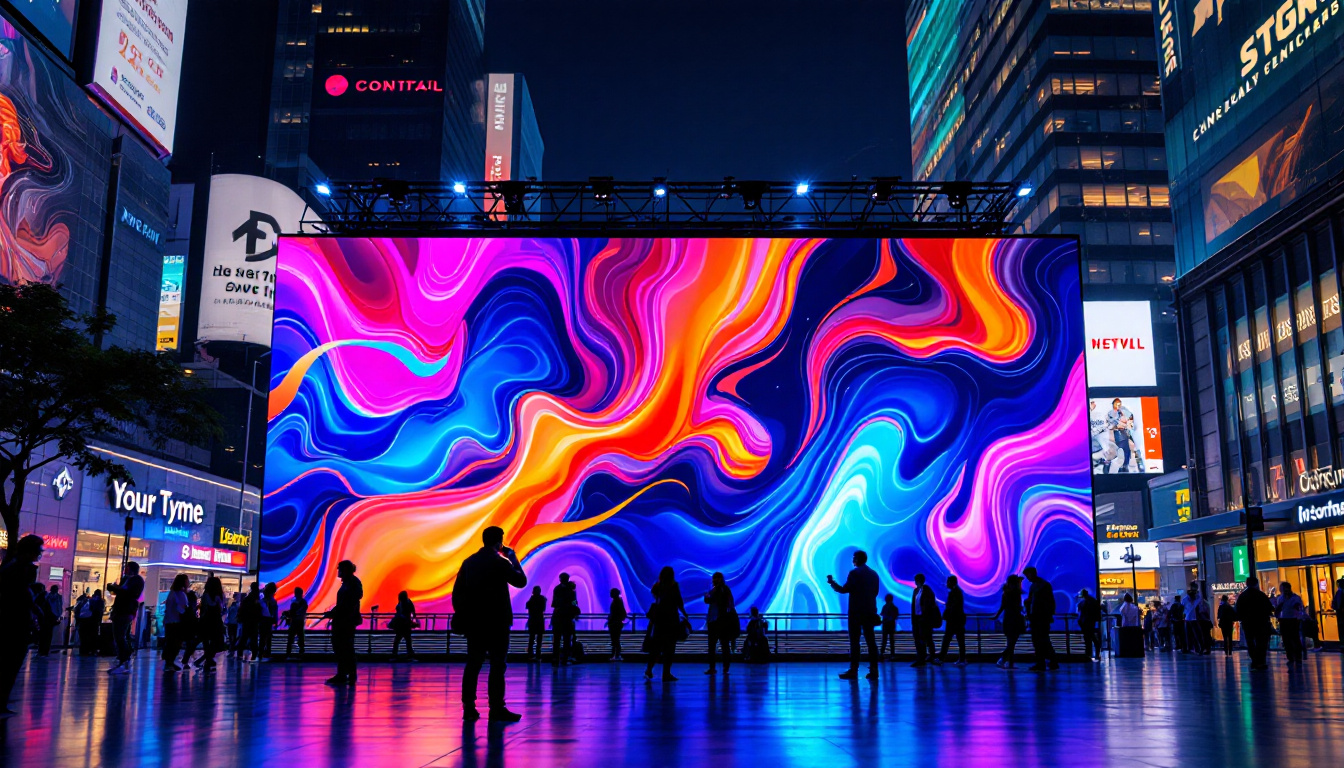
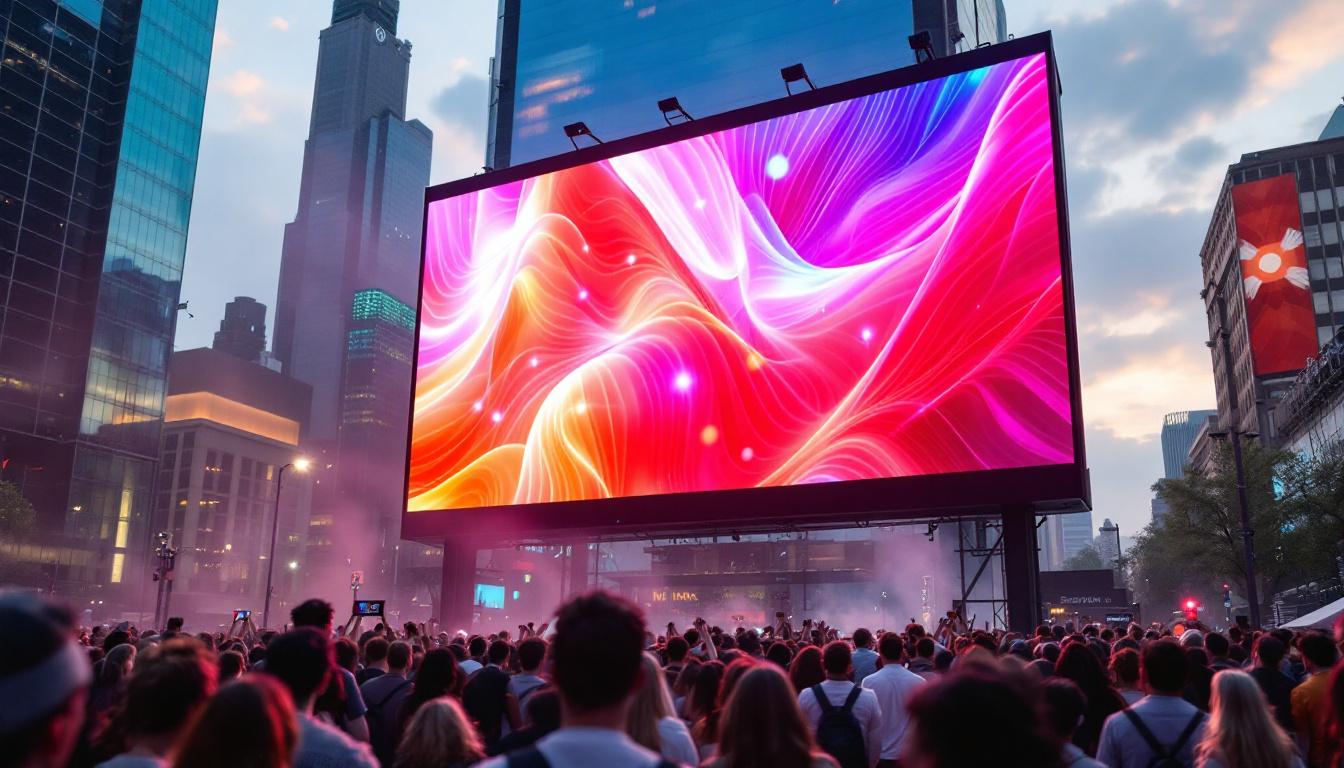
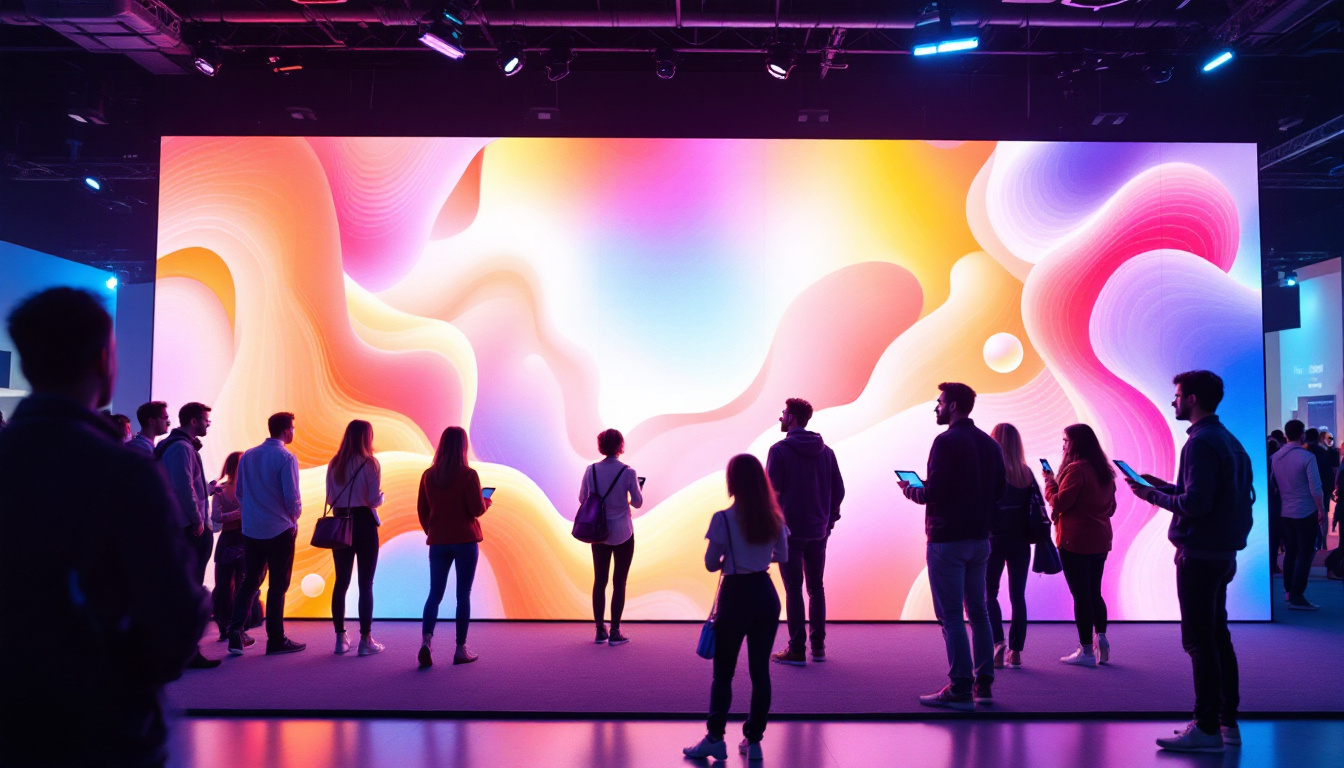
Concerts, sports arenas, and theaters utilize multi TV walls to enhance audience experiences. LED walls provide bright, high-resolution visuals that can be seen clearly even in large venues.
Event organizers use these setups for live video feeds, dynamic backgrounds, and interactive displays, creating memorable and engaging environments for attendees.
Future Trends in Multi TV Wall LED Technology
MicroLED and MiniLED Innovations
Emerging LED technologies such as MicroLED and MiniLED are pushing the boundaries of display quality and efficiency. MicroLED offers even smaller pixel sizes and higher brightness levels, enabling ultra-high-definition video walls with exceptional color accuracy.
MiniLED technology enhances backlighting in LCD panels, improving contrast and HDR performance while maintaining cost-effectiveness. These advancements promise to make multi TV walls more versatile and visually stunning.
AI-Driven Content Optimization
Artificial intelligence is increasingly integrated into content management systems for multi TV walls. AI can analyze viewer engagement, optimize content scheduling, and even adjust display settings dynamically based on ambient conditions.
This intelligent approach ensures that multi TV walls deliver the most relevant and impactful content, maximizing return on investment.
Enhanced Interactivity and Immersive Experiences
Future multi TV wall setups will incorporate advanced interactivity through touch, gesture recognition, and augmented reality. These features will transform passive displays into engaging platforms for collaboration, education, and entertainment.
Immersive environments powered by LED video walls will become more commonplace in museums, classrooms, and retail spaces, providing richer user experiences.
Conclusion
Multi TV wall setups using LED displays have become indispensable tools across numerous sectors, offering unparalleled visual impact, flexibility, and reliability. Understanding the technology behind LED displays, along with careful design and content management, is key to harnessing their full potential.
As LED technology continues to evolve with innovations like MicroLED and AI-driven systems, the future of multi TV walls promises even greater capabilities and applications. Whether for corporate communication, retail marketing, control room monitoring, or entertainment, LED video walls remain at the forefront of modern display solutions.
Discover LumenMatrix LED Display Solutions
Ready to elevate your visual communication with a multi TV wall setup? LumenMatrix is at the forefront of LED display innovation, providing a wide array of solutions that transform any space into a dynamic visual experience. From Indoor and Outdoor LED Wall Displays to specialized options like Vehicle, Sports, and Floor LED Displays, our technology is designed to captivate and engage your audience. Embrace the future of display solutions with LumenMatrix and make a lasting impression. Check out LumenMatrix LED Display Solutions today and see the difference for yourself.