In the evolving world of visual display technology, choosing the right screen type is crucial for delivering the best viewing experience. Among the various options available, LED displays have rapidly gained popularity, especially in environments demanding high brightness, vivid colors, and durability. This article explores the fundamentals of LED display technology, how it compares with traditional projector screens, and why it might be the ideal choice for your next visual setup.
Understanding LED Display Technology
What is an LED Display?
LED, or Light Emitting Diode, displays are a form of flat panel display technology that uses an array of light-emitting diodes as pixels to create images. Unlike traditional projector screens that rely on projecting light onto a surface, LED displays emit their own light, resulting in brighter and more vibrant images. This self-illumination characteristic allows LED screens to perform exceptionally well in various lighting conditions, including bright ambient environments. Furthermore, LED displays are known for their energy efficiency, consuming significantly less power compared to older technologies like CRT or LCD screens. This efficiency not only reduces operational costs but also contributes to a smaller carbon footprint, making LED displays an eco-friendly choice for both commercial and residential applications.
How Do LED Displays Work?
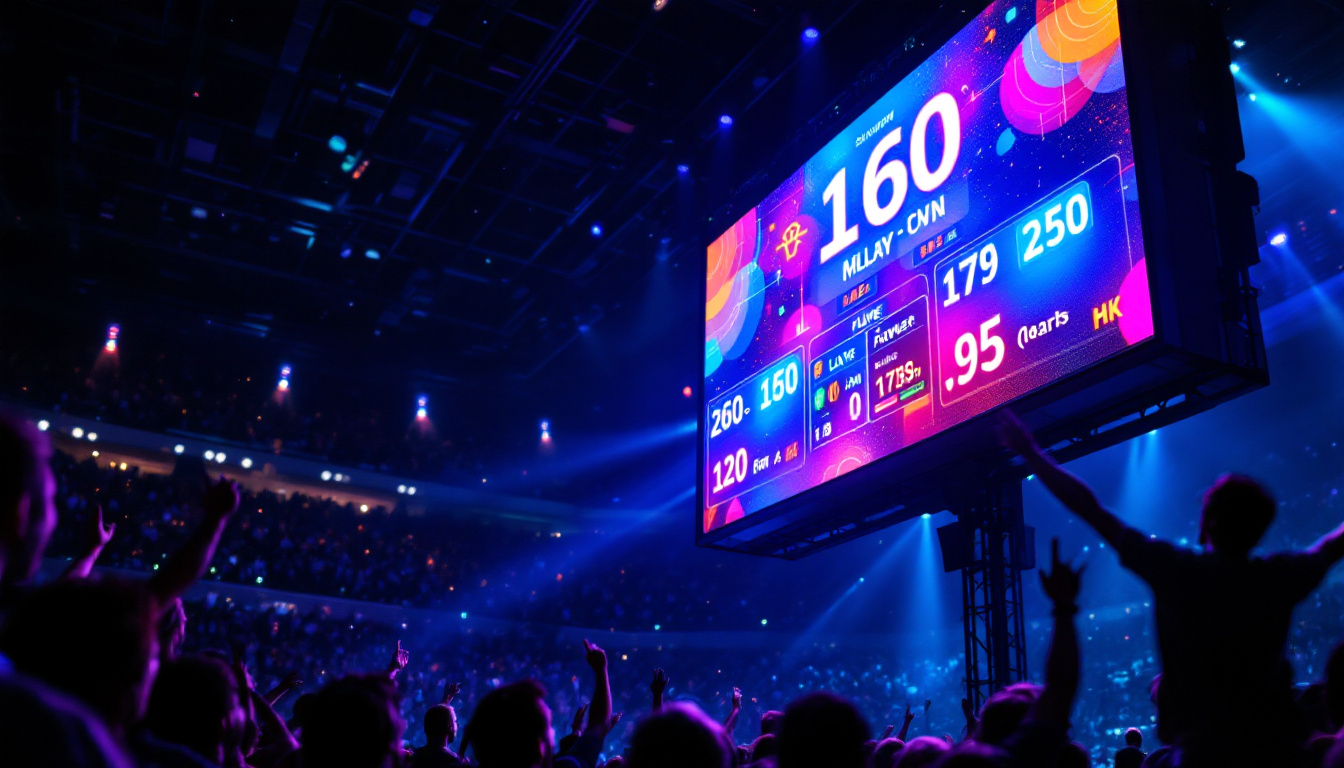
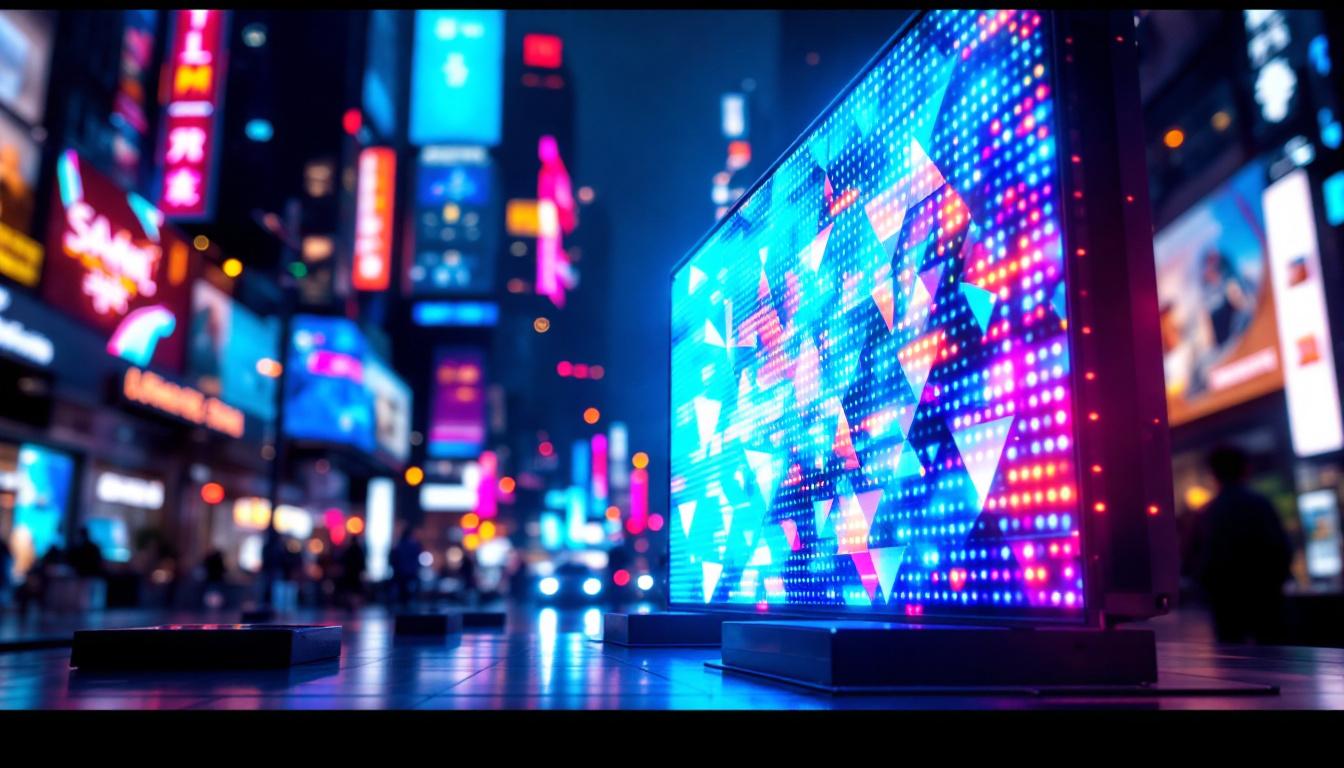
Each pixel on an LED display consists of tiny diodes that emit red, green, and blue light. By adjusting the intensity of these diodes, the display can produce a full spectrum of colors. Modern LED displays often use surface-mounted device (SMD) technology, which packs these diodes closely together, resulting in high resolution and sharp images. The modular design of LED panels also allows for scalable screen sizes, from small indoor displays to massive outdoor video walls. Additionally, LED displays are equipped with advanced processing technology that enhances image quality through features like dynamic contrast adjustment and color calibration, ensuring that viewers experience the best possible visual performance. This capability is particularly beneficial in environments such as sports arenas or concert venues, where the viewing distance can vary significantly, and maintaining image clarity is paramount.
Comparing LED Displays and Traditional Projector Screens
Brightness and Visibility
One of the most significant advantages of LED displays over traditional projector screens is brightness. Projectors depend on a light source that shines onto a reflective screen, and their brightness is measured in lumens. In contrast, LED displays emit their own light, often measured in nits (candelas per square meter), with commercial LED screens reaching brightness levels upwards of 1,000 to 5,000 nits or more.
This high brightness capability means LED displays maintain image clarity and vibrancy even in well-lit rooms or outdoor settings, where projector images can appear washed out or faded. For example, in corporate boardrooms with large windows or outdoor advertising, LED displays ensure content remains visible and impactful throughout the day. Additionally, advancements in LED technology, such as HDR (High Dynamic Range), enhance brightness and contrast even further, allowing for a more dynamic range of colors that can captivate audiences. This is particularly beneficial in environments where visual engagement is crucial, such as in retail spaces or during live sports events, where every detail matters and can significantly influence viewer experience.
Color Accuracy and Contrast
LED displays typically offer superior color accuracy and contrast ratios compared to projector setups. Since LEDs produce light at the pixel level, they can achieve true blacks by turning off individual pixels, resulting in infinite contrast ratios. Projectors, however, rely on ambient light and screen reflectivity, which can reduce contrast and color fidelity.
For applications like digital signage, live events, or home theaters where color precision is critical, LED displays provide a richer and more immersive viewing experience. Furthermore, the ability of LED technology to reproduce a wider color gamut means that viewers can experience more vibrant and lifelike images. This is especially important in fields such as graphic design and video production, where accurate color representation is essential for creating visually stunning content. The consistency of color performance across different viewing angles also enhances the experience, making LED displays a preferred choice for installations where multiple viewers may be positioned at various angles.
Installation and Maintenance
Traditional projector systems require careful alignment, a darkened room, and periodic maintenance such as lamp replacements and cleaning. LED displays, being self-contained units, are generally easier to install and maintain. Their modular nature allows for straightforward repairs and upgrades without dismantling the entire screen.
However, LED displays can have a higher upfront cost and require specialized installation expertise, especially for large-scale or outdoor setups. Despite this, their longevity—often exceeding 100,000 hours of operation—and low maintenance needs make them cost-effective over time. Additionally, the integration of smart technology in modern LED displays allows for remote monitoring and management, which can further reduce maintenance efforts. This feature is particularly advantageous for businesses that operate multiple displays across various locations, enabling them to ensure optimal performance and troubleshoot issues without the need for on-site visits. Such advancements not only streamline operations but also enhance the overall user experience by minimizing downtime and maximizing display effectiveness.
Types of LED Displays for Projection and Screen Replacement
Indoor LED Displays
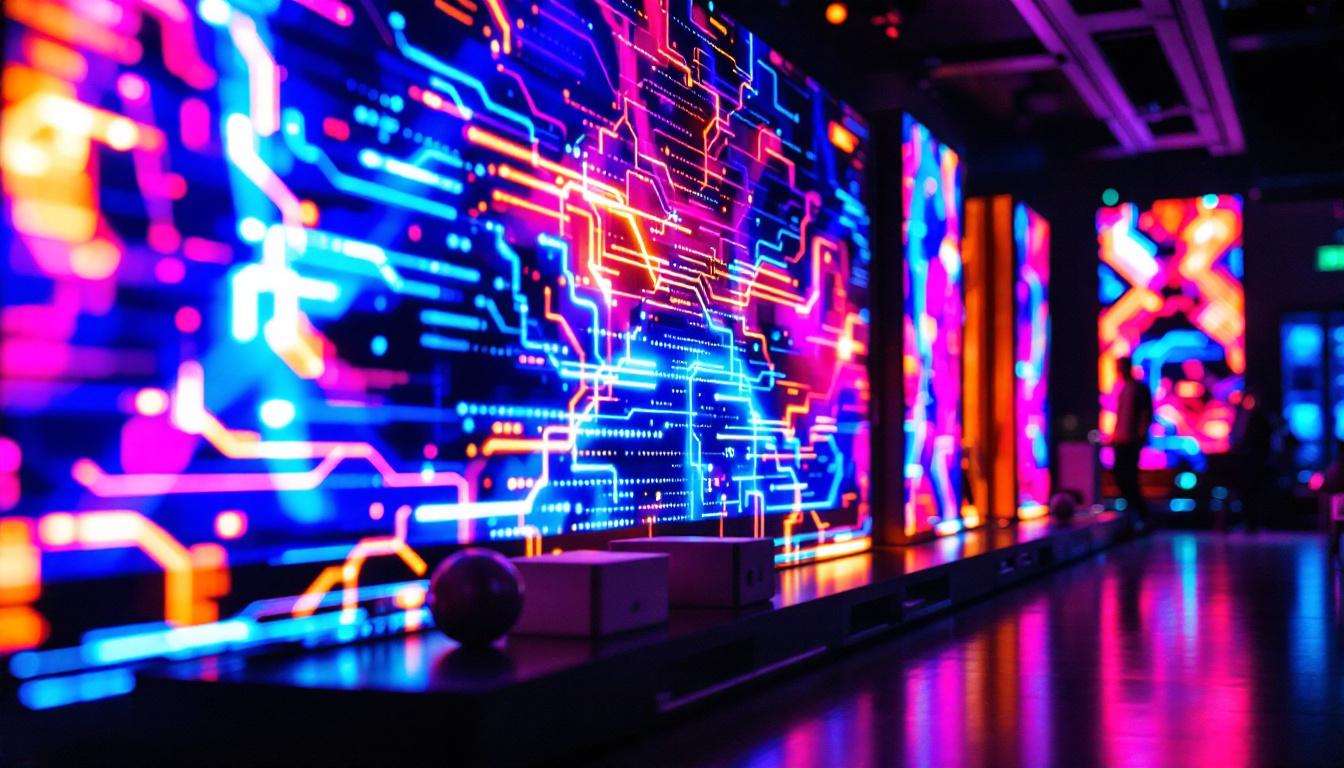
Indoor LED displays are designed for environments such as conference rooms, retail stores, museums, and home theaters. These screens prioritize high resolution and pixel density to ensure crisp images at close viewing distances. Typical pixel pitches range from 0.9mm to 2.5mm, allowing for detailed visuals and smooth gradients.
Indoor LED screens are often lightweight and thin, making them suitable for wall mounting or integration into architectural features. Their brightness levels usually range between 800 and 1,500 nits, which is sufficient for most indoor lighting conditions.
Outdoor LED Displays
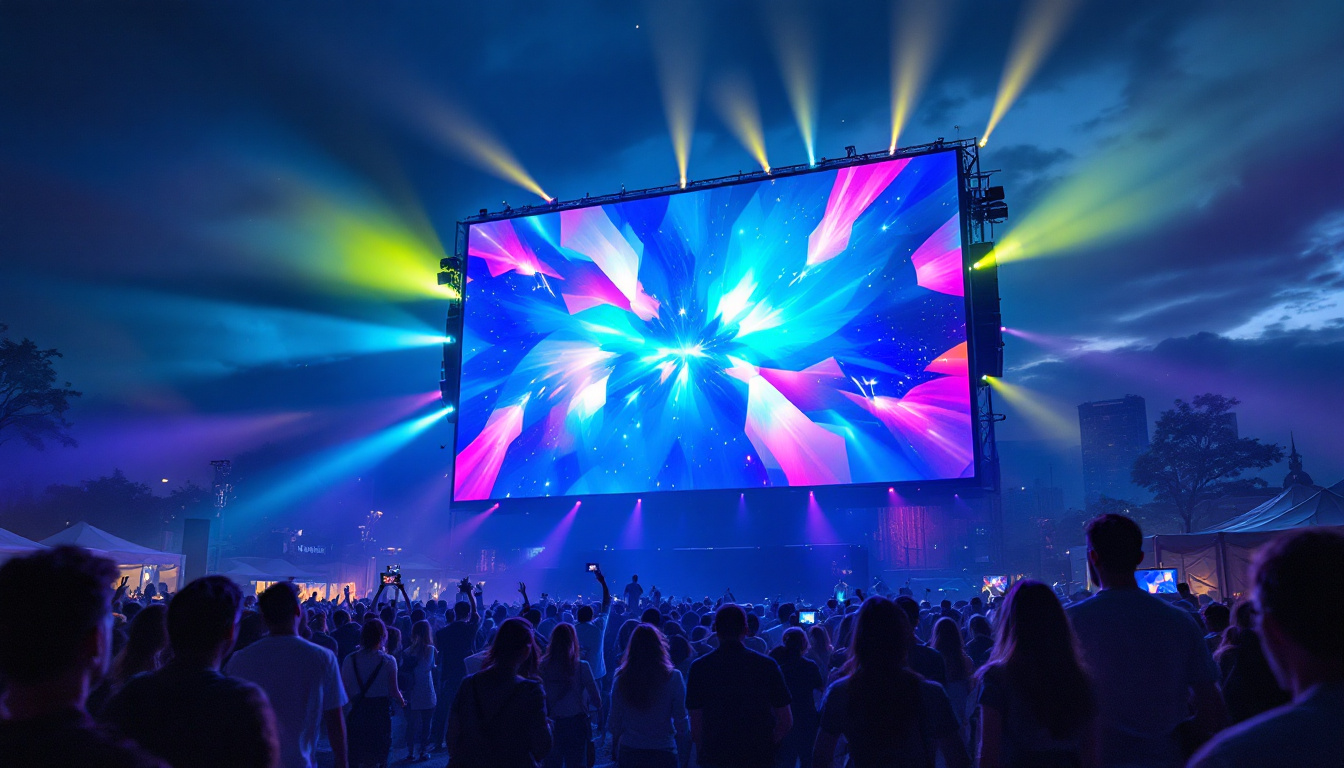
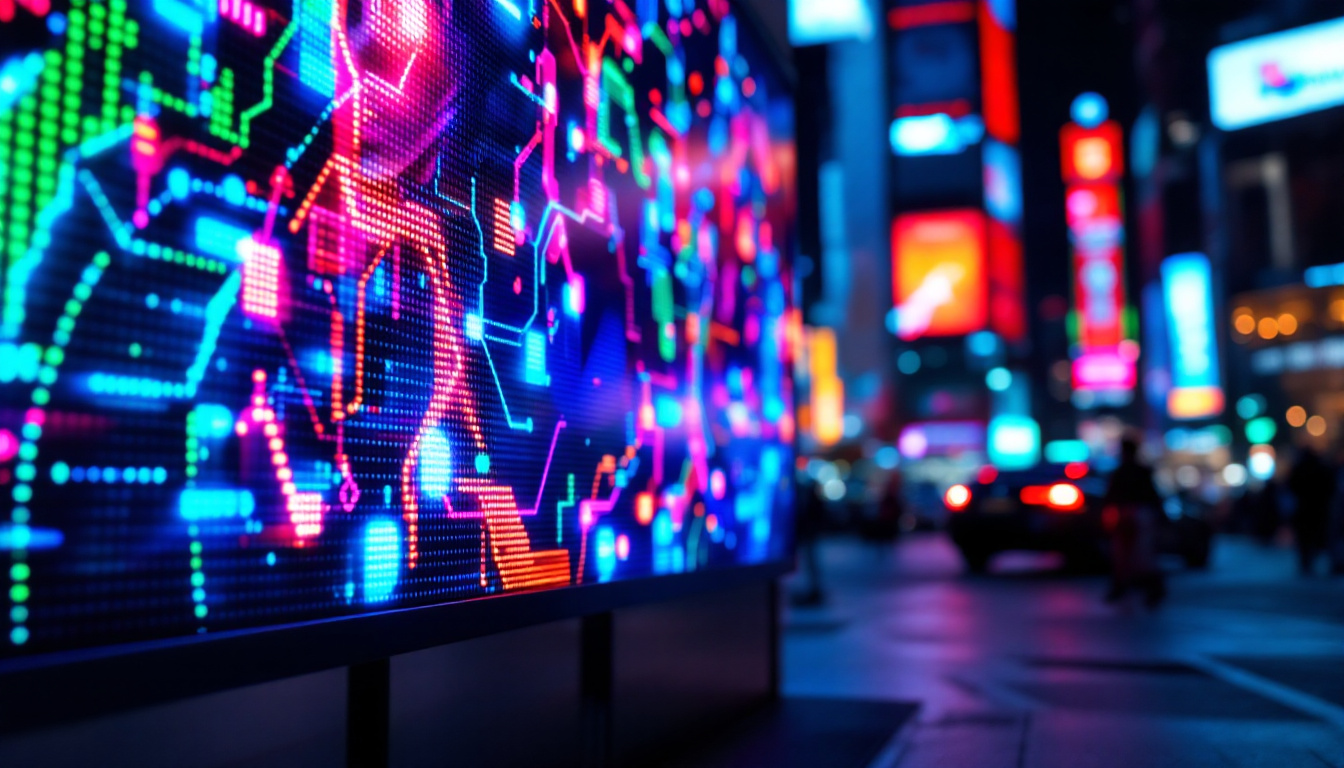
Outdoor LED displays are built to withstand harsh weather conditions, including rain, dust, and extreme temperatures. They feature higher brightness levels, often exceeding 5,000 nits, to combat sunlight glare and ensure visibility from long distances. Pixel pitches for outdoor screens are generally larger, between 4mm and 10mm, as viewers tend to be farther away.
These displays are commonly used for digital billboards, sports arenas, and public information boards. Their robust construction includes waterproof coatings and reinforced frames to ensure durability and safety.
Transparent and Flexible LED Screens
Innovations in LED technology have led to the development of transparent and flexible LED displays. Transparent LED screens allow light to pass through, making them ideal for storefront windows and glass facades without obstructing natural light. Flexible LED panels can be curved or shaped to fit unique architectural designs, offering creative possibilities for immersive environments.
While these types are more specialized and often more expensive, they represent the cutting edge of LED display applications, blending functionality with aesthetic appeal.
Applications and Benefits of LED Displays Over Traditional Projector Screens
Corporate and Educational Settings
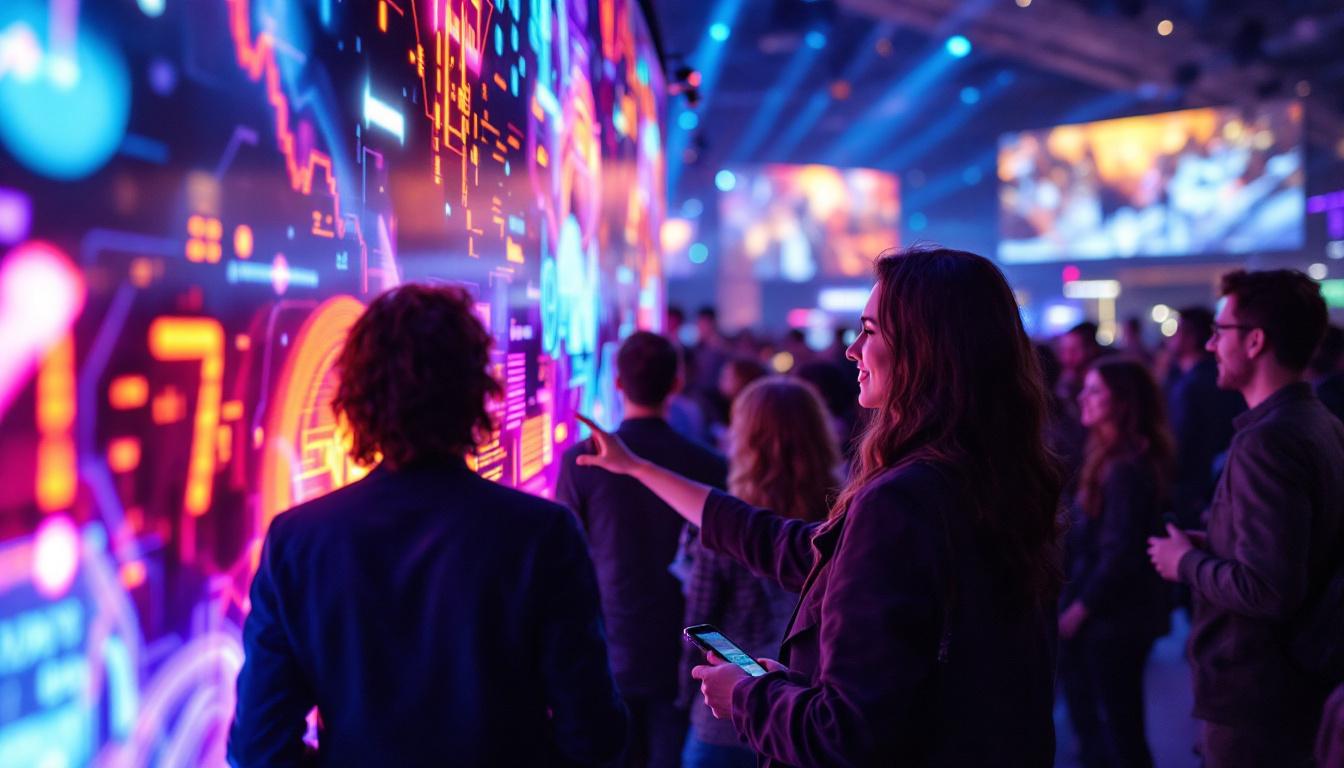
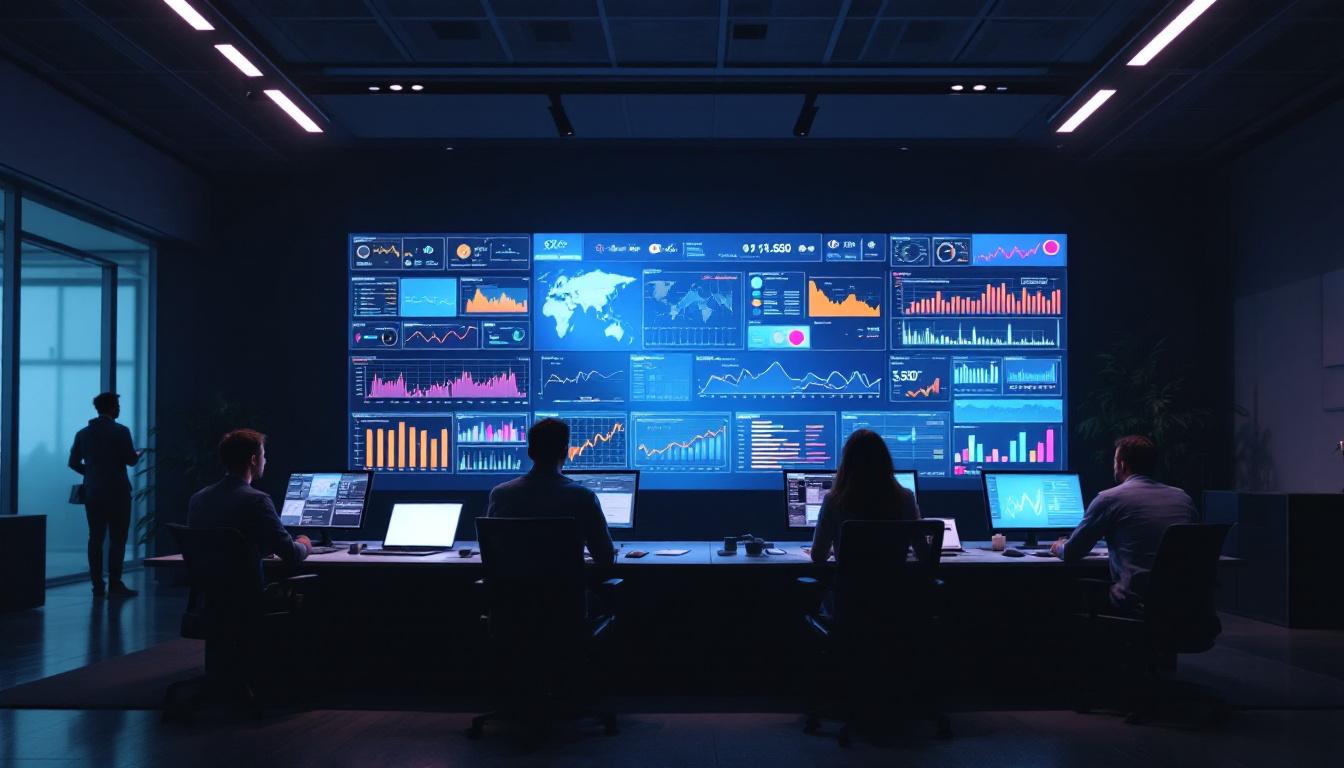
In corporate boardrooms and educational institutions, clear and reliable visual communication is essential. LED displays provide bright, high-resolution images that remain visible regardless of ambient lighting, enhancing presentations and collaborative work. Their ability to display dynamic content, including videos and interactive elements, supports engaging learning and meeting environments.
Entertainment and Home Theater
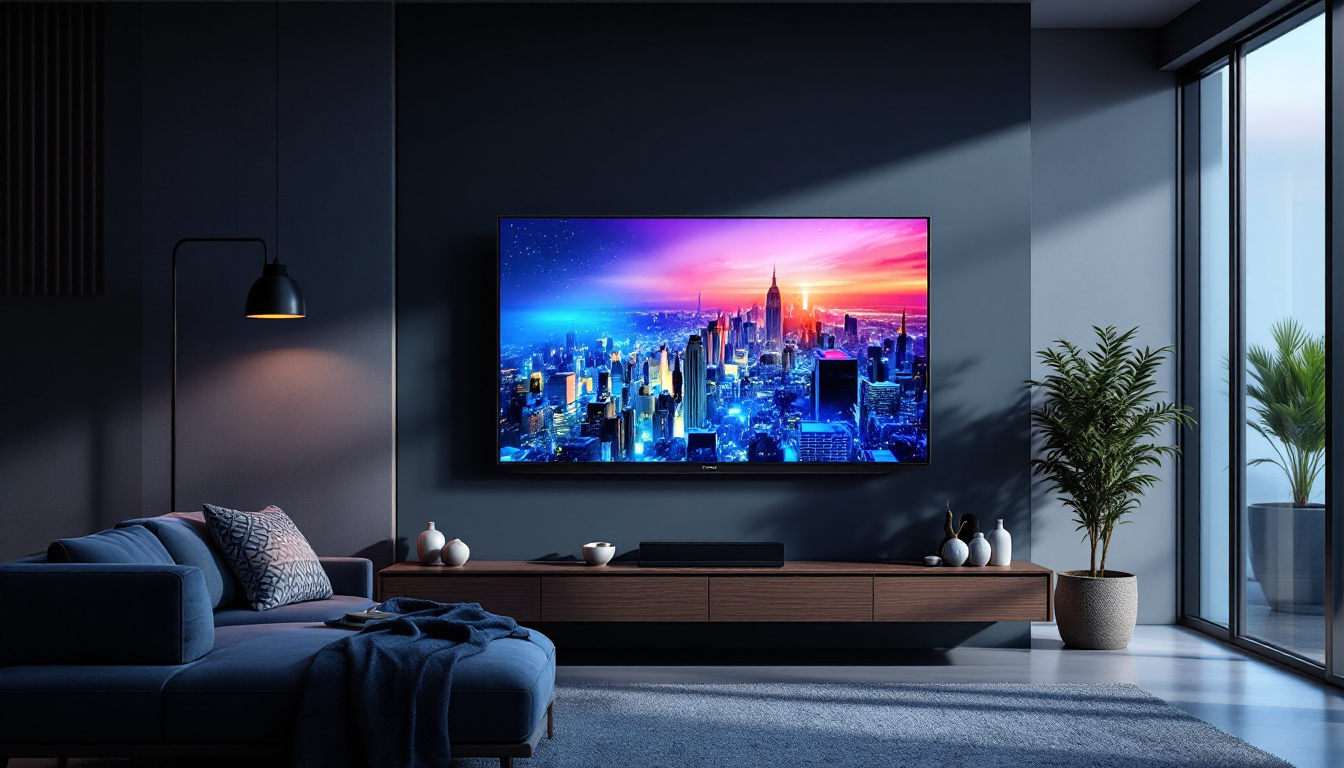
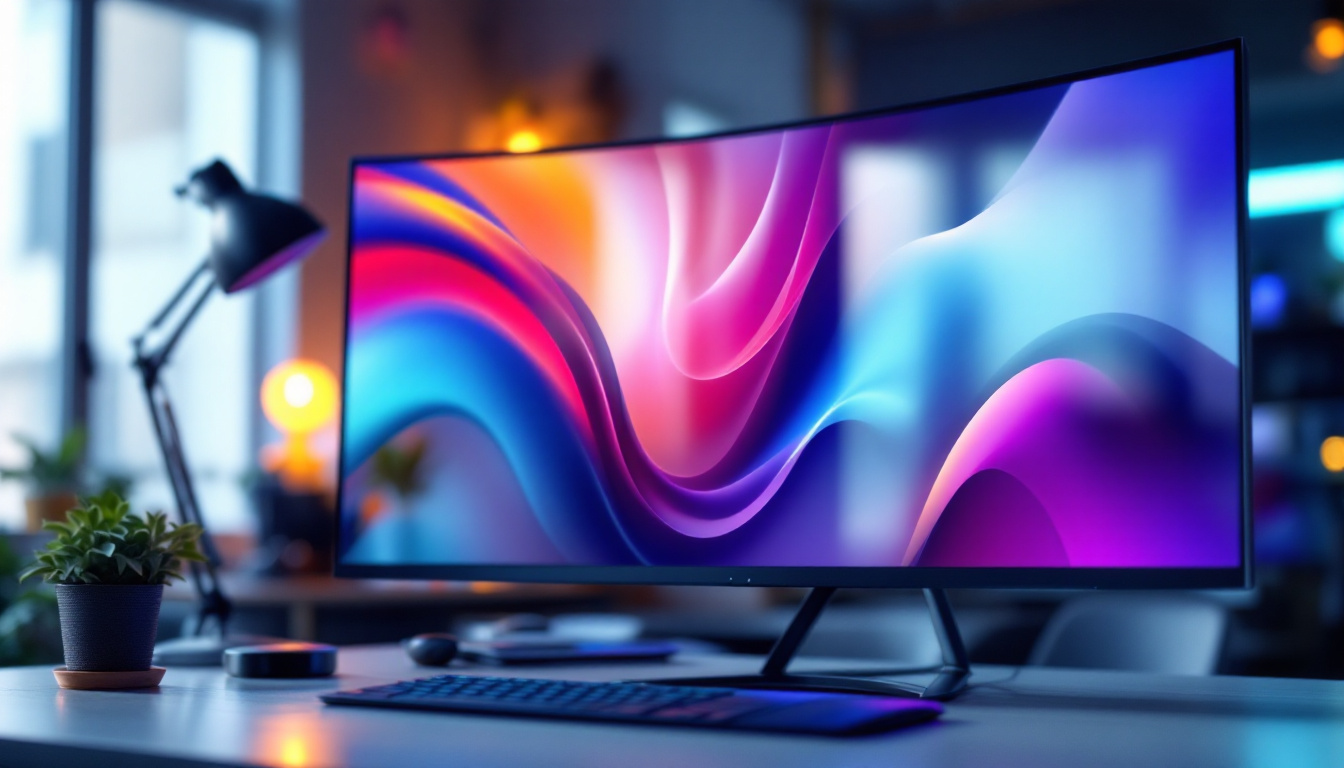
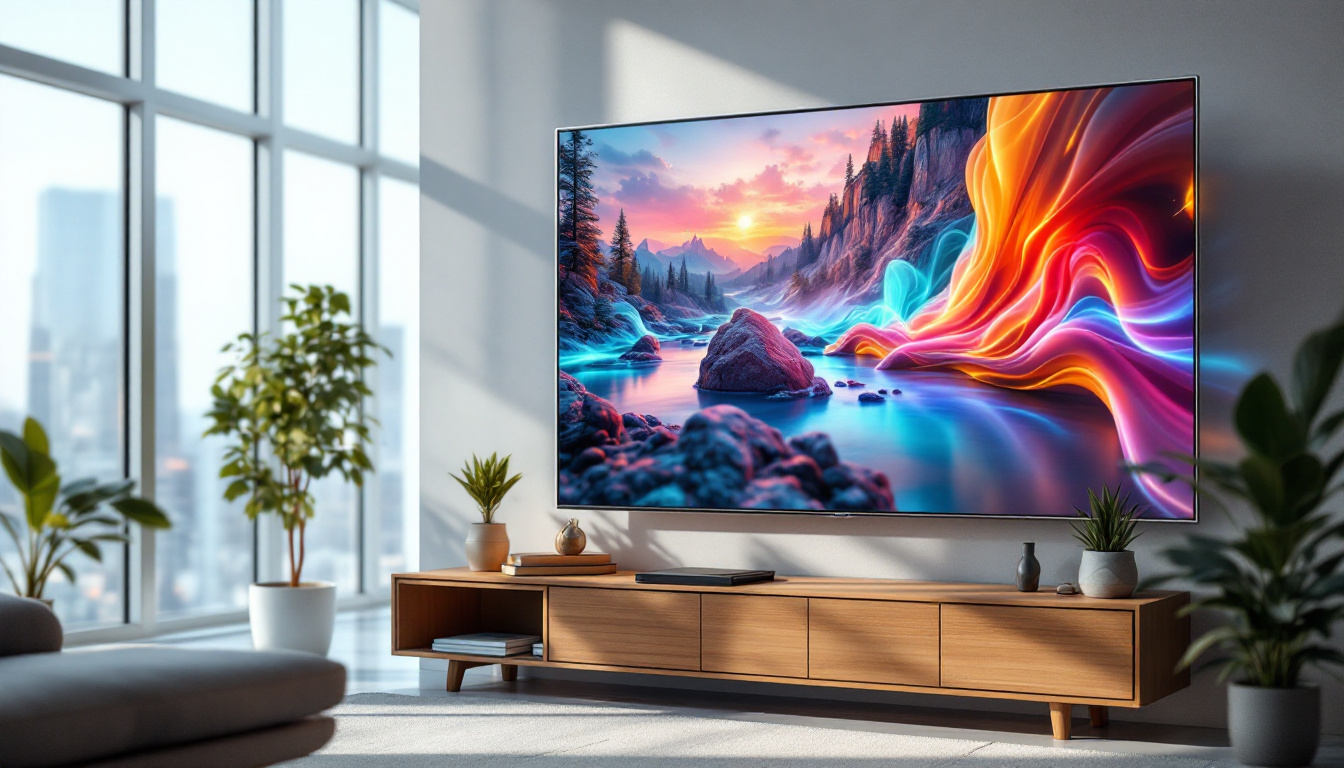
For home theaters and entertainment venues, LED displays offer superior image quality with deep blacks and vibrant colors, creating a cinematic experience. Unlike projectors, LED screens do not require a darkened room, allowing for more flexible viewing conditions. Additionally, the absence of shadows or light spill enhances immersion during gaming or movie watching.
Advertising and Public Information
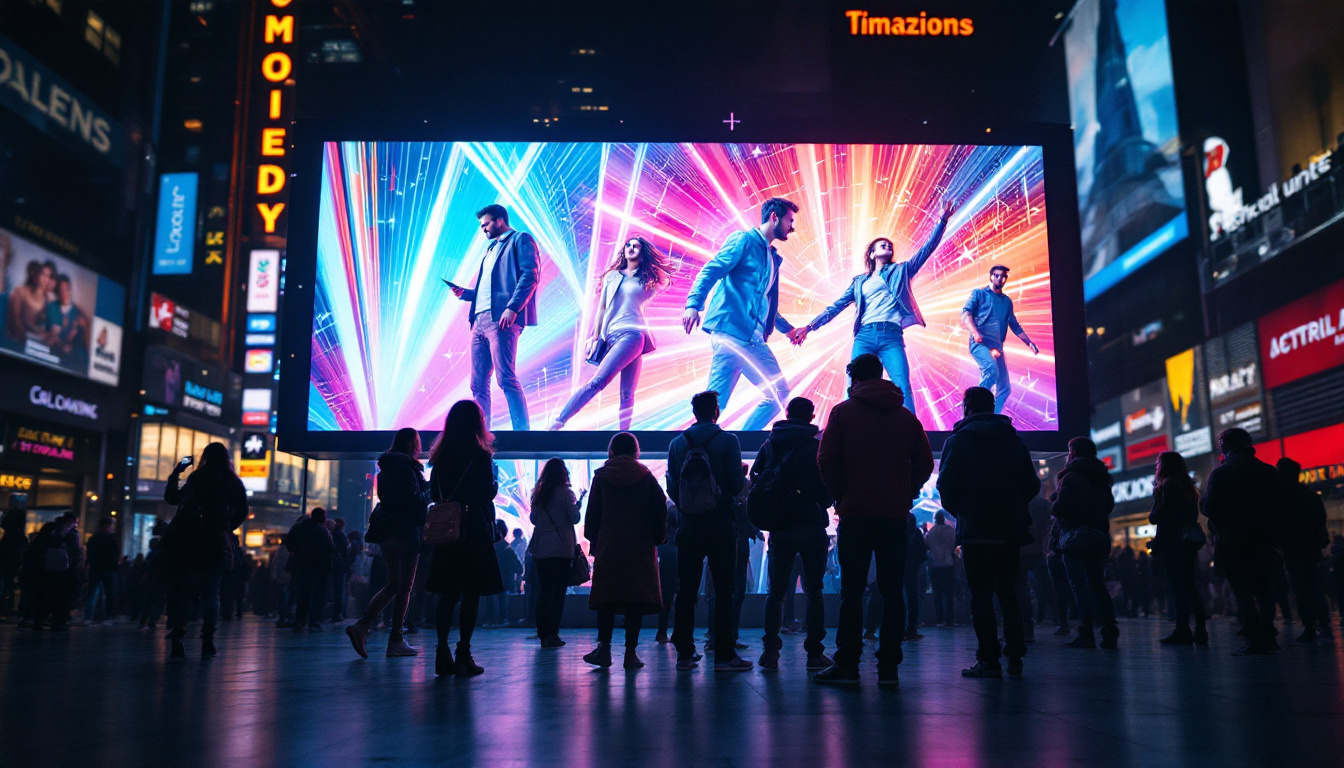
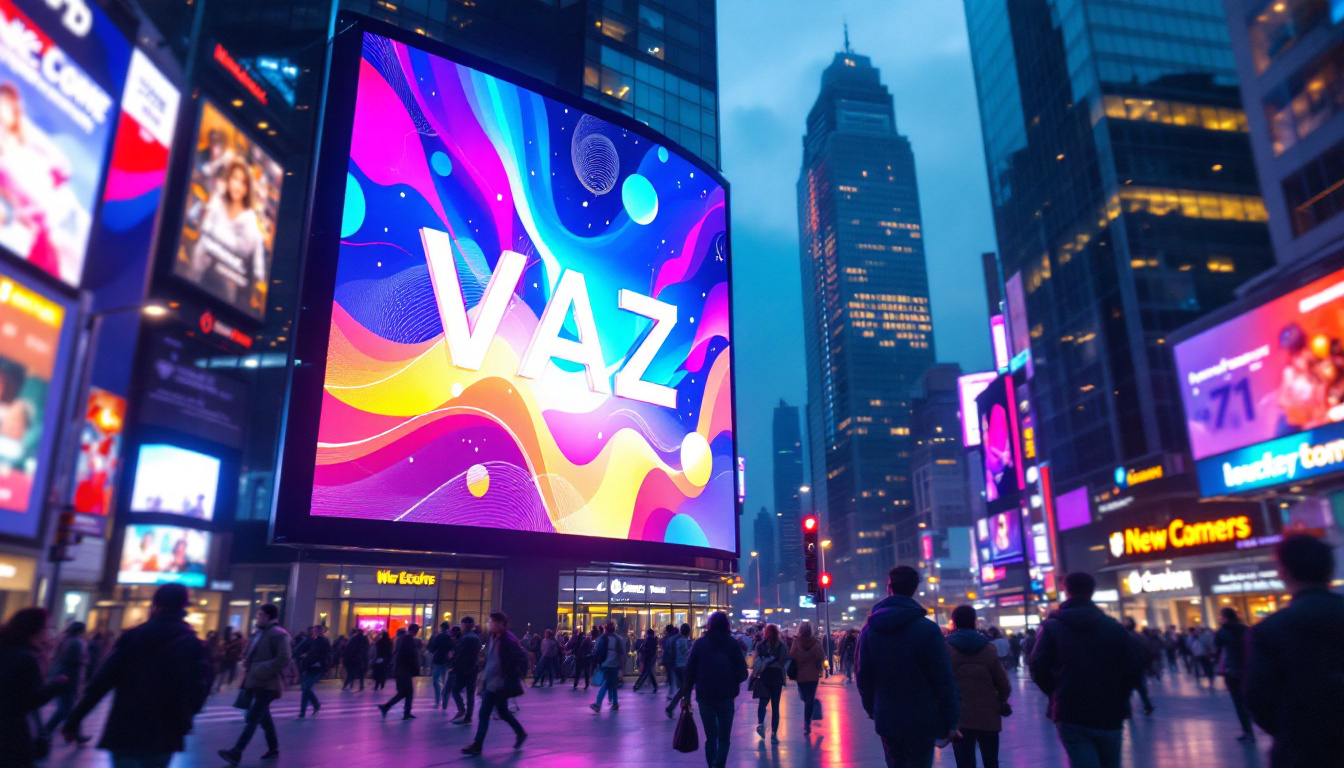
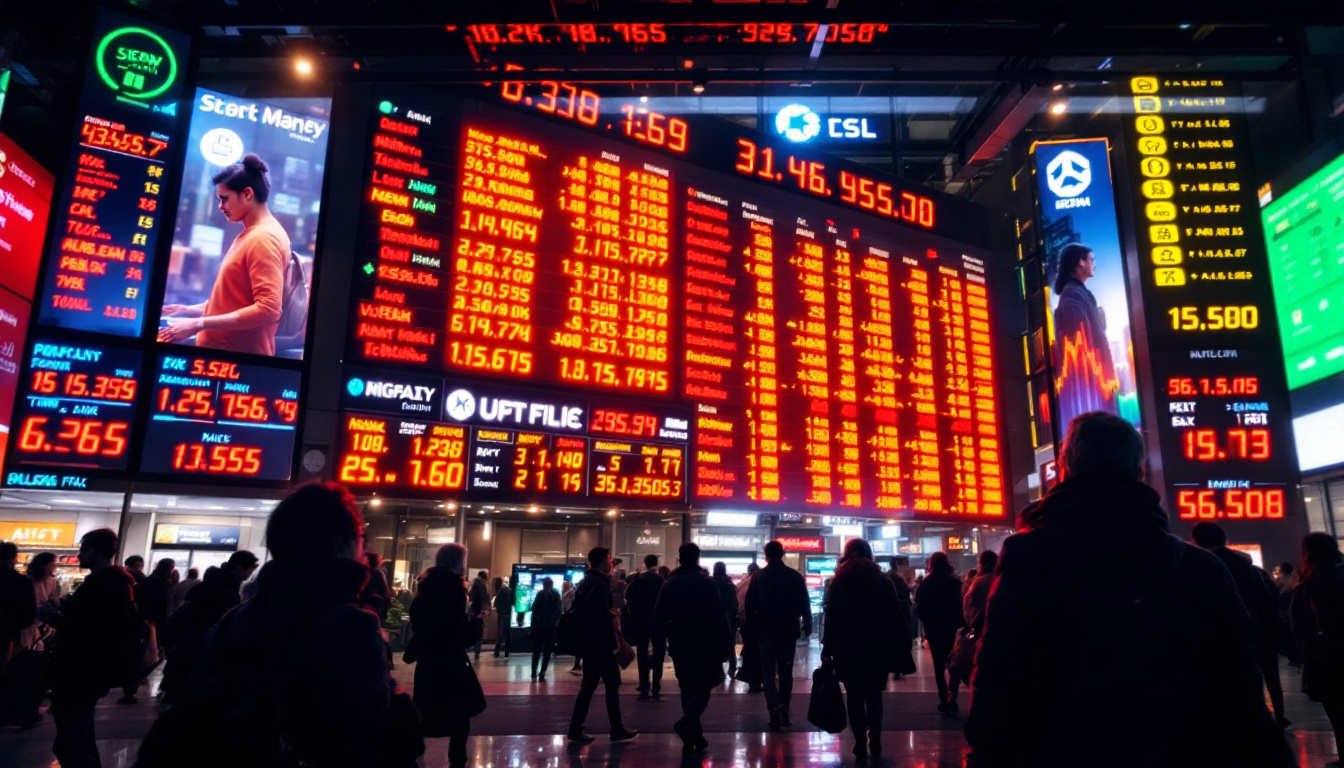
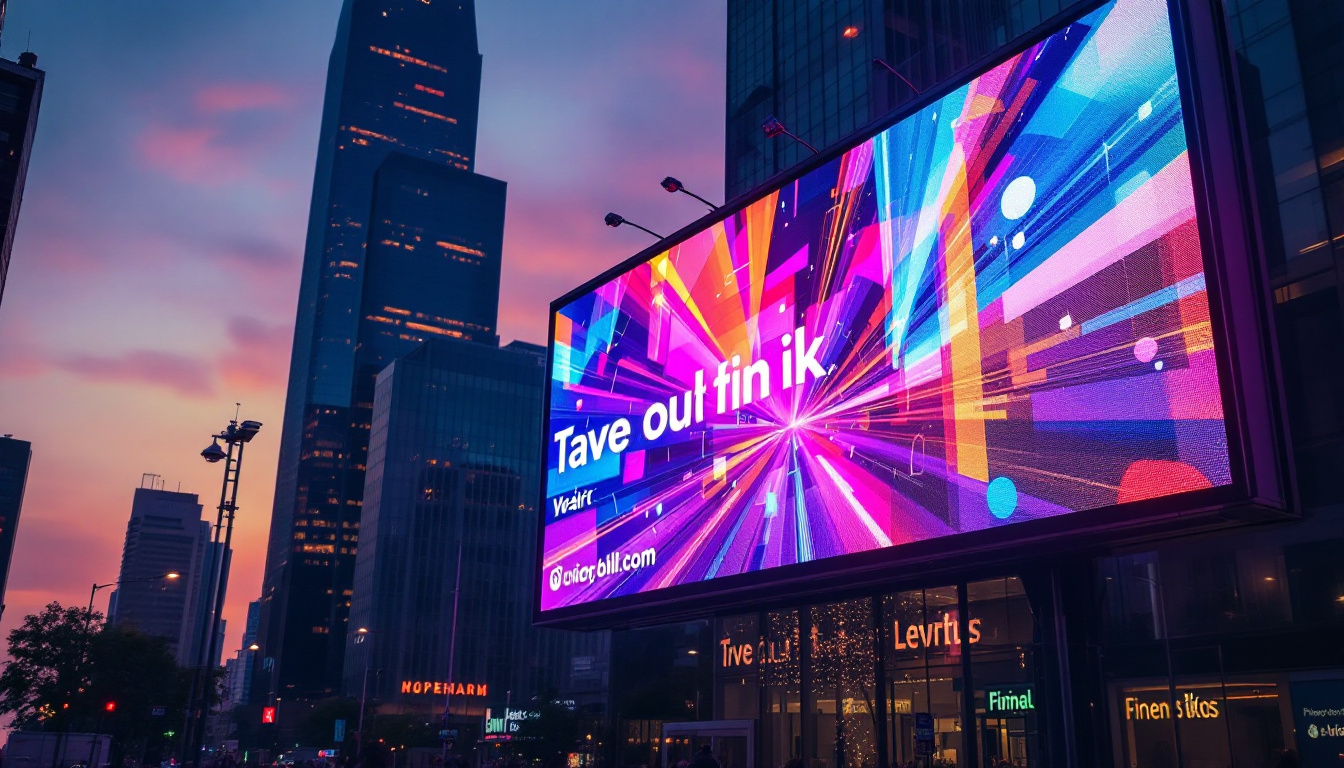
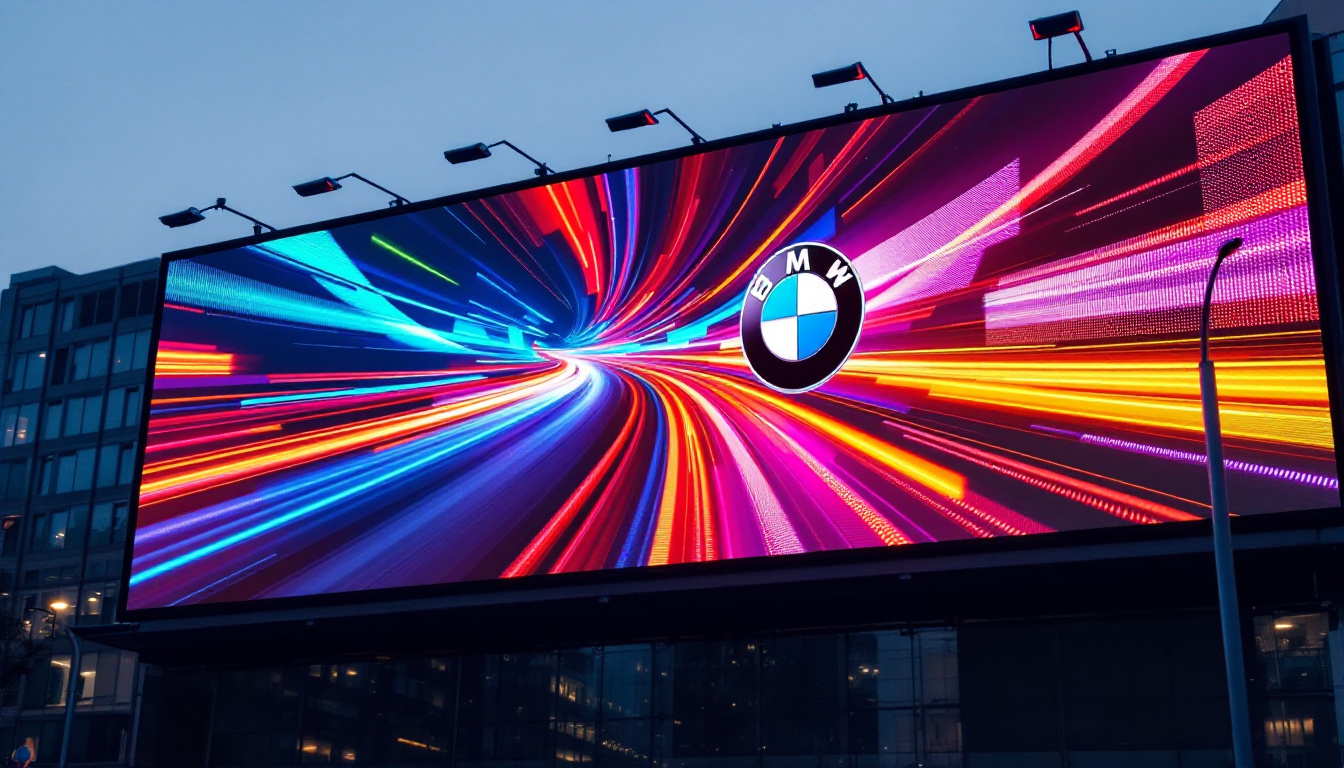
LED displays dominate the advertising landscape, particularly in outdoor environments. Their brightness and durability enable 24/7 operation with minimal downtime. Dynamic content can be updated remotely, allowing advertisers to tailor messages in real-time based on audience or time of day. This flexibility is a significant advantage over static projector screens or printed signage.
Considerations When Choosing Between LED Displays and Projector Screens
Budget and Total Cost of Ownership
While LED displays often have a higher initial cost compared to projector and screen setups, their longer lifespan and lower maintenance expenses can offset this over time. It is important to evaluate the total cost of ownership, including installation, energy consumption, and potential downtime.
Viewing Environment and Use Case
The decision between LED displays and projector screens should consider the ambient lighting, viewing distance, and content type. For bright environments or outdoor use, LED displays are generally superior. For darkened rooms or temporary setups, projectors might be more practical and cost-effective.
Screen Size and Resolution Requirements
LED displays offer scalable sizes without loss of image quality, making them suitable for very large or uniquely shaped installations. Projectors, however, may struggle to maintain high resolution at larger screen sizes, especially with budget models. Understanding the resolution needs relative to viewing distance is essential for optimal image clarity.
The Future of LED Display Technology
LED display technology continues to advance rapidly. Emerging trends include microLED displays, which promise even higher brightness, better energy efficiency, and thinner form factors. Integration with smart technologies and AI-driven content management systems is making LED displays more interactive and adaptive to audience preferences.
As prices continue to decrease and capabilities expand, LED displays are expected to become more accessible for a broader range of applications, potentially redefining how visual content is presented in both commercial and residential settings.
Conclusion
LED displays represent a significant leap forward in projection and screen technology, offering unmatched brightness, color accuracy, and durability. While traditional projector screens remain relevant for certain applications, the advantages of LED technology make it a compelling choice for environments where image quality and visibility are paramount.
Understanding the different types of LED displays and their appropriate use cases can help businesses, educators, and consumers make informed decisions. Whether for corporate presentations, dynamic advertising, or immersive entertainment, LED displays provide a versatile and future-proof solution that continues to transform the way we experience visual media.
Discover LumenMatrix LED Display Solutions
Ready to elevate your visual experience with the latest in LED display technology? Look no further than LumenMatrix, where innovation meets excellence. Our diverse range of products, from Indoor and Outdoor LED Wall Displays to specialized solutions like Vehicle LED Displays and LED Sports Displays, are designed to bring your vision to life. Embrace the future of visual communication with LumenMatrix and transform your space into a dynamic and engaging environment. Check out LumenMatrix LED Display Solutions today and see the difference for yourself.