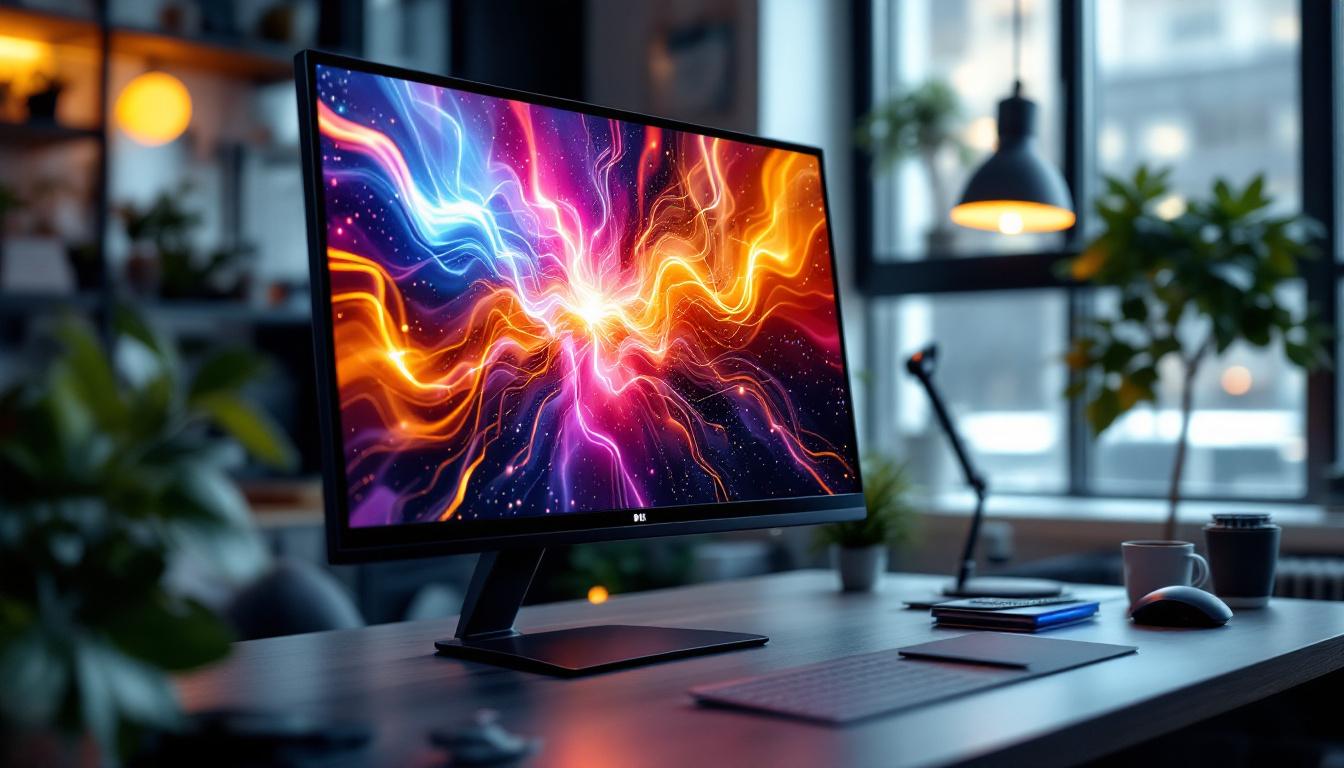
In today’s digital workspace and entertainment setups, the integration of LED displays with monitor stands has become increasingly prevalent. Whether for professional environments, gaming stations, or public information kiosks, understanding the role and technology behind LED displays on monitor stands is essential for making informed decisions. This article delves into the fundamentals of LED displays, their advantages, technical specifications, and practical applications when combined with monitor stands.
Understanding LED Display Technology
LED, or Light Emitting Diode, technology has revolutionized the way screens are designed and utilized. Unlike traditional LCD screens that rely on backlighting, LED displays use tiny diodes that emit light individually, resulting in brighter images, better contrast, and improved energy efficiency.
The core advantage of LED technology lies in its ability to produce vivid colors and deep blacks, enhancing visual clarity. This is particularly important for monitors used in professional graphic design, video editing, and other color-sensitive tasks. The precision of color reproduction in LED displays makes them a preferred choice for photographers and artists who require accurate color representation for their work. Furthermore, the rapid response times of LED screens contribute to smoother motion rendering, making them ideal for gaming and high-speed video playback.
Types of LED Displays
LED displays come in various forms, primarily categorized into edge-lit and backlit LED panels. Edge-lit LED displays position LEDs along the edges of the screen, distributing light across the panel, which allows for thinner designs but sometimes compromises uniformity in brightness. Backlit LED displays place LEDs directly behind the screen, offering more consistent illumination and better control over brightness and contrast levels. This distinction is crucial for consumers looking for specific features in their displays, as the choice between edge-lit and backlit can significantly affect the viewing experience.
More advanced variations include OLED (Organic LED) and Mini-LED technologies. OLED displays emit light from organic compounds and offer superior contrast ratios and viewing angles, while Mini-LEDs use thousands of tiny LEDs to create more precise backlighting zones, enhancing HDR (High Dynamic Range) performance. Additionally, the flexibility of OLED technology allows for curved and even foldable screens, opening new possibilities for innovative design in televisions and mobile devices. As the market continues to evolve, we see a growing trend towards incorporating these advanced technologies into everyday devices, making high-quality displays more accessible to consumers and professionals alike.
The Role of Monitor Stands in Enhancing LED Displays
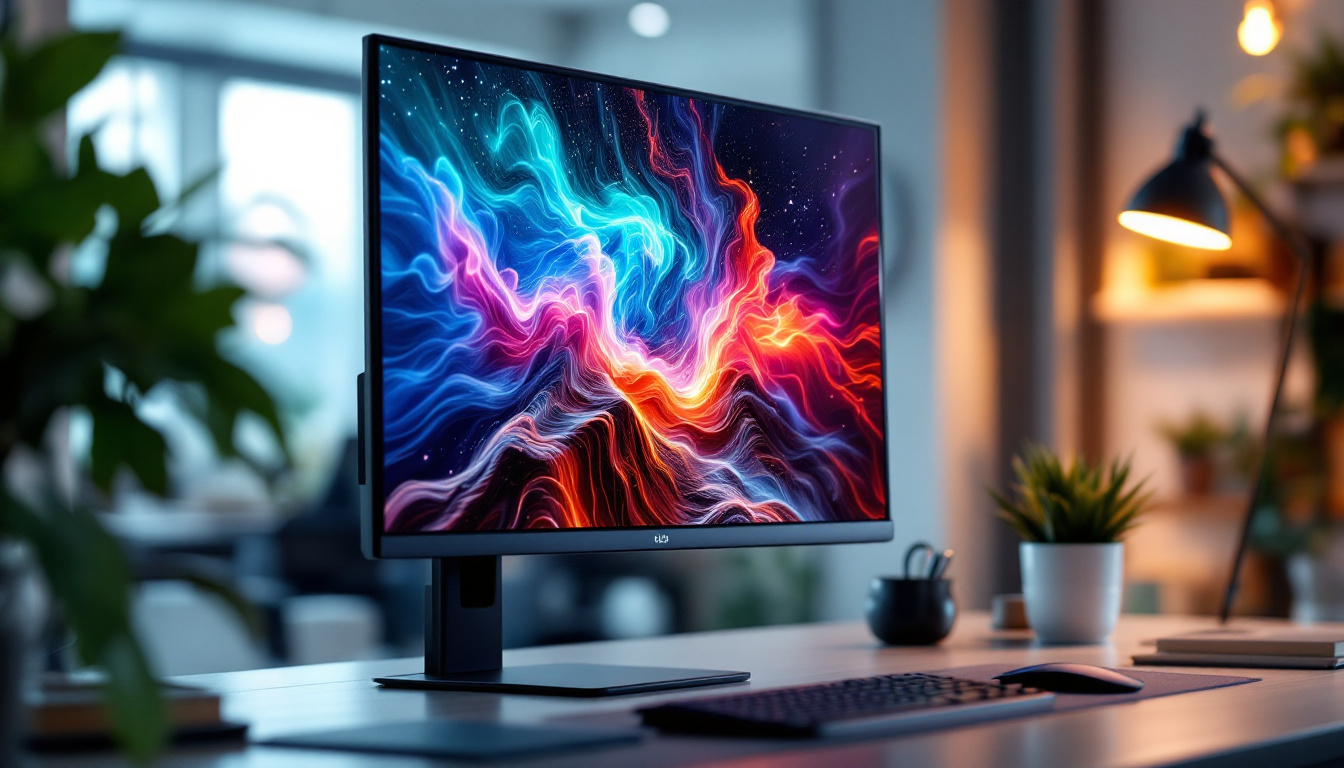
Monitor stands are not just functional accessories; they play a crucial role in optimizing the viewing experience of LED displays. Proper positioning of a monitor can reduce eye strain, improve posture, and enhance productivity. When paired with LED displays, monitor stands can also contribute to better heat dissipation and cable management.
Ergonomics and Adjustability
Ergonomics is a critical consideration when setting up any monitor. Adjustable monitor stands allow users to modify height, tilt, swivel, and rotation to suit their individual needs. This flexibility is essential for LED displays, which often feature high resolutions and vivid colors that benefit from precise viewing angles.
For example, a height-adjustable stand can help align the top of the LED screen with the user’s eye level, reducing neck strain. Tilt and swivel adjustments ensure that glare from ambient lighting is minimized, preserving the display’s color accuracy and contrast. Moreover, some advanced stands come equipped with memory settings, allowing users to save their preferred height and angle configurations, which can be particularly beneficial for shared workspaces or for users who frequently switch between sitting and standing positions.
Integration with LED Display Features
Modern monitor stands sometimes incorporate additional features that complement LED displays. Some include built-in USB hubs, wireless charging pads, or even integrated LED lighting to create ambient backlighting that reduces eye fatigue during extended use. This synergy between the stand and the display enhances both functionality and aesthetics.
Furthermore, many contemporary stands are designed with cable management systems that help keep cords organized and out of sight, contributing to a cleaner workspace. This is especially important for LED displays, which often require multiple connections for power, data, and peripherals. By minimizing clutter, users can maintain focus and productivity, while also creating a more visually appealing setup. Additionally, some stands are crafted from sustainable materials, appealing to environmentally conscious consumers who wish to reduce their carbon footprint while enjoying high-quality technology.
Technical Specifications to Consider for LED Displays on Monitor Stands
When selecting an LED display to be mounted on a monitor stand, several technical specifications should be evaluated to ensure optimal performance and compatibility.
Resolution and Screen Size
Resolution defines the number of pixels displayed on the screen and directly impacts image sharpness. Common resolutions for LED monitors include Full HD (1920×1080), Quad HD (2560×1440), and 4K Ultra HD (3840×2160). Larger screens paired with higher resolutions provide more workspace and finer detail, which is valuable for professionals dealing with complex visuals. For instance, graphic designers and video editors often benefit from the increased pixel density of 4K displays, allowing them to work with intricate designs and high-definition content with remarkable clarity.
Screen size, typically measured diagonally in inches, influences the physical space a monitor occupies. When mounted on a stand, the size affects the stand’s stability and the ergonomics of the setup. For instance, ultra-wide monitors (34 inches and above) require robust stands with wider bases or VESA-compatible mounts to ensure secure placement. Additionally, the viewing distance plays a critical role; larger screens may necessitate a greater distance from the user to prevent eye strain, making it essential to consider both the monitor size and the intended workspace layout.
Refresh Rate and Response Time
Refresh rate, measured in hertz (Hz), indicates how many times the display updates per second. Higher refresh rates, such as 120Hz or 144Hz, result in smoother motion rendering, which is particularly beneficial for gaming and video editing. Response time, usually expressed in milliseconds (ms), measures how quickly pixels change color. Lower response times reduce motion blur and ghosting effects, enhancing the overall viewing experience during fast-paced scenes. This is especially important for competitive gamers who rely on quick reflexes and precise visuals to gain an edge in gameplay.
LED displays with high refresh rates and low response times are often paired with adjustable monitor stands that allow users to position the screen for optimal viewing angles during fast-paced activities. Furthermore, many modern stands come equipped with features such as cable management systems, which help maintain a tidy workspace by organizing cables and reducing clutter, thus enhancing the overall aesthetic and functionality of the setup.
Brightness and Contrast Ratio
Brightness, measured in nits, determines how well the display performs under various lighting conditions. LED monitors typically range from 250 to 600 nits, with higher brightness levels improving visibility in brightly lit environments. Contrast ratio compares the luminance of the brightest white to the darkest black the display can produce, affecting image depth and detail. A higher contrast ratio allows for more vibrant colors and a more immersive viewing experience, making it crucial for tasks that require precise color accuracy, such as photo editing or digital art.
For LED displays mounted on monitor stands, adequate brightness and contrast are essential to maintain image quality regardless of ambient lighting, especially in office or studio settings. Additionally, some monitors offer advanced features like HDR (High Dynamic Range), which further enhances brightness and contrast capabilities, providing a wider range of colors and improved detail in both shadows and highlights. This can be particularly advantageous for content creators and media professionals who need to ensure their work looks its best across various devices and viewing conditions.
Applications of LED Displays on Monitor Stands
The combination of LED displays and monitor stands finds applications across multiple domains, each with unique requirements and benefits.
Professional Workstations
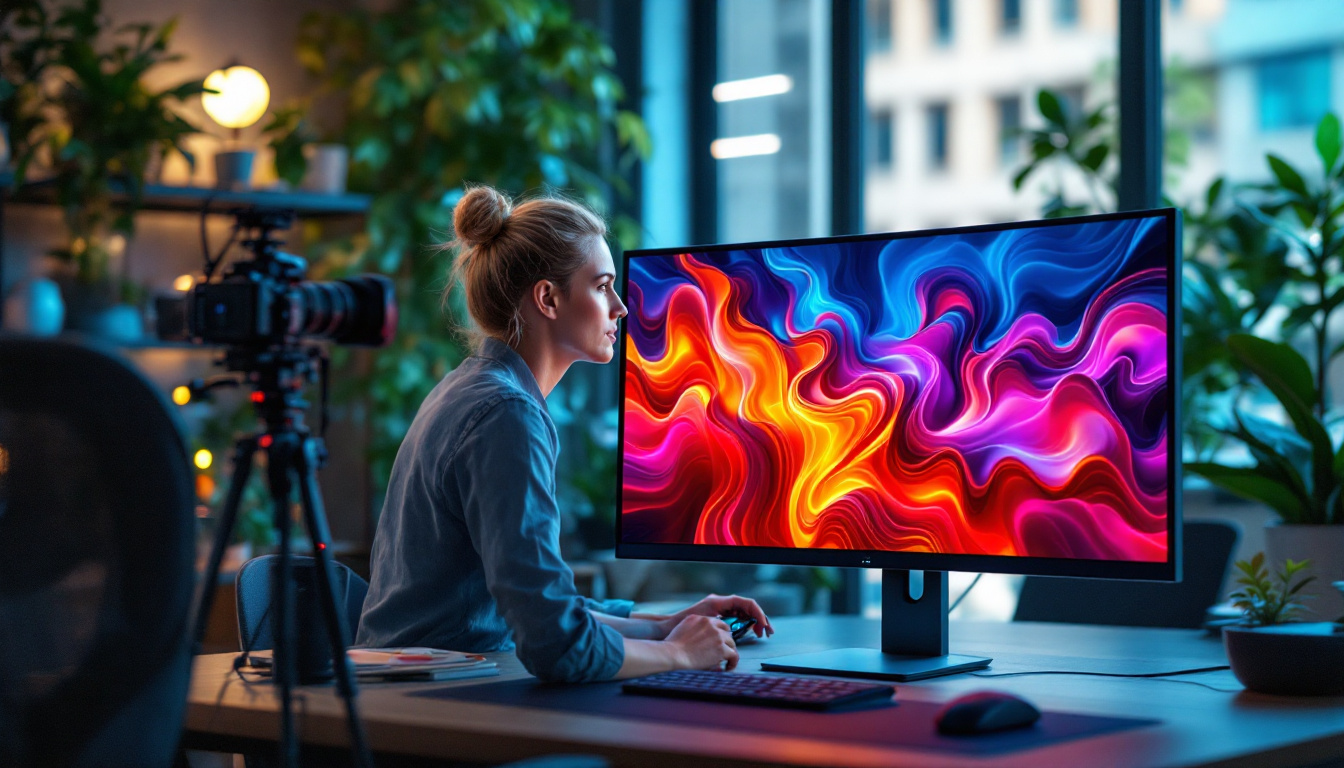
In fields such as graphic design, video production, and software development, LED displays mounted on adjustable stands provide the precision and comfort necessary for long hours of work. High-resolution LED monitors enable detailed image editing, while ergonomic stands reduce physical strain, contributing to enhanced productivity and reduced risk of repetitive strain injuries.
Gaming Setups
Gaming enthusiasts demand high refresh rates, low response times, and immersive visuals. LED displays with these specifications, combined with flexible monitor stands, allow gamers to customize their setups for maximum comfort and performance. Features like swivel and tilt adjustments help maintain optimal viewing angles during intense gaming sessions.
Public Information and Digital Signage
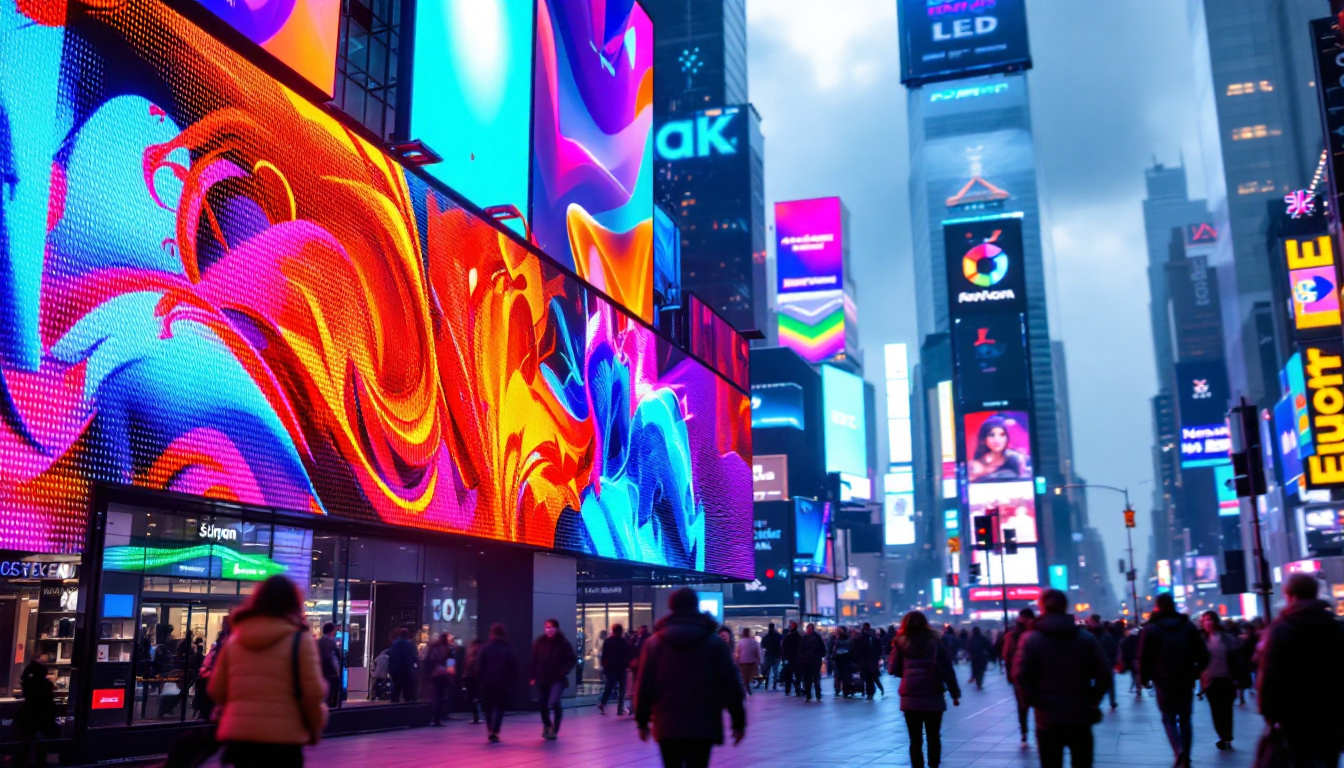
LED displays on monitor stands are widely used in retail, transportation hubs, and corporate environments for digital signage and information dissemination. The brightness and color accuracy of LED technology ensure visibility even in well-lit public spaces. Stands designed for public use often include secure mounting options and cable management systems to maintain a clean and professional appearance.
Future Trends in LED Displays and Monitor Stands
As technology advances, the integration of LED displays with monitor stands continues to evolve, driven by innovations in display technology, ergonomics, and user experience.
Smart Stands with IoT Integration
Emerging monitor stands are incorporating Internet of Things (IoT) capabilities, enabling features such as automatic height adjustment based on user posture, ambient light sensors that adjust screen brightness, and integration with smart home or office systems. These advancements aim to create more intuitive and health-conscious work environments.
Flexible and Curved LED Displays
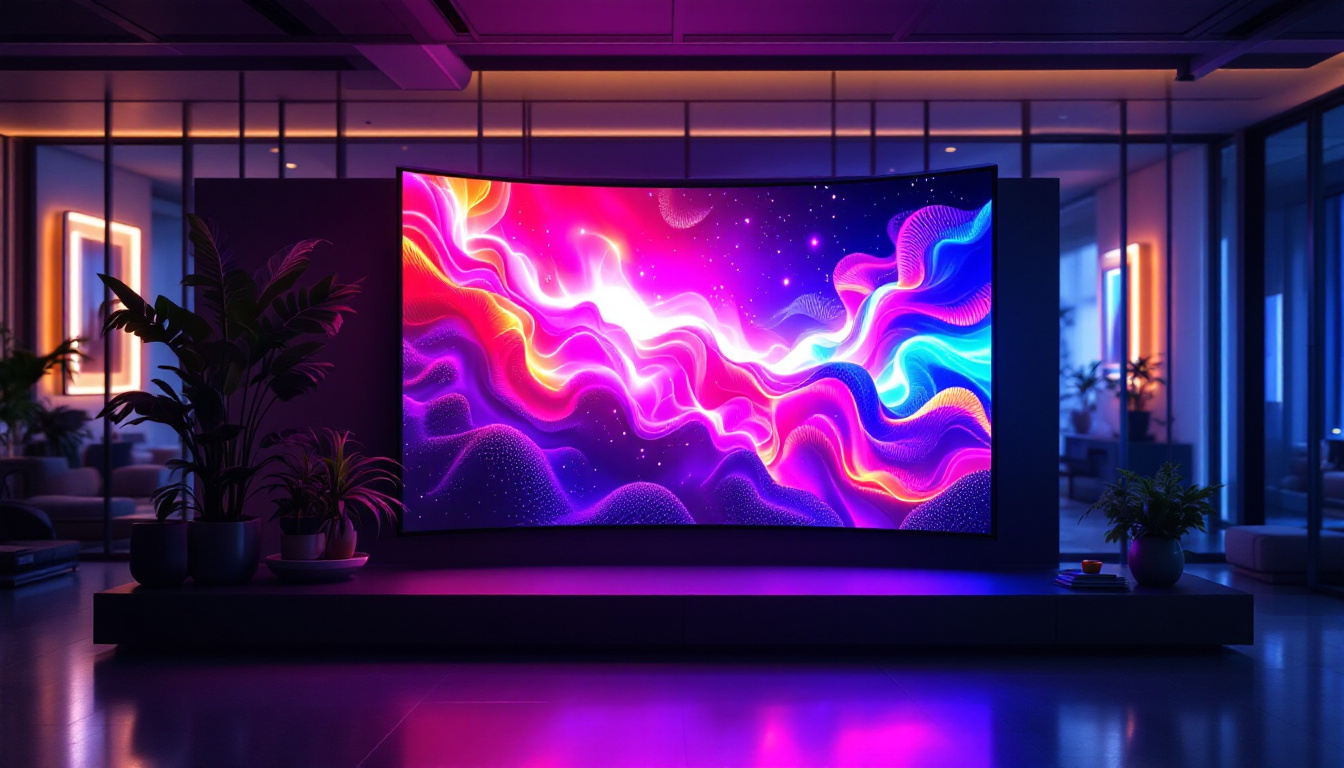
Curved and flexible LED displays are gaining popularity for their immersive viewing experiences and ergonomic benefits. Monitor stands designed for these displays offer enhanced adjustability and stability to accommodate unique form factors, providing users with new ways to interact with their screens.
Sustainability and Energy Efficiency
With growing emphasis on environmental responsibility, both LED displays and monitor stands are being designed with sustainability in mind. Energy-efficient LED panels reduce power consumption, while stands made from recycled or eco-friendly materials contribute to greener office setups.
Conclusion
Understanding LED display technology and its integration with monitor stands is vital for optimizing visual performance and ergonomic comfort. From professional workstations to gaming setups and public information displays, the synergy between LED screens and adjustable stands enhances user experience, productivity, and health. As technology progresses, innovations in smart features, flexible designs, and sustainability will continue to shape the future of LED displays on monitor stands.
When selecting an LED display and monitor stand, it is important to consider technical specifications such as resolution, refresh rate, brightness, and ergonomic adjustability to ensure a setup that meets both functional and comfort needs. By doing so, users can maximize the benefits of LED technology and create an environment conducive to efficient and enjoyable screen use.
Explore Cutting-Edge LED Display Solutions with LumenMatrix
Ready to elevate your visual experience with the latest in LED display technology? LumenMatrix offers an extensive range of innovative solutions tailored to meet your needs. From captivating Indoor and Outdoor LED Wall Displays to dynamic Vehicle and Sports LED Displays, our products are designed to make your brand stand out. Discover the possibilities with our LED Poster Displays, immersive Floor LED Displays, and the versatility of Custom and All-in-One LED Display options. Experience the future of visual communication with our LED Transparent Displays and revolutionize how you engage with your audience. Check out LumenMatrix LED Display Solutions today and transform your space into a vibrant hub of interaction and impact.