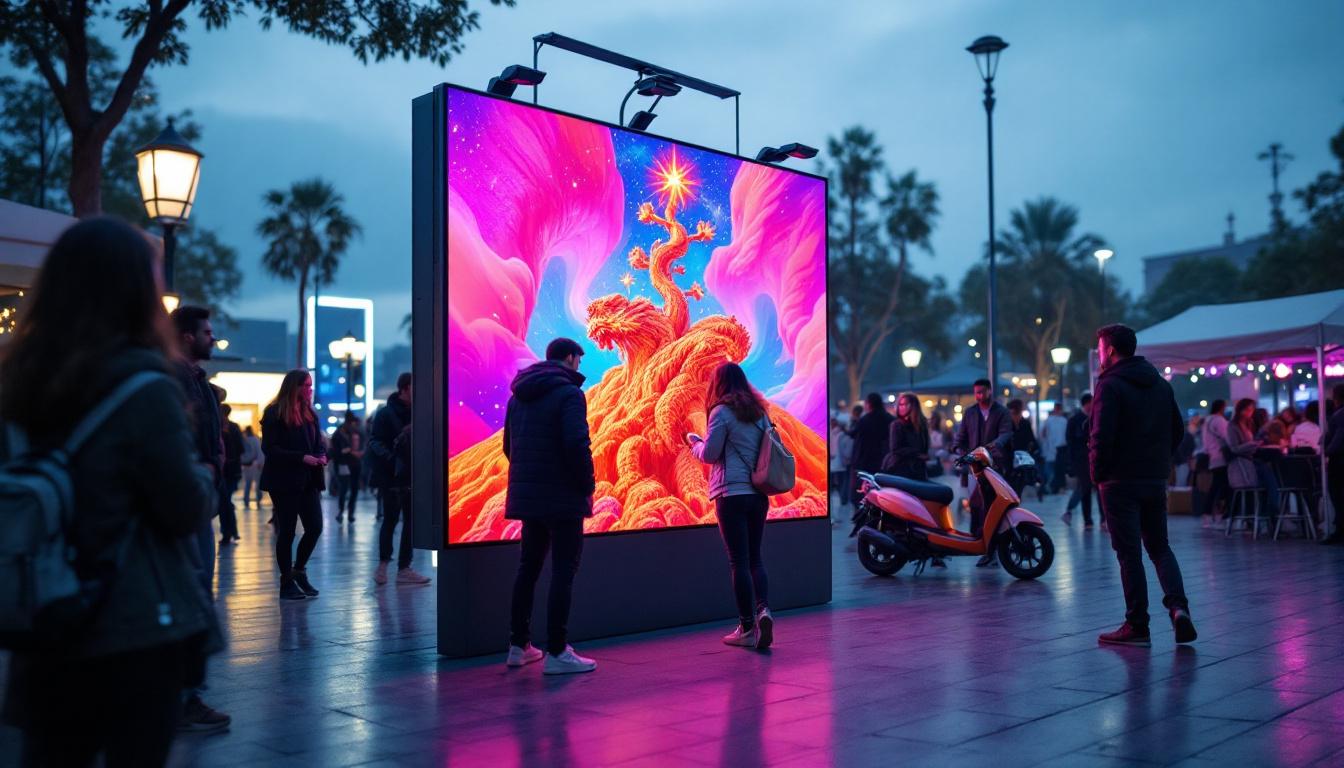
In the rapidly evolving world of television technology, 4K LED TVs have become a popular choice for consumers seeking stunning picture quality and immersive viewing experiences. Among these, Pixel TV 4K models have garnered attention for their advanced display technology and vibrant image reproduction. This article delves into the intricacies of Pixel TV 4K LED displays, explaining how they work, what sets them apart, and why they might be the right choice for your next television purchase.
Understanding 4K Resolution and LED Technology
What Does 4K Mean?
4K resolution refers to a display resolution of approximately 3840 x 2160 pixels, which is four times the pixel count of Full HD (1920 x 1080). This increase in pixels allows for much sharper and more detailed images, especially on larger screens. With over 8 million pixels on the screen, 4K TVs deliver crisp visuals that enhance the viewing experience by providing finer details and smoother edges.
For context, the transition from Full HD to 4K has been one of the most significant leaps in television technology in recent years. According to market research from Statista, global 4K TV shipments surpassed 100 million units in 2023, reflecting a strong consumer preference for higher resolution displays. This shift is not only driven by advancements in technology but also by the increasing availability of 4K content. Streaming services like Netflix, Amazon Prime Video, and Disney+ have expanded their libraries to include a plethora of 4K movies and series, allowing viewers to fully appreciate the capabilities of their high-resolution screens. As more content becomes available, the demand for 4K TVs is likely to continue growing, making them a staple in modern households.
How LED Displays Work
LED stands for Light Emitting Diode, and LED TVs use these tiny diodes to illuminate the screen. Unlike older LCD TVs that relied on fluorescent backlighting, LED TVs use LEDs as a backlight source, which offers several advantages including better energy efficiency, thinner panels, and improved brightness.
In an LED TV, the image is created by liquid crystals that modulate light from the LED backlight. The LEDs themselves do not produce the image but provide the illumination necessary for the liquid crystals to display colors and images. This combination results in vivid colors, higher contrast ratios, and better overall picture quality compared to traditional LCD TVs. Furthermore, advancements in LED technology have led to the development of variations such as OLED (Organic Light Emitting Diode) and QLED (Quantum Dot LED), which further enhance color accuracy and contrast. OLED displays, for example, allow each pixel to emit its own light, resulting in true blacks and a wider color gamut. As consumers become more discerning about picture quality, understanding these differences becomes essential in making an informed purchase decision.
Pixel TV 4K: What Makes It Unique?
Pixel Density and Image Clarity
One of the defining features of Pixel TV 4K models is their emphasis on pixel density. Pixel density, measured in pixels per inch (PPI), determines how closely packed the pixels are on the screen. Higher pixel density means finer details and smoother images, especially noticeable when viewing up close or on larger screens.
Pixel TVs often boast enhanced pixel arrangement techniques that optimize the placement of pixels to reduce blur and improve sharpness. This is particularly important for 4K displays, where the sheer number of pixels can sometimes lead to issues like pixel bleeding or uneven brightness if not managed well. Additionally, the incorporation of advanced algorithms helps in upscaling lower-resolution content, ensuring that even older movies and shows look crisp and vibrant on a 4K display. This attention to detail transforms the viewing experience, making it feel more immersive and lifelike.
Advanced LED Backlighting Techniques
Pixel TV 4K models frequently incorporate advanced LED backlighting technologies such as local dimming and full-array LED backlighting. Local dimming allows the TV to dim specific areas of the screen independently, enhancing contrast by making dark scenes truly dark without affecting bright areas.
Full-array LED backlighting places LEDs directly behind the screen in a grid pattern, as opposed to edge-lit designs where LEDs are only along the edges. This arrangement improves brightness uniformity and contrast, resulting in more vibrant and lifelike images. Furthermore, some models integrate quantum dot technology, which enhances color accuracy and brightness even further, allowing viewers to experience a broader spectrum of colors. This combination of technologies not only elevates the quality of standard content but also makes HDR content shine, providing a visual feast for the eyes.
HDR Support and Color Accuracy
High Dynamic Range (HDR) is a feature that significantly enhances the viewing experience by expanding the range of colors and brightness levels a TV can display. Pixel TV 4K models typically support popular HDR formats such as HDR10, Dolby Vision, and HLG (Hybrid Log-Gamma).
These TVs are engineered to deliver accurate color reproduction, ensuring that the content looks as intended by creators. With wider color gamuts and enhanced brightness capabilities, Pixel TV 4K displays offer richer, more immersive visuals, especially when watching HDR-enabled content on streaming platforms like Netflix, Disney+, or Amazon Prime Video. The ability to reproduce deep blacks alongside brilliant whites creates a stunning contrast that brings scenes to life. Moreover, the integration of color calibration features allows users to fine-tune their viewing settings, ensuring that every shade and hue is displayed with precision, making every movie night a cinematic experience.
The Role of Pixels in Image Quality
Pixel Structure and Subpixels
Each pixel on a 4K LED TV is composed of subpixels, typically red, green, and blue (RGB), which combine to produce the full spectrum of colors. The arrangement and quality of these subpixels directly influence the clarity and vibrancy of the image.
Pixel TV 4K displays often utilize advanced subpixel layouts, such as RGB stripe or PenTile matrices, to optimize color accuracy and reduce artifacts like color fringing. These layouts can also impact the perceived sharpness and smoothness of the picture.
Pixel Response Time and Motion Handling
Another important aspect related to pixels is the pixel response time—the speed at which a pixel can change from one color to another. Faster response times reduce motion blur and ghosting, which is particularly beneficial for fast-paced content like sports or action movies.
Pixel TV 4K models often feature enhanced response times and motion interpolation technologies that smooth out fast-moving scenes, providing a clearer and more enjoyable viewing experience.
Choosing the Right Pixel TV 4K LED Display for Your Needs
Screen Size and Viewing Distance
When selecting a Pixel TV 4K LED display, considering the screen size relative to your viewing distance is crucial. Larger screens benefit more from 4K resolution because the higher pixel count prevents the image from appearing pixelated even when viewed up close.
For example, a 55-inch 4K TV viewed from about 7 feet away allows viewers to appreciate the increased detail without noticing individual pixels. Conversely, smaller TVs may not show as much difference between Full HD and 4K unless viewed very closely.
Connectivity and Smart Features
Modern Pixel TV 4K LED displays come equipped with multiple HDMI ports, USB inputs, and support for wireless connectivity such as Wi-Fi and Bluetooth. These features enable seamless integration with gaming consoles, streaming devices, and sound systems.
Smart TV capabilities are also standard, allowing access to popular streaming apps, voice control, and personalized content recommendations. When choosing a model, consider the ecosystem compatibility and user interface ease of use.
Budget Considerations and Value
While Pixel TV 4K LED displays offer impressive features, prices can vary widely depending on brand, screen size, and additional technologies like OLED panels or QLED enhancements. It’s important to balance desired features with budget constraints.
Many mid-range Pixel TV 4K models provide excellent value, delivering sharp images, good color accuracy, and smart functionality without the premium price tag of flagship models. Researching customer reviews and professional tests can help identify models that offer the best performance for the price.
Future Trends in Pixel TV 4K LED Technology
Mini-LED and Micro-LED Innovations
Emerging technologies like Mini-LED and Micro-LED are set to revolutionize LED TV displays further. Mini-LED uses thousands of tiny LEDs as backlights, allowing for even more precise local dimming and improved contrast ratios. This technology enhances the benefits already seen in Pixel TV 4K LED displays.
Micro-LED, on the other hand, involves self-emissive LEDs that act as individual pixels, similar to OLED technology but with higher brightness and longer lifespan. While still in early stages for consumer TVs, Micro-LED promises unparalleled picture quality and durability.
8K Resolution and Beyond
As 4K becomes the standard, manufacturers are also exploring 8K resolution TVs, which quadruple the pixel count of 4K. Although 8K content is currently limited, the technology is expected to mature over the next few years, offering even greater detail and clarity for future viewers.
Pixel TV 4K LED displays remain highly relevant today, but staying informed about upcoming advancements can help consumers make future-proof choices.
Conclusion
Pixel TV 4K LED displays represent a significant advancement in television technology, combining high resolution, advanced LED backlighting, and sophisticated pixel management to deliver exceptional picture quality. Understanding the fundamentals of 4K resolution, LED technology, and pixel behavior helps consumers appreciate the value these TVs offer.
Whether upgrading an existing setup or purchasing a new TV, Pixel TV 4K LED models provide sharp, vibrant images and immersive viewing experiences suitable for a wide range of content. With ongoing innovations like Mini-LED and Micro-LED on the horizon, the future of LED TV displays promises even more exciting developments for enthusiasts and casual viewers alike.
Discover the Future of Visual Experience with LumenMatrix
Ready to elevate your viewing experience with the latest in LED display technology? Look no further than LumenMatrix, a pioneer in crafting cutting-edge LED display modules that transform any space into a dynamic visual spectacle. From the comfort of your home to the excitement of outdoor events, LumenMatrix offers a wide array of solutions including Indoor LED Wall Displays, Outdoor LED Wall Displays, and more, each designed to deliver unparalleled clarity and vibrancy. Embrace the future of television and digital signage with LumenMatrix’s innovative LED solutions. Check out LumenMatrix LED Display Solutions today and witness how we’re revolutionizing visual communication, one pixel at a time.