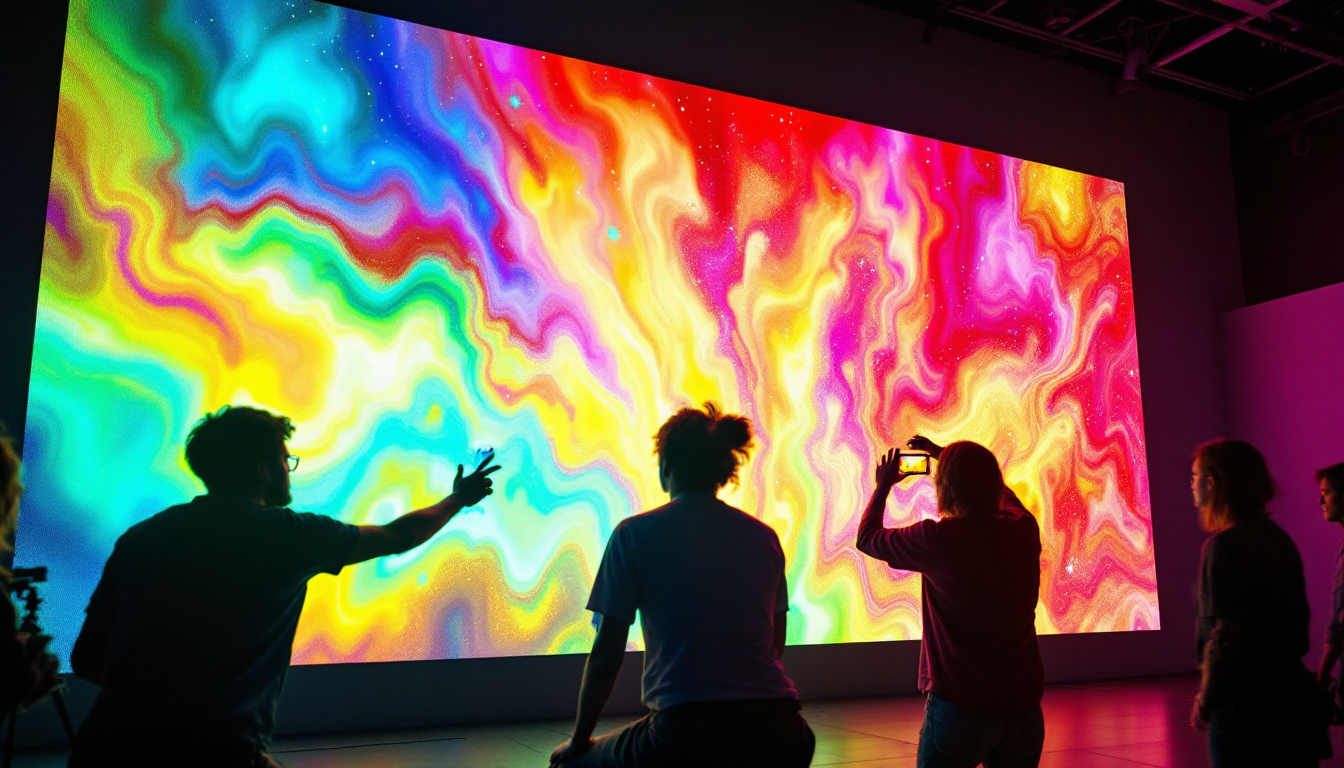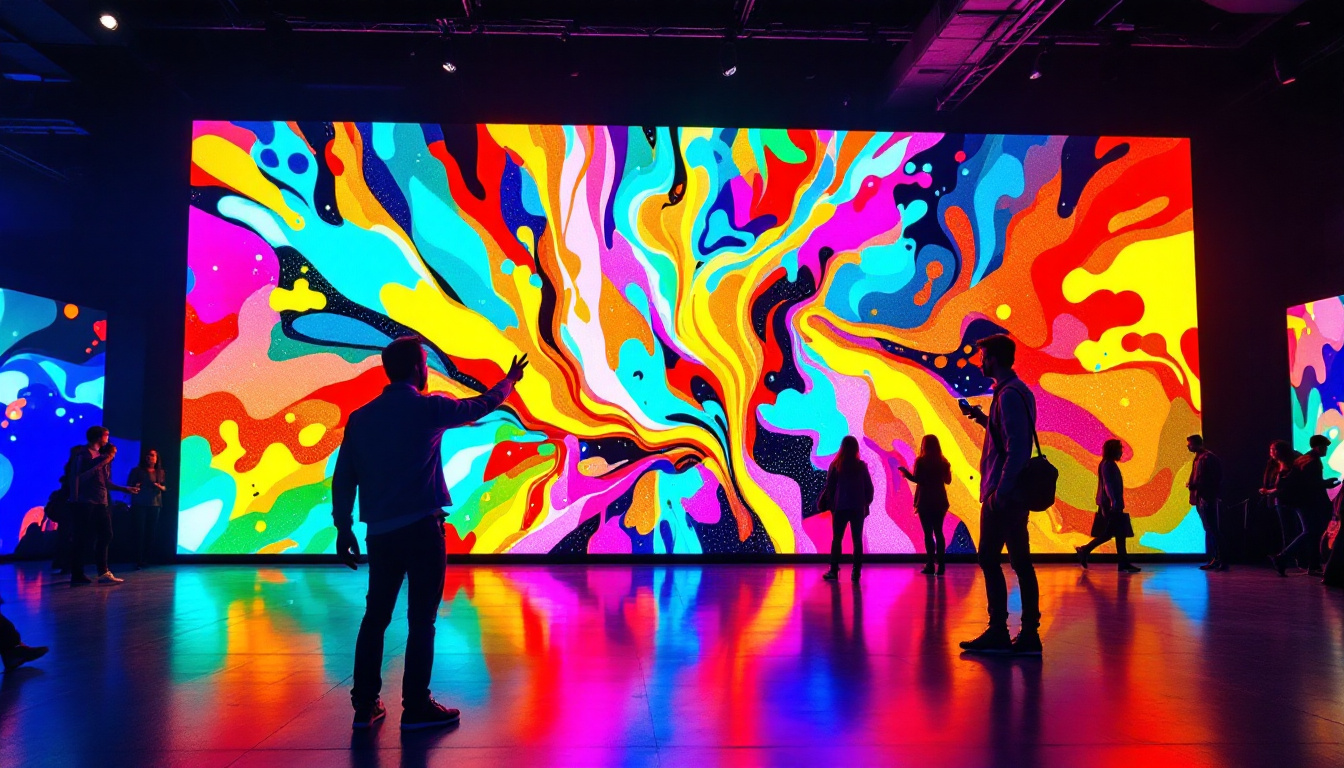
In the rapidly evolving world of digital signage and visual communication, modular wall kits featuring LED displays have become a cornerstone technology. These systems offer unparalleled flexibility, brightness, and scalability, making them ideal for a wide range of applications from retail environments to large-scale events. This article provides a comprehensive overview of modular LED wall kits, explaining their components, advantages, and practical uses to help businesses and individuals make informed decisions about integrating this technology.
Understanding Modular LED Wall Kits
What Are Modular LED Wall Kits?
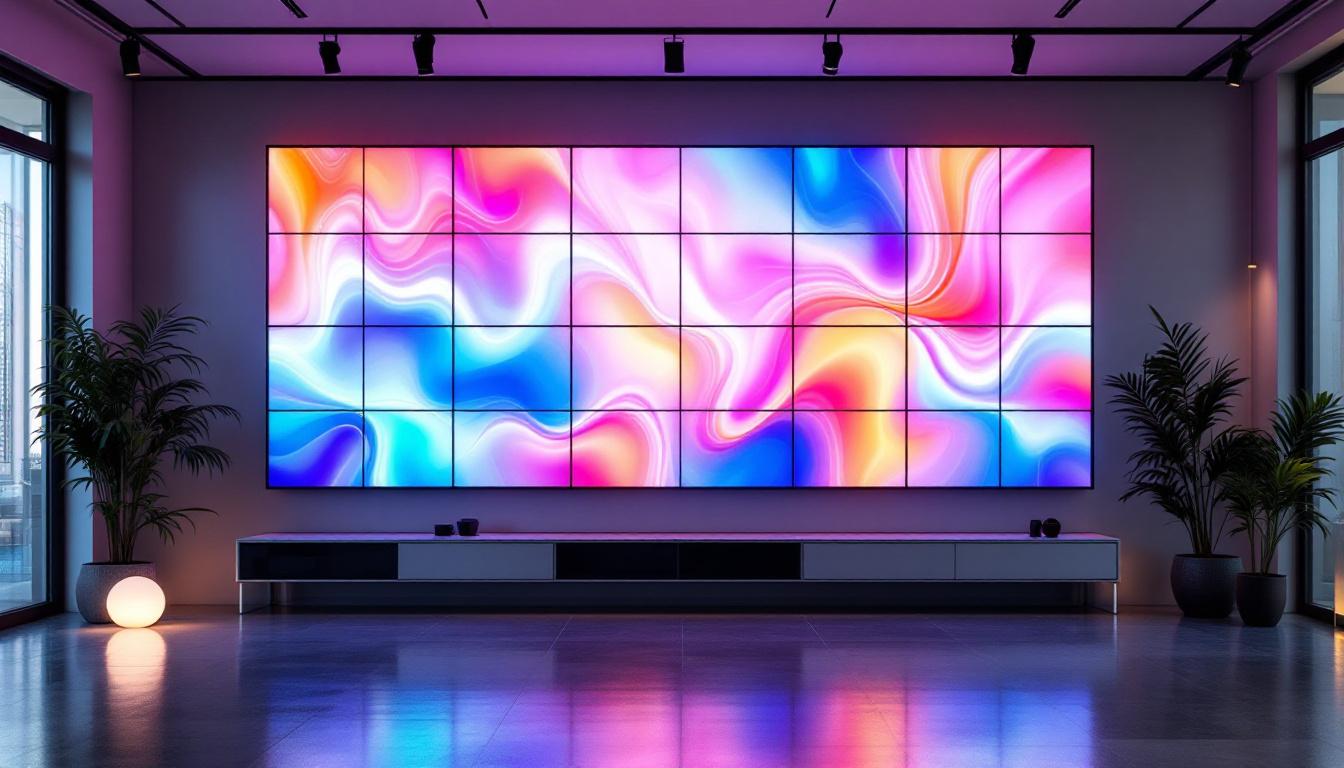
Modular LED wall kits are composed of individual LED panels or modules that can be assembled to create a seamless, large-scale display surface. Unlike traditional fixed displays, these kits allow for customization in size and shape, enabling users to tailor the display to specific spatial and design requirements. Each module contains an array of light-emitting diodes (LEDs) that collectively produce vibrant images and videos with high resolution and brightness.
These kits typically include not only the LED panels but also the necessary mounting hardware, control systems, and power supplies. The modular nature means that panels can be added or removed easily, facilitating maintenance and upgrades without needing to replace the entire display. This flexibility makes modular LED wall kits particularly appealing for businesses and venues that frequently change their visual content or layout, such as event spaces, retail stores, and corporate environments. Furthermore, the lightweight design of these panels allows for easier installation and transport, making them an ideal choice for temporary setups or exhibitions.
Key Components of a Modular LED Display
At the core of any modular LED wall kit are the individual LED modules. These modules vary in pixel pitch, which is the distance between the center of one LED to the center of the adjacent LED, affecting the resolution and viewing distance. Smaller pixel pitches (e.g., 1.2mm to 2.5mm) are ideal for close-up viewing, such as in retail or conference rooms, while larger pitches (e.g., 4mm to 10mm) are suited to outdoor or large venue displays. This adaptability allows users to create displays that are not only visually stunning but also tailored to the specific needs of their audience.
Other essential components include:
- Mounting Frames: Designed to securely hold the LED modules together, ensuring alignment and structural integrity. These frames can often be adjusted to accommodate different configurations, allowing for creative designs that can fit various environments.
- Control System: Hardware and software that manage the content displayed, including image processing and synchronization. Advanced control systems can support real-time updates and interactive features, enhancing viewer engagement.
- Power Supply Units: Provide consistent and reliable electricity to the modules. Some systems even incorporate redundancy features to ensure that the display remains operational in case of a power failure.
- Connectivity Interfaces: Allow for data transmission between the control system and LED modules, often via HDMI, DVI, or specialized protocols. This connectivity is crucial for integrating the display with other technologies, such as cameras and sensors, to create immersive experiences.
In addition to these components, many modular LED wall kits also come with advanced features such as color calibration tools and software for content management. These enhancements ensure that the display maintains consistent color accuracy and brightness across all modules, providing a uniform viewing experience. As technology continues to evolve, the capabilities of modular LED displays are expanding, making them an increasingly popular choice for a wide range of applications, from advertising to entertainment and beyond.
Advantages of Modular LED Wall Kits
Scalability and Customization
One of the most significant benefits of modular LED wall kits is their scalability. Businesses can start with a smaller configuration and expand the display as needed by adding more modules. This flexibility is particularly valuable for companies with evolving marketing needs or venues that host different types of events requiring variable screen sizes.
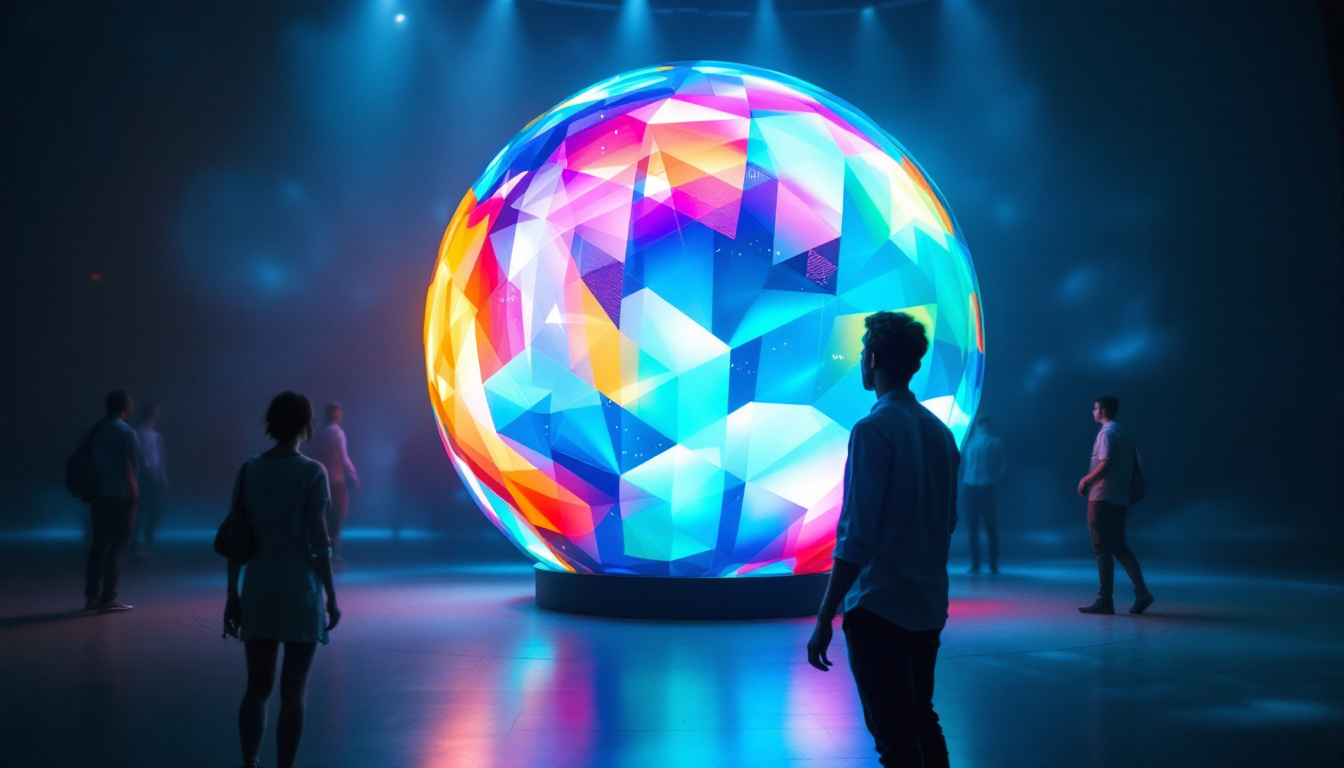
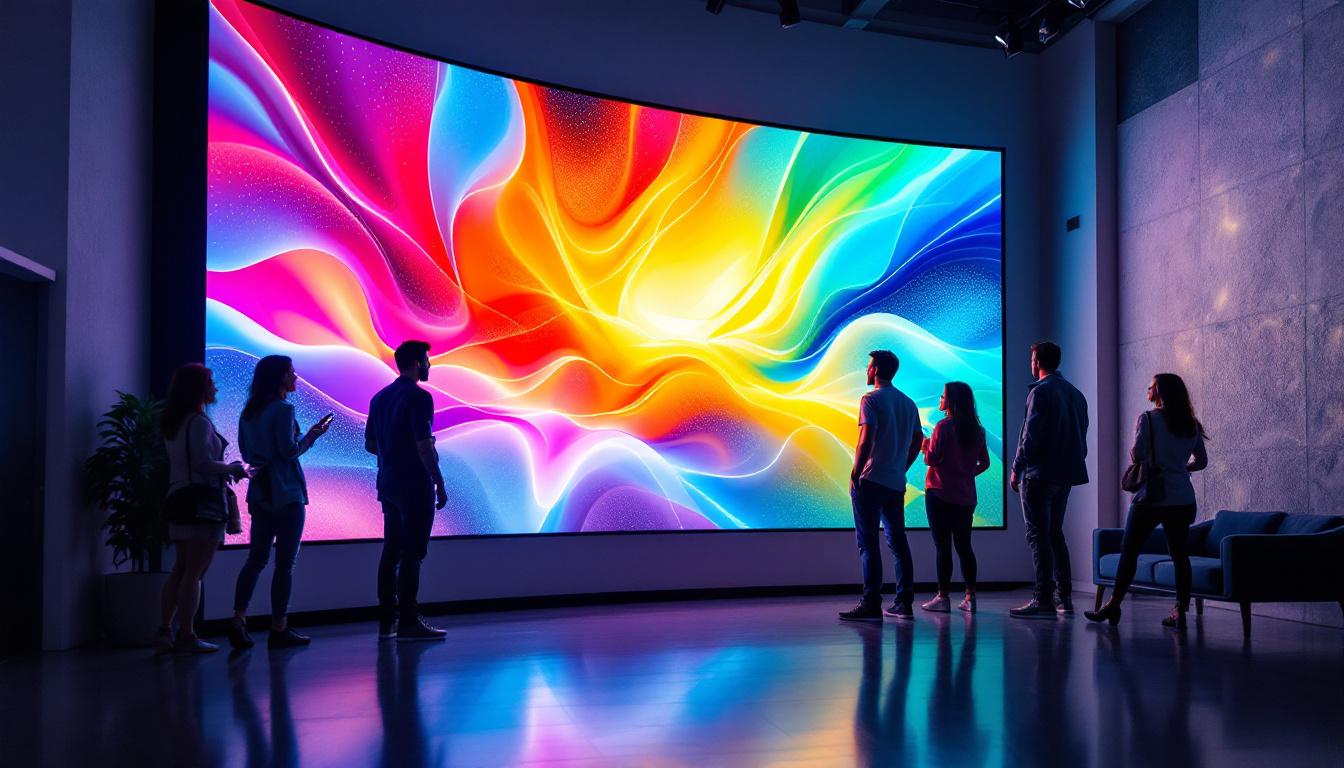
Customization extends beyond size. Modular kits can be arranged in various shapes, including curved or angled walls, to create immersive visual experiences. This adaptability helps brands stand out by delivering unique and engaging content presentations. Furthermore, businesses can tailor the content displayed on these walls to suit specific audiences or themes, enhancing the overall impact of their messaging. For instance, during a product launch, a company might opt for a dynamic, interactive display that showcases features in real-time, while a corporate event could benefit from a more subdued, elegant arrangement that highlights key information succinctly.
Superior Visual Quality
LED technology offers exceptional brightness and color accuracy compared to traditional LCD or projection displays. Modular LED walls maintain consistent luminance across the entire surface, even in bright ambient conditions, making them suitable for both indoor and outdoor use.
The high refresh rates and contrast ratios contribute to smooth video playback and sharp images, enhancing viewer engagement. Additionally, the wide viewing angles ensure that content remains clear and vibrant from multiple perspectives, which is crucial in public spaces. This superior visual quality not only attracts attention but also retains it, as viewers are drawn in by the vivid colors and crisp details. Whether it’s a high-energy concert or a corporate presentation, the ability to convey information effectively through stunning visuals can significantly elevate the audience’s experience and retention of the message being communicated.
Durability and Maintenance
LED modules are designed to withstand various environmental conditions, including moisture, dust, and temperature fluctuations. This robustness makes modular LED walls a reliable choice for long-term installations.
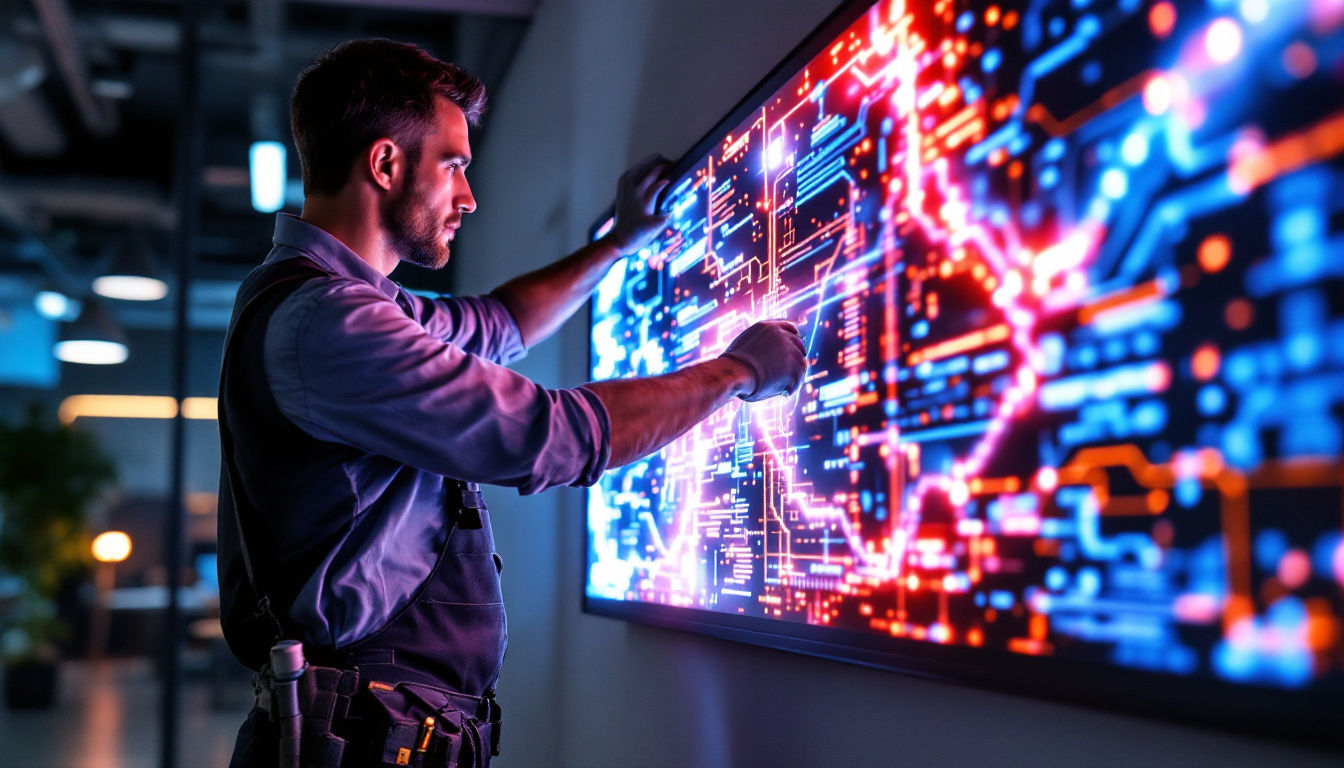
Maintenance is simplified due to the modular design. If a module fails or requires servicing, it can be replaced individually without dismantling the entire display. This reduces downtime and maintenance costs significantly. Moreover, many manufacturers offer remote monitoring capabilities, allowing for real-time diagnostics and performance tracking. This proactive approach to maintenance not only enhances the longevity of the display but also ensures that any issues can be addressed swiftly, minimizing disruption to ongoing events or presentations. As a result, businesses can enjoy peace of mind knowing that their investment in modular LED technology will continue to deliver high-quality performance over time.
Applications of Modular LED Wall Kits
Retail and Advertising
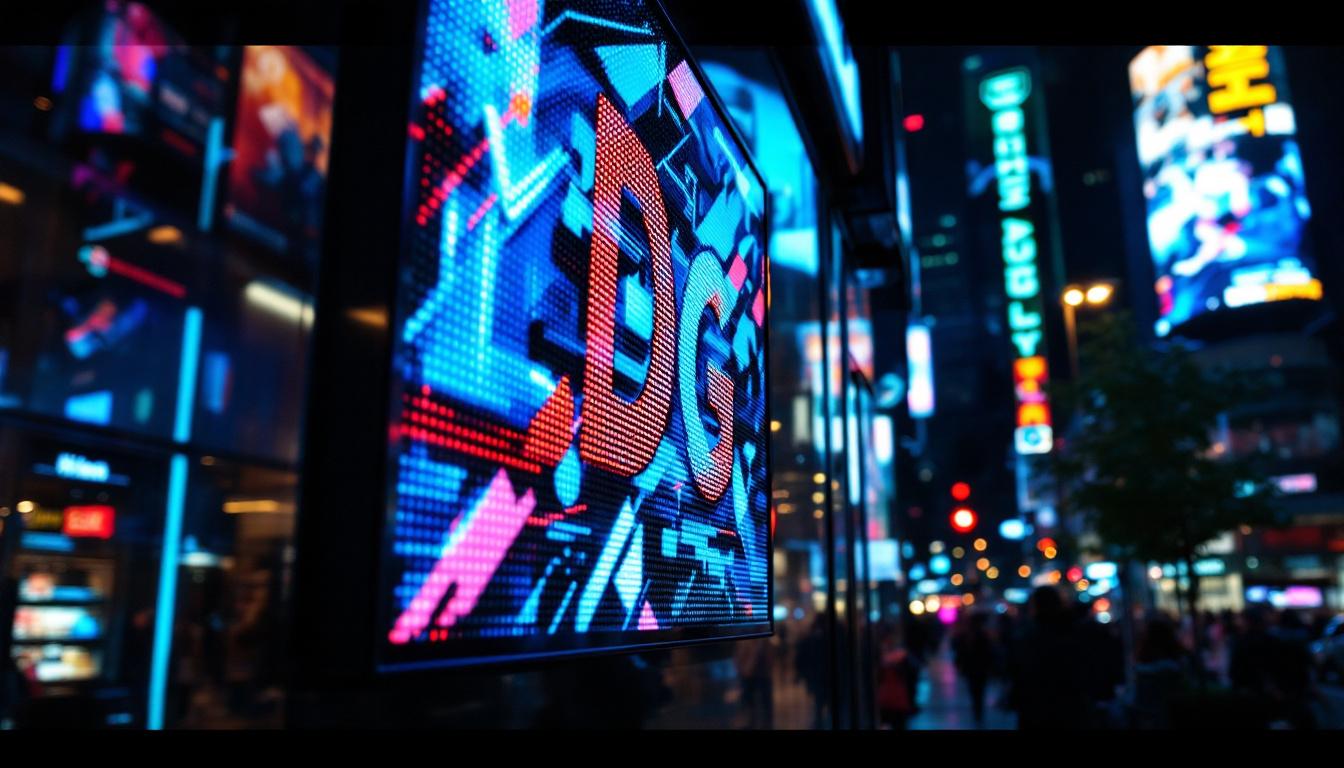
Retailers leverage modular LED walls to create dynamic storefront displays that capture customer attention. The ability to update content quickly allows for timely promotions and seasonal campaigns. Studies have shown that digital signage can increase sales by up to 30% in some retail environments, highlighting the effectiveness of LED displays in driving consumer engagement.
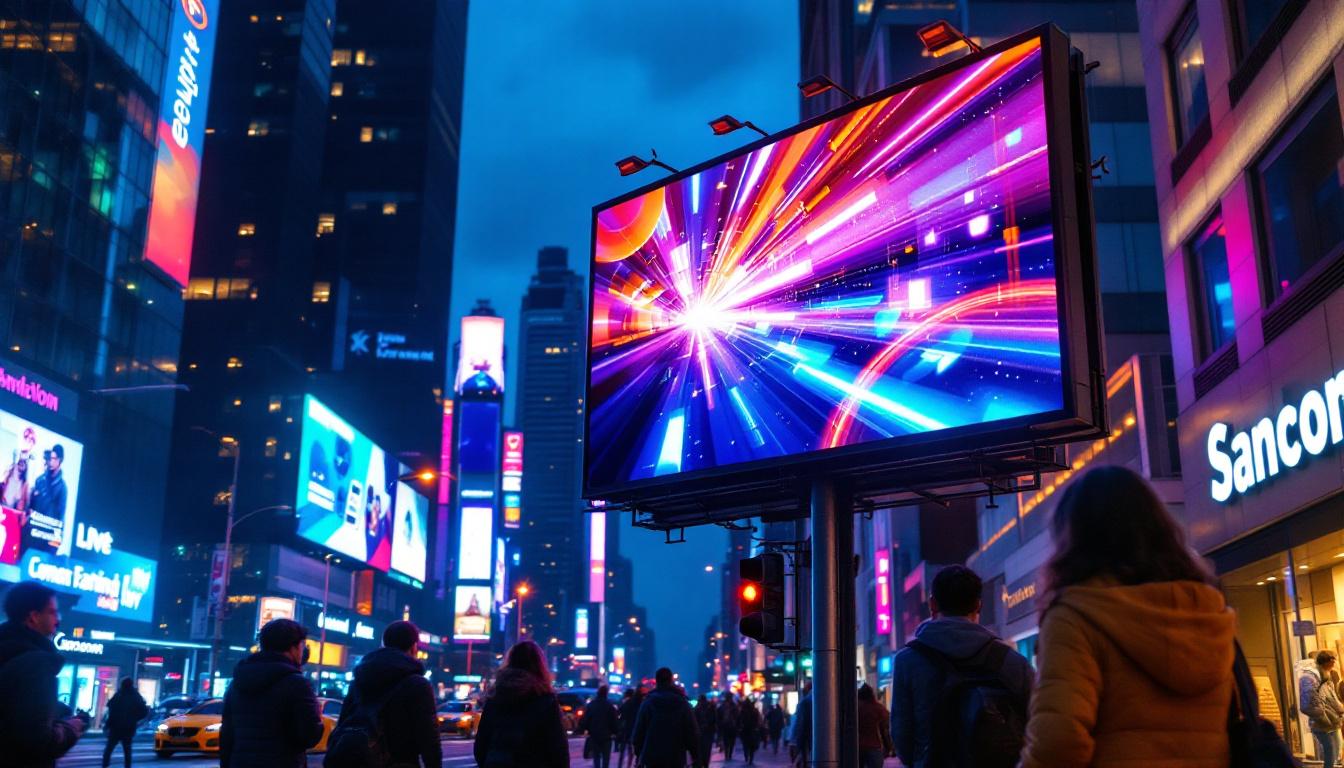
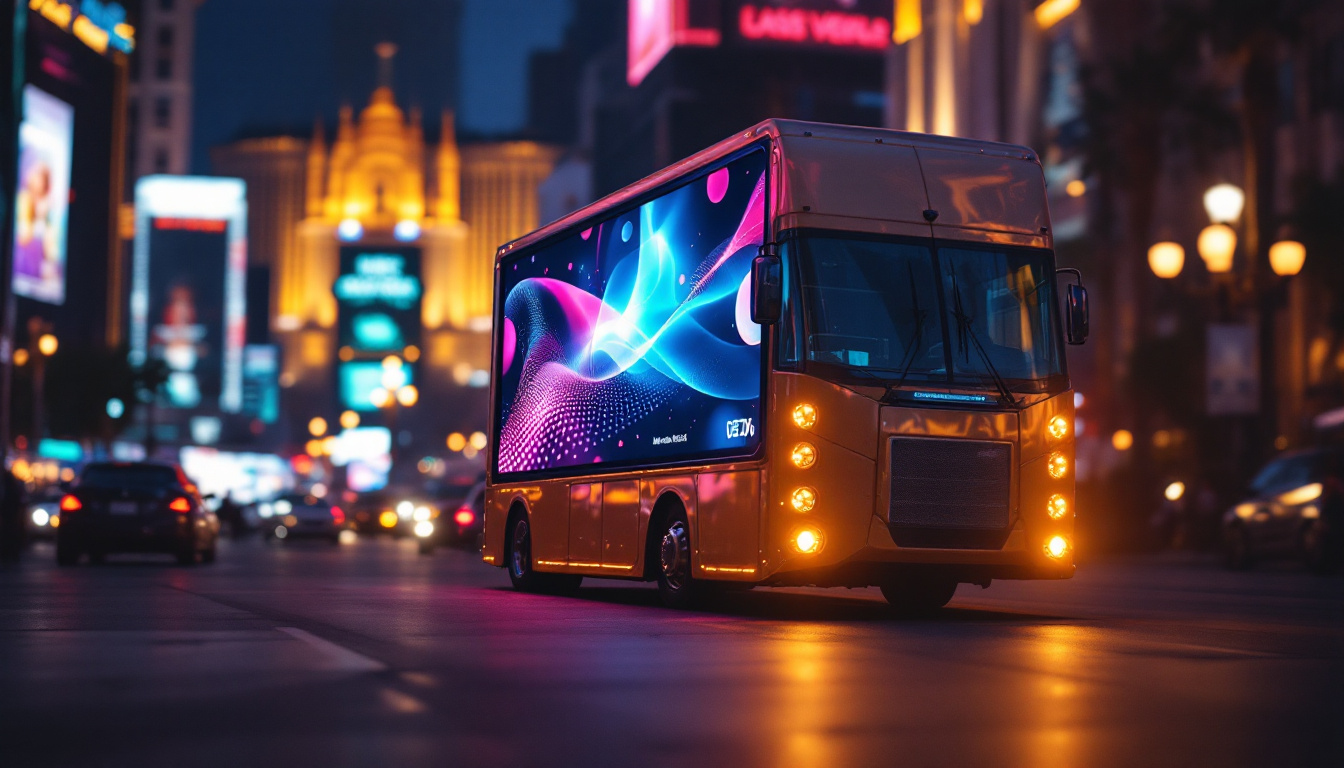
Outdoor advertising also benefits from the brightness and durability of LED walls, enabling messages to be visible even in direct sunlight. The modularity allows for installations on building facades or billboards of varying sizes.
Corporate and Event Spaces
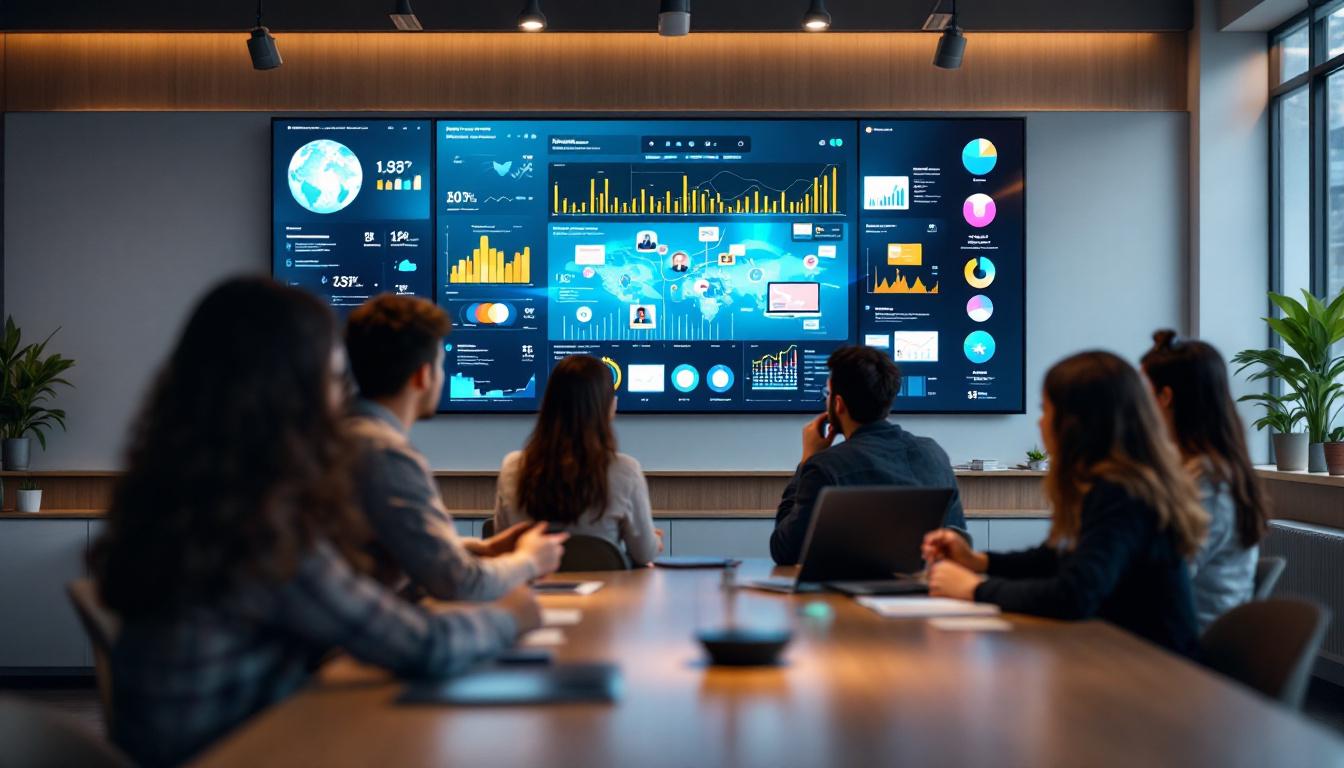
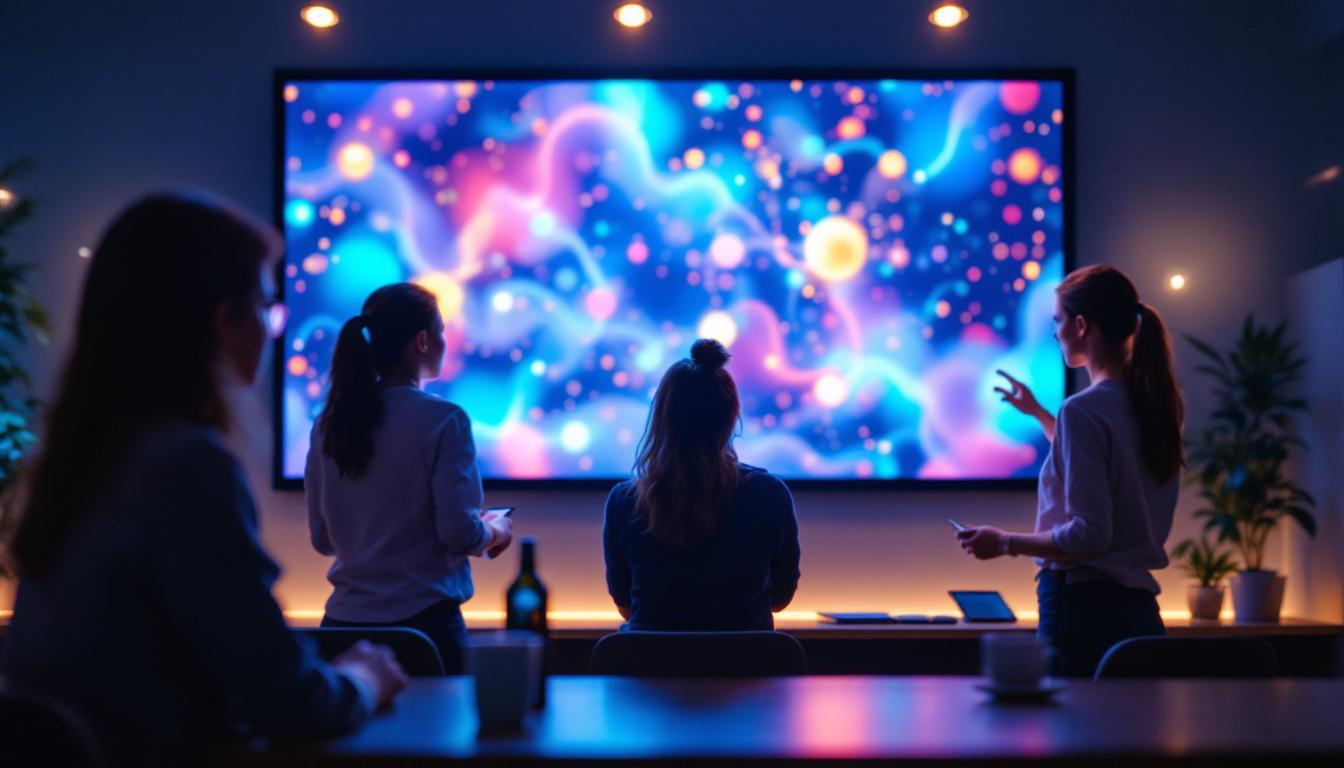
In corporate settings, modular LED walls are used for presentations, video conferencing, and branding. Their high resolution and clarity make them ideal for displaying detailed graphics and data visualizations.
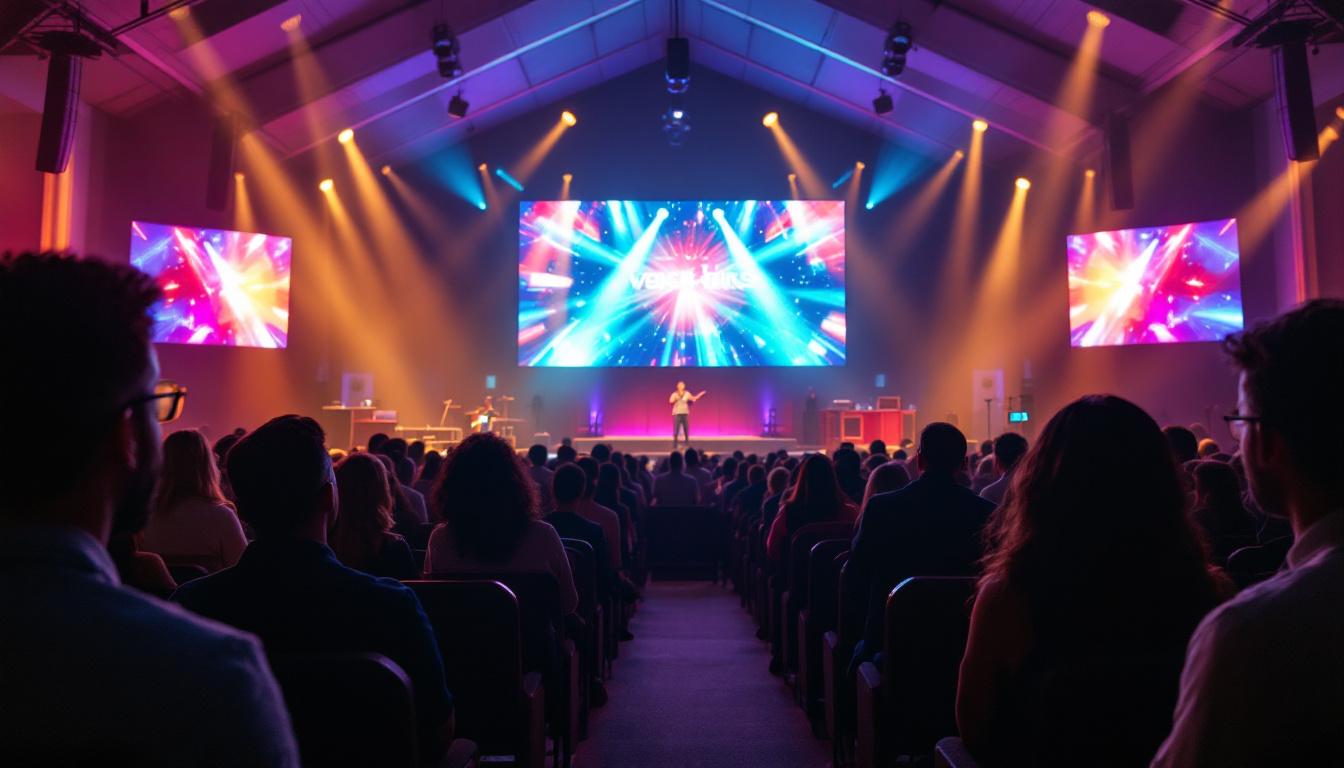
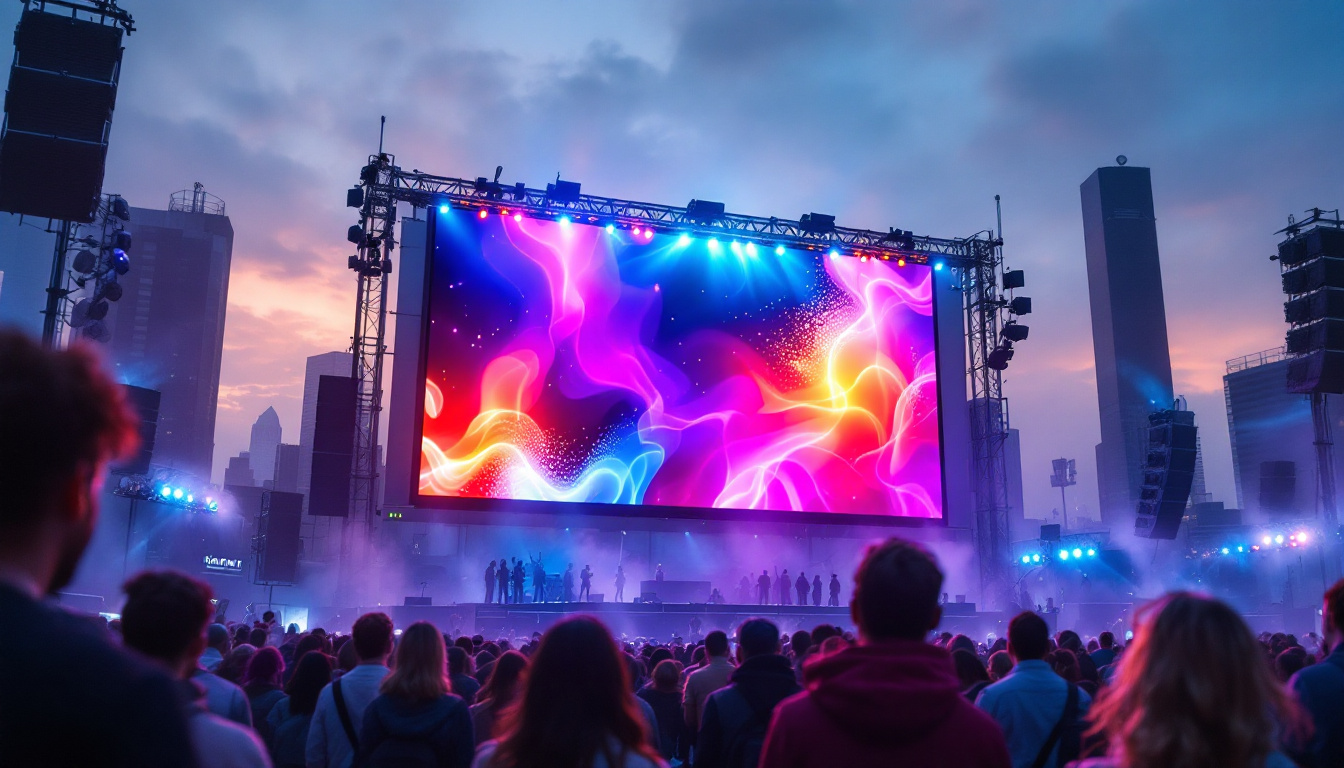
Event organizers utilize these displays for concerts, trade shows, and conferences. The quick assembly and disassembly of modular kits facilitate efficient setup and teardown, which is essential for temporary venues.
Entertainment and Sports Venues
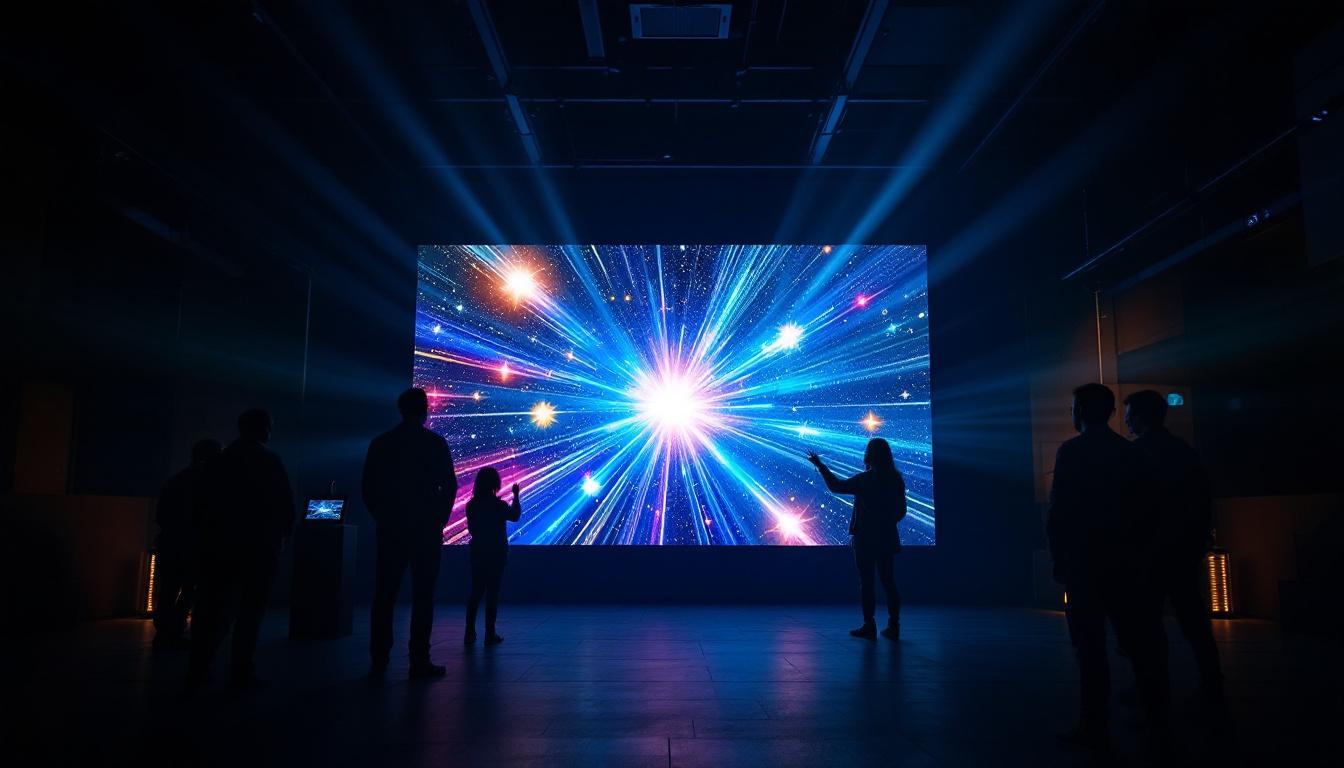
Stadiums and arenas incorporate massive LED walls to enhance the spectator experience by displaying live footage, replays, and interactive content. The scalability of modular kits allows for custom configurations that fit the architectural constraints of these venues.
In theaters and concert halls, LED walls serve as dynamic backdrops, enabling creative stage designs and immersive storytelling.
Choosing the Right Modular LED Wall Kit
Assessing Your Needs
When selecting a modular LED wall kit, it is crucial to evaluate the intended application, viewing distance, and environmental conditions. For example, indoor displays require higher resolution with smaller pixel pitches, while outdoor displays prioritize brightness and weather resistance.
Consider the content type as well—whether it will be static images, videos, or interactive media—as this influences the control system requirements.
Budget and Total Cost of Ownership
While modular LED wall kits can represent a significant upfront investment, their long lifespan and low maintenance costs often justify the expense. It is important to factor in installation, content management software, and potential future expansions when budgeting.
Comparing different manufacturers and models based on warranty terms, customer support, and energy efficiency can help optimize total cost of ownership.
Technical Support and Integration
Reliable technical support is essential for ensuring smooth operation. Many vendors offer turnkey solutions that include installation assistance, training, and ongoing maintenance services.
Integration with existing AV systems and content management platforms should be verified to avoid compatibility issues. Open standards and modular software architectures facilitate easier integration and future upgrades.
Future Trends in Modular LED Display Technology
Advancements in Pixel Density and Resolution
Emerging technologies are pushing the boundaries of pixel density, enabling even finer image detail. MicroLED innovations promise to deliver higher brightness and energy efficiency, which will further enhance the visual impact of modular LED walls.
Interactive and Smart Displays
Integration of touch sensors and AI-driven content personalization is becoming more common. These features allow for interactive experiences that engage audiences on a deeper level, particularly in retail and public information applications.
Eco-Friendly and Energy-Efficient Designs
As sustainability becomes a priority, manufacturers are focusing on reducing power consumption and using recyclable materials. Advances in LED technology contribute to lower heat generation and longer component lifespans, aligning with green building standards.
Conclusion
Modular wall kits featuring LED displays represent a versatile and powerful solution for modern visual communication needs. Their scalability, superior image quality, and ease of maintenance make them suitable for a broad spectrum of applications, from retail and corporate environments to entertainment venues and outdoor advertising.
Understanding the components, benefits, and practical considerations of these systems enables businesses to select the right solution that aligns with their goals and budget. As technology continues to evolve, modular LED walls will remain at the forefront of delivering captivating and immersive visual experiences.
Discover LumenMatrix’s Innovative LED Display Solutions
Ready to elevate your visual communication with cutting-edge LED display technology? LumenMatrix offers a comprehensive range of LED display modules tailored to your needs, from vibrant indoor and outdoor displays to specialized solutions like vehicle, sports, and floor LED displays. Embrace the future of digital signage with our custom and all-in-one LED solutions, including transparent displays that captivate and engage. Experience the transformative power of LumenMatrix and bring your brand’s message to life with clarity and impact. Check out LumenMatrix LED Display Solutions today and revolutionize your visual storytelling.