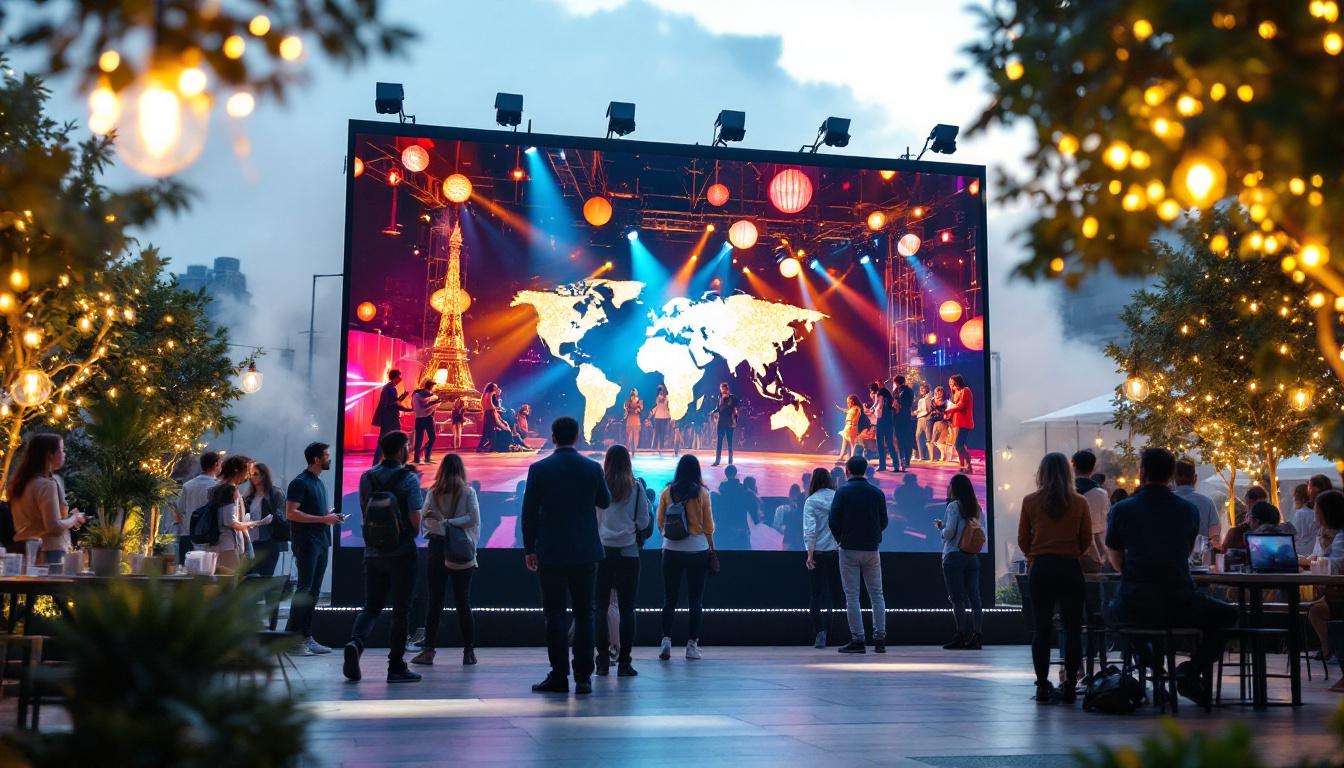
Outdoor entertainment has evolved dramatically over the past decade. From backyard movie nights to large-scale public events, the demand for high-quality outdoor visual displays continues to grow. Among the various technologies available, LED displays have emerged as a leading choice for outdoor projector screens. This article explores the nuances of using LED displays as outdoor projector screens, explaining their advantages, technical considerations, and practical applications.
Understanding Outdoor Projection: Traditional Screens vs. LED Displays
When considering an outdoor projector screen, many initially think of the classic white or gray fabric screens paired with a projector. These traditional setups have been popular for years due to their affordability and portability. However, they come with limitations, especially when used outdoors.
LED displays offer a fundamentally different approach. Instead of projecting an image onto a surface, LED screens consist of thousands of tiny light-emitting diodes that create the image directly. This difference has significant implications for brightness, image quality, and environmental adaptability.
Limitations of Traditional Outdoor Projector Screens
Traditional projector screens rely heavily on ambient lighting conditions. Outdoor environments often have unpredictable lighting, including sunlight, street lamps, or other sources that can wash out the projected image. Even with high-lumen projectors, achieving a bright and clear image during daylight or twilight hours is challenging.
Moreover, traditional screens require careful setup and alignment to ensure the image is properly focused and undistorted. Wind and weather can also impact the screen’s stability and durability, often necessitating additional support structures. The physical nature of these screens means they can be cumbersome to transport and set up, especially for larger events. Furthermore, the fabric can be prone to wrinkles and creases, which can distort the projected image and detract from the viewing experience.
Advantages of LED Displays for Outdoor Use
LED displays overcome many of these challenges. Because each pixel emits its own light, LED screens can achieve much higher brightness levels than projectors, often exceeding 5,000 nits, which makes them visible even in direct sunlight. This brightness advantage is crucial for outdoor events where ambient light cannot be controlled.
Additionally, LED screens offer superior contrast ratios and color accuracy, resulting in vibrant and sharp images. Their modular design allows for flexible sizing and shapes, making them suitable for various venues and purposes. Durability is another key benefit; LED panels are designed to withstand weather elements like rain, dust, and temperature fluctuations, often rated with IP65 or higher for outdoor use. This resilience not only extends the lifespan of the display but also reduces the need for frequent replacements, making them a more cost-effective solution in the long run.
Furthermore, LED displays can support a wide range of content formats, from live video feeds to interactive displays, enhancing audience engagement. This versatility is particularly beneficial for events such as outdoor concerts, sporting events, or community gatherings, where dynamic content can significantly enhance the overall experience. The ability to easily integrate with other technologies, such as sound systems and lighting, allows for a more cohesive and immersive event atmosphere, making LED displays a preferred choice for many event organizers.
Technical Aspects of Outdoor LED Displays
To fully appreciate why LED displays excel outdoors, it’s important to understand their technical characteristics and how these relate to performance in an outdoor setting.
Brightness and Visibility
Brightness is measured in nits (candelas per square meter). Outdoor LED displays typically range from 3,000 to 8,000 nits, compared to indoor LED screens which might be around 800 to 1,200 nits. This high brightness ensures visibility even under direct sunlight, a critical factor for outdoor events during the day.
For context, a typical home projector might output 2,000 to 3,000 lumens, which is insufficient for bright outdoor environments. LED displays’ self-illumination means they do not rely on ambient light conditions, offering consistent image quality regardless of time of day.
Pixel Pitch and Resolution
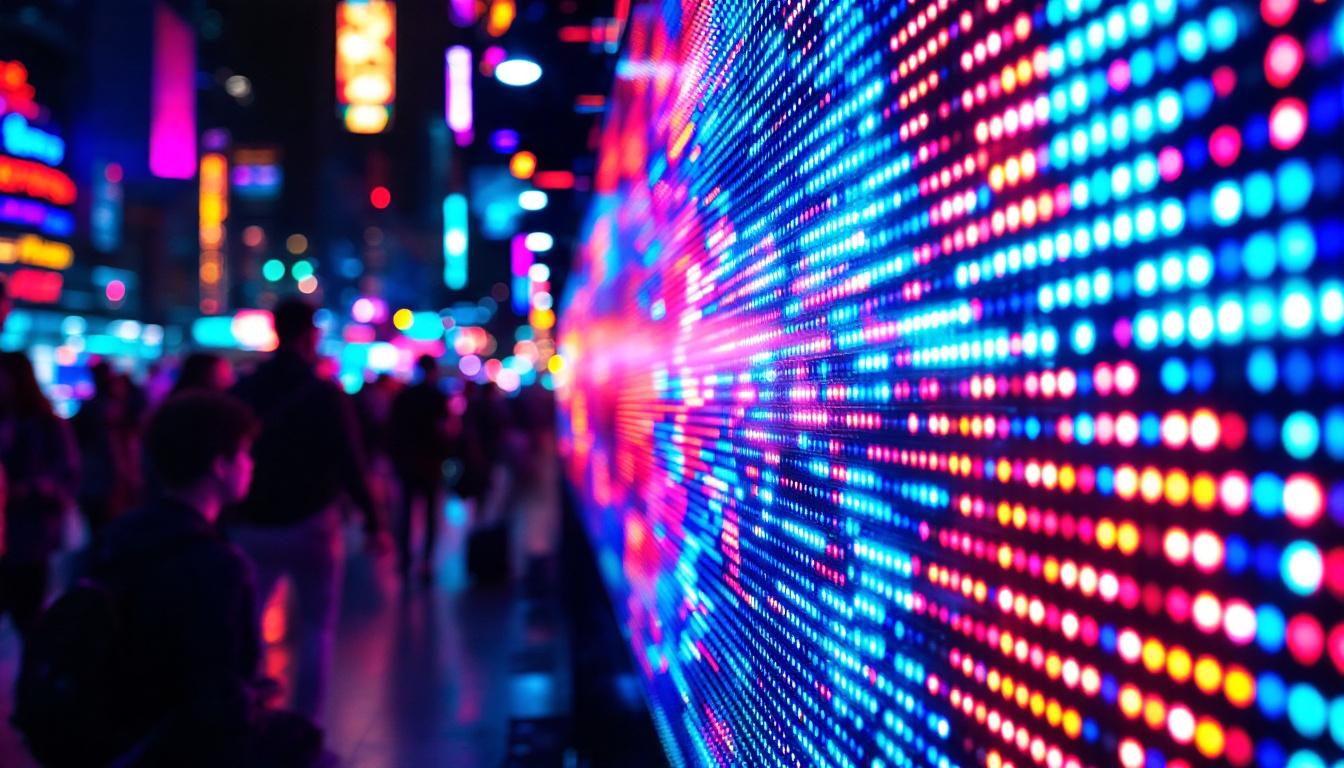
Pixel pitch refers to the distance between the centers of two adjacent pixels, measured in millimeters. Smaller pixel pitches mean higher resolution and sharper images, which is essential for close viewing distances.
Outdoor LED displays usually have larger pixel pitches (4mm to 20mm) compared to indoor displays because viewers tend to be farther away. For example, a 10mm pixel pitch screen is ideal for viewing distances of 10 meters or more, making it perfect for concerts, sports events, or large backyard gatherings.
Durability and Weather Resistance
Outdoor LED displays are built to endure harsh environments. Their enclosures are typically rated IP65 or higher, meaning they are dust-tight and protected against water jets. The LED modules are sealed to prevent moisture ingress, and the materials used resist corrosion and UV damage.
Temperature regulation is another consideration. Many outdoor LED displays incorporate cooling systems, such as fans or heat sinks, to maintain optimal operating temperatures and prevent overheating during extended use in hot climates.
Power Consumption and Maintenance
LED displays consume more power than traditional projector setups, especially at high brightness levels. However, advances in LED technology have improved energy efficiency, and many systems include brightness sensors to adjust output based on ambient light, reducing power usage when possible.
Maintenance involves routine cleaning to remove dust and debris, as well as periodic inspection of LED modules and power supplies. Modular designs allow for easy replacement of individual panels without dismantling the entire screen.
Applications of Outdoor LED Displays as Projector Screens
LED displays have revolutionized how outdoor visual content is presented across various sectors. Their versatility and performance have made them the preferred choice for many outdoor projection needs.
Public Events and Festivals
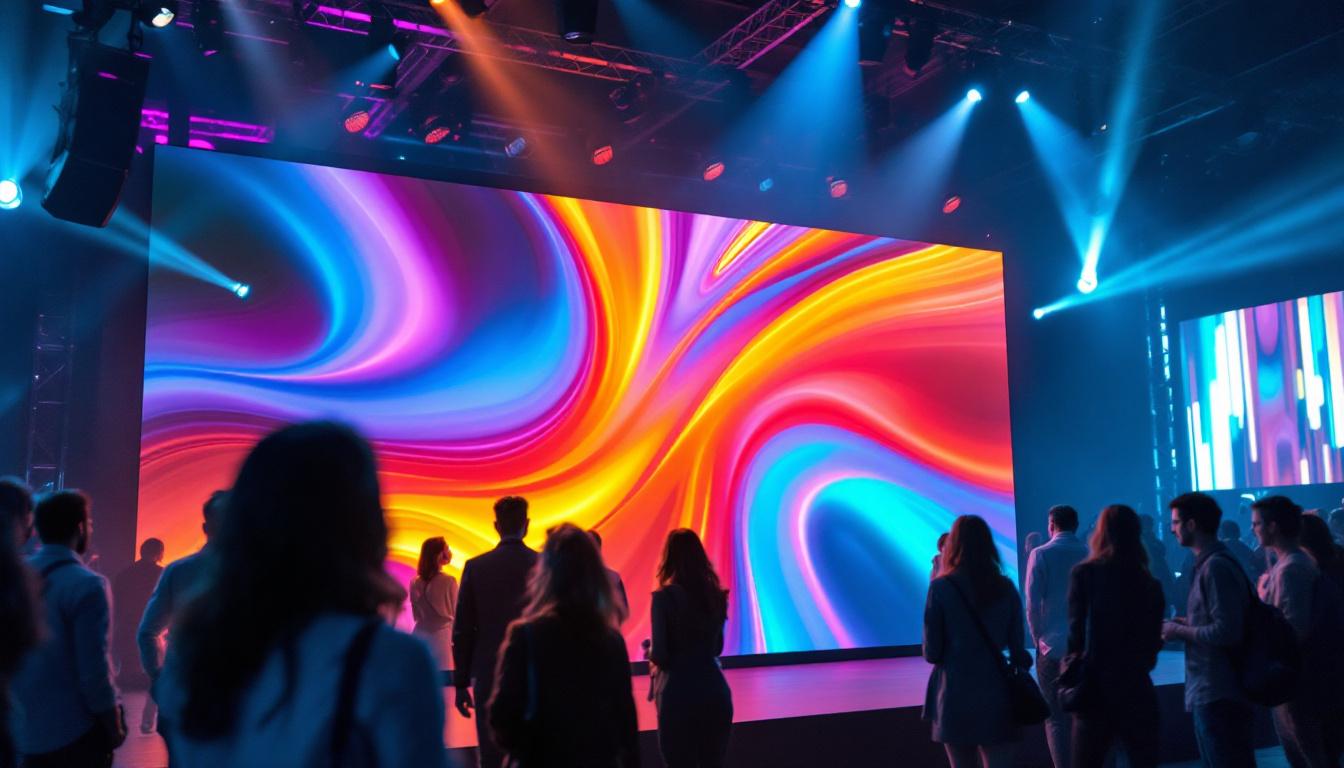
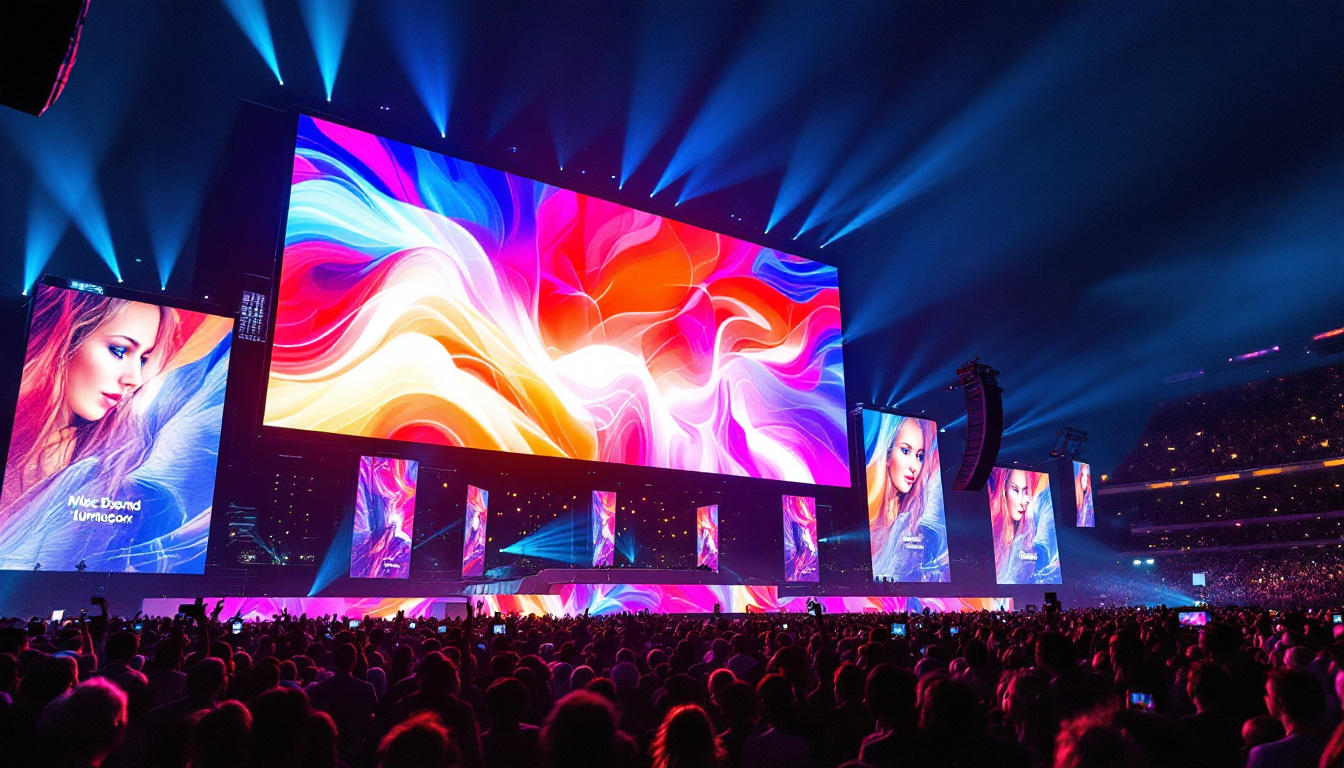
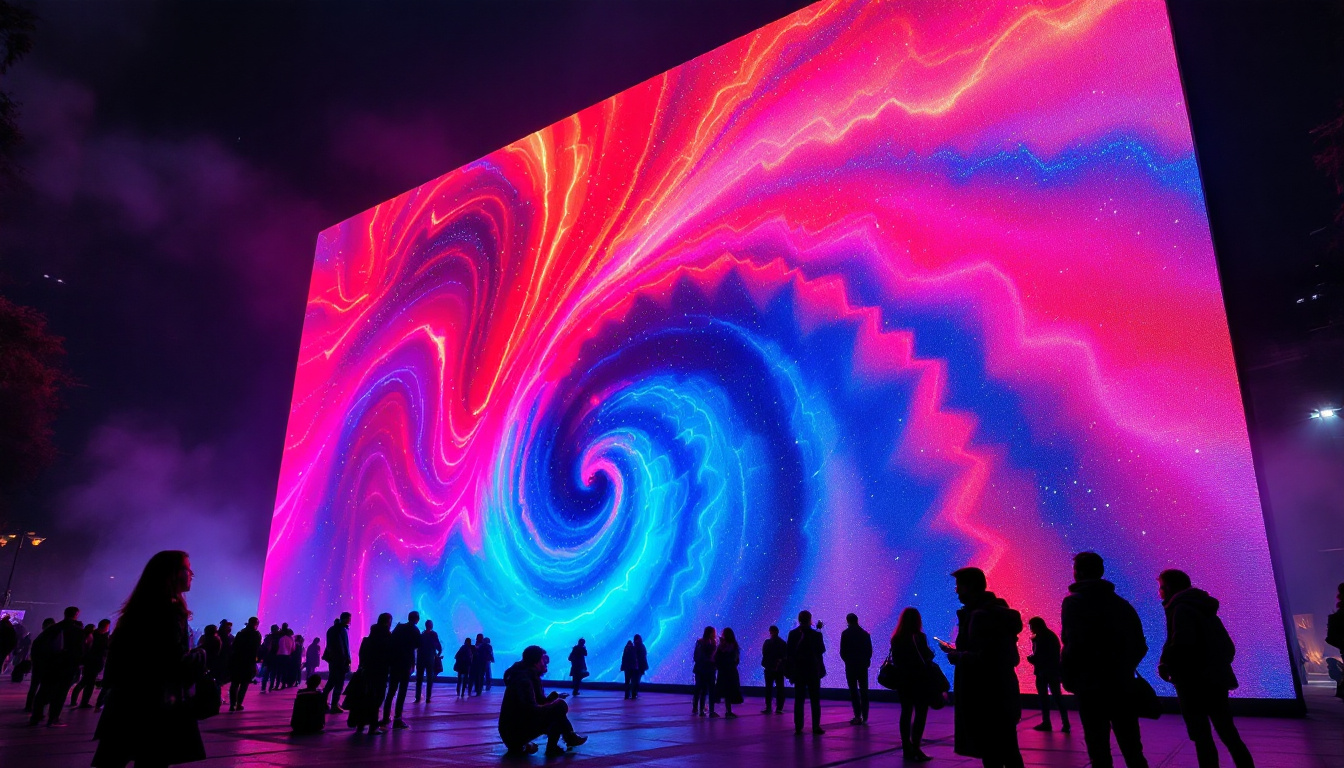
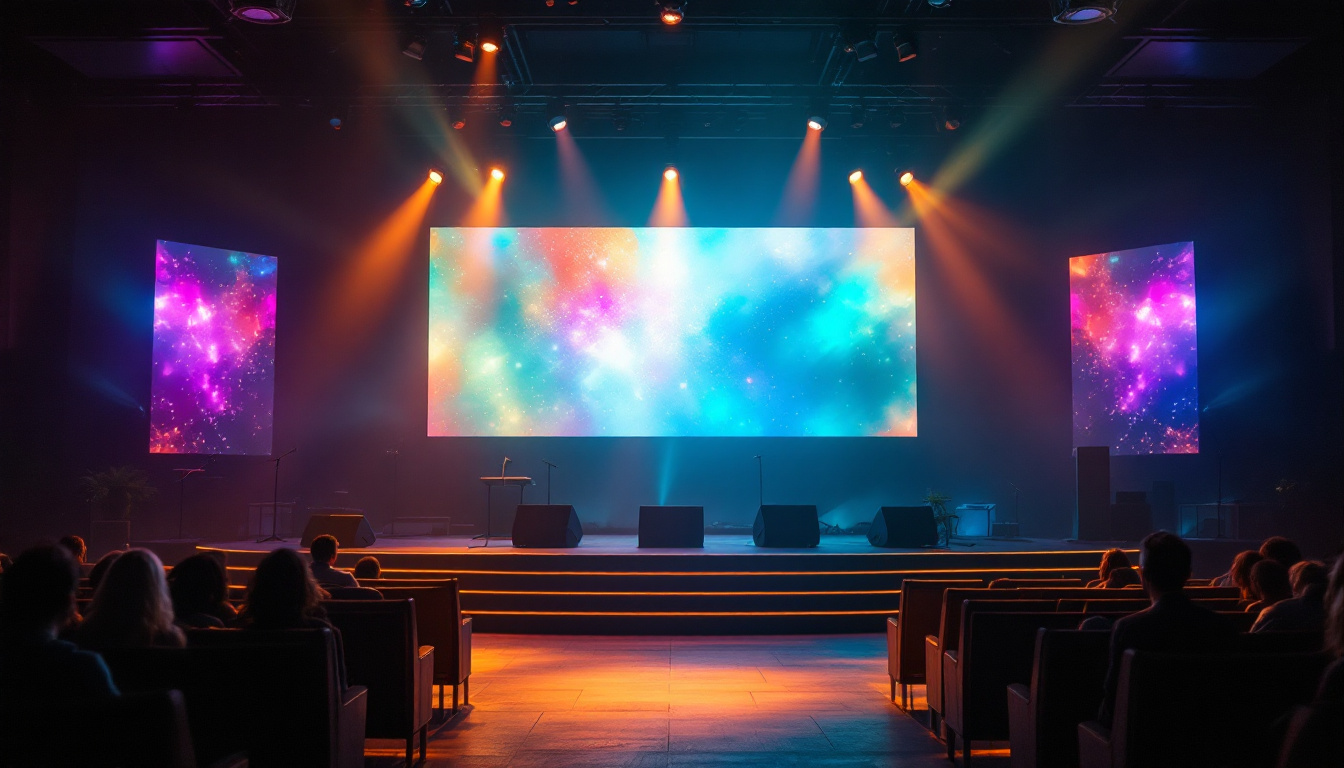
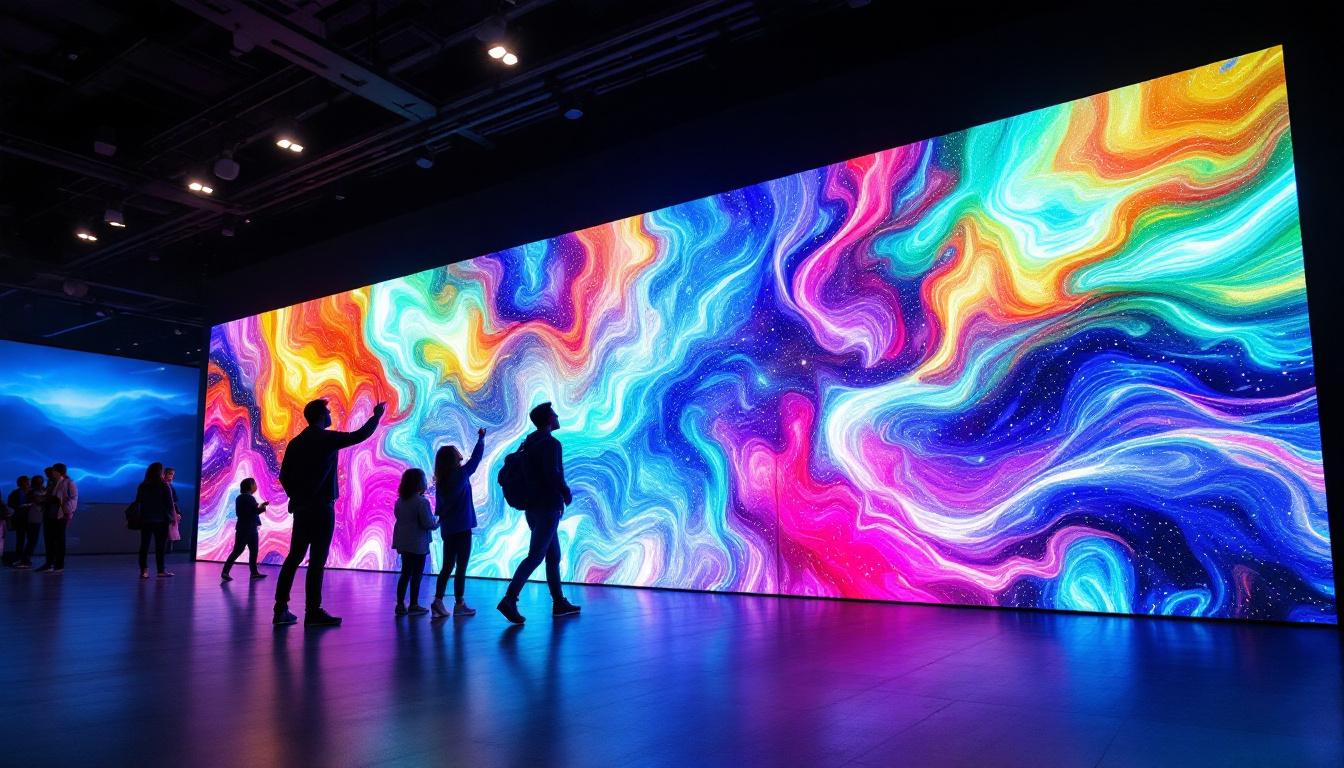
Music festivals, cultural events, and public celebrations often require large, bright screens to engage audiences spread over wide areas. LED displays provide clear visuals that can be seen from great distances, enhancing the overall experience.
For example, the Coachella Valley Music and Arts Festival utilizes massive LED walls to broadcast live performances, ensuring attendees at the back of the crowd have an immersive viewing experience.
Sports Venues and Outdoor Arenas
Outdoor sports stadiums increasingly rely on LED displays for scoreboards, instant replays, and advertising. Their brightness and durability make them ideal for all weather conditions and varied lighting environments.
Major league stadiums often use LED screens with pixel pitches optimized for viewing distances of tens of meters, delivering crisp images to tens of thousands of spectators.
Drive-In Theaters and Backyard Cinemas
Drive-in theaters have experienced a resurgence, and many have transitioned from traditional projection to LED screens. This shift allows for better image quality, especially during twilight or dawn screenings when ambient light is challenging.
Similarly, homeowners creating backyard cinemas benefit from LED displays that eliminate the need for projector alignment and offer superior brightness and color fidelity.
Advertising and Digital Signage
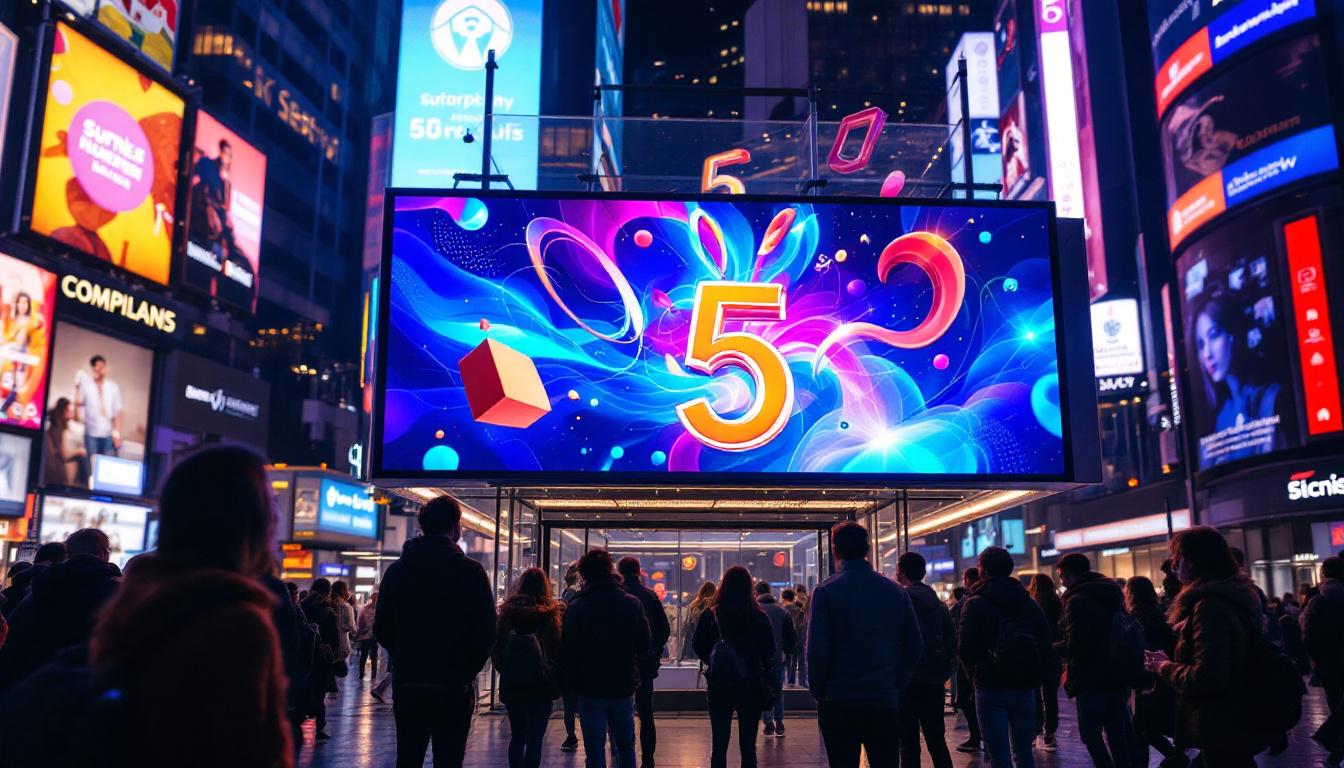
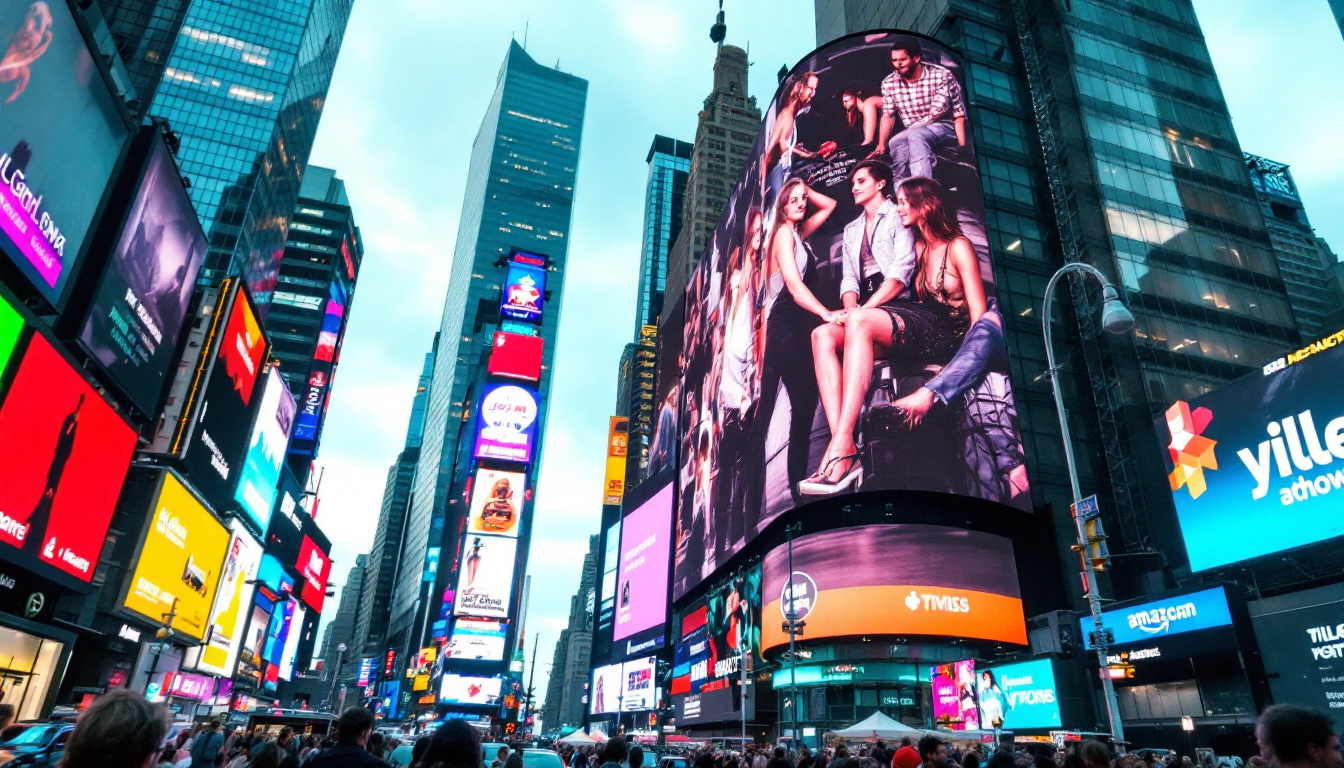
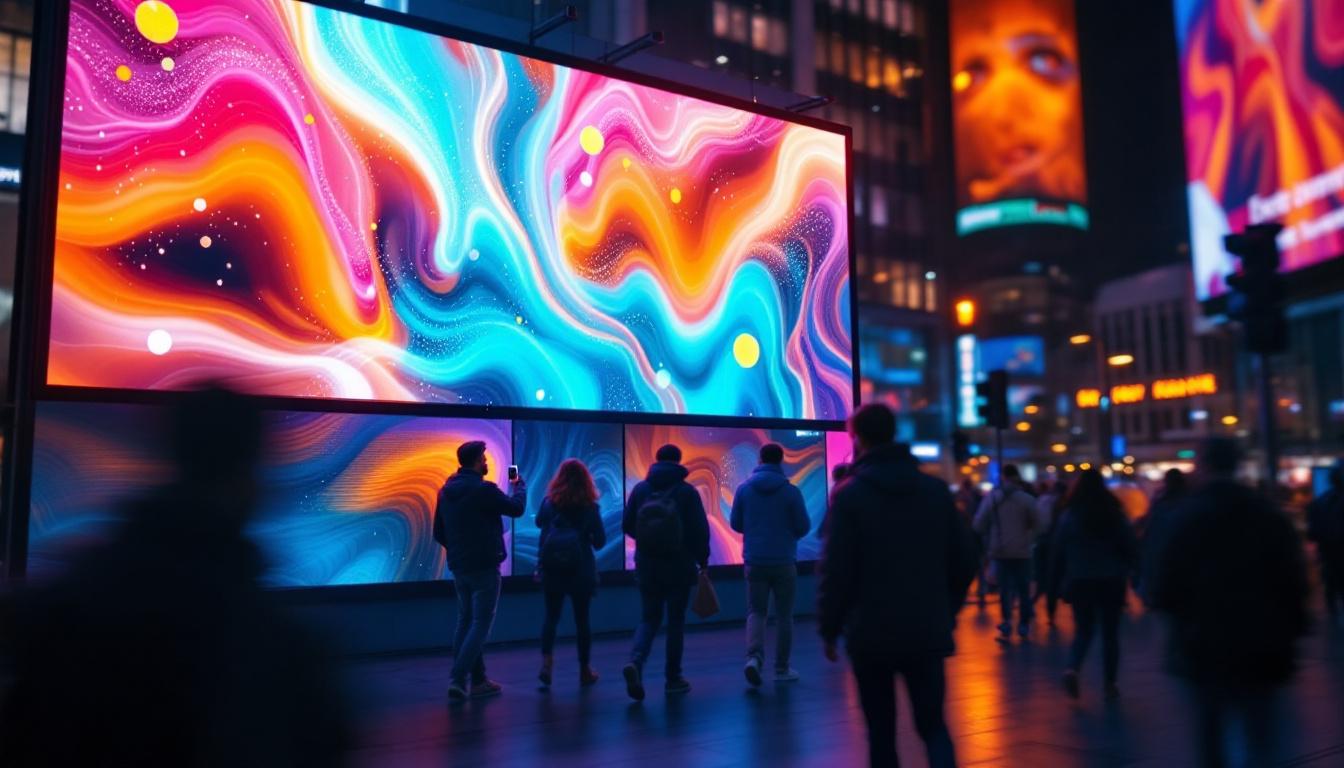
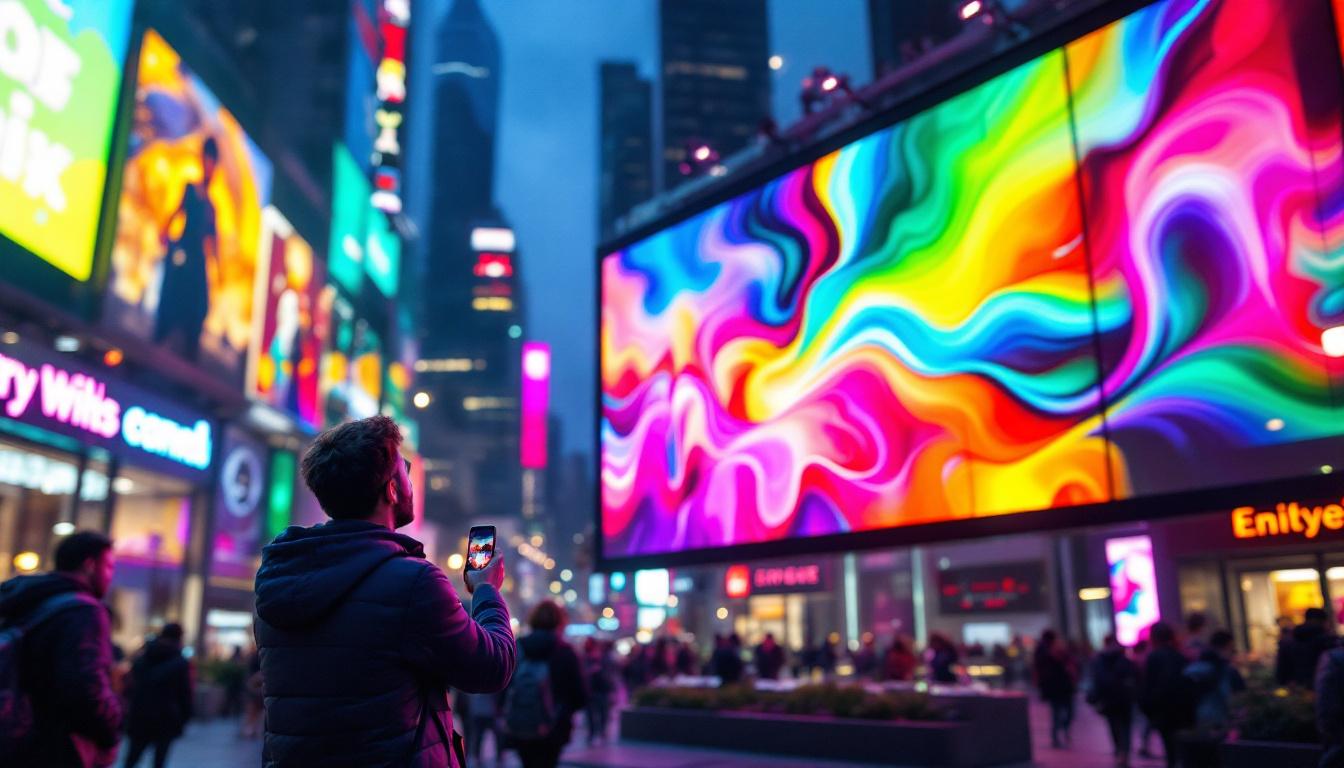
Outdoor LED displays are widely used for digital billboards and advertising. Their ability to display dynamic content with high visibility in various lighting conditions makes them invaluable for brand messaging and promotions.
Unlike static banners, LED displays can rotate multiple ads, incorporate animations, and adjust brightness automatically, maximizing impact and energy efficiency.
Choosing the Right Outdoor LED Display for Your Needs
Selecting the appropriate LED display involves balancing factors such as size, resolution, brightness, and budget. Understanding these elements helps ensure the screen meets the specific demands of the intended application.
Assessing Viewing Distance and Screen Size
One of the first considerations is how far viewers will be from the screen. Larger pixel pitches are acceptable for distant viewing, while closer audiences require finer resolution to avoid pixelation.
For example, a backyard movie night with viewers seated 5 meters away would benefit from a screen with a pixel pitch of 4-6mm, whereas a large public event with viewers 20 meters away could use a 10-15mm pitch screen.
Brightness Requirements Based on Ambient Light
Consider the typical lighting conditions during use. For daytime events, screens with brightness levels above 5,000 nits are recommended. For evening or night use, lower brightness may suffice, which can reduce power consumption and extend the lifespan of the LEDs.
Installation and Portability
Permanent installations require robust mounting solutions and weatherproofing, while portable setups benefit from lightweight, modular panels that can be quickly assembled and disassembled.
Some LED display manufacturers offer rental options with quick-connect modules designed for rapid deployment, ideal for event organizers and production companies.
Budget Considerations
Outdoor LED displays represent a significant investment compared to traditional projector screens. Costs vary widely based on size, resolution, and features. However, the long-term benefits of durability, low maintenance, and superior image quality often justify the initial expenditure.
Leasing or renting LED displays can be a cost-effective alternative for one-time or occasional use.
Future Trends in Outdoor LED Display Technology
The outdoor LED display market continues to innovate, driven by advances in materials, electronics, and software. Several trends are shaping the future landscape of outdoor visual displays.
MicroLED and MiniLED Technologies
Emerging microLED and miniLED technologies promise even higher brightness, better color accuracy, and improved energy efficiency. These smaller LEDs allow for finer pixel pitches and thinner panels, expanding the range of applications.
Integration with Augmented Reality and Interactive Features
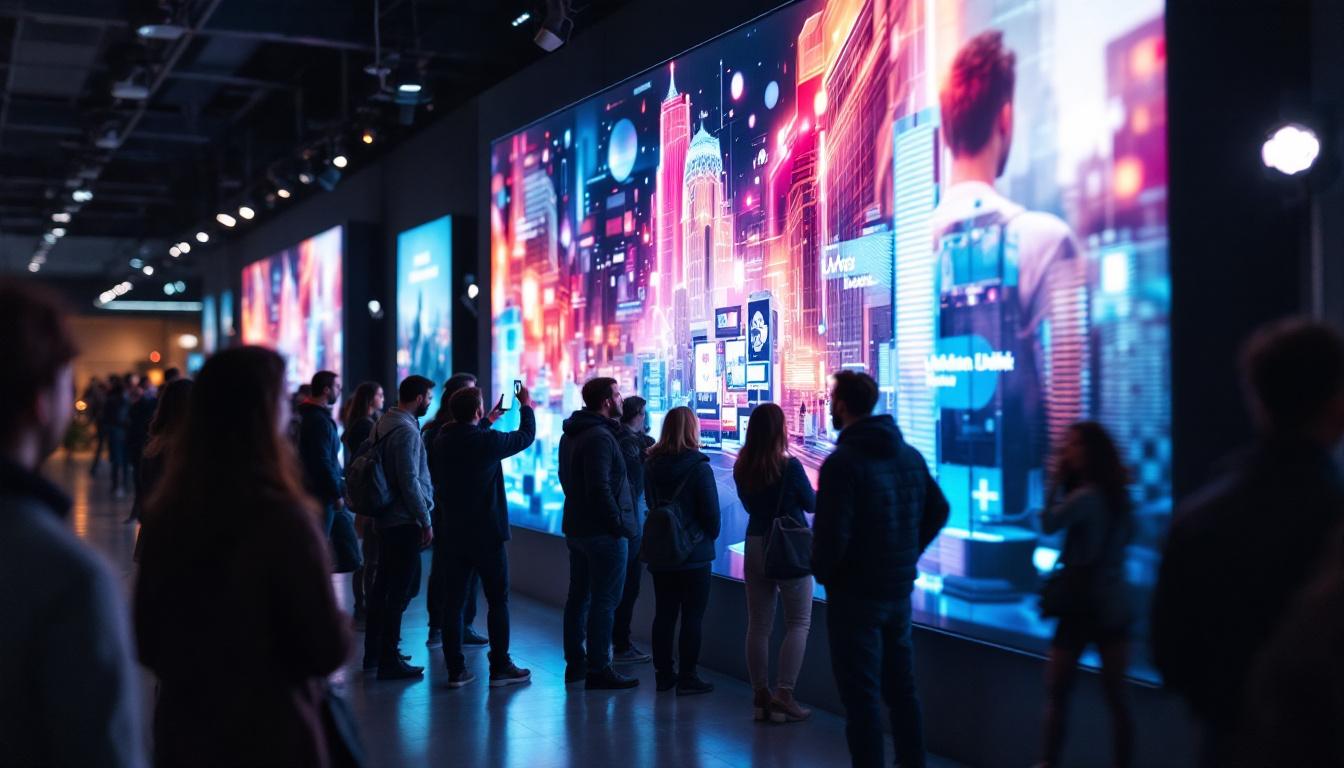
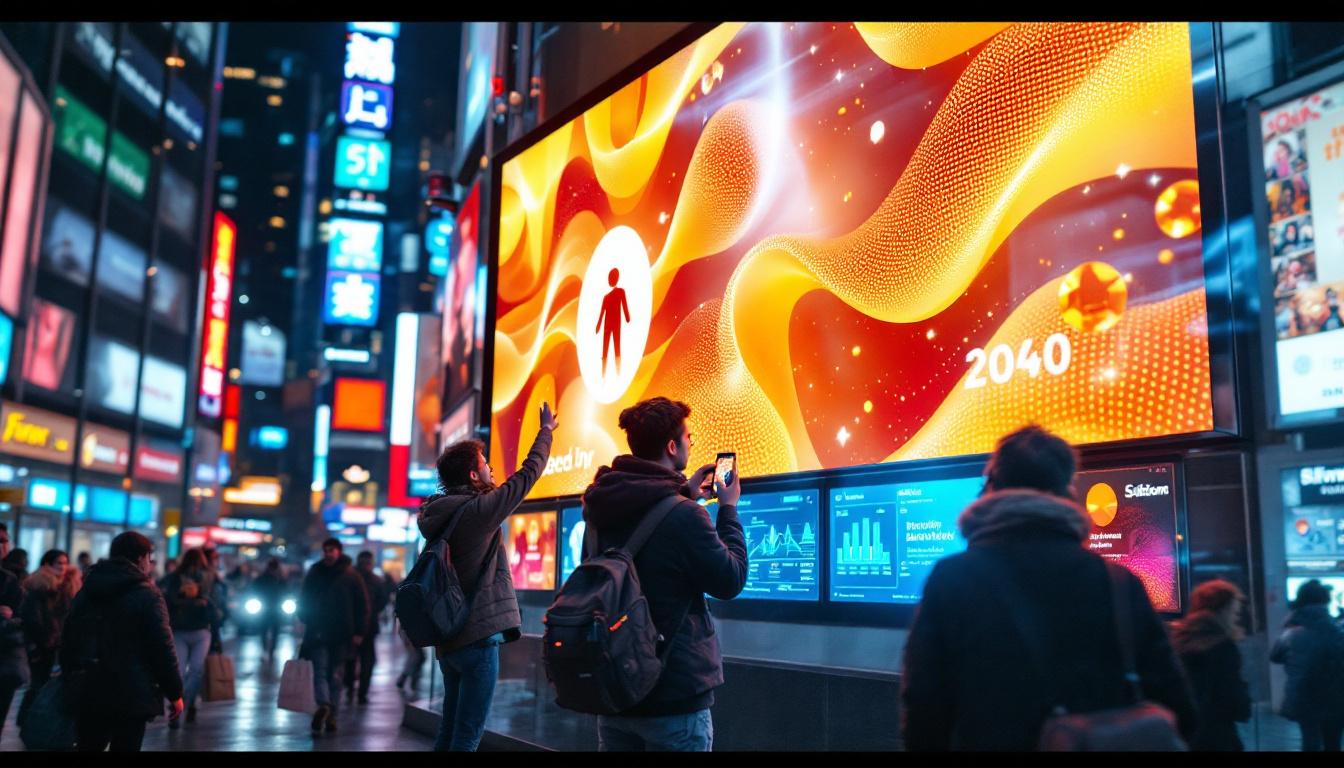
Interactive LED displays that respond to audience movement or touch are becoming more common. Combined with augmented reality (AR), these screens create immersive experiences that engage viewers in novel ways.
Enhanced Control Systems and Content Management
Advanced software platforms now enable real-time content updates, remote management, and synchronization across multiple screens. This flexibility is especially valuable for advertising networks and multi-venue events.
Conclusion
Outdoor LED displays have transformed the way visual content is delivered in open-air settings. Their superior brightness, durability, and image quality make them an excellent alternative to traditional projector screens, especially in challenging lighting conditions.
Whether for public events, sports venues, drive-in theaters, or advertising, LED displays offer unmatched versatility and performance. Understanding the technical aspects and practical considerations helps users select the right solution for their needs, ensuring memorable and impactful outdoor viewing experiences.
As technology continues to advance, outdoor LED displays will become even more accessible and feature-rich, solidifying their role as the future of outdoor projection and digital signage.
Explore the Future of Outdoor Visuals with LumenMatrix
Ready to elevate your outdoor visual experiences? LumenMatrix is at the forefront of LED display innovation, offering a comprehensive range of solutions tailored to your unique needs. From vibrant Outdoor LED Wall Displays to dynamic LED Sports Displays and beyond, our technology is designed to captivate and engage your audience like never before. Discover how our cutting-edge LED display modules can transform your space and bring your vision to life. Check out LumenMatrix LED Display Solutions today and step into the future of visual communication.