In today’s fast-evolving digital landscape, LED displays have become a cornerstone of visual communication. From vibrant advertising billboards to immersive event backdrops, the demand for high-quality LED screens continues to surge. If you’re considering purchasing an LED display, understanding the technology, types, and applications is essential to make an informed decision. This article delves into the fundamentals of LED displays, explores their advantages, and guides you through the key considerations when looking for an LED for sale.
What Is an LED Display?
LED stands for Light Emitting Diode, a semiconductor device that emits light when an electric current passes through it. An LED display is a flat panel or screen that uses an array of these tiny LEDs to create images, videos, and text. Unlike traditional LCD or plasma screens, LED displays use direct light emission, which allows for brighter, more vivid visuals and better energy efficiency.
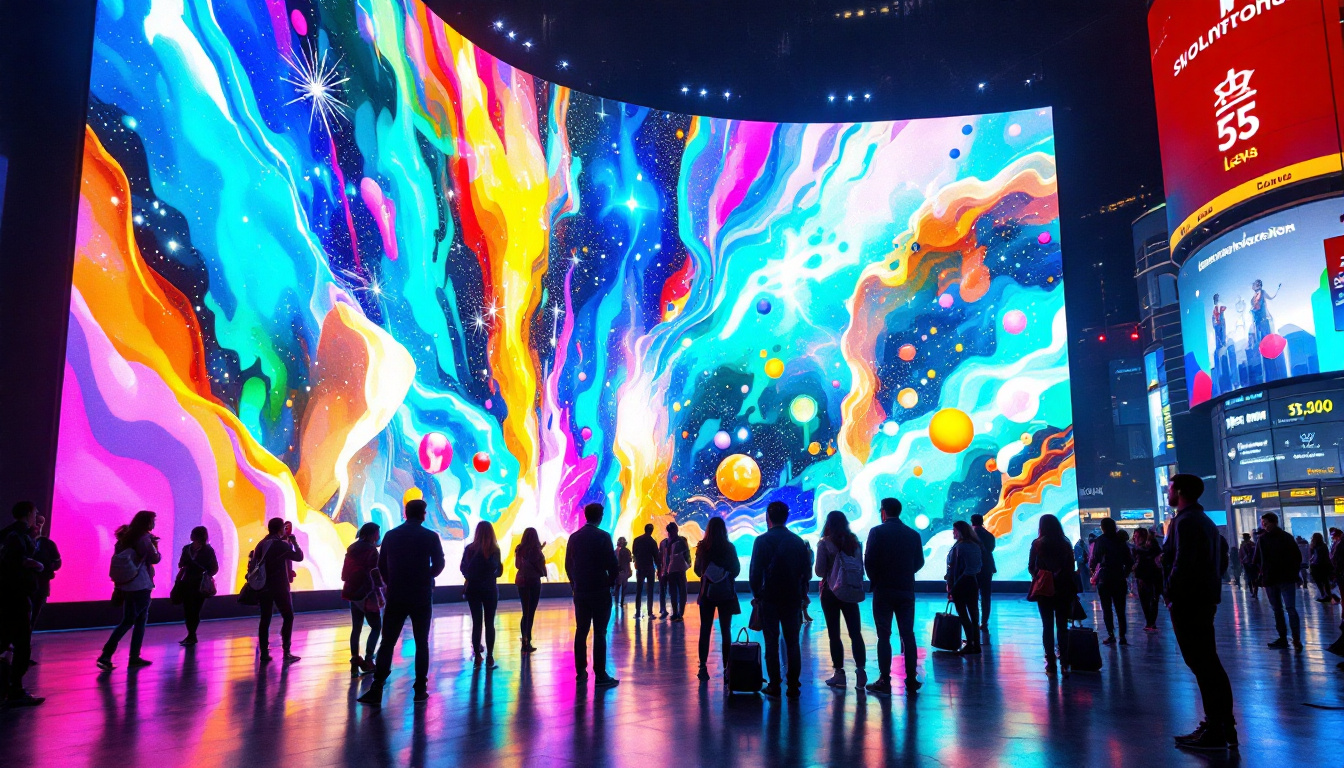
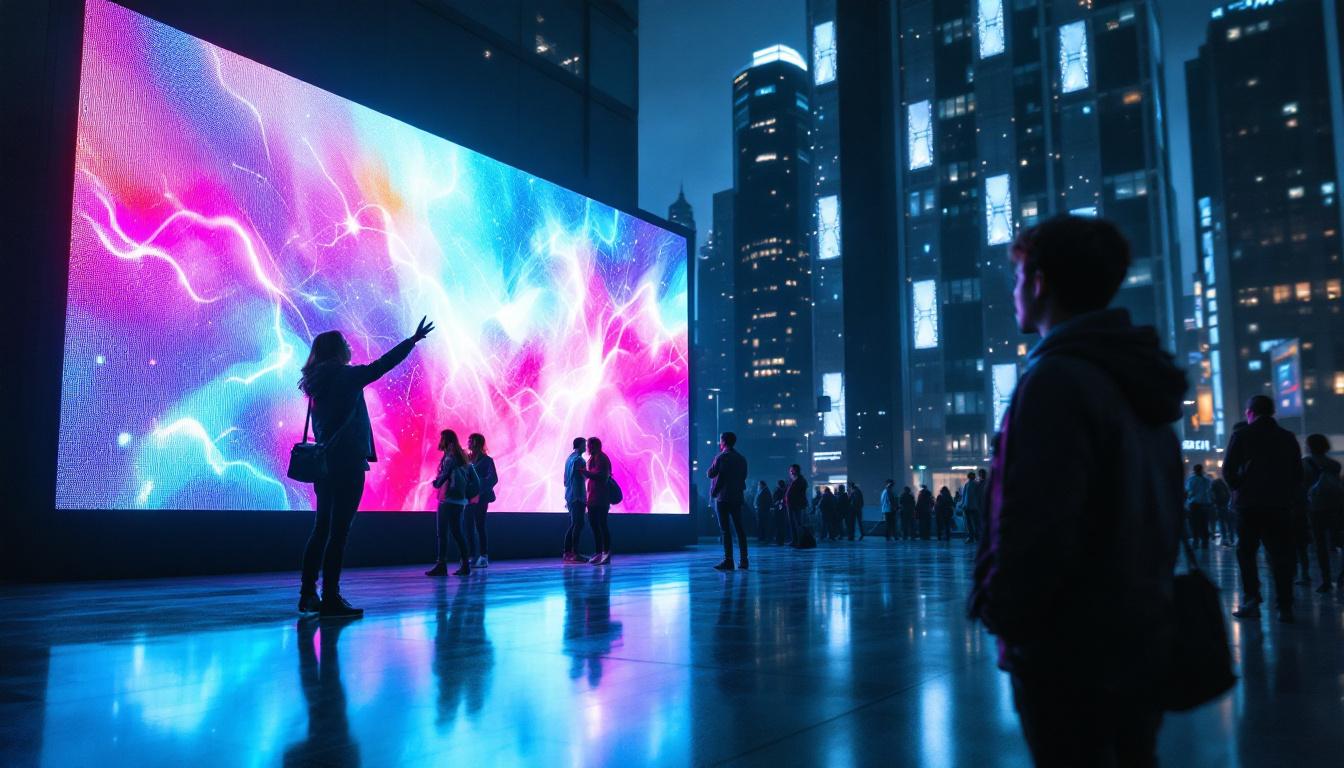
LED displays can vary widely in size, resolution, and configuration, making them suitable for a diverse range of applications. From small indoor screens used in retail stores to massive outdoor billboards towering over city streets, LEDs provide flexibility and scalability.
How LED Displays Work
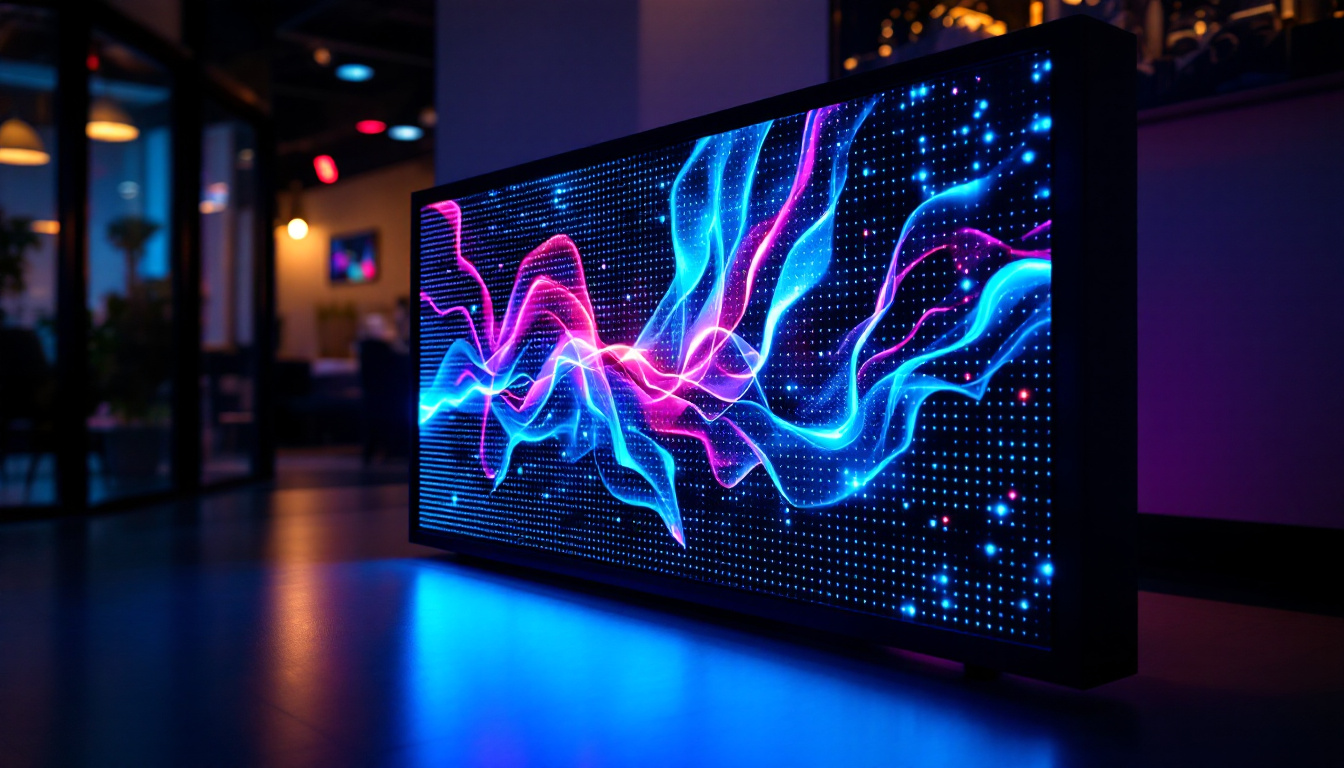
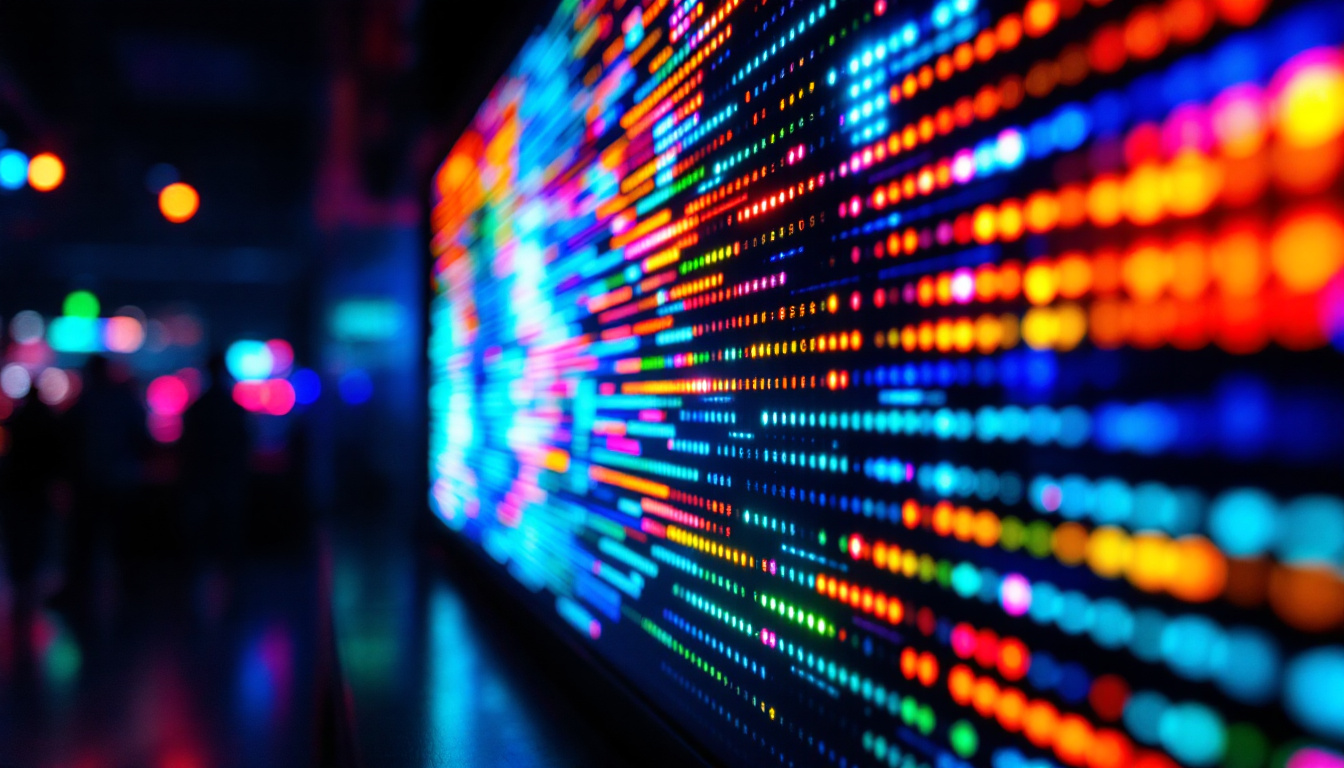
Each pixel on an LED display consists of one or more LEDs, typically red, green, and blue (RGB). By adjusting the intensity of each color, the display can produce a full spectrum of colors. The LEDs are controlled by a driver circuit and a controller board that processes the input signal, whether it’s video content or static images.
The key to the quality of an LED display lies in its pixel pitch—the distance between the centers of two adjacent pixels. A smaller pixel pitch means higher resolution and sharper images, especially important for close viewing distances.
Types of LED Displays
When searching for an LED for sale, understanding the different types of LED displays helps in selecting the right product for your needs. The two primary categories are indoor and outdoor LED displays, each with distinct characteristics.
Indoor LED Displays
Indoor LED displays are designed for environments with controlled lighting and closer viewing distances. They typically have a smaller pixel pitch, ranging from 0.9mm to 4mm, allowing for high-definition images and crisp text.
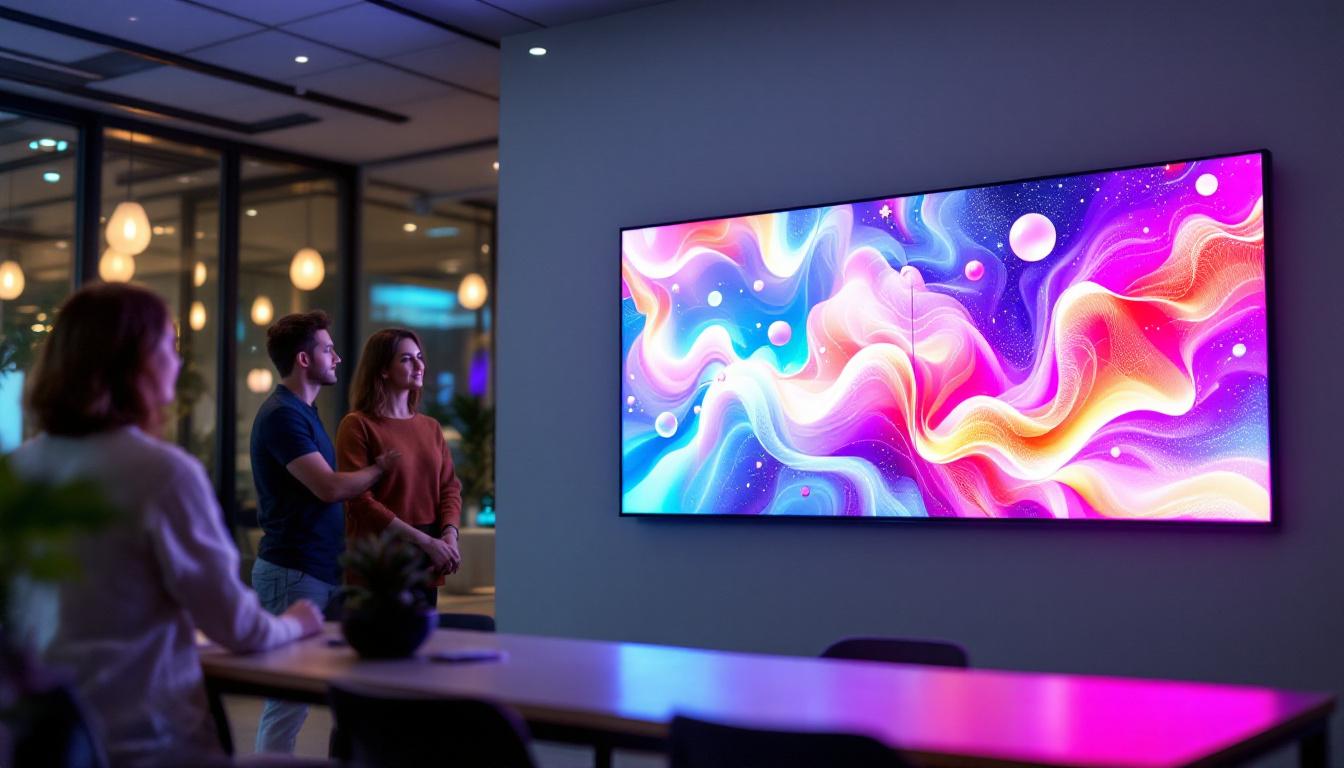
These displays are commonly used in conference rooms, retail stores, airports, and control rooms. Their brightness levels are lower than outdoor screens, usually between 800 to 1,200 nits, which is sufficient for indoor ambient lighting.
Outdoor LED Displays
Outdoor LED displays are built to withstand harsh weather conditions, including rain, wind, and extreme temperatures. They feature higher brightness levels, often exceeding 5,000 nits, to ensure visibility even in direct sunlight.
The pixel pitch for outdoor screens is generally larger, ranging from 4mm to 20mm, since viewers tend to be farther away. These displays are ideal for advertising billboards, stadium screens, and public information boards.
Flexible and Transparent LED Displays
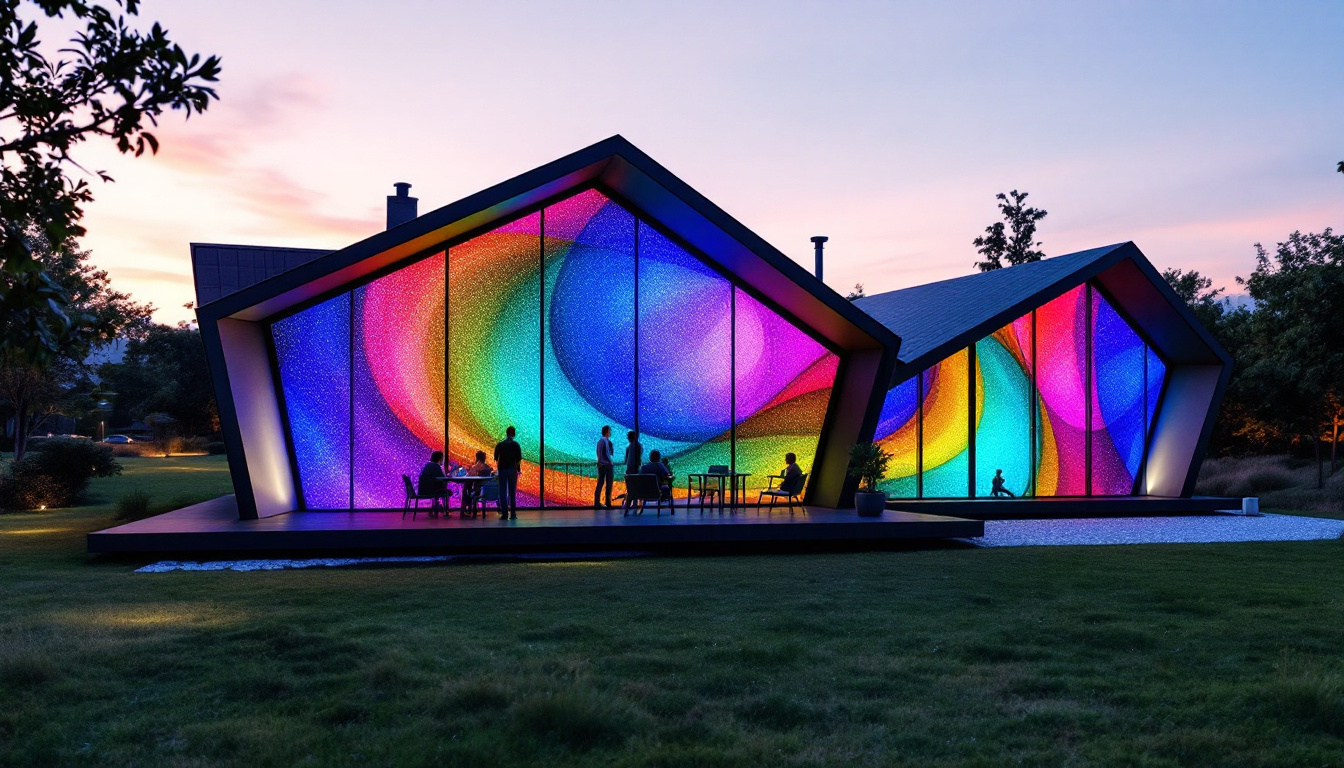
Innovations in LED technology have introduced flexible and transparent LED displays. Flexible LED panels can bend and curve, enabling creative installations on irregular surfaces. Transparent LEDs allow light to pass through, making them perfect for glass facades and shop windows without obstructing views.
These specialized displays are increasingly popular in architectural design and experiential marketing, offering unique visual experiences.
Advantages of LED Displays
LED displays offer several benefits over traditional display technologies, which explains their growing popularity across industries.
Superior Brightness and Contrast
LEDs emit their own light, resulting in higher brightness and better contrast ratios. This means images are more vivid and readable, even under bright ambient light conditions. For outdoor advertising, this advantage is critical for capturing attention and delivering clear messaging.
Energy Efficiency and Longevity
Compared to LCD and plasma displays, LED screens consume less power while delivering brighter images. The energy efficiency translates into lower operating costs, especially for large installations running for extended hours.
Additionally, LEDs have a longer lifespan, often rated between 50,000 to 100,000 hours. This durability reduces maintenance frequency and replacement costs.
Flexibility and Scalability
LED displays can be manufactured in various sizes and shapes, from small panels to massive video walls. Modular designs allow for easy expansion or reconfiguration, making them adaptable to changing needs.
Wide Viewing Angles
LED displays provide consistent image quality across wide viewing angles, ensuring that audiences see clear visuals from different positions. This is particularly important in public spaces and event venues.
Key Considerations When Buying an LED Display
Choosing the right LED display involves evaluating several technical and practical factors. Understanding these will help you find an LED for sale that meets your specific requirements.
Pixel Pitch and Resolution
The pixel pitch determines the resolution and clarity of the display. For indoor use where viewers are close, a smaller pixel pitch (below 3mm) is preferable for sharp images. For outdoor displays viewed from a distance, a larger pixel pitch (above 6mm) is acceptable and more cost-effective.
Brightness and Contrast Ratio
Assess the ambient lighting conditions where the display will be installed. Outdoor screens require higher brightness levels (5,000 nits or more) to remain visible in sunlight. Indoor displays typically need lower brightness but should still offer good contrast for clear visuals.
Durability and Weather Resistance
For outdoor installations, ensure the LED display has an appropriate IP rating (Ingress Protection). An IP65 rating or higher indicates strong resistance to dust and water, essential for longevity in harsh environments.
Refresh Rate
The refresh rate affects how smoothly video content appears. A higher refresh rate (above 1,920 Hz) reduces flickering and is especially important for broadcasting and live events.
Installation and Maintenance
Consider the ease of installation and access for maintenance. Modular LED panels that allow front or rear servicing can reduce downtime and simplify repairs. Also, factor in the structural support needed for large or heavy displays.
Budget and Total Cost of Ownership
While initial purchase price is important, evaluate the total cost of ownership, including energy consumption, maintenance, and potential upgrades. Investing in quality LED displays can save money in the long run through lower operational costs and better performance.
Popular Applications of LED Displays
LED displays are versatile and have found applications across numerous sectors, transforming how information and advertising are presented.
Advertising and Digital Signage
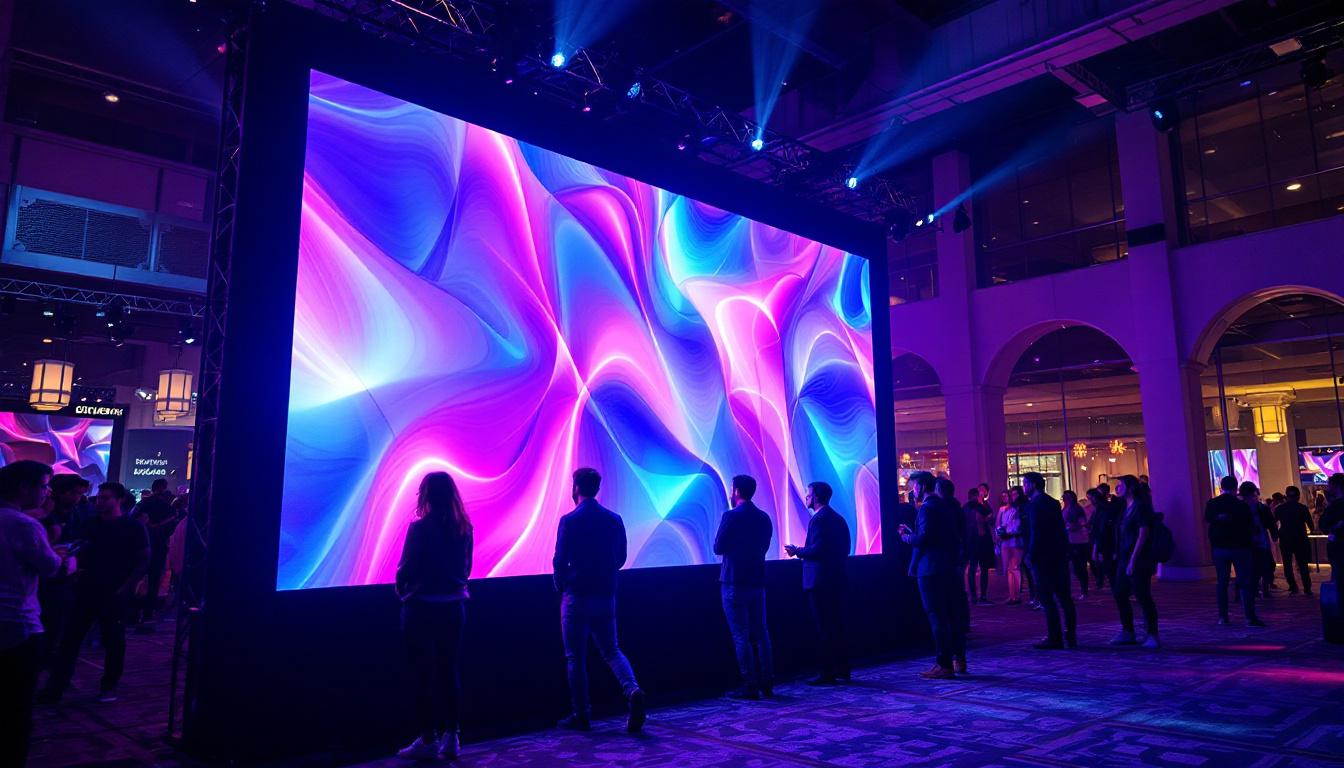
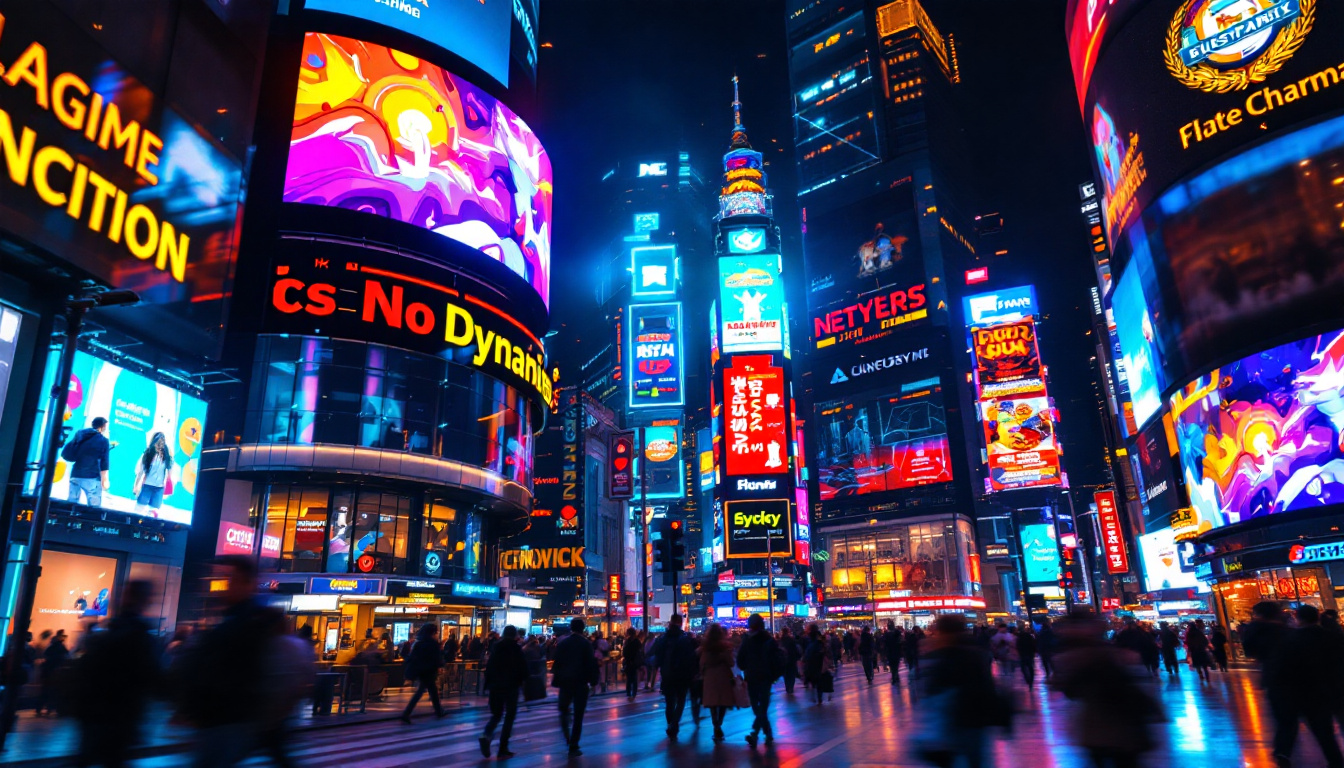
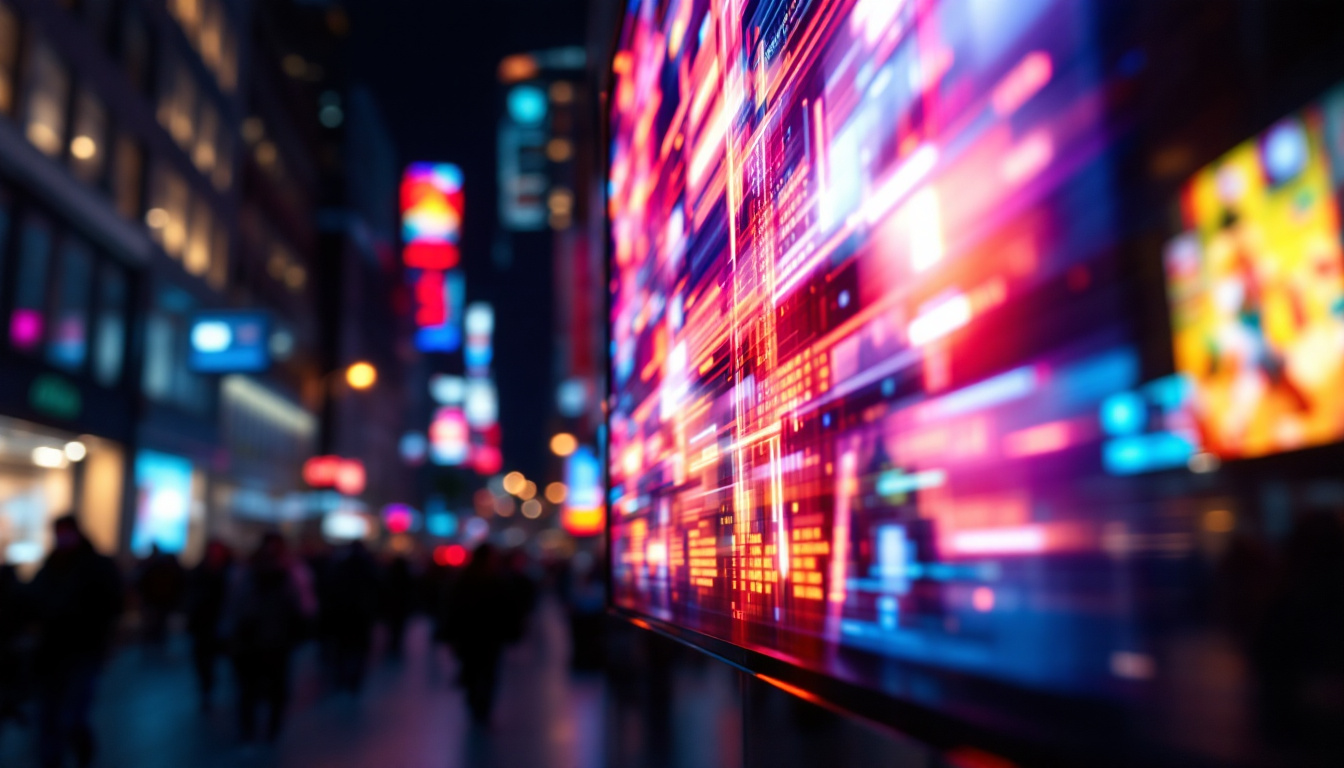
One of the most common uses for LED displays is outdoor and indoor advertising. Digital billboards with LED technology offer dynamic content that can be updated remotely, enabling timely promotions and interactive campaigns.
According to recent market research, the global digital signage market is expected to reach over $30 billion by 2027, driven largely by the adoption of LED displays in retail, transportation hubs, and entertainment venues.
Events and Entertainment
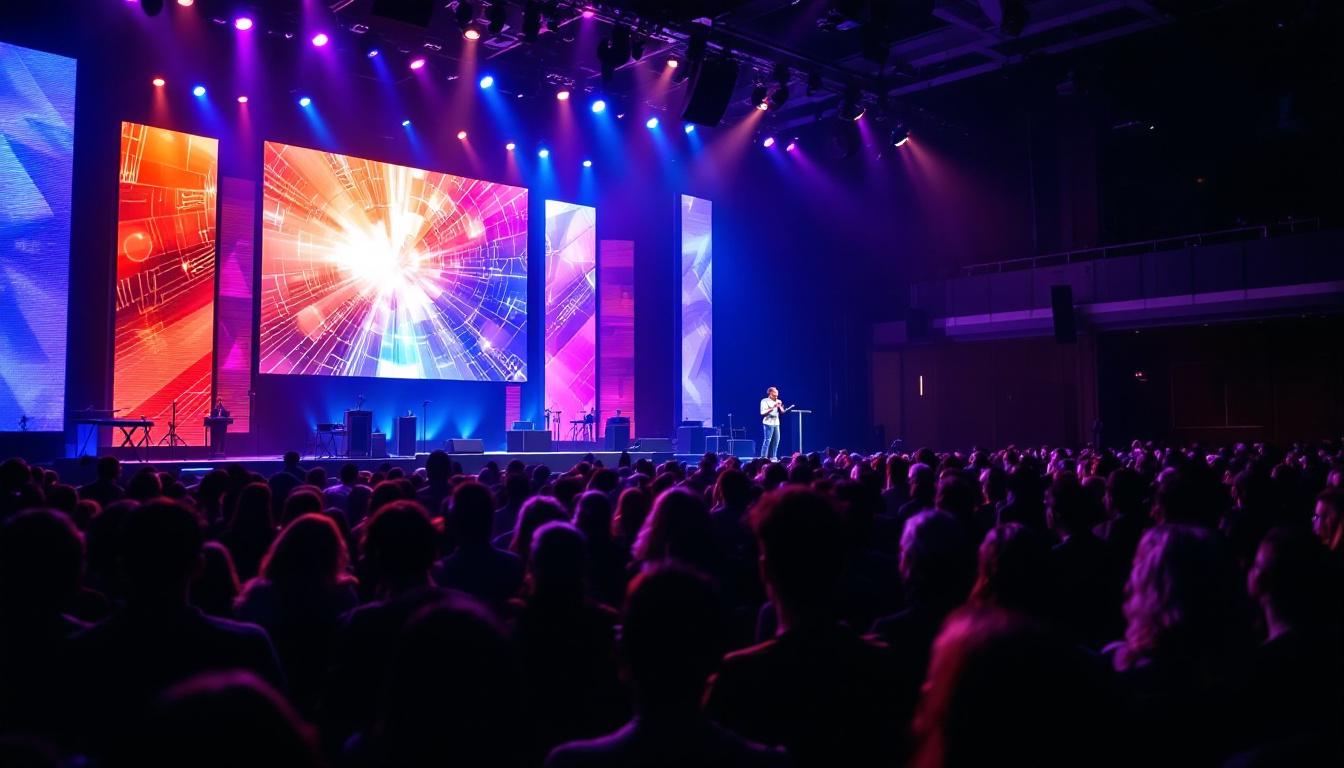
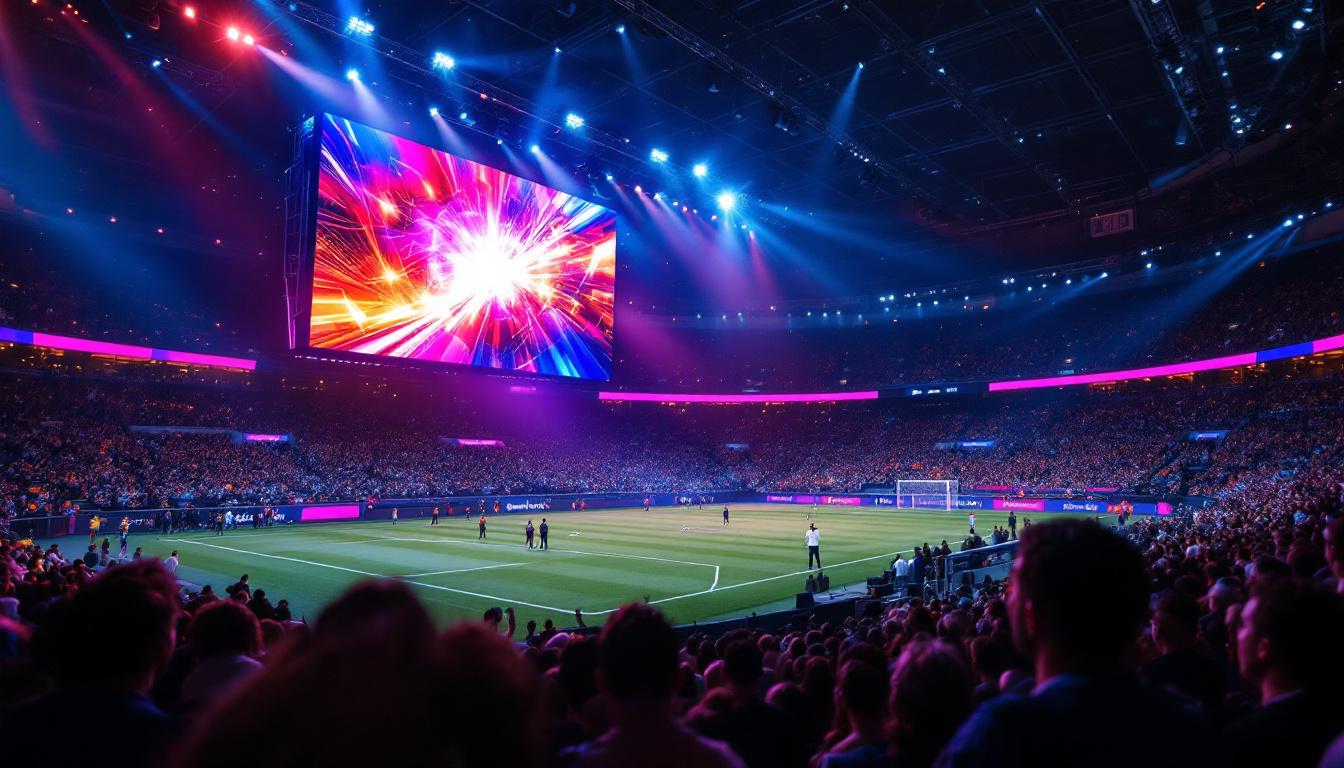
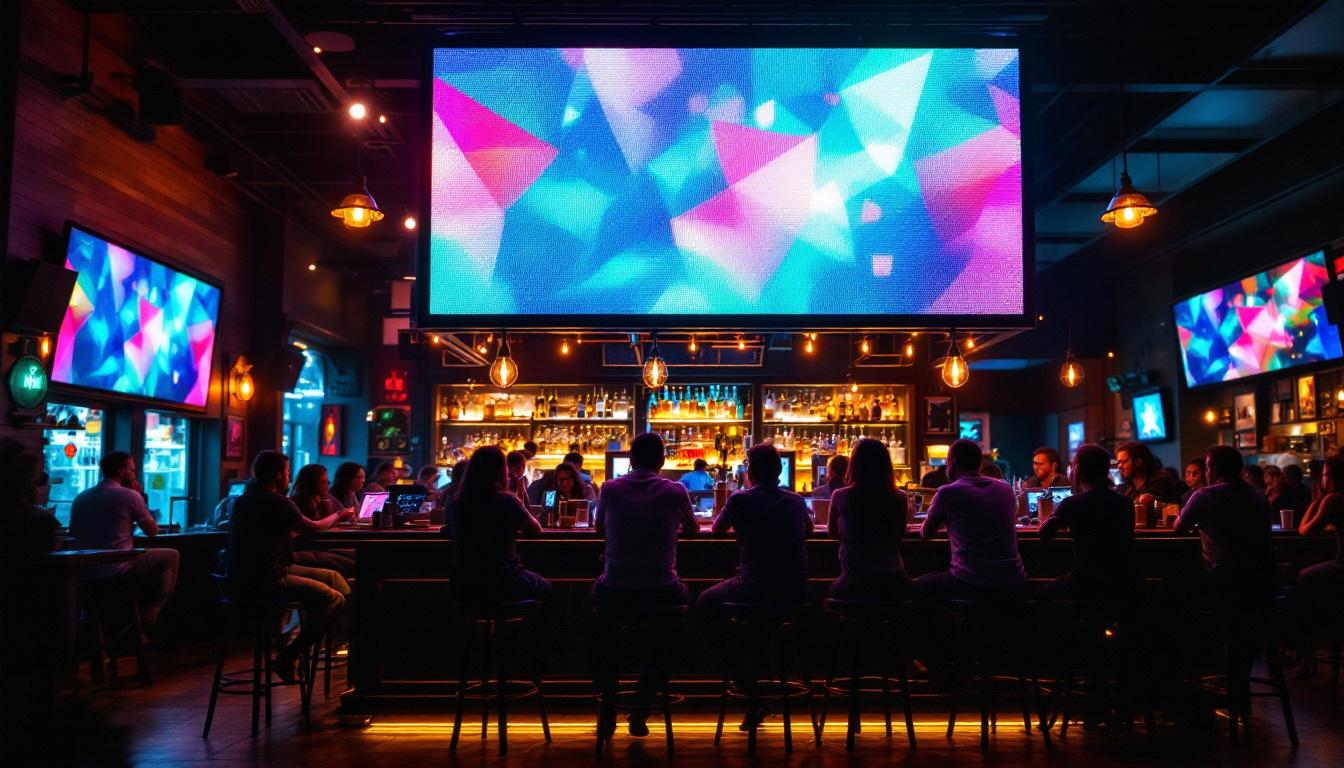
Concerts, sports arenas, and festivals utilize large LED video walls to enhance audience engagement. These displays provide high-resolution visuals and live feeds, creating immersive experiences for attendees.
Corporate and Control Rooms
In corporate environments, LED displays are used for presentations, video conferencing, and data visualization. Control rooms in utilities, transportation, and security sectors rely on LED walls for real-time monitoring and decision-making.
Retail and Hospitality
Retailers use LED screens for product promotions, interactive kiosks, and enhancing store ambiance. Hotels and restaurants employ LED displays for menus, event announcements, and decorative purposes.
How to Find Quality LED Displays for Sale
With the increasing demand for LED displays, the market is flooded with options ranging from budget-friendly models to premium solutions. To ensure you purchase a reliable product, consider the following tips.
Research Reputable Manufacturers
Look for manufacturers with proven track records, positive customer reviews, and industry certifications. Established brands often provide better warranties, technical support, and product quality.
Request Demonstrations and Samples
Whenever possible, view the LED display in action. Seeing the brightness, color accuracy, and build quality firsthand can help you assess if the product meets your expectations.
Check Technical Specifications Thoroughly
Compare pixel pitch, brightness, refresh rate, and IP ratings across different models. Ensure the specifications align with your intended use case.
Evaluate After-Sales Support
Good after-sales service is crucial for installation assistance, troubleshooting, and maintenance. Confirm the availability of local service centers or remote support options.
Consider Total Cost and Financing Options
Some suppliers offer flexible payment plans or leasing options, which can ease the financial burden of large-scale LED installations.
Future Trends in LED Display Technology
The LED display industry continues to innovate, with several emerging trends shaping the future of visual communication.
MicroLED and MiniLED Technologies
MicroLED and MiniLED are advancing the capabilities of LED displays by enabling even smaller pixel pitches and higher brightness levels. These technologies promise improved image quality and energy efficiency, potentially rivaling OLED displays.
Integration with AI and IoT
Smart LED displays integrated with artificial intelligence and Internet of Things (IoT) technologies enable dynamic content adaptation based on audience demographics, weather, and real-time data. This enhances engagement and advertising effectiveness.
Eco-Friendly and Sustainable Designs
Manufacturers are focusing on reducing the environmental impact of LED displays by using recyclable materials, reducing power consumption, and designing for easier end-of-life recycling.
Conclusion
LED displays have revolutionized the way information and advertising are presented, offering unmatched brightness, flexibility, and durability. Whether for indoor or outdoor use, understanding the technology and key specifications is vital when searching for an LED for sale. By carefully considering pixel pitch, brightness, durability, and budget, buyers can select displays that deliver optimal performance and long-term value.
As LED technology continues to evolve, embracing innovations like MicroLED and AI integration will unlock new possibilities for engaging audiences and enhancing visual communication. Investing in quality LED displays today ensures readiness for the dynamic digital environments of tomorrow.
Discover LumenMatrix’s Innovative LED Solutions
Ready to elevate your visual communication with cutting-edge LED technology? LumenMatrix offers a diverse range of LED display modules tailored to your unique needs, from Indoor and Outdoor LED Walls to specialized solutions like Vehicle, Sports, and Floor LED Displays. Our mission is to revolutionize your brand’s visibility and audience engagement. Don’t miss the opportunity to create captivating visual experiences with our Custom, All-in-One, and Transparent LED Displays. Check out LumenMatrix LED Display Solutions today and transform your digital signage into a powerful tool for impact and clarity.